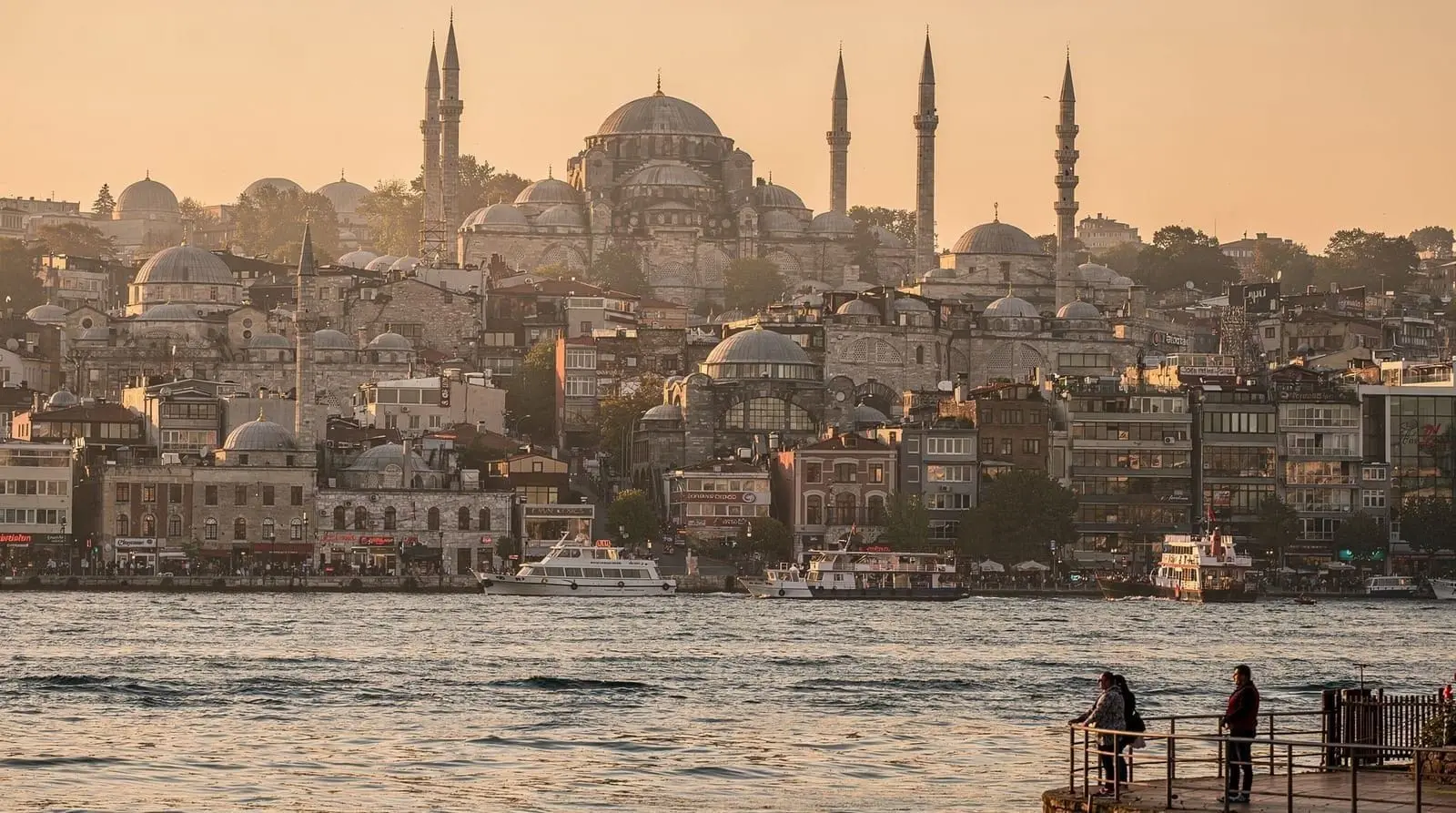
Top things to do in Istanbul — the honest guide
Full-Day Walking Tour of Istanbul's Old City
Duration: 5 hours
What are the top things to do in Istanbul?
The non-negotiable highlights are Hagia Sophia, Topkapı Palace, the Basilica Cistern, the Grand Bazaar, and a Bosphorus cruise. Add Süleymaniye Mosque (free) and the Spice Bazaar for a well-rounded old-city day. Budget at least three full days.
Why Istanbul rewards a full week
Istanbul straddles two continents and layers three empires — Byzantine, Roman before it, and Ottoman after — on top of each other in the same square kilometre. You can touch a column from the 4th century, stand under a dome built in 537, and walk out into a bazaar that has been trading since the 1460s, all within a half-hour stroll. That density is what makes the city worth the hype.
This guide focuses on what actually justifies the trip, how much to budget, and what you can safely skip to avoid tourist-trap fatigue.
The old city (Sultanahmet): your first two days
The old city on the European side is where every first-time visitor should start. Sultanahmet is compact enough to walk, but packs enough history to fill three days alone.
Hagia Sophia (Ayasofya) is the centrepiece. Built by Justinian I in 537 CE, it was the world’s largest cathedral for nearly a thousand years. Since 2020 it functions as a mosque again, which means it is free to enter — but the management now charges for the upper gallery and certain sections. Arrive early (opening, 9 am) or buy a skip-the-line ticket for the museum sections. Dress modestly: shoulders and knees covered, women cover hair at the entrance. See Hagia Sophia for the full visiting guide.
The Blue Mosque (Sultan Ahmed Camii) sits directly opposite Hagia Sophia across the Hippodrome. Despite the name, the interior is predominantly cream and grey with some blue Iznik tiles in the upper areas. It is still an active mosque, free to enter, with timed closures around the five daily prayers — most reliably open between prayers 10–11:30 am and 1:30–2:30 pm. Skip anyone outside charging a “donation” or “ticket fee”: the mosque is free.
Topkapı Palace was the administrative heart of the Ottoman Empire from the 1470s until the 19th century. It is a vast complex of courtyards, treasury rooms (housing the famous Topkapı Dagger and Spoonmaker’s Diamond), and the Harem. Budget 3–4 hours minimum; the Harem is a separate ticket but well worth it. Entry ~750 TRY (about 22 USD as of mid-2026), Harem ~350 TRY extra. See Topkapı Palace.
The Basilica Cistern (Yerebatan Sarnıcı) is directly across from Hagia Sophia and regularly overlooked by first-timers who assume it is minor. It is not. The underground reservoir from 532 CE, with its 336 marble columns, upside-down Medusa heads, and 2022 light installation is one of Istanbul’s most atmospheric spaces. Tickets ~600 TRY (~18 USD). Book ahead — it sells out. See Basilica Cistern.
The Grand Bazaar (Kapalıçarşı) opened around 1461 and now has over 4,000 shops across 60 covered streets. It is loud, labyrinthine, and chaotic — which is part of the point. You will get approached constantly. Ignore pressure tactics, stick to areas with posted prices for reference, and use it as an experience rather than a shopping centre. The quality and price of goods vary wildly. See Grand Bazaar.
Süleymaniye Mosque sits on the third hill above the Golden Horn, five minutes’ walk from the Grand Bazaar. Designed by Mimar Sinan in 1557 for Sultan Süleyman the Magnificent, it is arguably the greatest work of Ottoman architecture — serene, mathematically precise, and almost always less crowded than Hagia Sophia. Free. Visit outside prayer times. See Süleymaniye Mosque.
The Spice Bazaar (Mısır Çarşısı) near Eminönü dates from 1664 and still smells like a bazaar should. The tourist-facing inner stalls charge high prices; the outdoor market around it (Tahtakale) is where locals actually shop. Worth 30–45 minutes and the inevitable Turkish delight tasting.
A licensed full-day walking tour of the old city covers Hagia Sophia, the Blue Mosque, Topkapı, and the Bazaar in one efficient day with a guide who contextualises the history. Good value if you are pressed for time.
The Bosphorus: essential and cheap
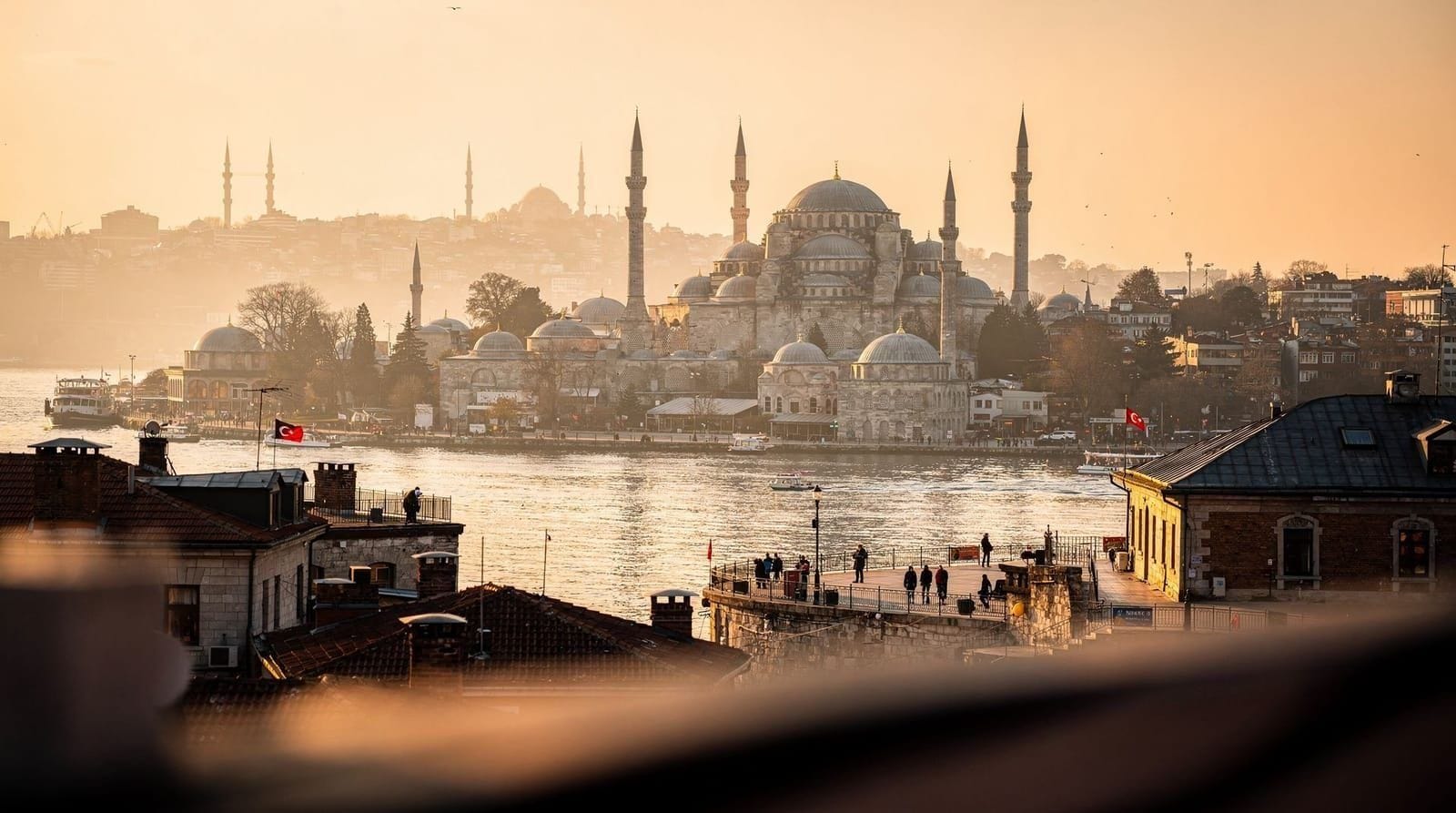
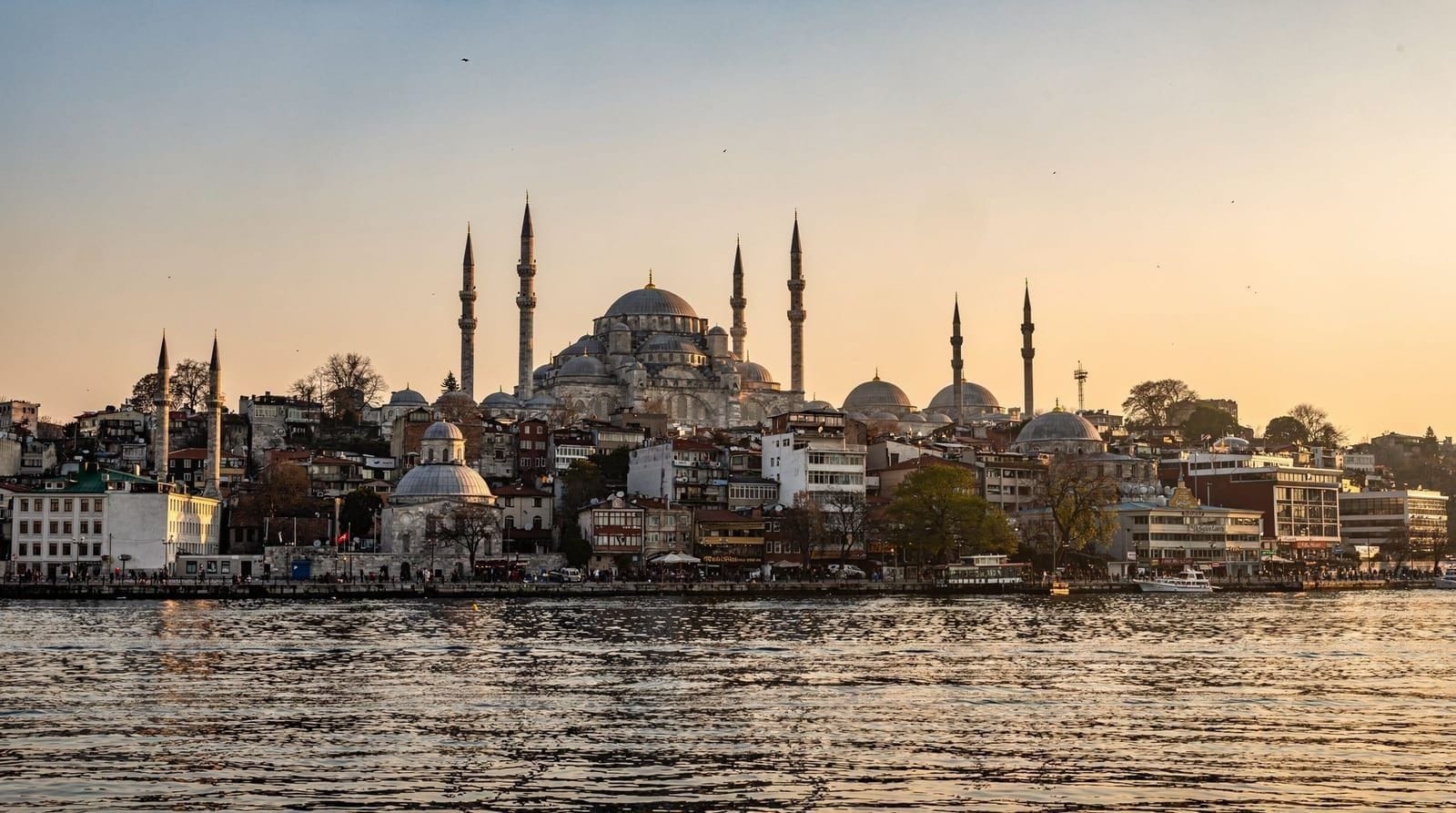
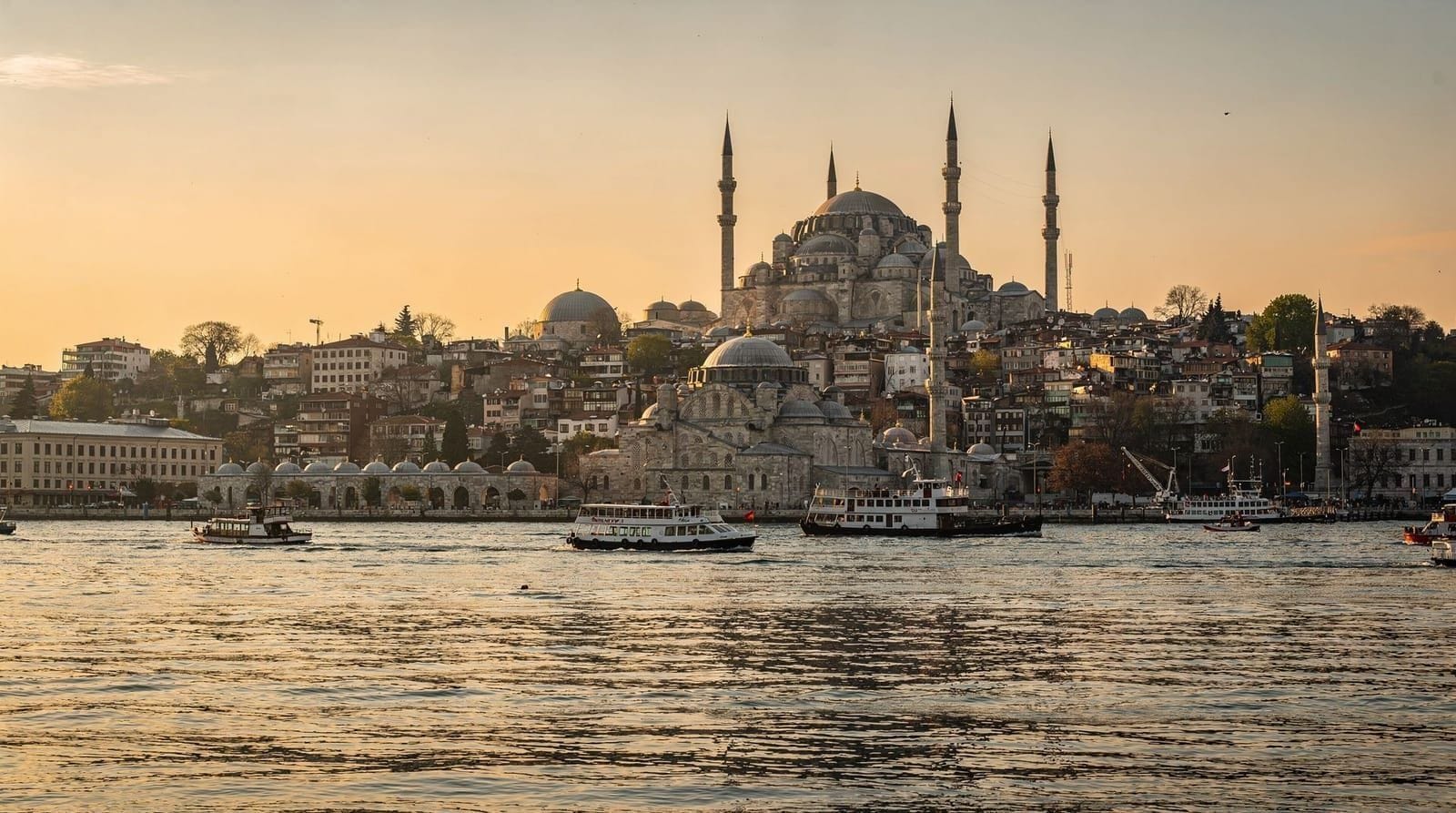
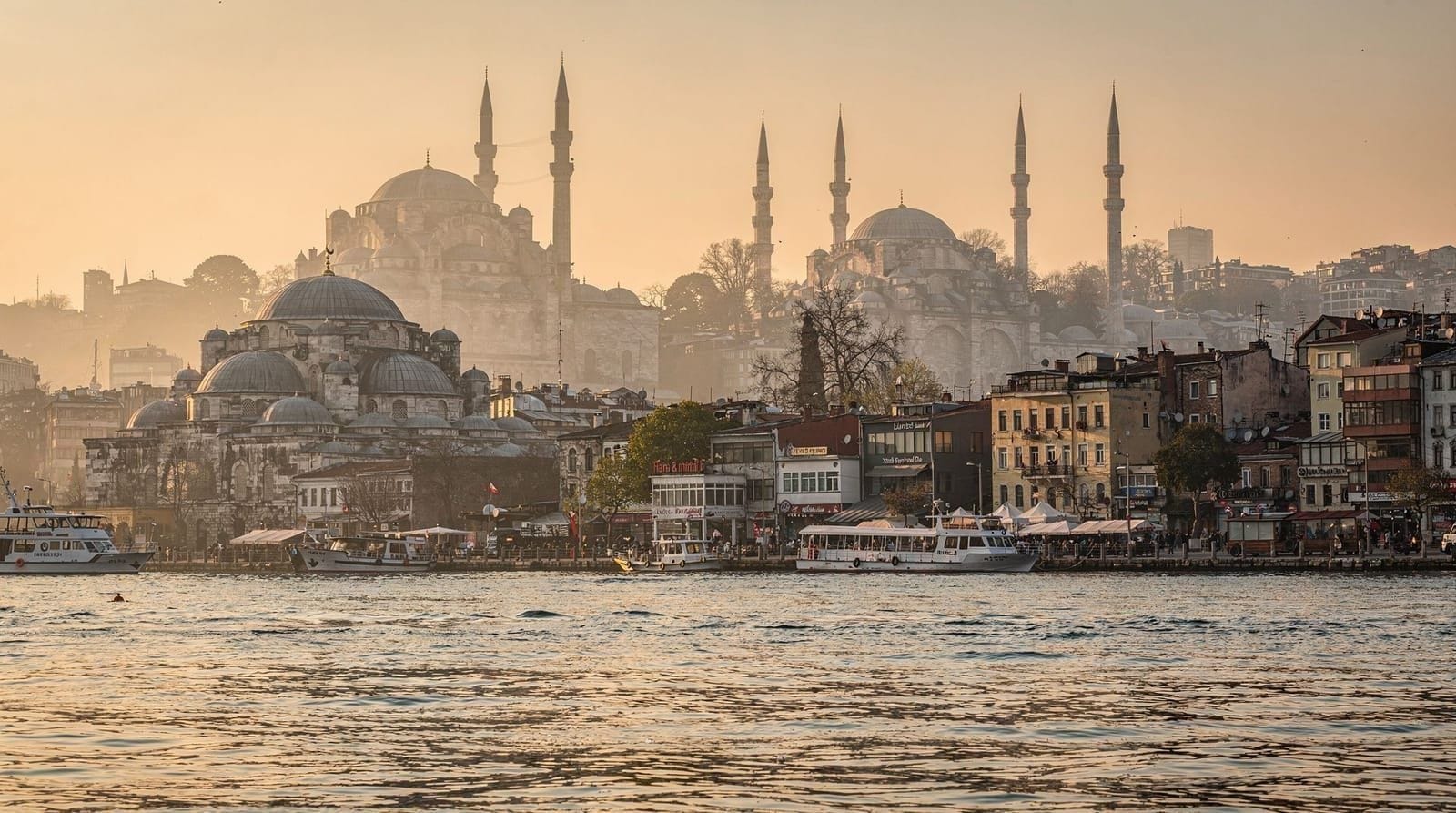
A Bosphorus cruise is non-negotiable. The strait connecting the Black Sea to the Marmara Sea divides Europe from Asia, and Istanbul’s skyline — domes, minarets, waterfront palaces — is most dramatic from the water.
The cheapest option: take the public Şehir Hatları ferry from Eminönü or Karaköy to Kadıköy (Asian side) or Üsküdar. About 70 TRY each way (~2 USD). It is not a guided tour, but it gives you the view. For something more structured, a half-day sightseeing cruise passes the Dolmabahçe Palace, Ortaköy Mosque, the two Bosphorus bridges, and the Rumeli Fortress. Prices start around 350–500 TRY (~10–15 USD) for shared tours; private yachts run far higher.
See Bosphorus cruises for a comparison of cruise types.
The modern city: Beyoğlu, Galata, Karaköy
Cross the Galata Bridge to the European but non-historical side. The Galata Tower (14th century Genoese) has one of the best 360-degree views of the city — worth the 250–350 TRY (~8–10 USD) entry if you get good visibility. Book online to avoid the queue. See Galata Tower.
İstiklal Caddesi (İstiklal Street) in Beyoğlu is a 1.4 km pedestrian spine of 19th-century buildings, bookshops, music shops, and cafés. Crowds peak in the evenings. The nostalgia tram (line T2, not to be confused with the modern T1) runs the length. The side streets — especially toward Cihangir and Galatasaray — are where the more interesting bars and restaurants hide.
Karaköy, at the base of the Galata Tower, has transformed over the past decade into a neighbourhood of good coffee shops, boutique restaurants, and design stores. Breakfast at one of the all-day brunch spots here is worth the morning. See Karaköy.
The Asian side: different pace, honest prices
Most tourists never cross to the Asian side, which means Kadıköy and Üsküdar offer exactly the Istanbul that locals actually inhabit. Kadıköy has the best street food market (Tarihi Kadıköy Pazarı), excellent fish restaurants on Moda Caddesi, and the hip neighbourhood of Moda. The ferry from Eminönü takes 20 minutes. A half-day here is genuinely worthwhile. See Kadıköy.
The Maiden’s Tower (Kız Kulesi) sits on a tiny islet just offshore from Üsküdar. Its origin story is older than Istanbul itself; the current structure dates from the 18th century. Entry ~250–350 TRY (~8–10 USD), ferry included. See Maiden’s Tower.
Practical matters: what it actually costs
Istanbul is significantly cheaper than Western Europe but less cheap than it was even three years ago, due to sustained high inflation in Turkey. All prices below are as of mid-2026 and should be treated as approximate.
- Hagia Sophia museum sections: ticket price and access rules: see the official Hagia Sophia website
- Topkapı Palace: ~750 TRY (~22 USD), Harem ~350 TRY extra
- Basilica Cistern: ~600 TRY (~18 USD)
- Galata Tower: ~250–350 TRY (~8–10 USD)
- Bosphorus sightseeing cruise (shared): ~350–600 TRY (~10–18 USD)
- A full sit-down lunch in Sultanahmet: ~200–400 TRY (~6–12 USD)
- Street simit: ~15–20 TRY (~0.50 USD)
- Turkish coffee (café): ~80–150 TRY (~2–4 USD)
For budget guidance and where to stay, see Trip planning.
What to skip (honest assessment)
Hop-on, hop-off buses cover the sights but Istanbul’s traffic makes them unpredictable. The tram T1 and walking cover the same ground faster.
Tourist restaurants directly on the Hippodrome often have inflated menus and average food. Walk one or two streets back. Hamdi Restaurant near the Spice Bazaar and Pandeli inside the bazaar building are exceptions at the higher end; Güneşli Bahçe in the Bazaar side streets is reliable mid-range.
Overpriced “traditional” shows in the old city: the ones outside established venues like Hodjapasha are often mediocre dinner-theatre experiences at restaurant prices. The Hodjapasha itself is a legitimate and beautiful 15th-century hamam converted into a performance space, worth it for the whirling dervishes ceremony.
“Free” walking tours that require a tip at the end often cover the same ground as the tourist brochure. Paid licensed guides usually offer better depth.
Day trips from Istanbul
Several popular “day trips” are more honest as overnight trips. Cappadocia requires a flight and at least one night to do properly (the balloon flights launch at dawn). Ephesus and Pamukkale are similarly better as two-night extensions. See Day trips for which trips are genuinely feasible in a day and which are not.
The Princes’ Islands (Büyükada and Heybeliada) are a genuine half-day or full day trip — ferry from Eminönü, bike or horse carriage on the car-free islands, lunch, ferry back. See Princes’ Islands.
A flexible combo ticket covering Hagia Sophia, Topkapı, the Basilica Cistern, and the Blue Mosque bundles the main Sultanahmet sites at a slight saving and lets you skip individual queues.
How to use your time well
Day one: Sultanahmet (Hagia Sophia first, then Basilica Cistern, Blue Mosque, Topkapı in the afternoon, end at the Grand Bazaar). Evening: dinner near the Spice Bazaar or Eminönü waterfront.
Day two: Süleymaniye Mosque in the morning, Galata Bridge walk, Karaköy lunch, Galata Tower, İstiklal in the afternoon, rooftop bar at sunset.
Day three: Asian side (Kadıköy market, Moda walk, Maiden’s Tower), afternoon Bosphorus cruise, evening Ortaköy.
Day four onward: Dolmabahçe Palace, Balat and Fener, a hammam experience, or a day trip.
For structured itineraries, see Istanbul in 3 days and Istanbul in 5 days.
Best time of year for these specific sights
Istanbul’s headline attractions are indoor or semi-covered, so weather matters less here than in most destinations — but crowd levels at Hagia Sophia, Topkapı, and the Basilica Cistern swing hard by season, and that changes how much of this list you can realistically fit into a day.
| Season | Crowds at top sights | What it means for this list |
|---|---|---|
| Apr–May | Heavy, building fast | Book Hagia Sophia and the Cistern 3–5 days ahead; mornings only for the Bazaar |
| Jun–Aug | Peak, hottest | Treasury queue at Topkapı can exceed an hour by 11am; start at opening |
| Sep–Oct | Heavy but cooler | Similar booking pressure to spring, more comfortable walking weather |
| Nov–Mar | Light | Walk-up tickets often fine; some Bosphorus cruise frequencies drop |
See Istanbul weather by month for a fuller breakdown, and the best time to visit guide if you’re still choosing dates.
Ramadan is a specific edge case worth flagging: mosque visiting hours around the five daily prayers get tighter, and some restaurants near conservative neighbourhoods close during daylight, though the tourist-facing Sultanahmet restaurant scene stays largely unaffected. See Ramadan in Istanbul if your trip overlaps.
If you have extra time beyond this list
Once the essentials above are covered, the next tier worth considering — not essential, but genuinely rewarding — includes Dolmabahçe Palace on the Bosphorus shore, a rooftop bar at sunset (see rooftop bars in Istanbul), and a proper street food crawl using the Istanbul street food guide. None of these compete with Hagia Sophia or the Bazaar for priority, but they round out a trip beyond the four- or five-day mark.
Independent sightseeing vs. a guided day
Most of the sights on this list can be done independently with pre-booked tickets and a tram card — nothing here requires a guide to access. Where a guide genuinely adds value: Hagia Sophia and Topkapı are dense with layered history that unlabelled rooms don’t explain, and the Grand Bazaar rewards someone who knows which alleys sell at fair prices. For a first Istanbul day, many visitors do better pairing one guided morning (old city highlights) with self-guided afternoons using the public transport guide to get around.
If you’re deciding where to base yourself for easy access to this list, see where to stay in Istanbul — Sultanahmet puts you inside walking distance of most of the old-city entries above, at the cost of the area’s tourist-restaurant markup covered earlier.
A guided Hagia Sophia, Blue Mosque, and Grand Bazaar tour is a practical way to cover the three busiest old-city sights with someone handling the logistics and the history in one morning.
Frequently asked questions about Top things to do in Istanbul — the honest
How many days do I need in Istanbul?
Is Istanbul safe for tourists?
What is the best time to visit Istanbul?
Do I need to book tickets in advance?
What is the best free thing to do in Istanbul?
How do I get around Istanbul?
Are guided tours worth it in Istanbul?
What is one thing most tourists skip that they should not?
Top experiences
Bookable activities with verified prices and instant confirmation on GetYourGuide.