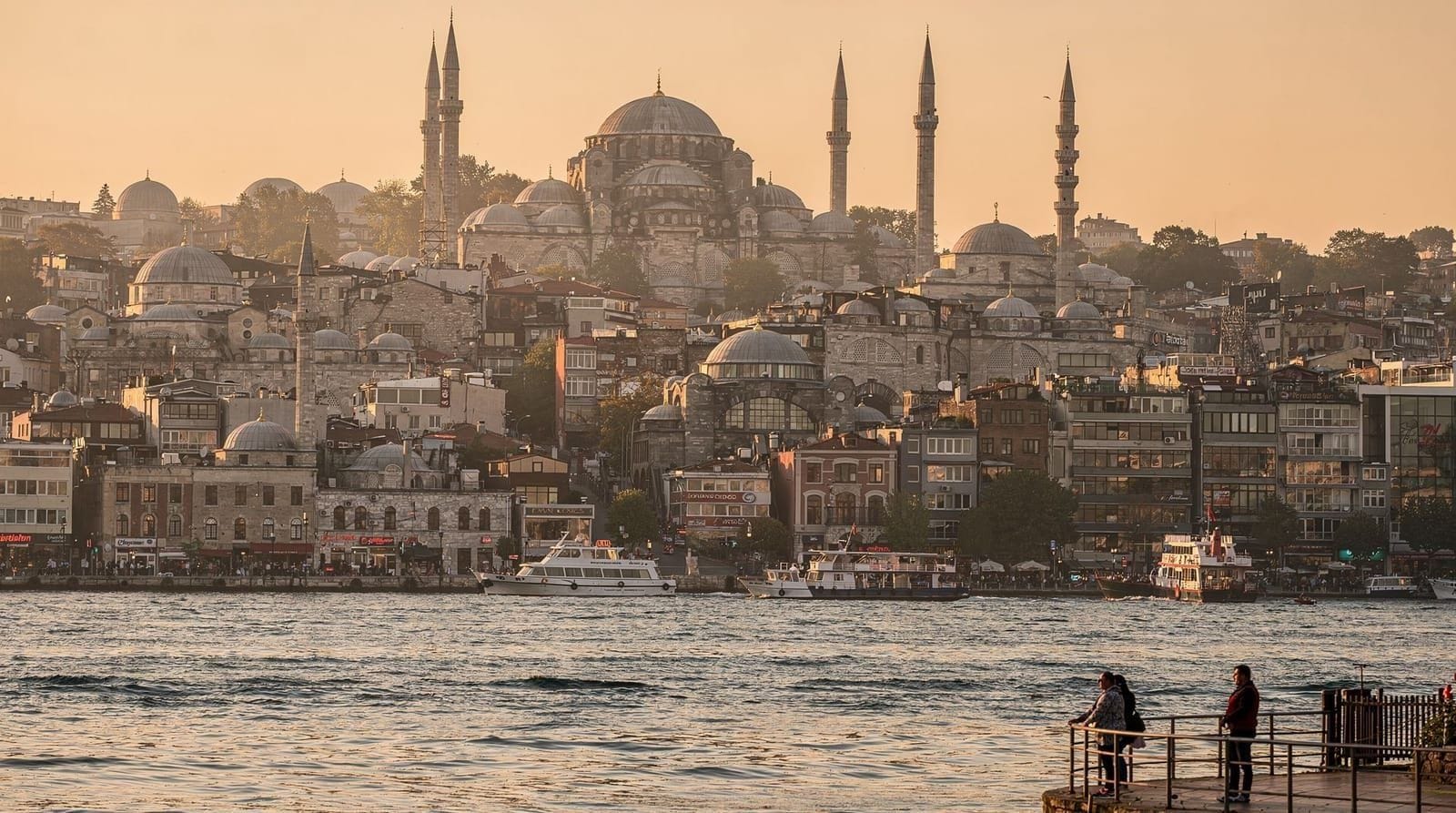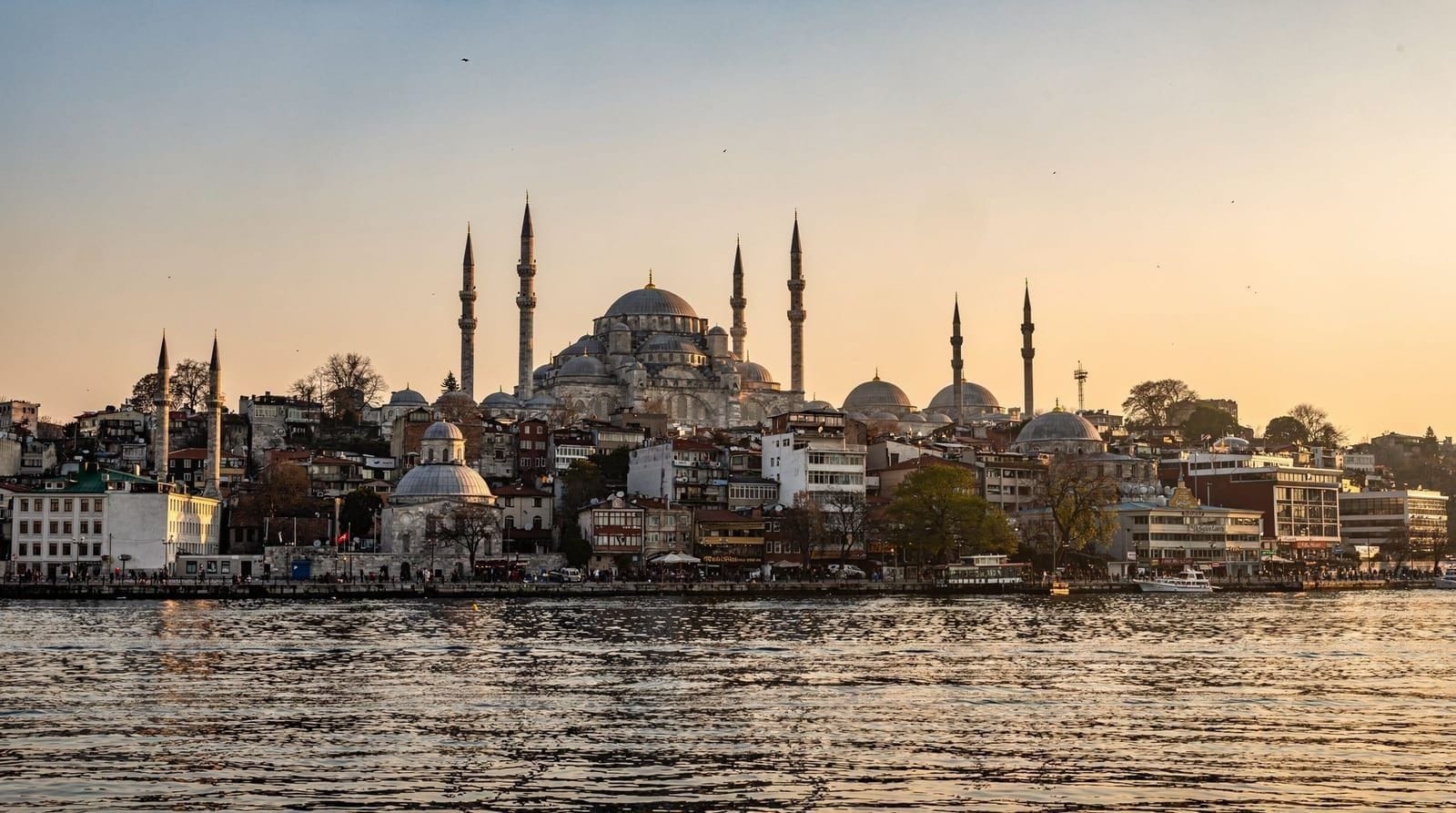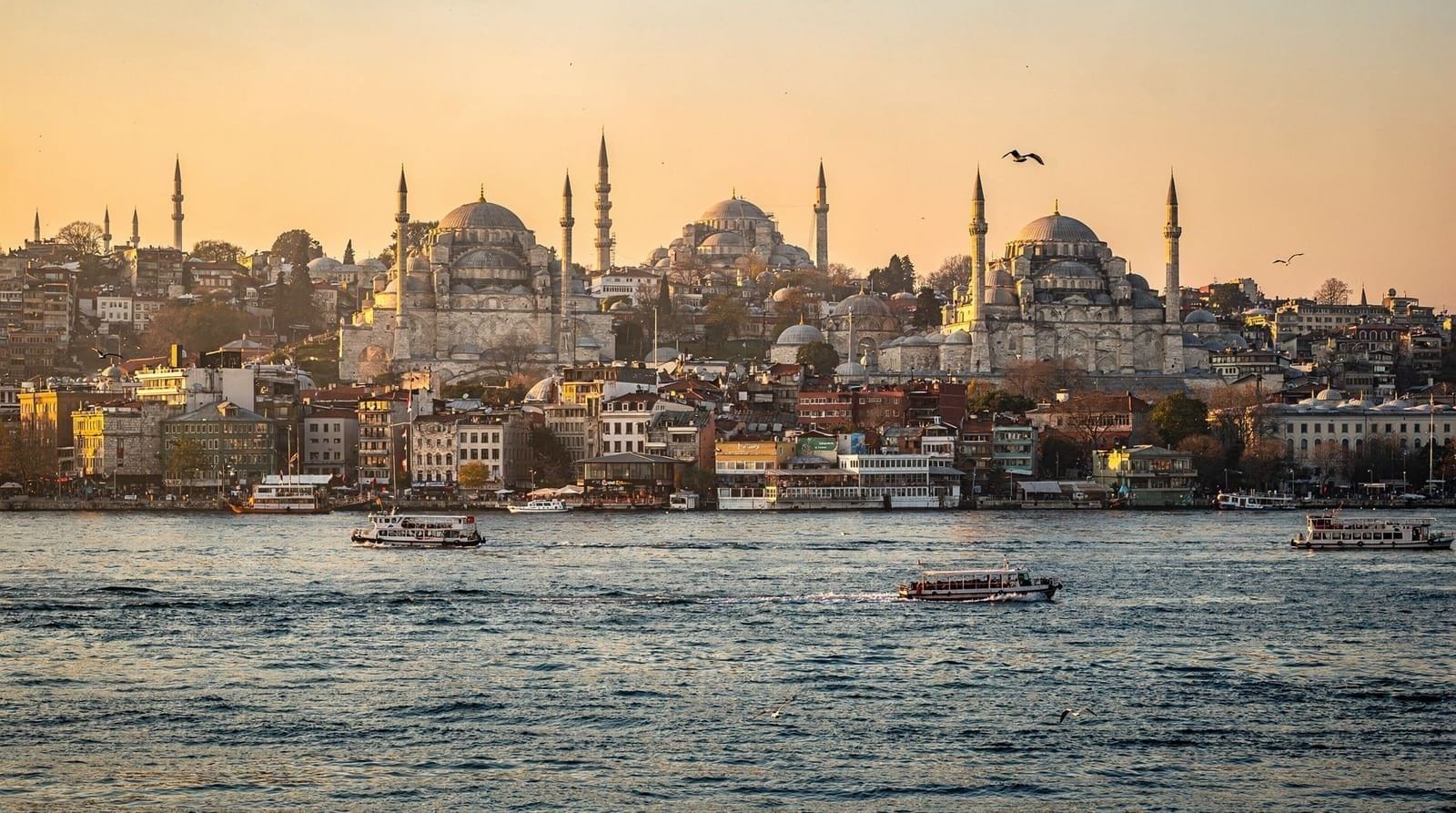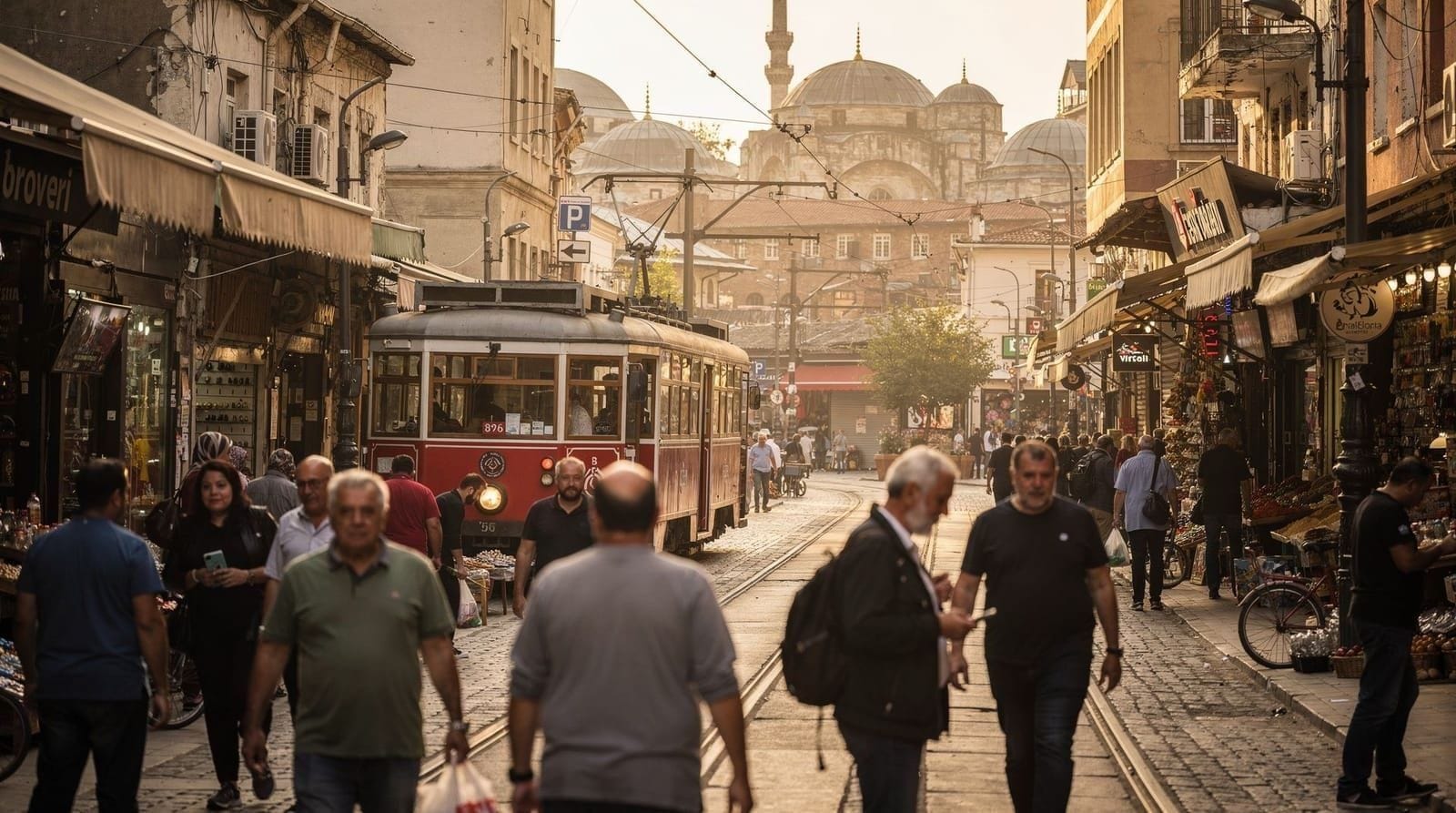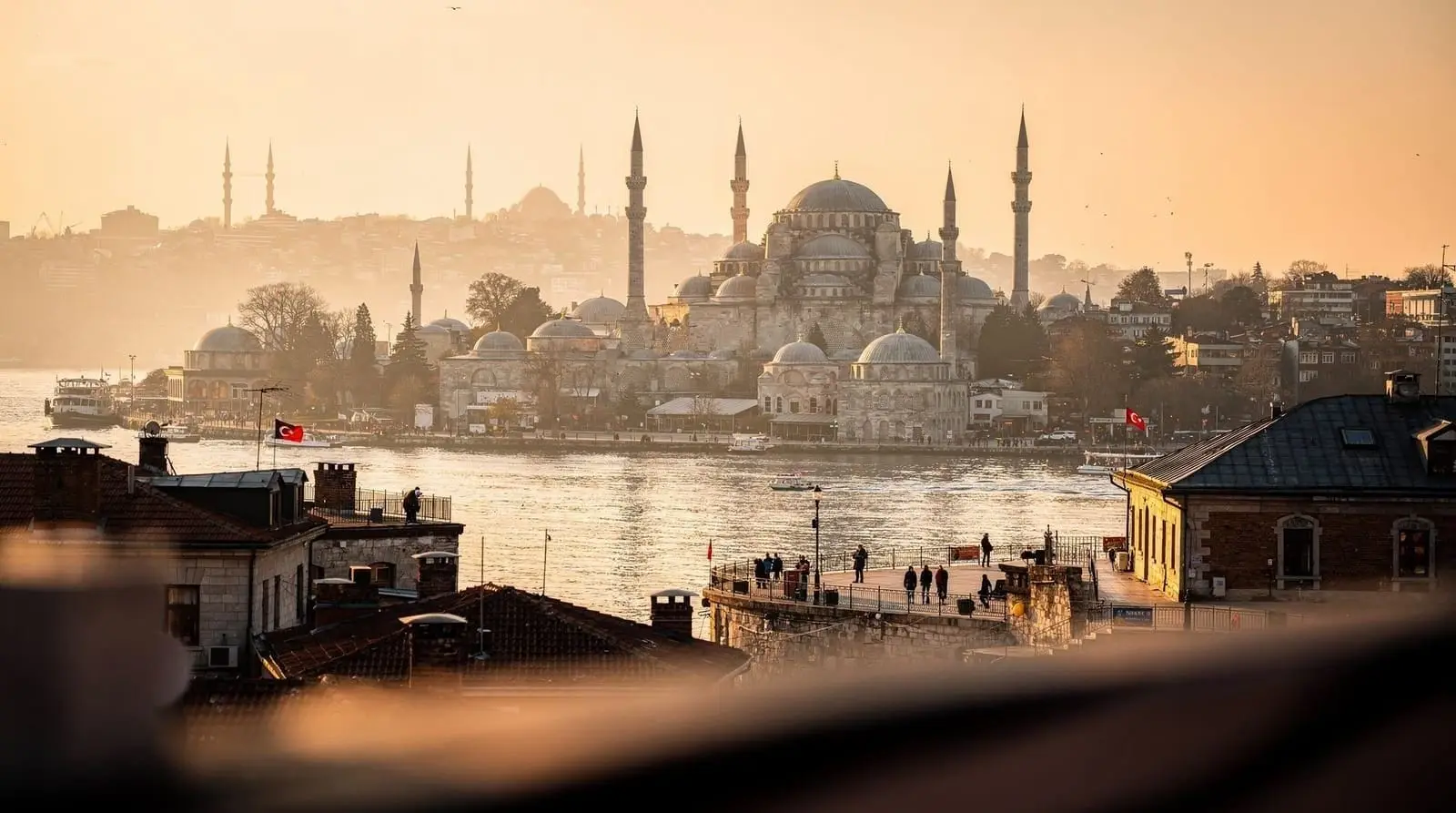
Istanbul for first-timers — everything you need to know before you go
Full-Day Walking Tour of Istanbul's Old City
Duration: 5 hours
What do first-time visitors to Istanbul need to know?
Istanbul rewards preparation. Buy your e-Visa before arrival, book Hagia Sophia and the Basilica Cistern in advance, get an Istanbulkart at the airport, and stay in Sultanahmet or Beyoğlu for your first visit. Budget 3–4 days minimum. The city is safe for tourists with standard urban precautions.
What first-timers get wrong about Istanbul
The most common first-timer mistake is treating Istanbul like a European city that happens to have mosques. It is more interesting and stranger than that. It spent nearly a thousand years as the world’s most important city (as Constantinople), then another four centuries as the Ottoman capital, and it carries both histories simultaneously on the same street corners. Understanding that duality is what makes a first visit work.
The second mistake is under-planning. Istanbul rewards a little preparation — pre-booked tickets, a basic understanding of neighbourhoods, and knowledge of the scams — in a way that cities like Paris or Barcelona do not.
This guide covers what you actually need to know before you arrive.
| Minimum stay | 3–4 days |
| e-Visa | around 50 USD, apply at evisa.gov.tr before you fly |
| Best neighbourhoods | Sultanahmet (history) or Beyoğlu (food, nightlife) |
| Get around with | Istanbulkart, loaded at the airport |
| Best season | April–May or September–October |
Getting there and from the airport to the city
Istanbul has two international airports. IST (Istanbul Airport) is the main hub on the European side, roughly 35–40 km northwest of the city centre. SAW (Sabiha Gökçen) is on the Asian side, about 45 km southeast. They are on opposite sides of the Bosphorus — if you arrive at SAW and need to be at IST for a domestic flight, budget at least 90–120 minutes in good traffic. Check your airport before booking anything.
From IST to central Istanbul: take the M11 metro to Gayrettepe station, transfer to M2, then tram T1 to Sultanahmet. Takes 60–75 minutes, costs around 50–60 TRY (~1.50 USD). More reliable than a taxi in traffic. Alternatively, official taxis run ~600–900 TRY (~18–27 USD) with meter, or book a private transfer in advance.
From SAW: the HAVABUS shuttle runs to Kadıköy and Taksim. Takes 60–90 minutes depending on traffic (~100–150 TRY). From Kadıköy you can take the ferry to Eminönü on the European side. A taxi from SAW to central Istanbul can exceed 1,000 TRY (~30 USD).
Get an Istanbulkart at the airport (costs ~80 TRY to buy, load credit separately). It works on all public transport — metro, tram, bus, ferry, funicular. The Marmaray (tunnel train under the Bosphorus) and the Bosphorus ferries also accept it. See Getting around.
Where to stay for your first visit
Sultanahmet (the old city): walkable to Hagia Sophia, Blue Mosque, Basilica Cistern, and Grand Bazaar. Quieter in the evenings as the tourist day trade winds down. Good range from budget guesthouses to Four Seasons Sultanahmet (one of the better luxury options, in a converted 19th-century prison). Restaurants here are mostly tourist-facing; walk toward Kadırga or Cankurtaran for more local options.
Beyoğlu / Galata: the European modern city, across the Golden Horn. İstiklal Caddesi, Karaköy, Cihangir. Better restaurant and bar scene, more interesting boutique hotels. 10–15 minutes by tram or taxi to Sultanahmet. Pera Palace Hotel (historic, Art Deco, connected to the Orient Express) is the landmark accommodation option here.
Beşiktaş: on the Bosphorus waterfront between Dolmabahçe and Ortaköy. Excellent for long-stay visitors who want a local neighbourhood feel. Slightly further from the old city but well-connected by ferry and tram.
For longer stays, the Asian side (Kadıköy, Moda) offers genuinely local living with ferry access to the European side.
Getting around Istanbul
The main tourist circuit uses tram T1 (Kabataş–Sultanahmet–Eminönü), metro M2 (connecting to the airport line and Taksim), and the Bosphorus ferries. For the old city, walking is often faster than transit.
Taxis: use BiTaksi or Uber (which connects to licensed taxis) to avoid fare manipulation. Agree on the meter or use an app-set price. Unmetered trips are always suspicious. Do not get in a taxi at Sultanahmet that is flagged down by a “helpful” bystander.
Driving: do not drive in Istanbul unless you have done it before. Traffic is intense, parking is near-impossible in the old city, and pedestrian behaviour is unpredictable. Transit is faster for most journeys.
The e-Visa: get it before you arrive
Apply at evisa.gov.tr (official site only — there are third-party sites that charge inflated processing fees). The e-Visa typically costs around 50 USD, is valid for 90 days, and is issued within minutes. You need it before boarding — most airlines check.
Some nationalities (US, UK as of 2026) have visa-free entry for up to 90 days. Check the current requirements for your specific passport at the official site or your government travel advisory; these rules change.
Money and costs
Bring a card that doesn’t charge foreign transaction fees. In tourist restaurants and hotels, cards work reliably. Carry TRY cash for: street food, small shops, taxis if not using an app, tips, and markets. ATMs are widely available; use those attached to major banks (Garanti BBVA, Akbank, İşbankası) and avoid standalone machines in tourist areas.
The exchange rate against major currencies is volatile due to sustained Turkish inflation. Check the rate on the day of arrival; printed guidebook prices in TRY are almost certainly outdated. For current rough conversions: approximately 30–35 TRY per 1 USD as of mid-2026 (check at time of travel).
Major expenses to budget for (mid-2026 approximate):
- Hagia Sophia museum sections: ticket price and access rules: see the official Hagia Sophia website
- Topkapı Palace: ~750 TRY (~22 USD) + Harem ~350 TRY
- Basilica Cistern: ~600 TRY (~18 USD)
- Bosphorus cruise (shared): ~350–600 TRY (~10–18 USD)
- Hammam (basic): ~700–1,000 TRY (~20–30 USD)
- Mid-range restaurant dinner (per person, with drinks): ~400–700 TRY (~12–20 USD)
See Trip planning for a full budget guide.
Mosque etiquette — the practical version
Four rules: cover shoulders and knees (all genders); women cover hair with a scarf inside the prayer area; remove shoes (bags are provided at the entrance); stay quiet and respectful. Avoid visiting during the five daily prayer times, especially Friday midday prayer when mosques are at their fullest.
Free entry: all functioning mosques in Istanbul — Blue Mosque, Süleymaniye, Eyüp Sultan, New Mosque at Eminönü, Ortaköy Mosque, and all others — are free to enter. Anyone outside a mosque charging a “ticket” or “donation” is not affiliated with the mosque. This is a known scam near the Blue Mosque. See honest Istanbul planner.
Safety and common scams
Istanbul is safe by the standards of major international cities. The specific risks to know:
Taxi scams: the most common issue. Drivers may quote a flat rate, run a meter backwards (not always visible), or claim to not have change for a large note. Use BiTaksi or Uber for app-confirmed pricing. If taking a street taxi, confirm the meter is running before the car moves.
Bar scams in Beyoğlu: a “friendly” local man strikes up a conversation near İstiklal and suggests going to a bar or club for a drink. The bar turns out to charge 2,000–5,000 TRY per round for basic drinks. Women sometimes play a role in luring male tourists. If someone you just met invites you to a specific bar by name, decline.
Shoe polish drop: a shoe-shiner “accidentally” drops his brush near you. When you pick it up and hand it back, he insists on polishing your shoes for a “gift” and then demands payment. Ignore the dropped brush.
Fake mosque fees: described above. Free.
Counterfeit goods: not a safety issue but worth knowing — goods sold as “genuine” Turkish ceramics, leather, or textiles in the tourist areas are often mass-produced imports. Genuine handmade pieces exist but require knowing what to look for or finding a reputable shop.
For more, see honest Istanbul planner and Honest Istanbul.
Food and drink basics
Turkish food in Istanbul ranges from good to exceptional. The tourist-area restaurants on and around the Hippodrome are the weakest version — expensive, generic, and aimed at one-time visitors. Walk one street back in any direction to find better options at lower prices.
Things worth ordering:
- Balık ekmek (fish sandwich): from the boats at Eminönü, around 100 TRY
- Meze: small dishes, ordered to share, typically at a meyhane (tavern)
- Kebap: less often found at tourist restaurants; better in working-class areas and the Kadıköy market
- Turkish coffee (türk kahvesi): thick, unfiltered, served with çay and lokum
- Çay (tea): served in small tulip-shaped glasses, offered everywhere
- Baklava: Karaköy Güllüoğlu (the original Karaköy shop) for the best in the city
For a full eating guide, see Food & drink.
Your first two days: a practical structure
Day one: Hagia Sophia (9 am), Basilica Cistern (10:30 am), Blue Mosque (noon), Hippodrome walk, Spice Bazaar and Eminönü waterfront (2 pm), Galata Bridge at dusk, dinner in Karaköy.
Day two: Topkapı Palace and Harem (9 am–1 pm), Süleymaniye Mosque and terrace (2 pm), Grand Bazaar (3:30 pm), Bosphorus ferry to Kadıköy (6 pm), dinner on the Asian side.
For more structured itineraries, see Istanbul in 3 days and Istanbul for first-timers.
A guided old city walking tour on your first day contextualises the historical layers in a way that is difficult to replicate independently, especially at Hagia Sophia and Topkapı. Guides licensed by the Ministry of Culture carry ID cards; always ask.
Staying connected: SIM cards and Wi-Fi
Buying a local SIM or eSIM at arrival is worth doing on day one — Turkcell and Vodafone booths at both IST and SAW sell tourist packages (roughly 500–800 TRY for 20–30 GB, valid up to a month), and registration takes a passport scan a few minutes. Most hotels and cafés also offer decent Wi-Fi, but a working data connection makes BiTaksi, Google Maps and the Şehir Hatları ferry app far more reliable, especially navigating the backstreets of Balat and Fener or the Grand Bazaar’s maze of lanes.
Timing your trip around Ramadan and public holidays
Istanbul’s rhythm shifts noticeably during Ramadan — many restaurants in conservative neighbourhoods close during daylight hours, while the evening iftar meal turns squares like Sultanahmet into a genuine local event worth experiencing. It isn’t a reason to avoid the city, but it changes what a “normal” day looks like; see the Ramadan in Istanbul guide for what to expect and how to adapt your schedule. Outside Ramadan, national holidays (23 April, 19 May, 29 October) can mean closed museums and crowded transit, so check the calendar against your dates before locking in tickets.
Weather by season, in practical terms
Istanbul’s shoulder seasons are the most forgiving for a first visit, but each season has its own trade-offs worth planning around rather than just picking dates at random. Summer (June–August) is hot, humid and the most crowded at major sites; winter is cold, rainy and atmospheric with shorter opening hours at some attractions. The full month-by-month breakdown, including what to pack and which sites get overwhelmed in each season, is in the Istanbul weather by month guide.
Hagia Sophia, Blue Mosque and Grand Bazaar combined guided tour is a practical way to cover the old city’s three biggest draws with a licensed guide on day one, before you’ve built your own bearings.
Frequently asked questions about Istanbul for first-timers — everything you need to know before you go
Do I need a visa for Turkey?
What is the best neighbourhood to stay in Istanbul?
Is Istanbul safe for solo travellers and women?
What language do people speak in Istanbul?
What currency does Turkey use?
How many days should I spend in Istanbul?
What should I pack for Istanbul?
What are the biggest tourist scams to watch for?
Top experiences
Bookable activities with verified prices and instant confirmation on GetYourGuide.