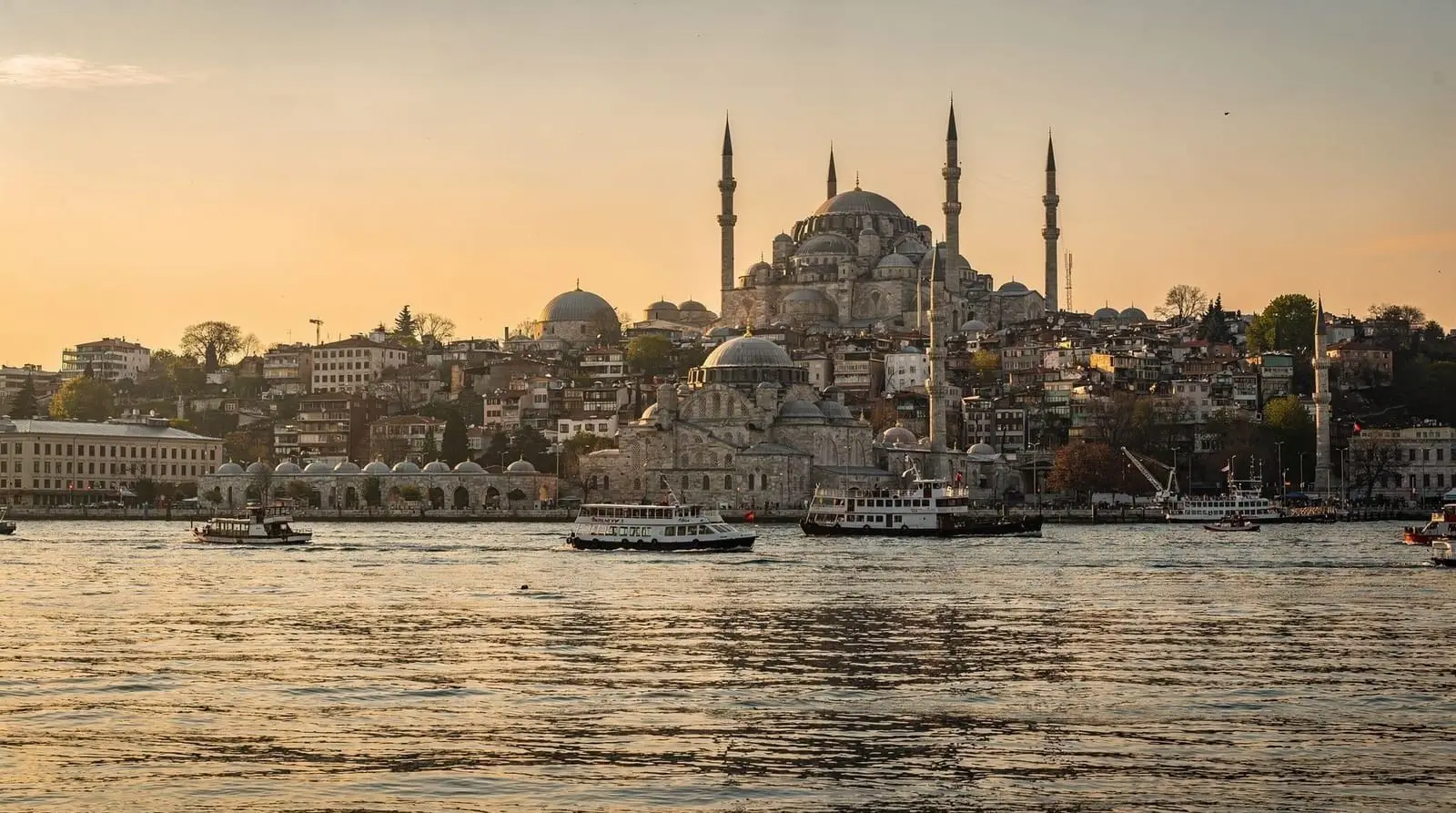
Istanbul bucket list — 15 experiences worth planning for
Istanbul: Hagia Sophia, Blue Mosque, and Grand Bazaar Tour
What belongs on an Istanbul bucket list?
The non-negotiable list includes Hagia Sophia at opening, a Bosphorus sunset cruise, the Topkapı Harem, a Turkish hammam session at a historic bathhouse, and getting lost in the Grand Bazaar. The Basilica Cistern after dark and the Süleymaniye rooftop at dusk round out a memorable trip.
What an Istanbul bucket list actually looks like
Every city has a version of this list. Istanbul’s is unusual because the experiences span such different registers — the sacred and solemn (Hagia Sophia), the commercial and chaotic (Grand Bazaar), the sensory and physical (hammam), the elemental (Bosphorus at sunset). What makes the city exceptional is how close together these things are and how genuinely different each one feels.
| Time needed | 5–7 days for all 15; 3 days covers the icons |
| Cost range | Free (bridge walk, ferry) to ~35 USD (hammam) |
| Book ahead | Hagia Sophia museum sections, Basilica Cistern, Topkapı, Dolmabahçe |
| Genuinely free | Galata Bridge at dusk, the public ferry crossing |
| Skip if rushed | Princes’ Islands carriage rides — better spent elsewhere |
This list focuses on experiences that are worth specifically planning for — not just ticking a box but spending time, being present, and ideally revisiting at different times of day. For the fuller ranked rundown beyond these 15, see the top things to do in Istanbul and hidden gems in Istanbul guides.
1. Hagia Sophia at opening time
Arriving at Hagia Sophia at 9 am on a weekday (when it opens) is a fundamentally different experience from arriving at noon. The interior is quieter, the light through the upper windows is at its best, and you can actually stand still and look up without being jostled. The massive medallions with Quranic calligraphy, the gold mosaics barely visible in the upper galleries, and the spatial drama of a dome 55 metres above a vast floor — all of this requires a moment of stillness to register properly.
It became a mosque again in 2020; as a result, it is technically free to enter the main prayer hall. Paid access covers the museum sections and upper gallery, which have the Byzantine mosaics. Book online to skip the queue. See Hagia Sophia and the full Hagia Sophia visiting guide for ticket types and timing.
2. Bosphorus cruise at sunset
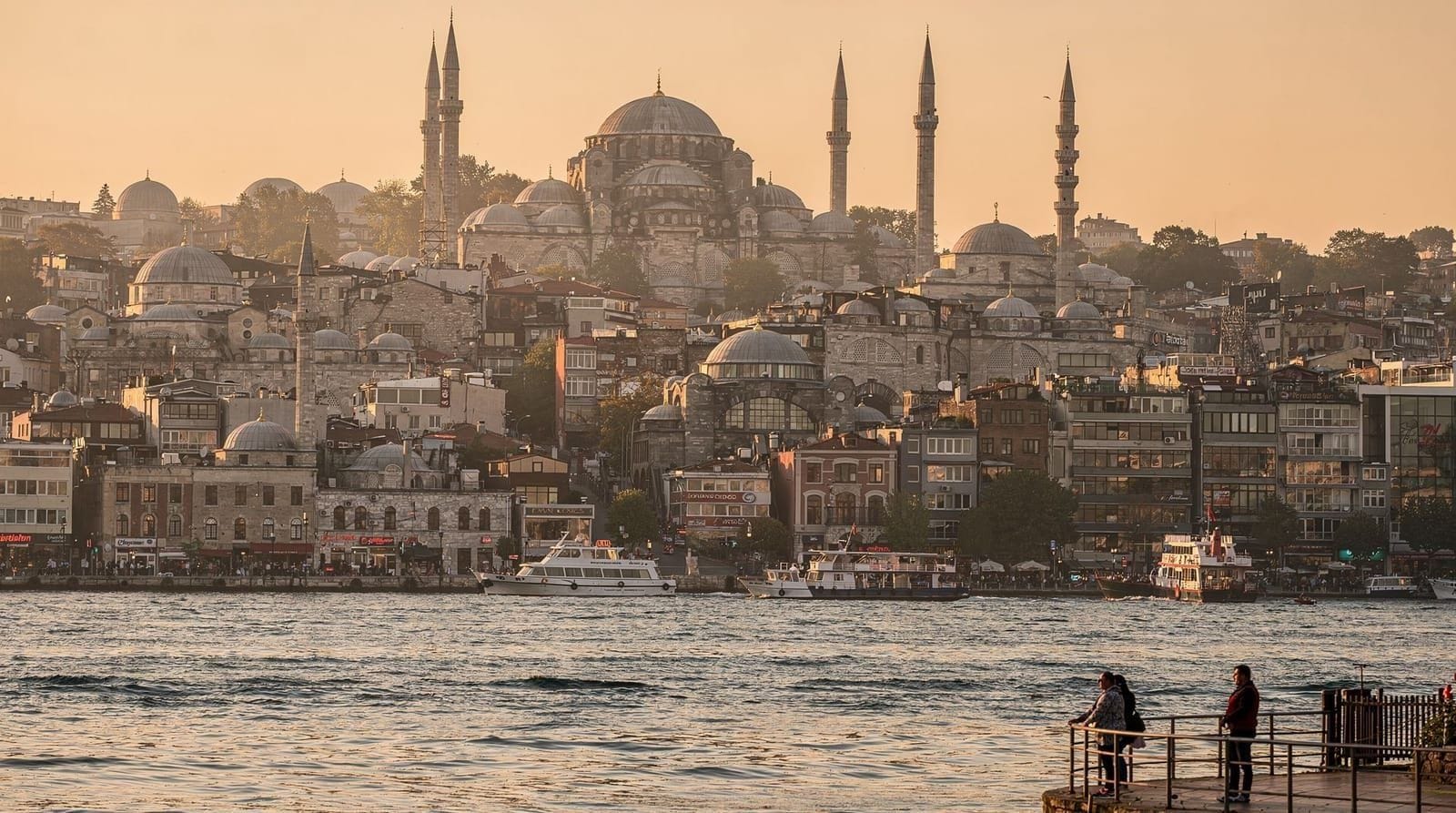
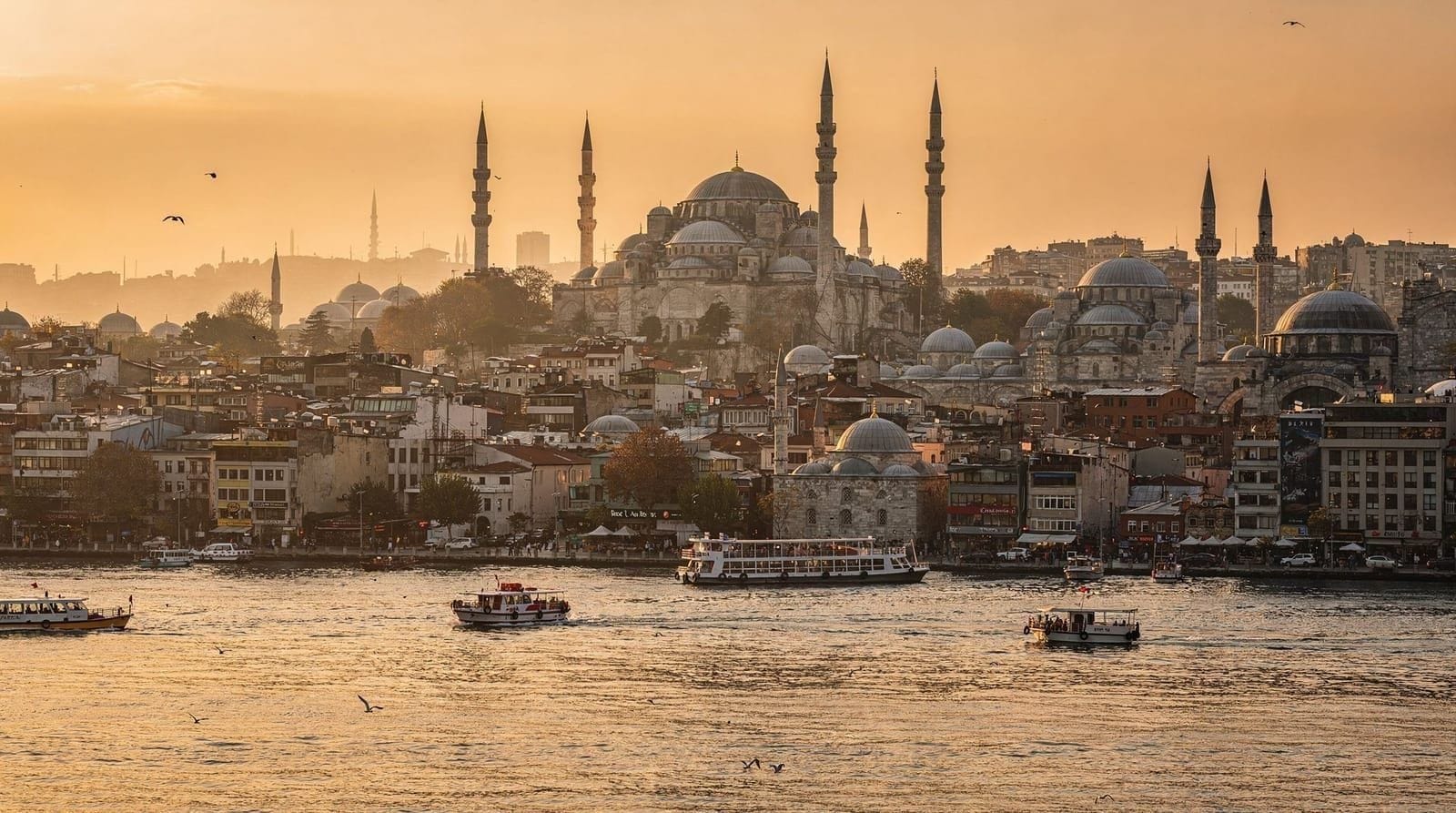
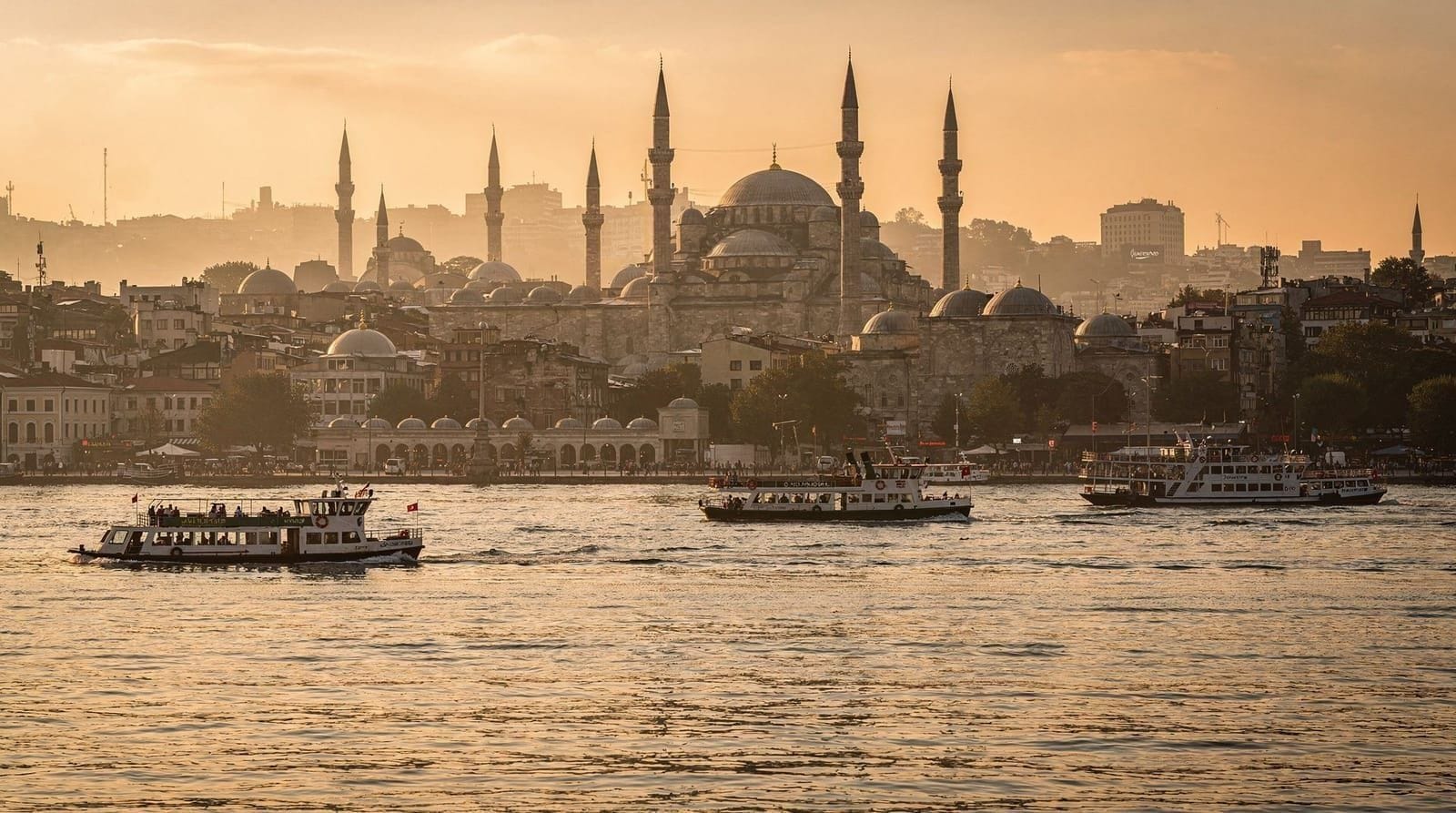
The Istanbul skyline from the water at the golden hour is one of the great urban views. Minarets, domes, and waterfront palaces catch the light differently from Topkapı Hill to the Asian shore, and the strait itself — busy with tankers, ferries, and fishing boats — adds constant movement. A 2-hour sightseeing cruise covers the highlights from Eminönü up past the bridges and back.
A full-day two-continents tour combines the Bosphorus experience with time on the Asian side — a good option if you only have one full day.
3. Getting lost in the Grand Bazaar
The Grand Bazaar is the oldest covered market in continuous use — roughly 4,000 shops across 60 streets since the 1460s. The conventional advice is to “just wander,” which is accurate. Go in without an agenda. You will get approached; learn to say “teşekkürler” (thanks) and keep walking. Look up — the painted vaulted ceilings are easy to miss. The best shops for quality leather, ceramics, and textiles are on the interior streets away from the main tourist corridors. See Grand Bazaar.
4. A traditional Turkish hammam session
A proper hammam visit — not a spa with Turkish-themed branding but an actual historic bathhouse — is one of the more distinctive physical experiences available in Istanbul. You surrender to the heat of the marble platform (the göbektaşı), the kese scrub that removes what feels like a layer of skin, the foam massage, and the post-session tea while wrapped in towels. You emerge feeling extraordinarily clean and slightly drowsy.
The most historically significant options are Çemberlitaş Hamamı (1584) near the Grand Bazaar and Hürrem Sultan Hamamı (1556) opposite Hagia Sophia. Both have separate sections for men and women. See Hammam experiences and the Turkish hammam guide for what to expect from arrival to the final tea.
The Çemberlitaş hammam experience is the easiest to book online and includes the essential treatments.
5. The Topkapı Harem after the crowds thin
The Harem section of Topkapı Palace — the private residential quarters of the sultan and his household — has over 400 rooms, of which about 40 are open. It is more spatially interesting than the treasury buildings and less visited. Go late in the afternoon when tour groups have cleared. The Harem requires a separate ticket from the main palace. See Palaces & mosques.
6. Turkish breakfast in Karaköy or Kadıköy
Turkish kahvaltı (breakfast) is a collective noun for a table covered in small dishes: beyaz peynir (white cheese), kaşar cheese, sucuk (spiced sausage), pastırma, multiple jams, honey, clotted cream (kaymak), tomatoes, cucumbers, olives, soft-boiled eggs, and simit. Add a glass of çay and the whole thing can take two hours. This is breakfast as it is meant to be experienced.
Karaköy Güllüoğlu (the famous pastry shop in Karaköy, not the chain) is worth a visit for baklava regardless of the time of day. For a full kahvaltı spread, head to the Kadıköy market area on the Asian side on a weekend morning. See Food & drink.
7. Walking across the Galata Bridge at dusk
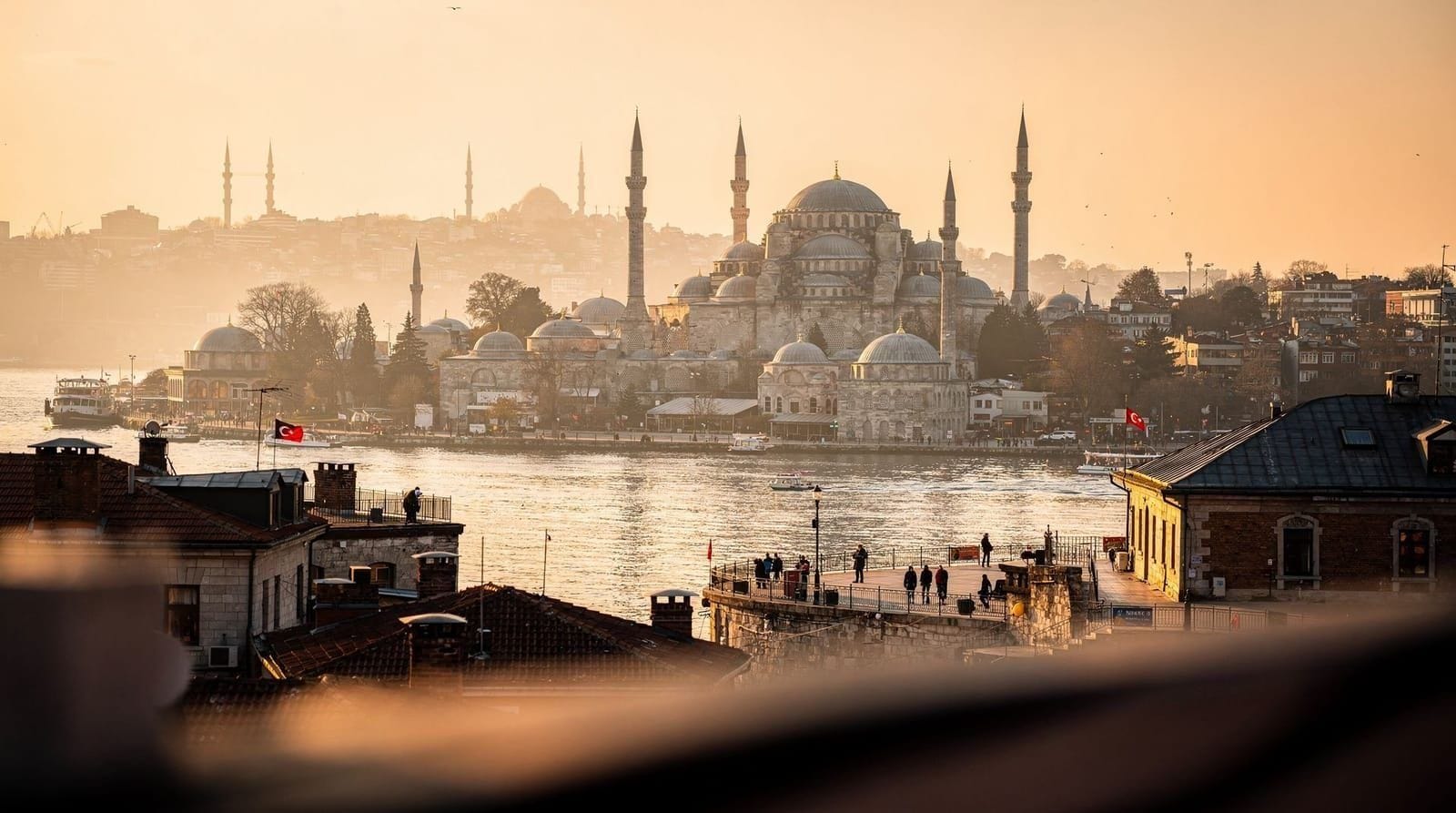
At dusk, the Galata Bridge connecting Eminönü to Karaköy becomes one of the most consistently atmospheric spots in the city. Fishermen line the railings on both sides. Below, the lower level of the bridge holds restaurants serving fresh fish. The skyline — Süleymaniye, the Blue Mosque, the minarets of the old city — silhouettes against a pale sky. Free, no booking required, consistently memorable. See Karaköy.
8. The Basilica Cistern in the afternoon
The underground reservoir from 532 CE is best visited in the afternoon, after the morning rush. The 2022 light installation creates an atmosphere that a bare cistern would not — deliberately theatrical but effective. Look for the two Medusa heads used as column bases in the far northwest corner (one sideways, one upside down). The explanation for this placement ranges from “they were repurposed spolia” to “it was deliberate to neutralise the Medusa’s gaze” — no one fully agrees. See Basilica Cistern.
9. A morning in the Balat neighbourhood
Balat is the old Jewish quarter on the Golden Horn, with steep cobblestone streets, crumbling Byzantine-era buildings painted in bright colours, antique shops, and one of the better coffee cultures in the city. It became heavily Instagrammed around 2018–2020 and the crowds peaked, but it is still genuinely pleasant in the early morning before tour groups arrive. Combine with Fener (the old Greek Orthodox quarter next door) and the Chora Church (Kariye Camii). See Balat and Fener.
10. A ferry to the Asian side and back
The public Şehir Hatları ferry from Eminönü to Kadıköy takes 20 minutes across the Bosphorus and is paid with an Istanbulkart (see the Şehir Hatları site for current fares). It is technically not a “tour” — it is just commuters going to work — but on a clear morning, it is a quietly beautiful crossing that puts the European skyline into perspective from the water. Bring a simit from the Eminönü vendors before you board.
11. Süleymaniye Mosque at prayer time (from outside)
You should not enter a mosque during active prayer, but hearing the call to prayer echoing across the third hill while standing at the outer terrace of Süleymaniye at dusk is a specific Istanbul experience. The mosque was designed by Mimar Sinan in 1557 and sits on the highest point available. The outer courtyard looks directly over the Golden Horn to the Galata Tower. Free to visit between prayer times. See Süleymaniye Mosque.
12. Exploring Kapalıçarşı before 10 am
The Grand Bazaar opens at 9 am; for the first hour, the narrow streets are relatively quiet and the shop owners are setting up rather than selling. You can walk corridors that are genuinely hard to navigate at noon, look at the architecture and decoration of the older hans (caravanserais built into the bazaar structure), and occasionally find a cup of çay from a stall just starting its day. See Shopping & bazaars.
13. A whirling dervishes ceremony (Sema)
The Mevlevi Sema — the rotating meditative ceremony of the Sufi order — is performed in several Istanbul venues. The Hodjapasha Cultural Centre in a 15th-century hamam near the Sirkeci railway station is the most atmospheric. The ceremony lasts about 60–90 minutes and is not a dinner show. It is genuinely quiet and meditative, with musicians performing traditional Ottoman classical music. See Shows & nightlife and the whirling dervishes guide for venue options and etiquette.
14. Watching the fishermen on the Galata Bridge
This is less an “activity” than a pause. The lower deck of the Galata Bridge has a row of simple fish restaurants; above, dozens of fishermen line both sides at almost any hour. In the evening, the bridge and its surroundings smell of frying fish and sea air. Spending 20 minutes here, eating a balık ekmek (fish sandwich) from one of the boats moored at Eminönü, costs almost nothing and is emphatically not on any formal tourist itinerary.
15. Dolmabahçe Palace — the Ottoman answer to Versailles
Dolmabahçe was built in 1856 as the Ottomans’ statement that they could do European baroque as well as anyone. The result is extraordinary and strange: European architectural vocabulary applied to Ottoman court functions, with crystal chandeliers weighing up to four tonnes and a staircase with a crystal banister. Atatürk died here in 1938; his room is preserved unchanged, with all clocks stopped at 9:05 am. Entry requires a guided tour. See Dolmabahçe Palace and the Dolmabahçe Palace visiting guide for booking specifics.
A guided tour covering Hagia Sophia, the Blue Mosque, and the Grand Bazaar combines three bucket-list items in a single day with a licensed guide who can answer questions about both Byzantine and Ottoman history.
Planning your bucket list itinerary
A logical sequence: days 1–2 in the old city (items 1, 2, 3, 5, 8), day 3 for the modern city and hammam (items 4, 7, 9, 10), day 4 for Asian side and the ceremonial (items 6, 11, 13). Days 5–7 for Dolmabahçe, deeper neighbourhood exploration, and anything that needed a second visit.
For a structured sequence with specific timing, see Istanbul in 5 days and Istanbul for couples. If your trip is genuinely a single day, the Istanbul in one day guide trims this list to the handful that actually fit.
Best time of year for this list
Several items on this list change character noticeably with the season, which is worth factoring in if you have flexibility on travel dates.
| Season | Effect on the list |
|---|---|
| Spring (Apr–May) | Best all-round window — mild weather for the Bosphorus cruise and Galata Bridge walk, before peak crowds |
| Summer (Jun–Aug) | Longest queues at Hagia Sophia and Topkapı; book timed slots well ahead; hammams and ferries unaffected |
| Autumn (Sep–Oct) | Similar advantages to spring, with slightly warmer sea temperatures for a Bosphorus crossing |
| Winter (Nov–Mar) | Thinnest crowds at every paid site; the hammam feels especially good after a cold walk; some ferry schedules run less frequently |
For the fuller month-by-month picture, see the best time to visit Istanbul guide.
Bucket list by trip length
| Days available | Realistic subset | What to cut |
|---|---|---|
| 1 day | Hagia Sophia, Grand Bazaar, Galata Bridge at dusk | Everything requiring a second neighbourhood crossing |
| 3 days | Above + Bosphorus cruise, Basilica Cistern, hammam | Dolmabahçe, Balat, the ferry crossing |
| 5–7 days | All 15, spaced across old city, modern city, and Asian side days | Nothing — this is the realistic full list |
For the Grand Bazaar and Süleymaniye’s near neighbours, the Grand Bazaar shopping guide and Süleymaniye Mosque visiting guide fill in the practical detail this list only summarises.
Frequently asked questions about Istanbul bucket list — 15 experiences worth planning for
How long does it take to complete an Istanbul bucket list?
What is the single most memorable experience in Istanbul?
Is there a bucket-list experience that is genuinely free?
Which bucket-list items need advance booking?
Are there any bucket-list experiences that are overrated?
What is the best hammam for a first-time visitor?
Top experiences
Bookable activities with verified prices and instant confirmation on GetYourGuide.