Istanbul weather by month
Istanbul: Bosphorus Sightseeing Cruise with Sunset Option
What is the weather like in Istanbul each month?
Istanbul has warm summers (28–33°C), mild winters (5–10°C), and excellent shoulder seasons in April–May and September–October. Summer is hot and humid; winter is grey but affordable. Spring and autumn offer the best balance of weather, crowds, and price.
Istanbul climate: the basics
| Best overall months | April, May, September, October |
| Hottest | July-August, around 28-33°C with high humidity |
| Coldest | January-February, around 5-9°C |
| Cheapest | November-February (excluding New Year’s Eve) |
| Most crowded | July-August |
Istanbul sits at approximately 41°N latitude — similar to Madrid, Rome, and Beijing. It has a humid subtropical climate with hot summers, mild winters, and moderate rainfall year-round. The Bosphorus moderates temperature extremes; the city rarely freezes or bakes to true Mediterranean extremes.
The main planning variables are:
- Temperature — comfortable for walking in April–May and September–October; hot and humid in July–August; cool and grey December–February
- Crowds — peak in July–August; low in January–February; medium in spring and autumn
- Price — peak July–August; cheapest November–February; mid-range in shoulder seasons
- Special conditions — Ramadan (approximately 19 February–19 March 2026); tulip festival (April); balloon season in Cappadocia (April–October, most reliable in spring)
Month-by-month guide
January
| Avg high | Avg low | Rain days | Crowds | Hotel prices |
|---|---|---|---|---|
| 8°C | 3°C | 13 | Very low | Cheapest |
The quietest and cheapest month. Occasional snow is possible and atmospheric. Major museums, hammams, and the Grand Bazaar are fully open. Bosphorus cruises run but can be cancelled in strong wind. Short days (sunset ~5pm).
Best for: budget travellers, independent museum visits, hammam culture. Skip if: you want guaranteed sunshine, outdoor dining, or rooftop bars.
February
| Avg high | Avg low | Rain days | Crowds | Hotel prices |
|---|---|---|---|---|
| 9°C | 3°C | 11 | Very low | Cheapest |
Similar to January. In 2026, Ramadan starts approximately 19 February — evening atmospheres around Sultanahmet mosques become particularly atmospheric. A few warm days begin appearing by late February.
Best for: budget trips, Ramadan experience (unique festive atmosphere), off-season hammam visits.
March
| Avg high | Avg low | Rain days | Crowds | Hotel prices |
|---|---|---|---|---|
| 12°C | 5°C | 10 | Low–medium | Rising |
Transitional month. Easter week (late March or April) brings European visitors. Cherry blossoms in Gülhane Park typically appear mid-to-late March. Ramadan 2026 ends approximately 19 March — Eid al-Fitr brings a festive atmosphere.
Best for: cherry blossoms, quieter sightseeing before the April rush, budget rates dropping.
April
| Avg high | Avg low | Rain days | Crowds | Hotel prices |
|---|---|---|---|---|
| 16°C | 9°C | 8 | Medium | Mid-high |
The most popular month for good reason. The Tulip Festival peaks in the first two weeks. Temperatures are ideal for walking. Balloon season in Cappadocia is at its most reliable. Brief showers are possible; pack a compact umbrella.
Best for: tulip festival, Cappadocia balloon trips, comfortable sightseeing, Bosphorus cruises. Book ahead: major sites 3–5 days; Cappadocia balloon 4–6 weeks.
May
| Avg high | Avg low | Rain days | Crowds | Hotel prices |
|---|---|---|---|---|
| 21°C | 13°C | 6 | Medium–high | Mid-high |
Long, warm days and good light. Tulips gone, roses blooming. Pre-summer crowds building by late May. Outdoor restaurants fully operational. Sunset at 8:30pm.
Best for: outdoor dining, Bosphorus cruises, neighbourhood walks, romantic trips.
June
| Avg high | Avg low | Rain days | Crowds | Hotel prices |
|---|---|---|---|---|
| 26°C | 18°C | 5 | High | Peak rising |
Early summer — warm but not yet peak-humid. Prices rising toward summer peak. Nightlife opening up fully. Good for early-morning sightseeing combined with evening activity.
Best for: nightlife, rooftop bars, evening Bosphorus, early-morning sightseeing before heat.
July
| Avg high | Avg low | Rain days | Crowds | Hotel prices |
|---|---|---|---|---|
| 29°C | 21°C | 3 | Very high | Peak |
Hottest and most crowded month. 65–70% humidity. Hotels at maximum price. Hagia Sophia queues longest. Manage with early starts, afternoon rests, and evening activities.
Best for: long evenings, Princes’ Islands sea swimming, nightlife. Avoid: midday outdoor sightseeing without shade strategy.
August
| Avg high | Avg low | Rain days | Crowds | Hotel prices |
|---|---|---|---|---|
| 29°C | 21°C | 2 | Very high | Peak |
Similar to July; marginally drier. Turkish domestic holiday travel peaks in mid-August — Princes’ Islands and ferry routes packed on weekends. The sea is warmest now (25–26°C).
Best for: sea swimming, evening Bosphorus, summer festivals.
September
| Avg high | Avg low | Rain days | Crowds | Hotel prices |
|---|---|---|---|---|
| 25°C | 17°C | 4 | High–medium | Dropping |
Excellent month. Early September still feels like summer (25°C+), but crowds thin and prices drop noticeably after mid-month. The sea is still warm for swimming. Outdoor restaurants remain fully open.
Best for: late summer conditions with reduced crowds and prices.
October
| Avg high | Avg low | Rain days | Crowds | Hotel prices |
|---|---|---|---|---|
| 19°C | 13°C | 7 | Medium | Mid |
The “second-best” month for many visitors. Warm enough for outdoor walking (18–22°C), long days, beautiful autumn light over the Bosphorus. Hotel prices have dropped from summer peak. A slightly longer book-ahead window than April due to autumn short-break tourism.
Best for: photography, outdoor dining, Bosphorus cruises in golden-hour light, neighbourhood walks.
November
| Avg high | Avg low | Rain days | Crowds | Hotel prices |
|---|---|---|---|---|
| 14°C | 8°C | 10 | Low | Low |
Rain increases. Days shorten significantly. Outdoor terraces closing down. But museums remain quiet and hotel prices are heading toward their lowest point. Good for focused indoor itinerary.
Best for: budget travel, museum-heavy itineraries, quiet hammam visits.
December
| Avg high | Avg low | Rain days | Crowds | Hotel prices |
|---|---|---|---|---|
| 9°C | 4°C | 12 | Low (except NYE) | Low (spikes NYE) |
Grey and rainy but not cold. New Year’s Eve around Taksim is festive and causes a brief price spike. Otherwise, December offers good value and very manageable museum queues.
Best for: budget sightseeing, hammam culture, meyhane dining, New Year’s Eve atmosphere.
Annual patterns at a glance
Best for sightseeing: April, May, October Best for budget: January, February, November Best for nightlife/outdoor dining: June, July, August Best for Cappadocia balloon: April, May, September Most likely weather disruption: July–August (heat), January–February (wind/rain) Ramadan 2026: approximately 19 February–19 March
Weather and activity planning
Understanding the monthly weather helps plan specific activities rather than just packing.
Bosphorus cruises
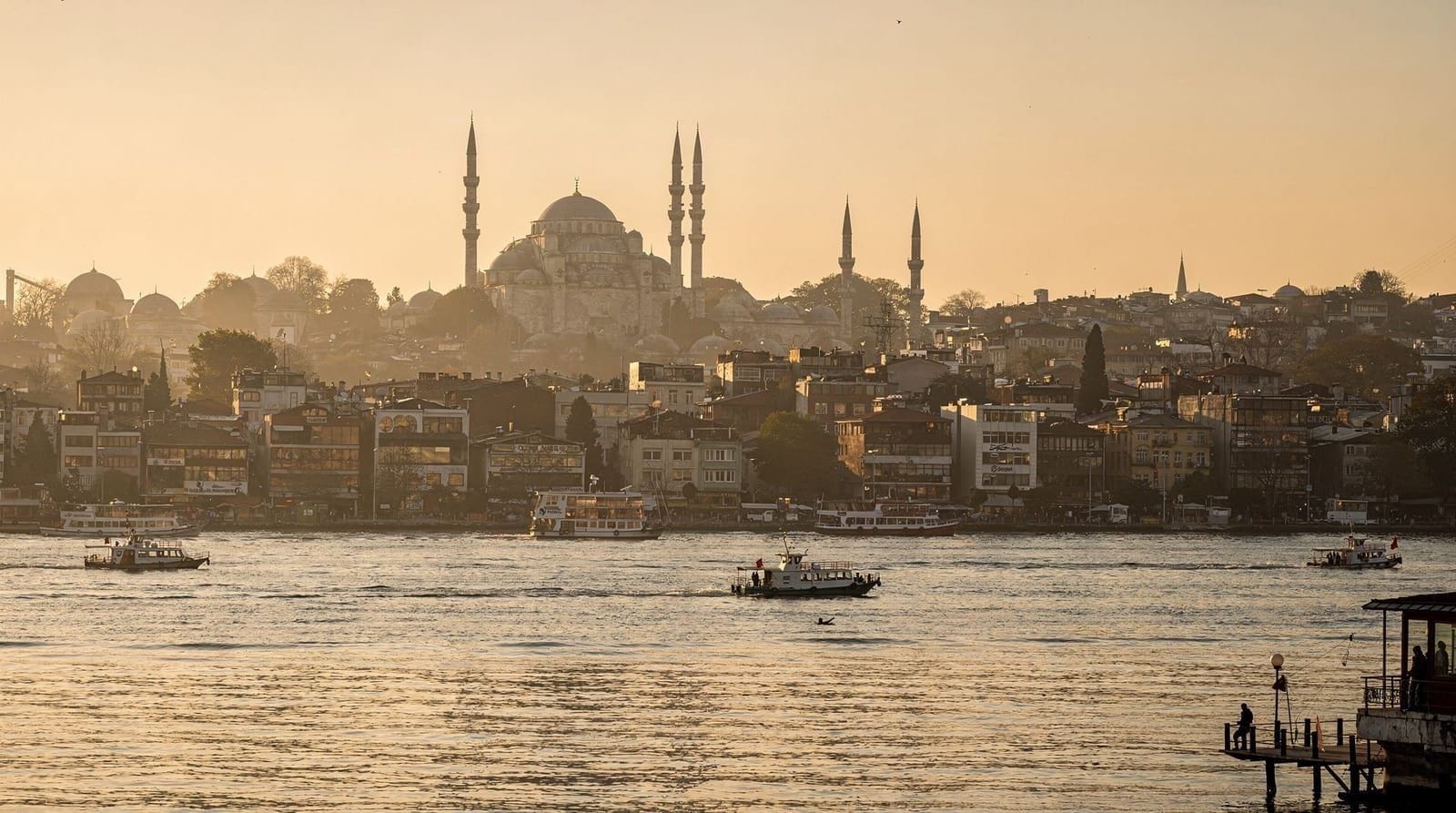
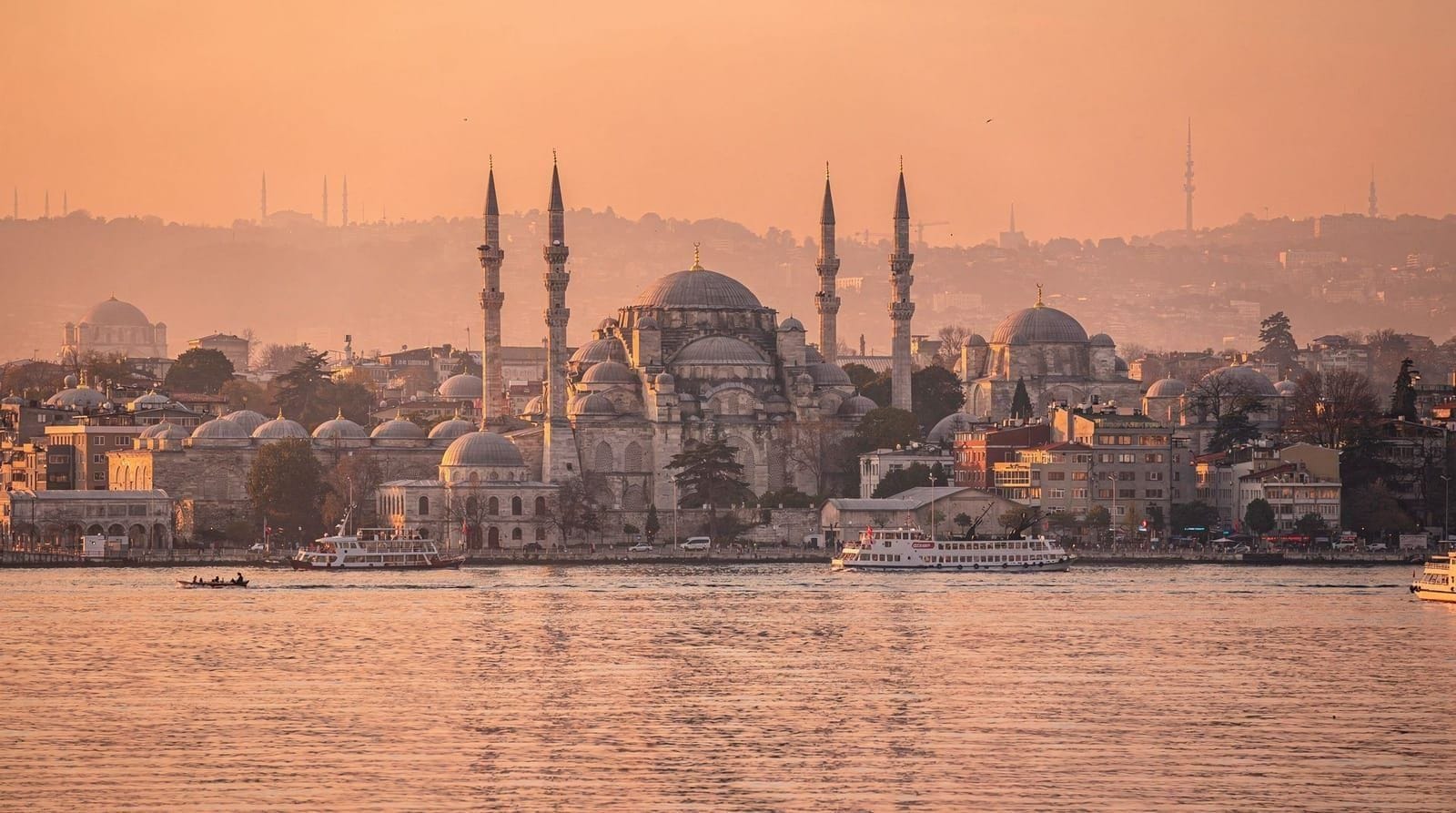
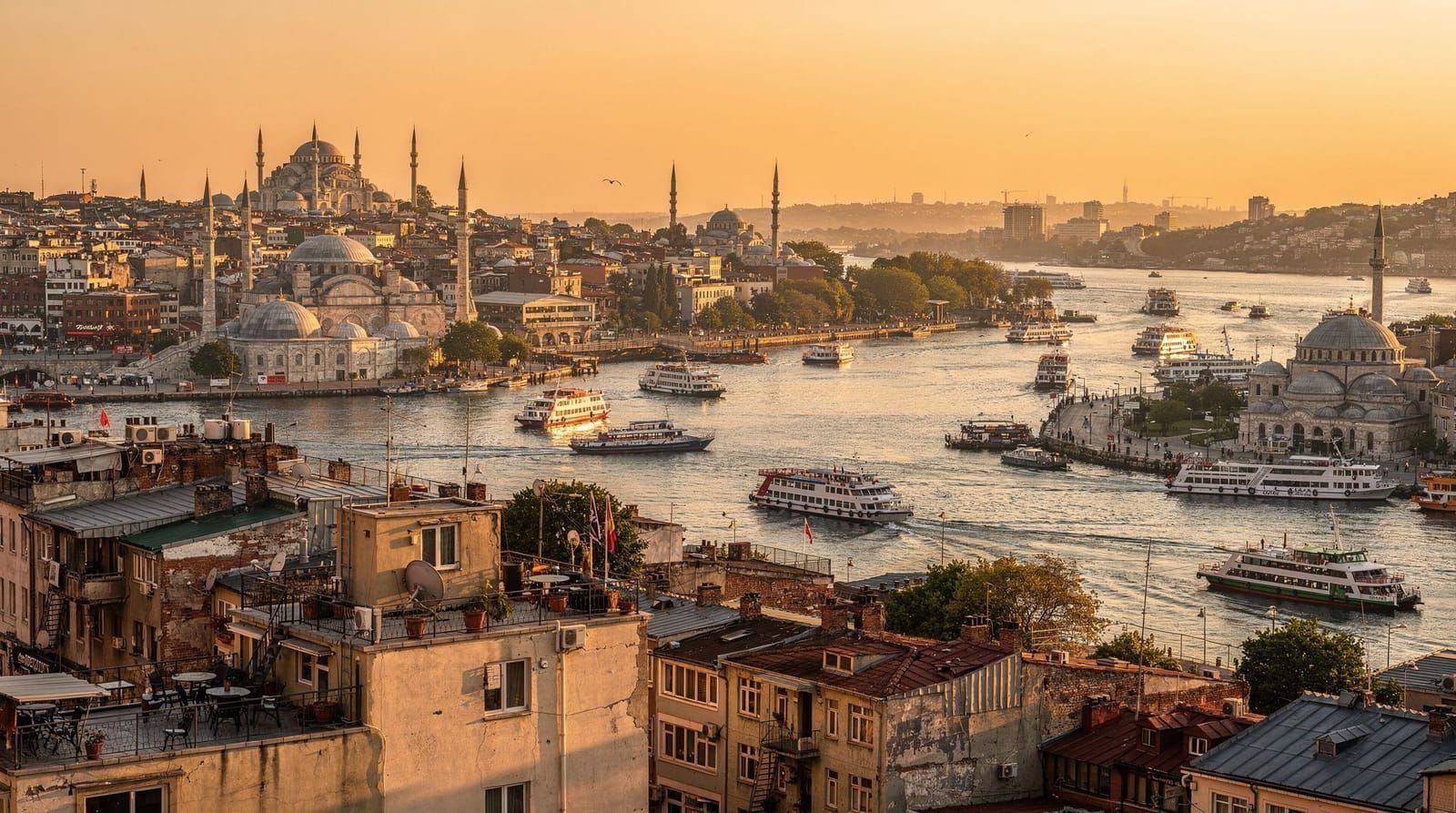
Bosphorus cruises run year-round. Summer (June–August) cruises have warm temperatures and long golden-hour light, but the boats are more crowded. Spring and autumn offer the most photogenic conditions — clear air, dramatic light over the minarets. Winter cruises can be rough if the Poyraz north wind is blowing; check forecasts the morning of. The best sunset times for cruise timing:
- June–August: sunset 8:00–8:30pm
- September–October: sunset 6:00–7:30pm
- November–January: sunset 4:30–5:30pm
- February–May: sunset 5:30–8:00pm
Hagia Sophia and indoor sites
Indoor sites are insulated from season but crowd levels vary dramatically. Hagia Sophia in July at 11am has 60+ minute queues; in January the same building may have zero queue. The interior temperature of Hagia Sophia is comfortable year-round. The Basilica Cistern maintains 13°C regardless of outdoor temperature.
Cappadocia balloon season
Hot-air balloon flights in Cappadocia (day trip from Istanbul or overnight) are technically offered year-round but practically only reliable April–October. The launch window: conditions must allow safe flight by 5:30–6:00am. April–May has the highest reliability (low wind, stable conditions). Summer adds early heat that slightly reduces optimal lift; winter has high cancellation rates (50–70% of flights cancelled in January–February).
Packing for the transition months
March and November are the trickiest months to pack for, since a single week can swing from a mild, sunny afternoon to a genuinely cold, wet morning. Layers are the honest answer: a base layer, a mid layer you can remove by midday, and a packable waterproof shell rather than a single heavy coat. This matters more for a full-day itinerary — see the Istanbul packing list for the complete rundown — than for a short stopover, where you can simply check the forecast the morning of.
Bosphorus sightseeing cruise with sunset option — timed to the seasonal sunset windows aboveTulip season
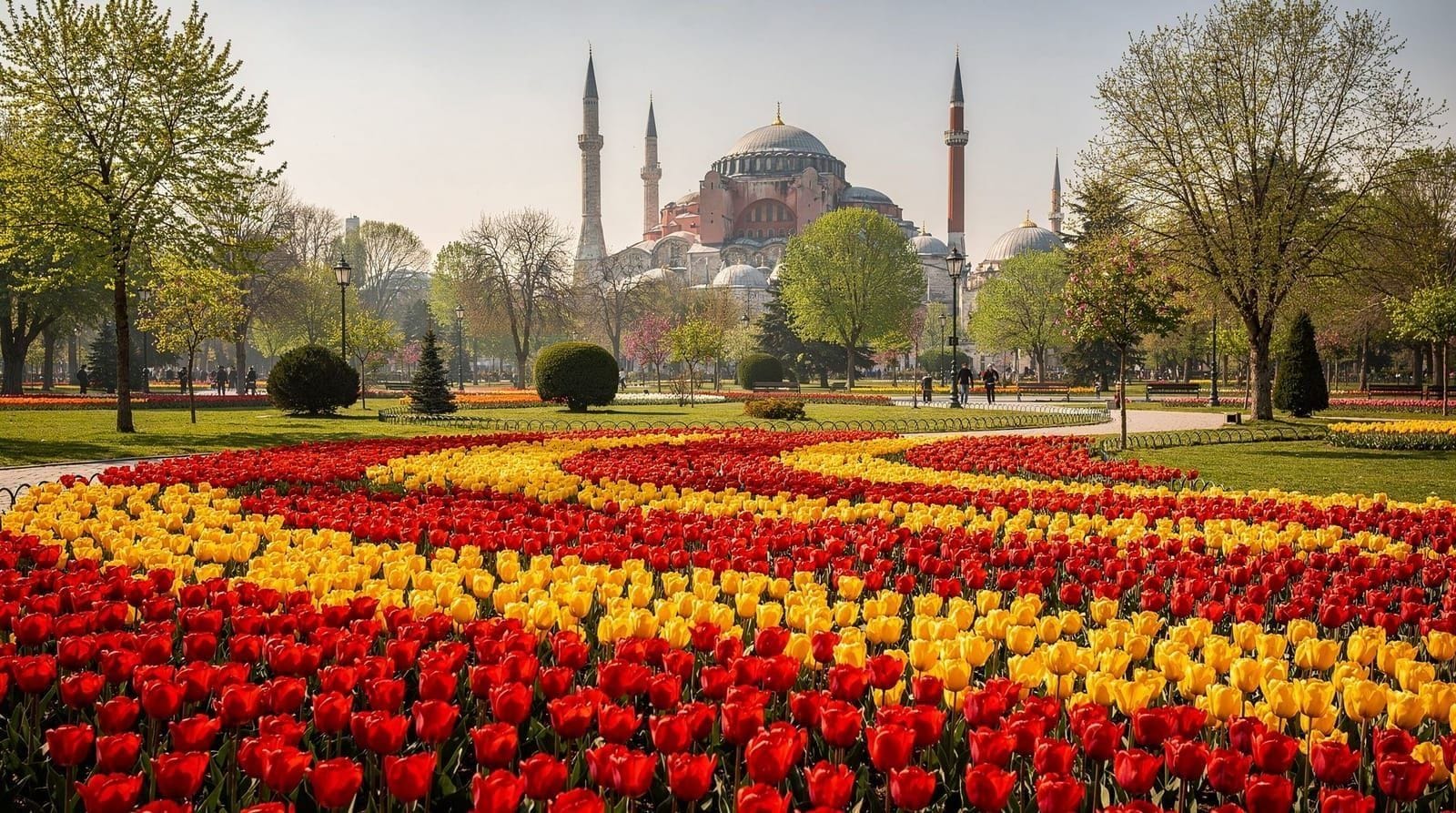
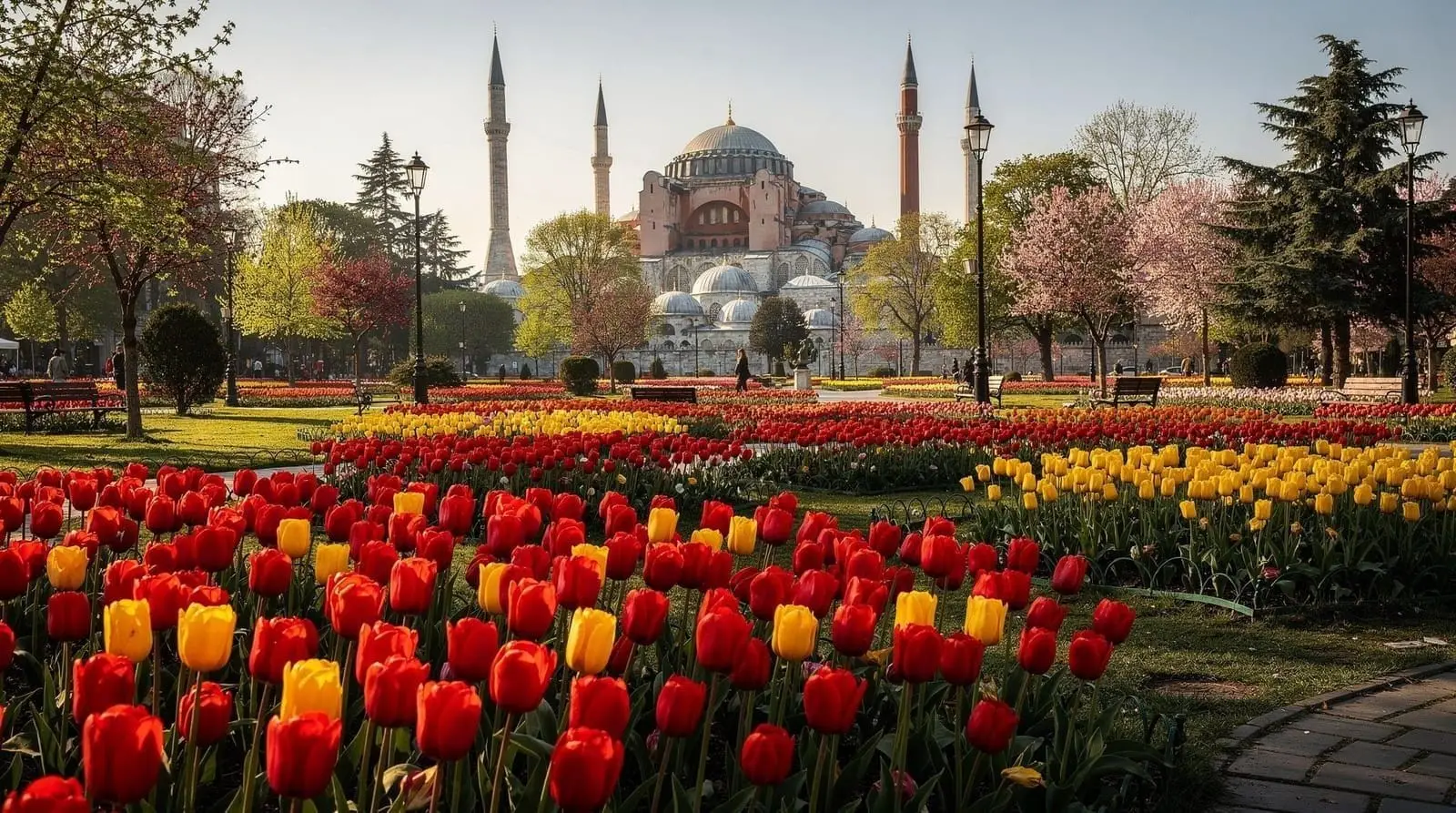
The Istanbul tulip festival (Lale Festivali) is one of April’s defining events. The 30+ million tulips planted annually peak in early-to-mid April, depending on that year’s temperatures. Emirgan Park (47 hectares, European Bosphorus shore) is the main display; Gülhane Park and the Hippodrome area also participate. Free entry to parks; accessible via Istanbulkart bus.
Ramadan impact on weather planning
Ramadan shifts by approximately 11 days earlier each year. In 2026, it falls approximately 19 February–19 March. Weather during this period is winter/early spring (8–12°C). Evening iftar atmospheres around Sultanahmet are genuinely atmospheric regardless of the weather — worth experiencing if visiting in late February or early March 2026.
Weather comparison with similar destinations
Istanbul’s climate is often compared to other Eastern Mediterranean cities. Useful context:
- Vs. Athens: Similar summer temperatures but Istanbul is more humid. Athens is slightly drier and has a longer hot season.
- Vs. Lisbon: Istanbul winter is colder and greyer; summer is hotter and more humid. Lisbon has milder winters and drier summers.
- Vs. Istanbul’s own region: Istanbul is noticeably cooler than the Aegean coast (İzmir, Bodrum) and the Mediterranean (Antalya) due to its position at the top of the Sea of Marmara. Cappadocia is colder in winter and spring due to altitude.
For travellers combining Istanbul with Cappadocia or the Aegean coast:
- Cappadocia in April: 5–15°C (significantly colder than Istanbul); bring warm layers
- İzmir/Ephesus in April: 15–20°C (similar to Istanbul)
- Pamukkale in April: 15–20°C
Combining Istanbul weather with a wider Turkey trip
If your trip pairs Istanbul with Cappadocia, the balloon-season table above matters more than Istanbul’s own forecast — a perfect Istanbul week in January coincides with the worst Cappadocia balloon reliability of the year. April, May, and September are the months where both destinations align well: mild in Istanbul, high balloon-flight success in Cappadocia. See our Cappadocia best time to visit guide and Cappadocia from Istanbul guide for how to sequence the two legs of a trip around the calendar.
Cappadocia sunrise hot air balloon flight over Göreme — most reliable April-May and SeptemberMatching your plans to the season
The forecast matters less once you know which parts of the city suit which weather. These pages go deeper on each season and activity.
Hot months. If you land in July or August, lean on shade, ferries and evenings. The Istanbul in summer guide covers how to structure a day around the heat, and the Bosphorus sunset cruise guide explains why the water is the coolest place to be once the sun drops. Rooftop terraces come into their own too — see rooftop bars in Istanbul for where to spend a warm night.
Cool and wet months. From November to February, build the trip around covered spaces. The Istanbul in winter guide makes the case for the low season, while the best hammams in Istanbul and the best museums in Istanbul give you plenty of warm, dry options when a grey day sets in. The Grand Bazaar is also largely covered, which makes it a sensible rainy-day fallback.
Spring. The Istanbul in spring guide pairs naturally with the tulip season described above, and the Bosphorus shoreline is at its most pleasant for walking when the air is mild.
Choosing between neighbourhoods and days. Weather also decides how many days you want to spend outdoors. The how many days in Istanbul guide helps you balance indoor and outdoor time, and the Istanbul travel budget guide shows how the season you pick feeds into what you spend.
Practical notes
Clothing by season:
- Winter (Nov–Feb): warm waterproof jacket, layers, waterproof shoes
- Spring/Autumn (Mar–May, Sep–Oct): light waterproof, layers, comfortable walking shoes
- Summer (Jun–Aug): light breathable clothing, sunscreen, compact umbrella for rare showers
Mosque visits: Covered shoulders and knees required year-round. Women need a head covering (often provided at entrance). The Blue Mosque, Süleymaniye, and most others are free of charge — do not pay any entrance fee at the door, as these are scams.
Sun protection: UV index is high from April through September, particularly on Bosphorus ferry decks and at the Princes’ Islands. Sunscreen is essential April–October.
See the best time to visit Istanbul guide for the full comparison and planning recommendations.
Frequently asked questions about Istanbul weather by month
What is the warmest month in Istanbul?
What is the coldest month in Istanbul?
Does Istanbul get a lot of rain?
When is Istanbul least crowded?
What is the sea temperature in Istanbul?
Is there a monsoon or rainy season in Istanbul?
What is the best month to combine Istanbul with a Cappadocia balloon flight?
How much does the weather really affect an Istanbul itinerary?
Top experiences
Bookable activities with verified prices and instant confirmation on GetYourGuide.