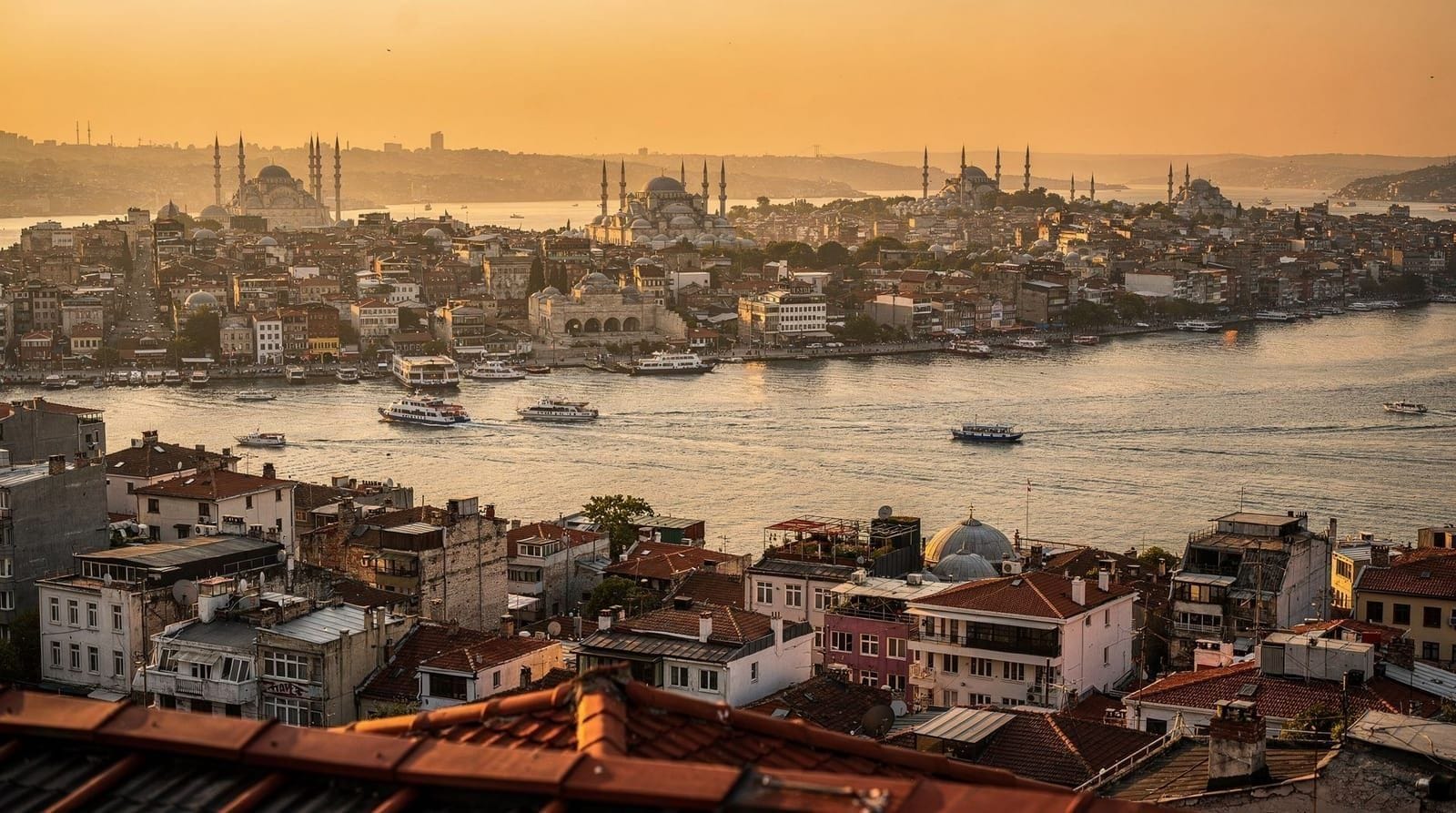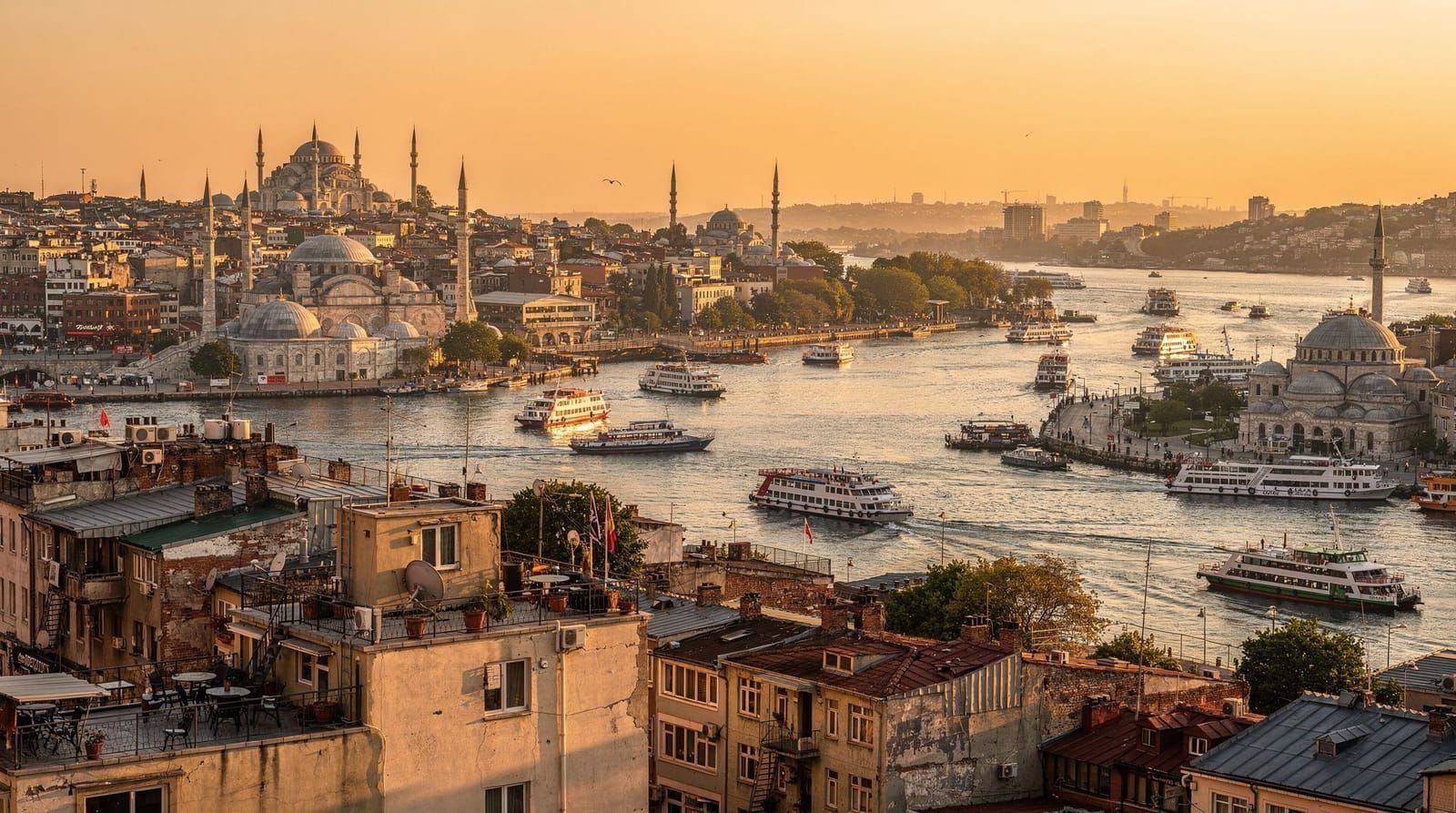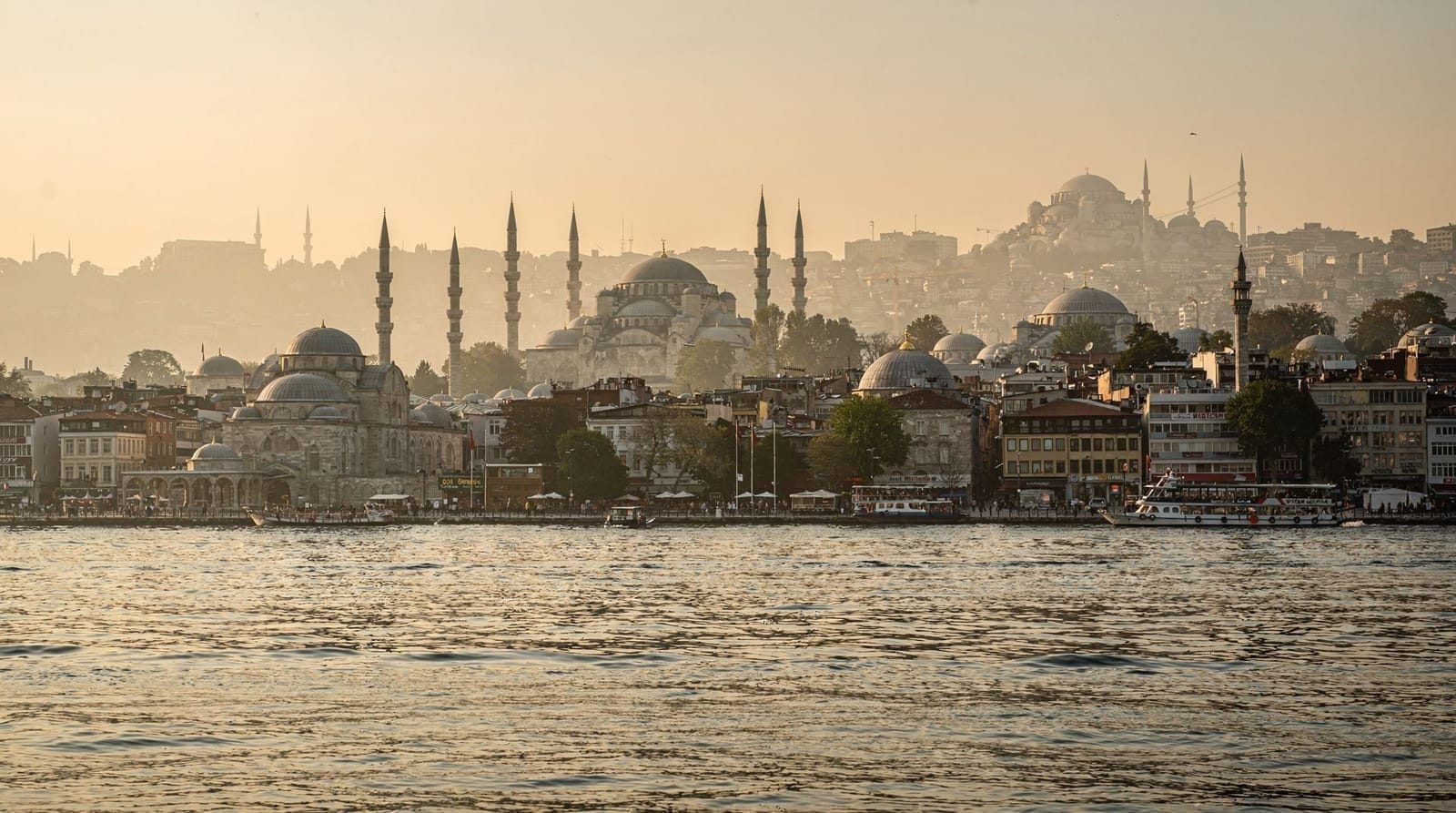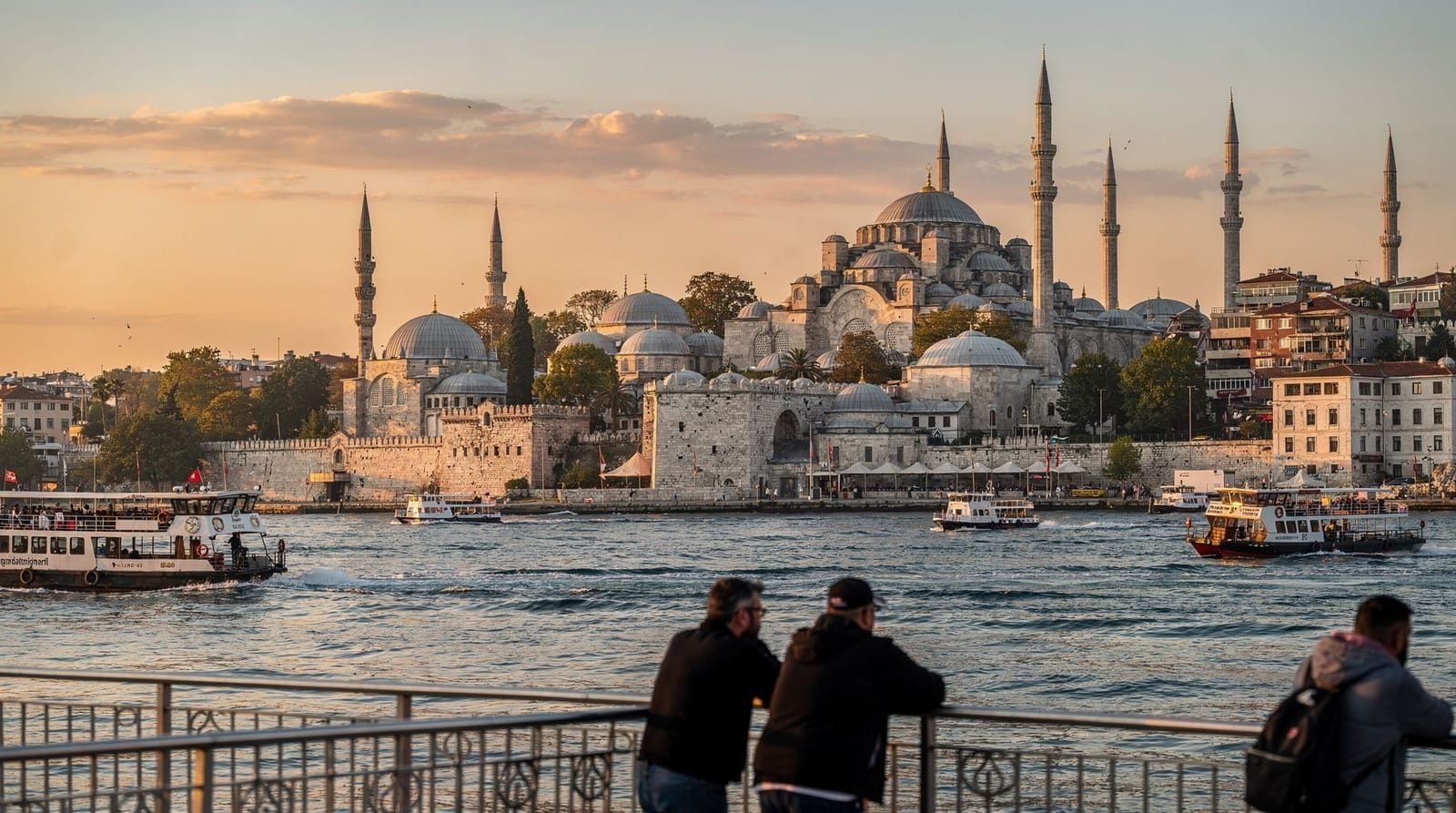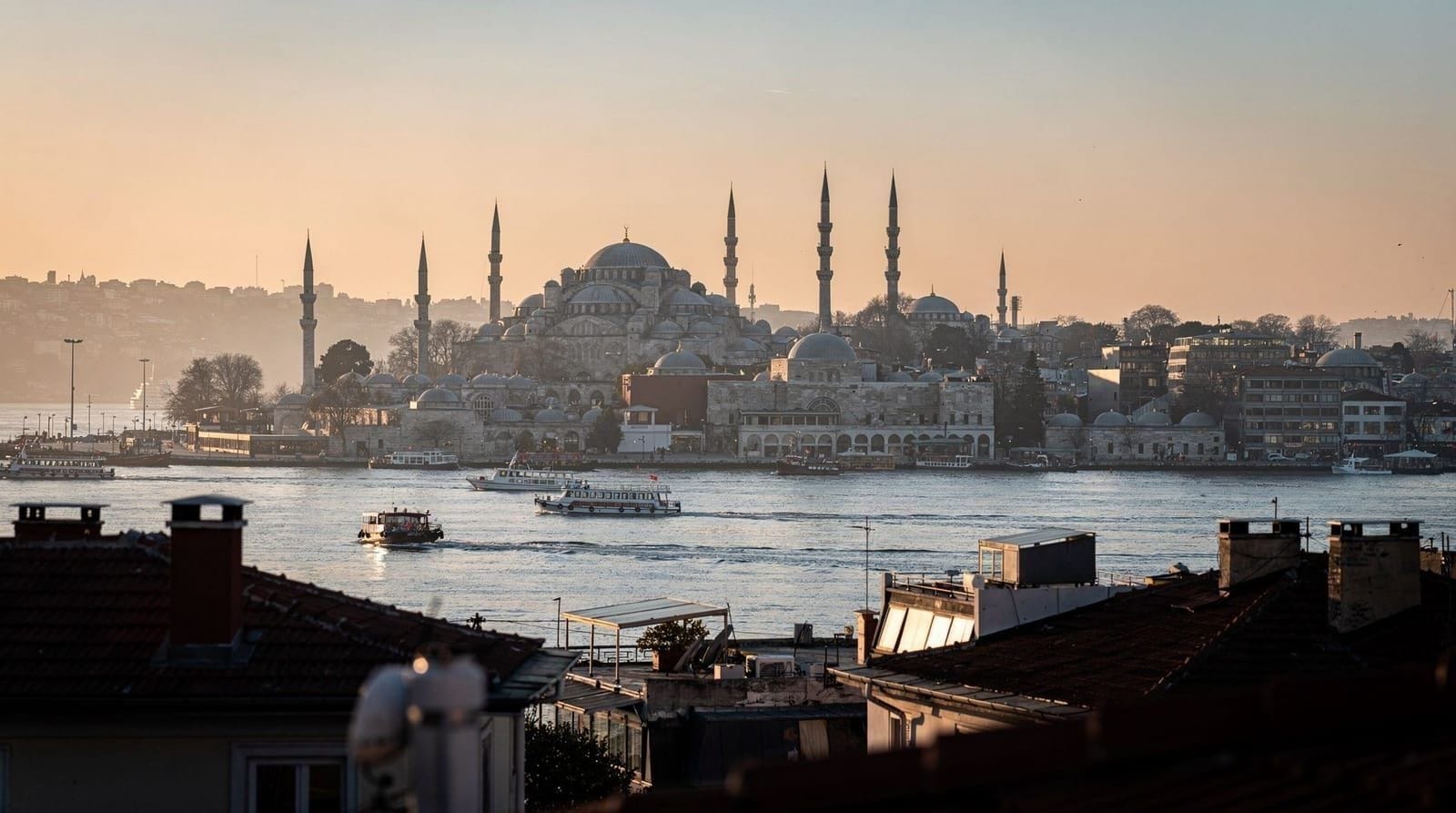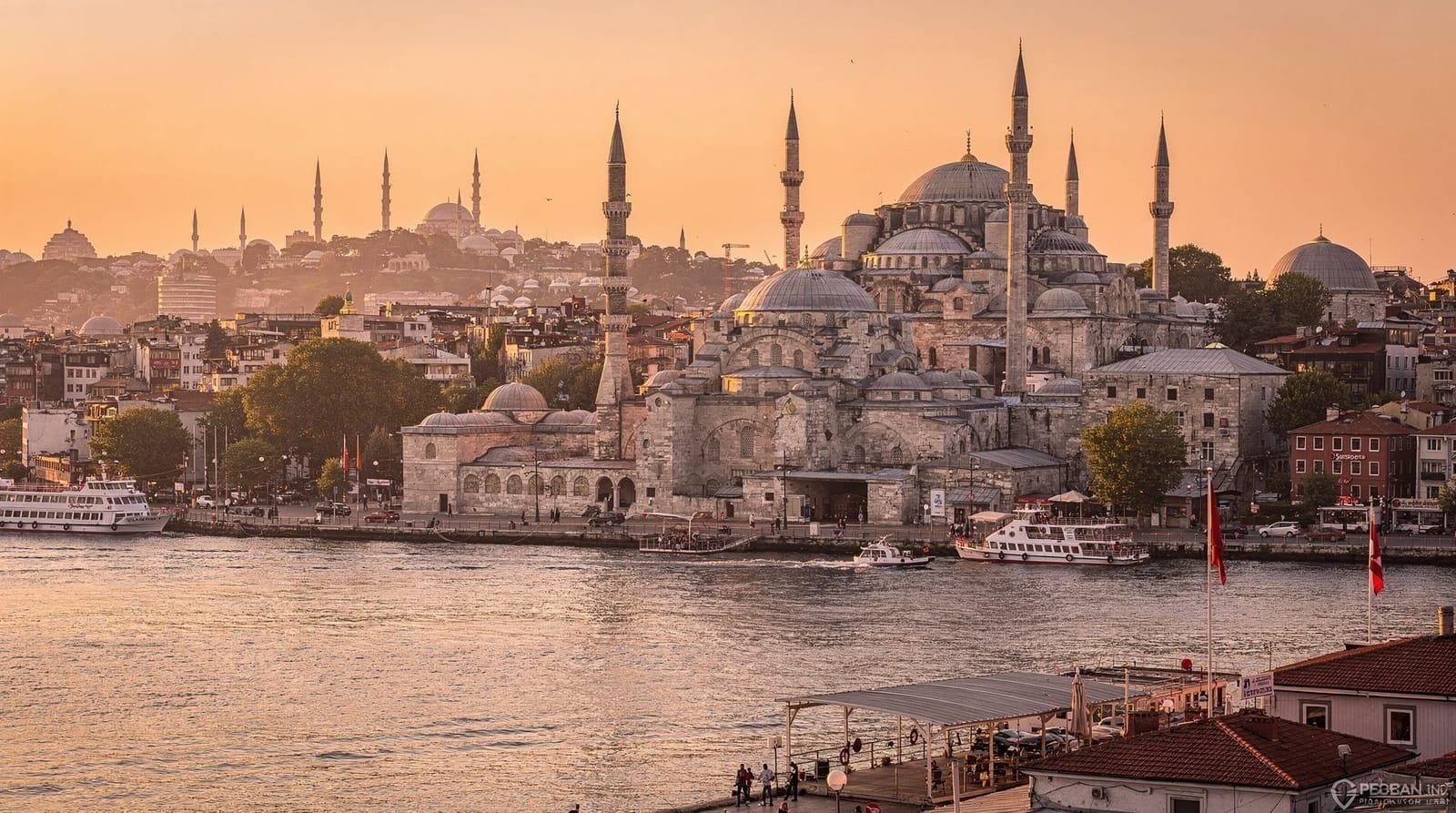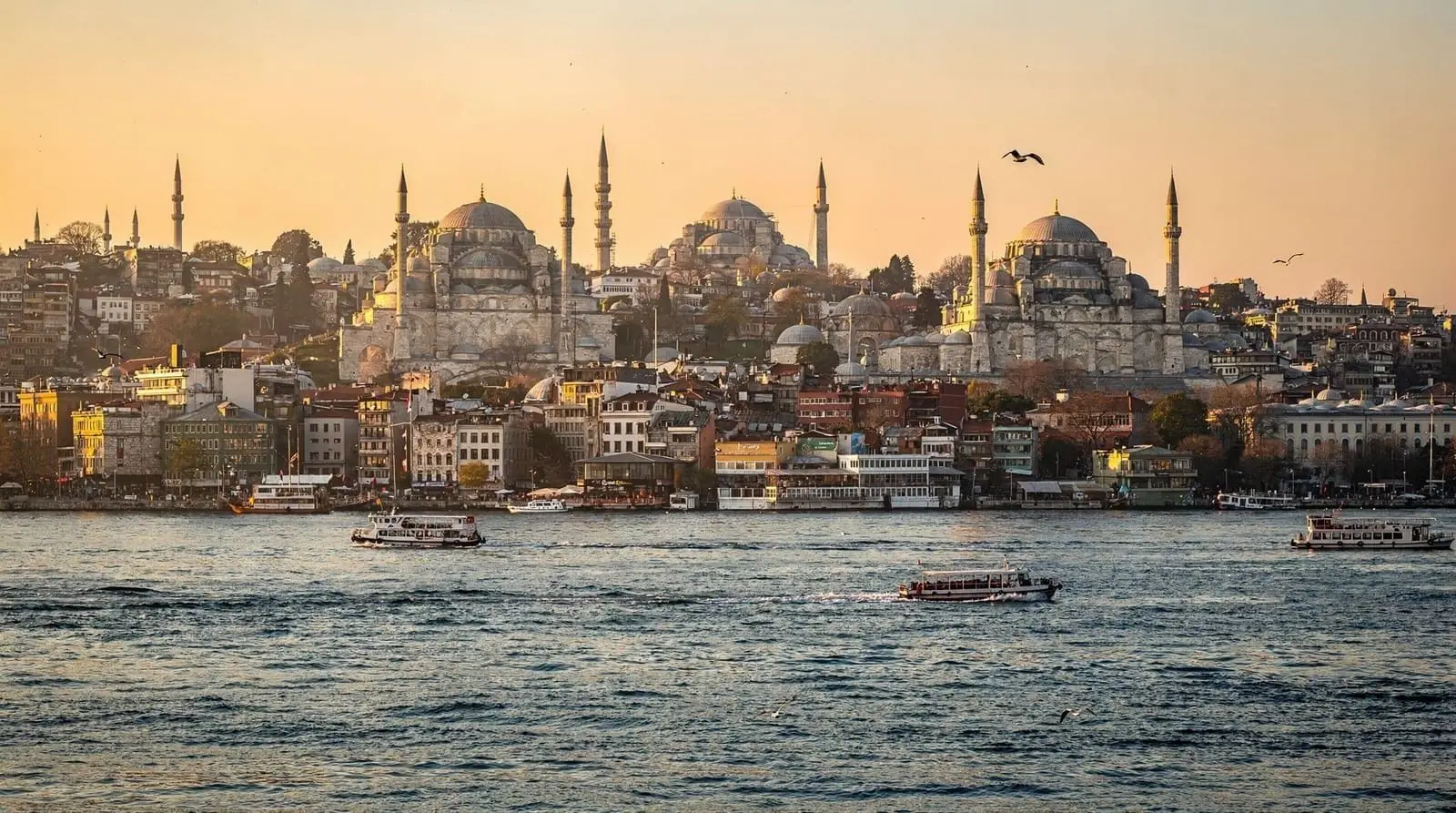
Where to stay in Istanbul — neighborhood guide
Istanbul: Hop-On Hop-Off Bus Ticket
What is the best neighborhood to stay in Istanbul?
Sultanahmet is best for first-timers who want to walk to the main sights. Beyoğlu and Karaköy suit travelers who prioritize restaurants, nightlife, and a cosmopolitan atmosphere. Karaköy is the best balance of location and atmosphere for most visitors. The Asian side (Kadıköy) is for travelers who want an authentic local experience away from tourist crowds.
How to choose where to stay in Istanbul
Istanbul spans two continents and covers an enormous area. Where you base yourself meaningfully affects your experience — not just how far you walk each day but what kind of city you encounter.
The choice is not simply about proximity to attractions. It is about the Istanbul you want to experience: the tourist-optimized historic district, the cosmopolitan restaurant and nightlife zone, the local neighborhood that most visitors miss, or the Asian city across the water. Each has genuine advantages. None is wrong. This guide lays out the honest trade-offs.
| Best overall balance | Karaköy |
| Best for first-timers | Sultanahmet |
| Best for nightlife | Beyoğlu |
| Best value / local feel | Kadıköy (Asian side) |
| Booking window | 4-8 weeks ahead in peak season (Apr-May, Sep-Oct, Jul-Aug) |
Sultanahmet: best for access, less for atmosphere
What it is: The historic peninsula — Sultanahmet Square with Hagia Sophia and the Blue Mosque, the Grand Bazaar, the Basilica Cistern, Topkapı Palace. The most famous 2 km² in Istanbul.
Pros: Walk out of your hotel and you are at Hagia Sophia in five minutes. No transit required for the main sights. The streets are well-maintained, tourist-oriented, and easy to navigate.
Cons: The restaurant scene around Sultanahmet is mediocre and overpriced — largely tourist trap menus with photographed dishes and aggressive staff trying to pull you in. The neighborhood feels more like a historic open-air museum than a living city. In the evenings after the sights close, it is quiet to the point of desolate in some streets. Not where you go to understand modern Istanbul.
Best for: First-time visitors who want to maximize time at the main sights; families who want easy logistics; people with limited mobility for whom minimizing transit is important.
Hotels to look at: The Four Seasons Sultanahmet (a genuinely exceptional property, converted from a 19th-century prison in the old city walls — price-to-character ratio is hard to beat at the luxury end), and several boutique hotels in restored Ottoman houses with rooftop terraces.
Where to eat: Take the tram or walk to Eminönü or cross the Galata Bridge to Karaköy for most meals. Within Sultanahmet, Hamdi on the Rüstem Paşa side has decent köfte and kebab. Pandeli in the Spice Bazaar building is a historic institution for Turkish cooking at lunch.
If you want to know what the area itself offers beyond your hotel, the Sultanahmet destination page and the Hagia Sophia visiting guide show what sits right on your doorstep. For a head-to-head with the northern side of the Golden Horn, read staying in Sultanahmet vs Beyoğlu.
Karaköy: the best balance
What it is: The neighborhood at the base of the Galata Bridge, on the north bank of the Golden Horn, extending into the Galata and lower Beyoğlu area. Historically the commercial quarter of Genoese traders.
Pros: Genuinely excellent restaurant scene — Karaköy Lokantası (one of Istanbul’s most consistently respected restaurants), Gram, and dozens of cafes and meyhanes. 10-15 minute walk to Eminönü and the Galata Bridge, which means 20-25 minutes on foot to Sultanahmet (or 10 minutes by T1 tram from Eminönü). Aesthetically rewarding — 19th-century merchant buildings, the Galata Tower area above, interesting boutiques and galleries. Access to ferry terminal for Bosphorus and Asian side crossings.
Cons: No budget accommodation. The area around the docks can be noisy. Streets are steep between Karaköy and Galata/Beyoğlu above.
Best for: Food-focused travelers, couples, people who want a stylish neighborhood base. Anyone who wants to balance proximity to the historic sites with a living neighborhood atmosphere.
Getting to Sultanahmet: Walk 25 minutes through Eminönü, or take the T1 tram from Eminönü (one stop to Sultanahmet). Extremely easy.
To go deeper on this area before booking, the Karaköy neighborhood guide covers the streets, cafes and waterfront in more detail, and the Galata Tower visiting guide explains the landmark just up the hill.
Beyoğlu and İstiklal Avenue: nightlife and variety
What it is: The European neighborhood north of Galata, centered on the pedestrian İstiklal Avenue and the side streets around it. The former Pera quarter, home to 19th-century embassies and the cosmopolitan Levantine merchant class.
Pros: The densest concentration of restaurants, cafes, bars, meyhanes, and cultural institutions in Istanbul. The Pera Palace Hotel (Art Nouveau, famous, genuinely worth a look even if you stay elsewhere). Boutique hotels and mid-range properties on the quieter side streets. Access to the M2 metro (Taksim station) for wider city transport.
Cons: İstiklal Avenue itself is crowded, noisy, and not particularly pleasant at peak times. Some side streets around Taksim are shabby. Farther from Sultanahmet than Karaköy (30-40 minutes walking or tram/metro combination). The late-night noise level around entertainment strips is significant if you are a light sleeper.
Best for: Nightlife-oriented travelers; culture-seekers who want proximity to galleries and concert venues; travelers who prefer urban density and a cosmopolitan scene.
Getting to Sultanahmet: Metro M2 to Taksim, then tram T1 from Kabataş (the western terminus, near the bottom of the cable car from Taksim). Or: walk down to Karaköy and take the T1 tram. Allow 35-45 minutes total.
The Beyoğlu neighborhood guide goes street by street if nightlife and culture are your priority, and the Istanbul nightlife guide helps you decide how much of that scene you actually want outside your window.
Beşiktaş and Nişantaşı: local and upscale
What it is: Beşiktaş is the neighborhood along the Bosphorus shore north of the historic center — home to Dolmabahçe Palace, Çırağan Palace (now a Kempinski hotel), and a lively local market scene. Nişantaşı, slightly inland, is Istanbul’s upscale shopping district.
Pros: The Bosphorus waterfront. Local restaurants and cafes used by Istanbul residents rather than tourists. Çırağan Palace Kempinski (a genuine Ottoman palace on the water, at corresponding prices). Less touristy atmosphere than Sultanahmet or Beyoğlu.
Cons: Farther from the historic sights than other options — getting to Sultanahmet requires taking a dolmuş, taxi, or the T1 tram from Kabataş (30-45 minutes). Not walking distance to anything in the old city. Less obvious for first-time visitors.
Best for: Repeat visitors who have covered the main sights; luxury travelers who prioritize the Bosphorus view; people visiting Dolmabahçe Palace and wanting to be close to it.
Kadıköy and the Asian side: local Istanbul
What it is: The main commercial and residential neighborhood on the Asian shore, 25 minutes by ferry from Eminönü. A genuinely local district — produce market, good food, the moda neighborhood by the sea, a different social atmosphere from the European side.
Pros: The most authentic urban neighborhood experience in Istanbul. Excellent food (Çiya Sofrası, the fish market, the produce market, excellent meyhanes). Significantly cheaper accommodation than the European side. Quieter and more pleasant to walk in than Sultanahmet or Beyoğlu. The ferry commute to European Istanbul is part of the experience — pleasant and gives you a Bosphorus view every day.
Cons: Everything you want to see is on the European side — so every day involves a ferry crossing. The ferry from Kadıköy to Eminönü runs frequently (every 15-30 minutes) and takes 25 minutes; if transit is a concern, this matters. Not convenient if you have an early flight from IST airport.
Best for: Repeat visitors; travelers who want to understand modern Istanbul rather than its monuments; food-focused visitors; those staying 5+ nights who want variety.
A private transfer from Istanbul Airport (IST) to your Sultanahmet or Karaköy hotel avoids the navigation complexity of public transport with luggage, particularly on arrival.
If you are still weighing the two continents, the European vs Asian side guide and the Asian side guide set out the trade-offs from the other direction. The Beşiktaş neighborhood guide is useful if the Bosphorus shore appeals.
Specific hotels to know
These are real properties with genuine character, not padding:
Four Seasons Sultanahmet: A converted 19th-century prison within the old city walls. Exceptional service, remarkable location (between the Hagia Sophia and the walls). Very expensive but justified by character.
Pera Palace Hotel: The 1892 Orient Express terminal hotel in Beyoğlu. Art Nouveau building, history, the Orient Bar. Agatha Christie wrote here. Good mid-to-upper range.
Çırağan Palace Kempinski: An actual Ottoman palace on the Bosphorus shore in Beşiktaş. The view from the infinity pool looking at the Asian shore is extraordinary. Expensive.
Tom Tom Suites: Small boutique property in Beyoğlu, a converted Italian Franciscan convent. Excellent staff, good restaurant.
For budget travelers, hostels in Sultanahmet (particularly on the streets between the Basilica Cistern and the Hippodrome) are well-run and have rooftop terraces with views of the minarets.
Neighborhoods compared at a glance
| Neighborhood | Access to sights | Restaurant scene | Price level | Best for |
|---|---|---|---|---|
| Sultanahmet | Excellent — walkable | Weak, tourist-oriented | Mid to luxury | First-timers, families, limited mobility |
| Karaköy | Very good — 20-25 min walk/tram | Excellent | Mid to upper | Most travelers, food-focused, couples |
| Beyoğlu | Good — 30-40 min | Excellent, dense | Budget to mid | Nightlife, culture-seekers |
| Beşiktaş / Nişantaşı | Fair — 30-45 min | Good, local | Mid to luxury | Repeat visitors, Bosphorus views |
| Kadıköy (Asian side) | Fair — ferry required | Excellent, best value | Budget to mid | Repeat visitors, longer stays, food travelers |
Splitting your stay across two bases
For trips of 5 nights or longer, splitting your accommodation is a legitimate strategy rather than an unnecessary complication. A common and effective split: 3 nights in Sultanahmet to front-load the major sights while jet lag is fresh and energy is high, followed by 2-3 nights in Karaköy or Kadıköy once the must-see list is checked off, shifting the pace toward food and neighborhood atmosphere. The cost is one packing-and-moving day, which is worth it on longer trips but rarely worth it on a 3-4 night visit, where the lost half-day of transit and check-in outweighs the variety gained. If you do split your stay, book the second hotel to hold your luggage for a few hours after checkout so you aren’t carrying bags around the historic peninsula.
Airport transfers and choosing a side
Which airport you fly into is worth factoring into your neighborhood choice. Istanbul Airport (IST) connects most directly to the European side via metro M11 and the T1 tram; Sabiha Gökçen (SAW) sits on the Asian side, which makes Kadıköy a more convenient first-night base if that’s your arrival point. The Istanbul airports guide and the IST vs SAW comparison cover which one you’re likely flying into; the IST to city center and SAW to city center guides have the transfer specifics once you’ve picked a neighborhood.
If your hotel is on the historic peninsula and you want an easy overview of the main sights on arrival day, a hop-on hop-off ticket covers the Sultanahmet-Beyoğlu-Bosphorus corridor without navigating transit routes on day one.
Practical transport between neighborhoods
The T1 tram runs from Sultanahmet through Eminönü, across the Galata Bridge to Karaköy, and west along the shore to Kabataş (near Beşiktaş). Pay with an Istanbulkart (the rechargeable transit card). The M2 metro runs from Taksim north (to the airport metro M11 connects via transfer). Ferries run from Eminönü and Karaköy to Kadıköy, Üsküdar, and points along the Bosphorus.
See our getting around Istanbul guide and Istanbulkart guide for the full transport picture.
Evaluating hotels: what to look for in Istanbul
Rooftop terraces: Many Istanbul boutique hotels — particularly in Sultanahmet — have rooftop terraces with views of the minarets and the Bosphorus. This is a genuine quality-of-life feature; breakfast with a view of Hagia Sophia is a memorable experience. Ask about rooftop access when booking.
Location on a hill: Sultanahmet and Beyoğlu are hilly. A hotel located at the bottom of a hill that requires a 10-minute uphill walk to reach the main street sounds minor but becomes tiring on repeated daily returns. Look at the actual map position.
Noise: The call to prayer (ezan) is broadcast from nearby minarets five times daily, starting before dawn. If you are a light sleeper and your hotel is directly adjacent to a large mosque, the pre-dawn Fajr prayer (typically 5-6 AM in summer) will wake you. This is part of Istanbul life, not a problem — but know it before you book. Hotels on quieter back streets, slightly away from major mosques, can have more peaceful mornings.
Breakfast: Turkish hotel breakfast is typically excellent — multiple cheeses, olives, cucumbers, tomatoes, eggs, bread, honey, jam, tea. This is a genuine selling point for Istanbul hotels and worth checking if breakfast is included in the rate.
Air conditioning: Important in summer (June-August). Check that your room has air conditioning; older boutique hotels in Ottoman-era buildings sometimes have limited or no cooling. This matters significantly when temperatures reach 30-35°C.
Which neighborhood for which type of traveler
To be direct:
Business traveler on a one-night stay: Karaköy or Nişantaşı. Quick airport access, good restaurants, minimal navigation complexity.
Couple on a romantic short break: Karaköy boutique hotel. Walk to the Bosphorus, good dinner scene, the Galata Tower visit at sunrise, ferry crossings together.
Family with young children: Sultanahmet or Karaköy. Close to the main sites, walkable distances, the Basilica Cistern and Topkapı are good for children, the ferry to Princes’ Islands is an excellent family day.
History enthusiast, first visit: Sultanahmet. The proximity to the layers of Byzantine and Ottoman history, the ability to walk out at dusk when the crowds are gone and the minarets are lit — this is uniquely achievable from a Sultanahmet hotel.
Food traveler: Karaköy primary base with a day across to Kadıköy by ferry. The Asian side food culture is the best in the city.
Repeat visitor who has done all the main sites: Kadıköy. The neighborhood experience, the daily market, the different Istanbul from the tourist zone.
What Karaköy feels like as a base
Since we recommend Karaköy strongly for most visitors, some specifics: the neighborhood has been gentrifying for about 15 years and now has a dense concentration of coffee shops, natural wine bars, design boutiques, and small restaurants. It sits between the Galata Bridge (5 minutes walk) and the beginning of the Galata Tower area (10-15 minutes uphill).
The architecture is 19th-century commercial — old grain warehouses, former bank buildings, narrow streets. It is much less “cleaned up” for tourists than Sultanahmet; it feels like an actual neighborhood.
The drawback: there is no obvious Karaköy landmark. No Hagia Sophia in your view from the window. The landmark-visible hotel experience is in Sultanahmet. Karaköy is better for food, atmosphere, and neighborhood character. Whether that trade-off suits you depends on what you are optimizing for.
Frequently asked questions about Where to stay in Istanbul — neighborhood
Is Sultanahmet safe?
Is it worth staying on the Asian side?
What are the best areas for luxury hotels in Istanbul?
Are there budget accommodation options?
Should I stay in Taksim?
How far is the airport from central Istanbul?
What is the best neighborhood for food?
How many nights should I split between neighborhoods?
Does it matter which neighborhood I stay in if I'm only in Istanbul for a layover?
Top experiences
Bookable activities with verified prices and instant confirmation on GetYourGuide.