Ramadan in Istanbul — what to expect as a visitor
Istanbul: Hagia Sophia, Blue Mosque, Suleymaniye Mosque Tour
Is Istanbul worth visiting during Ramadan?
Yes — Ramadan in Istanbul has a unique atmosphere, particularly in the evenings when the iftar (fast-breaking meal) turns the city festive. Restaurants operate normally for non-fasting visitors, though some smaller local places may not serve alcohol. The main practical consideration is that mosques and some attractions may have different hours.
Ramadan and Istanbul: a particular atmosphere
Istanbul during Ramadan is one of the most distinct urban experiences in a city full of distinct experiences. The holy month does not shut the city down — Istanbul is too large, too secular in parts, and too tourist-oriented for that. What it does is overlay the city with a different rhythm: quieter and more inward during the day, then explosively social and festive from sunset onward.
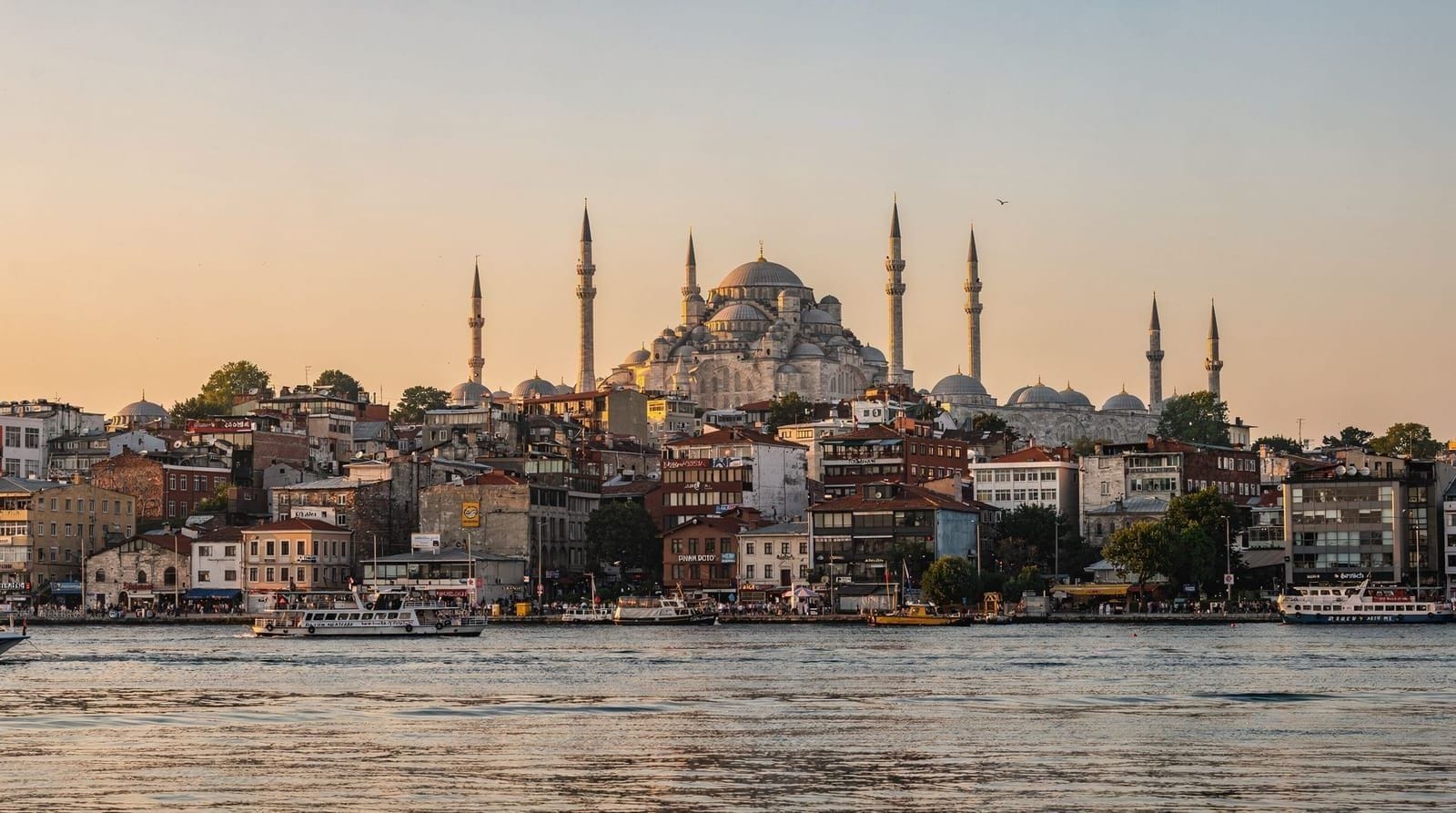
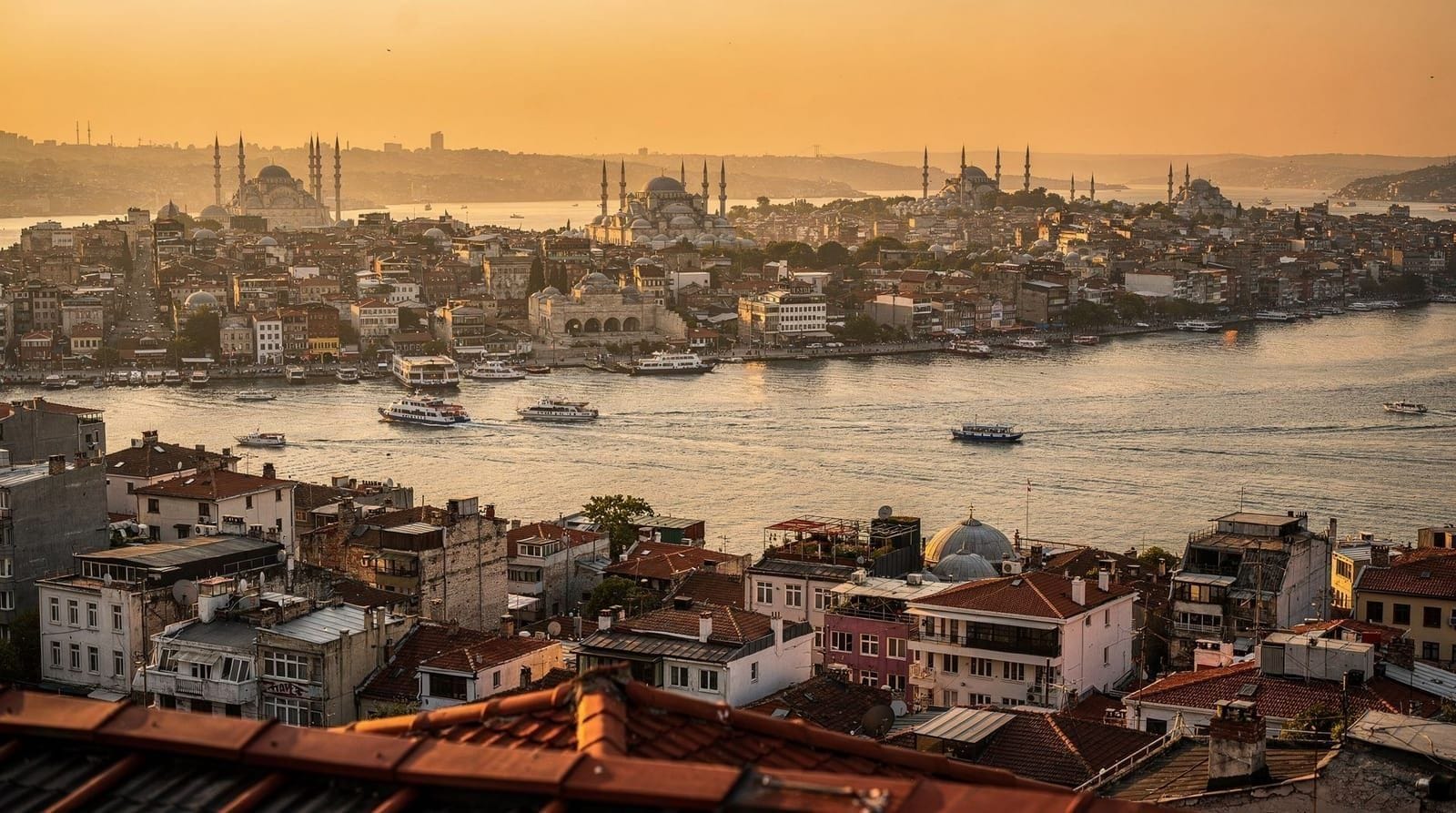
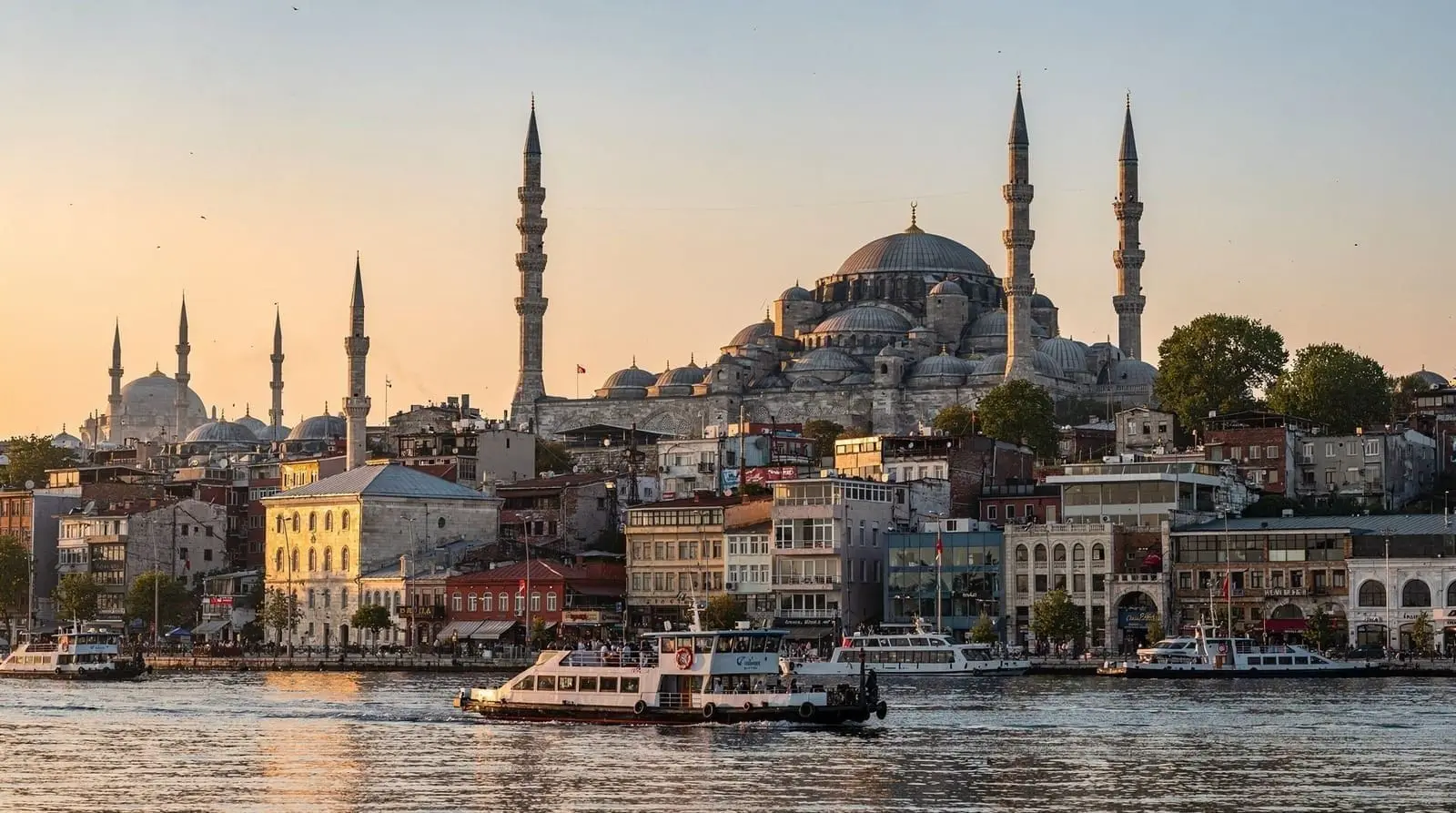
For the visitor who arrives without knowing what to expect, the initial impression may be of unusual calm in some neighborhoods during midday. Then the Maghrib call to prayer sounds at sunset, and the city transforms: restaurants fill instantly, Sultanahmet Square becomes a communal dining room, the air smells of food being unwrapped, and the evening extends late into the night with music, markets, and an atmosphere of collective celebration.
| When | Around 18-19 February to 18-20 March 2026 (exact dates confirmed near the time) |
| Daytime effect | Minimal in tourist areas — most restaurants operate normally |
| Evening effect | Restaurants busy 6-8pm; mosques more crowded for Teravih prayer |
| Cost | No extra cost; some iftar setups are free/communal |
| Best for | Visitors curious about local culture and evening atmosphere |
What Ramadan means in Islamic practice
Ramadan is the ninth month of the Islamic lunar calendar, during which Muslims fast from before dawn until sunset each day. The fast (sawm) involves abstaining from food, drink (including water), smoking, and sexual activity during daylight hours. It is one of the Five Pillars of Islam.
In Turkey, observance of Ramadan varies significantly. Istanbul’s secular residents, particularly in Beyoğlu, Kadıköy, and other cosmopolitan neighborhoods, may not fast at all. In more traditional neighborhoods — parts of Fatih, Eyüp, and across the Asian side — a larger proportion of residents observe the fast, and the daytime atmosphere is more subdued.
The evening meal that breaks the fast is iftar (literally “breaking” in Arabic). Iftar is a social event as much as a meal; it is eaten communally with family and friends, and in Istanbul it spills onto the streets in large communal setups in public squares and outside mosques.
The Teravih prayer — a special long prayer performed after the night Isha prayer, only during Ramadan — draws substantial evening crowds to mosques. At the Sultanahmet mosques, the sound of Teravih prayers echoing between the domes is an extraordinary acoustic experience for anyone nearby.
Ramadan 2026 dates
Ramadan 2026 is expected to begin around 18-19 February and end around 18-20 March 2026. The exact start date depends on the sighting of the crescent moon and is confirmed only a day or two in advance by religious authorities. Eid al-Fitr, the three-day holiday at the end of Ramadan, follows immediately.
Important: always verify Ramadan dates for the specific year of your travel. The Islamic lunar calendar shifts approximately 11 days earlier each year relative to the Gregorian calendar.
Where to experience iftar in Istanbul
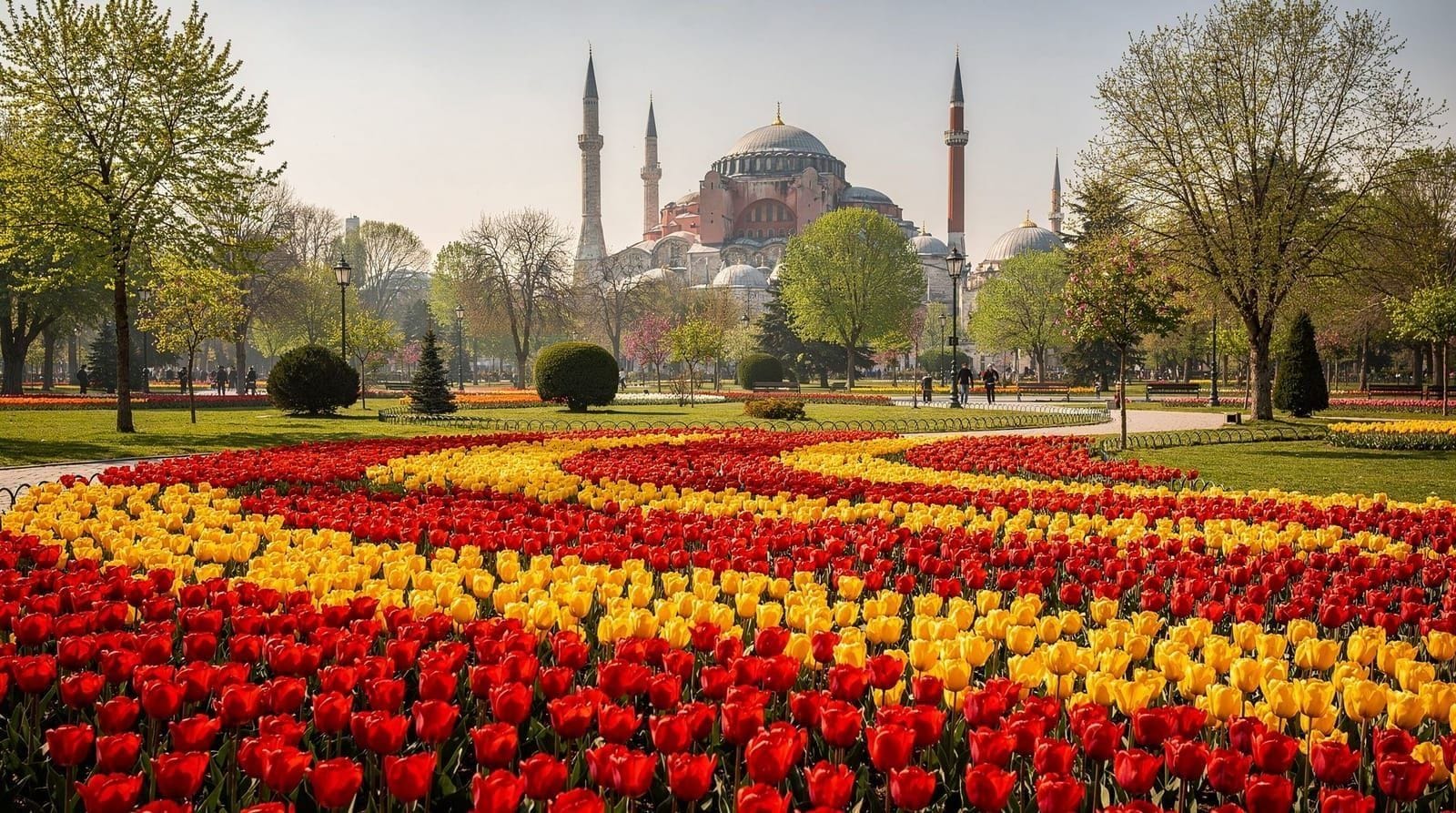
Sultanahmet Square: The most dramatic communal iftar setup in Istanbul happens in and around Sultanahmet Square. Long tables are set up in the park between the Blue Mosque and Hagia Sophia, sponsored by the city government and various foundations. Hundreds of people eat together when the call to prayer sounds. Non-Muslims are welcome to join; the atmosphere is inclusive. Arrive 20-30 minutes before sunset to find a place.
Eyüp Sultan Mosque: The neighborhood around the Eyüp mosque on the Golden Horn has an intensely religious atmosphere during Ramadan. The iftar meal in the streets around the mosque is organized, communal, and genuinely moving if you have any interest in Islamic devotional culture. Less touristy than Sultanahmet.
Balat and Fener: The streets of these historic neighborhoods come alive in the evenings during Ramadan. Local restaurants and takeaways set up outdoor seating; family groups fill the streets.
Ramadan markets (Ramazan çarşıları): Temporary markets appear in various locations during Ramadan — near mosques, in public parks — selling traditional Ramadan foods, sweets, and crafts. Food to try: güllaç (a dessert made with rose water and milk), pide (a special flat bread baked only during Ramadan), and various sweet pastries.
How restaurants operate during Ramadan
In tourist-heavy areas — Sultanahmet, Beyoğlu, Karaköy, Beşiktaş, Kadıköy — restaurants are open and serving food all day during Ramadan. There is no legal requirement for restaurants to close during daylight hours.
Some nuances:
- Very local or traditional meyhanes (Turkish taverns serving alcohol) may not serve alcohol during Ramadan, even if they normally do. This is a commercial/cultural choice, not a legal requirement.
- In conservative neighborhoods, some small family-run cafes may close during the day and reopen for iftar. This is rare in central tourist areas.
- After the Maghrib call to prayer, many popular restaurants fill immediately with people breaking the fast. Making a reservation for the 6-8 PM slot during Ramadan, especially at well-regarded restaurants like Karaköy Lokantası or Çiya Sofrası in Kadıköy, is strongly recommended.
- Street food is reliably available throughout the day.
Practical considerations for visiting during Ramadan
Mosque visits: Mosques function normally for tourists during Ramadan daytime. Evening prayer times are longer and more attended than usual; the Teravih prayer after Isha can run late. If you want to visit a major mosque in the evening, check prayer schedules and be prepared for significant crowds. See our mosque etiquette guide.
Noise levels: Istanbul during Ramadan nights is often louder and more festive than usual, with outdoor gatherings, music, and late-night activity near mosques and in public squares. If you are staying near a mosque and are a light sleeper, this is worth knowing.
Eid al-Fitr travel: The holiday at the end of Ramadan (Kurban Bayramı is a separate holiday) involves major domestic travel in Turkey. If your trip overlaps with Eid, intercity buses, trains, and ferries will be fully booked. Istanbul airports are very busy. Book all transport well in advance.
Alcohol: Widely available in tourist restaurants and bars during Ramadan. Istanbul is not Saudi Arabia. Bars in Beyoğlu and elsewhere operate normally.
Suhoor: The pre-dawn meal before fasting begins. Some restaurants near mosques open in the very early morning (3-4 AM) for suhoor. This is a novelty for visitors but not typically sought by most tourists.
The sound of Ramadan
The most memorable sensory experience of Ramadan in Istanbul may be auditory. The call to prayer during Ramadan evenings is supplemented by a distinctive drumbeat — the Ramadan drummer (davulcu), a tradition in which a person walks through neighborhoods in the pre-dawn hours beating a large drum to wake fasting residents for their suhoor meal before dawn. In some traditional neighborhoods, this continues. The sound of the Maghrib ezan followed by immediate, audible collective activity — the city breaking its fast simultaneously — is unlike anything else.
Honest assessment: is Ramadan a good time to visit?
For most tourists, Ramadan in Istanbul is a neutral to positive addition to the experience, not a constraint. The main practical adjustments are:
- Evening restaurant reservations are harder to get at popular places from 6-8 PM
- Mosques are more crowded in the evenings
- Some small local restaurants may have reduced daytime hours
The positive side:
- The iftar atmosphere in Sultanahmet is unique and worth witnessing
- The city has an unusual warmth and communal energy in the evenings
- Ramadan markets offer traditional foods not otherwise available
Winter Ramadan (as 2026 will be) has shorter fasting days, which reduces the daytime impact. The festive evening atmosphere is the same regardless.
See our broader best time to visit Istanbul guide for how Ramadan compares with other seasonal considerations.
Ramadan and the food scene: what opens, what changes
Istanbul’s food culture adapts for Ramadan in ways that are worth understanding:
Traditional Ramadan foods: During Ramadan, certain foods appear that are not widely available at other times. Güllaç is a dessert made from starch-based wafers soaked in milk with rose water and pomegranate — delicate, sweet, seasonal. Ramazan pidesi is a special thick, sesame-seeded flatbread baked fresh daily and eaten with every iftar meal — much better than the year-round pide. Lokma (small fried dough balls soaked in syrup) are sometimes distributed free outside mosques and community organizations during Ramadan. Şeker (traditional sweets), baklava, and other pastries spike in sales; Karaköy Güllüoğlu baklavacı in Karaköy is one of the most famous bakeries in Turkey and is worth visiting.
The iftar rush: In the minutes after the Maghrib ezan (sunset call to prayer), the city’s restaurants fill immediately. Any restaurant popular with locals — including tourist-area places — will be full or at least very busy from approximately 15 minutes before sunset through 8 PM. If you are dining out and want a table at a popular spot, either reserve ahead or dine before 6 PM or after 8:30 PM.
Cafes and daytime service: Well-established tourist cafes and restaurants in Sultanahmet, Beyoğlu, and Karaköy are open and serving food and non-alcoholic drinks throughout the day with no Ramadan-specific changes. Some very small, traditional neighborhood places may not open until iftar; this is the exception, not the rule, in central areas.
Alcohol in Ramadan: Legally available. The government does not restrict alcohol sales during Ramadan. Individual restaurant and bar owners may choose not to serve alcohol during Ramadan as a personal/religious choice — but this is uncommon in tourist areas. The meyhanes of Beyoğlu and the bars of Karaköy operate normally.
The spiritual dimension of Ramadan: for curious visitors
For visitors who are interested in Islamic culture rather than only the practical logistics, Ramadan in Istanbul offers an unusual window into active religious practice in a major modern city.
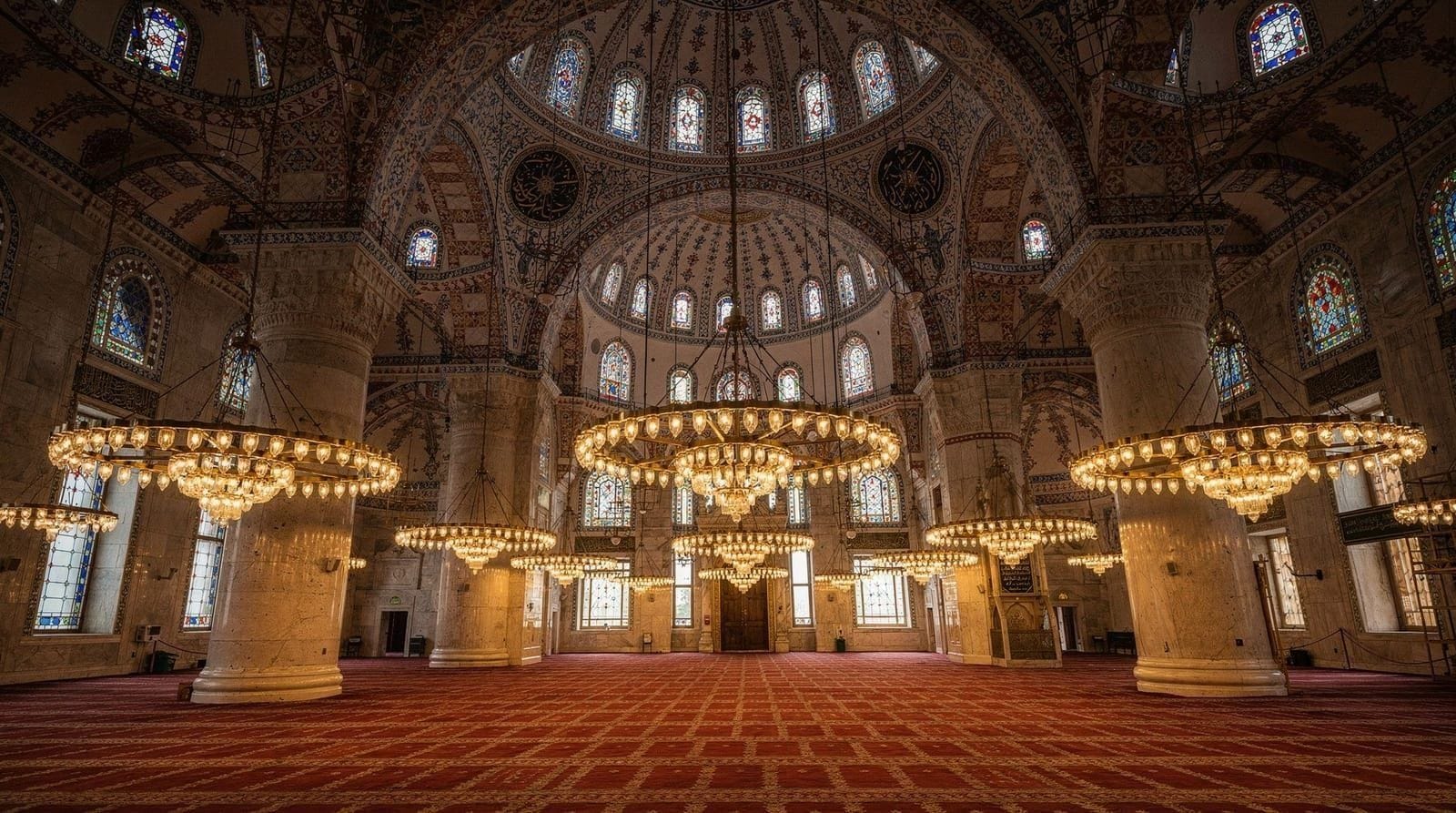
The mosques during Ramadan evenings are genuinely moving spaces — the Teravih prayer, performed only in Ramadan, involves long melodious recitation from the Quran in a mosque full of worshippers standing in rows. The sound carries into the surrounding streets. The Sultanahmet area, with the Blue Mosque and Hagia Sophia facing each other across the square, has an extraordinary atmosphere at Teravih time.
Iftar itself has a communal dimension that is difficult to parallel in secular European contexts — the moment of sunset when thousands of people across the city begin to eat simultaneously has a quiet solidarity about it. Sitting in the Sultanahmet park area with families, commuters, and tourists sharing the iftar moment — even if you are not fasting yourself — is a genuinely memorable urban experience.
The sahur drummers (davulcular) are a Ramadan tradition in Istanbul and other Turkish cities: men who walk through residential neighborhoods in the hours before dawn, beating drums to wake the fasting household for their pre-dawn suhoor meal. This tradition is centuries old and continues in some neighborhoods, though it is less universal than it was. If you hear rhythmic drumming at 3 AM, you have found a davulcu.
Visiting the major mosques during Ramadan
Mosque visits during Ramadan need slightly different timing than the rest of the year. Daytime visiting hours to the Blue Mosque, Süleymaniye, and other major mosques are unaffected — you can visit between prayers as usual, following the standard mosque etiquette guide. The change is in the evenings: from roughly an hour before Maghrib through the Teravih prayer (which can run 45-90 minutes after Isha), the courtyards and prayer halls fill well beyond normal levels, especially at the Blue Mosque and Süleymaniye Mosque.
For visitors who want to witness Teravih without disrupting worshippers, the recommended approach is to observe respectfully from the courtyard or designated visitor areas rather than the main prayer hall during the service itself. A licensed guide who knows current Ramadan visiting protocols is useful here — a guided tour of Hagia Sophia, the Blue Mosque, and Süleymaniye can time the mosque stops around prayer schedules automatically, which matters more during Ramadan than at any other time of year.
If daytime sightseeing is the priority, an old city walking tour run during Ramadan is unaffected by the fasting schedule — a full-day old city walking tour covers the same ground as any other month, just with a quieter midday atmosphere in some neighbourhoods.
Ramadan versus other times of year: an honest comparison
Visitors weighing whether to plan around Ramadan or avoid it should know what actually changes and what doesn’t:
What stays the same: opening hours for major museums and palaces, public transport schedules, hotel availability and pricing (Ramadan is not peak season), safety, and daytime sightseeing at every major site.
What changes for the better: the iftar atmosphere in Sultanahmet, the availability of seasonal foods (güllaç, Ramazan pidesi) not sold at other times, a livelier and more sociable evening street life, and — because Ramadan is not a conventional high season — sometimes lower hotel rates than in summer or around Eid.
What changes for the worse: harder-to-get evening restaurant reservations at popular spots between 6-8pm, more crowded mosque courtyards in the evening, and reduced daytime hours at a small number of traditional local eateries outside the main tourist districts. None of these are significant enough to justify avoiding a Ramadan trip; they simply require slightly different evening planning than a non-Ramadan visit.
See the Istanbul trip planning guide for how a Ramadan trip fits into broader itinerary planning, including how many days you need in Istanbul.
Planning the rest of your stay around the evenings
Because the day belongs to sightseeing and the evening belongs to iftar, a Ramadan trip rewards a slightly different rhythm. Put the big monuments in the daytime, then head toward the water or the old city as the light fades. The Hagia Sophia visiting guide and the Topkapı Palace visiting guide are easy to fit into a morning, leaving the late afternoon free for a walk through Sultanahmet before the Maghrib call to prayer.
If you want to eat like the locals do once the fast is broken, the where to eat in Istanbul guide and the Turkish food guide help you choose dishes beyond the Ramadan specialities. The baklava and Turkish desserts guide is a good companion for the sweet side of iftar.
Evenings are also when the city’s neighbourhoods feel most alive. The Balat and Fener walking guide suits a late-afternoon stroll that ends at a local table, and the Eyüp Sultan Mosque guide explains the area for anyone drawn to its devotional atmosphere. For moving around when streets and public transport are busy around sunset, see the getting around Istanbul guide, and read the broader Turkish customs and etiquette guide for everyday courtesy during the month.
Frequently asked questions about Ramadan in Istanbul — what to expect as a visitor
When is Ramadan 2026 in Istanbul?
What is iftar and where can I experience it in Istanbul?
Are restaurants open during Ramadan in Istanbul?
Will I find it harder to find food during the day in Ramadan?
Are mosques more crowded during Ramadan?
What is Eid al-Fitr and how does it affect travel?
Is it respectful to eat and drink in public during Ramadan in Istanbul?
Top experiences
Bookable activities with verified prices and instant confirmation on GetYourGuide.