Grand Bazaar shopping guide — what to buy, what to avoid, and how to navigate
Istanbul: Grand Bazaar Shopping Tour with Local Guide
Is the Grand Bazaar worth visiting in Istanbul?
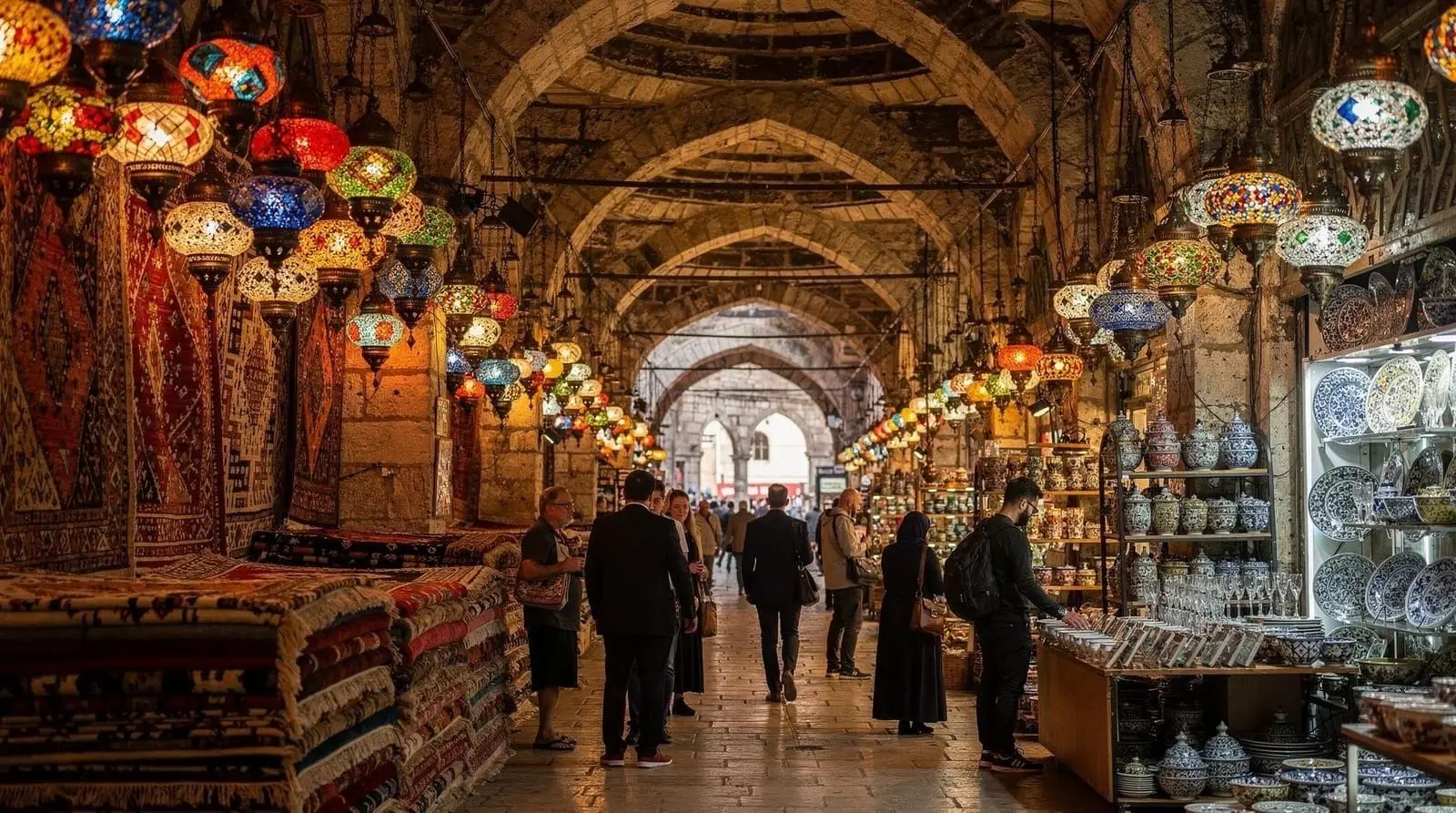
Yes, even if you don't buy anything — the architecture alone justifies a visit. The Grand Bazaar (Kapalıçarşı) is the world's oldest covered market, with 4,000+ shops in 61 covered streets. For shopping: genuine lokum, gold jewellery, hand-painted ceramics, leather goods, and spices are the worthwhile categories. Avoid mass-produced 'antiques', synthetic carpets presented as silk, and anything near the main tourist entrances.
The Grand Bazaar — what it actually is
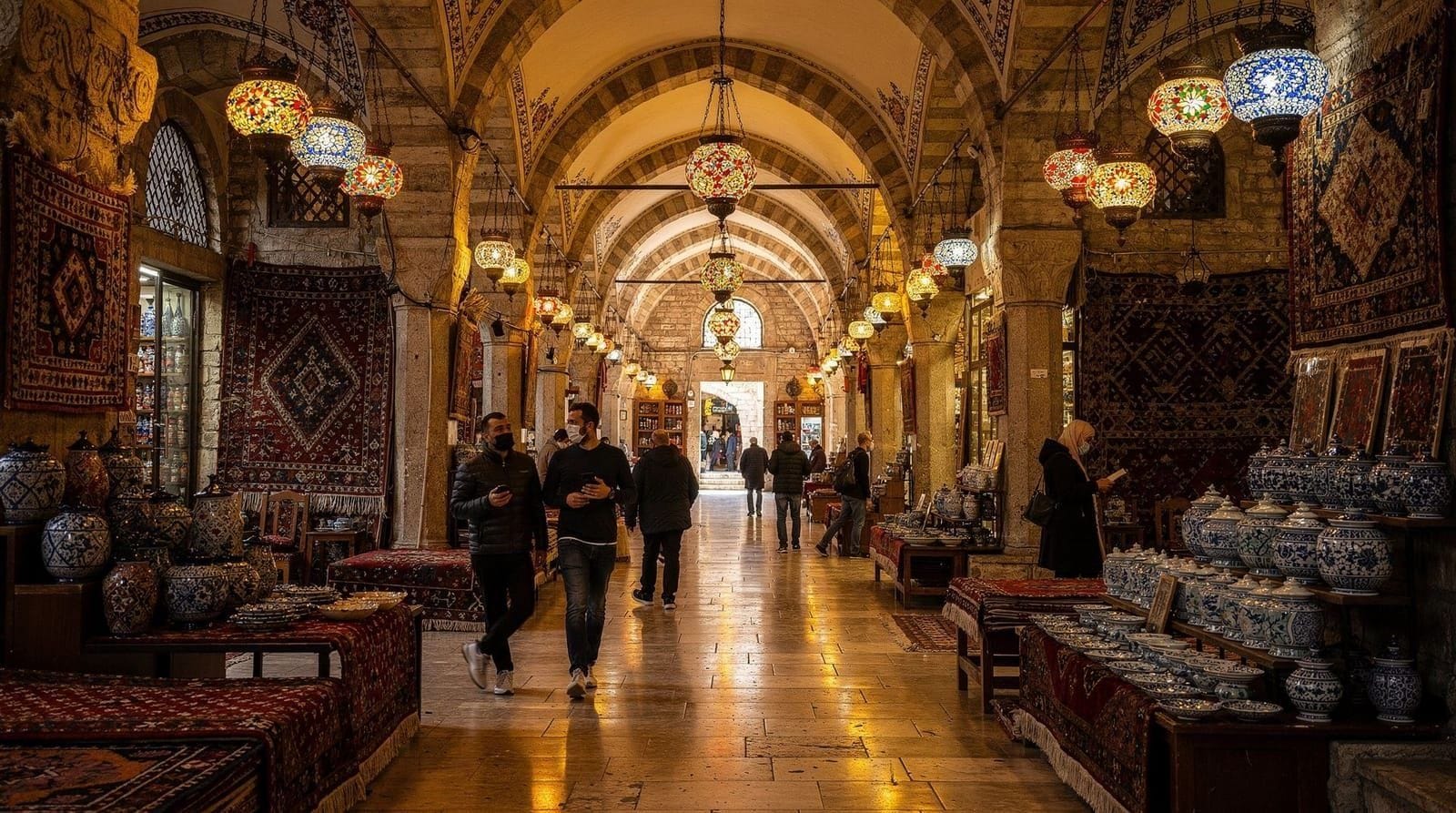
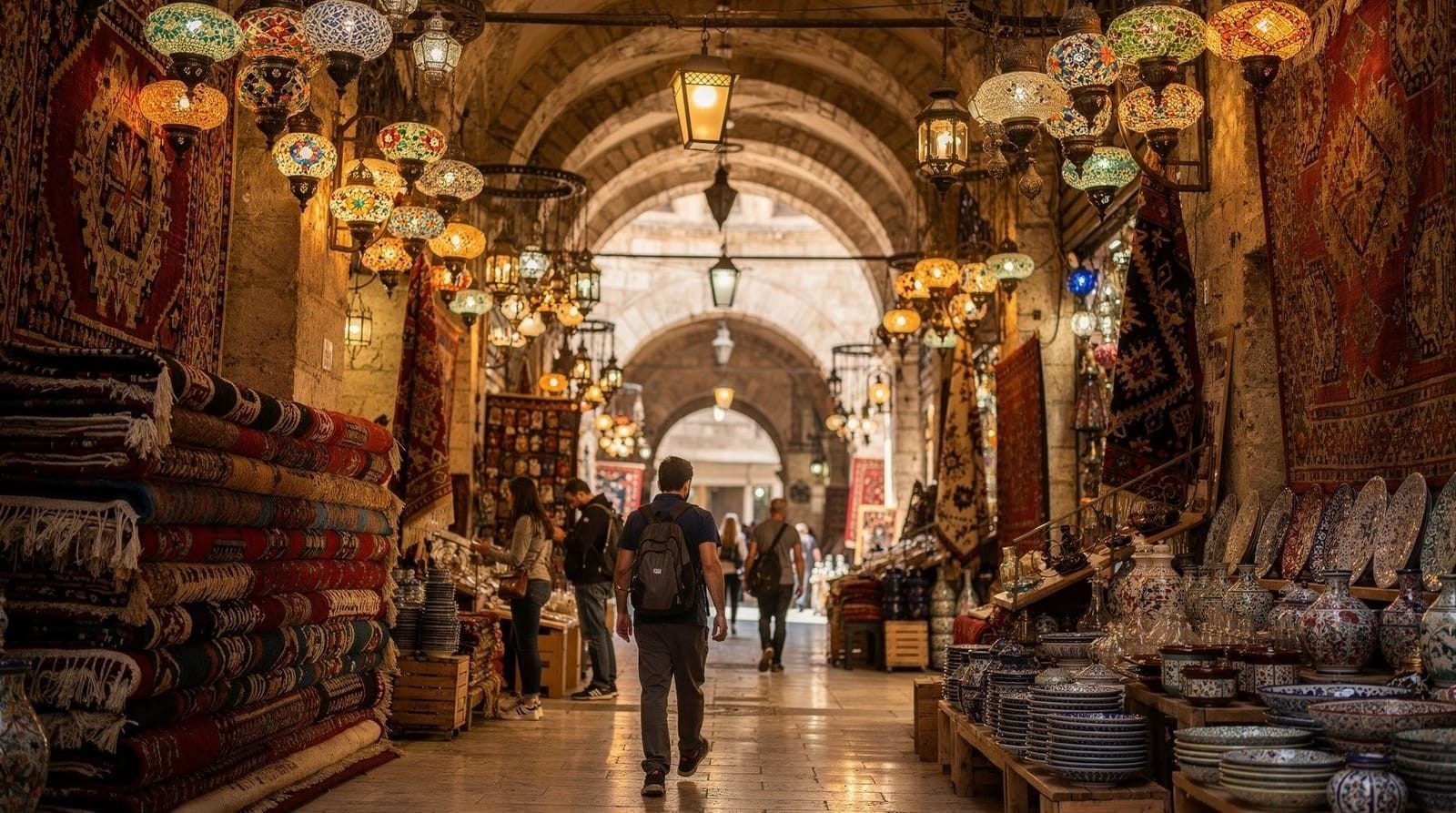
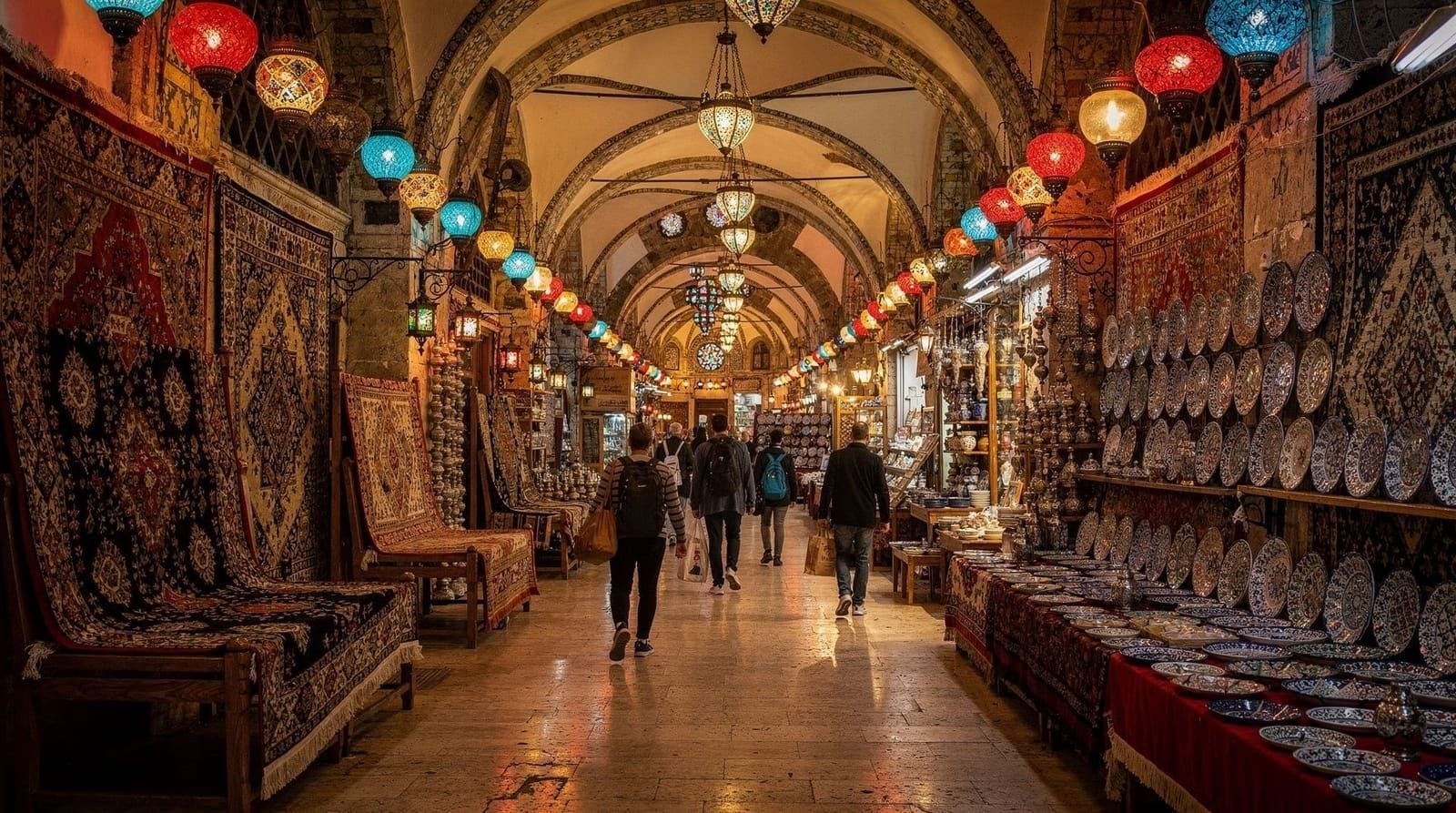
The Kapalıçarşı (Grand Bazaar or Covered Market) has operated continuously since 1461. Built by Sultan Mehmed II on the site of the old Byzantine market, it expanded over five centuries into the labyrinthine complex that exists today: 4,000+ shops, 61 covered streets, 22 gates, a functioning gold market, several hans (old merchant guesthouses), mosques, fountains, and enough disorientation to last an afternoon.
| Where | Sultanahmet / Beyazıt, tram T1 |
| Cost | Free to enter — pay only for purchases |
| Time needed | 2 hrs general visit, 3-4 hrs for serious shopping |
| Getting there | Tram T1 to Çemberlitaş or Beyazıt/Grand Bazaar |
| Best time | Weekday mornings before 11 am, quietest |
It’s a world heritage site that is also a functioning commercial space serving the city. Not everything in it is aimed at tourists — the bedesten (the original central section) still trades in genuine antiques and valuable textiles. Gold shops use real-time per-gram pricing. Leatherworkers have been in the same family trade for generations.
The problem is the layering on top: since the 1990s, the tourist-facing outer streets have filled with mass-produced ceramics, synthetic carpets, and aggressive touts. Knowing which part of the bazaar you’re in determines what you’ll find. For a broader sense of where the Grand Bazaar fits among Istanbul’s shopping options, see the Istanbul shopping guide.
Orientation — the bazaar’s structure
The outer streets (Outer Bedesten area): Closest to the main gates (Nuruosmaniye Gate and Beyazıt Gate). Highest concentration of tourist shops, the most aggressive sales tactics, the least interesting merchandise.
The inner streets: Moving toward the centre, the bazaar becomes more specialist. The leatherworkers are concentrated in certain streets; the goldsmiths in others; the copperworkers and lamp-makers in the hans behind the main streets.
The Inner Bedesten (İç Bedesten): The original core of the bazaar. Higher-quality antiques, genuine old carpets, coins, silver, and curiosities. Quieter, darker, more atmospheric.
The Hans: Old merchant lodgings integrated into the bazaar. Zincirli Han, Kürkçü Han, and others are accessible from inside the bazaar and have artisan workshops behind their courtyard facades.
Which part of the bazaar suits you
| Area | What’s there | Who it suits |
|---|---|---|
| Outer streets | Mass-market souvenirs, aggressive touts | Quick browse, souvenirs, not serious buying |
| Inner streets | Specialist leather, gold, copper trades | Shoppers who know roughly what they want |
| Inner Bedesten | Genuine antiques, old carpets, coins, silver | Collectors and carpet buyers with time to spend |
| The Hans | Artisan workshops, quieter courtyards | Anyone wanting to see goods actually being made |
If you would rather skip the guesswork on where to look, our bargaining in the bazaar guide covers negotiating tactics specific to each area, and the what to buy in Istanbul guide has a citywide view beyond just the Grand Bazaar.
What to buy and where to find it
Lokum (Turkish delight)
What to look for: Fresh lokum, cut from slabs and dusted with icing sugar or coconut. Varieties including classic rosewater, pistachio, hazelnut, and the more interesting regional specialties (walnut with grape molasses, pomegranate).
Where: Avoid the cellophane-packaged tourist boxes near the entrance gates. Seek out confectioners with visible production and glass cases showing fresh products. Ali Muhiddin Hacı Bekir — the confectioner that is credited with inventing modern lokum in 1777 — has a shop in the bazaar (Nuruosmaniye Caddesi, just outside the main gate). Worth a stop for both quality and history.
Price benchmark: 800–1,500 TRY per kg for quality lokum (mid-2025), depending on the filling.
Gold jewellery
The Grand Bazaar gold market is one of Istanbul’s genuine specialties. Over 300 gold shops operate here, and pricing is transparent: yellow screens throughout the gold section display the real-time international gold price per gram (18 karat, 21 karat, 22 karat, 24 karat). You pay the per-gram price plus a workmanship fee (işçilik). This is not a negotiation arena — the gold weight is fixed.
What to buy: Simple chain bracelets (bilezik), gold coin bezels, yellow gold rings. Turkish gold jewellery is typically yellow gold (14–22 karat) rather than white gold; the deep golden colour is distinctive.
What to check: The karat stamp on the clasp (14K = 585, 18K = 750, 22K = 916). Workmanship fees vary by intricacy — simple chains have low fees; elaborate filigree work has higher fees.
Ceramics and tiles
What to look for: Hand-painted ceramics based on Ottoman Iznik tile designs — specifically, pieces that are individually painted (not stamp-printed) and properly kiln-fired with a smooth glaze. Check the bottom of any piece: quality ceramics are signed by the artist and often have the workshop’s name.
What to avoid: The shiny, uniformly perfect ceramic items near the entrances — these are factory-produced in China with Turkish designs printed on. An easy test: look for slight variations in the brushwork; handmade pieces are never perfectly uniform.
Price benchmark: A quality hand-painted ceramic plate from a good workshop: 1,500–4,000 TRY (45–120 USD, mid-2025). Tourist-grade factory ceramics: 150–400 TRY. The price gap tells you something.
Leather goods
The leather trade is concentrated in several streets of the Grand Bazaar. Quality varies enormously. Markers of better quality: visible stitching rather than glued-only seams, proper lining, smooth (not crinkled) leather that doesn’t smell chemically treated.
Full-size leather handbags from reputable stalls: 3,000–8,000 TRY (90–240 USD, mid-2025). Belts: 800–2,000 TRY. Wallet-quality: 500–1,200 TRY.
Carpets and kilims
This is the category requiring the most caution. Significant knowledge is required to buy a genuine antique carpet or high-quality wool kilim rather than a synthetic reproduction. A few honest markers:
- Pile carpets: Natural dyes have slight colour variation (abrash); synthetic dyes are uniform. Pull a few threads and burn them — wool smells like hair, cotton like paper, synthetics like plastic.
- Kilims (flat weaves): More straightforward to assess — the pattern should be visible from the reverse, and the colours should be consistent with natural dyes.
- Price: A genuine hand-knotted wool carpet of reasonable size costs from 5,000 TRY upward; anything significantly cheaper in the tourist stalls is machine-made or synthetic.
If you’re seriously interested in carpet buying, the reputable carpet shops are in the inner bedesten and in specialist streets behind the tourist-facing outer ring. Take time, drink tea, and don’t be pressured into a decision.
Shipping purchases home
For anything bulky — carpets especially, but also large ceramic pieces — established shops can arrange international shipping, usually with a customs invoice and a tracking number. Ask to see reviews or evidence of previous shipments before paying for anything you won’t carry out yourself, and always pay by card (not wire transfer) for large purchases so you have a dispute mechanism if the item never arrives. Reputable carpet dealers are used to shipping internationally and should not hesitate at the request.
How to navigate without getting lost
The Grand Bazaar has 22 named gates. The main tourist entrance is the Nuruosmaniye Gate (nearest to Sultanahmet, tram T1 stop: Çemberlitaş). The Beyazıt Gate (tram T1 stop: Beyazıt/Grand Bazaar) is the other main entrance.
Inside, the main axis streets run east-west. Kalpakçılar Caddesi (the main street) runs through the heart of the bazaar. Perpendicular streets branch north and south.
Getting lost is expected and not a problem — the bazaar is not large enough to spend more than 20 minutes lost, and any shop owner will point you to the nearest gate. More useful is noting which gate you entered through so you can find your way back to familiar territory.
Planning your visit around the rest of the Old City
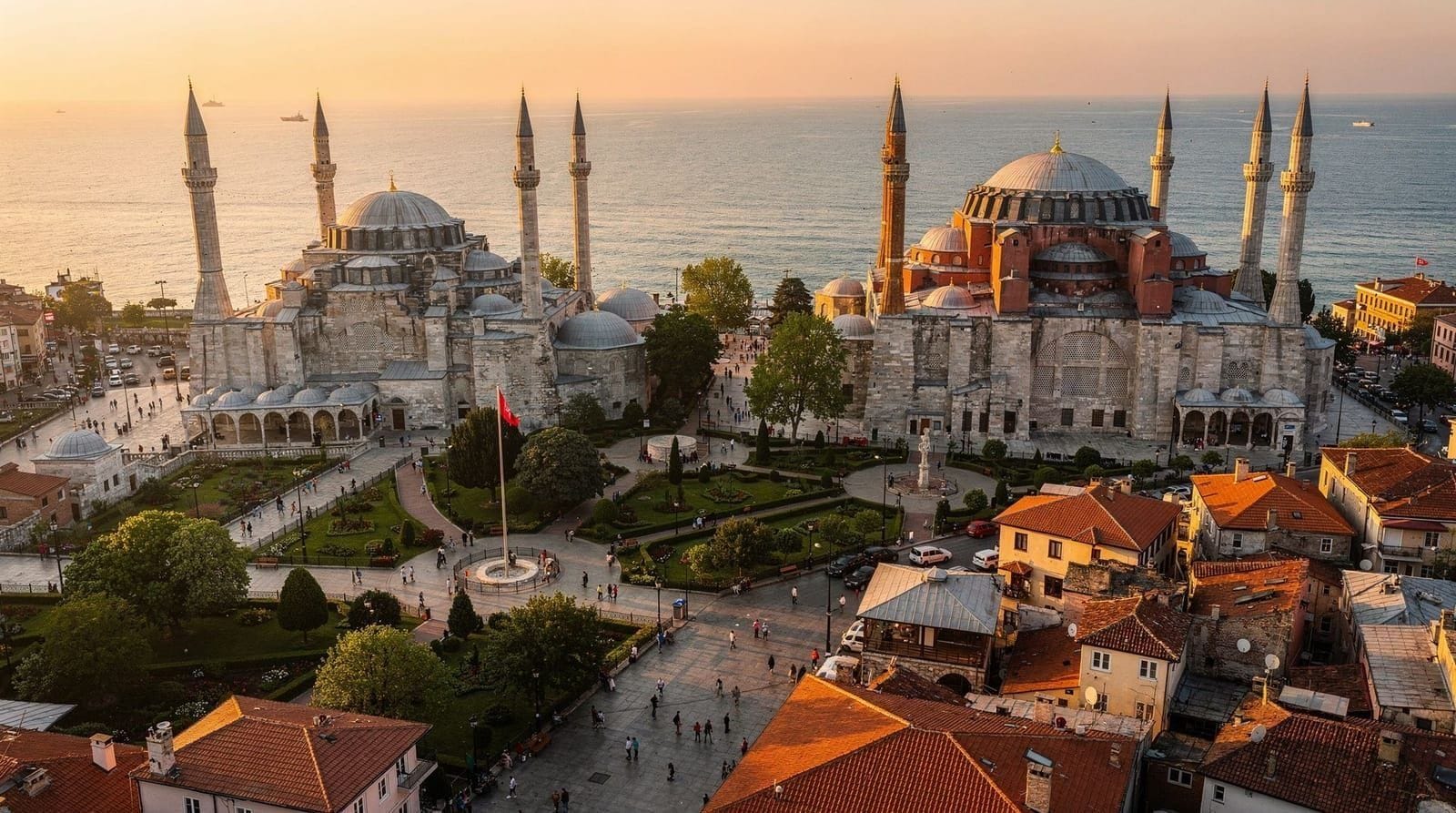
The Grand Bazaar sits in the middle of the historic peninsula, which makes it easy to combine with other sights. Many visitors pair a morning at Hagia Sophia or the Blue Mosque with an afternoon in the market, once the sightseeing crowds have thinned and the legs are ready for a slower, indoor pace. If you are building a wider plan, the one-day Istanbul itinerary shows how a bazaar stop can fit between the major monuments without rushing either.
A few habits make the visit more enjoyable:
- Go in with a short list. Decide before you enter whether you are hunting for one category (ceramics, leather, gold) or simply browsing. A short list keeps you from drifting into the first persuasive shop.
- Look before you ask. Walk a street once without stopping, note two or three shops that catch your eye, then circle back. Comparing the same kind of item across several stalls is the fastest way to learn what fair quality looks like.
- Keep your purchases light until the end. Carrying heavy bags through narrow, crowded corridors is tiring. Buy bulky items last, or ask the shop to hold them while you finish your loop.
- Stay relaxed. The sales patter is part of the theatre. A smile and a clear, polite refusal work better than hurrying away.
Reading a shop before you commit
Good sellers tend to share a few traits. They let you handle the goods, they can explain how an item was made, and they do not change their tone when you say you are only looking. A shop that is happy to show you the underside of a ceramic plate, the lining of a bag, or the reverse of a kilim usually has nothing to hide.
Be wary of the opposite signals: pressure to decide quickly, claims that a price is “only for today”, or a story that the item is far older or rarer than its condition suggests. Genuine antiques come with an explanation you can follow, and a seller who is confident in their stock will not mind you walking away to think it over. Most honest dealers expect it, and many will remember you if you return.
If you plan to haggle, read the bargaining in the bazaar guide before you go; it explains the rhythm of a negotiation so that the first counter-offer does not feel awkward. For a calmer food-and-souvenir alternative, see the Istanbul shopping guide and the Turkish coffee guide, which help you choose gifts that are easy to pack and genuinely local.
Making the most of the surrounding streets
Some of the best finds are just outside the covered walls. The streets around the market are lined with trade shops and small eateries that serve the traders who work here every day, and they give a more everyday picture of the neighbourhood than the main tourist corridors. A break at a simple local place is a good way to reset between buying decisions, and prices there tend to feel less theatrical than inside the tourist-facing outer ring.
If your feet need a rest, a tea or a coffee in one of the quieter hans lets you watch the bazaar’s working rhythm without the pressure of a sales pitch. Looking at what the craftsmen actually make, and how they speak about their work, will tell you more about quality than any label can. For more ideas on where to eat nearby once you have finished shopping, browse the where to eat in Istanbul guide.
Guided tours of the Grand Bazaar
A local guide changes the Grand Bazaar from a confusing shopping experience into a historical and cultural education. Guided tours typically cover the history of the different sections, the hans, the artisans, and — crucially — help identify quality merchandise from tourist-grade goods.
Practical information
Hours: Opening days and hours vary (closed on Sundays and public holidays, Ramadan may change them): check the official Grand Bazaar information before you go.
Payment: Cash preferred, especially for negotiated purchases. Many shops accept credit cards but the receipt may not reflect negotiated prices accurately (the difference is sometimes charged as “service”). Carry Turkish lira (TRY) in small denominations.
Toilets: Several toilet facilities inside the bazaar (small charge). Signed in Turkish (Tuvalet).
Getting there: Tram T1 to Beyazıt/Grand Bazaar or Çemberlitaş. From Sultanahmet, the Çemberlitaş stop is 5 minutes by tram or 15 minutes on foot up the hill.
Wi-Fi and phone signal: Patchy inside the stone-vaulted corridors — don’t rely on maps apps working reliably once you’re deep inside. Screenshot a rough layout or note your entry gate before heading in.
Accessibility: The main axis streets are flat and reasonably wide, but many side alleys are narrow, uneven underfoot, and crowded at peak hours, which makes wheelchair or pushchair navigation difficult in places. Staff at larger shops will usually help if asked.
The Spice Bazaar — the complementary visit
After the Grand Bazaar, the Spice Bazaar (Mısır Çarşısı) is 1 km away near Eminönü — a 15-minute walk down the hill or one tram stop. Smaller (88 shops rather than 4,000), more focused on food: spices, teas, lokum, saffron, dried fruit, nuts, cheeses. More authentic food market than the Grand Bazaar. Full guidance: Spice Bazaar guide.
Frequently asked questions about Grand Bazaar shopping guide — what to buy, what to avoid, and how to navigate
What are the best things to buy at the Grand Bazaar?
What should I avoid buying in the Grand Bazaar?
Is bargaining expected in the Grand Bazaar?
When is the Grand Bazaar open?
How big is the Grand Bazaar?
Is the Grand Bazaar free to enter?
Top experiences
Bookable activities with verified prices and instant confirmation on GetYourGuide.