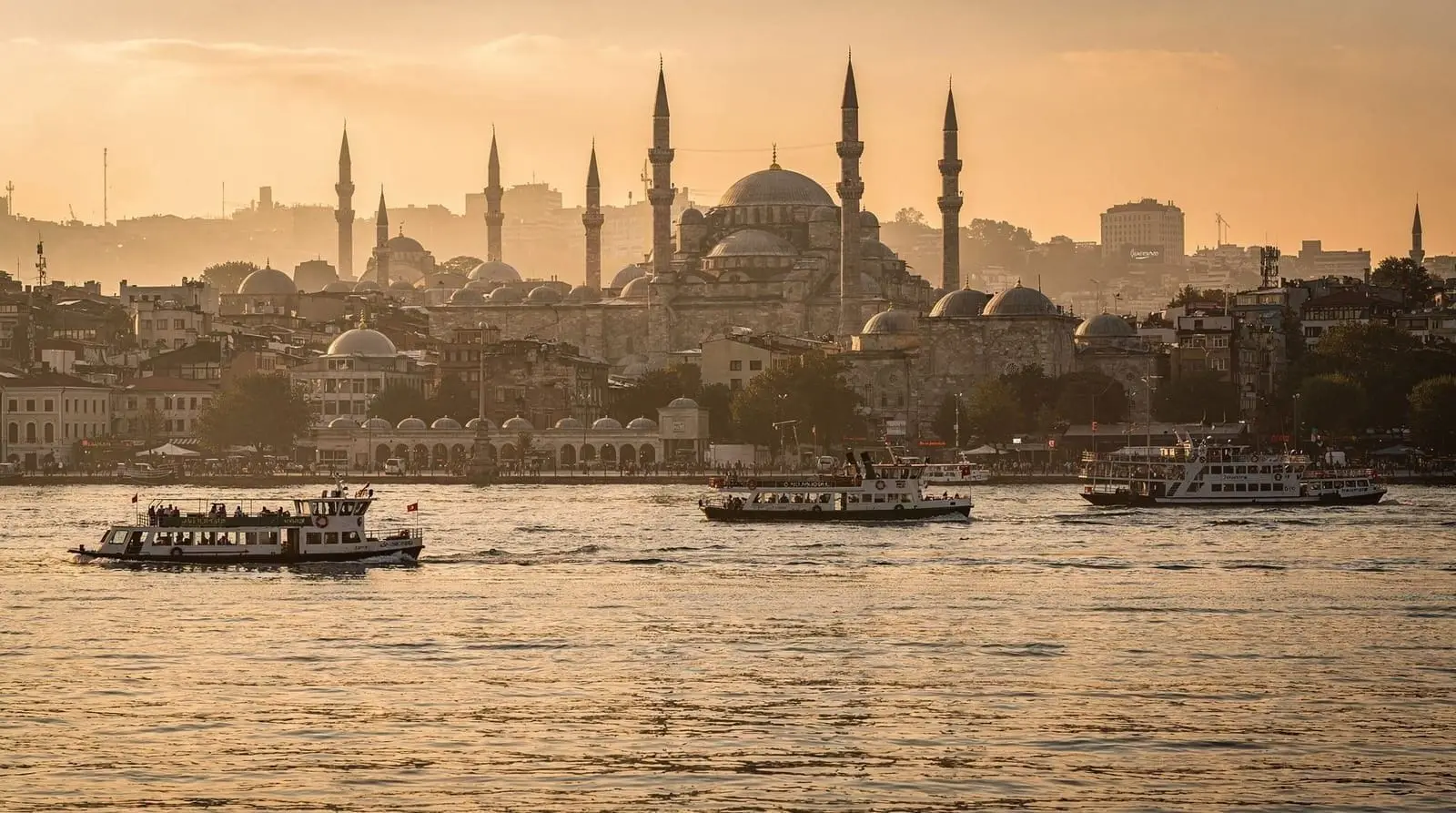
Most instagrammable spots in Istanbul — real locations with practical tips
Full-Day Walking Tour of Istanbul's Old City
Duration: 5 hours
Where are the most photogenic spots in Istanbul?
The most consistently photogenic spots are the Galata Bridge at dusk (skyline behind), the Hagia Sophia interior (dome and chandeliers), the colourful streets of Balat, the Ortaköy Mosque with the Bosphorus Bridge backdrop, the Bosphorus at golden hour from a cruise deck, and the Basilica Cistern light installation.
Istanbul is genuinely photogenic — and genuinely crowded
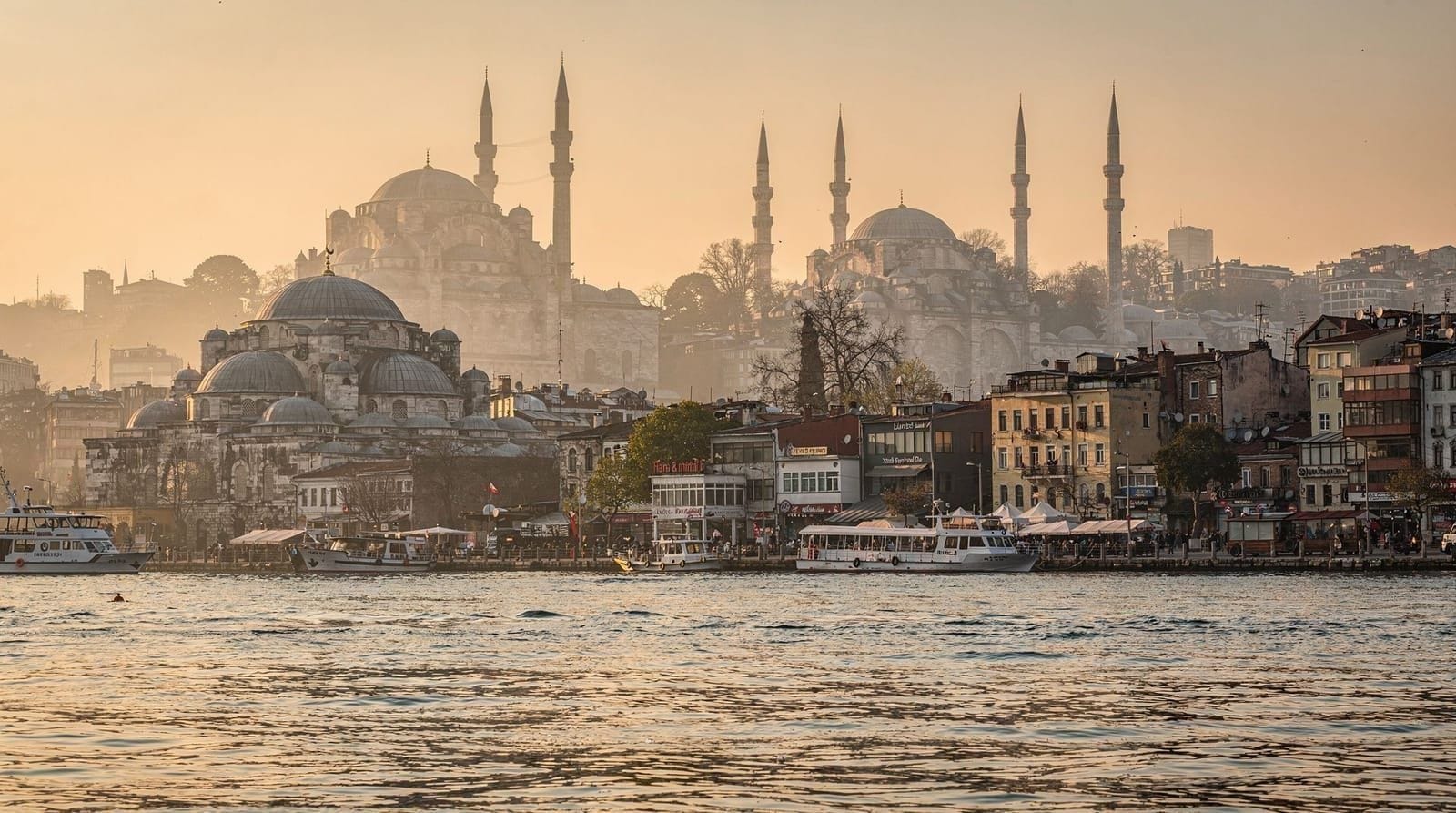
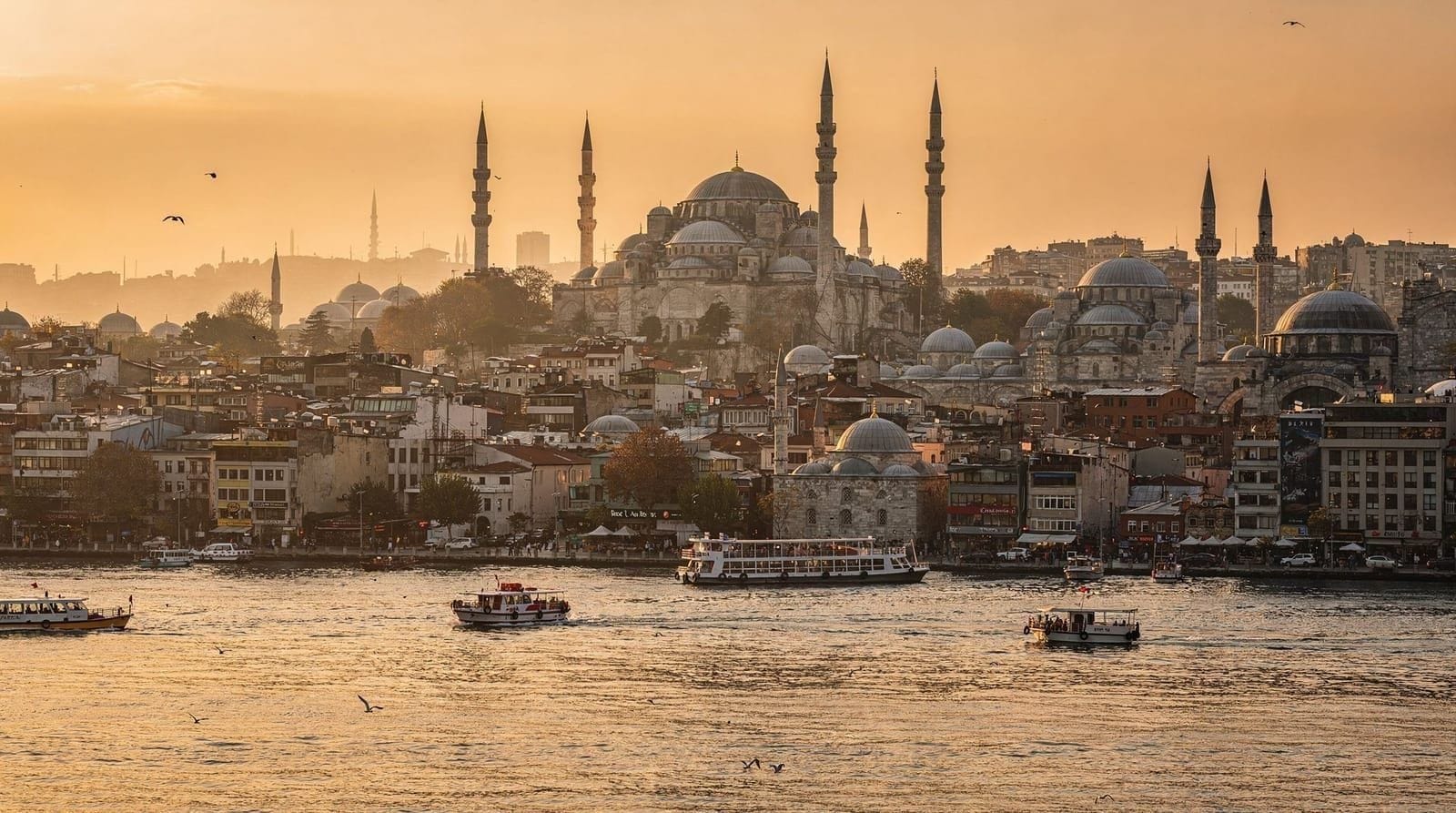
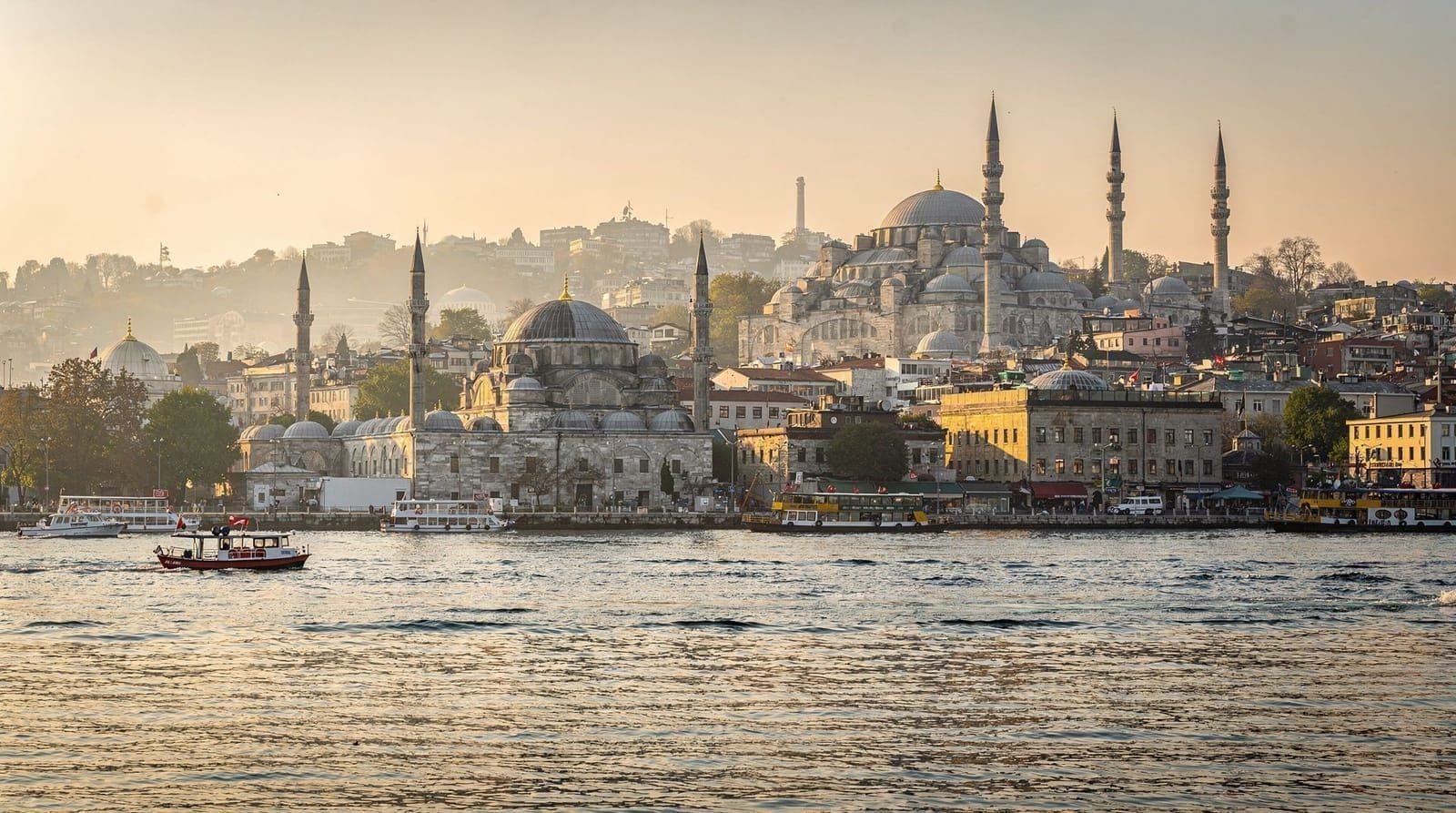
Istanbul’s visual appeal is not manufactured for social media. The domes and minarets silhouetted against the Bosphorus are one of the great skylines on earth. The Basilica Cistern is atmospheric by any standard. Balat’s colourful streets exist because of the neighbourhood’s history, not because someone painted them for photographs.
But popular photogenic spots attract crowds, and crowds ruin photographs. This guide is organised around getting good shots at each location — the right time of day, the best angle, and whether the crowds are manageable.
| Where | Spread across the old city, Bosphorus, and Balat |
| Cost | Mostly free; Galata Tower and Basilica Cistern have entry fees |
| Time needed | A dedicated half-day covers the top 4–5 spots |
| Getting there | Walkable in the old city; tram/ferry for Balat and Ortaköy |
| Best time | Golden hour or before 9:30 am |
Best time of day by location
| Location | Ideal window | Why |
|---|---|---|
| Hagia Sophia interior | 9 am at opening | Strongest window light, thinnest crowds |
| Ortaköy Mosque | Golden hour, facing west | Bridge and mosque catch the light |
| Balat staircases | Before 9:30 am weekdays | Tour groups arrive by 11 am |
| Basilica Cistern | Any time (indoor) | Lighting is artificial; crowds vary by hour |
| Galata Bridge | Dusk | Skyline silhouette against the sky |
| Bosphorus cruise | Sunset departure | Light on both shores as the sun sets |
Hagia Sophia interior — the dome shot
The interior of Hagia Sophia is one of the most photographed spaces in the world. The classic shot looks straight up at the central dome from the floor level — the scale is so vast (55 metres) that a wide-angle lens barely fits it. The gold mosaic fragments in the dome and the enormous Ottoman calligraphic medallions below frame the view.
Best time: 9 am at opening, when light through the high windows is strongest and crowds are thinner. Midday is busy. A wide-angle or ultra-wide lens is almost required for interior shots. No tripod or flash.
See Hagia Sophia.
Ortaköy Mosque — the Bosphorus bridge backdrop
The Büyük Mecidiye Camii in Ortaköy is small, baroque, and visually perfect against the backdrop of the first Bosphorus Bridge (15 Temmuz Şehitler Bridge). The composition — white mosque, blue water, bridge span overhead — is the most reproduced image of Istanbul and is genuinely spectacular in person.
Best time: golden hour, facing west. The bridge and mosque catch the light beautifully. Arrive early on weekends as the Ortaköy waterfront square fills quickly with visitors and vendors. Getting there: bus from Beşiktaş or taxi from Taksim, about 20–30 minutes. See Ortaköy.
Galata Bridge at dusk — the fishing-boat skyline
Standing on the Galata Bridge at dusk and looking southeast toward Sultanahmet gives the city’s most atmospheric urban vista: the silhouettes of the Blue Mosque minarets and Hagia Sophia dome against the deepening sky, the Golden Horn water below, fishing boats and ferries crossing the frame. This is a free photograph that rivals anything in the city.
Best position: on the bridge itself, mid-span, looking southeast. The lower deck of the bridge (the restaurant level) has a different but also excellent vantage point.
Balat — the colourful staircase streets
The neighbourhood of Balat on the Golden Horn has steep streets of colourful Ottoman-era wooden buildings — the most photographed are the Merdivenli Yokuş Sokak staircase and the Mavi Kapı Merdiveni (Blue Gate Stairs). These are genuine historic streets, not painted backdrops, though the specific blue staircase has become so popular it now has a consistent queue for photographs.
Better options for photography: the side streets immediately north and west of the main tourist staircase have similar or better composition with no crowds. Walk one block off the main route.
Best time: before 9:30 am on weekdays. After 11 am, tour groups arrive consistently. See Balat and Fener.
A guided tour of the Fener and Balat neighbourhood navigates the best streets and provides historical context for the architecture.
Basilica Cistern — the underground light show
The 2022 light installation in the Basilica Cistern transformed it from an atmospheric underground space into a deliberately theatrical photography location. The lighting shifts through colours, catches the columns’ reflections in the shallow water, and creates compositions that are hard to categorise as purely historical or purely artistic. Both true.
Best for photography: the Medusa head columns in the far northwest corner; the long perspective shots down the column rows with the reflections; the main chamber from the entrance staircase. A camera with good low-light performance does better than a phone here.
See Basilica Cistern.
The Grand Bazaar — patterns and colour overhead
The Grand Bazaar’s appeal for photography is less the merchandise and more the architecture: the painted vaulted ceilings, the brass and ceramic shops arranged in lanes, the light filtering through skylights. Most tourists photograph goods; the better photographs are the ceilings, the spatial perspective down a full market lane, and the patterns.
Best time: 9–10 am when the vendors are setting up and the corridors are quiet. The interior bedesten (old lockable market building) has the finest architecture. See Grand Bazaar.
Bosphorus from a cruise deck
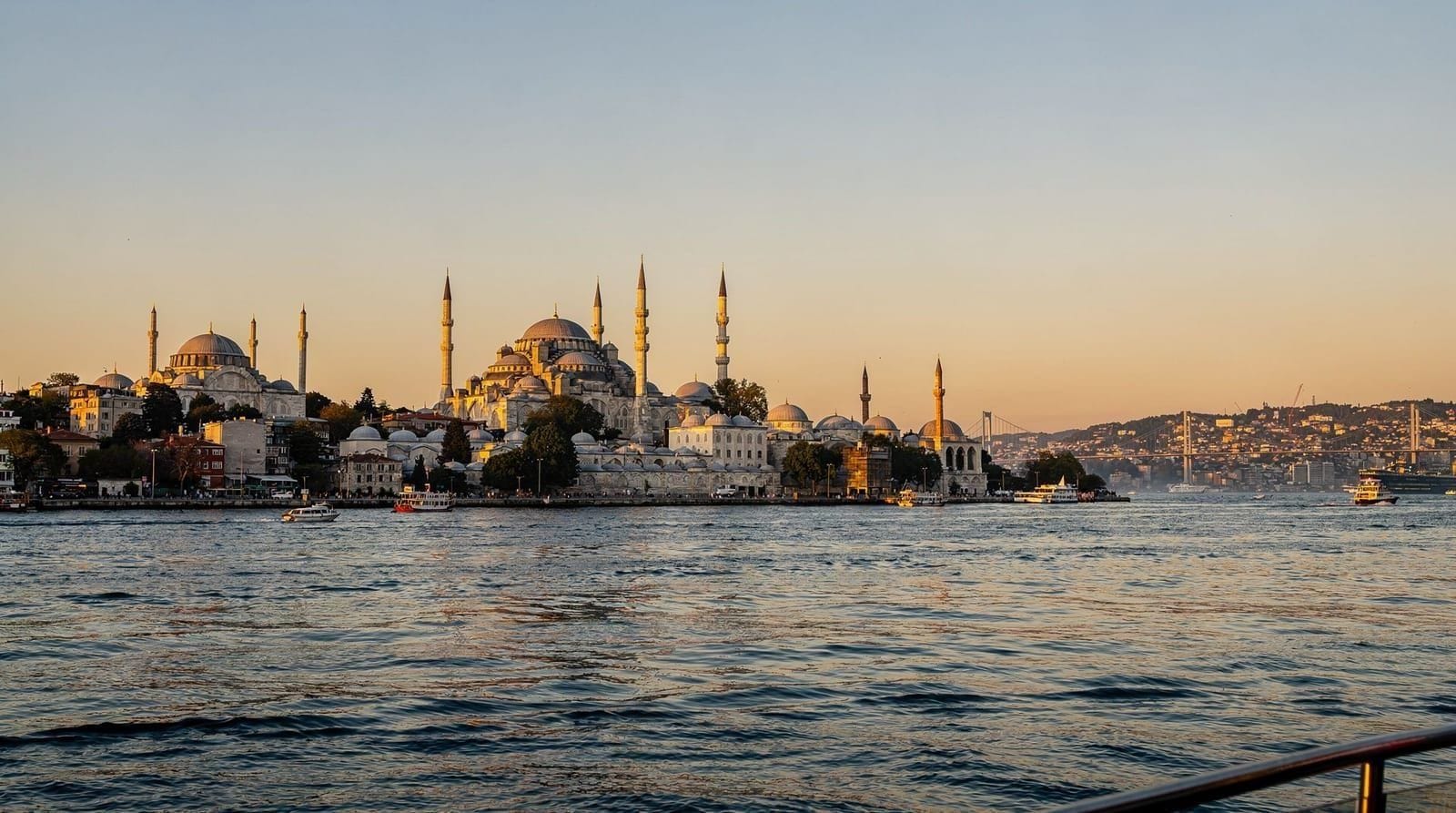
A Bosphorus sightseeing cruise with sunset option gives access to views that no land-based position can replicate — specifically the Dolmabahçe Palace from the water, the Ortaköy Mosque with the bridge behind it from mid-water, and the entire old-city skyline visible from a position offshore.
For photography: position yourself on the forward deck of the boat on the outbound journey (heading north/toward the bridge), and the aft deck on the return. Both shores are worth shooting; the sunset is typically to the west (European shore side). See Bosphorus cruises.
Galata Tower exterior and surrounding streets
The Galata Tower itself photographs well from the streets surrounding it — the 14th-century cylindrical stone tower against an Ottoman or Art Nouveau backdrop, the winding streets of Galata leading up to it. The most photographed approach is from the Karaköy waterfront, looking up the hill with the tower visible at the top of the street.
The view from the tower’s observation deck gives excellent skyline shots but at the expense of a 250–350 TRY entry fee. See Galata Tower. For a guided approach that covers this area plus other angles in one outing, a Galata Tower, Bosphorus and hidden gems photo shoot works through several of these compositions with a photographer directing the shots.
Süleymaniye Mosque interior
The interior of Süleymaniye, while less documented than Hagia Sophia, is magnificent for interior photography: the proportions are clear and rational, the light from the high windows is softer than Hagia Sophia’s, and the blue and red Ottoman stained glass in the lower windows is visually striking. Almost no tour group photography happens here — you can take your time.
See Süleymaniye Mosque.
The Bosphorus at golden hour from the waterfront
The European Bosphorus waterfront — from Karaköy through Beşiktaş to Ortaköy — is excellent for golden-hour photography. The yalı (waterfront mansions), the ferry piers, and the Asian shore catching the light across the strait are all in frame. The walk along the waterfront from Karaköy to Ortaköy (about 5–6 km) passes the major photographic locations.
Best position: the waterfront promenade in Beşiktaş looking east across to the Asian side and south toward Üsküdar, with the Maiden’s Tower visible on its island in the middle distance. See Bosphorus strait.
Practical photography tips for Istanbul
Time of day: always plan major photo spots for golden hour (before sunset) or early morning. Midday in summer gives harsh, flat light.
Crowds: most famous spots are manageable before 9:30 am on weekdays. Weekend mornings are busier. Balat and Ortaköy are worst on Sunday afternoons.
Equipment: a wide-angle lens is essential for Hagia Sophia interior and the Basilica Cistern. For the Bosphorus and skyline, a moderate telephoto (50–100mm equivalent) compresses the skyline and makes the minarets look taller.
Respect: in mosques, photograph quietly and without flash. Do not photograph people praying. The photographic opportunities are in the architecture and decoration, not the worshippers.
Phone versus camera: A modern phone handles most exterior shots well, especially with computational HDR modes for high-contrast scenes like sunset silhouettes. Where a dedicated camera still helps is low light (Basilica Cistern, mosque interiors) and long lenses (compressing the Bosphorus skyline from a distance). If travelling light, a phone with a secondary ultra-wide lens covers nearly everything on this list adequately.
For more on exploring Istanbul’s neighbourhoods, see Neighborhoods.
Rooftop views as an alternative
For visitors who want a skyline shot without chasing crowded ground-level spots, several rooftop bars and terraces in Beyoğlu and Karaköy give elevated views over the old city and the Bosphorus with a drink in hand — a more comfortable, if less “authentic,” way to get a strong skyline photograph. This works particularly well at golden hour when standing in the open at ground-level viewpoints means competing for space with tour groups. For a more staged version of the same idea, a flying dress photoshoot on a rooftop terrace combines that same skyline backdrop with professional styling and a photographer.
Building a photo day that actually works
The simplest way to avoid wasted hours is to group spots by area rather than by fame. Start in the old city while the light is soft: the interior of Hagia Sophia, then the Grand Bazaar architecture, then the Basilica Cistern when you want somewhere indoors. Walking between them is easy, and the Sultanahmet area keeps most of the big names within a short stroll of each other. If you prefer to see how these sites fit together on a wider plan, the Istanbul in one day guide and the one-day itinerary show a realistic order.
Leave the late afternoon for the water. The Galata Bridge, the Karaköy waterfront and the Bosphorus shoreline all reward patience at the end of the day, and the Karaköy neighbourhood guide is useful for finding somewhere to wait for the light to change. Treat the hours in between as flexible: lunch, a ferry crossing, or a slow coffee are all better uses of midday than fighting harsh light and crowds.
Ferries, the Asian shore and views looking back
One of the most underrated photographic tricks in Istanbul is to turn around. Most visitors photograph the old city from the old city. Crossing to the Asian side gives you the skyline as a whole, with domes and minarets lined up along the horizon. A public ferry is the cheapest way to do it, and the deck is a perfectly good camera platform; see the ferries guide and the notes on the Bosphorus by public ferry for how it works in practice.
On arrival, Kadıköy and Üsküdar both offer street scenes that feel very different from the tourist core: market stalls, painted shutters, and waterfront seating where you can wait for the light. The Asian side guide explains what else is worth seeing so the crossing is not just for one photograph. From Üsküdar, the Maiden’s Tower is a natural subject, and the Maiden’s Tower visiting guide covers how to see it.
More viewpoints worth a detour
If you have already ticked off the headline locations, a few other places add variety to your collection. The best views in Istanbul guide covers the elevated positions in more detail, while hidden gems in Istanbul is a good source for quieter corners that rarely appear in the usual feeds. For something with a different texture, the Ortaköy Mosque guide goes deeper on the waterfront and its surroundings, and the Blue Mosque visiting guide explains when the interior is open to visitors, which matters if you want to photograph it without surprises.
For anyone interested in the buildings themselves rather than the viewpoints, the Istanbul architecture guide gives context that makes a photograph more than a pretty picture. Knowing what you are looking at changes which details you notice: a carved capital, a tile pattern, the way a dome meets its supporting arches.
Light, weather and the season you visit
Season changes the whole character of a photo plan. Spring brings softer light and fresh colour in parks and gardens, while winter can give moody skies over the water and fewer people in every frame. Summer light is the harshest, so early starts matter most then. If you are still deciding when to travel, the best time to visit Istanbul guide and the Istanbul weather by month page help you match your dates to the conditions you want. Overcast days are not a disaster: they flatten contrast, which can actually suit interiors, narrow streets and colourful facades.
Whatever the weather, build in a spare morning. A single bad-light day should not cost you the shot you came for, and a flexible schedule lets you swap spots around rather than settle for a washed-out result.
Frequently asked questions about Most instagrammable spots in Istanbul — real locations with practical tips
What is the most photographed view in Istanbul?
Is Balat still worth visiting for photography?
What time of day is best for photographing Istanbul?
Can I photograph inside mosques?
Is there a photoshoot-specific service in Istanbul?
Top experiences
Bookable activities with verified prices and instant confirmation on GetYourGuide.