Istanbul architecture guide
Full-Day Walking Tour of Istanbul's Old City
Duration: 5 hours
What architectural styles define Istanbul?
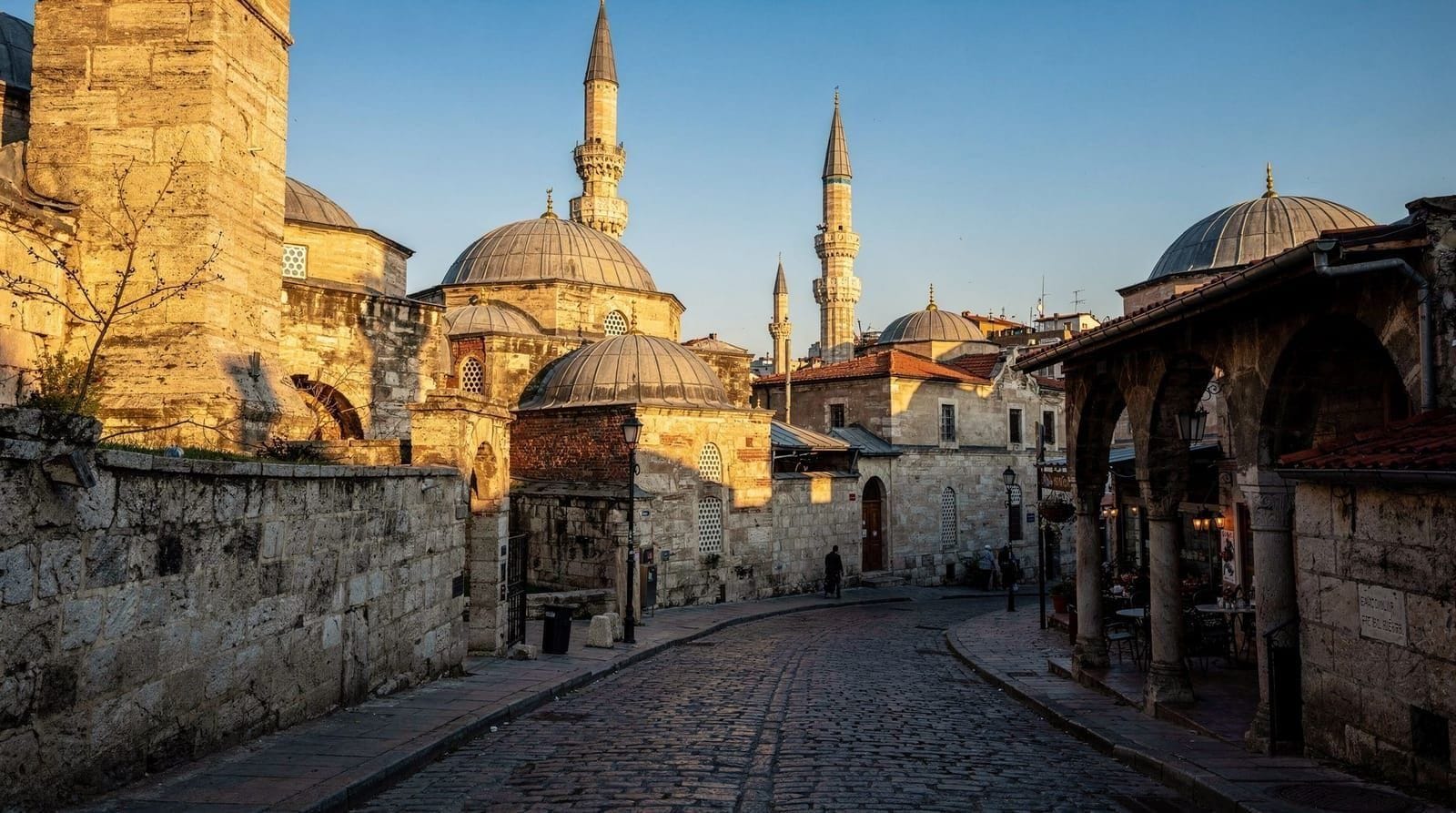
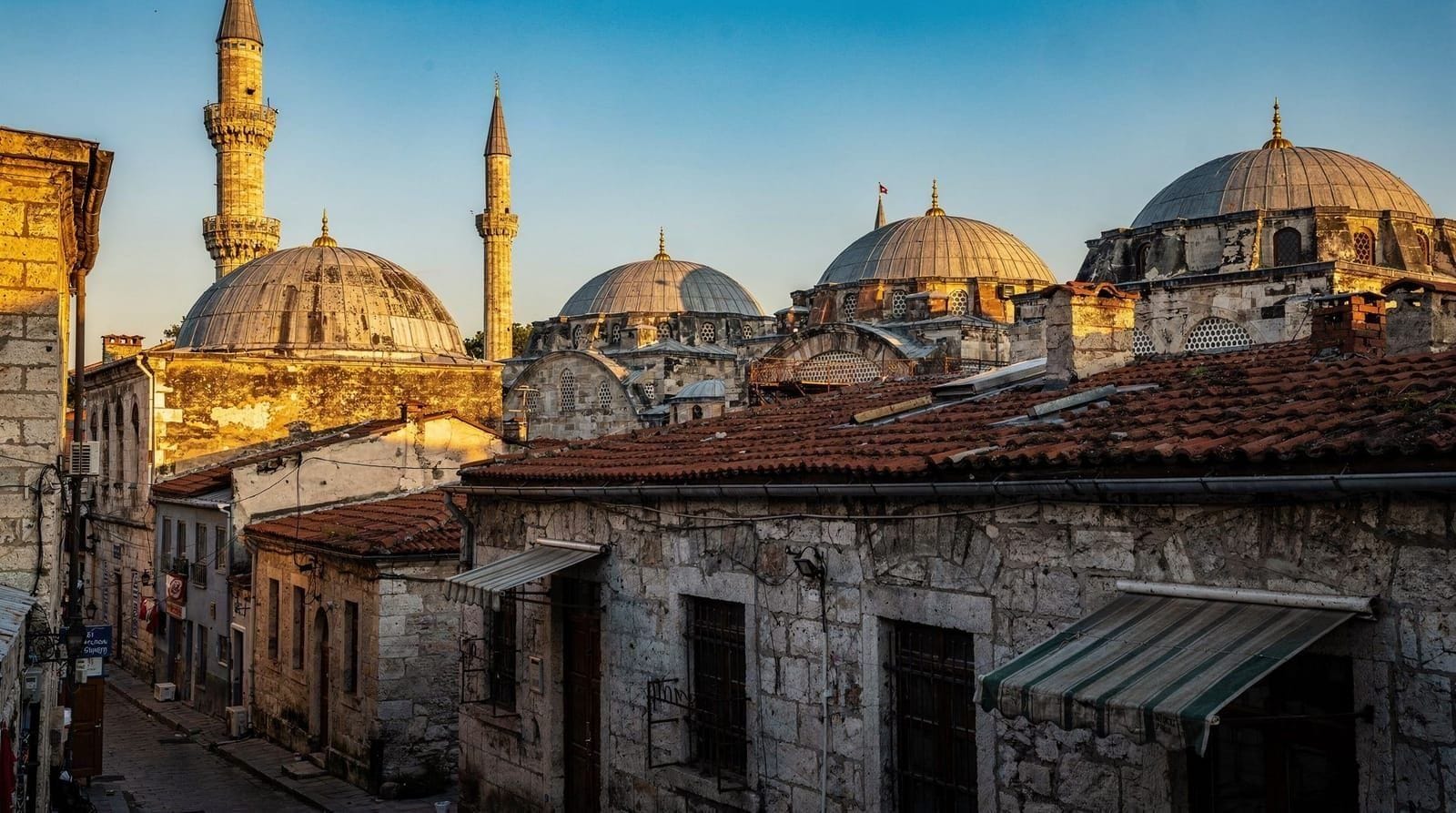
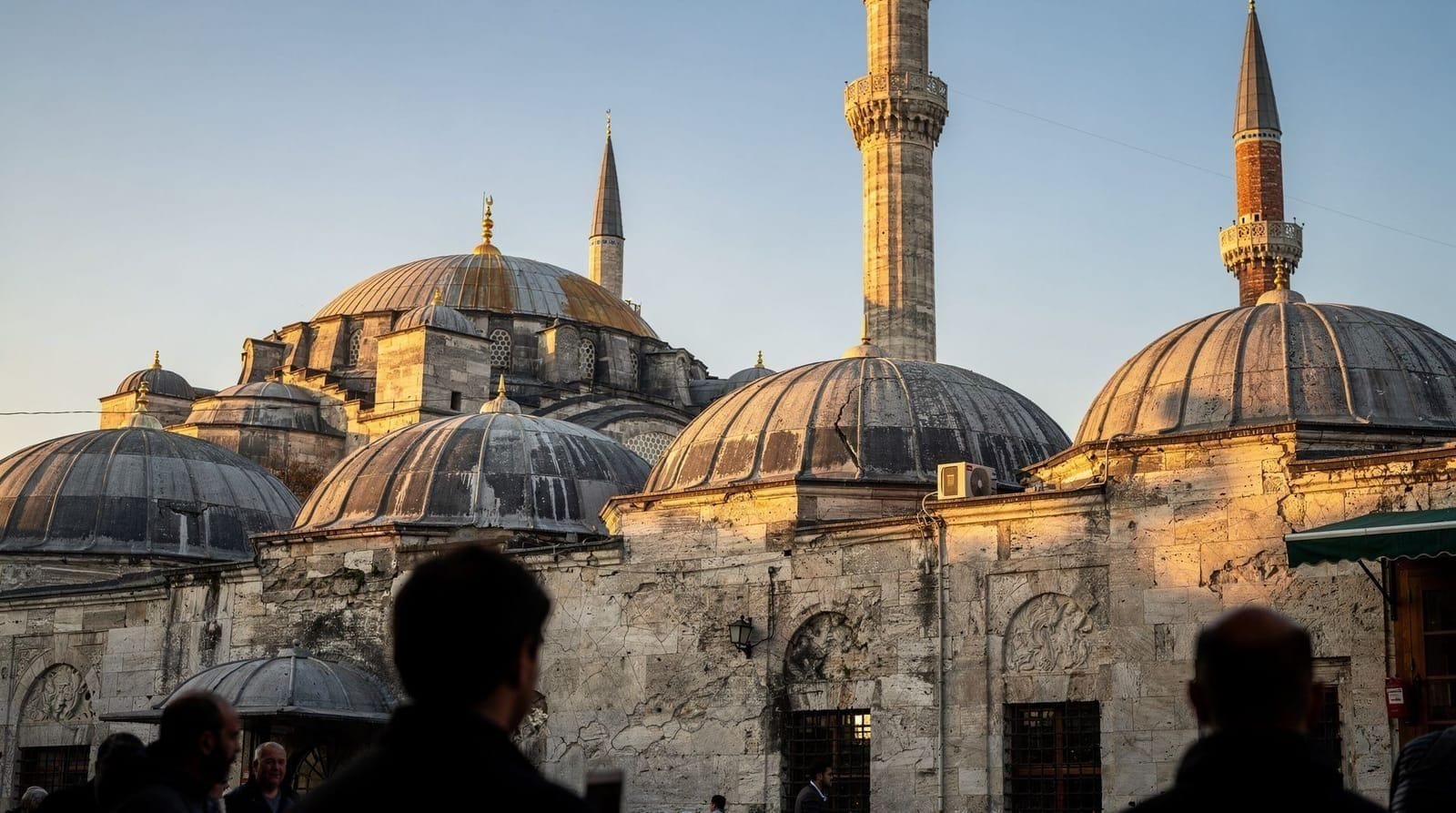
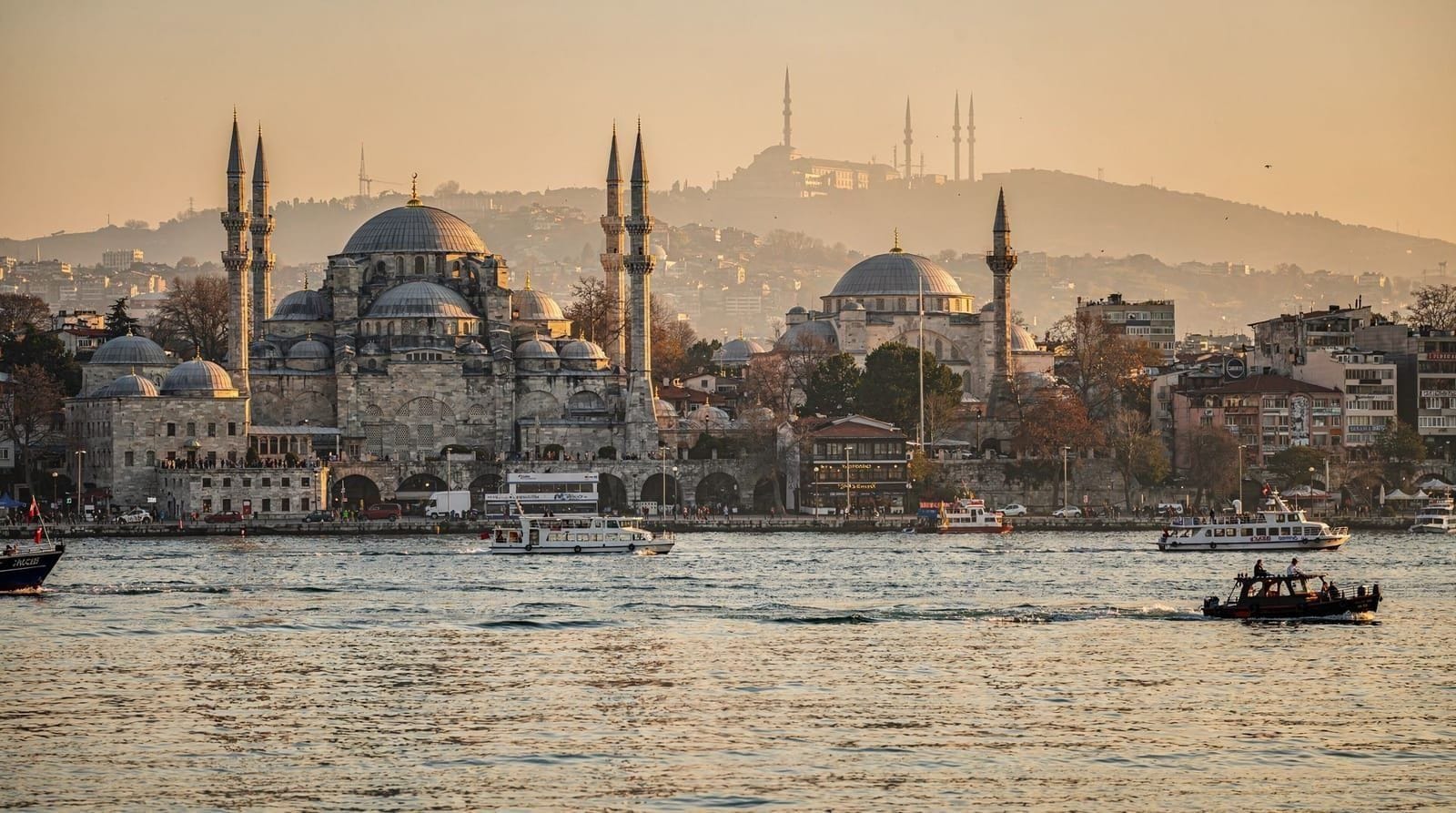
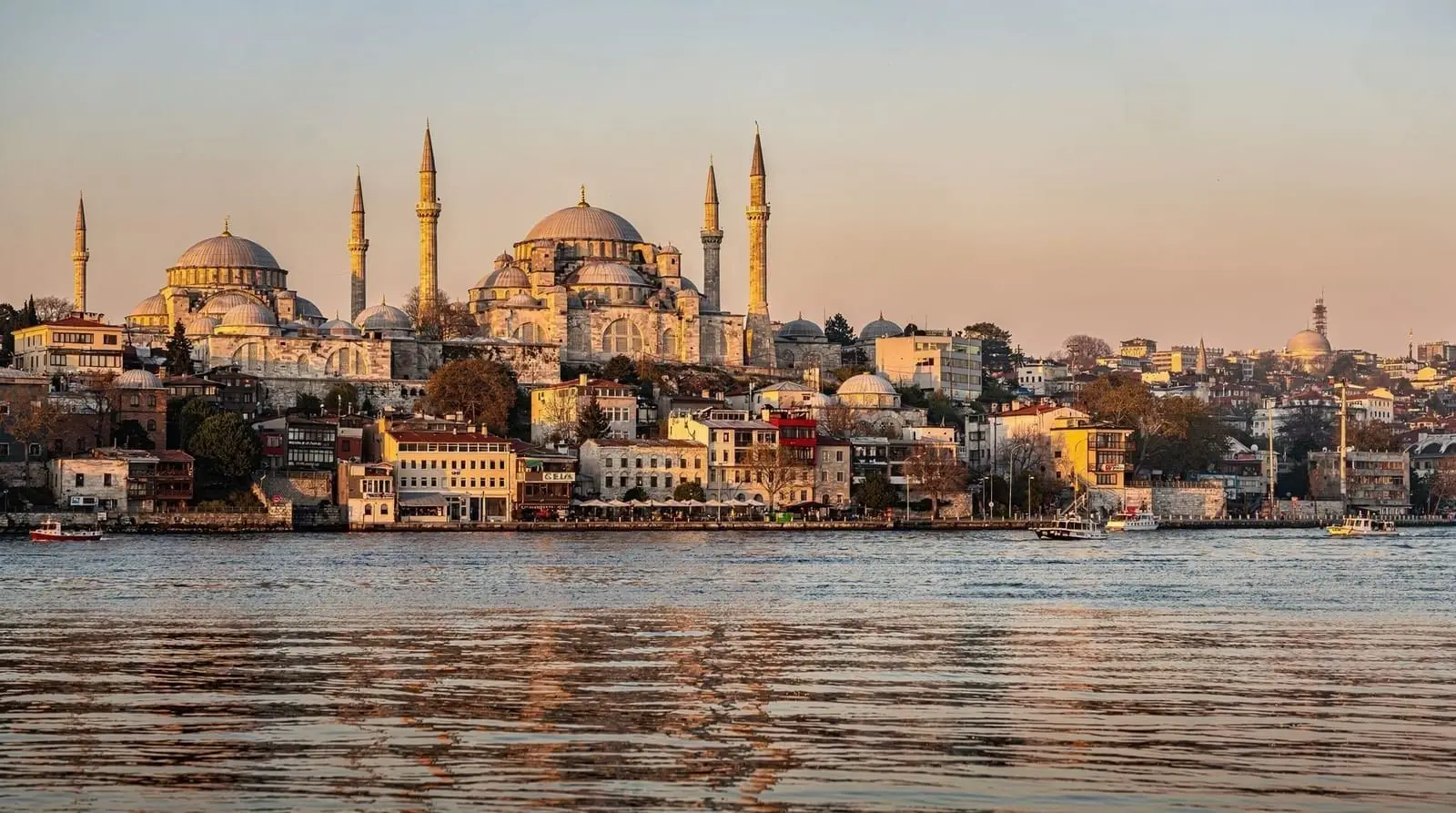
Istanbul's architecture spans Byzantine (4th-15th century), Ottoman classical (15th-18th century), 19th-century eclectic and Art Nouveau (especially in Beyoğlu), and 20th-century modernism. The most distinctive skyline feature is the Ottoman combination of lead-covered domes and slender minarets.
Reading the city’s layers
Istanbul is a city with exceptional architectural depth. Walk from Sultanahmet to Karaköy and you cross roughly fifteen centuries in thirty minutes: 6th-century Byzantine engineering, 15th-16th century Ottoman mosque complexes, 14th-century Genoese tower, 19th-century European commercial facades, 20th-century apartment blocks. Each layer tells a different story about who controlled the city, what they valued, and what they had to prove.
| Where | Sultanahmet (Byzantine/Ottoman), Karaköy (Genoese), Beyoğlu (19th-century) |
| Time needed | A full day for the main axis; a half-day extra for Balat/Fener |
| Cost | Free to walk; paid entry for Hagia Sophia, Topkapı, some mosques’ museum sections |
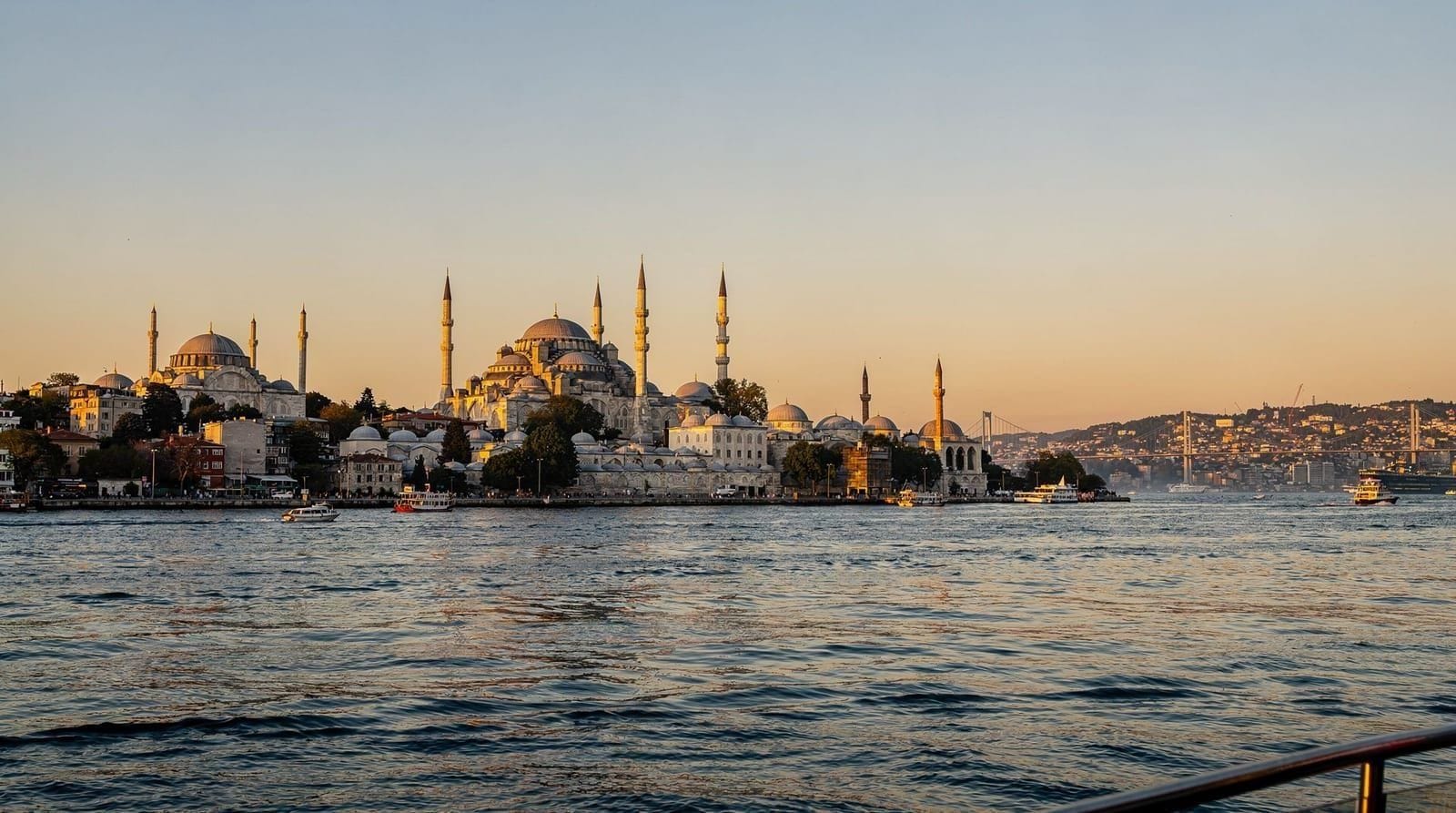
| Best light | Late afternoon for the Golden Horn skyline views |
| Don’t miss | Rüstem Paşa Mosque — best İznik tiles, usually near-empty |
This guide covers the main styles, the best individual buildings, and some less-visited architectural gems that reward exploration beyond the famous monuments.
Byzantine architecture: dome, light, and mosaic
The defining achievement of Byzantine architecture is the dome over a central space, a form the Byzantines inherited from Rome and transformed. The key technical innovation was the pendentive — a curved triangular surface that transitions from a square base to a circular drum, allowing a dome to be placed over a square room without squinching (filling the corner with a solid triangular block).
Hagia Sophia demonstrates this at maximum ambition. The main dome sits on four pendentives, but the loads are further distributed by two half-domes on the east and west axes, which in turn are supported by smaller exedrae. The walls are essentially non-load-bearing screens filled with windows. The result is a space that appears to be weightless, the dome floating above a continuous band of windows at its base.
Byzantine architects used marble for column shafts, bases, and revetment (wall cladding), often sourced from across the Mediterranean. The color contrasts — green Thessalian marble columns, purple porphyry column bases, white Proconnesian marble floors — were carefully calculated for visual effect.
Mosaic decoration covered the upper walls and vaults. Byzantine mosaic uses gold-leaf tesserae for backgrounds, creating surfaces that shimmer with reflected light. The finest surviving examples in Istanbul are in the Chora church (Kariye Camii), where early 14th-century mosaics depict narrative cycles with considerable psychological subtlety.
The Basilica Cistern (Yerebatan Sarnıcı) shows Byzantine engineering applied underground: 336 columns in twelve rows, vaulted ceilings, waterproof lime plaster walls. The deliberate reuse of column capitals and bases from multiple older structures in a single project was standard Byzantine practice — not carelessness but economy.
Ottoman architecture: the imperial dome system
Ottoman architects, working from the 15th century onward, inherited the Byzantine dome tradition directly. Hagia Sophia was explicitly the model for the Blue Mosque and other major imperial mosques. The Ottoman contribution was to systematize what the Byzantines had invented, develop a modular structural language, and add the soaring minaret as the defining vertical element.
The Şehzade Mosque (1548), another Sinan work in Fatih, is often described as his apprentice piece — a more symmetrical, four-minaret plan than the Süleymaniye. The Süleymaniye (1557) is more spatially complex, its side aisles carrying the dome loads through a sequence of arches.
Mimar Sinan’s mature masterpiece in Istanbul is the Süleymaniye Mosque, though he considered the Selimiye Mosque in Edirne his finest work. The Süleymaniye combines a dome structure inspired by Hagia Sophia with the broader Ottoman planning vocabulary: courtyard, fountain, surrounding medrese buildings, türbe garden. The complex is designed as a hill-top acropolis visible from the Golden Horn.
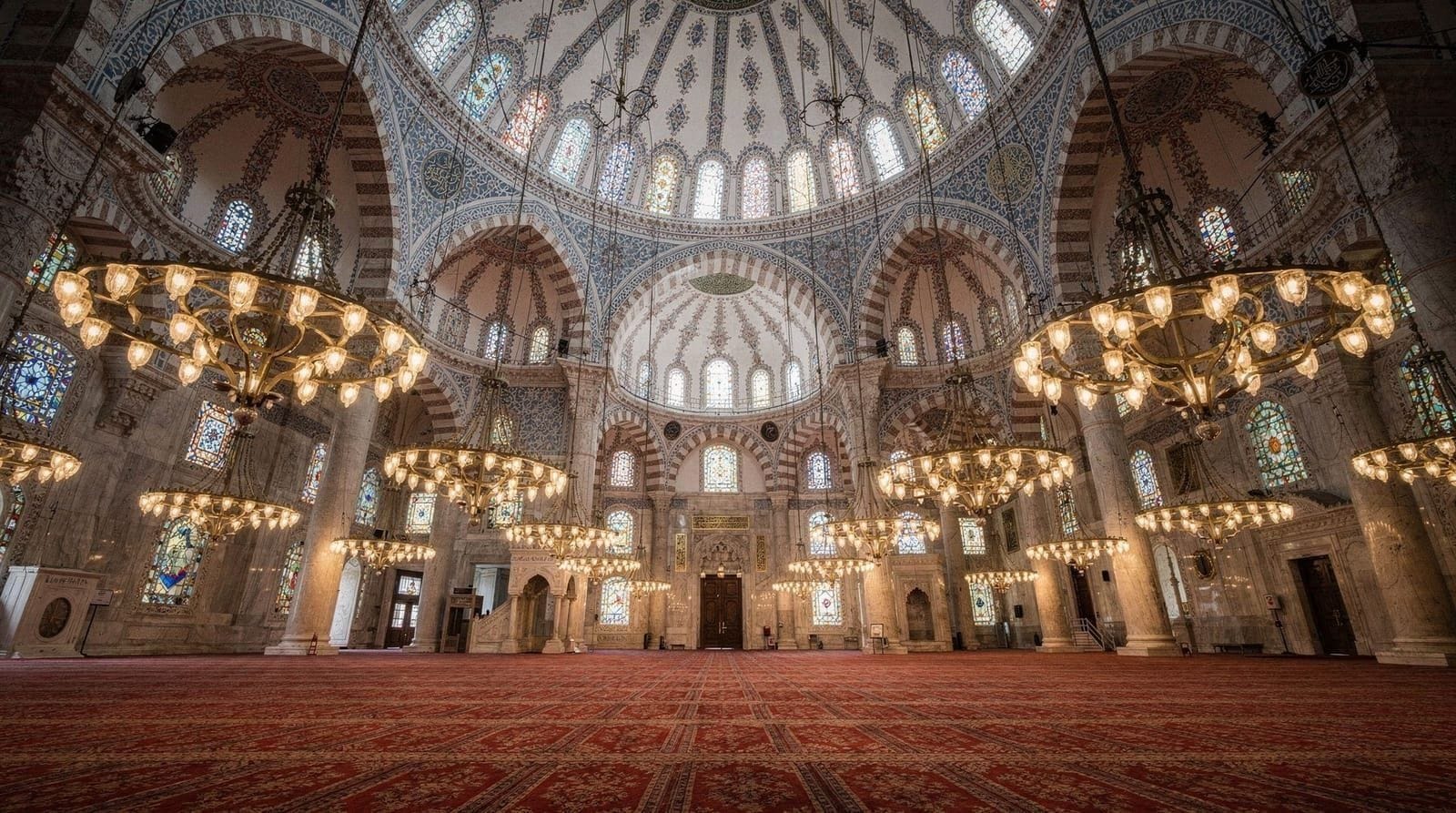
The Blue Mosque (1609-1616), designed by Sedefkâr Mehmed Ağa, a student of Sinan, represents a stylistic consolidation. Its exterior cascade of domes is the most elaborate in Istanbul; the interior, lined with 20,000 hand-painted İznik tiles in blue and turquoise, is the most decorated. The six minarets were a statement of imperial ambition — uniquely many in Istanbul at the time of construction.
What to look for in Ottoman mosques:
- The transition from square base to circular dome through pendentives and half-domes
- The calligraphic panels in the dome interior, always naming Allah, the Prophet, and the first four Caliphs
- The mihrab (prayer niche) pointing toward Mecca, typically the most decorated element in the mosque
- The mimbar (pulpit for the Friday sermon), usually marble and positioned to the right of the mihrab
- İznik tile revetment on the interior walls, particularly in mosques from the 16th-17th centuries
- The external cascade of half-domes and buttresses managing the dome loads
A guided tour covering Hagia Sophia, the Blue Mosque, and Süleymaniye Mosque puts the Byzantine and Ottoman dome traditions side by side.
İznik tiles: the greatest decorative art
İznik ceramics deserve their own section. Produced in the town of İznik (ancient Nicaea) between the 15th and 17th centuries, İznik tiles and pottery represent the peak of Islamic ceramic art. The characteristic designs — dense arabesques, floral sprays with tulips and carnations, composite flowers — use a palette of cobalt blue, turquoise, manganese purple, and the vivid “Iznik red” (actually a raised slip of Armenian bole that appears slightly three-dimensional).
The best concentrations of İznik tile work in Istanbul:
Rüstem Paşa Mosque (near the Spice Bazaar): The entire interior is covered in İznik tiles in a dense variety of patterns — over 80 distinct tile designs. The mosque is elevated above street level, entered through a staircase; it receives fewer visitors than the major mosques but is arguably the finest tile interior in the city. Free entry.
Topkapı Palace Harem: Several rooms in the Harem complex have exceptional İznik tile revetment, including the apartments of the Valide Sultan and the Privy Chamber of Murad III.
Sokollu Mehmed Paşa Mosque (near the Hippodrome): Another Sinan work, with exceptional 16th-century İznik tiles and fragments of stone from the Kaaba built into the mihrab. Often uncrowded.
Blue Mosque: The 20,000 İznik tiles in the upper interior are impressive in aggregate, though the individual pieces are less exceptional than in the Rüstem Paşa Mosque.
Genoese and Levantine architecture
The Galata Tower in Karaköy is the most visible remnant of the Genoese trading colony that controlled the northern shore of the Golden Horn (across from the Byzantine city) from the 13th century. The tower was built in 1348 as part of the Genoese fortifications and rose 67 meters above the surrounding buildings. The observation deck, from which Hezarfen Ahmed Celebi allegedly flew across the Bosphorus in the 17th century, now attracts long queues. See our Galata Tower visiting guide.
The broader Galata neighborhood — now called Karaköy — preserves some fragments of the Genoese walls and several Ottoman-era hans. The neighbourhood’s architecture is a mix of Italian palazzo-influenced commercial buildings, Art Nouveau facades, and Ottoman hans.
19th-century Pera: embassies, Art Nouveau, and modernity
Beyoğlu and İstiklal Avenue preserves the highest concentration of 19th-century architecture in Istanbul. The area known as Pera was the foreign quarter — home to European embassies, banks, hotels, and the cosmopolitan merchant class. The grand buildings on İstiklal Avenue and its side streets date mainly from 1870-1930 and represent a range of European styles: Neoclassical, Baroque revival, and Art Nouveau.
Notable buildings on and near İstiklal Avenue:
Pera Palace Hotel (Meşrutiyet Caddesi): Opened in 1892 as the terminal hotel for the Orient Express. The Neobaroque facade, the Orient Bar, and the historic elevator (one of the first in Istanbul) are intact. Agatha Christie wrote Murder on the Orient Express partly in Room 411.
Botter House (İstiklal Caddesi no. 475): A 1901 Art Nouveau building by Raimondo D’Aronco, the Italian architect who had a significant career in Istanbul. The flowing floral facade is one of the best Art Nouveau examples in the city.
Çiçek Pasajı (Flower Passage, off İstiklal): A 19th-century arcade now filled with fish restaurants and meyhanes. The cast-iron and glass arcade structure dates to 1876.
Balıkpazarı (Fish Market): Behind Çiçek Pasajı, a covered market with fishmongers and produce stalls in a 19th-century structure.
The embassy buildings on the side streets off İstiklal — notably the British, French, Russian, and Dutch consulates — are mostly 19th-century Neoclassical or Baroque revival. They remain functioning diplomatic premises and are not generally open to visitors, but their facades are visible from the street.
A guided walking tour of Fener and Balat explores the minority community architecture — Greek churches, the Ecumenical Patriarchate, Armenian and Jewish buildings — alongside the Ottoman street pattern.
Balat and Fener: minority community architecture
The neighborhoods of Balat and Fener on the Golden Horn contain the highest concentration of surviving multi-ethnic architectural heritage in Istanbul. The area was home to Greek, Jewish, and Armenian communities from the Byzantine period into the 20th century.
The Ecumenical Patriarchate of Constantinople in Fener is a modest complex by comparison with its historical importance — the seat of the Greek Orthodox patriarch, the primary ecclesiastical authority in Eastern Orthodoxy. The patriarchate church of St. George dates to 1720. The neighborhood around it has decayed and revived several times; its current state is a mix of restored 19th-century houses (many in the painted-wooden Ottoman style) and ruins.
The Bulgarian Iron Church (Sveti Stefan Church) on the Golden Horn is a cast-iron prefabricated church shipped from Vienna in 1898. The entire structure — nave, columns, decorative elements — is cast iron. It is structurally unique in Istanbul and rarely crowded.
The colored wooden houses of Balat — modest three- and four-story residential buildings in faded ochre, terracotta, and blue — have been partially restored in recent years. They represent the typical Ottoman wooden domestic architecture that once covered large swaths of the city before 20th-century fires and demolitions.
Ottoman domestic architecture: hans, hamams, and yalı
Beyond mosques and palaces, Ottoman domestic and commercial architecture left several distinctive building types:
Hans (pl. of han): Covered commercial courtyards serving as inns, warehouses, and workshops. The major hans cluster around the Grand Bazaar and along the streets between the bazaar and the port. The Büyük Valide Han (Grand Valide Han) is the largest surviving han in Istanbul, built in 1651 — four stories of arcaded galleries around a central courtyard. It is still partially in use by artisans and workshops, and visitors can walk in during business hours.
Hamams (Turkish baths): The Ottoman hamam — a bathhouse with a hot room (hararet), warm room (soğukluk), and cool room — was a social institution and a significant building type. The finest historical hamam interiors in Istanbul include the Çemberlitaş Hamamı (designed by Sinan in 1584) and the Çağaloğlu Hamamı (1741). Both are still operating as bath facilities. See our hammam guide.
Yalı (waterfront mansions): The wooden summer residences lining the Bosphorus shore are a distinct architectural type — two to three stories, typically painted red or white, with broad eaves and balconies overhanging the water. Most date to the 18th-19th centuries. The best-preserved clusters are at Emirgan, Kanlıca, and Anadolu Hisarı on the Asian side. They are in private ownership or converted to hotels and restaurants; the Bosphorus cruise gives the best view of them.
Which sites to prioritise if you only have a day
Not every visitor has time for all fifteen centuries. This comparison ranks the core sites by how much architectural payoff you get per hour spent, useful for trimming a rushed itinerary.
| Site | Time needed | Why it matters | Crowd level |
|---|---|---|---|
| Hagia Sophia | 60–90 min | The founding building of the entire dome tradition | Very high |
| Blue Mosque | 30–45 min | Best aggregate İznik tile display, free entry | High |
| Rüstem Paşa Mosque | 20–30 min | Finest individual İznik tiles, near-empty | Low |
| Süleymaniye Mosque | 45–60 min | Sinan’s Istanbul masterpiece, hilltop complex | Moderate |
| Chora Museum | 45–60 min | The finest Byzantine mosaics after Hagia Sophia | Low-moderate |
| Galata Tower | 30–45 min | Genoese layer, best skyline overview | High |
If you’re building a longer plan around these, the Istanbul history overview and byzantine Istanbul guide give the historical throughline connecting each site to what came before and after it.
Ottoman fountains: the small-scale masterpieces
Alongside the monumental mosques, Ottoman Istanbul developed an entire architectural typology around water: the sebil (a kiosk dispensing free drinking water, often staffed by an attendant behind an ornate grille) and the çeşme (a simpler wall or freestanding fountain). These structures were charitable endowments (vakıf), commissioned by sultans, viziers, and wealthy individuals as acts of public piety, and Ottoman architects treated them as opportunities for concentrated decorative ambition disproportionate to their small size.
The Ahmed III Fountain outside Topkapı Palace’s Imperial Gate (1728) is the finest surviving example — a freestanding square structure with four sebil facades, deep bracketed eaves, and dense floral relief carving in the so-called Ottoman Baroque style that emerged as European influence increased in the 18th century. Its inscriptions, in gilded calligraphy, include verses inviting passers-by to drink and pray for the sultan’s soul.
Smaller çeşme are scattered throughout the old city’s backstreets — Fatih, Eyüpsultan, and Üsküdar all have well-preserved examples still occasionally in working order, though most are now decorative rather than functional. Spotting these on a walk between the major monuments is one of the more rewarding low-effort ways to notice Ottoman architecture operating at everyday scale rather than imperial scale.
Twentieth-century and contemporary architecture
Istanbul is not principally a destination for modern architecture, but a few 20th- and 21st-century projects are worth knowing about if you have an interest in adaptive reuse and contemporary design against the historic backdrop. Santralistanbul, a former Ottoman-era electricity generating station in Eyüp converted into a museum and cultural campus, is a well-regarded example of industrial-heritage adaptive reuse, with much of the original turbine hall machinery preserved as part of the exhibition space.
The Zorlu Center in Beşiktaş combines a shopping mall with a Zaha Hadid-influenced performing arts complex, including an opera house — a useful contrast point for how contemporary Istanbul architecture handles scale compared to the Ottoman dome tradition. Istanbul Airport (IST), opened in 2019, is itself a significant piece of contemporary design, its terminal roof structure drawing loosely on traditional Ottoman tile-pattern geometry rendered at an entirely different scale. None of these compete with the historic core for a first-time visitor’s limited time, but they round out the picture of a city whose architectural ambition didn’t stop in the 17th century.
Practical guidance for architecture visits
The best single walk for architectural depth is from Sultanahmet through Eminönü across the Galata Bridge to Karaköy and up to İstiklal Avenue — covering Byzantine, Ottoman, Genoese, and 19th-century layers in sequence. Allow a full day.
A separate half-day for Balat and Fener gives the minority community architecture and the best surviving examples of Ottoman wooden houses. Combine it with the Chora church for Byzantine mosaics.
The Rüstem Paşa Mosque near the Spice Bazaar is the most overlooked high-quality site in the city — superb İznik tiles, usually quiet, free to enter. Visit during non-prayer times (check the prayer times posted at the mosque entrance).
For a broader itinerary incorporating architecture, see our Istanbul 3-day first-timer plan and the Istanbul history overview.
Frequently asked questions about Istanbul architecture
Who designed Hagia Sophia and when?
Who was Mimar Sinan and what did he build in Istanbul?
What is Art Nouveau architecture doing in Istanbul?
Are Ottoman wooden houses still standing in Istanbul?
What is an İznik tile and where can I see the best examples?
Is modern architecture in Istanbul worth visiting?
Top experiences
Bookable activities with verified prices and instant confirmation on GetYourGuide.