Balat and Fener walking guide — Istanbul's most colourful neighbourhood
Istanbul: Fener & Balat Guided Tour Through the Colored Streets
What is the best way to explore Balat and Fener in Istanbul?
On foot, from the Golden Horn waterfront uphill through the painted houses and then back down. Allow 3–4 hours for a proper walk including café stops. The best entry point is the Balat ferry pier from Eminönü (20 minutes on İstanbulkart) or tram T1 to Eminönü then a 25-minute walk or taxi.
Why Balat and Fener feel different from the rest of Istanbul
| Where | Golden Horn waterfront, west of Sultanahmet |
| Cost | Free to walk; ferry ~20–25 TRY, taxi ~150–250 TRY from Sultanahmet |
| Time needed | 3–4 hours for a proper walk; add 2–3 hrs to extend to Chora Church |
| Getting there | Haliç ferry from Eminönü, or taxi/ride-hail |
| Best time | Weekday mornings, 9am–noon |
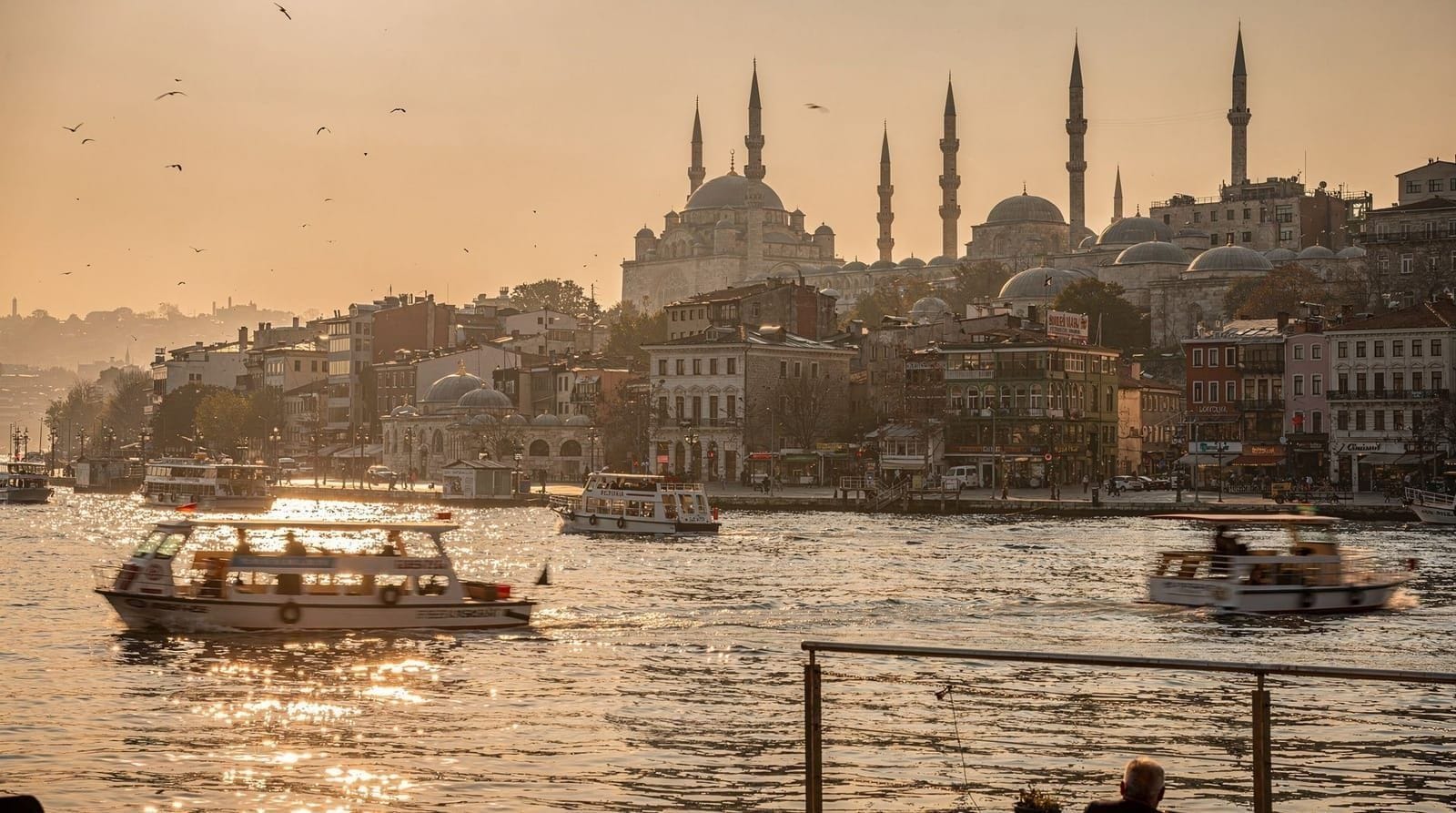
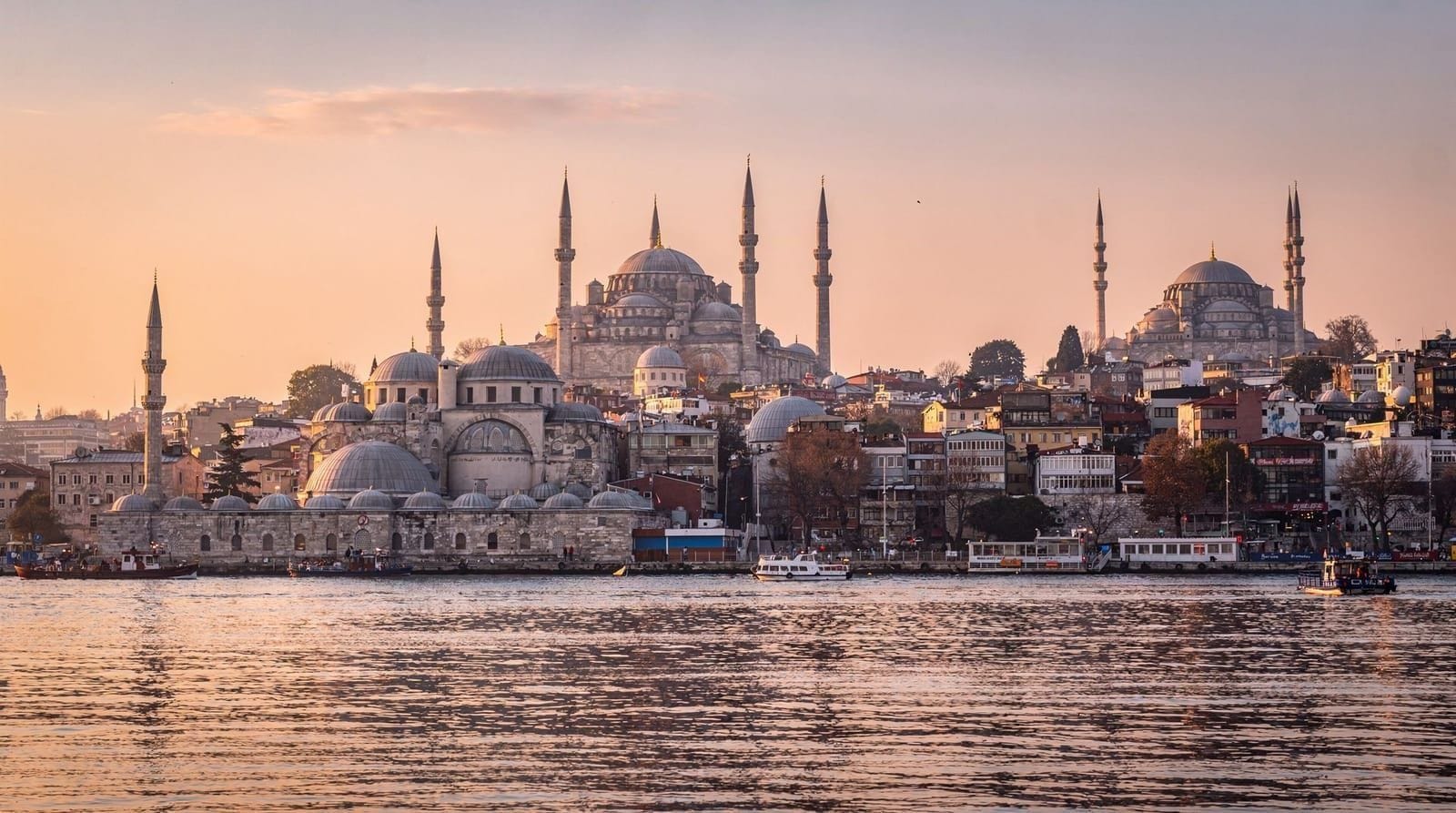
Most of Istanbul’s tourist activity concentrates on a small triangle: Sultanahmet, Beyoğlu/İstiklal, and the Bosphorus waterfront. Balat and Fener sit a few kilometres west along the Golden Horn — close enough to visit in a half-day, far enough to feel like a different city.
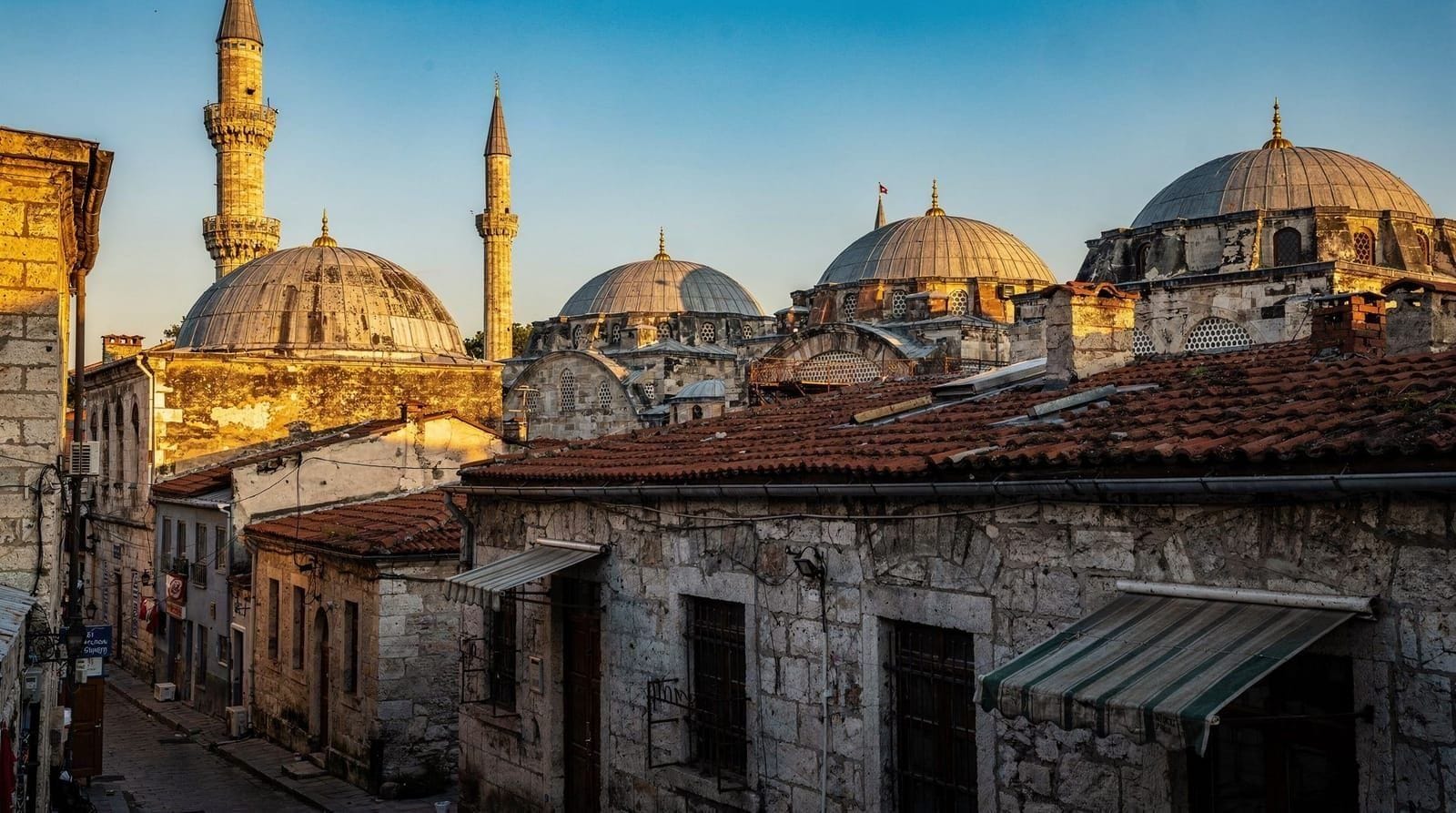
The difference is partly demographic history. Balat was, for centuries, a majority Jewish quarter, receiving waves of Sephardic Jews expelled from Spain and Portugal in 1492. Fener was — and remains — the centre of Istanbul’s Greek Orthodox community. Both neighbourhoods saw emigration throughout the 20th century as the communities diminished. What was left behind is a layer of architecture and street life unlike anywhere else in Istanbul: Ottoman wooden houses painted in Mediterranean blues and terracottas, Byzantine church walls, and streets narrow enough that the houses lean toward each other overhead.
The visual is distinctive. What makes it more than a backdrop is the continued life of the communities — the Greek Patriarchate still functioning, the synagogue (visits by appointment) still serving, local markets still operating on schedules set before tourism.
The walking route — practical and annotated
The most efficient route starts at the Golden Horn waterfront and climbs through the neighbourhood:
Start: The Balat ferry pier, or Yavuz Selim Caddesi where it meets Vodina Caddesi at the bottom of the hill. If you arrive by ferry from Eminönü, you step off directly into the neighbourhood.
Section 1: The waterfront and lower Balat
The streets closest to the Golden Horn are the most relaxed and least photogenic — warehouses, parking, the functional edges of a working neighbourhood. Walk up from the waterfront immediately.
Vodina Caddesi is the main commercial street — a mix of hardware shops, old groceries, and newer cafés that cater to the weekend visitors. Dersaadet restaurant is here, with a rooftop terrace facing the Golden Horn.
Section 2: The painted houses of Balat
Turning off the main street onto any of the steep side alleys takes you into the heart of Balat. The characteristic painted wooden houses are concentrated on streets like:
- Merdivenli Sokak (Steps Street): a staircase street typical of the neighbourhood’s steep topography
- Kireçhane Sokak and adjacent alleys
- The streets around the Yanbol and Ahrida synagogues
Photography here is most effective early morning before direct sunlight turns harsh, or on overcast days.
Ahrida Synagogue: One of the oldest synagogues in Istanbul, possibly dating to the 15th century. Visits require advance arrangement through the Chief Rabbinate of Turkey — a formal request with passport details. Not a spontaneous stop, but for travellers interested in Sephardic Jewish history, it’s worth the effort. The interior has an unusual boat-shaped bimah (reading platform), thought to symbolise Noah’s ark or the ships that carried the expelled Jews from Spain.
Section 3: The Bulgarian Iron Church (Sveti Stefan)
One of Istanbul’s genuinely surprising buildings: an entire church constructed from prefabricated cast iron, made in Vienna in 1893 and shipped by boat up the Danube and through the Black Sea to Istanbul. The Bulgarian Orthodox community had it assembled on site — the entire structure, including all interior ornamental elements, is iron.
The exterior looks like a conventional neo-Gothic church in cream paint. Inside, the cast-iron columns, balconies, and decorative elements have a faintly industrial elegance at odds with conventional church architecture. It’s open most days (hours vary) and admission is free.
Address: İmrahor Caddesi 3, Balat. On the Golden Horn waterfront near the Balat pier.
Section 4: Fener and the Greek Patriarchate
Cross from Balat into Fener along the waterfront or via Fener Caddesi. The neighbourhood has a slightly grander character — several 19th-century institutional buildings, including the old Greek Phanar school (the large red-brick building on the hill, now closed).
Ecumenical Patriarchate of Constantinople: The compound at Sadrazam Ali Paşa Caddesi 35 is the seat of the Ecumenical Patriarch — the spiritual leader of the world’s 300 million Orthodox Christians. The current Patriarch is Bartholomew I. The compound is modest in scale — a walled complex with a cathedral (Haghia Georgios, the Cathedral of St George), chapels, and administrative buildings.
Visits to the cathedral are generally possible outside of services. Photography is allowed in public areas. The Patriarchate compound has significant symbolic importance far exceeding its physical size — it’s been operating from this location since 1601.
The Phanar Greek Orthodox College: The large brick building above the Patriarchate is now closed. It was founded in 1454 and educated generations of Greek Orthodox clergy and scholars. The Turkish government has refused to allow its reopening as a functioning school for decades — a sensitive diplomatic issue.
Section 5: The Byzantine land walls and Chora Church
If you continue northwest from Fener, you reach the Byzantine land walls at the Edirnekapı gate (approximately 1.5 km walk). The Chora Church (Kariye Camii) is just inside the walls — possibly the finest surviving collection of Byzantine mosaics outside Hagia Sophia, in a location almost entirely free of crowds. This extension adds 2–3 hours but rewards the effort.
Getting to Balat and Fener
By ferry (recommended): The Haliç (Golden Horn) ferry from Eminönü to Fener pier runs on the Şehir Hatları schedule. Check current times — service frequency varies. Approximately 20–25 minutes, İstanbulkart fare. Boat arrives at the Fener pier on the waterfront.
By taxi or ride-hailing: 15–25 minutes from Sultanahmet depending on traffic. Taxi fare approximately 150–250 TRY (4.50–7.50 USD, mid-2025). Use the meter — the Balat area is 3–4 km from Sultanahmet and not a long fare.
On foot from Eminönü: The route along the Golden Horn waterfront from Eminönü to Balat is around 2.5 km (30–40 minutes). The waterfront path is paved and reasonably pleasant, though it crosses under a few elevated roads.
Guided tours: Several operators offer half-day Fener and Balat walking tours with local guides. These provide historical context that’s hard to replicate from a self-guided walk, and local guides know which cafés and shops are genuinely worthwhile.
Reading the neighbourhood as you walk
A walk through Balat and Fener makes more sense if you treat it as two overlapping stories rather than one. The first is the story of communities: Jewish families in Balat, Greek Orthodox families in Fener, and later the Bulgarian community whose iron church sits on the waterfront. The second is the story of the Golden Horn itself, the sheltered inlet that made this shore a working district long before it became a place to photograph. Keep both in mind and the details start to connect — the institutional buildings in Fener, the synagogues tucked among houses in Balat, the warehouses at the water’s edge.
If you want broader background before you go, the Ottoman Istanbul guide and the Istanbul history overview explain how a city of so many communities came to be. Neither is required reading, but they turn a pretty walk into a more meaningful one.
Combining Balat with other sightseeing
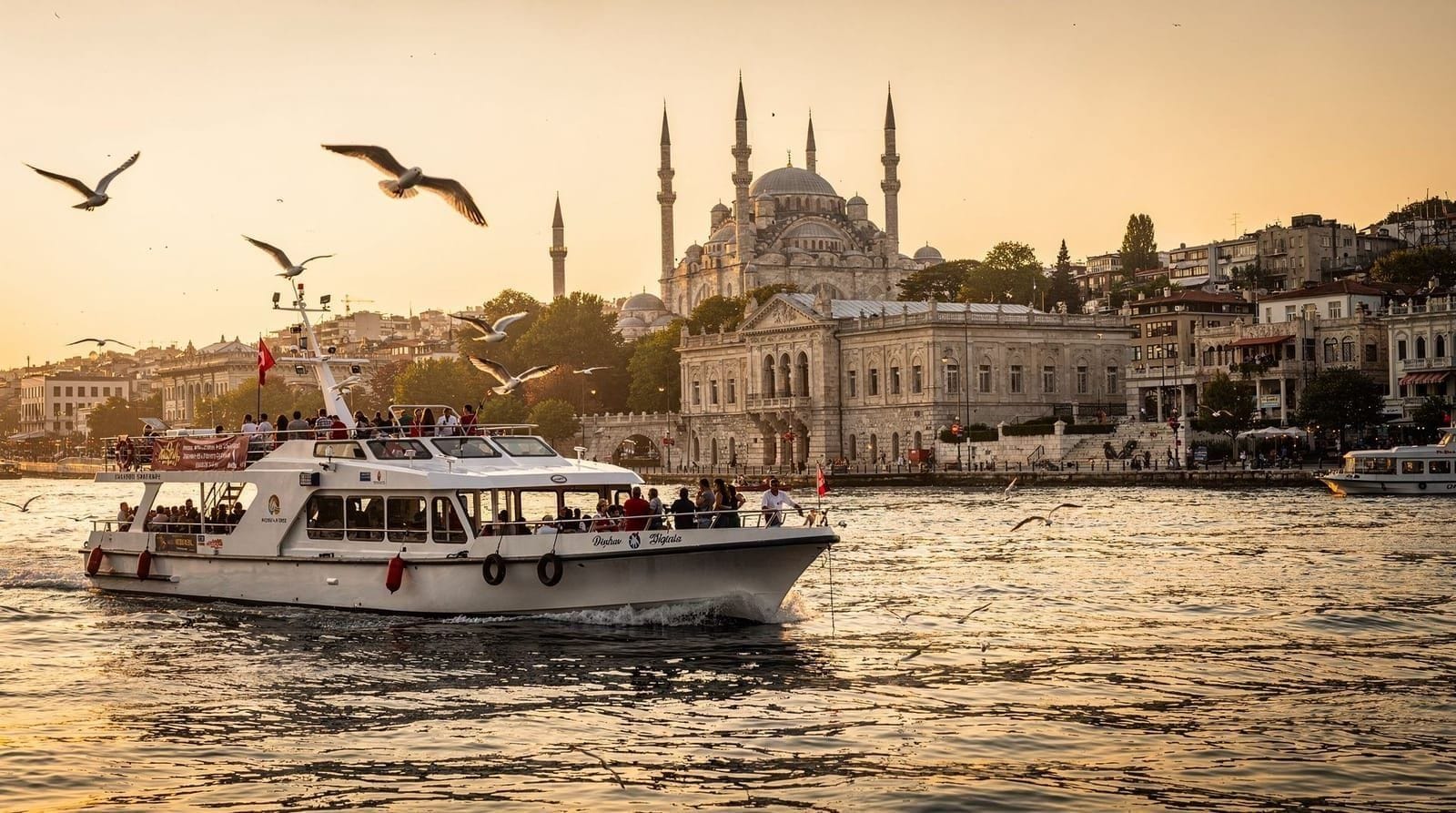
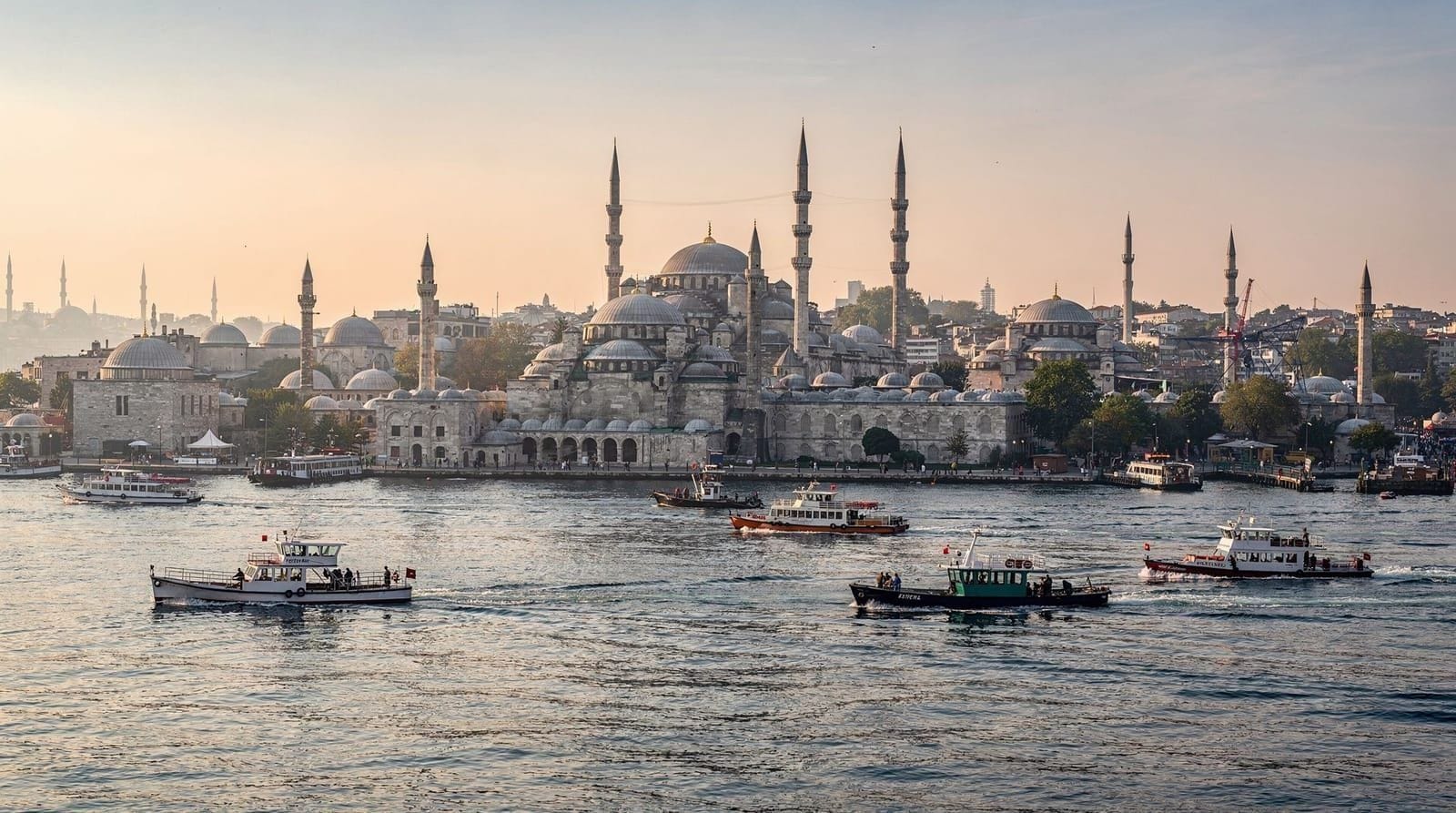
Golden Horn cruise plus Balat walk: Take the morning Haliç ferry from Eminönü for the water perspective, disembark at Balat, then walk. Return by the afternoon ferry. Full half-day.
Balat plus Chora Church: Add the Chora mosaics to the route (see the Chora Museum guide). Requires a taxi or 30-minute walk from Fener. Best done as a full day.
Balat in a broader Byzantine itinerary: The Byzantine Istanbul guide sequences Balat, Fener, the land walls, and Chora into a coherent day for history-focused visitors.
What to eat and drink in Balat
The neighbourhood has gentrified enough that there are now reliable options for all budgets:
- Forno Café (Küçük Mustafa Paşa Caddesi): Breakfast, excellent bread, decent coffee. Popular with the morning-visit crowd.
- Dersaadet (Vodina Caddesi 5): Turkish food with a Golden Horn terrace. Reliable meze and grills, moderate prices.
- Laf Suat (various local cafés on the steep streets): Basic tea-house experience — çay, simit, cheese — in local settings that haven’t converted to tourist menus.
- Kuzguncuk neighbourhood on the Asian side is a comparable neighbourhood experience for those doing the two-sides approach.
Balat also pairs naturally with a Golden Horn day. After the walk, the Golden Horn cruise guide shows how to see the same shoreline from the water, and the nearby Eyüp Sultan Mosque guide covers another quiet corner of the inlet for travellers who want a calmer, more devout atmosphere than the cafés of Balat.
Shopping and slow browsing
Balat has developed a small but genuine vintage and antique scene over the last several years, concentrated on the streets just off Vodina Caddesi. Unlike the Grand Bazaar’s high-volume tourist trade, these are small shopfronts selling second-hand furniture, old prints, kilim fragments, and bric-a-brac at fixed (and generally honest) prices — bargaining is less expected here than at the Bazaar. It’s a good stop for browsing rather than serious buying, and the shopkeepers are usually happy to chat about a piece’s history without pressure to close a sale. Combine it with a coffee at one of the newer speciality cafés that have opened on the steep side streets, most of which serve filter coffee alongside the traditional Turkish version.
Etiquette and small courtesies on the streets
Because Balat and Fener are lived-in neighbourhoods, a few habits make the walk better for everyone. Greet shopkeepers and café owners before you point a camera at their window. Ask before photographing anyone, particularly older residents sitting outside their doors, and accept a polite refusal with a smile. Inside the Patriarchate and the Iron Church, behave as you would in any active place of worship: keep your voice low, dress modestly, and follow any signs or instructions from staff. The mosque etiquette guide and the broader Turkish customs and etiquette guide cover the general rules of dress and behaviour that apply here too.
Wear shoes with real grip. The staircase streets and old paving can be uneven, and a short rain shower turns them slick. A light bag, a bottle of water, and a charged phone for photos are all you need; there is no reason to carry more up and down the hills.
Planning the rest of your day
Balat fits well into a longer plan. If you are still deciding how to spread your days, the Istanbul neighbourhoods overview compares the main districts, and the three-day Istanbul itinerary shows where a half-day here can sit between the headline sights. Travellers who prefer the opposite bank of the Golden Horn for the evening can continue to Karaköy for dinner once the light fades, then walk back through the lively streets with the day’s photographs fresh in mind.
A note on pace and getting lost
The single best piece of practical advice for Balat is to plan for wandering rather than a fixed route. The neighbourhood’s appeal is largely in its texture — a staircase street opening onto a sudden Golden Horn view, a cat asleep on a windowsill painted the same blue as the house — and that texture reveals itself best without a phone map dictating every turn. The core painted-house area is small enough (roughly 500m across) that getting mildly lost costs you ten minutes, not an afternoon. Save the map for navigating to specific fixed points — the Iron Church, the Patriarchate, the ferry pier — and let the connecting streets happen organically.
Combined Galata Tower, Chora Church, and Balat tour is a practical option if you want the extended Byzantine-and-Balat day covered in one guided outing rather than arranging the taxi legs yourself.
Frequently asked questions about Balat and Fener walking guide — Istanbul's most colourful neighbourhood
What makes Balat special compared to other Istanbul neighbourhoods?
What is Fener and how is it different from Balat?
What are the key sights in Balat and Fener?
What is the best time to visit Balat?
Are there good restaurants in Balat?
Is Balat getting too touristy?
Top experiences
Bookable activities with verified prices and instant confirmation on GetYourGuide.