Best Turkish breakfast in Istanbul — where to eat kahvaltı in 2026
Istanbul: European and Asian Side Guided Foodie Walking Tour
Duration: 5.5 hours
Where is the best place for Turkish breakfast in Istanbul?
Van Kahvaltı Evi (Cihangir) for a full spread with 20+ dishes around 200 TRY per person. Karaköy Güllüoğlu area has good breakfast spots. For a more local experience, any neighbourhood fırın (bakery) in Fatih or Kadıköy serves a simpler but honest breakfast for under 100 TRY. Weekend kahvaltı in Çengelköy (Asian side) is an institution.
Quick answer: Van Kahvaltı Evi in Cihangir is Istanbul’s most-cited full kahvaltı experience (~200 TRY per person, 20+ dishes). For more local, less queued alternatives, Kadıköy, Çengelköy on the Asian side, and Karaköy’s neighbourhood spots are worth the detour.
| Where | Cihangir, Kadıköy, Çengelköy, Karaköy, Balat, Fatih |
| Cost | Around 70–250 TRY per person depending on neighbourhood |
| Time needed | 45 minutes for a quick bakery breakfast; 2 hours for a proper weekend kahvaltı |
| Getting there | Tram/funicular for Cihangir and Karaköy; ferry from Eminönü or Üsküdar for the Asian side |
| Best time | Weekend mornings before 9:30am, or after 1pm to skip the queue |
What makes Turkish breakfast different
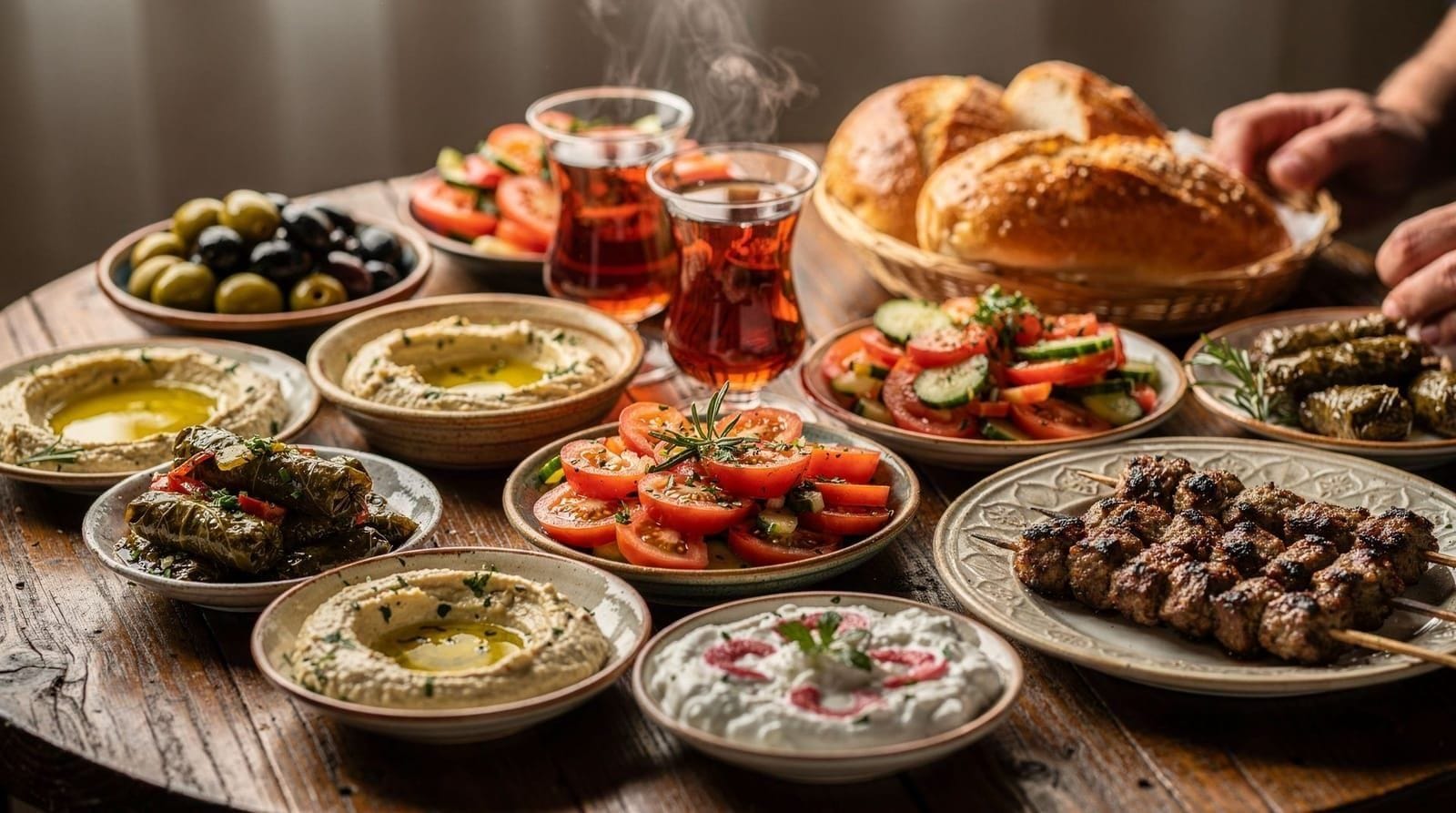
Turkish breakfast is not a meal you rush. The kahvaltı — from “kah” (before) and “valtı” (coffee) — is built around tea, not coffee, and designed for slow consumption. Bread is central, and the table fills with small dishes rather than one main plate.
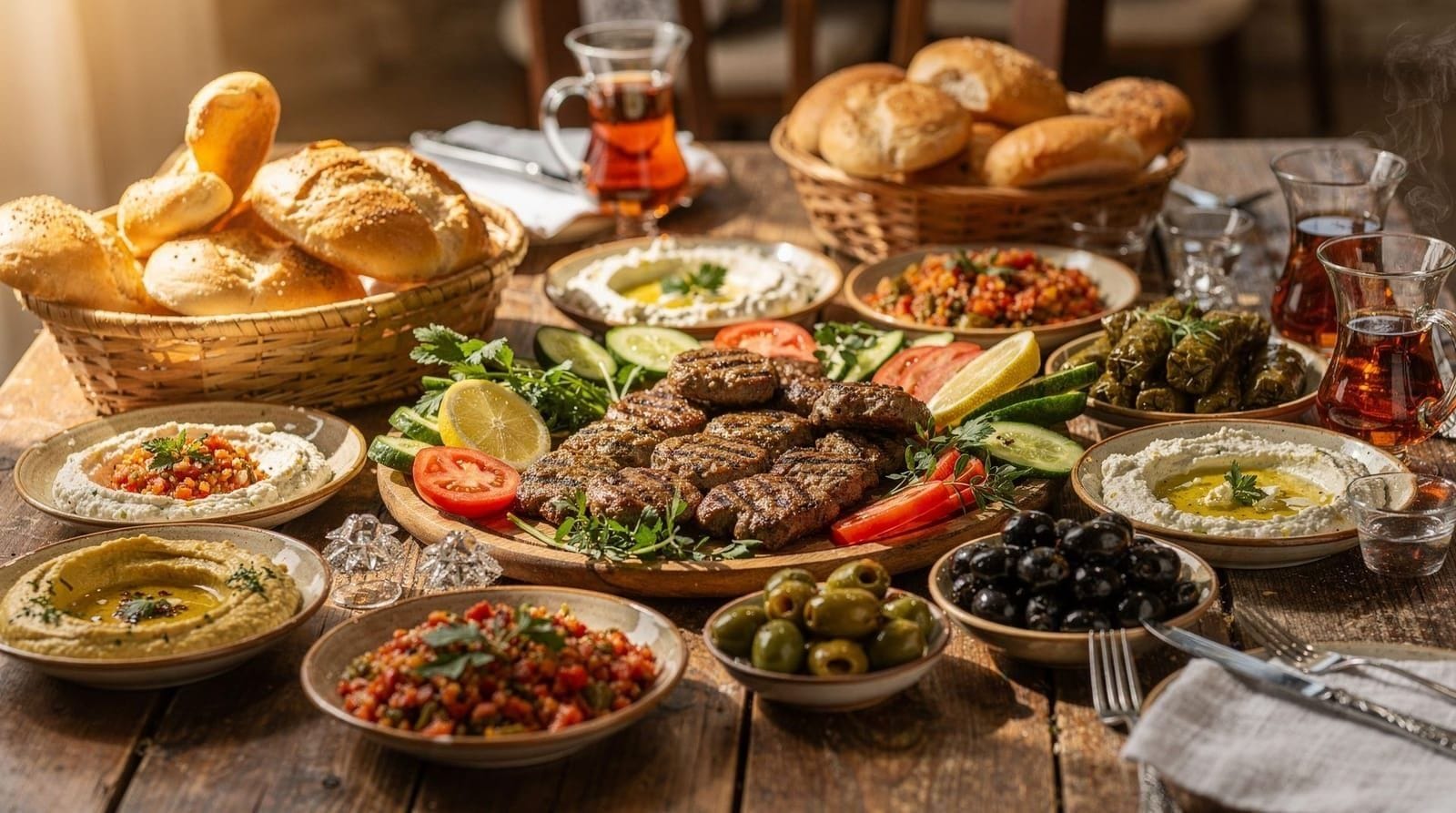
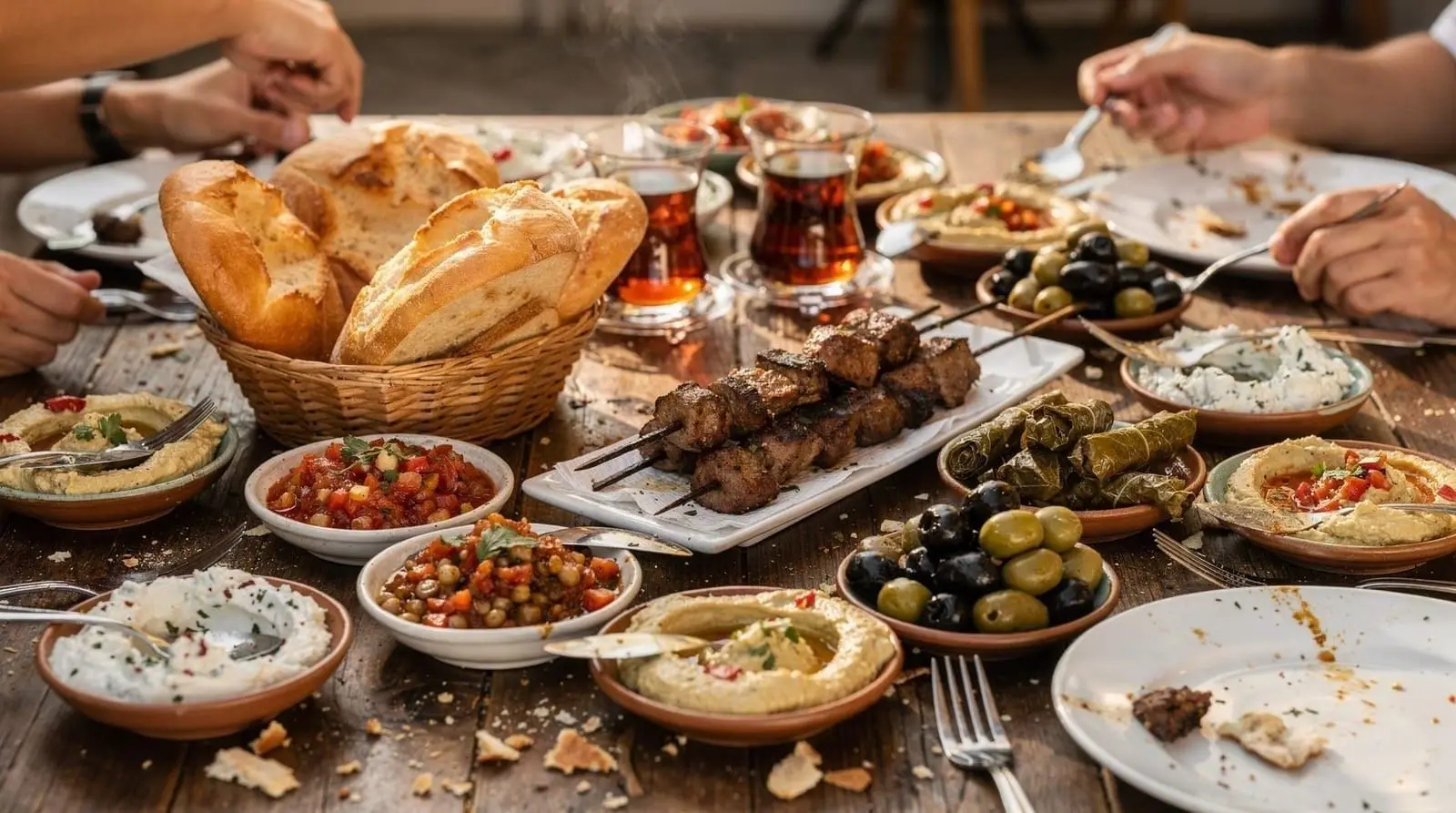
A full spread typically includes a dozen or more components. What you get at a dedicated kahvaltı restaurant is not the same as what you get at a hotel or a tourist café. The details matter: fresh kaymak vs. packaged, local olives vs. generic, fresh-baked simit vs. yesterday’s bread.
This guide covers where the quality is genuine and what you should expect to pay.
The components of a proper kahvaltı
Understanding what belongs on a proper Turkish breakfast table helps you evaluate whether what you’re being served is the real thing:
Cheese — two types minimum. Beyaz peynir (white sheep’s milk cheese, lightly brined, similar to feta but milder) and kaşar (semi-hard yellow cheese, mild). Often also tulum (aged sheep’s cheese, sharper) at better spots.
Olives — black and green, often marinated with herbs or peppers. The quality indicator is freshness and preparation rather than variety.
Tomatoes and cucumbers — sliced thick, served at room temperature. Not dressed, not garnished. The Turkish tomato (domates) in season (July–September) is notably better than what’s available off-season.
Eggs — menemen (scrambled with tomatoes and green peppers) is standard. Fried eggs (sahanda) or boiled are also common. The İstanbul kahvaltı tradition often serves menemen in the original copper pan.
Honey and kaymak — this pairing is essential. Kaymak (clotted cream) is thick, slightly sweet, made from buffalo milk ideally. The combination of honey and kaymak eaten on white bread is one of the great pleasures of the Turkish breakfast table. Afyon kaymak is the gold standard; any restaurant that specifies the source is taking it seriously.
Butter — plain, often full-fat, local.
Jams — typically 2–3 varieties: rose, fig, strawberry, quince. Less central than the honey/kaymak combination but usually present.
Bread — fresh white bread, simit (sesame ring), or pide. The freshness of the bread is a reliable indicator of the restaurant’s quality overall.
Sucuk — spiced beef sausage, sliced and pan-fried with egg. Present at most full spreads, beloved. The sucuklu yumurta (sucuk with egg) is one of the most satisfying components.
Pastırma — cured beef with a spice crust. Less common than sucuk but found at better breakfast spots. Strong flavour.
Çay — black tea in tulip-shaped glasses, bottomless, non-negotiable. If the tea is in a large mug or a teabag, calibrate your expectations accordingly.
Best breakfast spots in Istanbul by neighbourhood
Cihangir / Beyoğlu
Van Kahvaltı Evi (Defterdar Yokuşu, Cihangir) — the most referenced full kahvaltı spread in Istanbul. The “Van breakfast” style originates from eastern Turkey and involves 20+ small dishes, significantly larger than the standard Istanbul spread. Kaymak, multiple cheese types, walnut-stuffed dried fruits, regional honeys. Expect to spend 200–250 TRY per person in 2026. Queue on weekends; arrive before 10am or after 1pm.
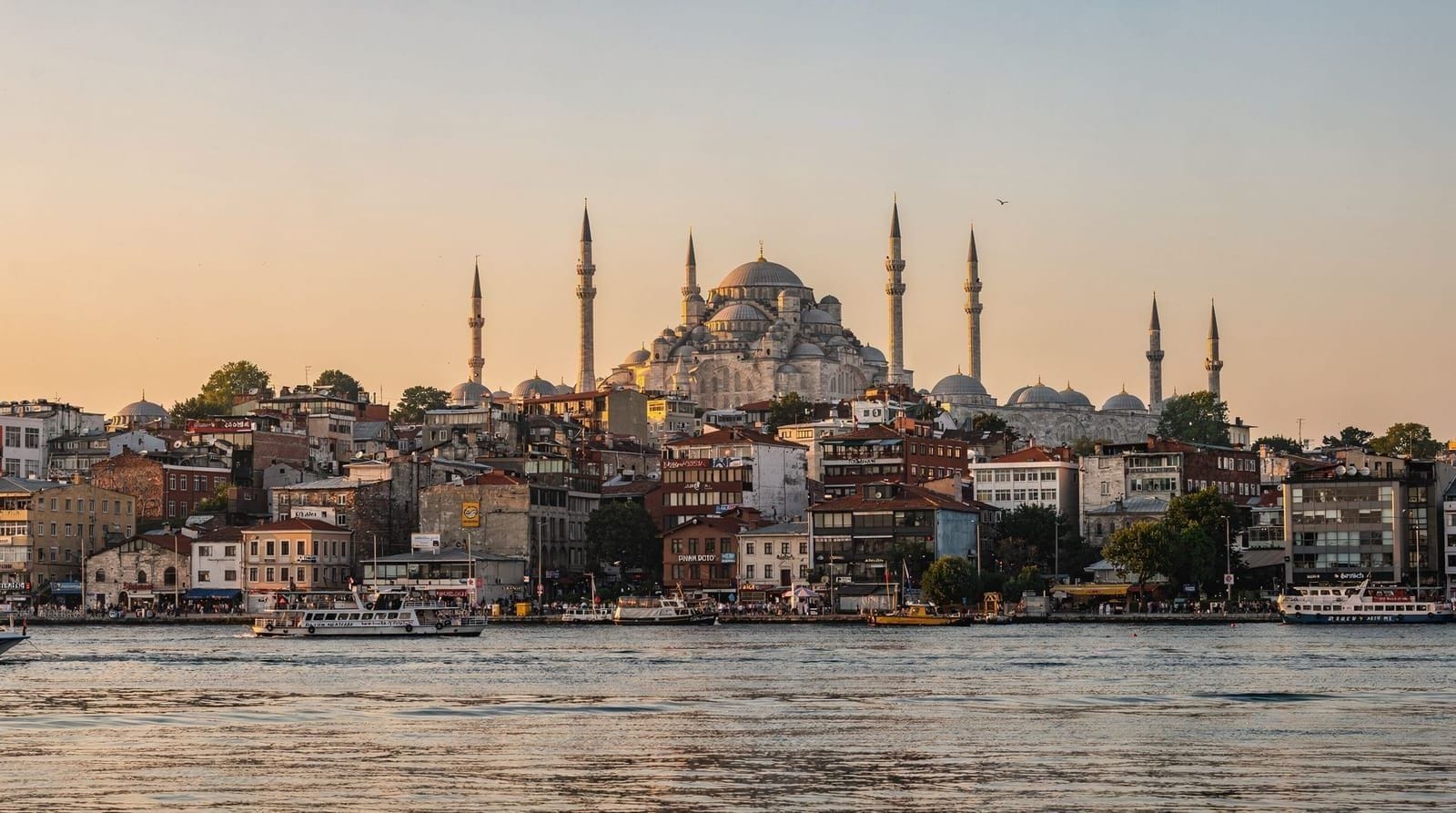
The Cihangir neighbourhood itself — sloping streets, neighbourhood cats, art galleries — is worth the visit. A 15-minute walk from Galata Tower.
Karaköy has several good breakfast spots near the Galata Bridge, typically more local and less queued than the Cihangir options. The breakfasts are simpler (fewer dishes) but well-executed. 120–160 TRY per person.
Kadıköy (Asian side)
Kadıköy’s breakfast scene is genuinely local — the neighbourhood is primarily residential and working-class, not a tourist destination in the way Sultanahmet is. The covered market area (çarşı) has breakfast-focused lokantalar that open at 7am and serve construction workers before turning to the general public.
The more modern breakfast spots around Moda Park (the park near the ferry terminal) serve a mid-range version at 150–200 TRY — good quality, no tourist mark-up.
Getting to Kadıköy from the European side: 25-minute ferry from Eminönü (around 15 TRY with Istanbulkart), one of the more pleasant transit rides in the city.
Çengelköy (Asian side, Bosphorus waterfront)
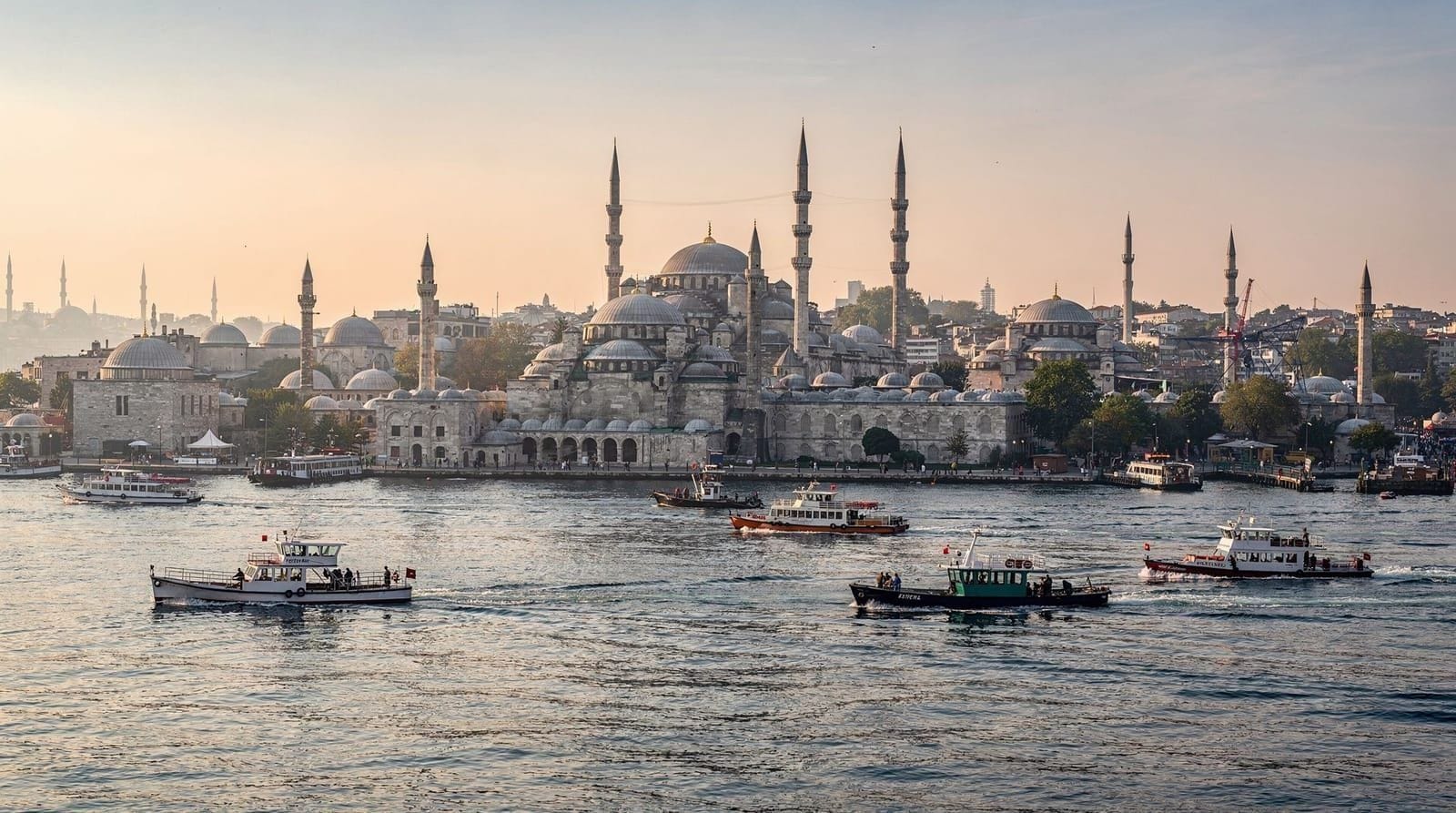
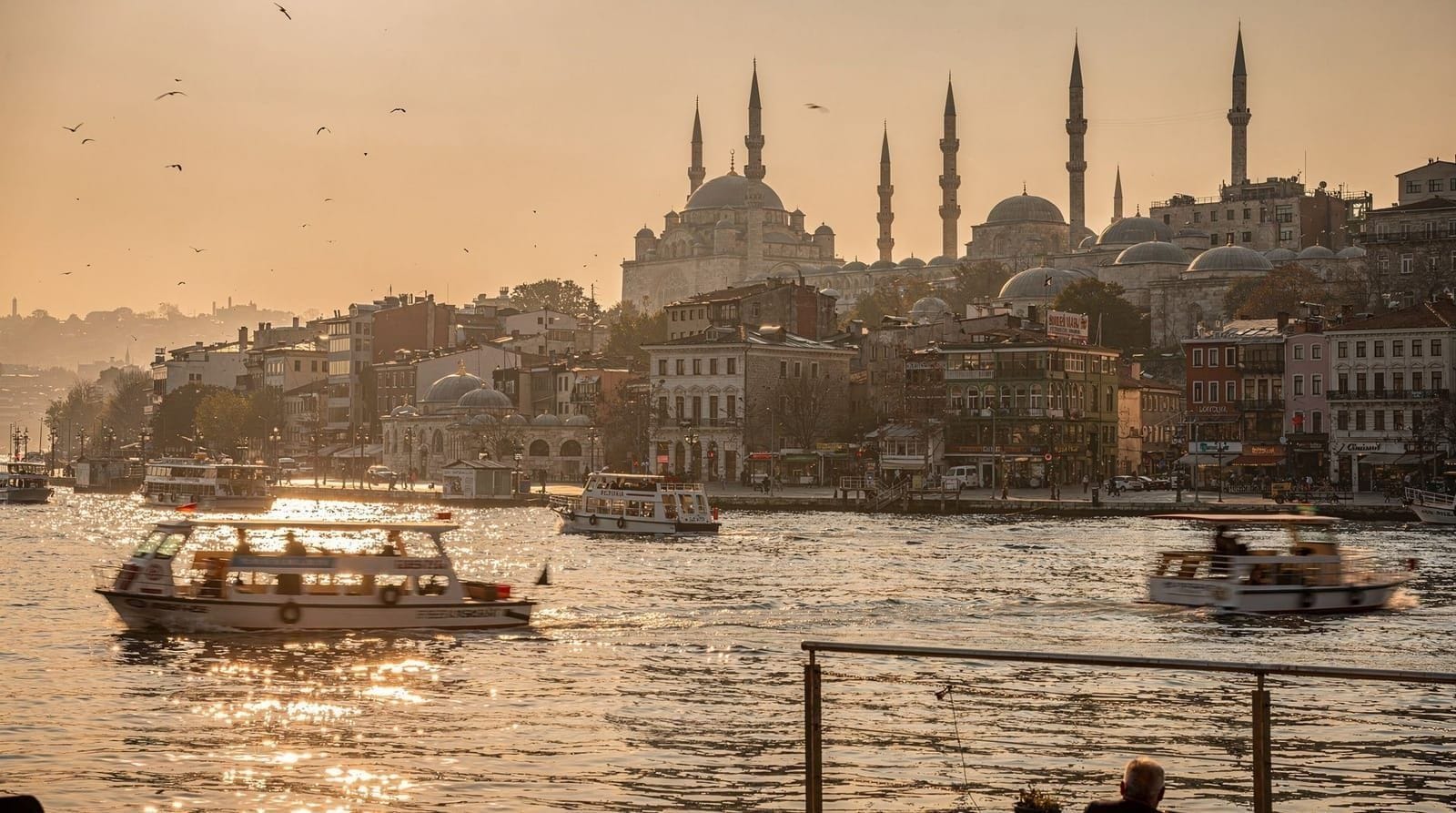
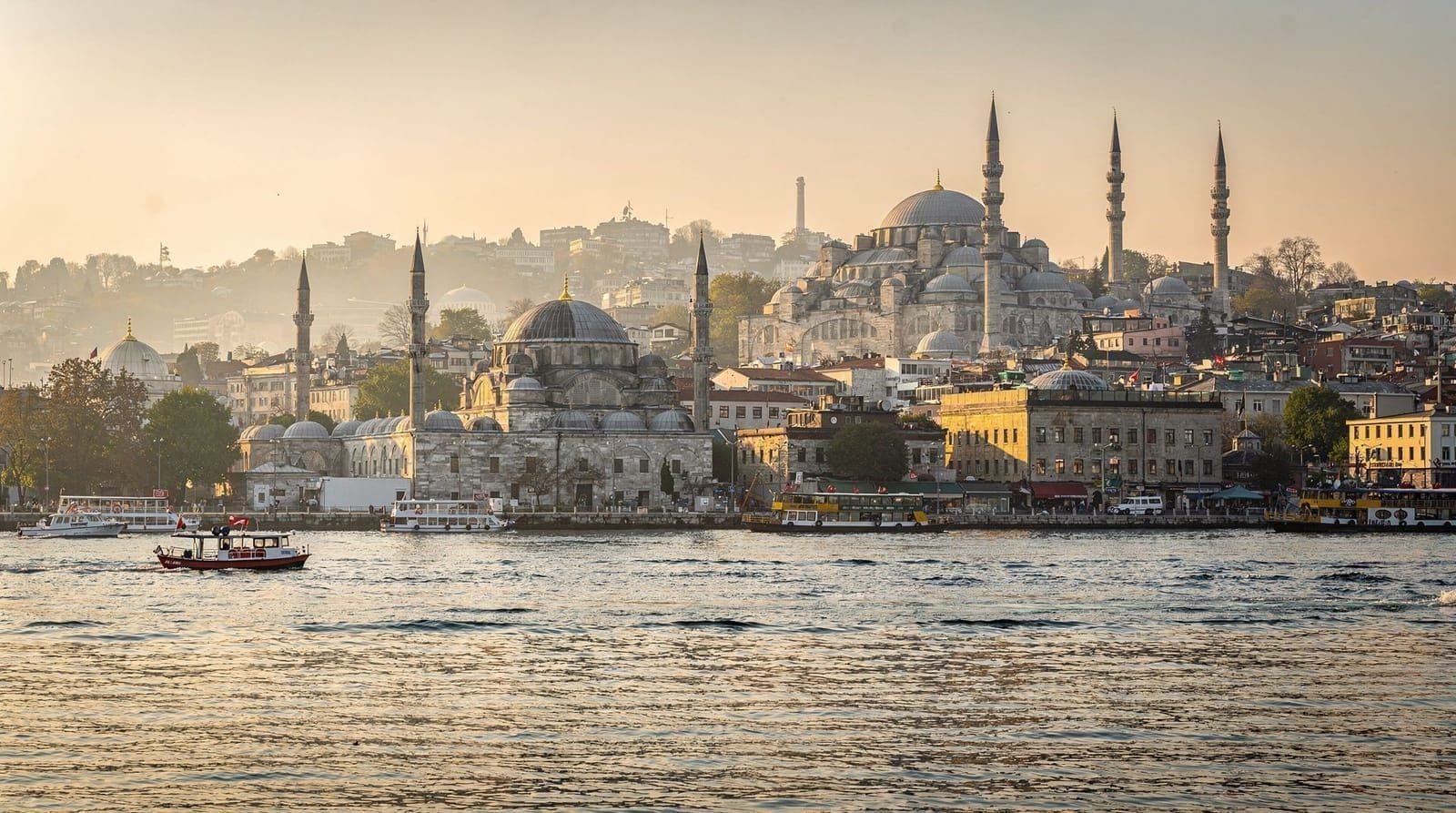
Çengelköy is a village-scale neighbourhood on the Bosphorus, about 30 minutes from Kadıköy by bus. Its string of waterfront breakfast restaurants — looking across to the European shore — is a beloved Istanbul weekend tradition.
The format is leisurely: arrive at 10am, spend 2 hours eating, watch ferries cross the strait. Prices run 180–250 TRY per person. Çengelköy Sütçüsü is the most established option; there are 5–6 alternatives along the same 200-metre stretch. Best visited on a clear day when the view is at its best.
Balat / Fener
Balat Fener has become Istanbul’s brunch neighbourhood over the past five years — the colourful streets, photogenic architecture, and creative restaurant scene attract young Istanbullus and tourists alike. The breakfast quality has risen with the neighbourhood’s profile.
Spots here tend toward the “Instagram-forward” end of the spectrum — photogenic presentations, specialty coffee, well-designed spaces. The food is genuine but priced for the area (150–220 TRY). The neighbourhood itself is worth visiting for its layered history (Greek Orthodox, Jewish, Armenian communities) regardless of the food.
Fatih (traditional neighbourhood)
For the least tourist-facing, most locally priced breakfast in the old city, Fatih’s neighbourhood bakeries (fırınlar) and esnaf lokantaları serve simple, honest breakfasts. The menu is short — tea, white cheese, olives, eggs, bread — but the prices (60–90 TRY per person) and food quality are good. No English menus, no tourist infrastructure.
Sultanahmet / tourist area
Honest assessment: the breakfasts near Hagia Sophia and the Blue Mosque range from mediocre to actively bad, at prices between 300 and 500 TRY per person. The hotel breakfasts in this area are usually better than the café breakfasts. If you’re staying in Sultanahmet, go to a restaurant at least for one breakfast — but walk at least 5 minutes from the main tourist zone to find honest pricing.
What a breakfast food tour adds
The food tours that cover morning Istanbul typically start in a market (Eminönü or Kadıköy) and work through the components of a proper breakfast at multiple stops — fresh simit from a cart, tea at a small çayevi, cheese from a specialist. This format covers a wider range of quality and price points than any single restaurant visit.
Practical considerations
Timing: Weekend kahvaltı is a 2-hour event by local custom. If you’re in a hurry, eat from a bakery instead of sitting down — it is rude to rush the meal at a dedicated breakfast restaurant.
Reservations: Van Kahvaltı Evi and Çengelköy waterfront restaurants fill on weekend mornings. Book the day before if possible, or arrive early (before 9:30am). Many kahvaltı spots price per person as a fixed “serpme kahvaltı” (spread breakfast) rather than à la carte, which is worth knowing before you order individual dishes and end up paying more than the set spread would have cost.
Portion sizing for groups: The typical serpme kahvaltı is priced and portioned for two people sharing a full spread of small plates; solo travellers can usually ask for a half-size version at a lower price, though not every restaurant offers this. Groups of three or four generally do better ordering two spreads to share rather than one each, since the small-plate format is designed around communal eating.
Cash vs. card: Most local breakfast spots take cards in 2026. Some smaller fırınlar and market cafés remain cash-only.
Dietary restrictions: Most components of a kahvaltı are gluten-free except the bread. Vegetarians eat well (the meat components — sucuk, pastırma — are optional extras, and a spread with olives, cheese, tomatoes, cucumbers, honey and eggs is naturally vegetarian). Vegans face real difficulty with cheese, kaymak, butter, and eggs being central to the format — the best workaround is a market breakfast built from tomatoes, cucumbers, olives, bread and fresh fruit rather than a restaurant kahvaltı, since even “simple” versions lean heavily on dairy. Lactose-intolerant visitors should ask about tulum cheese specifically, which some find easier to tolerate than fresh beyaz peynir.
Connecting breakfast to the rest of your day
A full kahvaltı between 9 and 11am provides enough calories to skip lunch — which is actually how Istanbullus often approach the weekend. This makes it compatible with an afternoon of walking: after a Çengelköy breakfast, a ferry to Üsküdar and a walk along the Asian shore is a natural continuation. After a Cihangir breakfast, the walk downhill to Karaköy and across to Beyoğlu requires no additional fuel.
For planning the rest of your day around food, the where to eat in Istanbul guide covers lunch and dinner options by neighbourhood.
How the neighbourhoods compare
If you’re deciding where to have your one big kahvaltı, here’s the honest trade-off between the main options:
| Neighbourhood | Style | Price | Queue |
|---|---|---|---|
| Cihangir (Van Kahvaltı Evi) | Elaborate, 20+ dishes | 200–250 TRY | Long on weekends |
| Karaköy | Simpler, local, well-executed | 120–160 TRY | Short |
| Kadıköy | Genuinely local, working-class to mid-range | 100–200 TRY | Short–moderate |
| Çengelköy | Leisurely, Bosphorus view | 180–250 TRY | Moderate, book ahead |
| Balat / Fener | Instagram-forward, specialty coffee | 150–220 TRY | Moderate |
| Fatih | No-frills, honest, cheapest | 60–90 TRY | None |
Turkish breakfast in the wider food scene
Breakfast is only one meal in a food culture that rewards a fuller exploration. Our Turkish food guide covers the rest of the menu — from meze to kebabs — and the Istanbul street food guide is the natural follow-up once the kahvaltı table is cleared and you’re wandering. If tea culture at breakfast leaves you curious about the afternoon coffee tradition, the Turkish coffee guide explains why the two drinks occupy such different parts of the day. For dessert lovers, baklava and Turkish desserts picks up where the honey-and-kaymak pairing leaves off, and anyone wanting a guided introduction to all of this rather than working it out alone should look at the Istanbul food tours guide for how the formats differ.
Frequently asked questions about Best Turkish breakfast in Istanbul — where to eat kahvaltı in 2026
What is a traditional Turkish breakfast?
How much does breakfast cost in Istanbul?
What time do Turks eat breakfast?
What is menemen?
What is kaymak and where do I eat it?
Is breakfast included at Istanbul hotels?
Are there breakfast spots on the Asian side worth visiting?
Top experiences
Bookable activities with verified prices and instant confirmation on GetYourGuide.