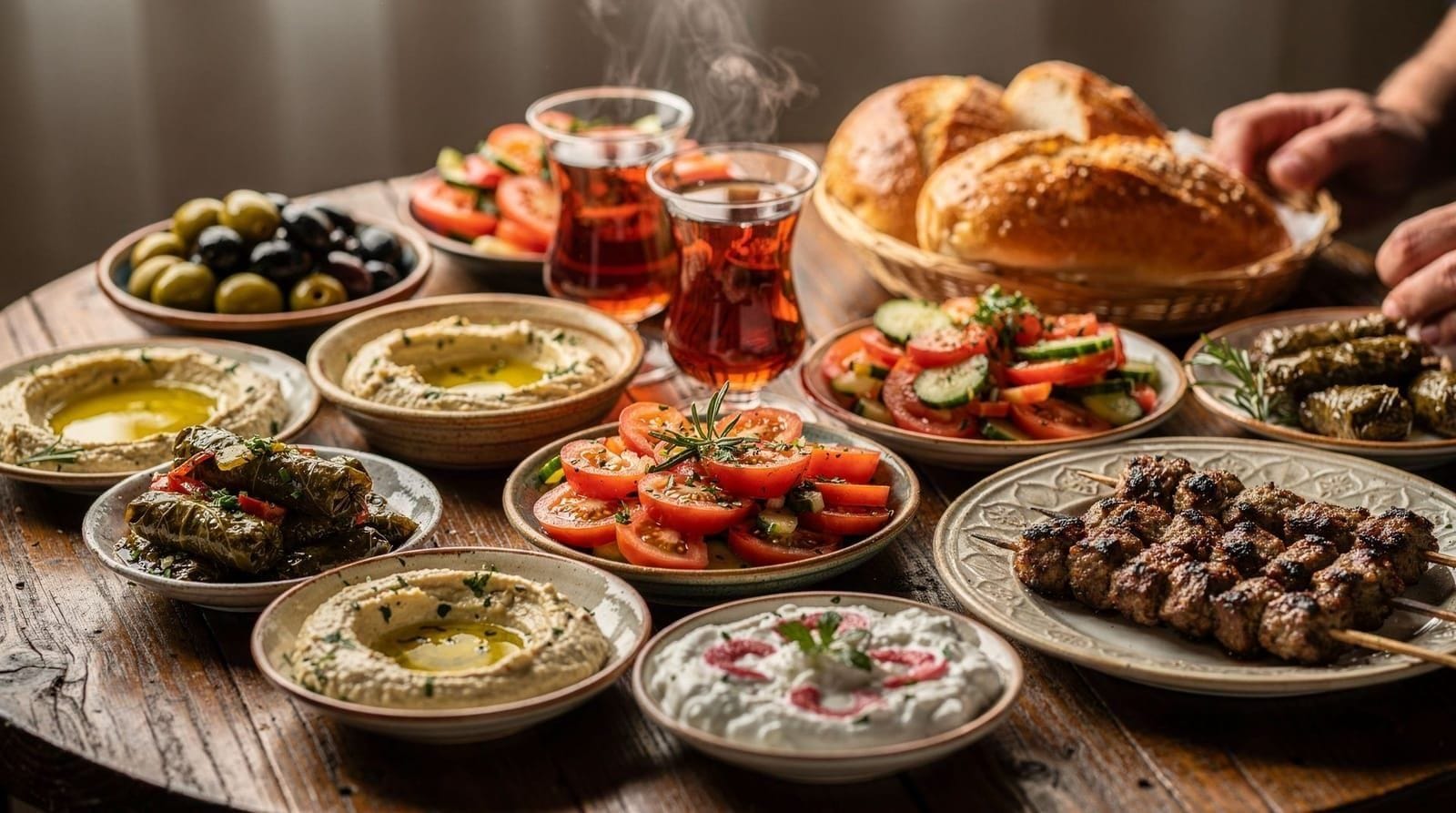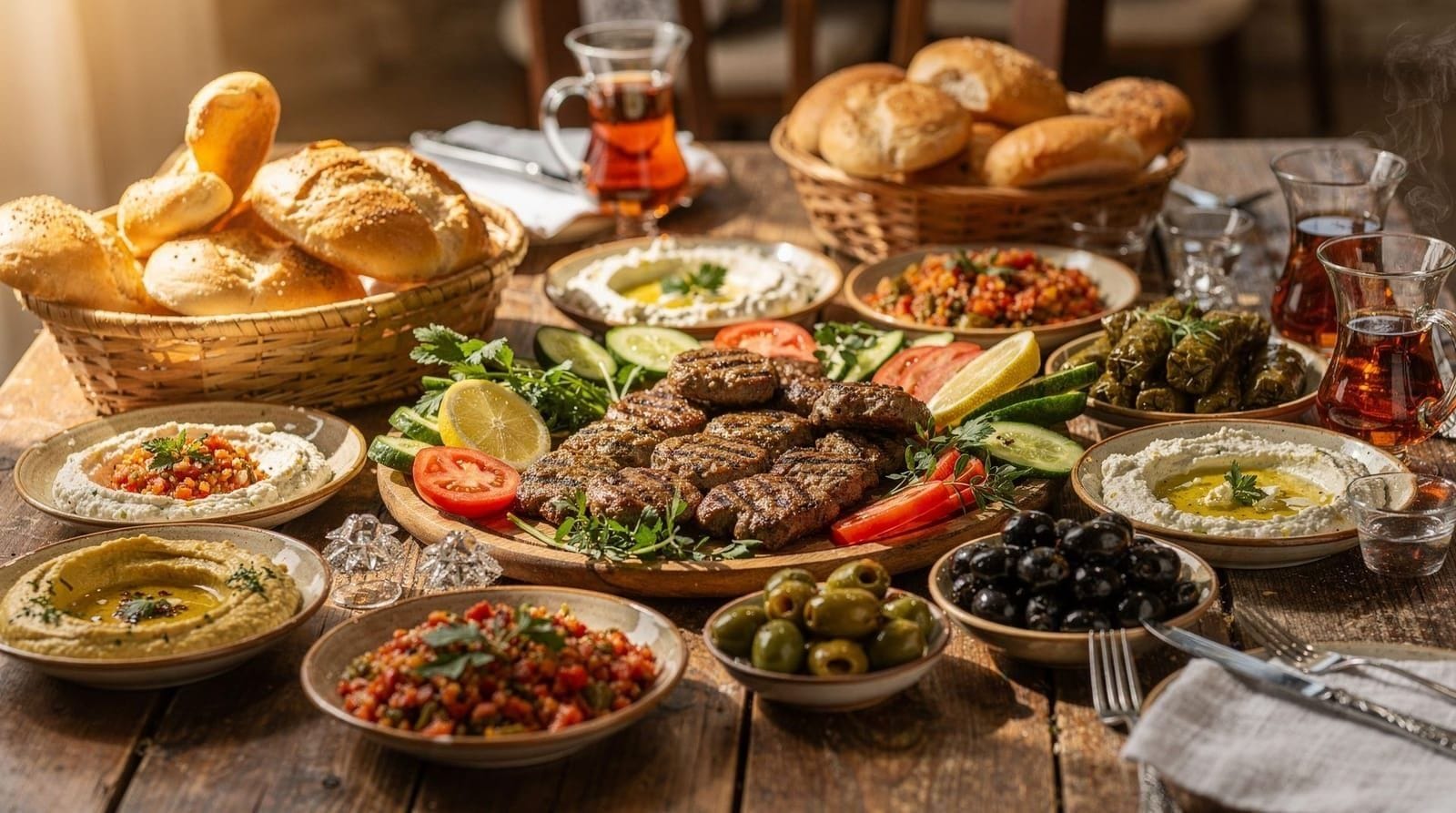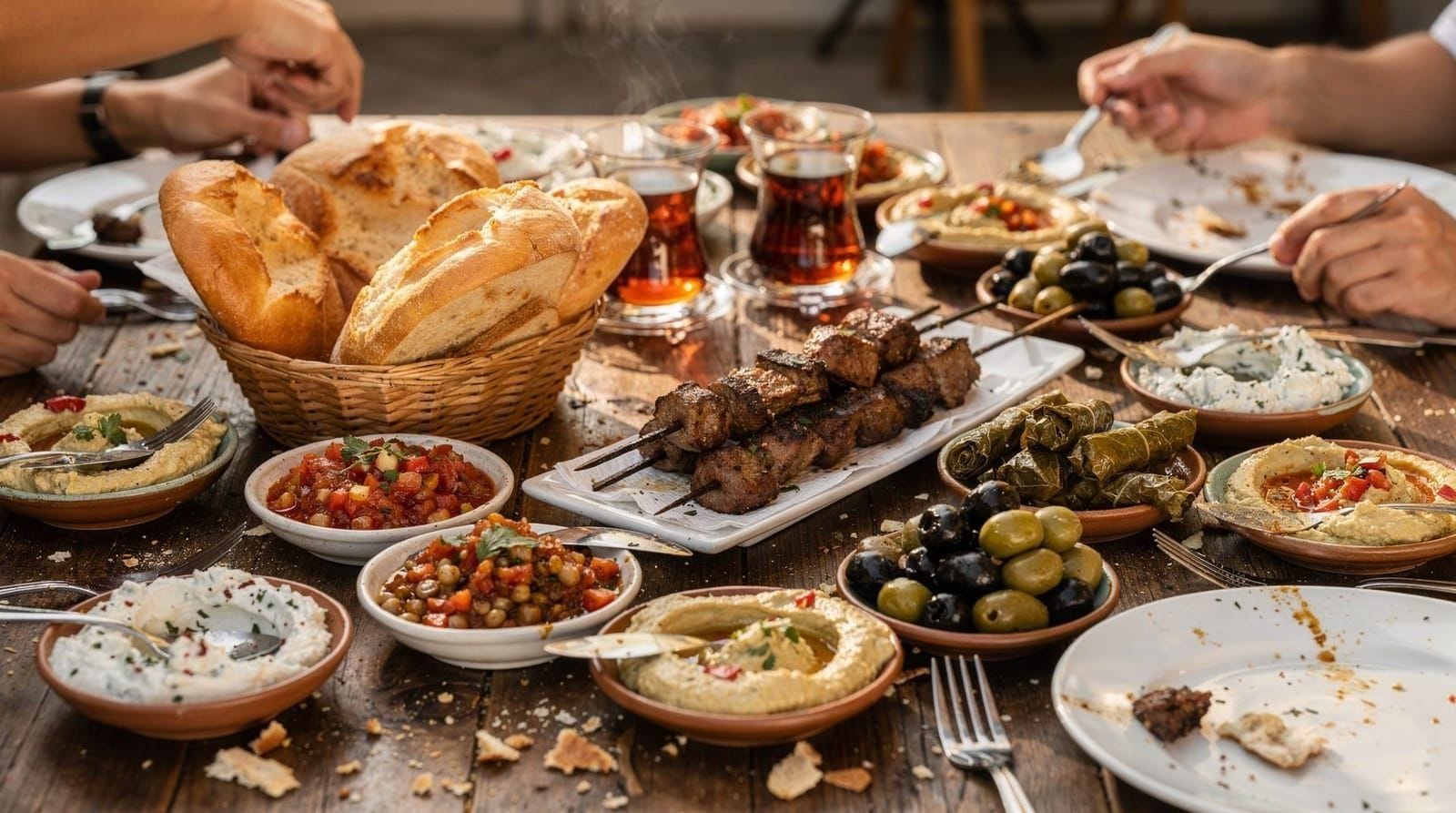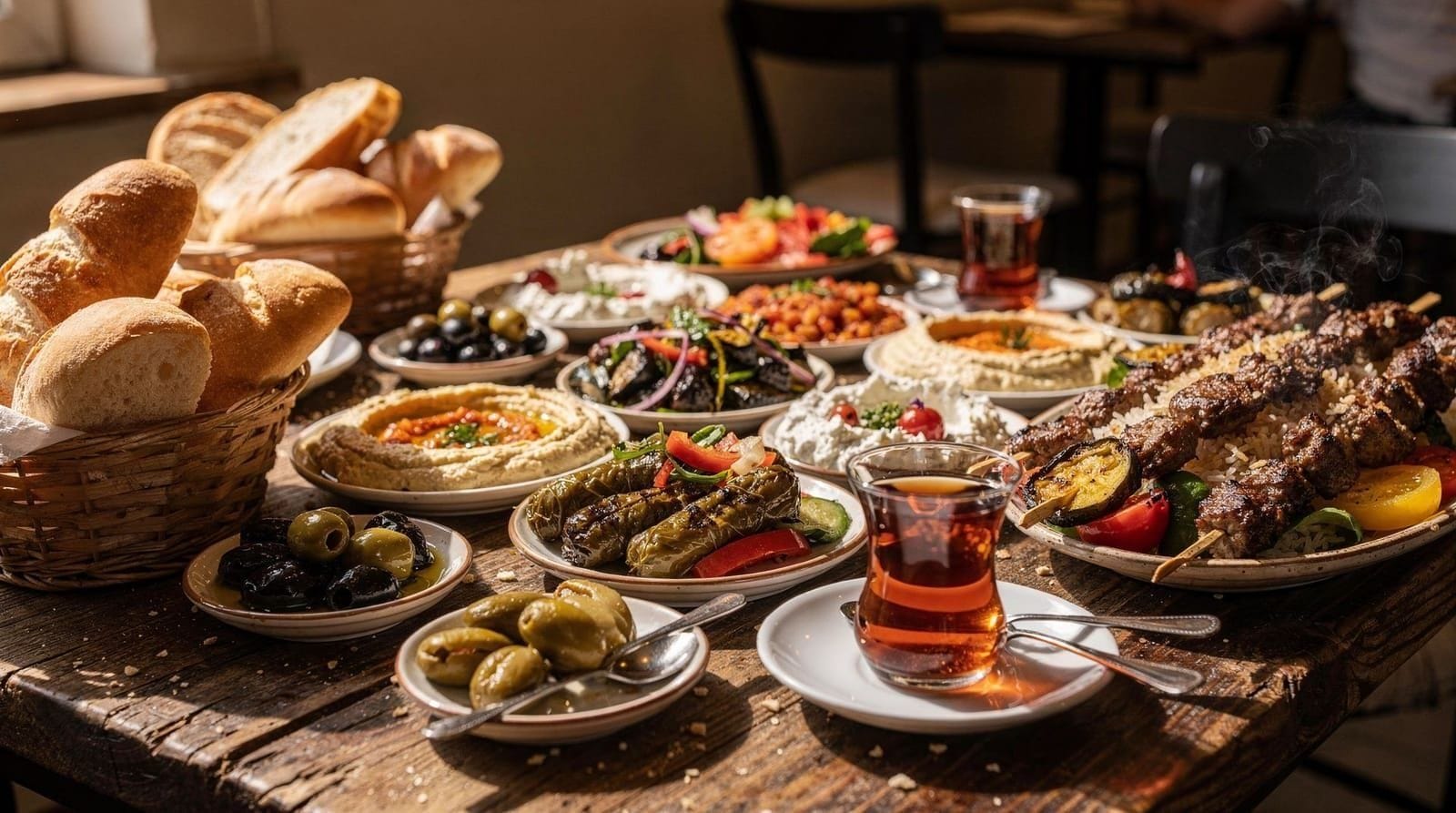
Istanbul food tours guide — which tour is worth booking in 2026
Istanbul: European and Asian Side Guided Foodie Walking Tour
Duration: 5.5 hours
Are Istanbul food tours worth it?
Yes, with the right operator. The best food tours cross multiple neighbourhoods and put you in front of vendors tourists don't find alone. Expect 8–12 tastings over 3–5 hours for €40–80. The Kadıköy evening food tour and the European/Asian crossover format are the two most useful for first-timers.
Quick answer: Istanbul food tours are worth booking if you choose an operator that crosses neighbourhoods and doesn’t just cover tourist-facing Old City stops. The European/Asian crossover tour and the Kadıköy evening format are the two most useful for first-timers. Budget €35–70 for a group tour with 8–12 tastings.
| Cost | around €35–150 per person, depending on format |
| Duration | 3–6 hours |
| Tastings included | 6–14 stops, small portions |
| Best time to book | day 1–2 of your trip, before eating independently |
| Lead time | 2–4 days ahead; 1 week in peak season (Apr–May, Sep–Oct) |
Why a food tour makes sense in Istanbul (and when it doesn’t)
Istanbul’s food scene is geographically spread across 15 million people and two continents. The city has three distinct food cultures that don’t overlap neatly: the tourist-facing Old City version (overpriced, often mediocre), the working-class neighbourhood version (cheap, genuine, mostly off-map), and the more contemporary food scene in places like Karaköy and Kadıköy.
A food tour’s value proposition is navigation. An experienced guide eliminates the wrong turns — the tourist-trap restaurants with the English menus and the persistent hosts, the Spice Bazaar stalls selling tourist-priced lokum, the overpriced fish sandwiches from kiosks rather than the boat versions.
The counter-argument: a solo traveller who reads the Turkish food guide and the street food guide carefully can find most of the same stops independently and save the tour premium. A guided food and culture tour adds the most value for visitors with limited time, those who aren’t confident navigating independently, and anyone who wants the social format.
Types of food tours in Istanbul
Street food walking tours
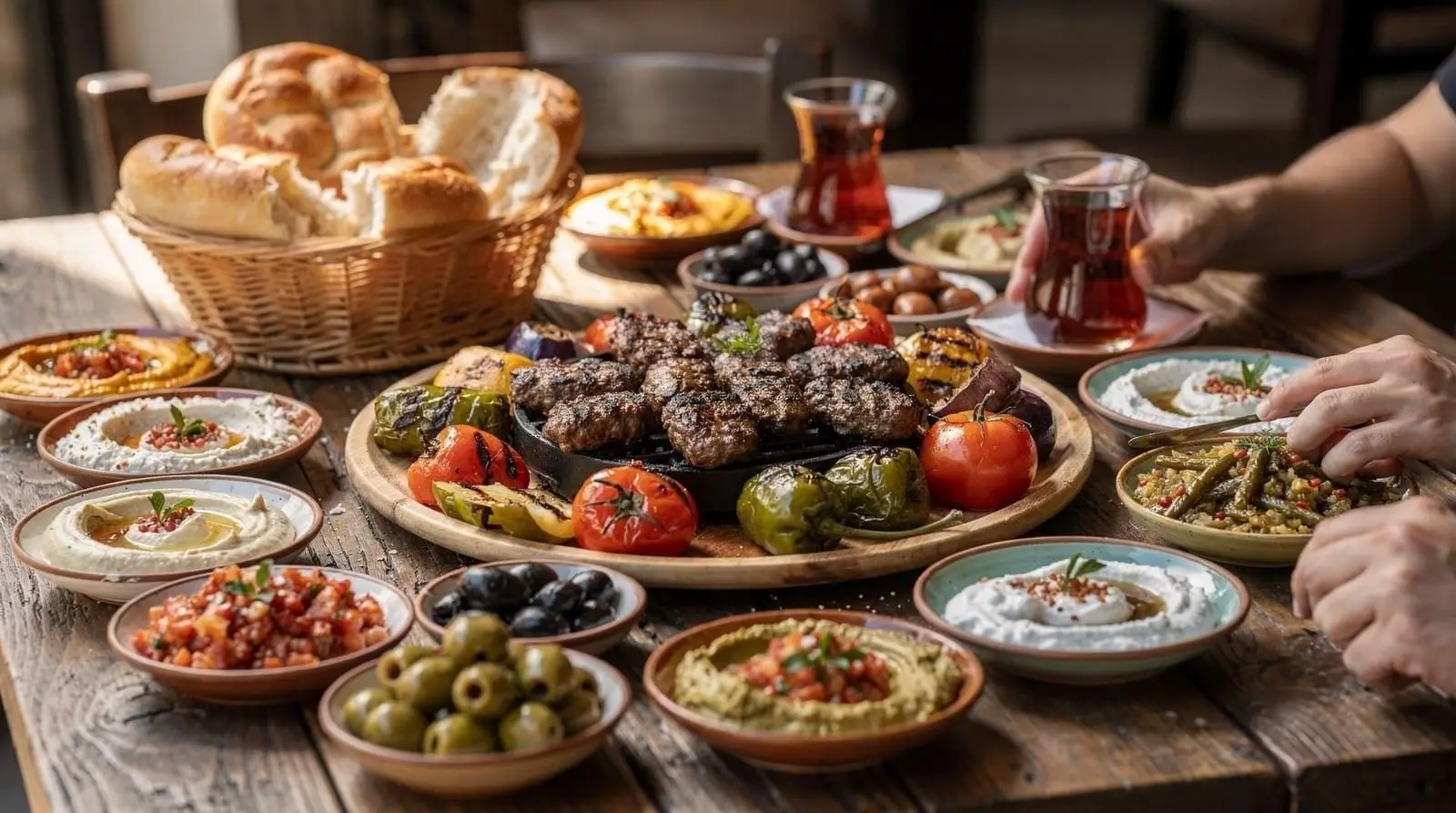
3–4 hours on foot through 2–3 neighbourhoods, covering primarily street vendors. Typical stops: simit cart, balık ekmek at Galata Bridge, midye dolma vendor, börek shop, tea house. Best value for a first introduction to Istanbul’s everyday food.
Price: €35–50 per person.
Good for: First-timers wanting an efficient overview. Budget travellers who want professional curation without a big spend.
Two-continent food tours
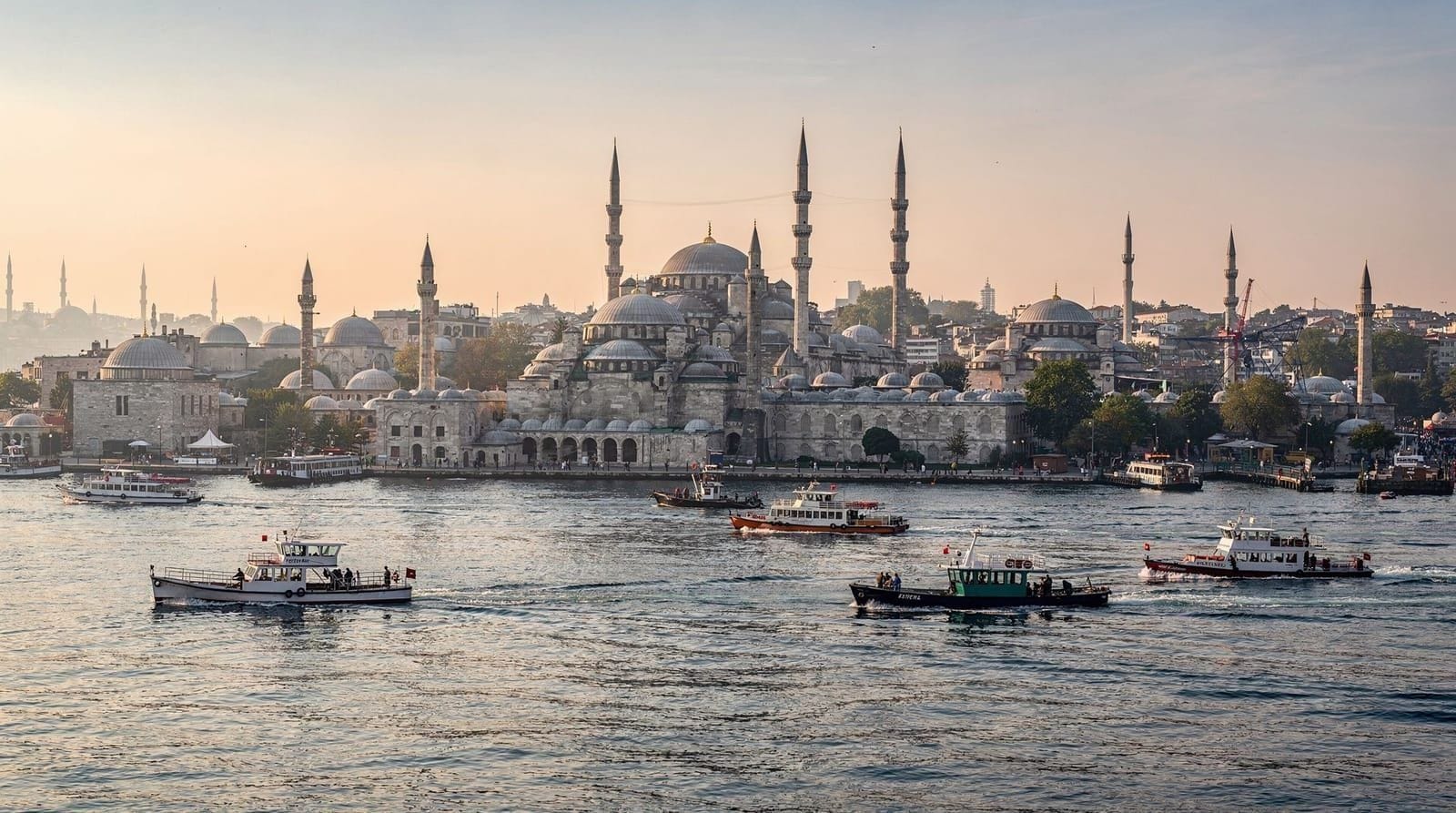
4–6 hours crossing the Bosphorus by ferry, with food stops on both the European and Asian sides. The contrast is genuine — Kadıköy’s covered market feels different from Eminönü’s. The ferry crossing itself (25 minutes, one of Istanbul’s great views) is a feature, not just transit — it’s the backbone of formats like the guided food tour with ferry ride and tastings.
Price: €50–80 per person.
Good for: Anyone in Istanbul for 3+ days who wants to experience the Asian side. The best overall introduction to Istanbul’s range.
Kadıköy evening food tour
Specifically focused on the Asian side’s Kadıköy neighbourhood after dark. Covers the covered market (çarşı), the meyhane strip, street food vendors, and bars. More intimate than the crossover tour and better for understanding one neighbourhood in depth.
Price: €40–55 per person.
Good for: Return visitors who’ve already seen the old city. Anyone who wants to avoid tourist-facing areas entirely.
Private food tours
Custom 4–6 hour experiences for couples or small groups, typically with a chef or food writer as the guide rather than a generic tour operator. Can be tailored to specific interests (Ottoman cuisine, vegetarian, wine and meze). The guide can access private market contacts and less commercial venues.
Price: €80–150 for 2 people.
Good for: Returning visitors, serious food travellers, anyone celebrating something.
Cooking class + market tour combination
Half the time in a market selecting ingredients, half the time in a kitchen cooking traditional dishes. A different format — educational rather than tasting-focused. More appropriate as a second or third food activity after you already have the broader context.
See the separate cooking class guide for this category.
Format comparison at a glance
| Format | Duration | Price | Best for |
|---|---|---|---|
| Street food walking | 3–4 hrs | €35–50 | First-timers, budget travellers |
| Two-continent crossover | 4–6 hrs | €50–80 | Anyone staying 3+ days |
| Kadıköy evening | 2–3 hrs | €40–55 | Return visitors, avoiding tourist zones |
| Private | 4–6 hrs | €80–150 (2 people) | Couples, serious food travellers |
| Cooking class + market | 3–4 hrs | €45–70 | A second food activity, hands-on learners |
What the best tours include that cheaper ones don’t
Neighbourhood depth: The best operators don’t just hit the same 3 stops near the Grand Bazaar that every tour hits. They have relationships with specific vendors — the fırın in Fatih that doesn’t speak English but makes the best lahmacun in the district, the midye dolma seller in Kadıköy who’s been there for 20 years.
Honest commentary: Good guides explain the price difference between tourist and local versions. They tell you which famous food spots are worth the queue and which are trading on past reputation. This is the most useful information a first-timer can receive.
Cultural context: The ferry crossing between continents, the history of the meyhane, why Turks eat meze before the main, why tea is drunk at breakfast and coffee later — this framing is what transforms eating into understanding the city.
Flexibility: Group tours with 12+ people move at the slowest person’s pace. The better operators cap groups at 8–10. Some offer refunds or rescheduling in bad weather.
Red flags to avoid
“Old City only” tours: If the tour doesn’t cross into Beyoğlu at minimum, and ideally to the Asian side, it is covering tourist territory and missing the best of Istanbul’s food culture.
Tours that don’t specify exact stops: Vague descriptions like “taste authentic Turkish cuisine” with no specific dishes, neighbourhoods, or vendors named are a warning sign. Good operators are specific because they have specific things to show you.
Tours led by guides who aren’t from Istanbul: Turkey is a large country with regional cuisines. A guide from Ankara or Izmir selling “authentic Istanbul food” is not giving you the same experience as someone who grew up eating in Kadıköy’s market.
Overpriced premium nonsense: Some operators charge €120+ for a “premium” experience that adds wine and a white-tablecloth restaurant component. The food culture worth experiencing in Istanbul is not at white-tablecloth restaurants.
Pairing a food tour with the rest of your trip
A morning food tour pairs well with an afternoon visiting Hagia Sophia or the Topkapı Palace — the food gives you a base of energy and cultural context that makes the sightseeing richer.
An evening food tour pairs well with a Bosphorus walk or a meyhane visit in Beyoğlu. See the 2-day Istanbul itinerary for an example of how to structure this across a short trip.
For a food-forward trip planning approach, the Istanbul foodie 2-day itinerary dedicates both days to the city’s food culture specifically.
Practical booking notes
Food tours book out on weekends and during peak season (April–May, September–October). Book at least 3–4 days in advance for popular evening tours. Most operators allow free cancellation up to 24–48 hours before.
Meet points are typically Sultanahmet/Eminönü for Old City tours, Galata Bridge for crossover tours, and the main Kadıköy ferry terminal for Asian-side tours. All are accessible from the European side by tram (Eminönü) or ferry.
The food geography of Istanbul: why neighbourhood matters
One of the underappreciated aspects of Istanbul food culture is how much the eating experience changes by neighbourhood — not just in price, but in character. A food tour that only covers Sultanahmet or the Grand Bazaar is a food tour of the tourist city. The interesting food is in the specific neighbourhoods, and getting there is the value the guide provides.
Eminönü / Kapalıçarşı: The oldest trading district of the city. Working market culture at ground level — fishmongers, spice importers, wholesale traders eating in the lokantalar between rounds. The street food density is extraordinary. This is the base layer of Istanbul food geography.
Balat / Fener: Once Jewish and Greek Orthodox Istanbul — the food culture carries that heritage. Breakfast spots have expanded as the neighbourhood gentrified, but the street-level bakeries and street sellers predate the gentrification by decades. Worth visiting for the Balat Fener neighbourhood itself alongside the food.
Karaköy: The most recent food centre of gravity in Istanbul. The decade 2015–2025 saw Karaköy become the city’s most interesting neighbourhood for contemporary food — wine bars, natural wine shops, specialist cheese and charcuterie, alongside the older fish market and büfe culture. A food tour that includes Karaköy is a food tour of contemporary Istanbul.
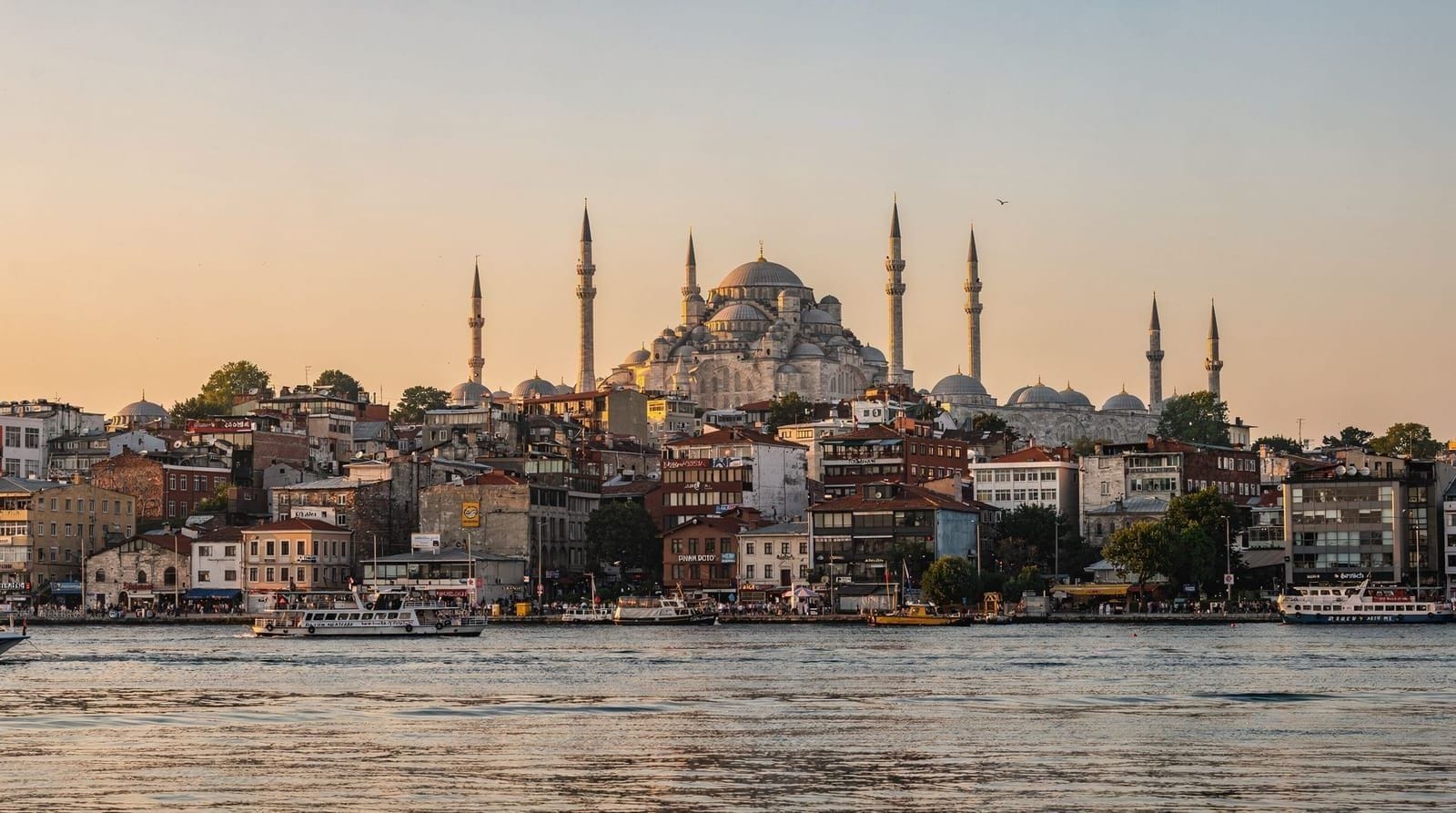
Kadıköy / Asian side: The argument for crossing the Bosphorus specifically for food. The covered çarşı market, the meyhane strip, the midye dolma vendors, the döner specialists — none of these are worse than their European-side counterparts, and the neighbourhood as a whole is less tourist-distorted. A tour that includes a ferry crossing to Kadıköy is covering the city’s full breadth.
What good food tour commentary sounds like
The narrative quality of a food tour guide is as important as the stops. A guide who explains why the midye dolma vendor in this specific part of Beşiktaş has been operating for 30 years (the location, the clientele, the family history) is giving you something you can’t find in any guidebook. A guide who says “this is a famous Turkish street food” is not.
Specific things to listen for on a good food tour:
- Price comparisons between tourist-area versions and the vendor you’re visiting (“this simit costs 6 TRY; around the Grand Bazaar entrance they’ll charge 20”)
- Ingredient sourcing — where the olive oil comes from, which region makes the best white cheese
- History of a specific vendor or neighbourhood (not generic “ancient Turkish culture” boilerplate)
- Honest commentary on what has changed — which foods have become more tourist-facing, which have stayed genuinely local
The best food tour guides in Istanbul are people who eat out in the city regularly, have opinions about which versions of dishes are worth seeking and which have declined, and can communicate that calibration in real time. This is the difference between good and mediocre food tours.
Istanbul food tours and the honest planner mindset
The Istanbul scams guide and the Istanbul tourist traps guide cover the broader picture of how Istanbul’s tourist food economy diverges from its genuine food culture. A food tour, properly chosen, is an antidote to this — it puts you in front of honest vendors and equips you to navigate the food city independently afterward.
The ideal sequence: food tour on day 2 (once you’ve eaten at a few tourist-area restaurants and feel the contrast), use the new vendor knowledge independently on days 3–5. This is how the best food tour guides intend the experience to work — not as a one-time consumption event but as an orientation that makes your independent eating sharper.
Tipping and etiquette on a food tour
Tipping isn’t automatic in Turkey the way it is in the US, but a food tour guide who’s done a good job is customarily tipped 10–15% of the tour price, or a flat 100–200 TRY per person for shorter tours. Vendors themselves aren’t tipped — the price you pay already covers the tasting. If the tour visits a working market during business hours, keep bags and elbows out of the vendors’ way; a guide will usually flag any stall where photography isn’t welcome. For the wider rules on Turkish hospitality and table manners beyond the tour context, see the Turkish customs and etiquette guide.
Booking direct versus through a platform
Most reputable food tour operators sell through both their own site and platforms like GetYourGuide. Booking through a platform adds a layer of buyer protection — reviews are verified, cancellation policies are standardised, and refunds are easier to arrange if a tour is cancelled for weather or low numbers. Booking direct can occasionally be marginally cheaper, but for a first visit to Istanbul the platform route is the safer default, especially for evening tours in neighbourhoods like Kadıköy that first-timers don’t yet know well.
Frequently asked questions about Istanbul food tours guide — which tour is worth booking in 2026
How much do food tours cost in Istanbul?
What is included in a typical Istanbul food tour?
What is the best Istanbul food tour for first-timers?
Are Istanbul food tours suitable for vegetarians?
How do I find a trustworthy food tour operator?
Can I do a food tour without knowing any Turkish?
Is the night food tour worth it versus the daytime version?
Top experiences
Bookable activities with verified prices and instant confirmation on GetYourGuide.