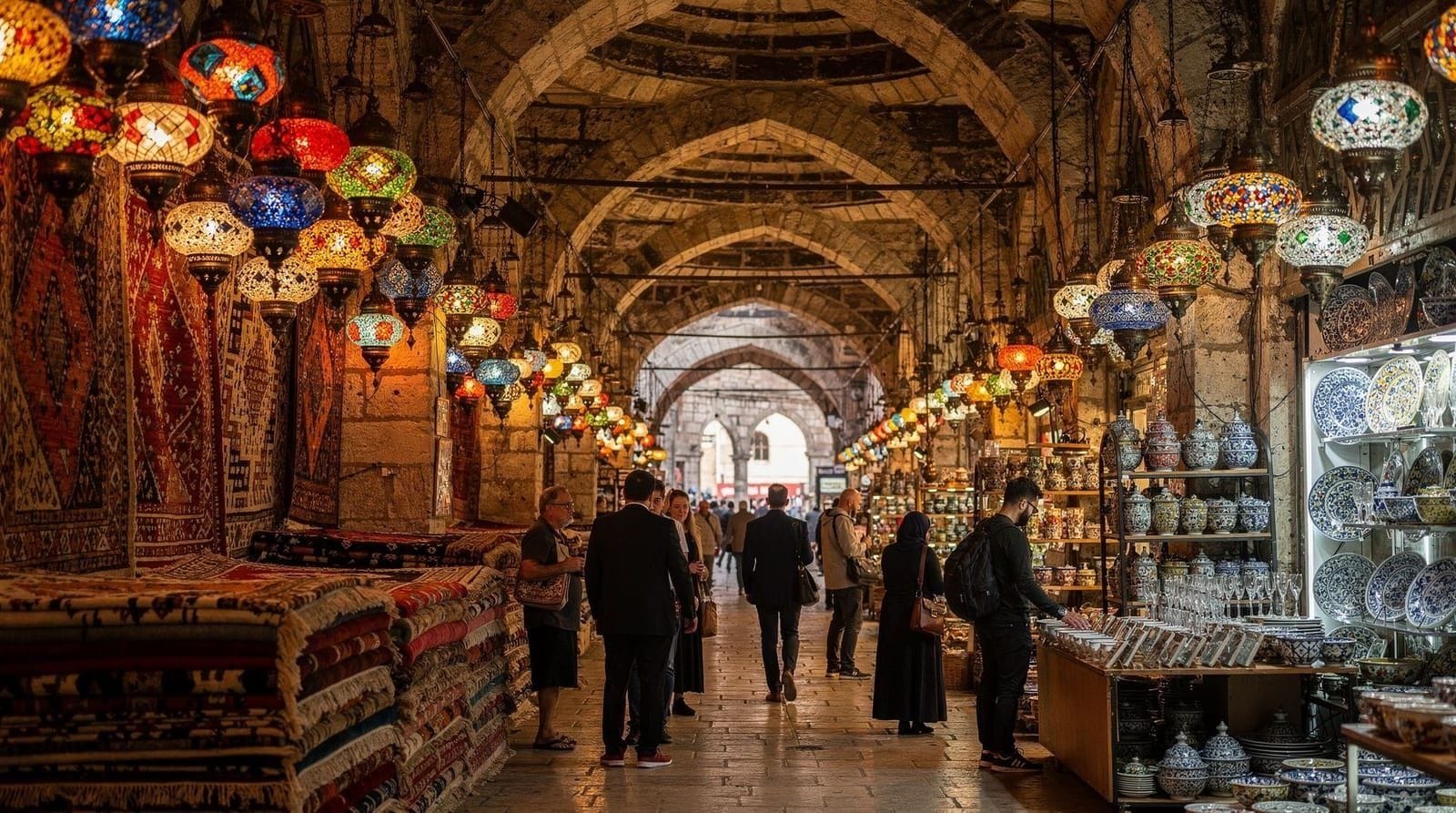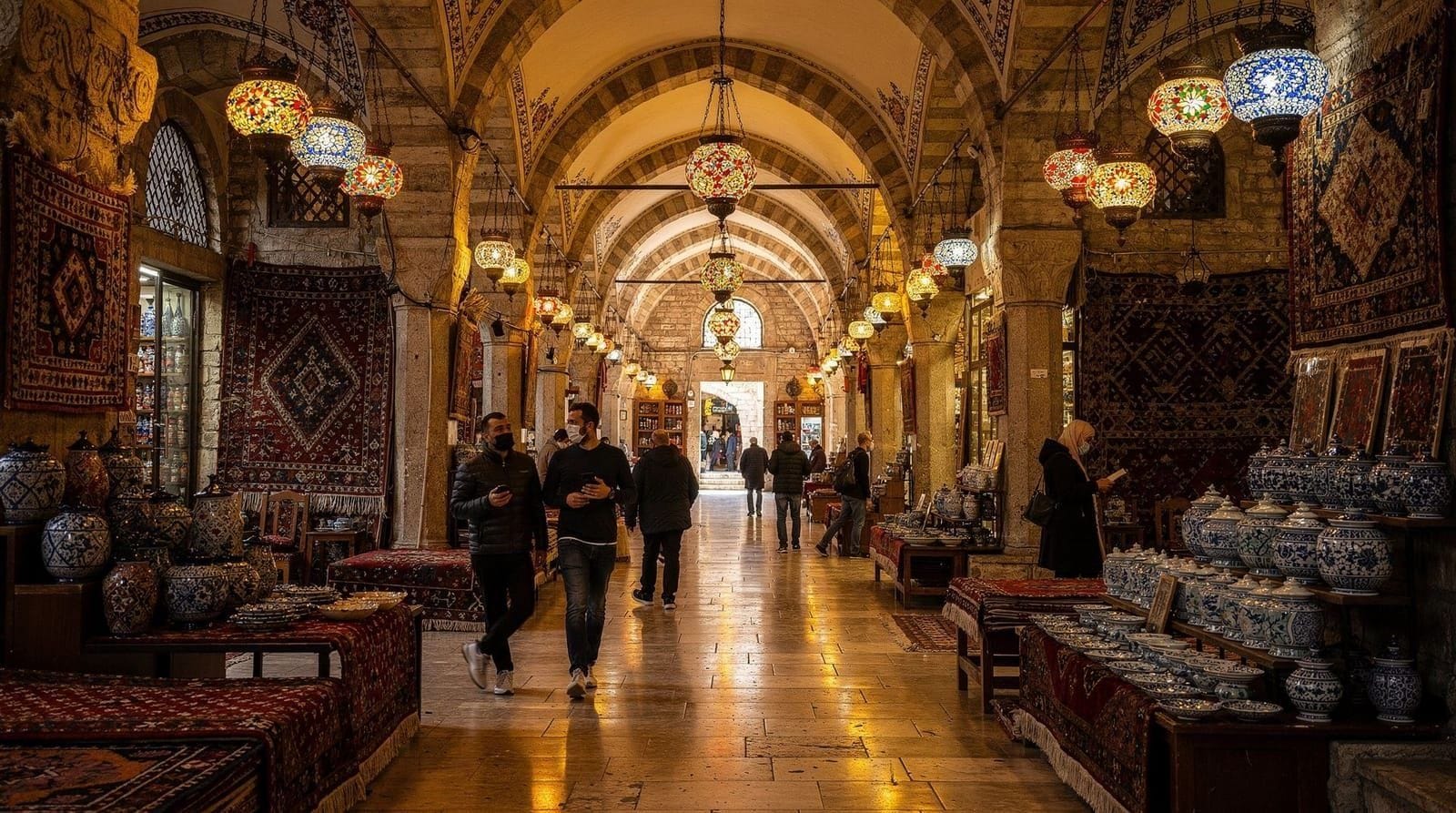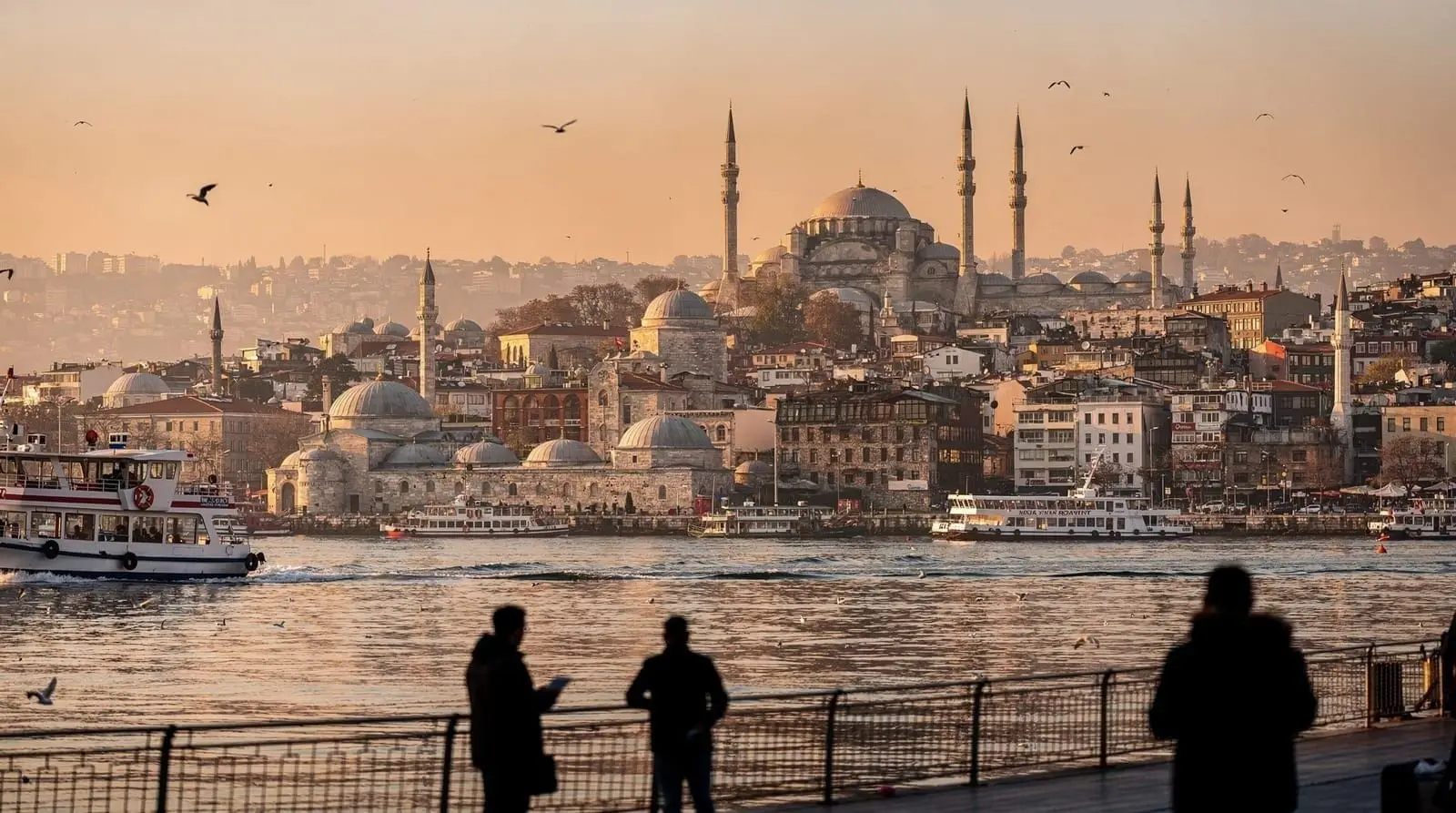
Baklava and Turkish desserts — what to try and where in Istanbul
Istanbul: Turkish Cuisine Walking Food Tour with Guide
Where is the best baklava in Istanbul?
Karaköy Güllüoğlu near Galata Bridge is the most cited benchmark — pistachio-forward, light on syrup, fresh daily. Budget 80–120 TRY per 100g. For a more classic version, Hafız Mustafa (multiple locations) is reliably good and more central. Avoid pre-packaged baklava in tourist souvenir shops — it is inferior in every way.
Quick answer: Karaköy Güllüoğlu near Galata Bridge for the best baklava (80–120 TRY per 100g). For proper lokum (Turkish delight), skip the Spice Bazaar and go to Hacı Bekir on İstiklal. For something underrated, seek out künefe from a dedicated shop — it is one of the city’s great desserts.
| Where | Karaköy (baklava), İstiklal/Eminönü (lokum), city-wide (künefe) |
| Cost | Around 40–200 TRY per portion depending on dessert |
| Time needed | 15–30 minutes per stop; half a day for a dessert crawl |
| Getting there | Walkable from Galata Bridge, Karaköy, and İstiklal Caddesi |
| Best time | Weekday mornings for fresh batches and shorter queues |
Why Turkish desserts require some navigation
Turkish dessert culture divides into two worlds that tourists often conflate. The tourist world: overpriced, pre-made, over-syruped sweets in Spice Bazaar stalls and souvenir shops, often packaged in gift boxes with misleading descriptions. The real world: fresh-made, technique-driven, regional specialties sold from dedicated shops that have been operating for decades.
The gap in quality is wide. A piece of lokum from a Spice Bazaar tourist stall and a piece from Hacı Bekir on İstiklal are made from different recipes, with different ingredients, and taste nothing alike. This guide distinguishes between the two.
Baklava: what quality looks like
Baklava at its best is not primarily sweet — it is primarily nutty, with the syrup as a background note rather than the dominant flavour. The pastry should be crisp (not soggy from over-soaking), the butter should be clarified (not greasy), and the nut filling should be visible and plentiful.
The premium nut is Antep pistachio (from Gaziantep, often sold as “Antep fıstığı” or simply “fıstık”). These are smaller, more intensely flavoured, and greener than standard pistachios. Baklava made with Antep pistachio and properly prepared phyllo is a markedly different product from the generic tourist version.
What to look for at a good baklava shop:
- Fresh daily batches (ask when it was made — “bugün mü yapıldı?” means “was it made today?”)
- Visible layers of thin phyllo — you should see the flakiness
- Pistachio green colouring on top, not just nut powder
- Lighter colour overall (dark brown indicates over-cooking or old clarified butter)
- Served at room temperature, not refrigerated (refrigerated baklava gets soggy)
Best baklava in Istanbul
Karaköy Güllüoğlu — in a small building on Rıhtım Caddesi near Galata Bridge, open since 1949. The most-cited benchmark. Pistachio-forward, properly light on syrup, the pastry layers are visible. Available by the piece or by weight. 80–120 TRY per 100g in 2026. Gets crowded on weekends.
Hafız Mustafa — chain with multiple locations including one very centrally on Sirkeci main street near the ferry terminal. More accessible than Güllüoğlu, slightly less excellent but still honest baklava. 70–100 TRY per 100g. Good for travellers who want quality without the detour to Karaköy.
Namlı Gurme (Karaköy) — a gourmet deli and cheese shop that also sells excellent baklava and pastries. Best as part of a Karaköy morning walk.
What to avoid: Any baklava sold in tourist souvenir packaging, the versions sold next to the Grand Bazaar entrance, anything described as “honey baklava” in a tourist-area menu (baklava is made with simple syrup, not honey — this is either a mistranslation or a sign of low quality).
Künefe: the most underrated Turkish dessert
Künefe is not well-known outside Turkey and is systematically underrated by tourists who try the inferior versions. It is a hot dessert: shredded wheat (kadayıf) formed into a thick disc, filled with unsalted white cheese (a specific stretchy variety, not the same as beyaz peynir used elsewhere), cooked in clarified butter until the exterior is golden and crunchy, then soaked in a light syrup and often dusted with crushed pistachio.
The critical element is temperature — it must be eaten within 10 minutes of cooking. The cheese inside should still be molten and pull in strings when you cut through it. Cold künefe is a different and inferior food.
Originating from Antakya (Hatay province, near the Syrian border), it reached Istanbul via restaurants and dessert shops. The best versions use the authentic Hatay white cheese (Hatay peyniri), which is harder to source but makes a significant difference.
Where to find good künefe in Istanbul:
- Hafız Mustafa serves a reliable version
- Dedicated künefe shops in working-class neighbourhoods (Fatih, Üsküdar)
- Some meyhanes offer it as a dessert option
Price: 150–200 TRY for a portion in 2026.
Muhallebici: the milk-based dessert tradition
A muhallebici is a specific category of Turkish dessert shop specialising in milk-based puddings. These desserts are less sweet and less heavy than the syrup-based variety, and are underrated by visitors who associate Turkish desserts entirely with baklava.
Sütlaç — baked rice pudding. Dense, slightly caramelised on top, served cold. The texture is firmer than what most Europeans expect from rice pudding. 50–70 TRY per portion.
Kazandibi — “bottom of the pot” — a rice pudding deliberately scorched on the bottom, giving a slightly bitter caramelised layer beneath the creamy top. A textural experience. 50–70 TRY.
Tavuk göğsü — one of the stranger desserts in the Turkish repertoire: a milk pudding made with finely shredded chicken breast fibre, producing a stringy, very mildly flavoured white pudding. The chicken fibre is invisible and tasteless once incorporated — but knowing it’s there makes first-timers pause. Worth trying for the novelty and because the result is actually pleasant.
Aşure (Noah’s pudding) — thick grain-based sweet with dried fruits, nuts, and rose water. Available year-round at muhallebici shops. Dense and floral. 40–60 TRY per portion.
Best muhallebici in Istanbul: Saray Muhallebicisi has multiple locations including a central one on İstiklal Caddesi. Prices are moderate and the quality consistent.
Lokum (Turkish delight): the real versus the tourist version
The tourist version of lokum — sold in Spice Bazaar stalls in colourful boxes — is typically cheap starch heavily flavoured with artificial rose or lemon, sometimes with a few token nuts mixed in. It is legal food but a poor representation of what lokum can be.
The real version uses higher-quality ingredients: natural flavourings (actual rose water, real lemon extract), Antep pistachio or walnut, double-roasted nut varieties. The texture is firmer and more elastic, the flavour more complex.
Where to buy quality lokum:
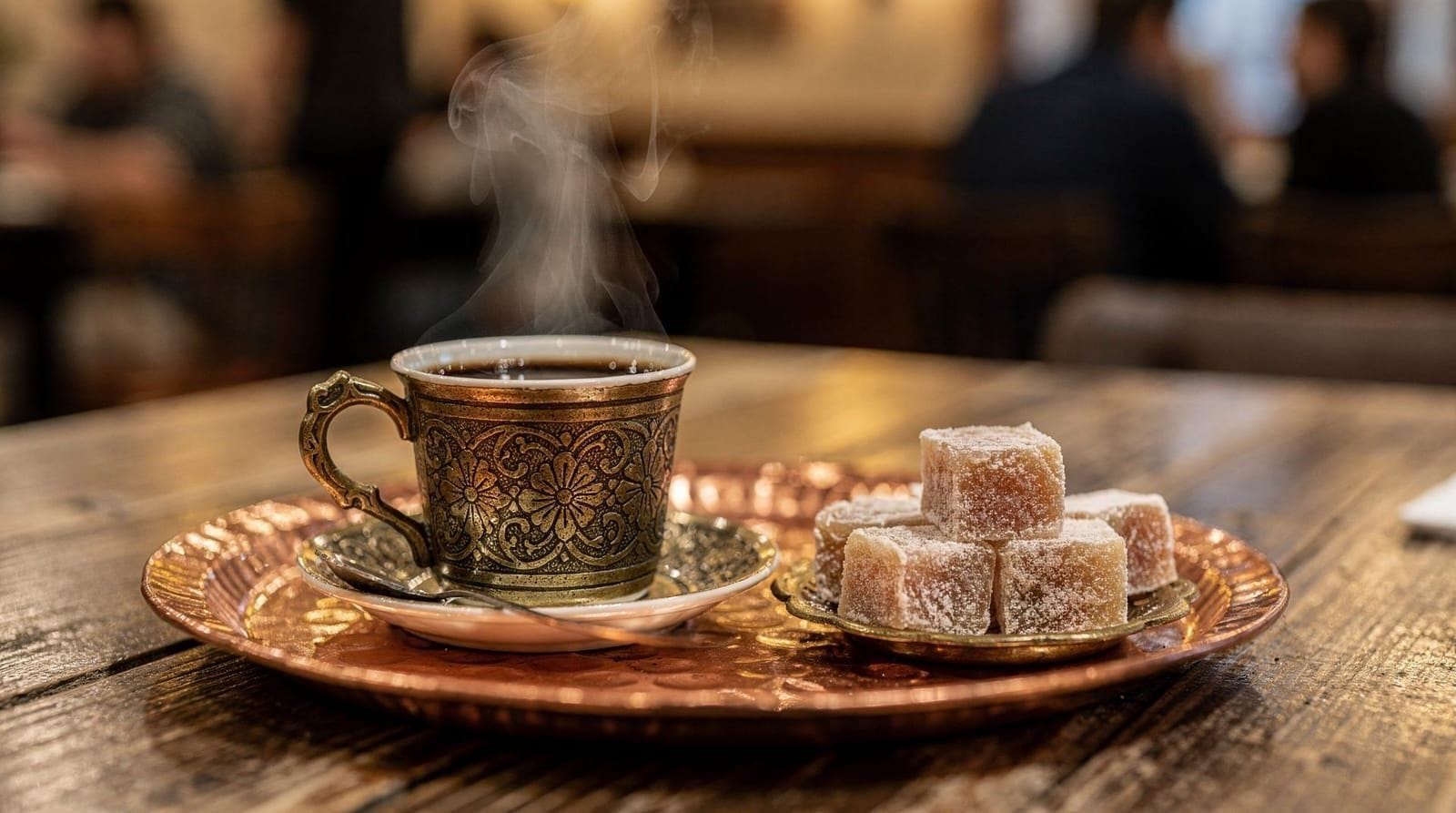
- Ali Muhiddin Hacı Bekir (İstiklal Caddesi) — one of Istanbul’s oldest confectioners, operating since 1777. The original inventors of lokum according to Turkish confectionery history. Standard lokum 100–150 TRY per 100g; premium nut-filled versions higher.
- Hacı Bekir Eminönü — the original location, near Eminönü ferry terminal. Slightly cheaper than the İstiklal branch due to less foot-traffic tourism premium.
- Karaköy Güllüoğlu — also sells lokum alongside the baklava.
The Spice Bazaar trap: The Spice Bazaar sells lokum in every stall, aggressively. The vendors offer tastes of 10 varieties and then apply pressure to buy. The lokum is overpriced for what it is, and the free samples are designed to create social obligation. If you want to buy lokum, do it at Hacı Bekir, not the Spice Bazaar.
Turkish ice cream (dondurma)
Dondurma differs from Western ice cream in its ingredients: mastic (resin from the mastic tree) and salep (ground orchid root) are added, giving it a stretchy, chewy, slightly elastic texture that makes it famously difficult to scoop.
Street dondurma vendors perform a theatrical show — the vendor uses a long metal paddle to stretch and twist the ice cream, often tricking customers by pulling the cone away at the last second. The performance is fun; the ice cream itself is genuine.
Where to find good dondurma:
- Dondurma carts in Beyoğlu, near Taksim, and in Ortaköy
- Mado — a reliable Turkish chain with multiple Istanbul locations. Serves proper dondurma alongside standard ice cream.
- Özerlat — an older Istanbul institution
Standard cone: 40–80 TRY in 2026 depending on size and location.
Seasonal note: dondurma is a summer food in Turkey — the best time to eat it is June–September. Outside those months, most carts switch to a smaller selection or close entirely, so aim for warm-weather months if dondurma is a priority rather than an afterthought.
Helva and other sesame-based sweets
Beyond the syrup- and milk-based categories, tahin helva (a dense sesame-paste and sugar confection) is worth knowing about even though it rarely gets menu space. Sold in blocks at markets and some grocery shops rather than dessert counters, it’s less sweet and richer than most items on this list — a good option if you want something dessert-adjacent without the syrup-heavy profile of baklava. Sesame cookies (simit kurabiyesi) are the lighter, more casual cousin, typically served alongside Turkish coffee rather than eaten as a standalone dessert. Neither requires a special trip; look for them at a well-stocked market stall or a traditional grocer rather than a dedicated dessert shop.
Dessert by neighbourhood
Karaköy: Best for baklava (Güllüoğlu), good for casual pastries from the neighbourhood bakeries. Walking distance from Galata Tower.
Beyoğlu / İstiklal: Hafız Mustafa and Hacı Bekir both have locations here. Also: Vakko Patisserie and other modern options for those who want more European-style pastry alongside Turkish classics.
Eminönü: Hacı Bekir’s original location, Mehmet Efendi’s coffee to pair with dessert. Good for buying both.
Kadıköy: The Asian side has its own dessert culture — good muhallebici shops, local cake shops, and the Kadıköy market area sells pastries at honest prices. See the Kadıköy neighbourhood guide.
Tourist trap vs the real thing
The pattern repeats across almost every dessert category in this guide, so it’s worth naming plainly:
| Tourist version | Real version | |
|---|---|---|
| Baklava | Pre-boxed, souvenir-shop, often stale | Fresh daily, Antep pistachio, light syrup (Güllüoğlu, Hafız Mustafa) |
| Lokum | Spice Bazaar stalls, artificial flavour, aggressive sampling | Hacı Bekir, natural flavourings, firmer texture |
| Künefe | Pre-made, reheated, cold cheese | Cooked to order, molten cheese, eaten within 10 minutes |
| Dondurma | Tourist-trick carts overselling the show | Mado, Özerlat — genuine mastic-salep texture |
The tell is almost always freshness and pressure: real dessert shops don’t need to hand out ten free samples to make a sale, and their product doesn’t need a decorative box to look appealing.
A short dessert-crawl itinerary
If you want to taste the range rather than pick one stop, a walkable half-day crawl works well starting from Eminönü: begin at Hacı Bekir Eminönü for a small box of lokum, walk across Galata Bridge to Karaköy Güllüoğlu for baklava by weight, continue up to a dedicated künefe shop in Karaköy or Beyoğlu for a hot portion eaten immediately, and finish on İstiklal Caddesi with a coffee and a small helva tasting. Pace it so künefe is your last solid stop before the walk back — it genuinely doesn’t survive being carried around for an hour. For a savoury counterpoint before or after the sweets, the Istanbul street food guide and the broader where to eat in Istanbul guide round out a full food day.
Foodie walking tour covering both sides of the city is a good option if you’d rather have a guide handle the navigation and ordering, especially for künefe and lokum where knowing what to ask for in Turkish helps.
Dessert shopping pairs naturally with a browse through the Grand Bazaar or the Spice Bazaar — just apply the same scepticism to packaged sweets sold there as to the lokum stalls described above. And if you’re building out a full Turkish food itinerary, the Turkish food guide and Turkish coffee guide are the natural next reads — coffee and dessert are almost always ordered together in Istanbul.
Frequently asked questions about Baklava and Turkish desserts — what to try and where in Istanbul
What is the best Turkish dessert to try?
Is Turkish baklava different from Greek baklava?
What is künefe and where do I find it?
What is lokum (Turkish delight) and where should I buy it?
Where is the best Turkish ice cream (dondurma) in Istanbul?
What is ashure and is it easy to find?
Is Turkish dessert too sweet for people who don't have a sweet tooth?
Top experiences
Bookable activities with verified prices and instant confirmation on GetYourGuide.