Karaköy neighborhood guide — Istanbul's most stylish waterfront district
Istanbul: Galata Tower, Chora Church, and Balat Tour
What is Karaköy known for in Istanbul?
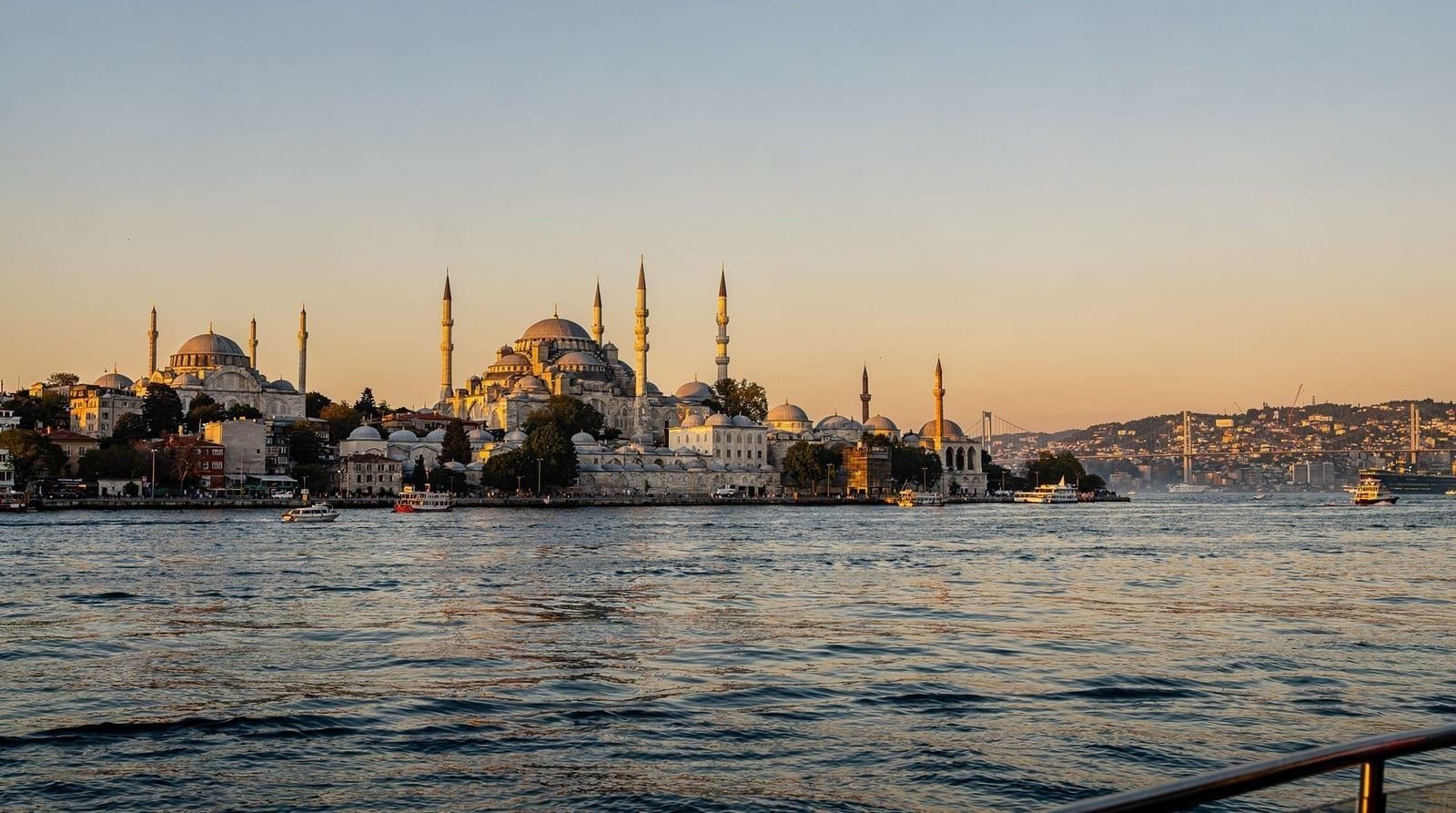
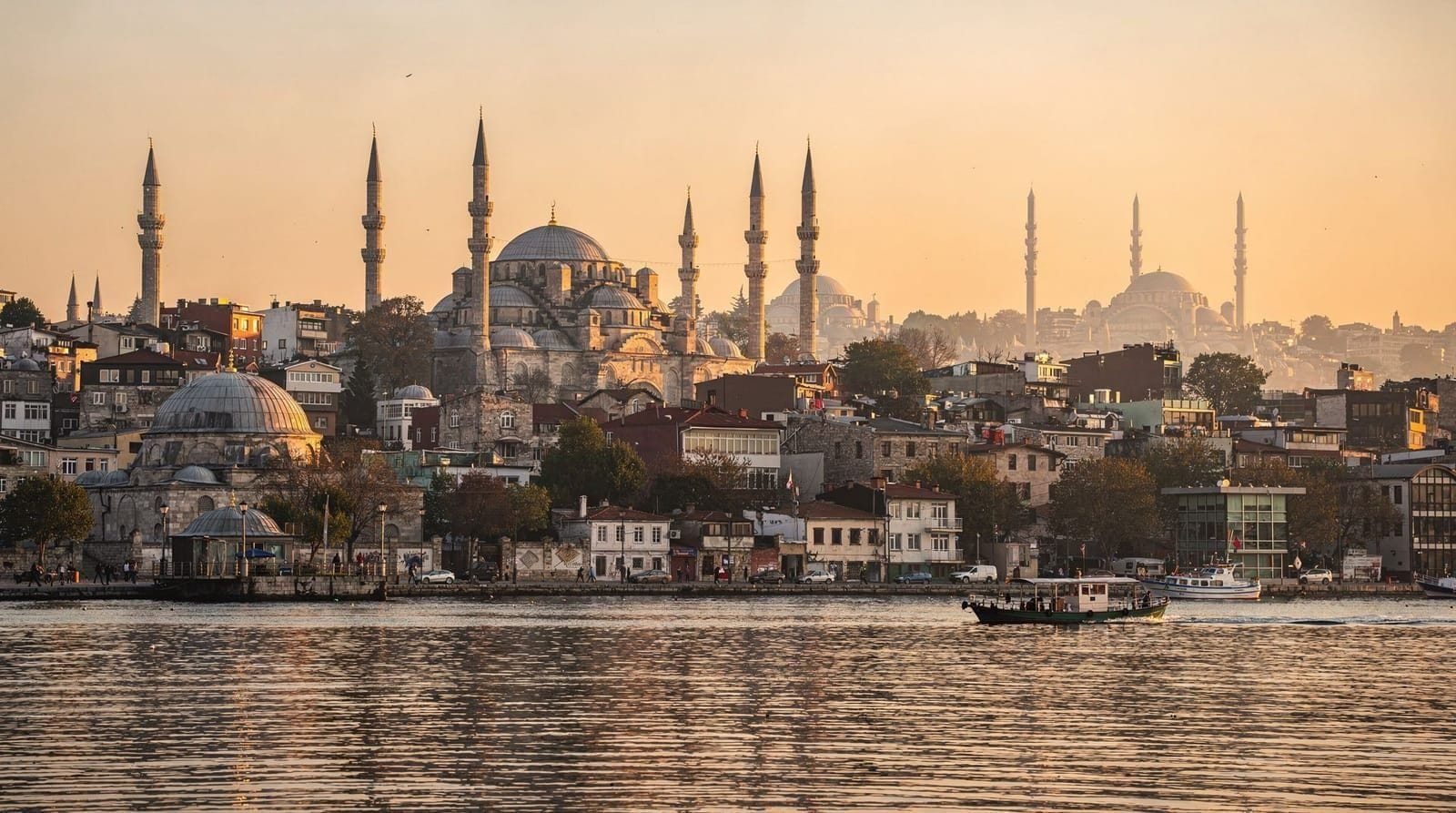
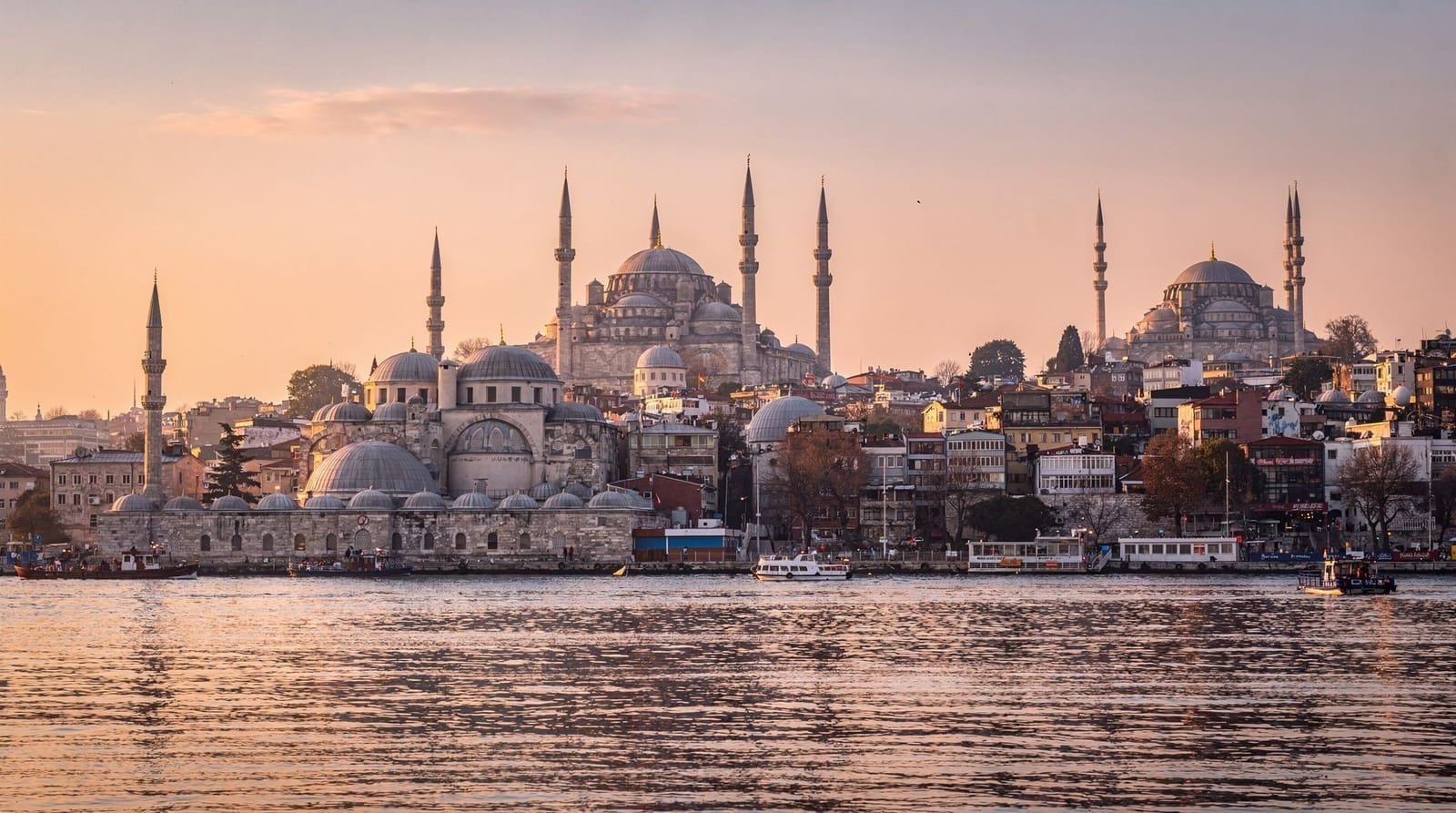
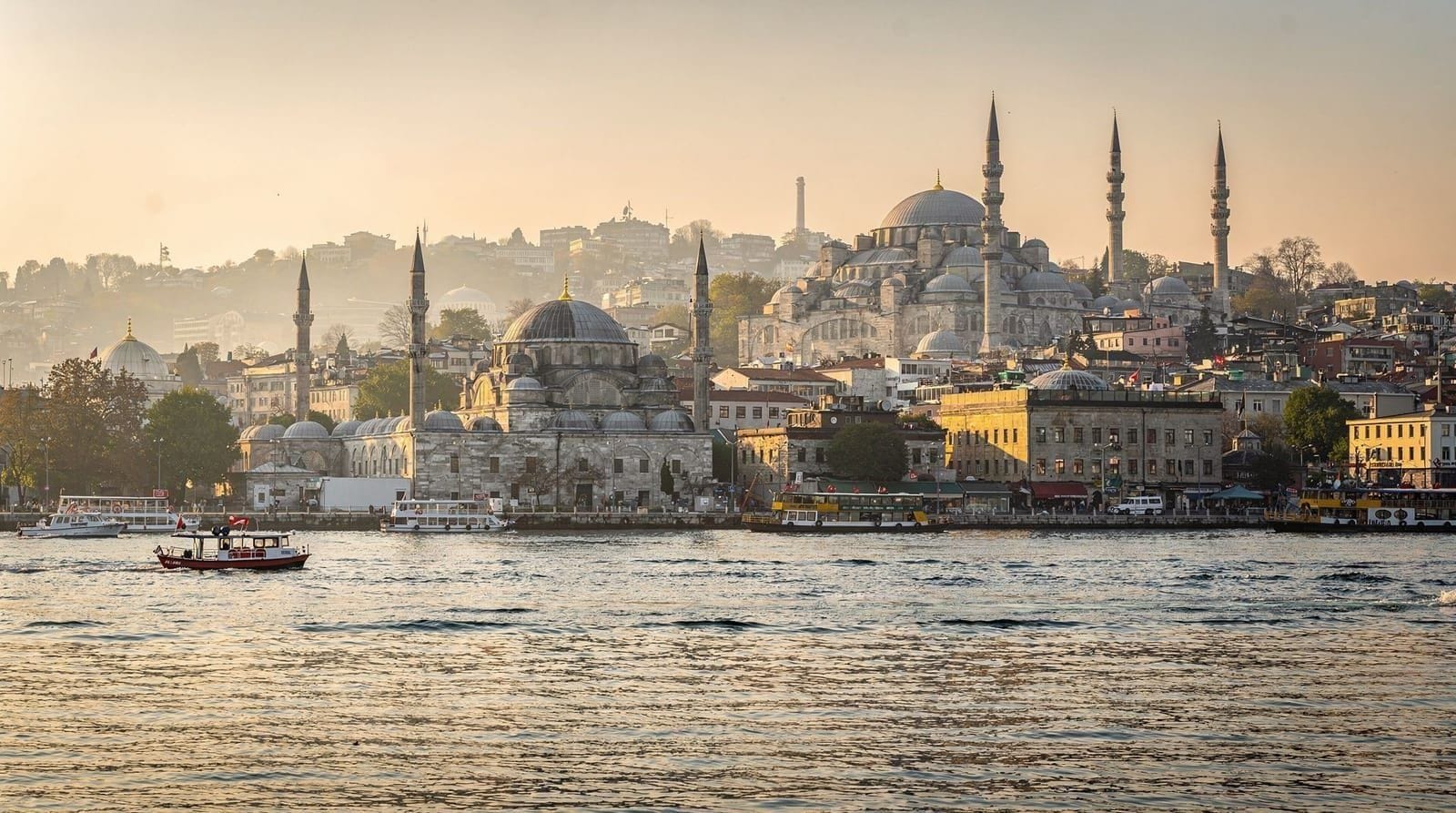
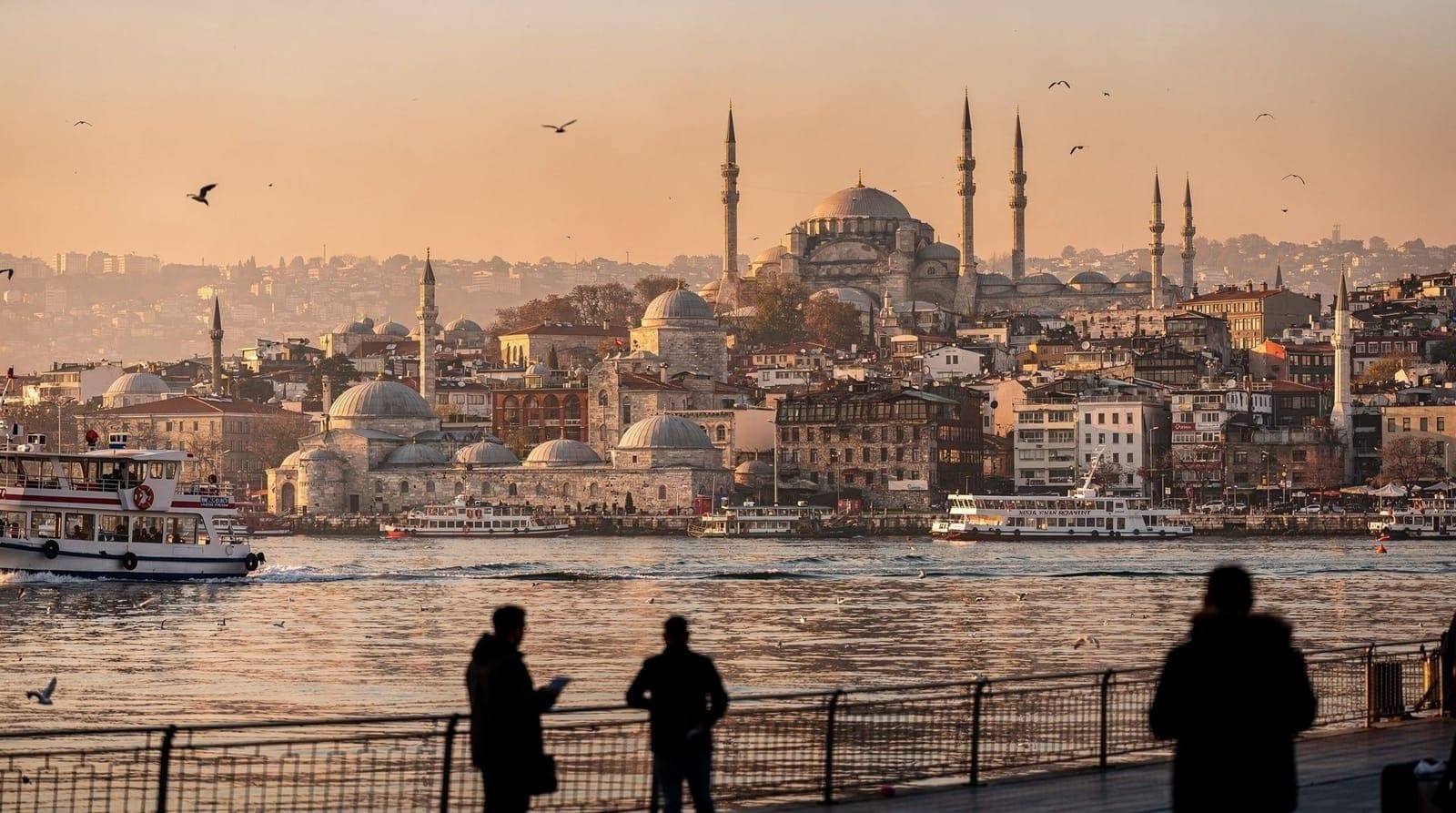
Karaköy is the waterfront neighbourhood at the base of the Galata Tower hill, just north of Galata Bridge. It's known for excellent cafés and brunch spots, the legendary Karaköy Güllüoğlu baklava shop, the ferry terminals for Asian-side crossings, and a growing cluster of design studios, galleries, and restaurants. It's smaller and more manageable than Beyoğlu and works well as a half-day from any Istanbul hotel.
Karaköy — the neighbourhood that grew up
Karaköy was a working port for most of its history — customs warehouses, ship chandlers, ferries, the fish market that overlapped with Eminönü. The transformation started in the 2000s and accelerated rapidly: the old warehouses and bank buildings converted to galleries, restaurants, and design studios. The result is one of Istanbul’s most interesting walkable districts — a neighbourhood with genuine historical character that’s been occupied by a creative population without yet being polished into a tourist theme park.
It’s small enough to understand in a few hours and interesting enough to anchor a full half-day.
| Where | Waterfront district below Galata Tower, European side |
| Cost | Baklava by weight ~60–100 TRY/100g; breakfast for two ~400–700 TRY |
| Time needed | 2–4 hours, more with Istanbul Modern |
| Getting there | Tram T1 to Karaköy stop, or 20–25 min walk from Sultanahmet |
| Best time | Morning for markets and cafés, evening for restaurants |
A morning in Karaköy — suggested order
Karaköy rewards a loosely structured morning rather than a checklist. Start at Karaköy Güllüoğlu for baklava with tea before the counter gets busy — before 10 am is best. From there, walk one block inland to Bankalar Caddesi and spend 20–30 minutes at SALT Galata, particularly the rooftop café with its view of the Galata Tower. Continue up Galip Dede Caddesi toward the Tower itself, browsing the instrument shops on the way.
If art is a priority, budget at least an hour for İstanbul Modern — the permanent collection alone justifies more time than a quick pass-through, and the café has some of the best Bosphorus views in the district. Save lunch for Karaköy Lokantası or one of the kahvaltı spots on the back streets; both are considerably less crowded before 1 pm than after.
Practical logistics
ATMs and currency: Multiple bank ATMs are along Rıhtım Caddesi near the ferry terminals — convenient for withdrawing Turkish lira before heading into the Grand Bazaar area, where card acceptance is patchier.
Public toilets: The ferry terminal buildings have paid public toilets (a few TRY). Cafés generally allow use by paying customers only.
Wi-fi: Most cafés in the Karaköy-Galata zone offer free wi-fi to customers; SALT Galata’s ground floor has open access even without a purchase.
Luggage: Karaköy is not set up for luggage storage the way Sultanahmet is; if arriving with bags before a hotel check-in, better to store them at a Sultanahmet or Taksim facility first.
How Karaköy fits with the rest of the European side
Karaköy sits between two very different parts of the city. Across the bridge is the old imperial core, covered in the Sultanahmet guide and the Hagia Sophia visiting guide, where the day is organised around queues, security checks and big monuments. Uphill is the more cosmopolitan Beyoğlu side, where evenings run late. Karaköy is the hinge between them, which is why so many visitors pass through it without ever really stopping. Giving it a deliberate half-day changes the rhythm of a trip: you eat slowly, you wander without a ticket in your hand, and you see the part of Istanbul that people actually live and work in.
If you are still deciding where to base yourself, the Istanbul neighborhoods overview compares the main districts side by side, and where to stay in Istanbul explains how Karaköy’s position affects daily logistics. Staying nearby makes the early-morning baklava and café plan easy, because there is no commute before the crowds arrive.
Reading the streets of Karaköy
The district rewards looking up. Many of the buildings are former commercial premises, and you can still read their original purpose in the heavy doors, the iron balconies and the generous ground-floor windows. Some now hold galleries or design studios, others are still working shops selling hardware, ship fittings or tools, and the contrast between the two is part of the neighbourhood’s charm. Do not expect a tidy, uniform street scene: restored façades stand next to buildings that have clearly not been touched, and the mix is what gives Karaköy its character.
The streets also run uphill quickly. Even a short detour away from the water becomes a climb, so wear comfortable shoes and treat the hill as part of the experience rather than an obstacle. Going up slowly through the side streets, stopping for coffee on the way, is far more pleasant than rushing straight to the Tower.
Turning Karaköy into a food morning
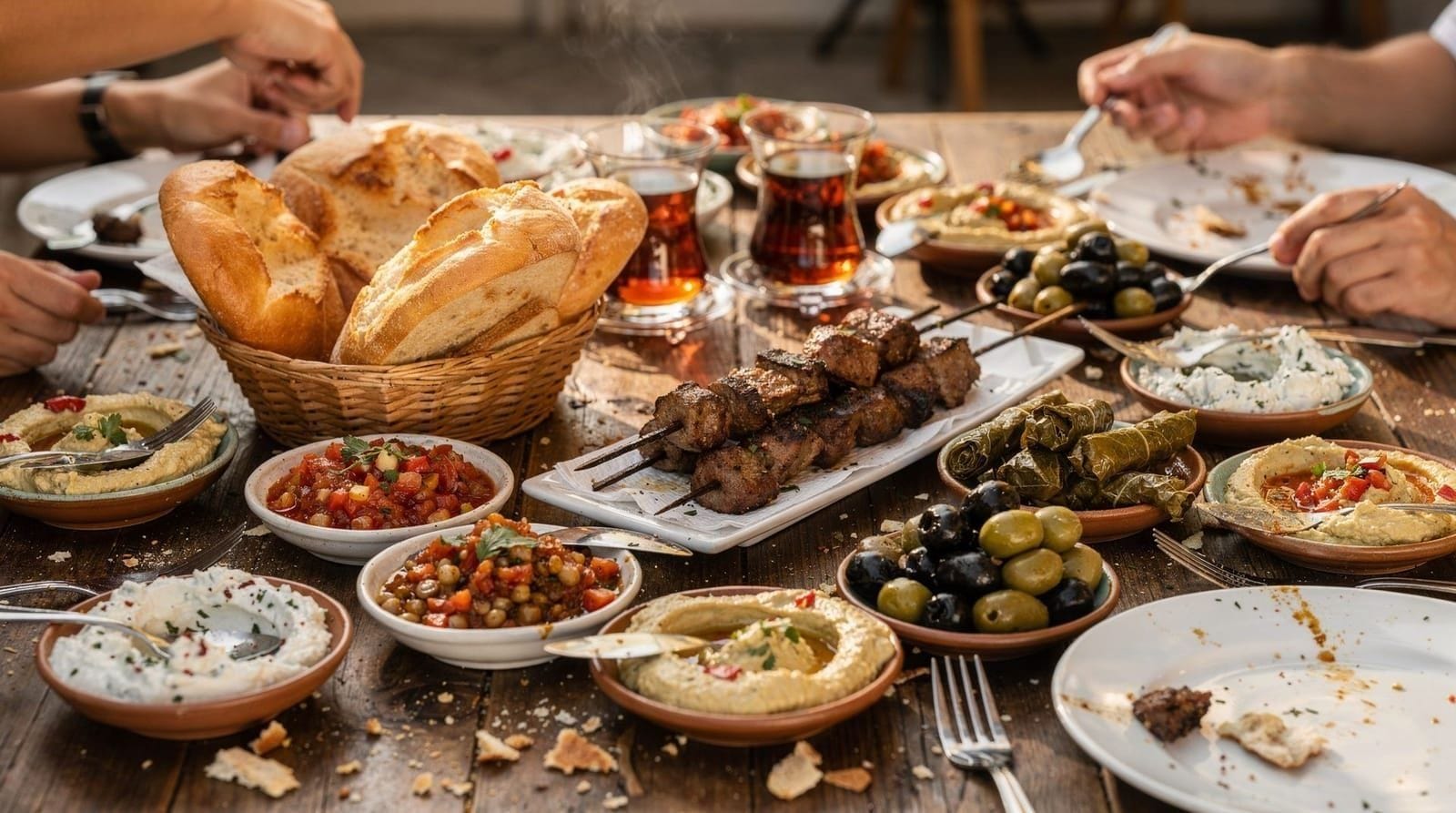
Karaköy works especially well for travellers who care about eating. A sensible way to structure a food-focused visit is to begin with something sweet at the waterfront, move on to coffee, and keep your appetite for a proper lunch. Baklava is covered in more depth in the baklava and Turkish desserts guide, and the breakfast tradition is explained in the Turkish breakfast guide. If you would rather be led, the Istanbul food tours guide compares the guided options, and the Istanbul foodie 2-day itinerary shows how a Karaköy stop slots into a wider eating plan.
A few habits make the experience better. Share plates rather than ordering one dish each, because the point of a meyhane-style meal is variety. Ask what is fresh that day instead of relying only on the printed menu. And leave room: the temptation in a district this full of cafés is to fill up early and then miss the best meal of the day. For a deeper look at the drinks and small plates traditions that shape evenings here, see the meze and rakı guide.
Crossing the water from Karaköy
Because the ferry terminals are right here, Karaköy is also a natural launch point for a crossing to the Asian side. Even a simple return ferry gives you a view of the skyline that you cannot get from land, and it costs little effort. The Kadıköy neighborhood guide describes what is waiting on the far shore, and the Istanbul ferries guide explains how the crossings work. Pairing a Karaköy morning with a Kadıköy afternoon is one of the most satisfying ways to use a single day, and it means you spend part of it on the water rather than in traffic.
Pacing and weather
Karaköy is mostly an outdoor district, so conditions matter. On a clear day the waterfront and the climb to the Tower are a pleasure; in heavy rain, lean on the indoor options — İstanbul Modern, SALT Galata and the cafés — and save the hill for later. In hot weather, start early, keep the walking to the morning, and use the shade of the narrow streets. In cooler months the waterfront is bracing and the cafés feel all the more welcome. The best time to visit Istanbul guide helps you choose the season, and nothing in Karaköy requires advance planning beyond the Tower tickets mentioned below.
If you are travelling with children or anyone who tires easily, shorten the plan: baklava, a walk along the water, and a ferry glimpse is enough. Karaköy is forgiving, and you can always return another day because it is so easy to reach.
The waterfront — Rıhtım Caddesi
The main road running along the Golden Horn and Bosphorus entrance is Rıhtım Caddesi. Key points:
Galata Bridge (Galata Köprüsü): The double-deck bridge connecting Karaköy to Eminönü. The lower deck has a long row of restaurants and bars right on the water — genuinely pleasant for lunch on a sunny day, especially the tables that overhang the Golden Horn. Prices are moderate (200–400 TRY for fish and beer, mid-2025). The upper level has the famous fishermen.
Ferry terminals: The Karaköy ferry terminal serves routes to Haydarpaşa and Kadıköy on the Asian side. A reliable, frequent crossing. İstanbulkart fare. The main Eminönü terminals are a 5-minute walk across Galata Bridge.
Karaköy Güllüoğlu (Rıhtım Caddesi 3–4): The baklava institution. Opened in 1949, now an Istanbul institution. The glass counter shows fresh baklava in numerous varieties: fıstıklı (pistachio, the classic), cevizli (walnut), sütlü (with milk cream), bülbül yuvası (nightingale’s nest, a spiral form). Buy by weight. Sit at the pastry café tables upstairs if you want to eat with tea. One of Istanbul’s mandatory food stops.
İstanbul Modern: In its new Renzo Piano building opened 2023, directly on the waterfront. Turkey’s most important modern and contemporary art museum. The permanent collection includes Turkish painters from the late Ottoman period through to the present; temporary exhibitions cover international contemporary art. Cafe on the top floor has Bosphorus views.
Bankalar Caddesi (Bank Street)
One block inland from Rıhtım, Bankalar Caddesi is Istanbul’s former financial spine — a street of imposing 19th and early 20th-century banking palaces built by European and Ottoman financial institutions. The Ottoman Bank Museum (now part of the SALT research institution) at No. 11 is the most important:
SALT Galata: The former Ottoman Bank building (1892) now operates as a research library, archive, and exhibition space with free access. The main hall is among Istanbul’s most beautiful interiors — the original double-height banking hall, now used for public exhibitions. The rooftop café has a direct face-on view of the Galata Tower. Worth visiting even without a specific exhibition agenda.
The street also has the Pera Museum nearby (Meşrutiyet Caddesi 65, technically in Tepebaşı), which has a permanent collection including Osman Hamdi Bey’s famous painting The Tortoise Trainer.
The café and restaurant scene
Karaköy and the first streets of Galata have the highest concentration of good independent cafés in Istanbul:
Coffee culture: Several well-regarded specialty coffee shops are in the Karaköy-Galata zone: Kronotrop (consistently cited as one of Istanbul’s better espresso bars), Siyah Kalem, Mandabatmaz (famous for dense Turkish coffee, a short walk up in Beyoğlu). The coffee standard in Karaköy is generally higher than in Sultanahmet.
Turkish breakfast spots: Several restaurants in the narrow streets between the waterfront and Galata Tower serve extended kahvaltı spread. Neveser (Mumhane Caddesi) and Karaköy Lokantası (Kemankeş Caddesi 37A) offer good quality at reasonable prices.
Karaköy Lokantası: An institution on Kemankeş Caddesi. Traditional Turkish-Greek meyhane food served in a tiled, mid-century space. Lunch is more manageable (less crowded, shorter queues) than dinner. Reliable mezes, excellent fried fish.
Evening options: The streets around Kemankeş and Tomtom Caddesi have bars and restaurants that are quieter and more relaxed than Beyoğlu’s İstiklal area.
Getting to Karaköy
From Sultanahmet: Walk (20–25 minutes), or tram T1 to Karaköy stop (5 minutes).
From Beyoğlu/Galata Tower: Walk downhill to the waterfront (10–15 minutes).
From Taksim: Tram T1 from Kabataş (at the base of the funicular from Taksim) to Karaköy (10 minutes).
From the Asian side: Ferry from Kadıköy or Haydarpaşa directly to Karaköy (25–30 minutes, İstanbulkart).
Karaköy and the Galata Tower visit
The Galata Tower sits on the hill above Karaköy — a 5–10 minute walk up Galip Dede Caddesi, which is itself worth the walk: a street of music instrument shops that’s been there since the Galata Mevlevi tekke (Whirling Dervish lodge) that once occupied the district. You pass oud and saz players testing instruments in shop doorways.
Tower tickets are worth booking in advance in summer.
For a combined Galata-Chora-Balat routing:
Karaköy in your Istanbul itinerary
Karaköy is naturally positioned as the first stop after crossing from Sultanahmet — either walking across Galata Bridge or hopping the tram. The combination of baklava at Güllüoğlu, a coffee at a Galata café, a walk through Bankalar Caddesi and SALT Galata, and the Tower visit is a coherent morning that doesn’t require rushing.
In the evening, the Karaköy-Beyoğlu zone is the natural dinner destination after Sultanahmet sightseeing. The Istanbul 2-day itinerary routes through Karaköy on both days.
Combining Karaköy with other neighbourhoods
Karaköy pairs naturally with its neighbours. A walk that continues past the Tower into the lanes of Beyoğlu and İstiklal gives you the full European-side picture, while the Galata Tower visiting guide covers what to expect once you reach the top. For a quieter, more historic contrast, the Balat and Fener walking guide leads along the Golden Horn to a very different kind of old Istanbul. If you are planning more than one day, the Istanbul 3-day itinerary helps place these areas in a sensible order so you are not zigzagging across the city.
Karaköy versus Beyoğlu for an evening
| Karaköy | Beyoğlu (İstiklal) | |
|---|---|---|
| Atmosphere | Quieter, design-focused | Busy, commercial |
| Food | Karaköy Lokantası, meyhanes | Wider range, more tourist-priced |
| Nightlife | Relaxed bars | Dense, louder |
| Best for | A calmer first or last evening | Bigger group nights out |
For a longer evening after Karaköy, Beyoğlu is a 10–15 minute walk uphill and offers considerably more restaurant and bar density if Karaköy feels too quiet by 10 pm.
Frequently asked questions about Karaköy neighborhood guide — Istanbul's most stylish waterfront district
Where is Karaköy Güllüoğlu and is it the best baklava in Istanbul?
How does Karaköy connect to Galata?
Is Karaköy good for brunch?
What is Bankalar Caddesi?
Where is Istanbul Modern and what does it have?
Can I walk from Karaköy to Sultanahmet?
Top experiences
Bookable activities with verified prices and instant confirmation on GetYourGuide.