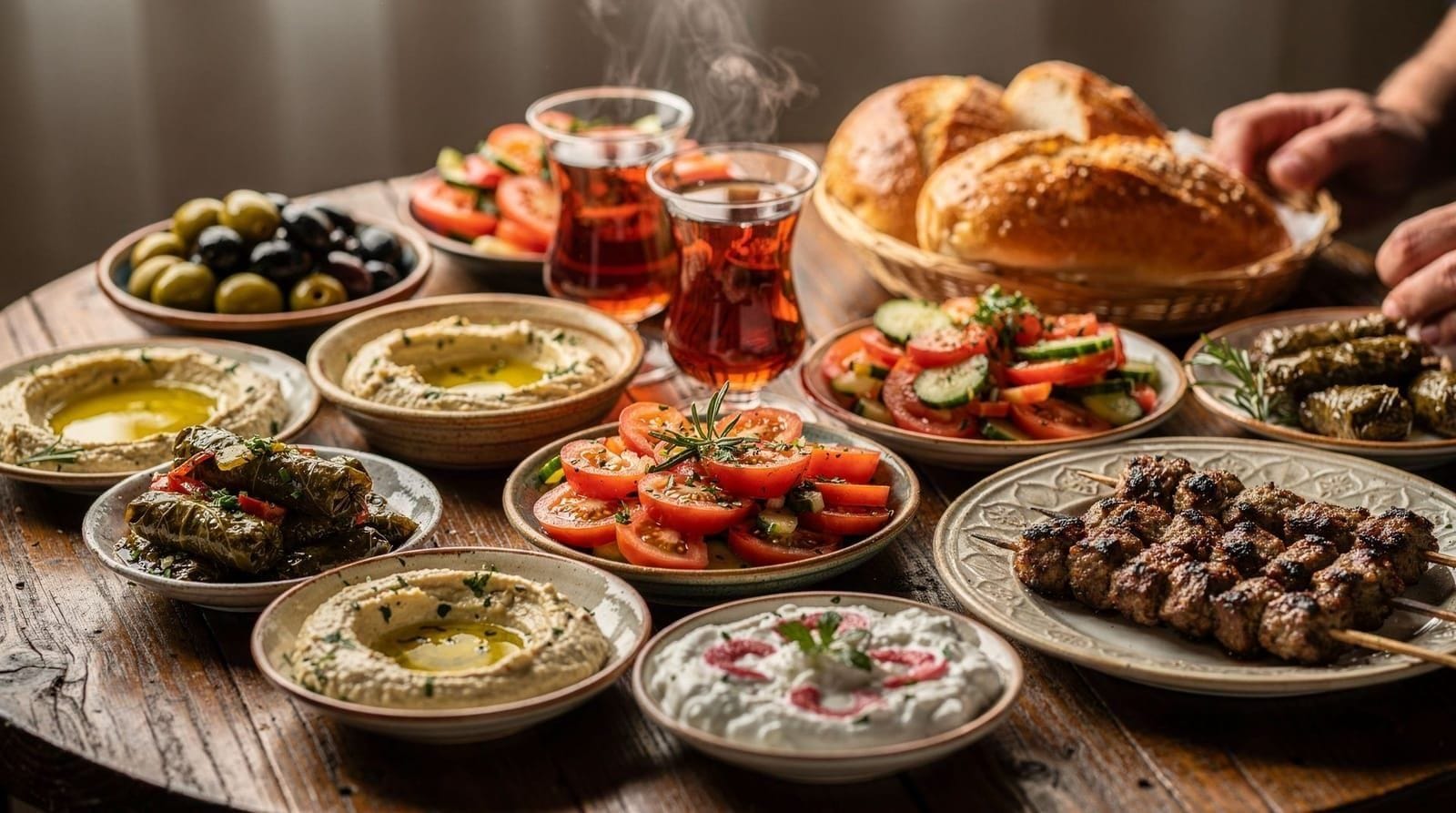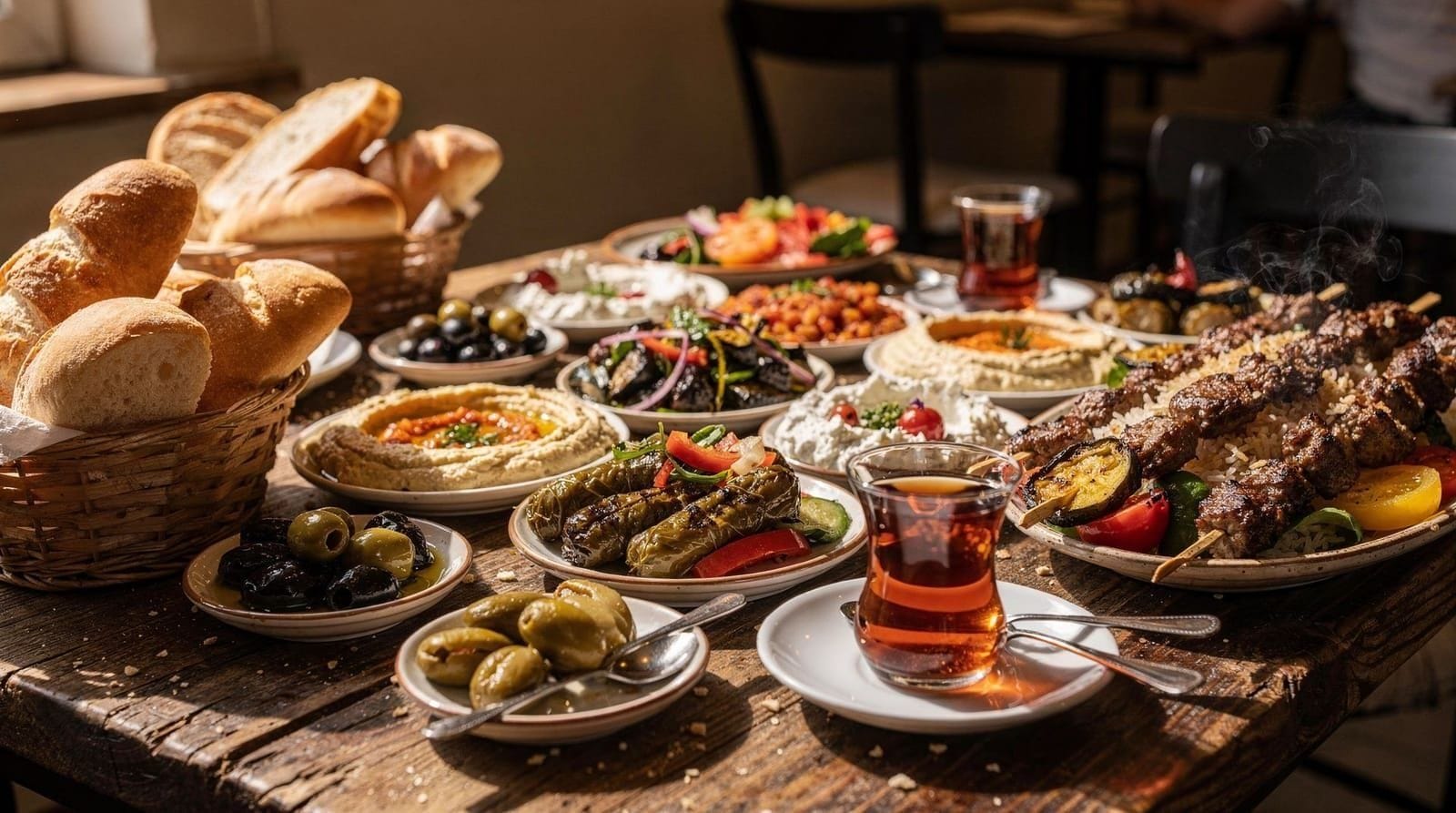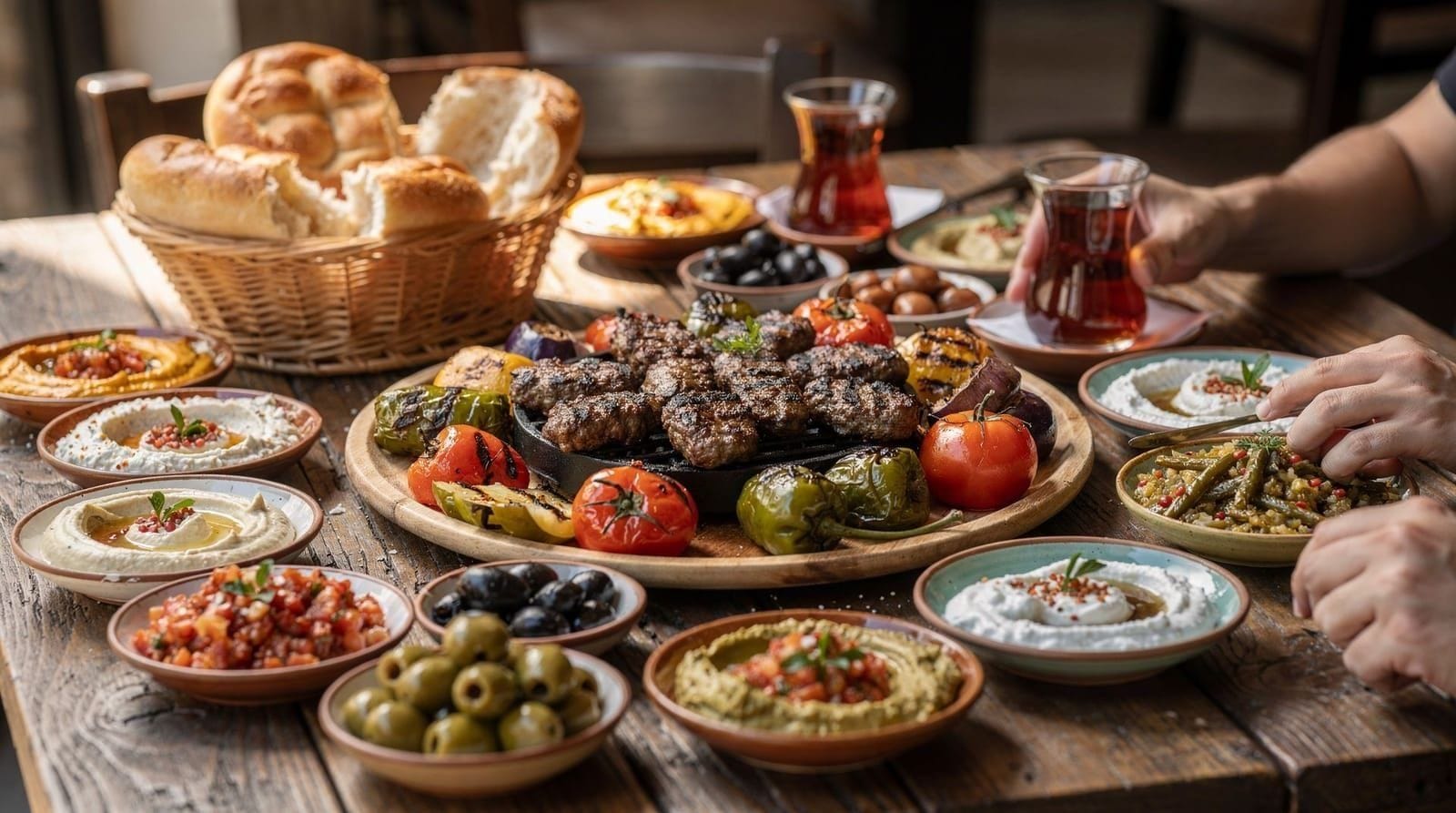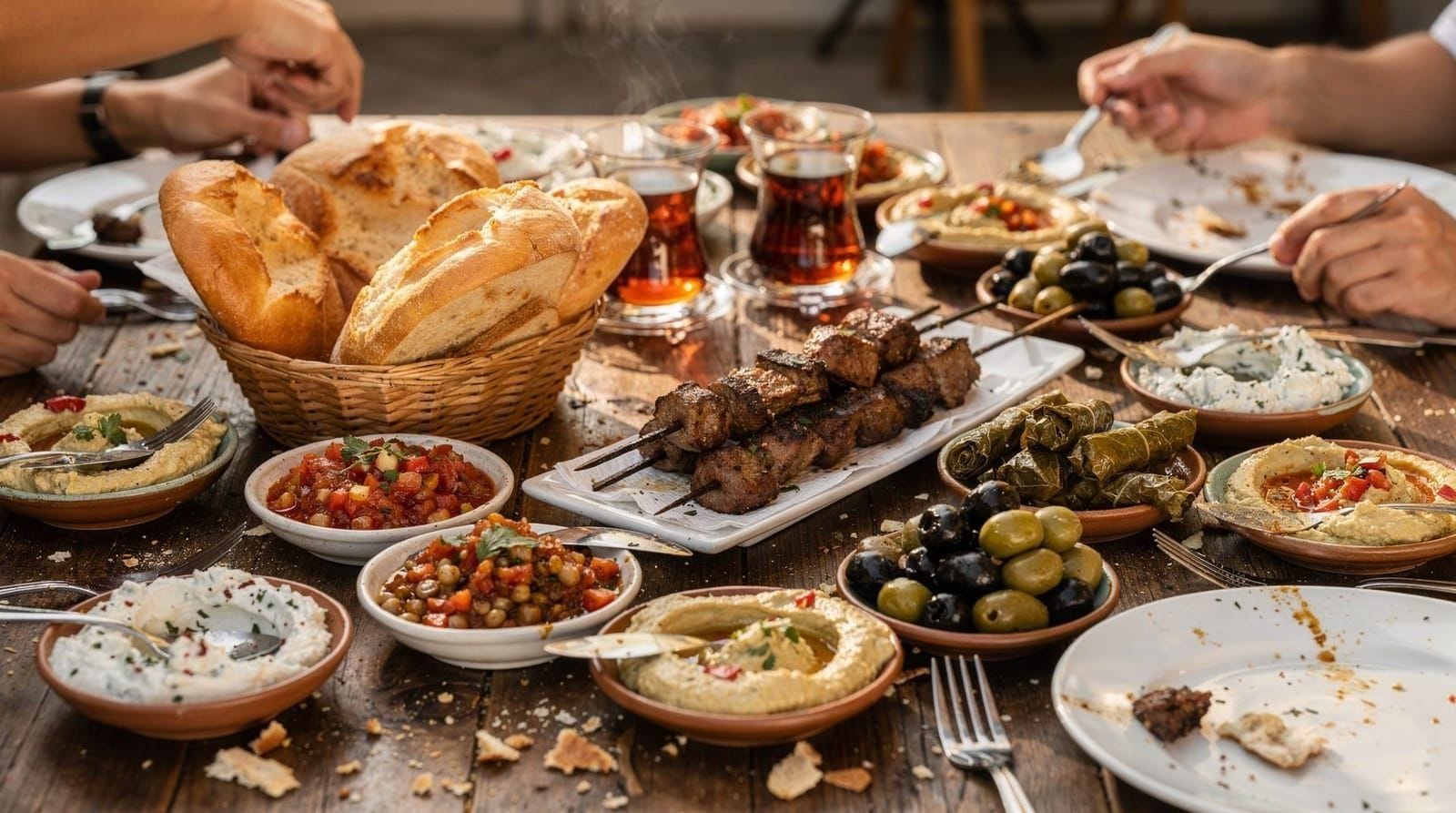
Where to eat in Istanbul — honest restaurant guide by neighbourhood
Istanbul: European and Asian Side Guided Foodie Walking Tour
Duration: 5.5 hours
Where should I eat in Istanbul?
Depends on your budget and time. For honest street food, Eminönü waterfront and Kadıköy market. For meyhane dinners, Nevizade Sokak in Beyoğlu or Karaköy. For quality at any price level, avoid restaurants directly facing the Blue Mosque and Grand Bazaar entrances — you pay 3x for worse food. The best value eating in Istanbul is in Fatih, Kadıköy, and Beşiktaş neighbourhoods.
Quick answer: Avoid restaurants facing the Blue Mosque and Grand Bazaar entrances — they are overpriced and usually mediocre. For value, eat in Eminönü (street food), Fatih (esnaf lokanta), or Kadıköy (anything). For evening dining, Karaköy and Beyoğlu’s Nevizade Sokak are the honest options.
| Best value | Fatih, Kadıköy, Eminönü street food |
| Best for a splurge night | Karaköy or Beyoğlu meyhane |
| Avoid | Restaurants facing Blue Mosque / Grand Bazaar entrances |
| Cash or card | Cash for street food & esnaf lokanta; card fine elsewhere |
| Dinner timing | Meyhanes peak 9–10pm; lokantalar close by 3pm for lunch |
The Istanbul restaurant landscape
Istanbul has three distinct restaurant economies running in parallel. Understanding which you’re in determines whether you’ll eat well.
Tourist economy: The restaurants facing the Blue Mosque, inside the Grand Bazaar, on the main strip in Sultanahmet, and along Divan Yolu have English menus, prices in euros, staff who approach from the door, and photos of every dish. The prices are 3–5x local equivalents. The quality is mediocre to actively bad in most cases. This is not universal — a handful of legitimate restaurants exist in tourist zones — but the baseline assumption should be skepticism.
Working-class economy: The esnaf lokantaları (workers’ lunch restaurants), neighbourhood fırınlar (bakeries), çorbacılar (soup shops), and kebab counters throughout Fatih, Üsküdar, Kadıköy, and Beşiktaş. Open for lunch primarily. Cash-preferred. Menu on a board or glass case. Excellent food at 150–250 TRY for a complete meal.
Contemporary food scene: Karaköy, Cihangir, parts of Beyoğlu, and increasingly Kadıköy. Properly designed restaurants with focused menus, good wine lists, and competent cooking. International food options alongside Turkish. Prices 400–800 TRY per person for dinner.
Most first-time visitors gravitate toward the tourist economy because it’s visible and easy. This guide points toward the other two.
Sultanahmet / old city
The honest reality: Sultanahmet is arguably the worst restaurant area in the city relative to price. Its proximity to the main monuments means rents are high and foot traffic is predictable — restaurants don’t need to be good to fill tables.
What to eat here: The neighbourhood functions well for breakfast (from your hotel, or from a fırın). For lunch, the one genuine exception is Tarihi Sultanahmet Köftecisi on Divan Yolu — been serving the same menu (İnegöl köfte, lentil soup) since 1920. Touristy location, genuine institution. 180–250 TRY for a meal.
For dinner from Sultanahmet: Walk to Cankurtaran (10 minutes south) for Balıkçı Sabahattin (upscale fish meyhane, 900–1,400 TRY, reservation needed). Or walk to Eminönü and take a ferry to Kadıköy.
Avoid: Restaurants on Divan Yolu beyond Köftecisi, anything with a terrace facing the Blue Mosque, the restaurants inside the covered market area of Kapalıçarşı.
Beyoğlu / İstiklal
The landscape: Beyoğlu is Istanbul’s entertainment and restaurant district — the densest concentration of options in the city, from cheap to expensive, from Turkish to international.
Best options:
- Nevizade Sokak — the meyhane strip. 8–10 meyhanes side by side on a narrow cobbled street, outdoor seating in summer. Mid-range (600–900 TRY per person with rakı). Loud, social, genuinely fun. 10 minutes walk from Galata Bridge.
- Balık Pazarı (Fish Market) — surrounding streets have seafood restaurants and fish market stalls. The market itself sells fresh fish to cook at home; restaurants around it vary in quality.
- Çiçek Pasajı — a beautiful 19th-century arcade with meyhanes inside. Tourist-facing and pricier than street alternatives, but the architecture is worth seeing and the food is acceptable.
- Leb-i Derya and similar rooftop restaurants — good for a splurge with views over the Bosphorus. 800–1,200 TRY per person.
Walking the area: Beyoğlu rewards walking off İstiklal itself — the side streets have independent restaurants, wine bars, and neighbourhood lokantası that are cheaper and less performative than the main drag.
Karaköy
The most interesting food neighbourhood for contemporary Istanbul eating. A 15-minute walk downhill from Beyoğlu.
What’s good:
- Karaköy Lokantası — reliable mid-range Ottoman/Turkish cooking. Full meals at 400–700 TRY per person. One of the few places where the cooking matches the interior design.
- Namlı Gurme — deli-style, excellent charcuterie, cheese, and prepared foods. Good for lunch and provisioning.
- Karaköy Güllüoğlu — best baklava in Istanbul. Essential stop.
- Several meyhanes on side streets with more local clientele than Nevizade.
Atmosphere: The neighbourhood is around Galata Tower — old Ottoman commercial district with stone hans (covered markets). Worth an afternoon or evening.
Price range: 350–700 TRY per person for dinner at a sit-down restaurant; excellent street food and bakeries for 50–150 TRY.
Eminönü
Primarily a transit and market district, not a restaurant neighbourhood in the traditional sense. But its street food density is extraordinary:
- Galata Bridge fish sandwich boats — 20–25 TRY per sandwich, genuine, reliable
- Midye dolma vendors — along the waterfront, 3–5 TRY per mussel
- Çorbacı (soup shops) — open from 6am, lentil soup 30–50 TRY
- Hafız Mustafa — one of the central locations is near Sirkeci station, good for baklava and quick sweets
- The covered market backstreets — Hasırcılar Caddesi and surrounding streets have cheap lokantalar used by market workers. 150–200 TRY for a complete lunch.
What to avoid: The large tourist restaurants on the Eminönü waterfront with terraces and English menus. They charge 400–600 TRY for food that costs 150 TRY two streets back.
Fatih
The most traditionally Turkish neighbourhood in the old city. Primarily residential, low tourist density, genuine working-class restaurant culture.
What to eat:
- Esnaf lokantaları throughout the neighbourhood, particularly on the main commercial streets around Fatih Camii (mosque). Open 11am–3pm for lunch.
- Fırınlar (bakeries) selling fresh lahmacun, pide, and börek from early morning.
- The covered market near Fatih Camii has cheap food stalls used by market workers.
Price range: 100–200 TRY for a complete lunch. Cash preferred.
For solo travellers: The neighbourhood is entirely safe but very few people speak English. Pointing at the glass case (for esnaf lokanta) or at what other people are eating works. This is not a disadvantage — it removes the tourist markup entirely.
Beşiktaş
A modern neighbourhood on the Bosphorus, between Dolmabahçe and the upscale Nişantaşı area. Mix of working-class (near the football stadium and market) and upscale (near Nişantaşı and Maçka).
What to eat:
- The Beşiktaş market area on Wednesday and Saturday (pazar günü) has food stalls selling fresh produce and snacks
- Several honest meyhanes and fish restaurants near the waterfront
- Nişantaşı (20-minute walk north) is Istanbul’s fashion district — also has Istanbul’s highest concentration of expensive cafés and restaurants (600–1,200 TRY per person)
Access: 20 minutes from Sultanahmet by tram/metro combination via Kabataş; worth visiting as part of a Dolmabahçe Palace day.
Kadıköy (Asian side)
The honest case for crossing the Bosphorus to eat: Kadıköy is the best-value, most genuine food neighbourhood in Istanbul. The ferry (25 minutes from Eminönü, 15 TRY with Istanbulkart) puts you in a neighbourhood where prices are honest, crowds are local, and the market density is extraordinary.
What to eat:
- The covered market (çarşı) area: fishmongers selling directly to buyers, olive vendors, cheese stalls, pickle shops. Buy and eat around the market rather than at a restaurant.
- Meyhane strip on Moda Caddesi and surrounding streets: local-priced, younger crowd, good meze
- Midye dolma and kokoreç from high-volume street stalls
- Döner from dedicated dönerciler (not tourist-area döner — the real thing)
The Istanbul 3-hour evening food tour in Kadıköy specifically covers this neighbourhood and is worth doing if Kadıköy alone is on your itinerary.
Price range: 150–500 TRY per person depending on whether you’re eating street food or sitting at a meyhane.
Üsküdar (Asian side)
More conservative, primarily residential. Less restaurant density than Kadıköy but some specific strengths:
- Traditional Turkish cuisine at honest prices — less affected by gentrification
- Maiden’s Tower (Kız Kulesi) area has some Bosphorus-facing restaurants with views toward the European side
- Good for a lunch stop during a Üsküdar afternoon
Neighbourhoods compared
If you’re deciding where to base an evening around food rather than reading every section, this is the shortcut:
| Neighbourhood | Character | Typical dinner price | Best for |
|---|---|---|---|
| Sultanahmet | Tourist-dense, high markup | 400–600 TRY (often mediocre) | Breakfast or a known exception (Köftecisi) only |
| Beyoğlu (Nevizade) | Loud, social meyhane strip | 600–900 TRY | A classic rakı-and-meze night out |
| Karaköy | Contemporary, design-led | 350–700 TRY | Best cooking-to-price ratio in the old city area |
| Eminönü | Street food, market district | 50–200 TRY | Cheap, fast, genuinely good |
| Fatih | Traditional, working-class | 100–200 TRY | Honest esnaf lokanta food, no tourist markup |
| Beşiktaş / Nişantaşı | Modern to upscale | 600–1,200 TRY | A dressier night or fashion-district cafés |
| Kadıköy | Asian-side, market-driven | 150–500 TRY | Best overall value and atmosphere combined |
| Üsküdar | Quiet, residential | 200–400 TRY | A lunch stop, not a destination in itself |
A one-day eating plan that avoids the tourist penalty
If you only have one day to get this right, a workable pattern is: breakfast from a fırın near your hotel, a street food lunch in Eminönü or an esnaf lokanta stop in Fatih, and dinner across the water in Kadıköy or in Karaköy if you’d rather stay on the European side. This sequence naturally avoids the Sultanahmet tourist-restaurant belt for every meal except breakfast, where the markup matters least. Pair it with the Turkish food guide if you want to know what to order once you’re at the table, and the meze and rakı guide specifically for a meyhane night.
Practical guidance for 2026
How to tell if a restaurant is tourist-facing:
- Menu translated into 6+ languages with photos of every dish
- Staff outside the door inviting you in
- Prices in euros or explicitly in USD
- Location directly facing a major monument
How to find a good local restaurant:
- Look for a chalkboard menu (daily specials, not a permanent laminated menu)
- Walk until you see working-age Turkish men eating lunch at noon
- A glass case showing the day’s dishes (esnaf lokanta)
- No English menus, no photos on the menu
Ordering without Turkish: Point at what other people have. “Bu ne?” (What is this?) is the essential question. Most servers will guess what you need.
Frequently asked questions about Where to eat in Istanbul — honest restaurant guide by neighbourhood
What areas should I avoid eating in Istanbul?
What is the best neighbourhood for food in Istanbul?
What does a meal cost in Istanbul in 2026?
Can I eat well in Istanbul without spending much money?
Are there good vegetarian restaurants in Istanbul?
What is an esnaf lokantası and is it safe to eat there?
Do Istanbul restaurants accept card payments in 2026?
Top experiences
Bookable activities with verified prices and instant confirmation on GetYourGuide.