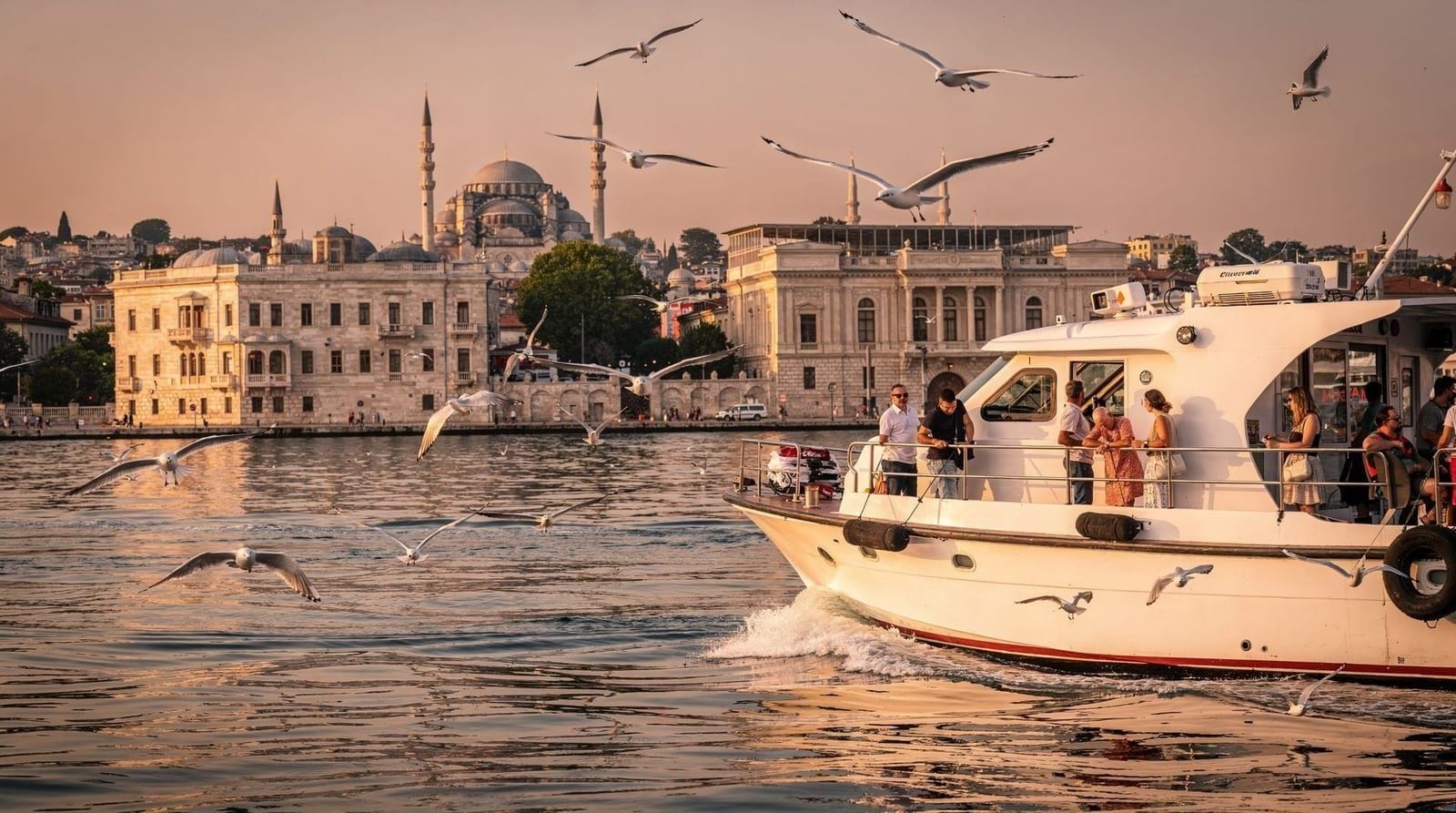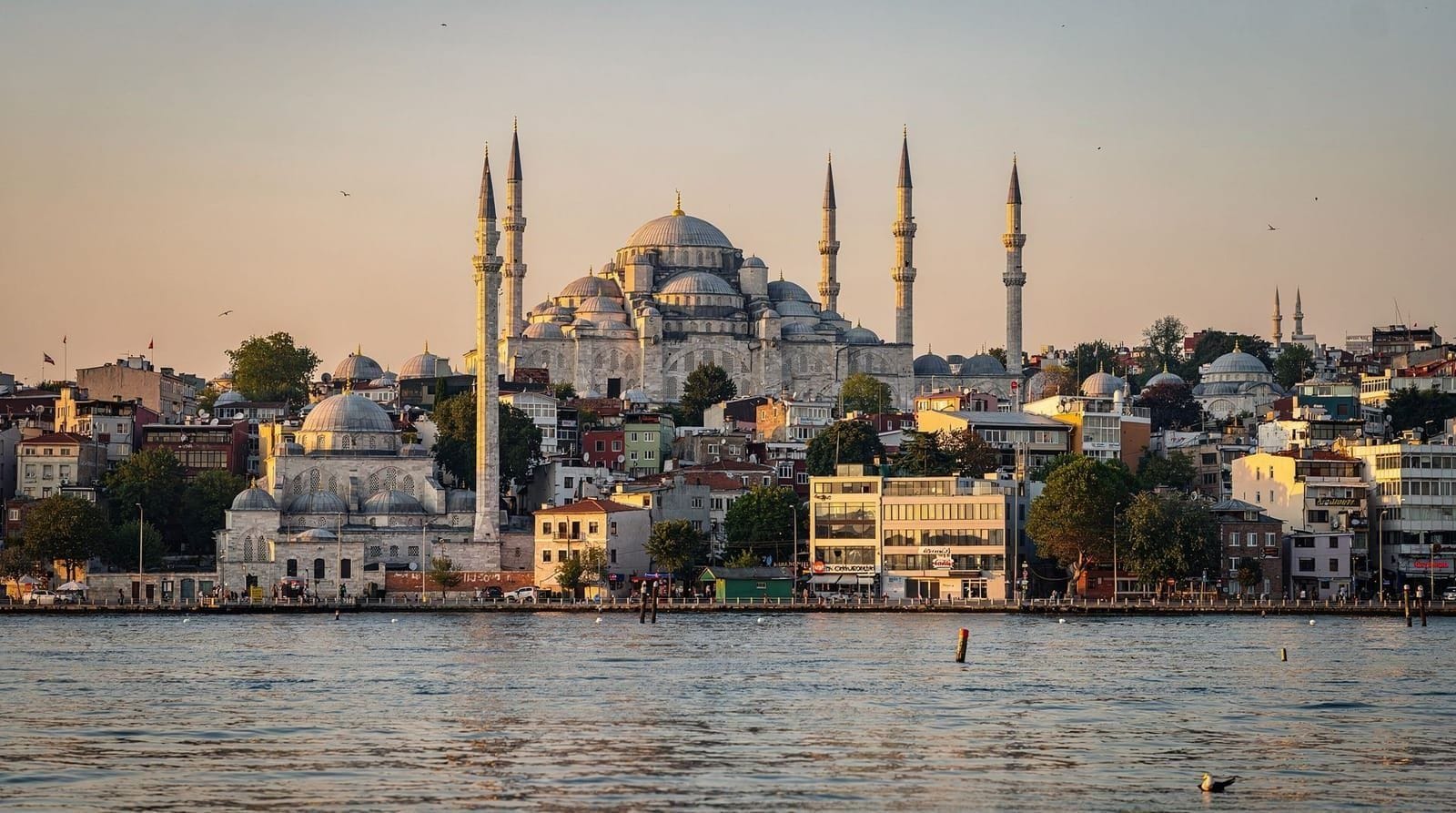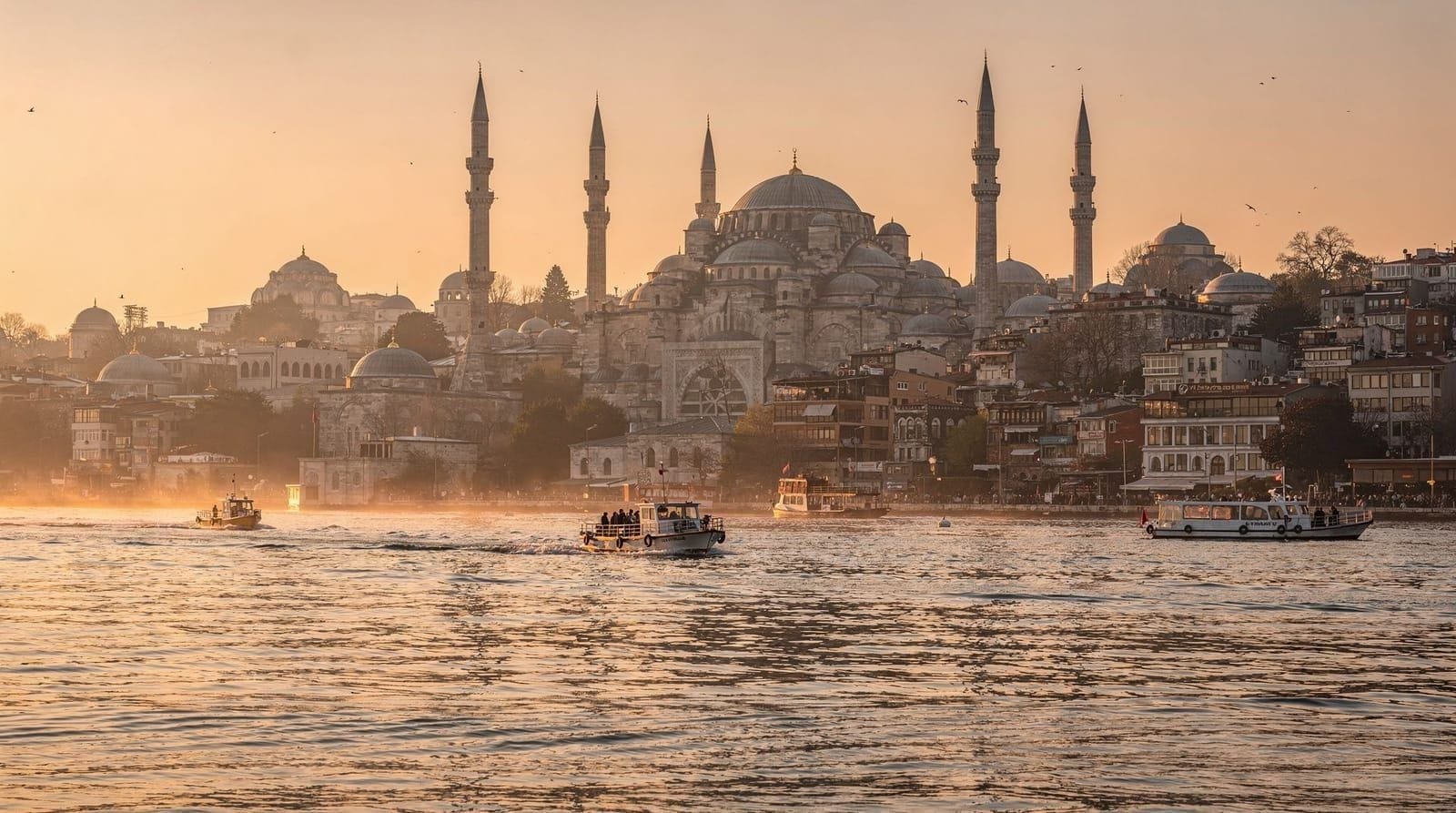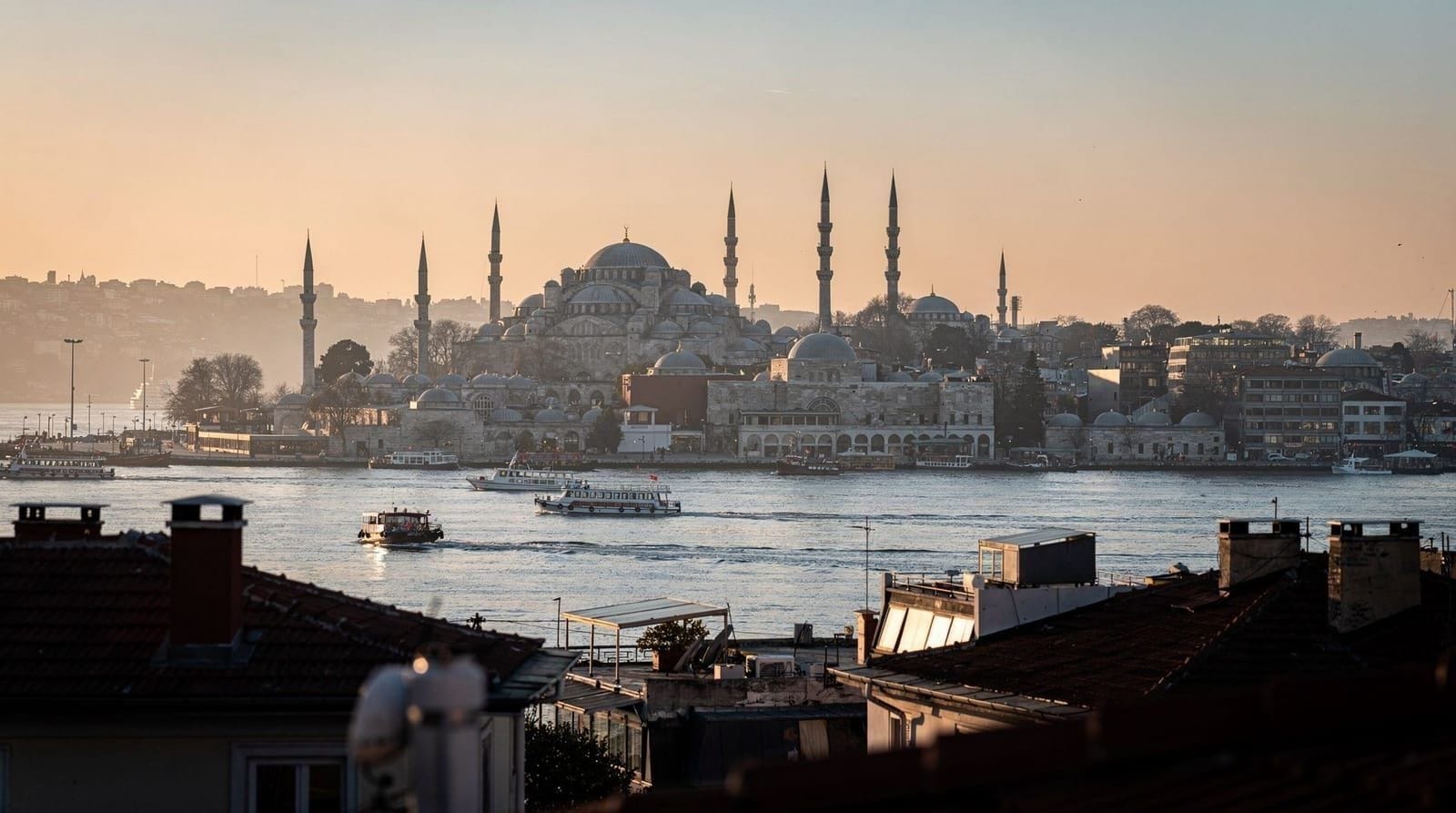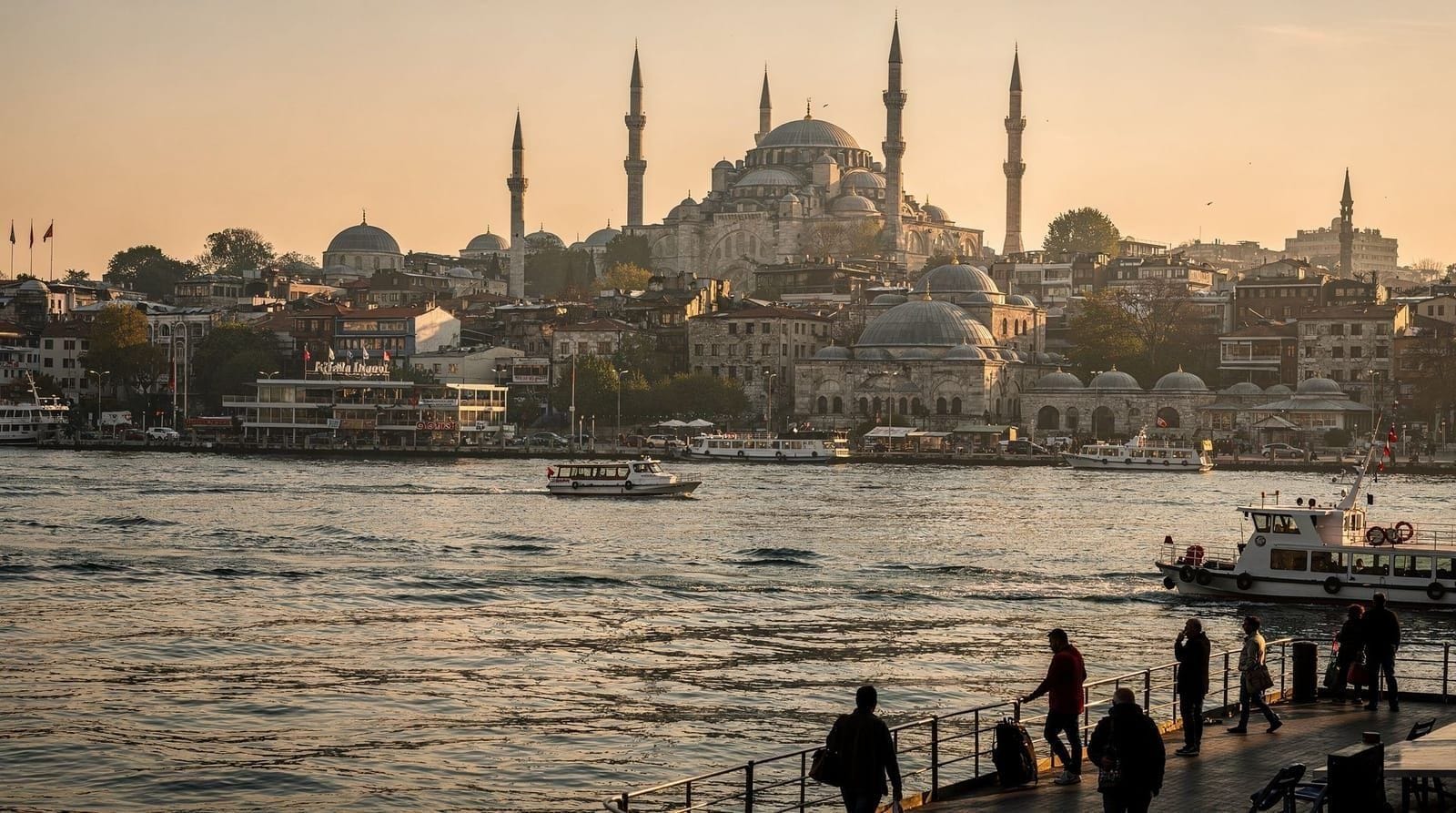
Bosphorus by public ferry — the cheapest way to cruise Istanbul's strait
Istanbul: Bosphorus Sightseeing Cruise with Sunset Option
Can I do a Bosphorus cruise on the public ferry in Istanbul?
Yes — the Şehir Hatları (City Lines) ferry from Eminönü to Anadolu Kavağı runs a scenic route covering most of the lower and middle Bosphorus. It makes several stops, follows a seasonal timetable, and is paid with an İstanbulkart (fares change, so check the current fare and timetable on the official Şehir Hatları site, sehirhatlari.istanbul). It's slower and unnarrated, but many travellers prefer it to packed tour boats.
Why take the public ferry instead of a tour boat
The standard answer to “how do I see the Bosphorus?” is to book a cruise. But Istanbul’s public ferry system, operated by Şehir Hatları (City Lines) and İDO, already runs boats the length of the strait — slower, unnarrated, and used daily by commuters from the upper Bosphorus villages. For independent travellers who don’t need a guide or a schedule, the public Boğaz Hattı (Bosphorus Line) ferry is one of Istanbul’s best experiences.
The trade-off is real: no audio commentary, stops at all intermediate piers, and a pace determined by the city’s transportation needs rather than tourism lighting. But the boat has open upper decks, the route is genuinely beautiful, and the cost is a fraction of any organised tour.
| Where | Eminönü pier to Anadolu Kavağı, at the Black Sea mouth of the Bosphorus |
| Cost | Paid with İstanbulkart; fares change, check sehirhatlari.istanbul |
| Time needed | 6–7 hours for the full round trip, including time ashore |
| Getting there | Şehir Hatları Boğaz Hattı pier, Eminönü, near the Spice Bazaar |
| Best time | Morning departure, weekdays, for calmer water and fewer passengers |
The Boğaz Hattı route in detail
Eminönü pier
Your journey starts at the Eminönü ferry terminal, in the shadow of the Spice Bazaar and a 10-minute walk from Sultanahmet. The Boğaz Hattı pier is the long terminal on the eastern side of Galata Bridge — look for the sign at the far end of the pier complex.
Buy an İstanbulkart if you don’t have one (sold at machines in the terminal, and from small kiosks). Top it up with enough credit to cover the round-trip fare plus some buffer. Tap in at the turnstile.
Arrive early: The morning departure is often the better option — calmer water, fewer passengers, and you arrive at Anadolu Kavağı with enough time for lunch and the castle before the afternoon return. Seats on the upper open deck fill quickly after boarding opens (usually 30 minutes before departure).
Stops en route
Beşiktaş: The first stop after Eminönü. Here you pass close to the Dolmabahçe Palace — the 19th-century white marble palace visible from the water. Some passengers board here, reducing upper-deck standing room. The view back toward the old city from Beşiktaş is worth capturing.
Kanlıca: A small village on the Asian side, famous for its yogurt — thick Kanlıca yogurt with honey has been sold here for at least 150 years. The ferry stops for 10–15 minutes; enough time to walk to the waterfront café and buy a bowl. It’s a genuine local institution rather than a tourist performance.
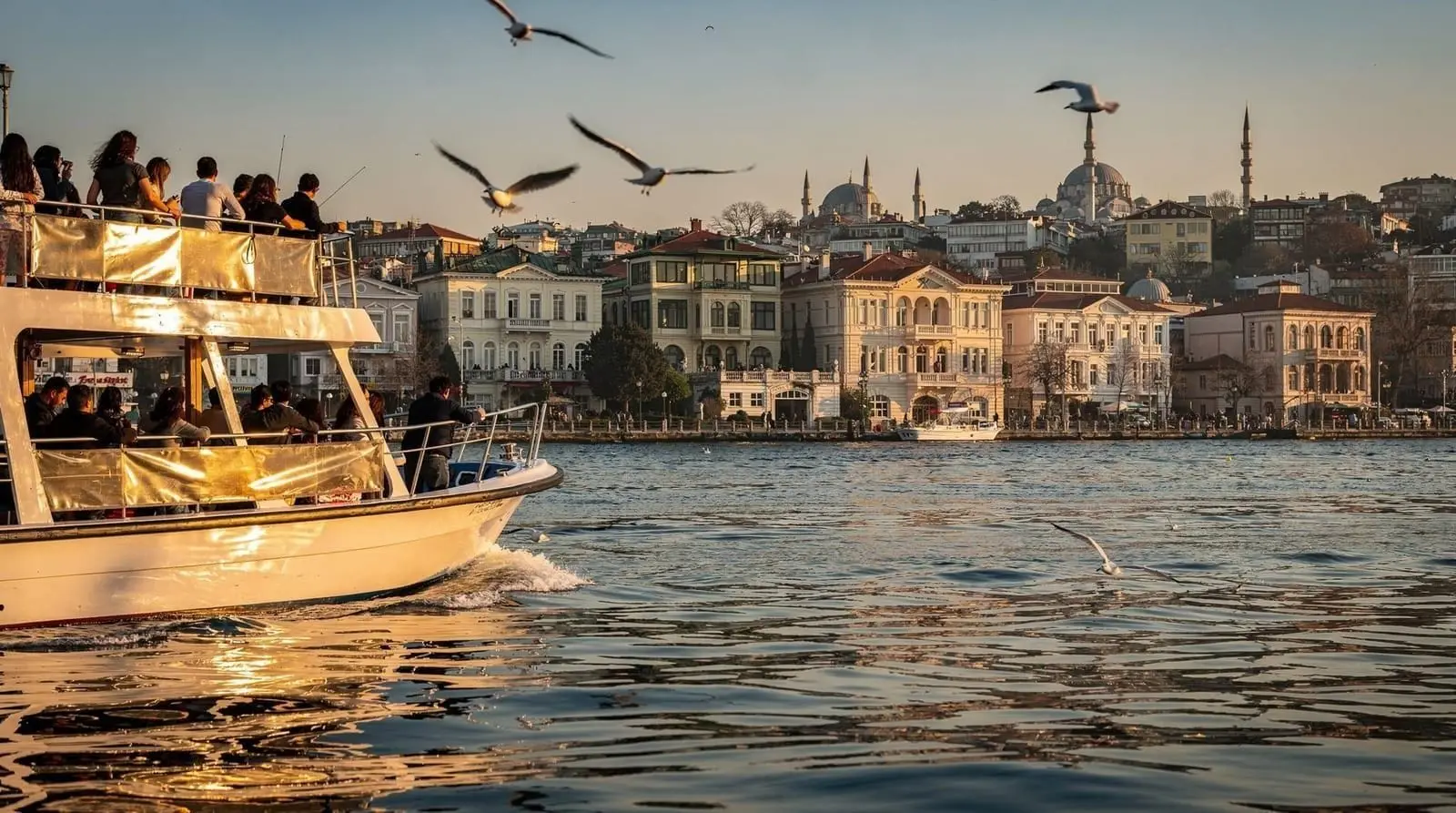
Yeniköy and Sarıyer: European-side villages of wooden yalıs (Ottoman waterfront mansions). Sarıyer is the last European stop before the Black Sea. The yalı architecture along this stretch — private mansions with their feet in the water — is distinctive and increasingly rare (many are now owned by wealthy businesspeople and well-maintained, others are derelict).
Anadolu Kavağı (Asian side, final stop): A functioning fishing village at the point where the Bosphorus widens toward the Black Sea. The ferry typically stays 2–3 hours before the return journey. What to do in Anadolu Kavağı:
- Yoros Castle (Genoese Castle): Walk uphill 30–40 minutes (steep, no shade in summer) or take a short taxi to the medieval Genoese fortress. The view back over the Bosphorus and toward the Black Sea is the best elevated perspective on the strait. Entrance is free.
- Lunch at the waterfront: A row of seafood restaurants lines the pier. Standards vary, but grilled fish (uskumru — mackerel, or levrek — sea bass) at most is honest local fare. Prices are notably lower than in the tourist zones of Sultanahmet. Ask about daily catch rather than ordering from the menu blindly.
- The Black Sea viewpoint: Walk 15 minutes past the castle for a view over the Black Sea entrance. You can see tankers waiting to navigate the strait — the Bosphorus is one of the world’s busiest shipping lanes.
Practical logistics for the public ferry
İstanbulkart — essential: The public Bosphorus ferry uses İstanbulkart (the rechargeable transit card used on all of Istanbul’s public transport). If you’re spending more than two days in Istanbul, an İstanbulkart saves money and eliminates the friction of buying individual tickets. For full details, see the İstanbulkart guide.
Fare: Fares change periodically, so check the current fare on the official Şehir Hatları site (sehirhatlari.istanbul) before you go. It is generally a fraction of the price of a standard tour cruise.
Timetable: The Boğaz Hattı runs a limited seasonal schedule that changes over the year. Check the current timetable on the official site, sehirhatlari.istanbul, before going. Missing the return ferry because you relied on outdated information is a genuine inconvenience.
Seating: The upper open deck has both open-air space and covered sections. Get up there early for the full wind-in-your-face experience. The lower enclosed deck is warmer in winter but less photogenic. Both decks have food and drink service (tea, simit, snacks).
What to bring: A light jacket (cooler on the water than on land), a portable battery for your phone, something to eat if you skip the on-board snacks, and a small amount of cash for Anadolu Kavağı (some restaurants are cash-only).
Sun protection: The open upper deck offers little shade, and reflected glare off the water is stronger than it looks. In summer, sunscreen and a hat make a real difference over a 6–7 hour day, particularly on the uphill walk to Yoros Castle, which has no shade at all.
Toilets and facilities: Basic toilets are available on board and at Anadolu Kavağı, but don’t expect much beyond the essentials — this is a working commuter ferry, not a tourist vessel, and the facilities reflect that.
When the tour boat beats the public ferry
The public ferry is not always the right choice:
- Commentary matters to you: A guided cruise with audio narration identifies every building you pass. Without this, it helps to have done some reading first (the Bosphorus landmarks guide covers every major site) or to use a downloaded map with labels offline.
- Time is limited: The round-trip takes most of a day. If you have only one afternoon, a 2-hour sightseeing cruise covers more ground faster.
- Specific timing: Tour boats operate multiple daily departures at convenient times, including a Bosphorus cruise departing from either the European or Asian side with an audio guide, useful if you’re staying on the Asian side and don’t want to cross first. The public ferry’s limited schedule may not match your itinerary.
- Sunset or dinner cruise: The public ferry doesn’t have a sunset-timed departure and offers no evening atmosphere.
- Language/narration: If you travel with older family members or younger children who will lose interest without contextual information, a guided cruise serves better.
Combining the ferry with Asian-side exploration
One of the best day-trip sequences: catch the morning Boğaz Hattı ferry to Anadolu Kavağı, spend 2–3 hours there, then instead of taking the return ferry, get off at one of the Asian-side stops (Kanlıca for yogurt, or take a local ferry from any pier to Üsküdar or Kadıköy). This turns a round-trip ferry ride into a proper Asian-side day, and means you’re not locked into the fixed return sailing time if you’d rather linger over dinner in Kadıköy than rush back to Eminönü.
For the two-continents experience as a structured activity rather than DIY, the two-continents tour guide covers guided options that combine the Bosphorus crossing with walking in Üsküdar or Kadıköy.
Short commuter ferries — different routes, useful for transit
Don’t confuse the long Boğaz Hattı with the short commuter ferries:
- Eminönü–Üsküdar: 20–25 minutes, frequent service, useful for getting to the Asian shore directly. Use İstanbulkart.
- Eminönü–Kadıköy: 25–30 minutes, frequent service. Gets you to the Kadıköy neighbourhood faster than any land route.
- Kabataş–Üsküdar: 15–20 minutes.
- Kabataş–Kadıköy: 25 minutes.
- Eminönü–Princes’ Islands: The ferry to Büyükada and the Princes’ Islands departs from a separate pier near Kabataş — see the Princes’ Islands day trip guide for schedules.
These commuter crossings use İstanbulkart and are among Istanbul’s most pleasant short journeys. The full overview is in the Istanbul ferries guide and the Istanbul public transport guide for how ferries fit with trams and metro.
Reading the strait from the deck
Because there is no commentary, the ferry rewards a little preparation. Before you leave, skim the Bosphorus guide so the names on the shoreline mean something when they slide past. The route is easier to follow if you remember that the strait is a long, winding channel: you zigzag between the European and Asian shores, so keep switching sides of the deck rather than camping in one spot. Over a full day, you will see the same hills from several angles.
Look for the contrast between the dense, historic waterfront near the start and the quieter, greener villages further north. Near the beginning you pass the districts covered in the Beşiktaş neighbourhood guide and, a little earlier, the Ortaköy waterfront with its famous mosque (see the Ortaköy Mosque guide). On the water you also get a good look at the Maiden’s Tower from a distance, which many visitors never see from this angle.
Bring a pen and paper or simply a saved map, and tick off what you recognise. It turns the trip into a quiet game, and it is a good way to keep children engaged without narration; the Istanbul with kids guide has more ideas for keeping families busy on long outings.
Planning the rest of the day around the ferry
The ferry takes most of a day, so think about what comes before and after. A relaxed breakfast in the old city before heading to the pier works well; the best Turkish breakfast guide lists options if you want something proper rather than a quick bite. On return, you will probably be tired and hungry, which makes it a good evening for an easy dinner rather than a packed itinerary. The where to eat in Istanbul guide will help you pick somewhere near your hotel.
If you are building a trip around several activities, slot the ferry on a day with nothing else fixed. It pairs naturally with a slower day in a city itinerary, and it fits well into a longer stay such as the five-day plan. If you only have a single day in the city, this is probably not the right use of your time; the Istanbul in one day guide suggests a tighter route.
Weather changes the experience a great deal. On a clear day the strait is dazzling; on a grey or windy day the upper deck can be bracing and the views flatter. The best time to visit Istanbul guide and the Istanbul weather by month guide help you choose a season, and it is wise to look at the forecast the evening before and decide on the day.
Making the most of Anadolu Kavağı
Pace yourself in the village. It is tempting to rush to the castle and then back, but the point of the long stop is to slow down. Decide early whether lunch comes before or after the climb; many travellers eat first and walk afterwards, but others prefer to walk while they still have energy and settle in for a long meal at the end. Either way, keep an eye on the clock so that you are back at the pier well before the return sailing.
If you enjoy seafood, this is an easy place to try it without the markups of the busiest tourist districts. The Istanbul street food guide and the Turkish food guide explain what is worth ordering and how meals are usually structured. Take your time, ask what is fresh, and treat the long lunch as part of the journey rather than a pause in it.
Safety and etiquette on board
The ferry is a normal commuter boat, so treat it like one. Keep your bag close, especially at busy piers when passengers surge on and off, and be ready to move if you are blocking a doorway. The Istanbul safety guide covers general precautions, and the Istanbul scams guide is worth a look, though the public ferry itself is generally a low-hassle environment compared with tourist-oriented boats and piers.
Be considerate with photography. Locals use the boat daily, so avoid pointing your camera at fellow passengers without asking, and be mindful of seats when the deck is crowded. A friendly tone goes a long way, and small courtesies are noticed.
Public ferry vs a paid Bosphorus cruise
| Public Boğaz Hattı ferry | Paid sightseeing cruise | |
|---|---|---|
| Cost | See official fares | Varies by operator |
| Duration | 6–7 hours (full day) | 1.5–2 hours |
| Commentary | None | Audio or live guide |
| Schedule | Limited seasonal timetable | Multiple daily departures |
| Best for | Independent travellers with a full day | Limited time, sunset/dinner atmosphere |
If a shorter, guided option suits your schedule better, our best Bosphorus cruise guide rounds up the main operators, and the Bosphorus sunset cruise guide and Bosphorus dinner cruise guide cover the evening-focused alternatives the public ferry can’t replicate. For a shorter alternative that avoids committing a full day, the golden horn cruise guide covers a different, much shorter stretch of water near the old city.
Bosphorus sightseeing cruise with sunset option is the practical alternative if you only have an afternoon rather than a full day to give to the public ferry’s fixed schedule.
Frequently asked questions about Bosphorus by public ferry — the cheapest way to cruise Istanbul's strait
How often does the Bosphorus public ferry run?
How long is the public Bosphorus ferry journey?
What stops does the Bosphorus ferry make?
What is Anadolu Kavağı like?
Do I need to buy a special ticket for the Bosphorus ferry?
What is the difference between the Bosphorus ferry and short ferries to the Asian side?
Top experiences
Bookable activities with verified prices and instant confirmation on GetYourGuide.