Two continents tour guide — crossing from Europe to Asia in Istanbul
Istanbul: Bosphorus Sightseeing Cruise with Sunset Option
How do you get from Europe to Asia in Istanbul?
The cheapest and most scenic way is the commuter ferry from Eminönü, Karaköy, or Kabataş to Üsküdar or Kadıköy on the Asian side — 20–30 minutes, costs 35–50 TRY (1–1.50 USD) on an İstanbulkart. Alternatively, the Marmaray rail tunnel crosses under the Bosphorus in 4 minutes. The two road bridges exist but have no pedestrian access. A guided two-continents tour adds a Bosphorus cruise and walking on both sides.
| Cheapest crossing | Public ferry, 35–50 TRY (~1–1.50 USD) |
| Fastest crossing | Marmaray tunnel, 4 minutes |
| Time needed | Half-day minimum for a worthwhile Asian-side visit |
| Best for food | Kadıköy |
| Best for history | Üsküdar |
The geography of standing in two places at once
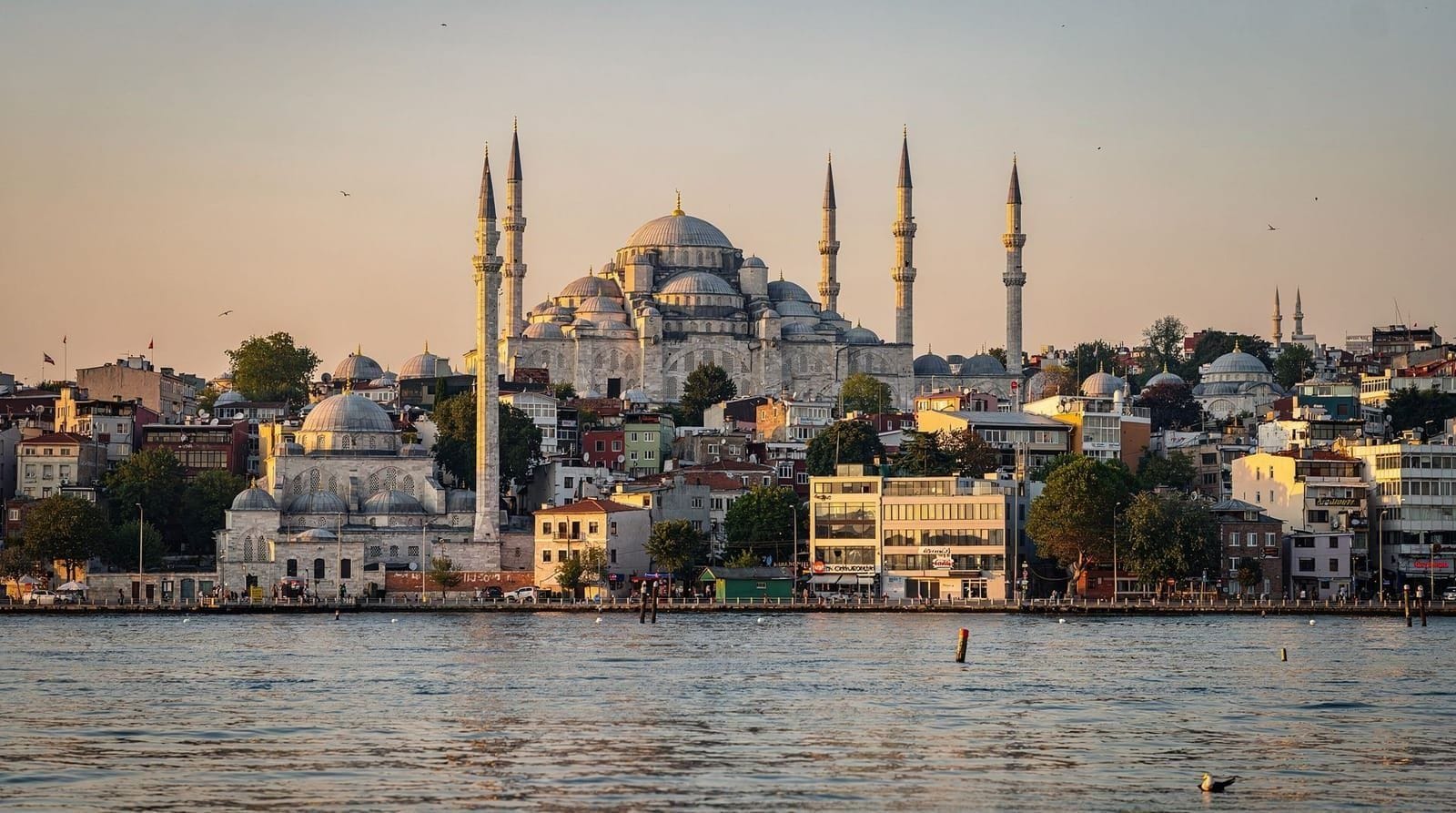
Istanbul’s central selling point as a travel destination is its unique geography: a city on two continents simultaneously. The European side (Thrace) holds most of the historic sightseeing — Sultanahmet, the Grand Bazaar, Galata Tower. The Asian side (Anatolia, across the Bosphorus) has a different character: residential, local, food-forward, with its own historic mosques and a more everyday Istanbul energy.
Many visitors to Istanbul spend 3–4 days on the European side and never cross over. That’s a legitimate choice — the European side has more to see than most people have time for. But crossing to Asia, even just for lunch and a walk, adds a dimension that a purely Sultanahmet itinerary misses.
Crossing methods — all four options
Public ferry (recommended for most visitors)
The commuter ferries from Eminönü, Karaköy, and Kabataş to Üsküdar and Kadıköy are Istanbul at its most functional and beautiful: 20–30 minutes on open water with views of the Bosphorus skyline, sitting alongside commuters, at a cost of 35–50 TRY (1–1.50 USD) on İstanbulkart.
Eminönü–Üsküdar: ~25 minutes. Frequent service throughout the day and into late evening. Eminönü–Kadıköy: ~30 minutes. Also frequent. Kabataş–Üsküdar: ~15–20 minutes. Kabataş–Kadıköy: ~25 minutes. Sometimes combined with Princes’ Islands ferry runs.
For full ferry schedules and routes, the Istanbul ferries guide covers the entire Şehir Hatları network.
Marmaray tunnel (fastest)
The Marmaray rail tunnel opened in 2013 and took 30 years to complete — boring under the Bosphorus at depths up to 60 metres was a significant engineering challenge. The train crosses in 4 minutes. Sirkeci station (European side) to Üsküdar (Asian side). Cost on İstanbulkart: same as standard transit.
When to use it: If you need to get to Üsküdar quickly, or if you want to say you’ve crossed under the Bosphorus. Not scenic.
Road bridges (no pedestrian access)
The two road bridges — 15 July Martyrs Bridge and Fatih Sultan Mehmet Bridge — are highways for cars and limited transit. Pedestrian and cycling access doesn’t exist. Crossing by bus is possible but slow in traffic.
Private Bosphorus cruise with Asian side stop
Some organised tour options include a brief disembarkation on the Asian side as part of a Bosphorus boat tour. The Bosphorus cruise with Asian side stopover gives you the water crossing plus 1–2 hours on the Asian waterfront. More structured than the ferry, at a higher price.
Guided two-continents tours — when they’re worth booking
A guided two-continents tour typically runs 4–8 hours and includes a Bosphorus boat segment (either one-way ferry or short cruise), guided walking in one or two Asian-side neighbourhoods, lunch, and return — from a compact Two Continents half-day tour to a more leisurely Bosphorus boat tour with lunch linking both continents. Price range: 1,200–2,500 TRY (36–75 USD, mid-2025) including lunch.
These tours make sense if:
- You want contextual narration about both the European and Asian shore as you cross
- You’re not confident navigating Istanbul’s ferry system independently
- You want lunch included and don’t want to spend time choosing a restaurant
They’re less necessary if:
- You’re comfortable with public transit
- You’ve already done a Bosphorus sightseeing cruise
- You’d rather choose your own food stops in Kadıköy
The Asian side in practice — what to actually do
Kadıköy: the food quarter
Kadıköy is the clear choice if you have 3–4 hours on the Asian side. The neighbourhood around the market streets (Güneşlibahçe Sokak, Muvakkithane Caddesi) is Istanbul’s densest concentration of independent food shops, cheese sellers, pickle stands, and butchers.
Çiya Sofrası (Güneşlibahçe Sokak 43): The most discussed restaurant in Kadıköy, and possibly in Istanbul. Owner-chef Musa Dağdeviren has spent decades collecting recipes from across Anatolia — dishes you won’t find anywhere else in the city, from fermented drinks to obscure regional stews. It’s a canteen rather than a fine-dining restaurant — point at what you want from the display, pay by weight. Expect 200–350 TRY for a substantial meal (6–10 USD, mid-2025). Arrive before 1 pm to avoid queues.
Kadıköy fish market: A covered arcade of fishmongers with the day’s catch from the Marmara and Black Sea. Buy grilled balık ekmek (fish sandwich) from the street stalls outside.
Moda: The residential neighbourhood 10 minutes’ walk south of the ferry terminal. Seafront park, independent cafés, and weekend artisan markets. The Moda waterfront walk gives views back across the Bosphorus to Galata.
Üsküdar: the historic quarter
Üsküdar has a more traditional, quieter character than Kadıköy. The ferry terminal is surrounded by a cluster of Ottoman-era mosques:
Mihrimah Sultan Mosque: Built 1548 by Mimar Sinan for Süleyman the Magnificent’s daughter Mihrimah. One of Sinan’s earlier works, notable for its massive single dome and the light entering through the unusual number of windows.
Şemsi Ahmet Paşa Mosque: An unusually intimate Sinan mosque (1580) built partially over the water — one of the smallest and least-visited of his works, which makes it more accessible for quiet contemplation than the crowded Blue Mosque.
Maiden’s Tower (Kız Kulesi): Visible from the Üsküdar waterfront, the tower sits on a small island 200 metres offshore. You can reach it by a short ferry from Kabataş or from Üsküdar — see the Maiden’s Tower visiting guide.
Çamlıca Hill: The high point of the Asian side, with a massive new mosque (Büyük Çamlıca Camii, completed 2019) visible from much of Istanbul. The hilltop park has strong views over both sides of the Bosphorus. Accessible by taxi from Üsküdar.
Day planning — how to combine both sides
The most efficient two-continents day for a visitor staying in Sultanahmet:
Morning: Sultanahmet sightseeing (Hagia Sophia or Topkapı, or the Basilica Cistern).
Midday (around 11 am): Walk or tram to Eminönü, take the 30-minute ferry to Kadıköy.
Lunch in Kadıköy: Çiya Sofrası, or walk the market streets and assemble a lunch from the delis and bakeries.
Afternoon (2–4 pm): Walk Moda waterfront, or take the 25-minute ferry to Üsküdar and visit the waterfront mosques.
Return: Ferry back to Eminönü or Karaköy by 5–6 pm. Dinner in Karaköy or Beyoğlu.
The Istanbul 3-day itinerary maps this routing into a complete schedule. The Asian side Istanbul guide covers both Kadıköy and Üsküdar in more detail.
Crossing methods compared
With four ways to reach the Asian side, the honest comparison comes down to speed versus experience:
| Method | Time | Cost | Best for |
|---|---|---|---|
| Public ferry | 20–30 min | 35–50 TRY | Scenery, everyday Istanbul atmosphere |
| Marmaray tunnel | 4 min | Standard transit fare | Pure speed, no view |
| Guided Bosphorus cruise with stop | 1–4 hrs | 1,200–2,500 TRY | Narration, no navigation required |
| Private yacht cruise | Varies | Significantly higher | Special occasions, small groups |
For most visitors, the ferry is simply the best option — it’s cheap, frequent, scenic, and requires no booking. The other three exist for specific situations: speed (Marmaray), hand-holding (guided tour), or a splurge occasion (private yacht).
Extending the Asian side beyond a half-day
If Kadıköy and Üsküdar leave you wanting more time on the Asian side, Beşiktaş technically sits on the European side but is the natural next stop after a Bosphorus crossing, close to Dolmabahçe Palace and the ferry terminals. For a longer Asian-side day specifically, combining Kadıköy’s market streets with a visit up to Çamlıca Hill for the panoramic view back over both continents rounds out a full day rather than a half-day. The Bosphorus by public ferry guide covers the wider ferry network if you want to string together multiple stops in one outing rather than a single there-and-back crossing.
A full-day Bosphorus and Asian side tour is worth considering if you want the crossing, a proper Asian-side stop, and Bosphorus scenery covered in one organised outing rather than assembling it yourself from ferries and walking.
Making the crossing part of the experience
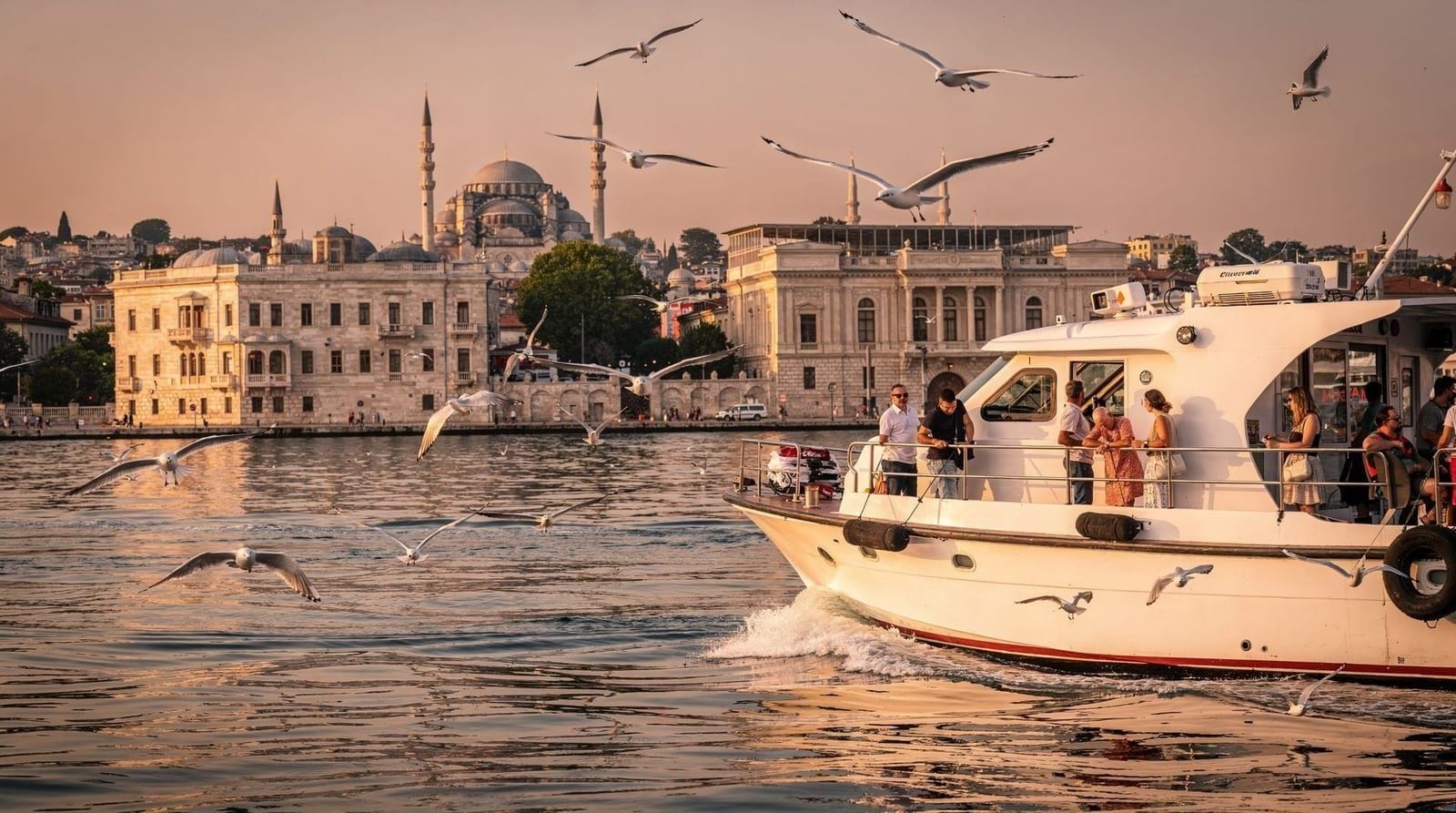
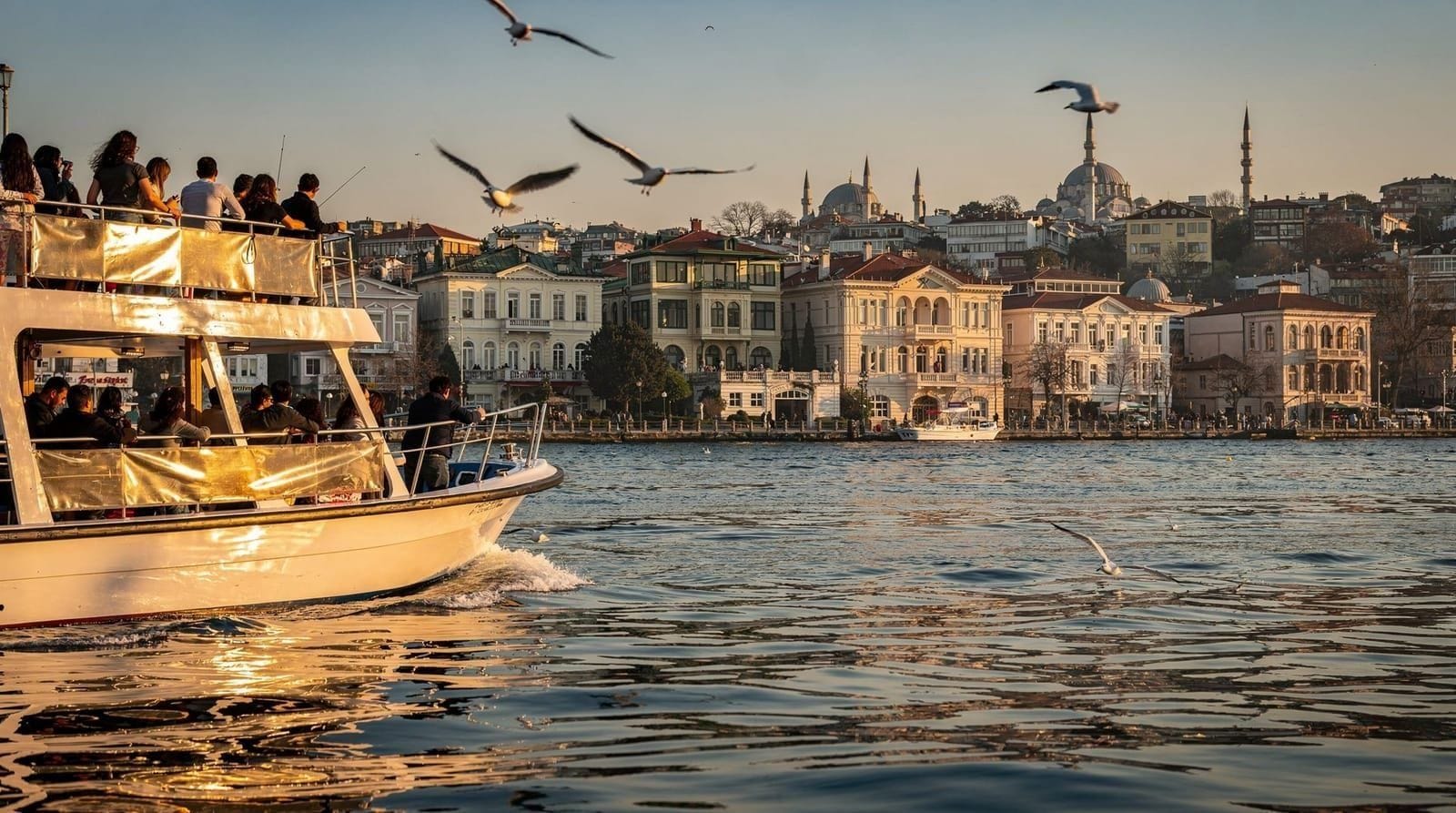
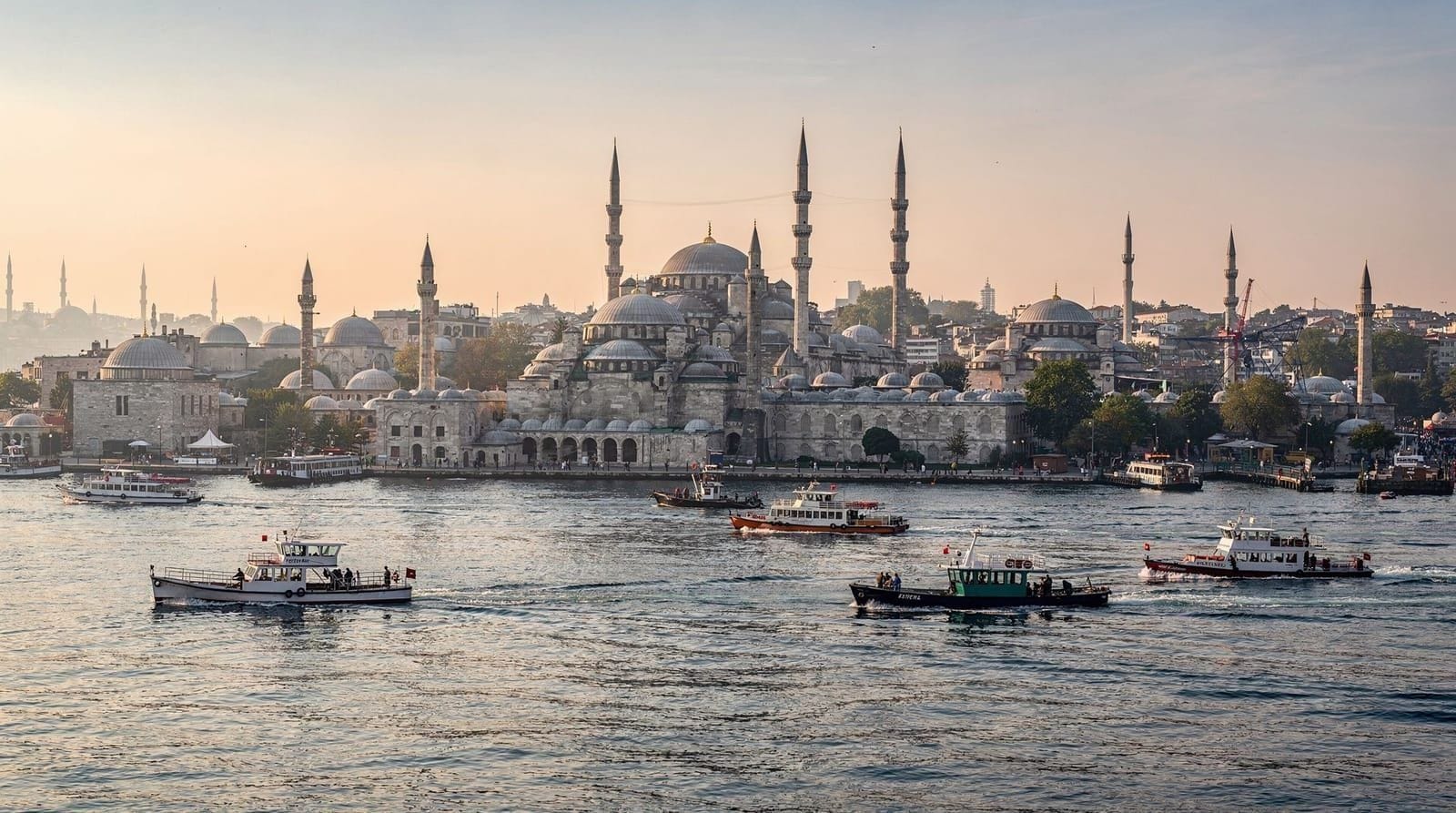
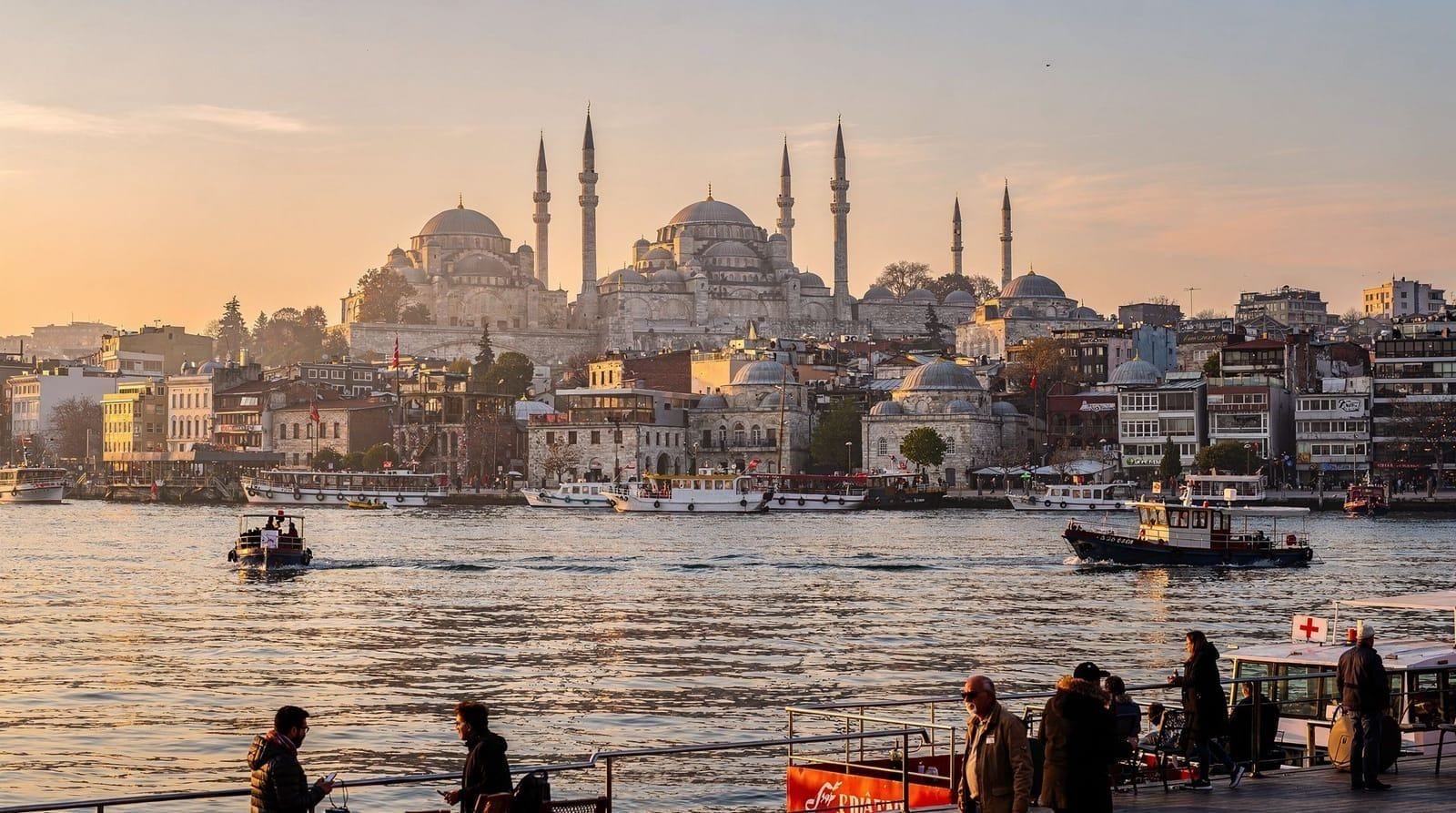
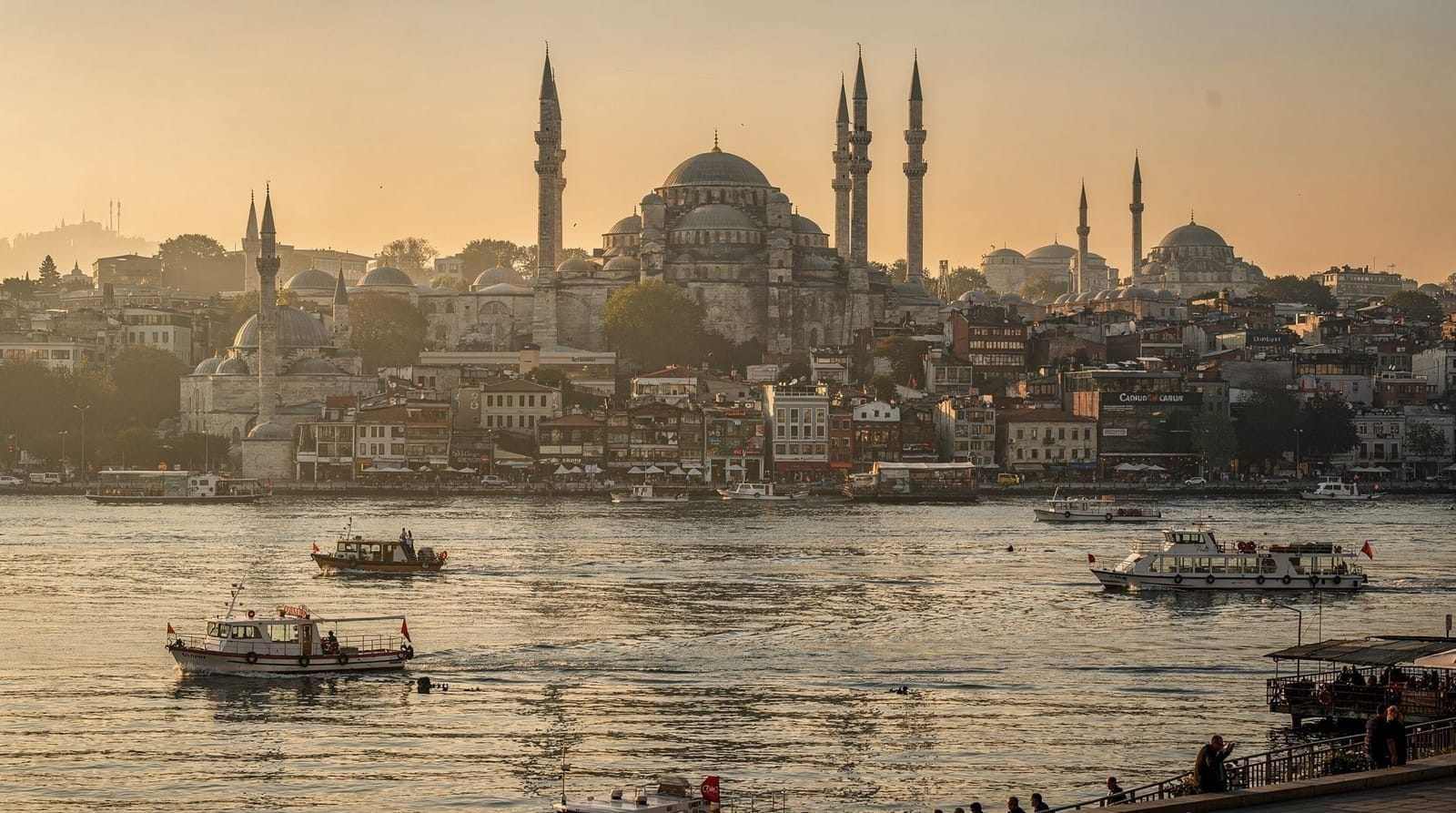
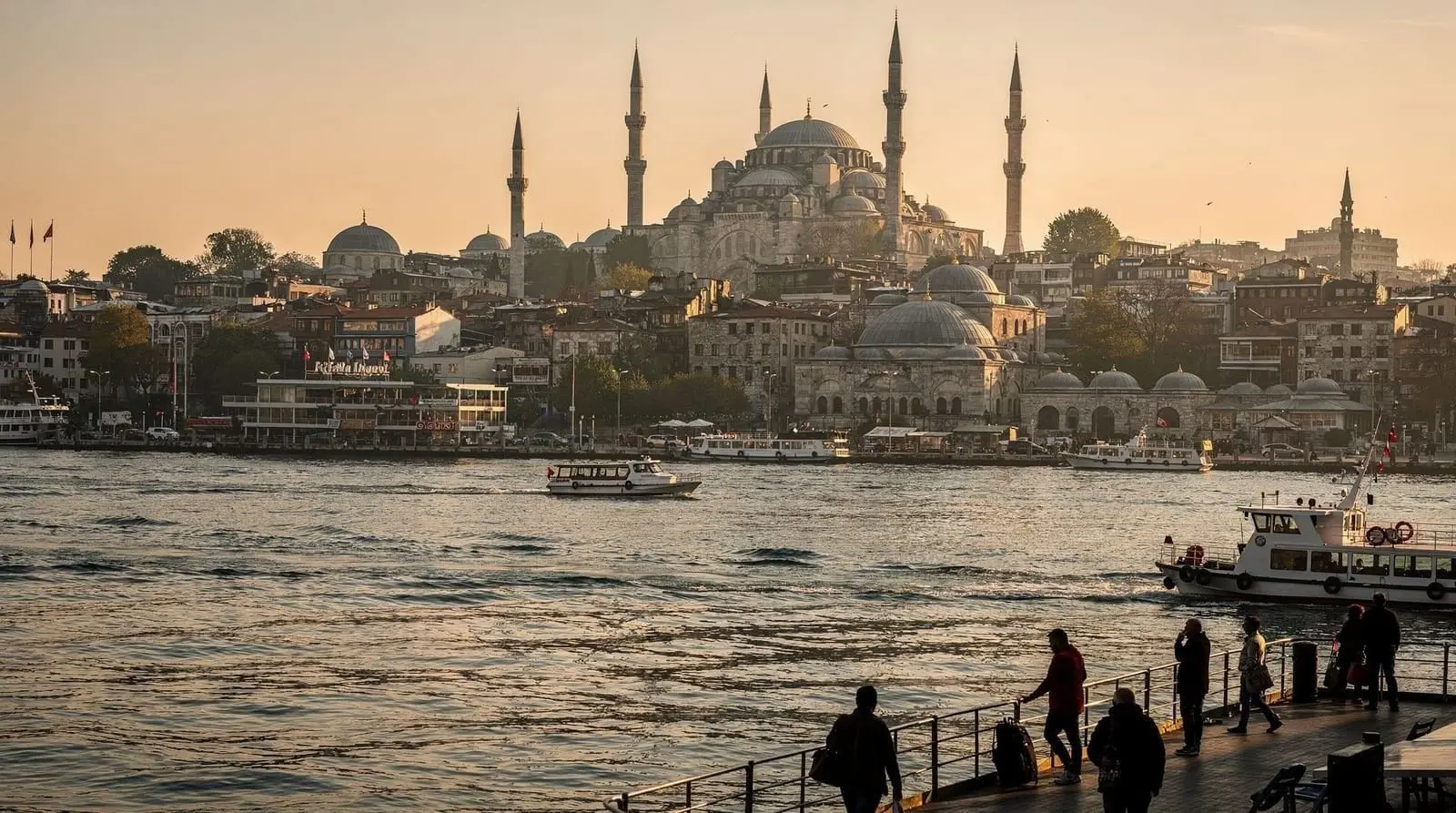
The ferry is not just transport. Take a seat on the outer deck if the weather allows, and watch the European skyline shift as you leave the shore: the domes and minarets of the old city, the Galata Tower on its hill, and the traffic of smaller boats crossing in every direction. Locals feed the gulls from the stern, tea is served from a small counter on board, and the whole crossing feels like a short, inexpensive cruise. If you want a deeper look at what you are passing, the Bosphorus landmarks guide names the palaces, fortresses and waterside mosques along the shore.
Going over in one direction and coming back in another is a good habit. Cross to Kadıköy from Eminönü, then return from Üsküdar to Karaköy or Kabataş, so you see the water from different angles and finish the day close to where you plan to eat. If you prefer a dedicated boat ride with commentary, the best Bosphorus cruise guide and the guide to choosing a Bosphorus cruise help you decide between the formats on offer.
Choosing between Kadıköy and Üsküdar
The two main Asian-side stops suit different moods, and it helps to decide before you board.
Pick Kadıköy if your priority is eating and wandering. The market streets reward slow browsing, and the waterfront and Moda give you somewhere pleasant to sit afterwards. It is the better choice for travellers who have already seen plenty of monuments and want an everyday, local atmosphere. The Kadıköy neighbourhood guide goes further into the streets and the food.
Pick Üsküdar if you care more about history, architecture and a calmer pace. The Sinan mosques near the terminal, the view of the Maiden’s Tower and the hillside streets behind the waterfront give the visit a more traditional feel. The Üsküdar neighbourhood guide covers the area in more detail.
Travellers with a full day can combine the two, but do not try to squeeze both into a short window. A rushed visit to each is worth less than an unhurried visit to one.
Etiquette and practical habits on the Asian side
The Asian side is more residential than the tourist core, so a few habits make the visit smoother:
- Dress modestly if you plan to step into a mosque, especially in Üsküdar, where the mosques are active neighbourhood places of worship. The mosque etiquette guide explains what to wear and when to avoid visiting.
- Carry some cash for market stalls and small canteens, even though cards are common in larger places.
- Keep your İstanbulkart topped up before you leave the European side. The İstanbulkart guide explains how to buy and reload one, and the getting around Istanbul guide shows how the ferry, tram and metro fit together.
- Ask before photographing people in markets, and be polite with shopkeepers who offer a taste of something; accepting is welcome, but there is no obligation to buy.
- Check the return ferry times before you settle into a long lunch, so that an evening plan on the European side is not squeezed.
What to combine with a crossing
A crossing works best when it is one part of a wider day rather than a stand-alone errand. Pairing it with the morning at Hagia Sophia or the Topkapı Palace gives you a classic European-side start, then a relaxed Asian-side afternoon. If you prefer to keep the day food-focused, the Istanbul food tours guide and the Istanbul foodie itinerary show how Kadıköy fits into a broader eating plan.
For visitors who want to compare the two shores before choosing where to stay, the European vs Asian side guide lays out the differences in character, and the where to stay in Istanbul guide helps you match a base to your plans. If you are still shaping the whole trip, the Istanbul trip planning guide and the Istanbul in one day guide are good starting points.
Weather and timing
The crossing is pleasant in most conditions, but the experience changes with the season. On clear days the outer deck is the best seat in the city. In wind or rain the covered lower deck is more comfortable, and the views through the windows are still good. Late afternoon light on the water is especially attractive on the return trip, which is one more reason to plan the Asian-side visit for the middle of the day rather than the evening. For help choosing the right time of year, see the best time to visit Istanbul guide and the Istanbul weather by month guide.
Frequently asked questions about Two continents tour guide — crossing from Europe to Asia in Istanbul
Is the Asian side of Istanbul worth visiting?
What does a guided two-continents tour include?
Can I walk across the Bosphorus bridge?
What is Üsküdar like?
What is Kadıköy like?
Is the Marmaray train a good way to cross?
Top experiences
Bookable activities with verified prices and instant confirmation on GetYourGuide.