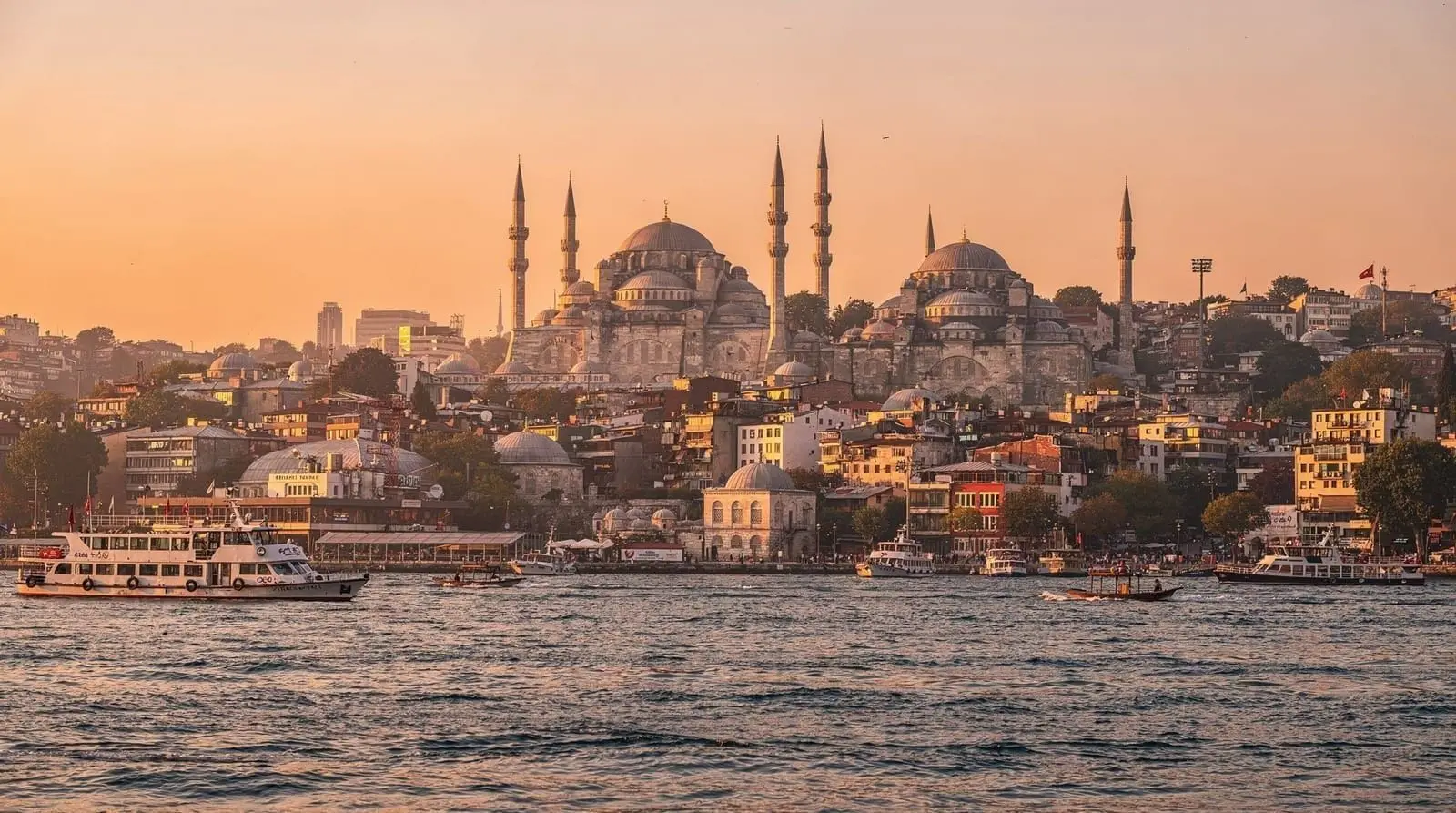
What to do in Istanbul on a rainy day
Rain in Istanbul is not a disaster, but it does rearrange your plans. The Bosphorus turns grey, the hills disappear, and the cobbled lanes around Sultanahmet become slippery. The good news is that the city is unusually well stocked with things to do under a roof, and many of them are better when the weather is bad. I have spent more than one wet afternoon in the Old City with a borrowed umbrella and a sinking feeling, only to end the day thinking the rain had pushed me toward the best parts of the trip. This guide sorts the options by type, tells you what to skip, and ends with a plan you can follow on the day itself.
Start with the question: how wet is wet?
A passing shower and an all-day downpour call for different plans. If it is a shower, you can keep your outdoor sights and slot a covered stop in the gap: a café, a bazaar, a museum hall. If it is settled rain for the whole day, commit to an indoor day and stop trying to rescue the original schedule. Half-measures are what make rainy days miserable, because you end up standing in a queue outdoors, wet, waiting for a view you will not get.
For a sense of how the seasons behave, the Istanbul weather by month guide is the place to look, and the Istanbul in winter guide covers the cold, wet months in more detail. Check the forecast the night before and again at breakfast. Istanbul weather changes quickly, and a grey morning can clear by lunch.
Old City sights that keep you under cover
The historic core is the obvious place to spend a rainy day because several of its headline sights are largely indoors.
Basilica Cistern. The Byzantine underground reservoir is the best wet-weather sight in the city. It is dim, cool and entirely covered, so the weather outside barely matters. The walkways are damp whatever the season, so wear shoes with grip. If you want the context behind the columns and the Medusa heads, A skip-the-line ticket with audio guide gives you a self-paced route, and the Basilica Cistern visiting guide explains what to look for.
Hagia Sophia. The great dome is an interior experience, and a grey sky makes the light inside softer and more atmospheric than on a bright day. The approach and the queue are outdoors, though, so bring a rain jacket rather than relying on an umbrella in a crowd. Prices, opening rules and any entry changes are best checked on the official site, muze.gov.tr, and the Hagia Sophia visiting guide covers timing and what to see inside.
Topkapı Palace, with a caveat. Topkapı is a complex of courtyards, and much of the walking between pavilions is outdoors. The Harem rooms, the treasury and the other pavilions give you shelter, but you will cross open courtyards between them. Treat it as a half-covered sight, not an indoor one. If rain is heavy, it is better saved for a drier day. If you do go, the Topkapı Palace visiting guide shows how the complex is laid out so you can move from one covered building to the next with the least time in the open.
Museums: the reliable rainy-day answer
Museums are the classic answer to bad weather, and Istanbul has a strong collection. The honest framing is that you do not need to visit all of them. Pick one or two and give them time. The best museums in Istanbul guide ranks them by what is worth your attention, and I would not change much in it.
My favourite wet-day choice is the Archaeological Museums, a group of buildings close to Gülhane Park. The collection is large, the halls are calm, and you can wander without feeling rushed. A ticket with an audio guide suits people who prefer to go at their own pace: Tickets with audio guide. Another good option is the Turkish and Islamic Arts Museum on the Hippodrome, a quieter place than the big monuments, with carpets, calligraphy and woodwork that reward slow looking.
If your plan is to visit several state museums over a few days, a pass can simplify things. Check what it actually covers before you buy, because coverage and conditions change. Istanbul Museum Pass is one option; confirm current terms on muze.gov.tr and weigh it against paying per entry.
Do not forget the smaller, less famous museums if the main ones look crowded. A wet day is a good moment to try somewhere you would otherwise skip.
Covered bazaars
The Grand Bazaar and the Spice Bazaar were designed for exactly this kind of day. The Grand Bazaar is a maze of covered streets, so rain barely touches you once you are through the gate. It is also a place where a rainy day turns into a long one: the lanes look the same, and an hour disappears easily. Go in with a rough idea of what you want, and read the Grand Bazaar shopping guide first so you know how bargaining works and which sales pitches to politely ignore.
The Spice Bazaar is smaller and easier to handle. It is a good place for a tasting walk, for tea and sweets, and for picking up gifts that travel well. Neither bazaar is a refuge from touts, but a bad-weather day tends to thin the crowd outside, which can make the shops a little calmer.
A hammam on a cold, wet day
A Turkish bath is one of the most sensible things to do when the weather turns. You are warm, dry and thoroughly looked after, and nobody expects you to do anything. If you have never been, read the hammam first-timer guide first; the process is simple, but it helps to know what the scrub and the foam wash involve. For a straightforward booking, a private Turkish bath and spa session is one choice among many, and the best hammams in Istanbul comparison helps you pick between the historic buildings and the more modern spas.
A practical tip: book the hammam for the middle or end of the afternoon. It gives you something to look forward to if the morning is spent in queues, and you leave relaxed rather than rushed.
Cooking classes and Turkish coffee
If museums are not your thing, a food activity fills a wet afternoon well. A cooking class puts you in a warm kitchen with a local host and a meal at the end. Some classes include a market visit and others stay in the kitchen, so read the description to see what you are getting. The Istanbul cooking class guide explains the differences between the main formats.
A Turkish coffee session is a gentler version of the same idea. Learn to brew it in a cezve, drink it slowly, and ask about the fortune reading that follows. The Turkish coffee guide covers how to drink it and where to find it done well. Neither activity depends on good weather, and both leave you with something to take home.
An evening of whirling dervishes
Evening is when a rainy day often improves. A Sema ceremony is performed indoors and works whatever the weather, which makes it a good fixed point in a plan that may otherwise change. Treat it as a ceremony rather than a show: it is quiet, slow and meant to be watched in silence. Read the whirling dervishes guide before booking so you know what to expect. If you want a venue close to the main monuments,
That keeps the walk home short, which matters when the pavements are wet.
Getting around in the rain
Public transport is your friend on a wet day. The tram through Sultanahmet, the metro and the Marmaray all run under or close to cover, and a single transit card works on all of them. The Istanbulkart guide explains how to get one and top it up. Plan your day around tram stops and you will spend most of your time dry.
Taxis and ride-hailing are useful for short hops when the rain is heavy, but traffic worsens in the wet, so a short cab ride can take longer than the tram. Keep your route simple and avoid crossing the city more than once.
Mistakes to avoid on a rainy day
Taking a ferry or a Bosphorus cruise for the view. A ferry in heavy rain is cold, the windows steam up, and the whole point of the trip, the skyline and the palaces along the shore, is lost in the grey. Save the water for a clearer day. If the sky is merely overcast and the rain has stopped, the ferry can still be pleasant, but do not book a cruise for the scenery on a day when you cannot see across the water.
Assuming the covered sights will be quiet. Everyone else has the same idea. The Basilica Cistern, Hagia Sophia and the big museums tend to draw longer queues on wet days, because visitors who planned to be outdoors all move inside at once. Go early, book ahead where you can, and be ready to wait.
Wearing the wrong shoes. Old marble, wet cobbles and sloping streets are slippery. Choose shoes with a proper sole and avoid anything smooth. Bring a light waterproof jacket instead of a large umbrella, which is awkward in a crowded museum or bazaar.
Cramming too many sights into one day. The pull on a rainy day is to tick off everything under a roof. Resist it. Two or three indoor stops and a long lunch beat six rushed visits.
Forgetting about mosque etiquette. Wet shoes, wet bags and a rain jacket all become part of the visit. You will remove your shoes at a mosque, so bring a small bag for them and a way to dry your feet. The mosque etiquette guide covers dress and behaviour.
A sample rainy-day plan
This is the plan I would follow on a settled wet day, starting in Sultanahmet and keeping everything close together.
Morning. Start with the Basilica Cistern as early as you can manage, since it is one of the places that fills quickly when it rains. From there, walk or take the tram to Hagia Sophia and use the dim, quiet light of the interior. Check opening arrangements on muze.gov.tr beforehand rather than trusting a number from an old blog post.
Midday. Break for lunch at a restaurant close by and let the worst of the rain pass. This is also a good moment to dry off and decide whether the afternoon should be a museum or a bazaar.
Afternoon. Choose one of three paths. The first is a museum, such as the Archaeological Museums or the Turkish and Islamic Arts Museum. The second is the Grand Bazaar and the Spice Bazaar, taken slowly with a tea break. The third is a hammam, which suits anyone who has already walked a lot that morning.
Evening. Finish with a dervish ceremony or a relaxed dinner. If you booked a cooking class, this is where it fits best. By the time you leave, the rain may have stopped, and the wet streets reflect the lights of the old city in a way that is hard to find on a dry day.
If the rain lasts several days
A run of wet days is the hardest case. Spread your indoor sights over the days rather than stacking them, and mix the types: a museum one day, a hammam and a cooking class the next, bazaars on a third. That keeps you from museum fatigue. If the forecast looks bad for your whole trip, reread the Istanbul in winter guide and plan around slower, warmer activities, since the cold months have a character of their own.
Frequently asked questions about rainy days in Istanbul
Is Istanbul still worth visiting if it rains?
Yes. The city has plenty to do indoors, and the Old City’s covered sights are less affected than the open-air ones. Plan the day around a few indoor stops and keep the rest flexible.
Should I buy tickets in advance for a rainy day?
It helps for the busiest indoor sights, since wet weather concentrates visitors. Check prices and entry rules on muze.gov.tr for state museums, and book timed or guided options if you want to cut queue time.
Can I visit Topkapı Palace in the rain?
You can, but it is only partly covered, because you walk between pavilions across open courtyards. Save it for a dry day if you can, or go prepared with a waterproof jacket.
Is a Bosphorus cruise a good idea when it is raining?
Usually not. You pay for the view, and heavy rain takes most of it away. Wait for clearer skies.
What should I pack for a wet day in Istanbul?
A light waterproof jacket, shoes with a good grip, and a small bag for wet items. An umbrella is optional and awkward in crowded spaces.