Istanbul in winter
Istanbul: Bosphorus Sightseeing Cruise with Sunset Option
Is Istanbul worth visiting in winter?
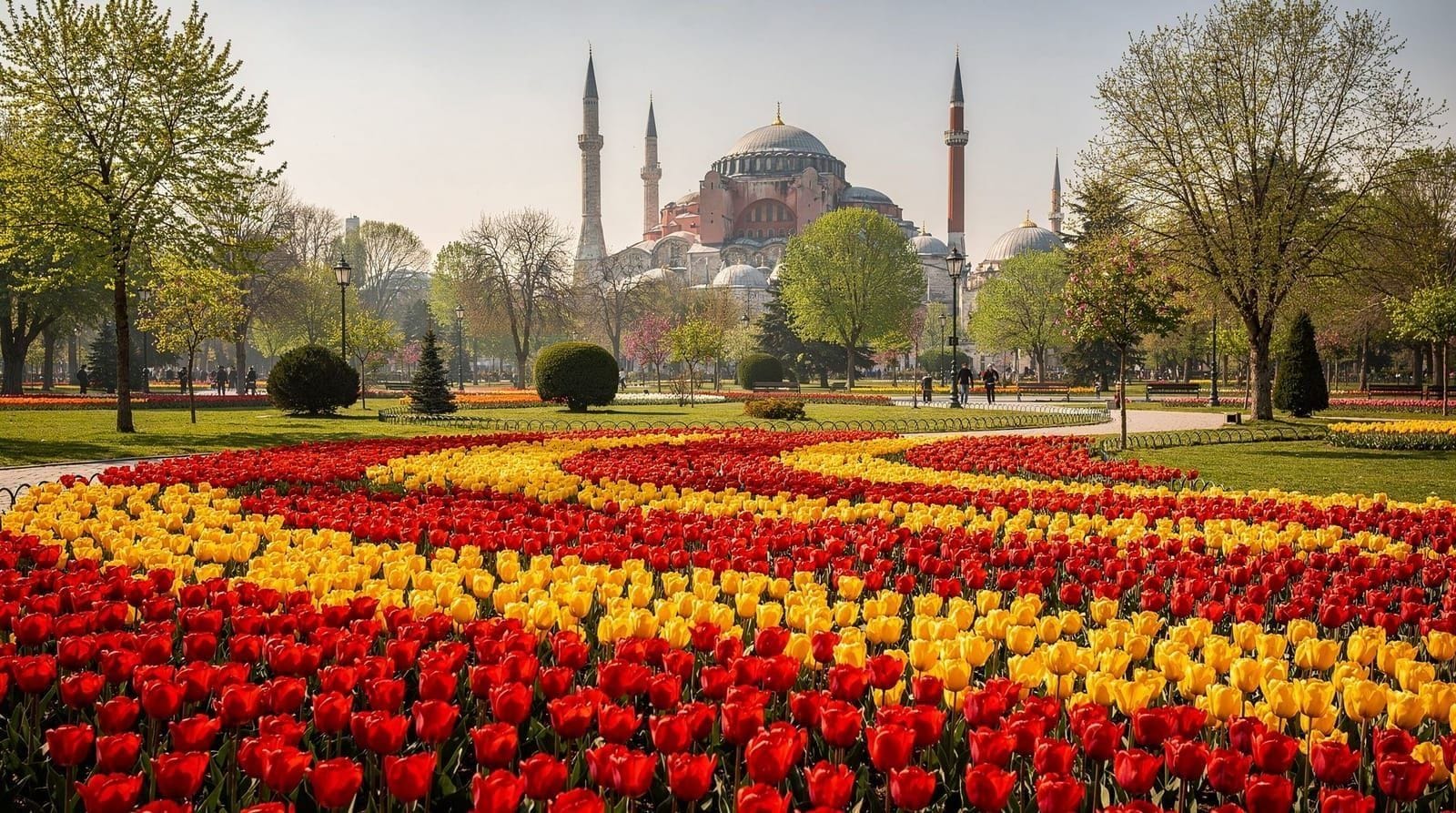
Yes, if you accept short days and occasional rain. Museums and hammams are uncrowded, hotels are cheap, and rare snowfall on the domes of Hagia Sophia is genuinely stunning. Balloon season in Cappadocia is unreliable in winter — plan accordingly.
Why Istanbul in winter is underrated
The travel industry pushes Istanbul in spring and autumn — and for good reason. But winter has a real case, especially if you’re budget-conscious or specifically interested in Ottoman history and hammam culture rather than beach clubs.
The honest downsides: November–February has the shortest days (sunset around 5pm), the most overcast skies, and some risk of disruption from occasional snow or strong Bosphorus winds. A handful of outdoor attractions, rooftop bars, and seasonal boat tours operate reduced schedules.
The honest upsides: hotels are substantially cheaper, queues at Hagia Sophia, Topkapı Palace, and the Basilica Cistern are a fraction of their summer length, and the covered bazaars, hammams, and meyhane restaurants are warm and welcoming. There is something deeply atmospheric about hot çay beside a brazier in the Grand Bazaar courtyard when it’s grey outside.
| Temperatures | 5–12°C, occasional 0–2°C nights |
| Hotel savings | 40–60% below summer peak |
| Daylight | sunset around 5pm |
| Best winter activity | hammam, meyhane, uncrowded museums |
| Skip in winter | Cappadocia balloon (50–70% cancellation rate) |
Winter month by month
| Month | Avg. temp | Notes |
|---|---|---|
| November | 8–15°C | Best budget shoulder month, still some clear days |
| December | 8–12°C | Festive bazaars, New Year’s price spike near Taksim |
| January | 5–8°C | Coldest, cheapest, quietest at major sites |
| February | 5–9°C | Ramadan begins ~19 Feb 2026; slightly longer days |
Month-by-month: what winter looks like
November
The tail end of autumn. Temperatures 10–15°C early, dropping to 8–12°C by month end. Some rain, but still enough clear days for outdoor sightseeing. Crowds thin noticeably after mid-October. This is arguably the best month for a budget-conscious shoulder-season trip that avoids true winter conditions.
Rooftop bars and terrace restaurants start scaling back service. The ferry to the Princes’ Islands operates on a reduced winter schedule.
December
Average 8–12°C. Rain becomes more frequent. The city doesn’t observe Christmas in the Western European sense, but the Spice Bazaar and Grand Bazaar have a festive, bustling atmosphere regardless. New Year’s Eve around Taksim Square is a major celebration — book accommodation well ahead if visiting then, as prices spike briefly.
January
The coldest month. Average 5–8°C, possible 0–2°C at night. Snow is possible but usually brief. This is the cheapest month to visit. Major attractions are open and quiet. The Hagia Sophia interior, with its Byzantine mosaics and Ottoman calligraphy panels, is infinitely more enjoyable without summer crowds pushing against you.
If Ramadan falls in late January or February (in 2026, Ramadan starts approximately 19 February), some restaurants adjust their daytime hours.
February
Still cold, but days are getting slightly longer. February is when Ramadan 2026 starts (approximately 19 February). The end of Ramadan, Eid al-Fitr, falls around 19–21 March 2026 (verify locally). If visiting during Ramadan, evening iftar atmospheres in Sultanahmet are genuinely worth experiencing — street vendors, lanterns, and communal meals around the mosque courtyards.
What to prioritise in winter
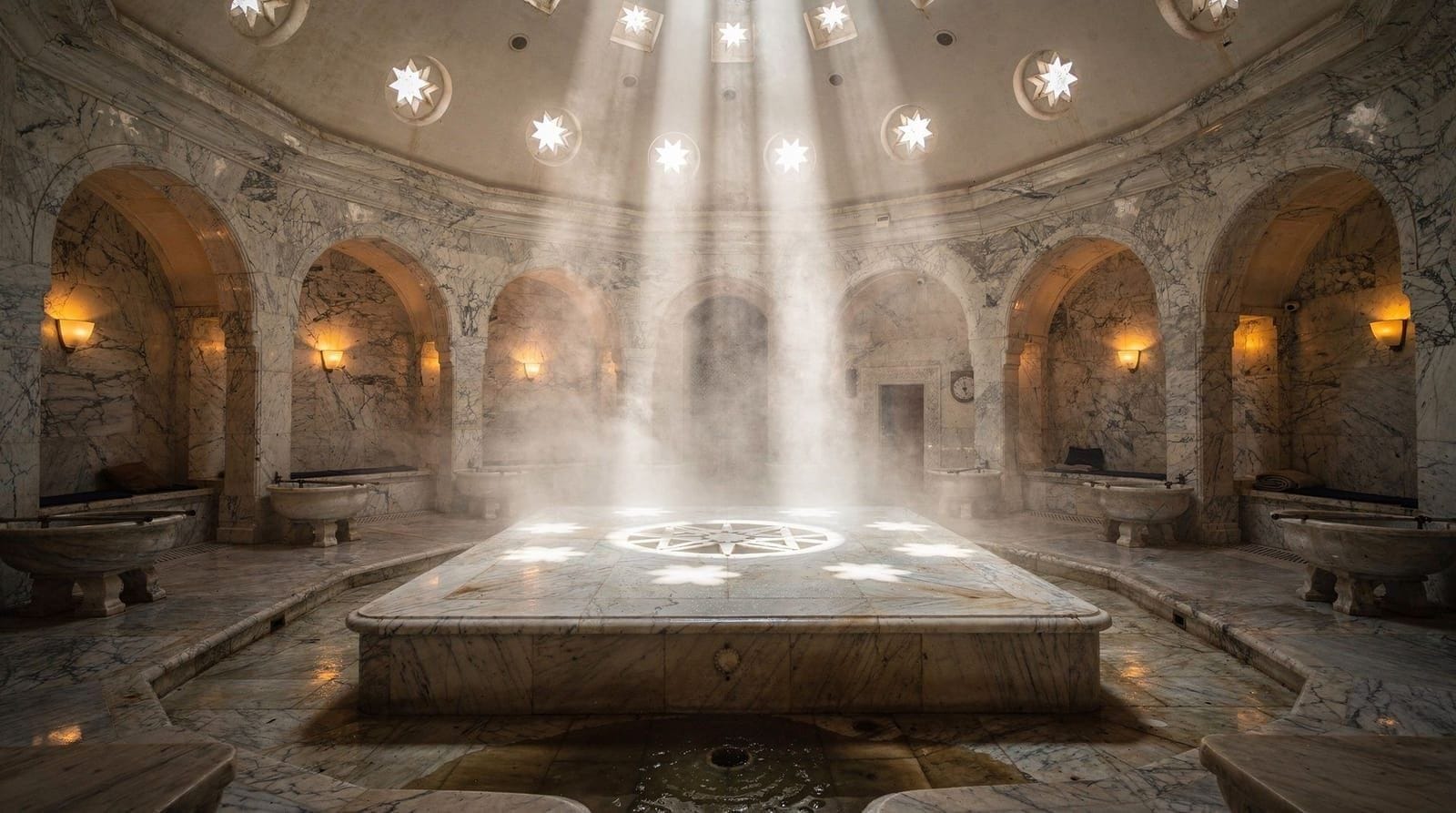
Hammams — the ideal winter activity
A traditional Turkish hammam becomes a genuinely practical pleasure in winter rather than a tourist novelty. The Çemberlitaş Hamamı (1584), the Süleymaniye Hamamı, and the Hürrem Sultan Hamamı are all within walking distance of Sultanahmet.
Prices at historic hammams range from approximately 700–1,500 TRY (35–75 USD / 32–70 EUR at mid-2026 rates) for a standard kese scrub and foam massage. The tourist-facing hammams are clean and professional; see the best hammams in Istanbul guide for honest comparisons.
Museums — much more pleasant without crowds
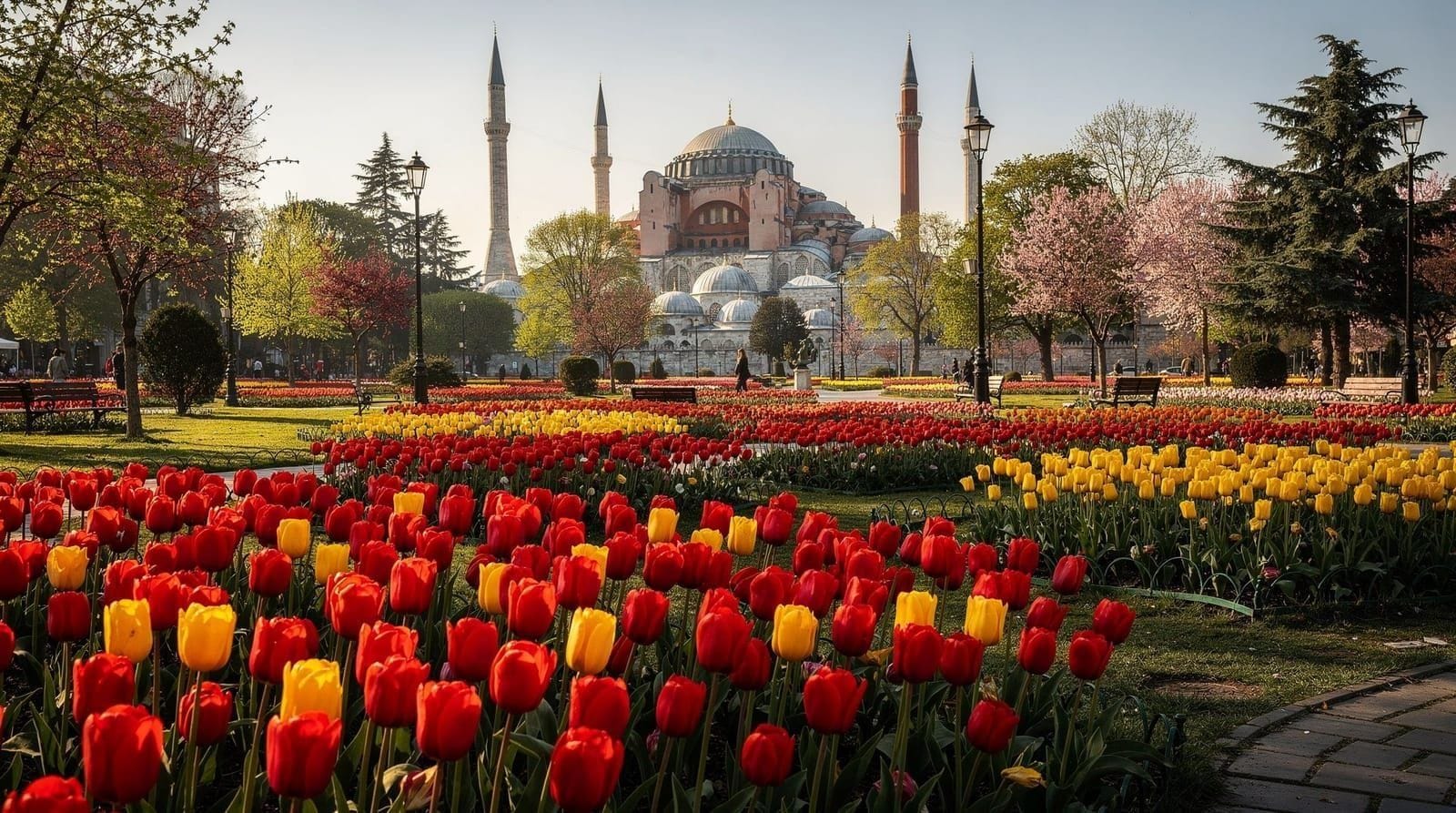
Hagia Sophia — no queue in January. The free admission area of the outer nave and courtyard has always been accessible; since 2020 re-conversion, the full interior is also free. Guided tours are worth considering to understand the layering of Byzantine and Ottoman history.
Topkapı Palace and Harem — book online, but walk-up tickets are usually available. The Imperial Harem in winter light has an intimacy that summer visits rarely allow. The Harem tour is a separate ticket.
Basilica Cistern — the underground cistern’s temperature is constant year-round (around 13°C) — actually warmer than a cold winter day. The night-shift experience (evening entry) is particularly atmospheric.
Istanbul Archaeological Museums — consistently underrated and rarely crowded even in summer. In winter, you may have the Troy gallery to yourself.
Bosphorus cruises in winter
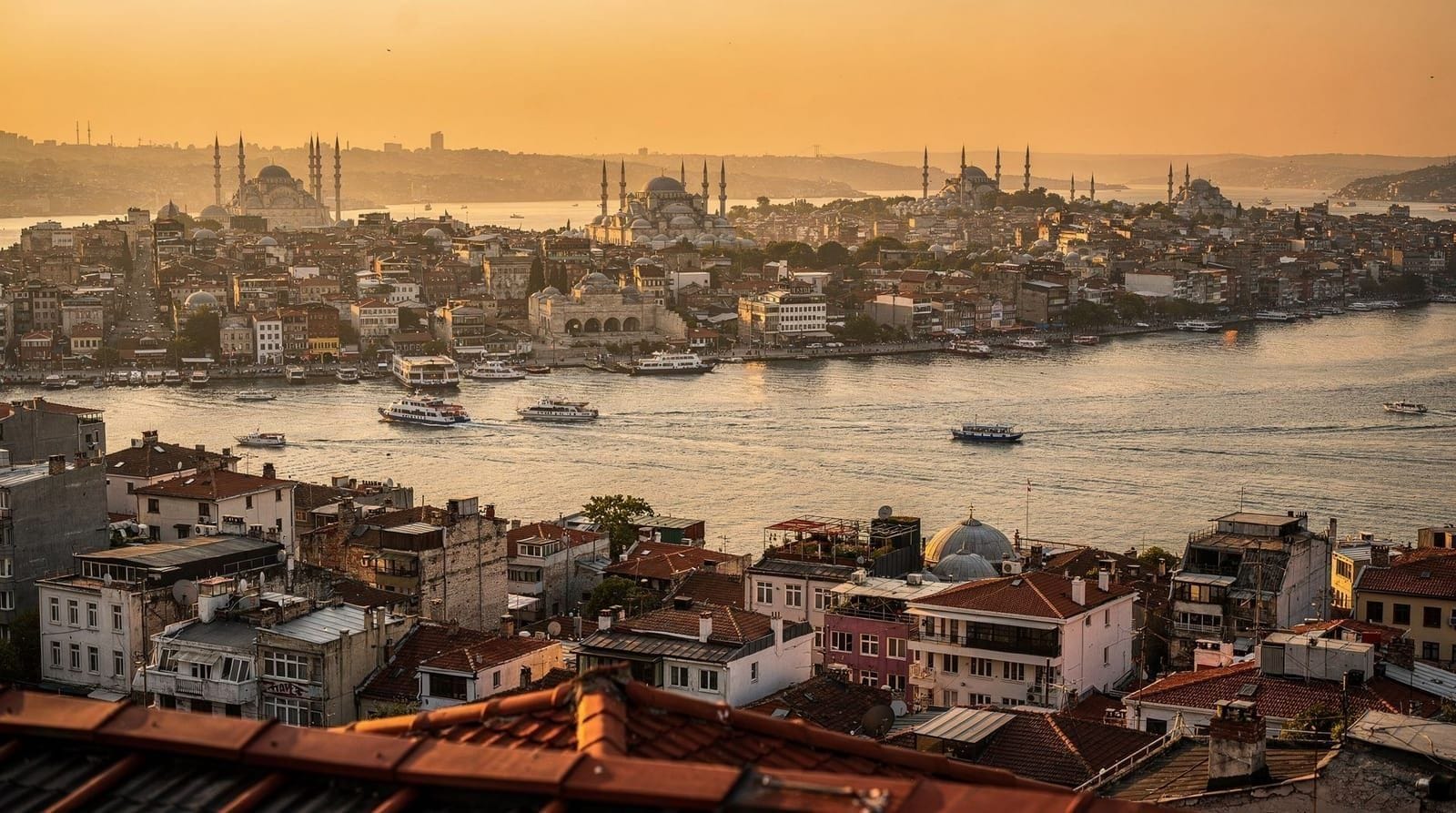
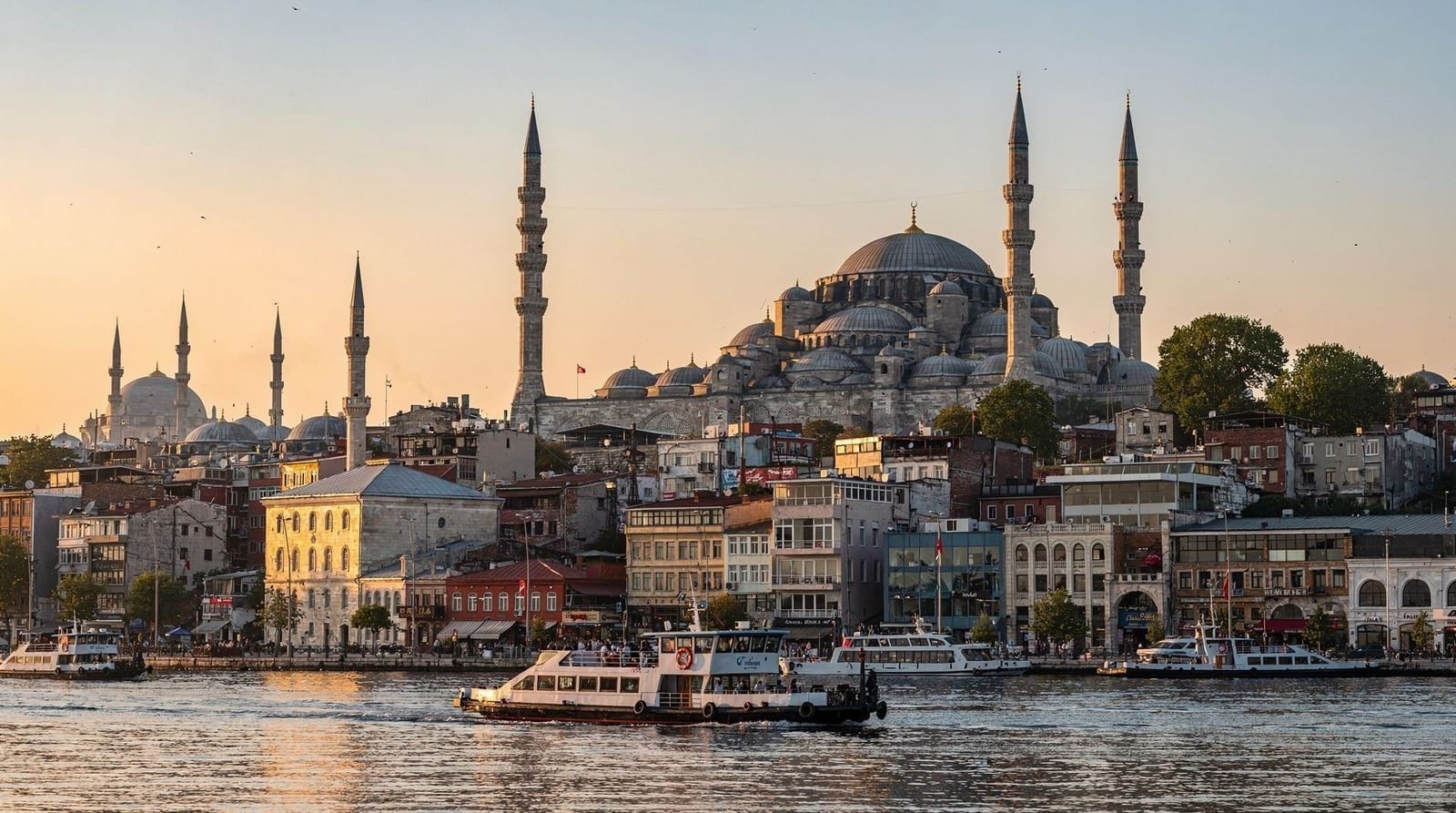
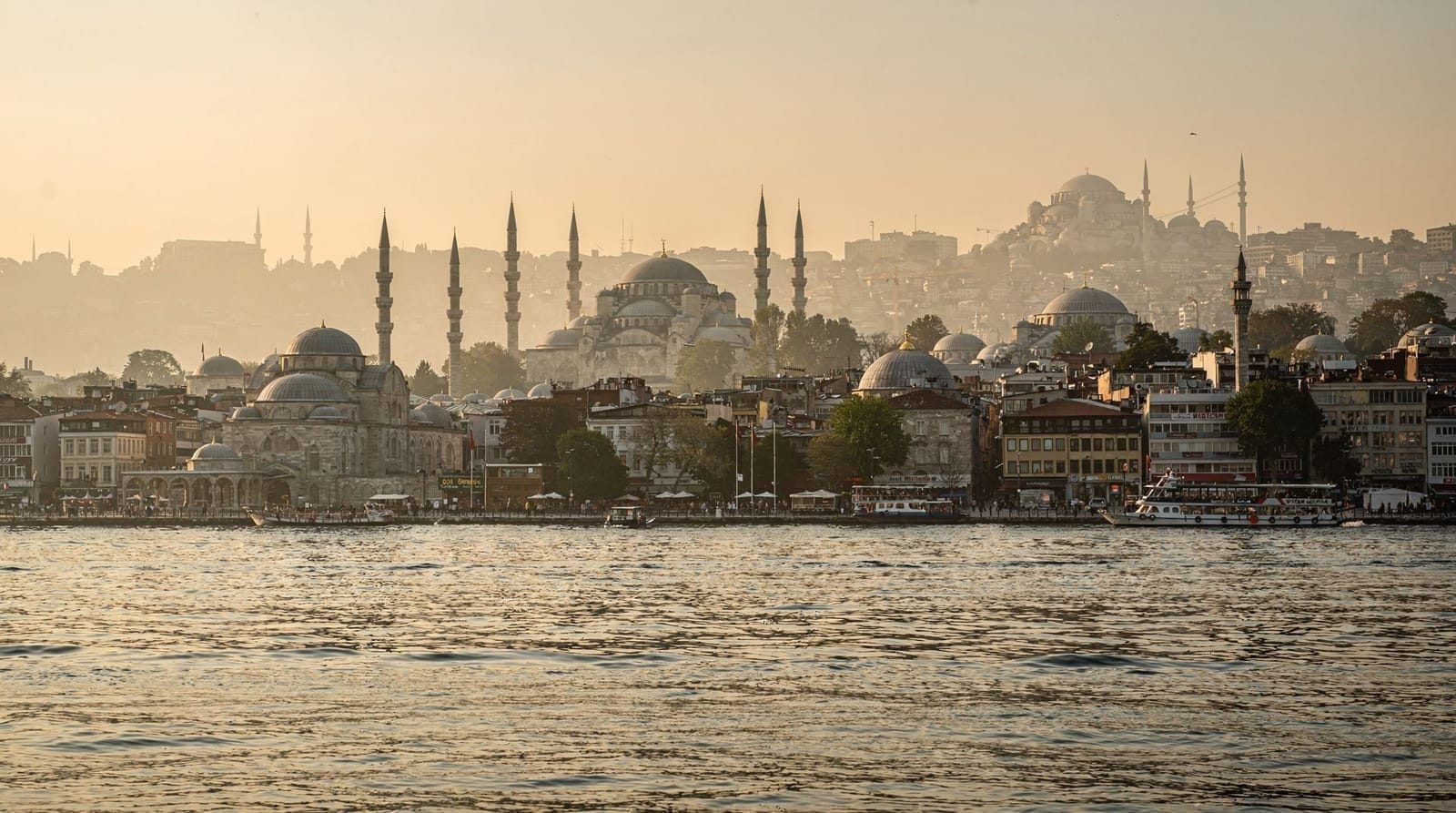
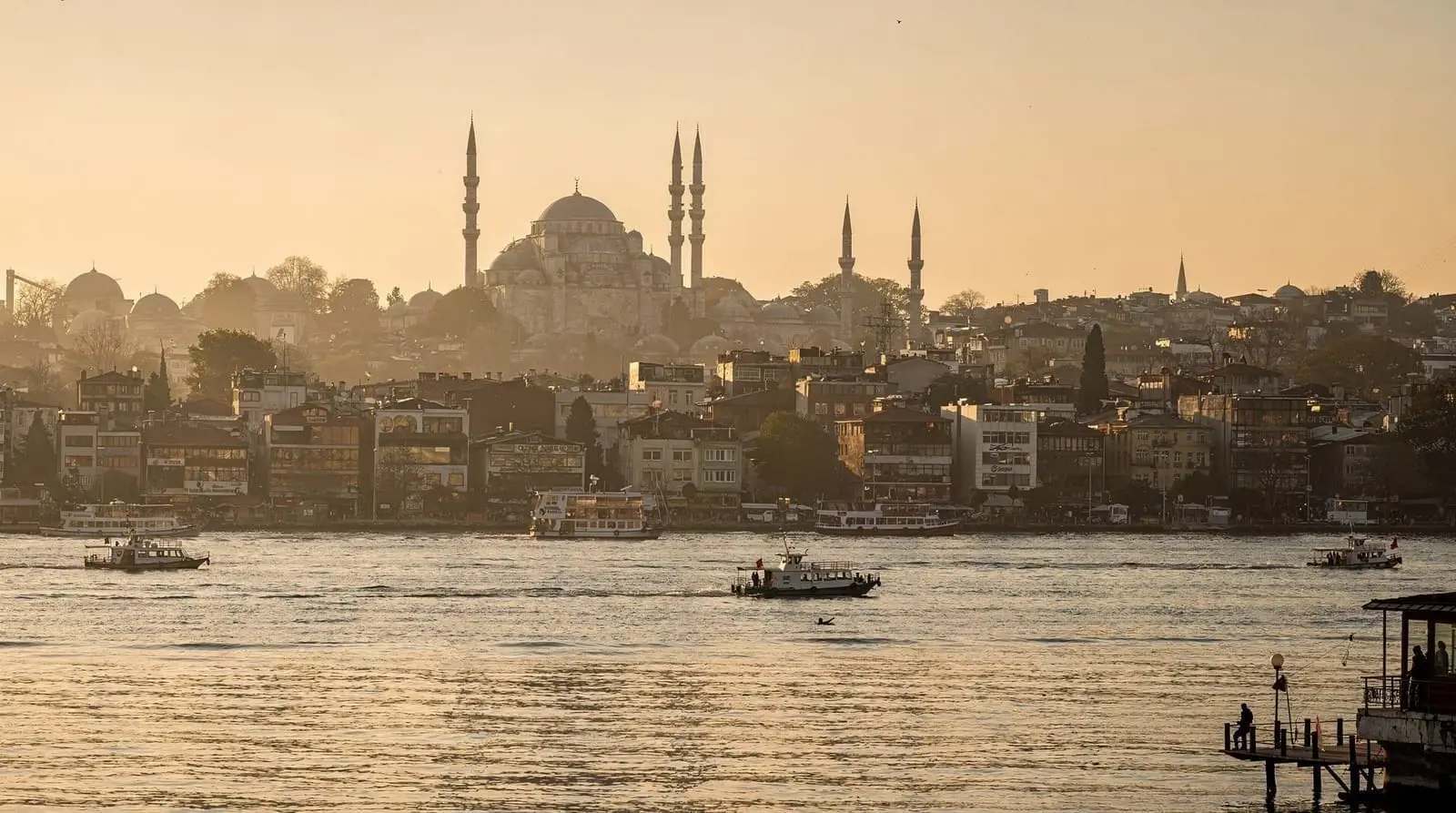
Bosphorus cruises run year-round, though some private yacht tours reduce to weekends only. A daytime sightseeing cruise in winter has a particular quality — mist over the water, the Asian shore emerging and disappearing, and very few other tourists.
Note: in heavy rain or strong wind (Poyraz north wind), ferries and cruises can be cancelled. Check the morning of your booking.
Eating and drinking
Winter is the best season for Istanbul’s traditional meyhane culture. A meyhane is an informal tavern where meze, raki, and grilled fish arrive without ceremony. Karaköy Lokantası, Çiya Sofrası in Kadıköy, and the fish restaurants of Kumkapı are all at their best when it’s cold outside.
The Spice Bazaar (Mısır Çarşısı) is warm, fragrant, and less overwhelming in winter. Turkish çay and Sahlep (a warm, milky winter drink made from orchid powder) are sold at street carts throughout the old city.
Getting around in winter
Istanbul’s public transport — tram T1 through Sultanahmet, the Marmaray tunnel under the Bosphorus, and the metro lines — is unaffected by winter weather except during rare heavy snowfall. The Istanbulkart (reloadable contactless transit card) works across all modes.
Ferries are the biggest weather variable. Check the Istanbul Deniz Otobüsleri (IDO) website or app for cancellations before heading to the Eminönü or Karaköy ferry piers. The Bosphorus by public ferry guide has the route details.
Budget in winter
Hotels in Sultanahmet and Beyoğlu drop significantly in winter. As a rough benchmark (mid-2026, rates volatile):
- Budget guesthouses: 800–1,500 TRY (40–75 USD) per night
- Mid-range boutique hotels: 2,000–4,000 TRY (100–200 USD) per night
- Four Seasons Sultanahmet or Pera Palace: 6,000–12,000 TRY (300–600 USD) per night
Flights to Istanbul in January–February are frequently among the cheapest in Europe. Turkish Airlines and budget carriers (Pegasus, SunExpress) both serve the route.
For a full breakdown, see Istanbul travel budget.
Istanbul’s winter food culture: the real highlight
For many visitors, Istanbul’s winter food culture is the most compelling reason to choose the cold months. The meyhane tradition — a Turkish tavern where the meal is long, the raki is persistent, and the meze never quite stop appearing — is at its absolute best when it’s cold outside.
The meyhane
A meyhane is an institution, not a restaurant category. The word comes from Persian (may = wine, hane = house), and the tradition of gathering around tables of small dishes and strong drink while musicians play dates to Ottoman times. Istanbul’s meyhane culture is centred in Beyoğlu (particularly around Asmalı Mescit and Nevizade Sokak) and in the older fish-and-raki districts of Kumkapı and Samatya.
A proper meyhane visit begins with cold meze (a sweep of small plates — taramosalata-adjacent tarama, haydari (yoghurt with herbs), fried kalamari, ezme (spiced tomato paste), white cheese, dolma). Then the hot meze arrive. Then, optionally, a main — grilled fish or meat. Throughout, the raki flows (raki is an anise-flavoured spirit, typically diluted with water and ice; it turns cloudy on contact with water, earning its Turkish name “lion’s milk”).
The best meyhane experiences in winter:
- Karaköy Lokantası — traditional meyhane format; excellent cold meze selection; always busy; book ahead
- Refik (Asmalı Mescit, Beyoğlu) — one of the oldest surviving meyhane in Istanbul; authentic atmosphere
- Boncuk (Nevizade Sokak) — mid-range, convivial, good for first meyhane experience
- Paf’ta (Çukurcuma, Beyoğlu) — neighbourhood meyhane, less tourist-facing, small tables
Budget approximately 600–1,200 TRY per person for a full meyhane experience with raki (mid-2026 rates).
The Turkish breakfast culture
Istanbul’s Turkish breakfast (Türk kahvaltısı) is an institution worth seeking out year-round, but particularly warming on cold winter mornings. The classic spread: white cheeses (beyaz peynir, kaşar), olives, tomato and cucumber, eggs (menemen — scrambled with tomato and peppers — or fried), honey and kaymak (thick clotted cream), sucuk (spiced sausage), börek (flaky pastry), and çay in those distinctive tulip-shaped glasses.
For a proper Turkish breakfast in winter, Van Kahvaltı Evi (Beyoğlu) is the Istanbul reference — it recreates the elaborate Van breakfast tradition with dozens of small dishes and strong çay. Reserve ahead on weekends.
The Kadıköy market area has excellent neighbourhood breakfast options on the Asian side.
Day trips in winter
Istanbul’s day-trip options largely work in winter with some adjustments.
Bursa — particularly good in winter if snow has fallen on the Uludağ mountain visible above the city. The Grand Mosque and Silk Bazaar are indoors and climate-irrelevant. The ferry (Yenikapı to Mudanya) is weather-dependent — check sea conditions before booking.
Princes’ Islands — ferry service is reduced in winter (check IDO schedule), and cycling the island in cold wind is less appealing. However, the islands are genuinely atmospheric in winter quiet; Büyükada’s car-free streets with very few tourists has a specific melancholy appeal.
Edirne — the Selimiye Mosque visit works in any weather. The 3-hour bus journey each way in winter requires a commitment, but the indoor mosque experience at Selimiye is unaffected by season.
Avoid Cappadocia day trips in winter (balloon cancellation rates very high; see the day trip reality check for why an overnight stay is strongly recommended regardless of season).
What to pack for Istanbul in winter
- Warm waterproof jacket and layers (cold wind off the Bosphorus)
- Comfortable waterproof walking shoes (Sultanahmet cobblestones get slippery)
- Head covering for mosque visits (for women; scarves are usually available at entrances but bring your own)
- Backup data SIM or downloaded offline map (Google Maps + Maps.me work well)
Winter light and photography
Overcast winter skies get a bad reputation, but the flat, diffuse light is often better for photographing Hagia Sophia’s interior mosaics and the Basilica Cistern than the harsh contrast of a bright summer afternoon. Snow on the domes — rare, but it happens most winters — produces some of the most striking Istanbul photographs available at any time of year, precisely because so few visitors are there to see it. The trade-off is short days: with sunset around 5pm, plan outdoor golden-hour shots (the Galata Bridge, the Bosphorus waterfront) for mid-afternoon rather than early evening.
Neighbourhoods that suit a slower winter pace
Winter rewards neighbourhoods with indoor depth over ones built for outdoor wandering. Beyoğlu’s covered passages, meyhane strips and cinemas keep working regardless of weather, and the Grand Bazaar is genuinely more pleasant to shop in when it’s the warmest place around rather than a heat-relief detour. For a wider comparison of how each district changes character by season, see the Istanbul neighbourhoods overview.
Museum passes in low season
Winter’s short queues mean a multi-attraction pass earns its keep mainly on convenience rather than time saved — but skip-the-line access still matters at Topkapı and the Basilica Cistern on weekends and around the New Year period. Compare the current options in the Istanbul museum pass guide and the pass comparison guide before buying tickets one at a time.
Frequently asked questions about Istanbul in winter
How cold does Istanbul get in winter?
Does it snow in Istanbul in winter?
What is open in Istanbul in winter?
Are tours cheaper in winter?
Is the Cappadocia balloon season active in winter?
Is Istanbul safe in winter?
Top experiences
Bookable activities with verified prices and instant confirmation on GetYourGuide.