Üsküdar neighborhood guide — Istanbul's most traditional Asian-side district
Istanbul: Asian Side Uskudar & Kadikoy Tour with Lunch
What is Üsküdar like compared to the rest of Istanbul?
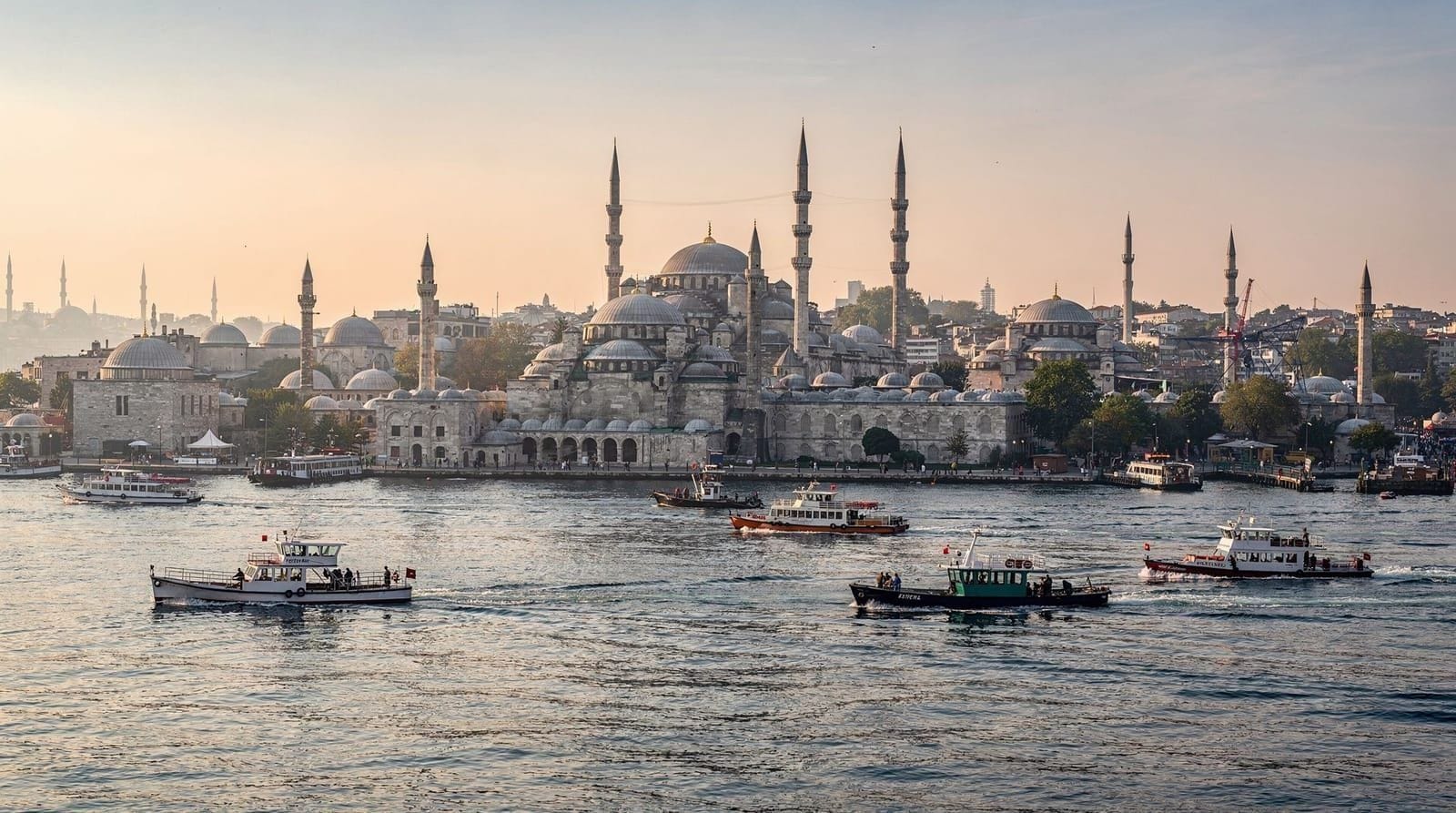
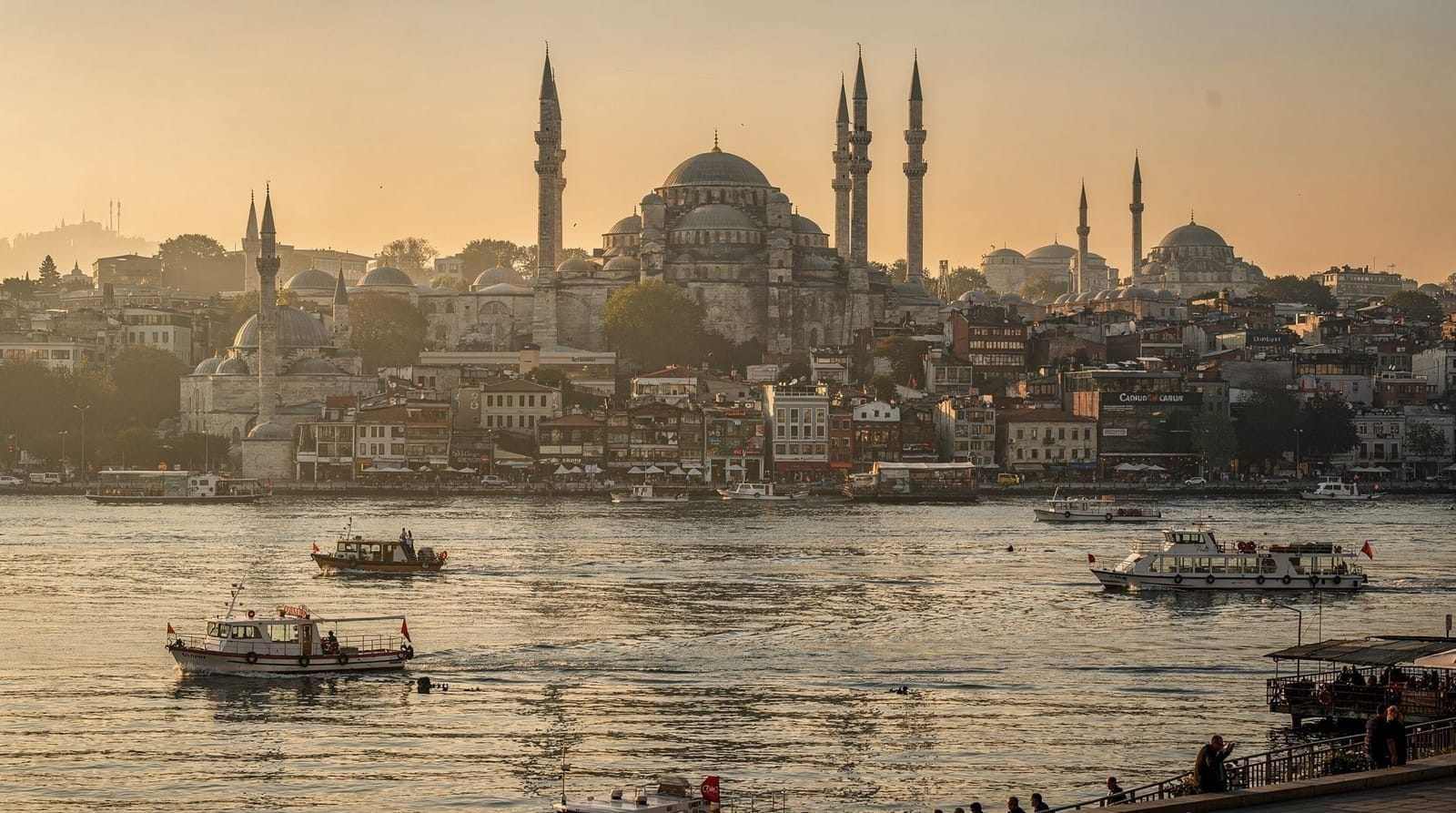
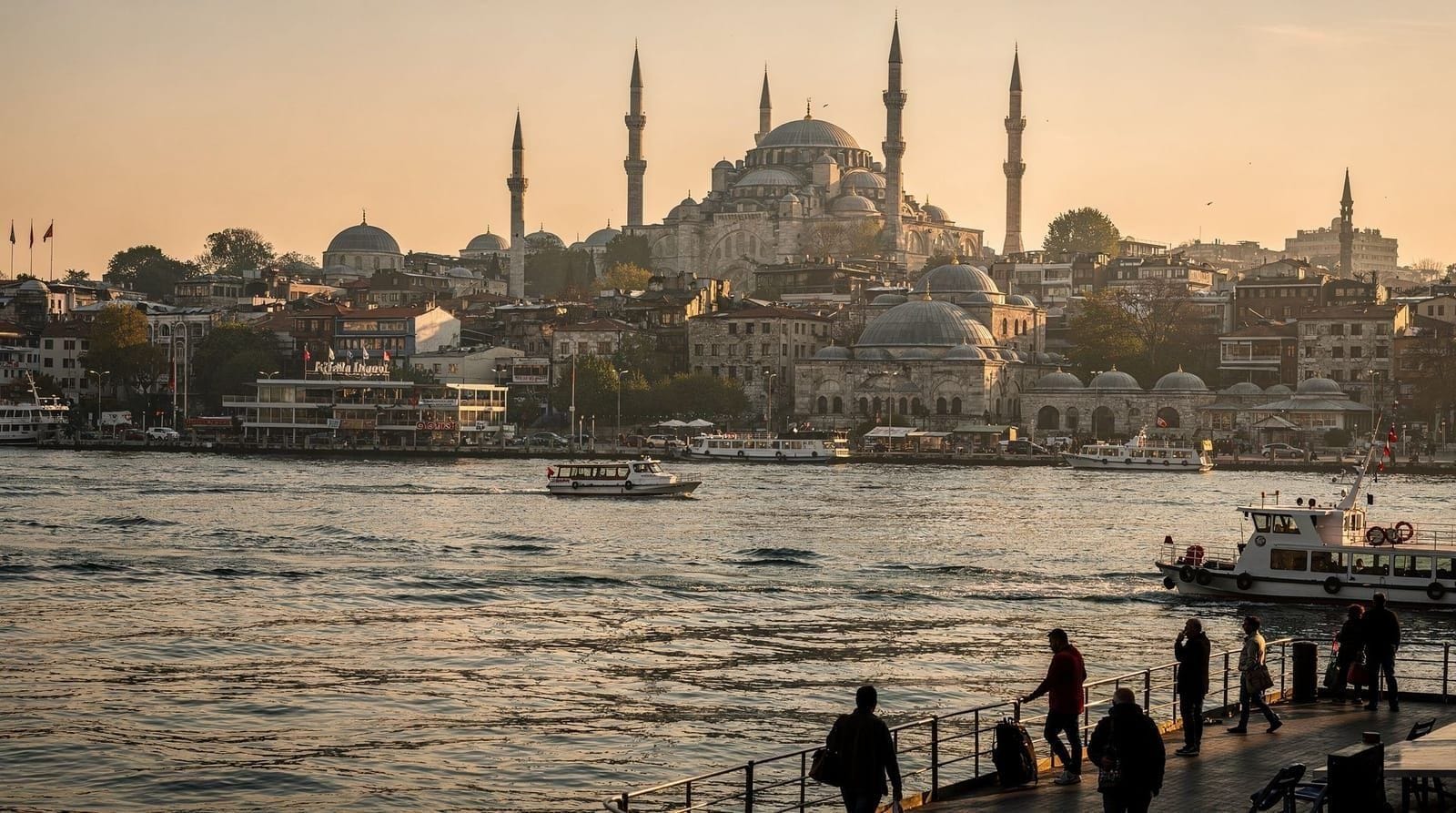
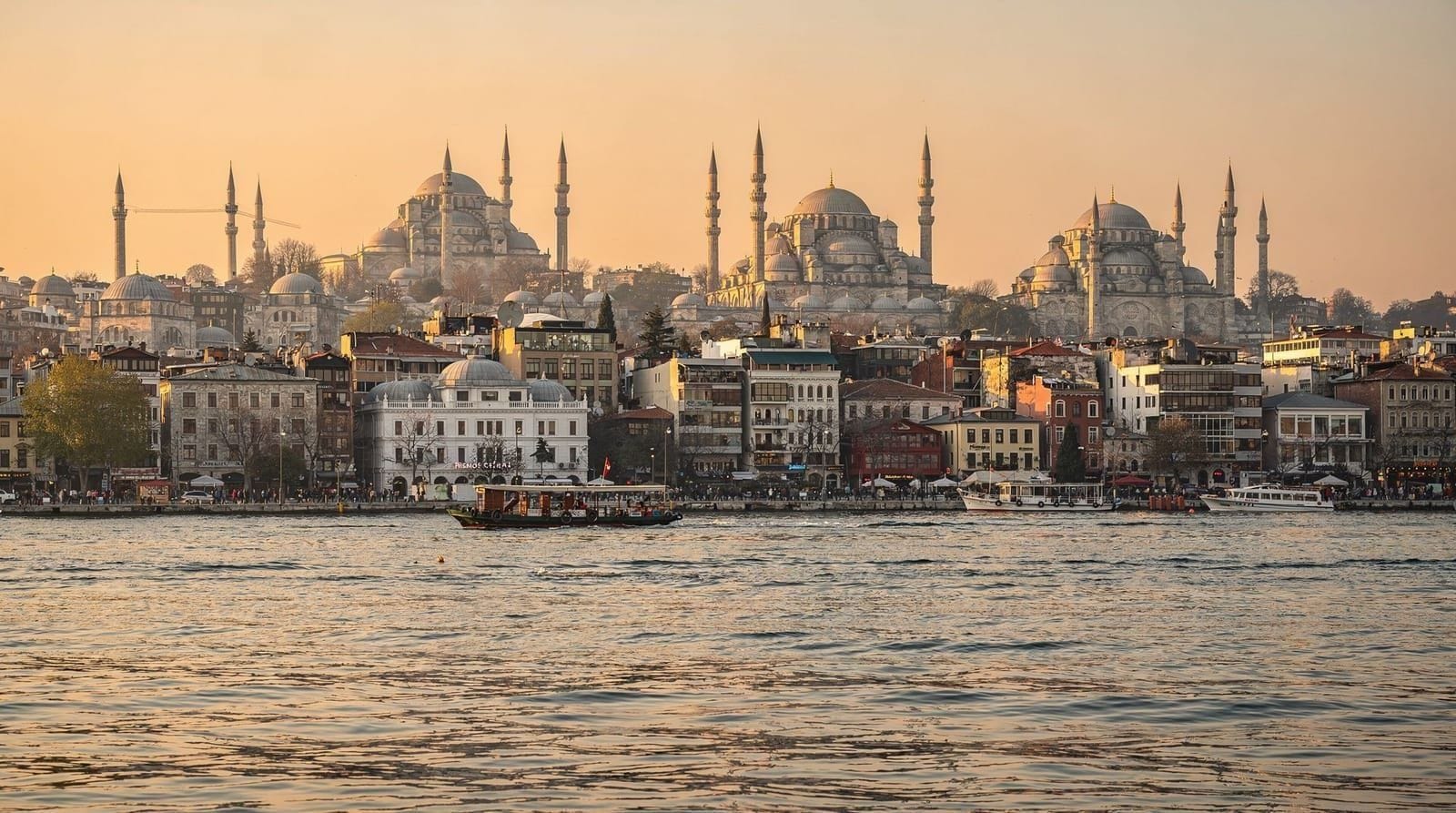
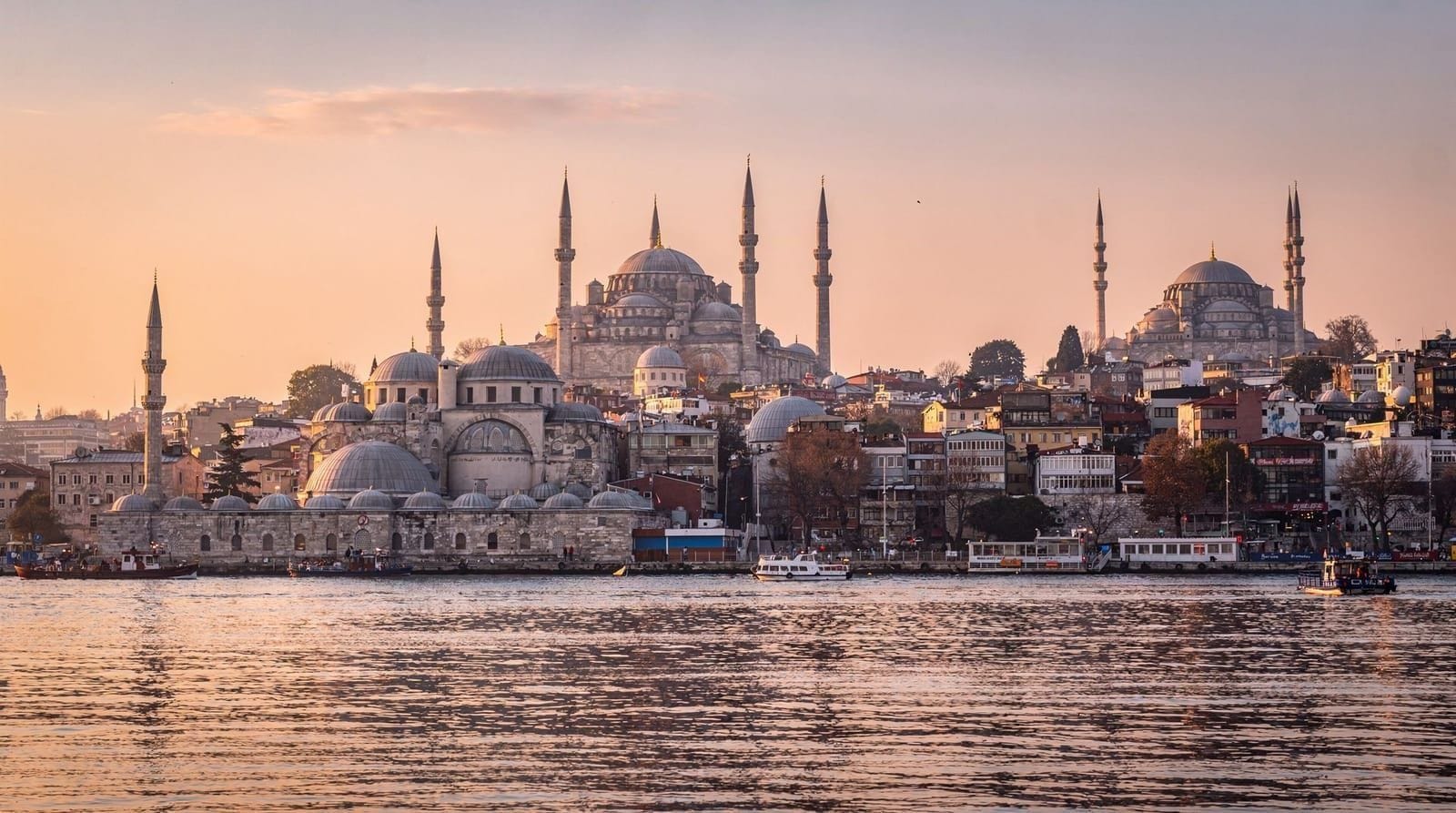
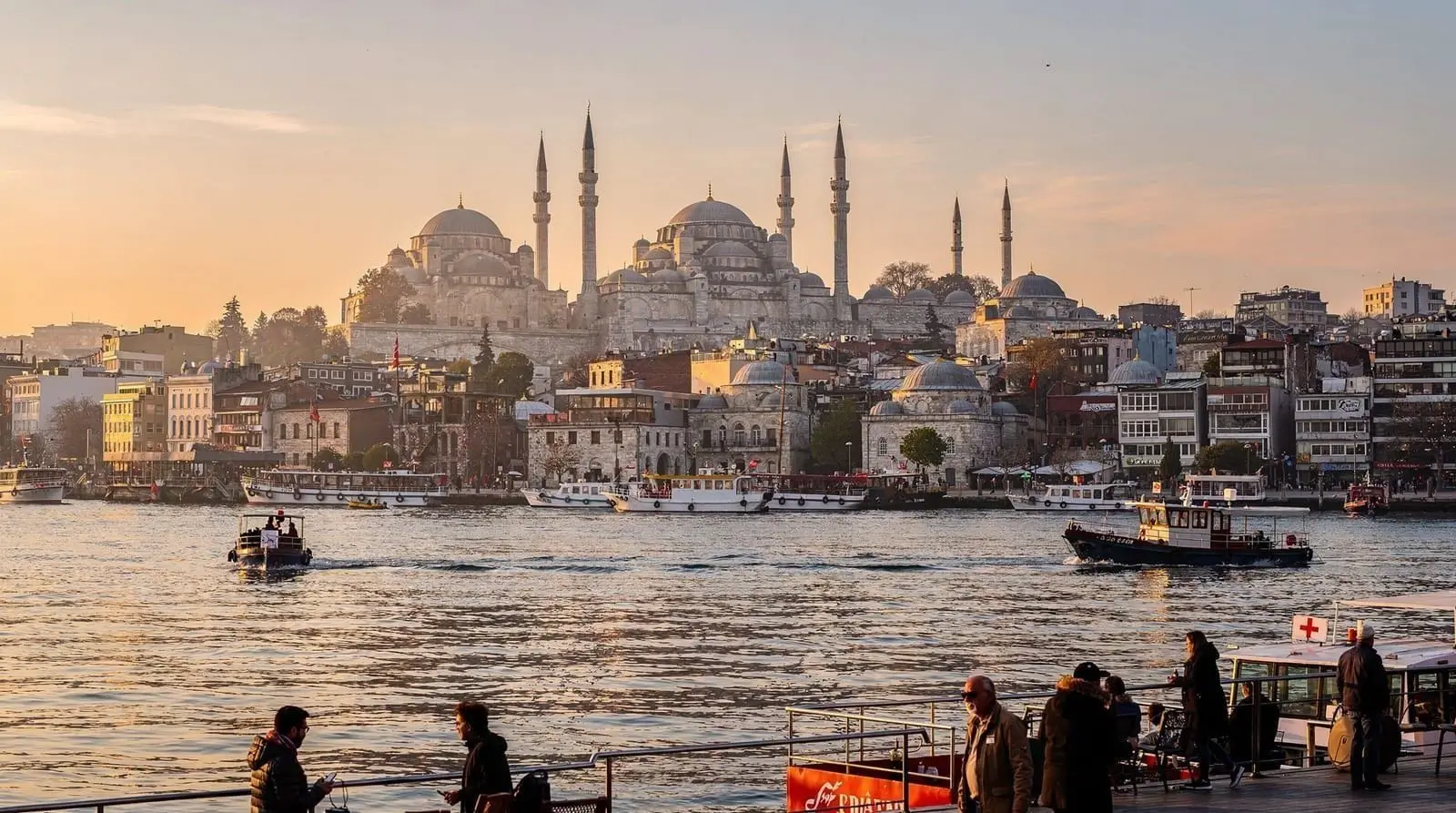
Üsküdar is Istanbul's most traditionally Muslim and historically significant district on the Asian shore. It's quieter and more conservative than Kadıköy, with a cluster of Mimar Sinan-designed mosques near the ferry terminal, the Maiden's Tower visible offshore, and Çamlıca Hill with sweeping Bosphorus views. It works well as a 2–3 hour addition to any Asian-side day.
Üsküdar — the older Asian shore
Üsküdar has a longer recorded history than most European-side neighbourhoods. It was a significant settlement before Constantinople was even founded — the ancient Chrysopolis, then a Byzantine harbour, then the Ottoman starting point for caravans heading east into Anatolia. From Üsküdar, pilgrims and armies departed for Mecca, Persia, and the empire’s eastern reaches. Every major land expedition from Istanbul crossed the Bosphorus at this point.
Today, Üsküdar is one of Istanbul’s more conservative neighbourhoods: traditional, mosque-dense, quieter than Kadıköy or Beyoğlu. For visitors, that character is the point — stepping off the ferry at Üsküdar gives a version of Istanbul that the tourist circuit in Sultanahmet doesn’t replicate.
| Where | Asian shore, opposite Sultanahmet/Eminönü across the Bosphorus |
| Getting there | Ferry from Eminönü (~25 min) or Marmaray from Sirkeci (~4 min) |
| Time needed | 2–3 hours as an add-on; 4–5 hours with Haydarpaşa station |
| Cost | Mostly free (mosques); Maiden’s Tower ticket + optional taxi to Çamlıca |
| Best paired with | Kadıköy as a single Asian-side day |
The waterfront area — mosques and the ferry view
The 10 minutes after stepping off the Üsküdar ferry contain some of the neighbourhood’s best material:
The Maiden’s Tower (Kız Kulesi) is visible immediately from the pier — a small island 200 metres offshore, with the tower that has been a lighthouse, custom post, quarantine station, and in the last decade a restaurant and museum. The ticket for the ferry transfer and museum admission is sold at the pier. Allow 1–2 hours if you plan to eat there; 30–45 minutes if you just visit the tower.
Şemsi Ahmet Paşa Mosque (1580): Immediately on the waterfront, just south of the ferry terminal — a tiny Mimar Sinan mosque with the unusual feature of extending partially over the water. It’s the smallest of Sinan’s major commissions and has an intimacy that larger mosques lack. Often empty of tourists.
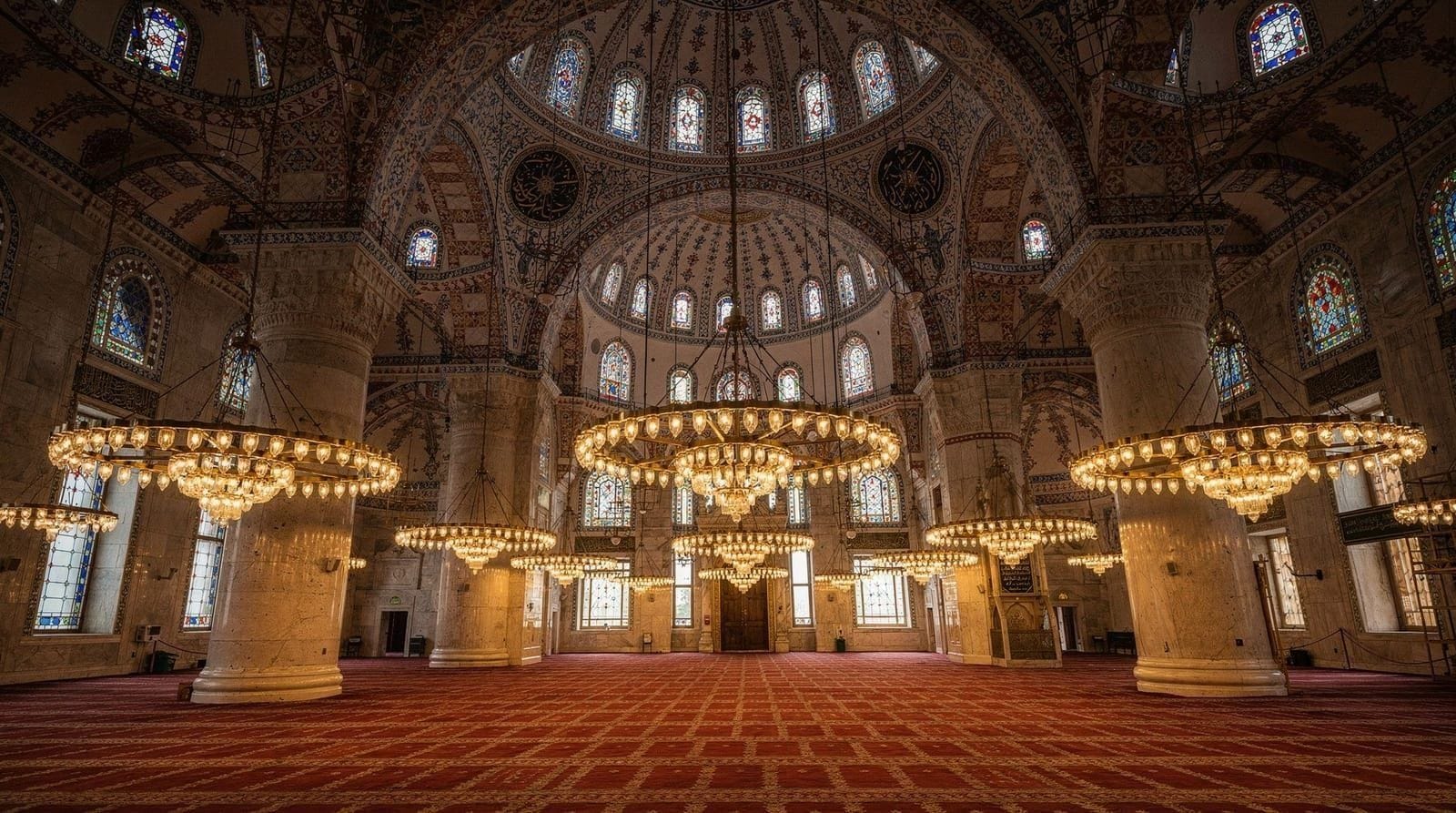
Mihrimah Sultan Mosque (1548): A 5-minute walk inland from the ferry terminal, Mihrimah Sultan Mosque is one of Sinan’s earlier major works and built for Sultan Süleyman’s daughter. The single large dome and the unusual profusion of windows — creating a luminous, light-filled interior — make it architecturally distinctive. Much less visited than the Süleymaniye or Blue Mosque.
Yeni Valide Sultan Mosque (1710): Larger and later than the Sinan mosques, this dominates the central square of Üsküdar near the ferry terminal. The neighbourhood’s functional religious centre.
Mosque etiquette reminder: Cover shoulders and knees before entering any mosque; women cover hair (scarves sometimes available at the door but better to bring your own). Remove shoes at the entrance. Avoid the prayer hall during the five daily prayers. See the mosque etiquette guide for complete guidance.
Çamlıca Hill — the best elevated view in Istanbul
Accessible by taxi from Üsküdar (about 15 minutes) or by city bus (slower), Büyük Çamlıca Hill is the highest point on the Asian side and gives a 360-degree view over both continents that rivals or exceeds any European-side viewpoint:
- To the northwest: the Sultanahmet skyline, Hagia Sophia, Blue Mosque, the Bosphorus
- To the north: the two suspension bridges, the upper Bosphorus
- To the south: the Sea of Marmara, the Princes’ Islands
- To the east: Anatolian Istanbul spreading into hills
The Büyük Çamlıca Camii (mosque), completed 2019, dominates the hilltop. Its six minarets are visible from much of the city. The mosque is open to visitors (massive scale, contemporary architecture). Surrounding the mosque is a public park — wide open, pleasant for a picnic or simply sitting and orienting yourself in Istanbul’s geography.
How to use the hilltop well
Çamlıca rewards a slow visit rather than a quick photo stop. Pick a clear day if you can: haze flattens the skyline, while good visibility lets you trace the line of the Bosphorus from the Marmara end toward the northern bridges. Late afternoon is a natural choice if you want to watch the light change over the old city, and it pairs well with a Bosphorus sunset cruise the same evening. If you have already climbed Galata Tower or sat on a rooftop, Çamlıca offers a different angle: you are looking at the historic peninsula from across the water, not from inside it. For more options, the best views in Istanbul guide compares the main viewpoints on both shores.
Plan your return before you go up. Taxis are easy to find for the trip out but less predictable at the top, so agree on how you will get back down, or ask the driver to wait if the arrangement suits you. Keep the mosque etiquette from earlier in mind if you step inside the Büyük Çamlıca Camii.
Why the Sinan mosques reward a closer look
Mimar Sinan is usually discussed through the great imperial mosques on the European side, such as the Süleymaniye. Üsküdar lets you see his work at a different scale. Here the buildings sit among ordinary streets and a working waterfront, so you notice how a mosque functioned as part of a neighbourhood: a place of prayer, a landmark for sailors, and a gathering point for the surrounding community. If you enjoy architecture, the Istanbul architecture guide and the Ottoman Istanbul guide give the wider context for what you are looking at.
Look for the small details rather than the grand gestures. Notice how daylight enters through the windows, how the courtyard transitions from street to sacred space, and how the proportions feel balanced even in a compact building. The Şemsi Ahmet Paşa Mosque is especially good for this, because its modest size lets you take in the whole composition at once, and its position beside the water makes it feel almost like part of the shoreline. Visiting outside prayer times keeps the interior quiet, and a short, respectful pause inside is more memorable than a rushed photo.
Florence Nightingale Hospital — a historical footnote
In Üsküdar’s Selimiye district, the old British military hospital (now Haydarpaşa Military Hospital, partially open to visitors) was where Florence Nightingale based her revolutionary nursing operation during the Crimean War (1854–1856). The tower room where she kept vigil is now a small museum. Historically interesting if you have a specific connection to nursing history or the Crimean War.
The Üsküdar market and eating
Unlike Kadıköy’s foodie-oriented market, Üsküdar’s market streets are more functional — a neighbourhood market for a neighbourhood. The streets around the central mosque are lined with bakeries, tea-houses, and köfte restaurants.
For eating in Üsküdar: The Kabukullu Üsküdar restaurant on the waterfront is a good mid-range option for fish. The neighbourhood’s tea-houses (çayhane) don’t cater to tourists but welcome visitors — sit down, order çay, pay 15–25 TRY. The experience is distinctly different from a Sultanahmet café designed for tourists.
A slow walk through the back streets
Beyond the pier and the main square, Üsküdar rewards wandering. The residential streets climb gently away from the water, lined with older houses, small neighbourhood mosques, fountains and corner shops where people clearly live rather than perform for visitors. There is no fixed route and no checklist: follow the lanes uphill, stop when a courtyard looks inviting, and let the pace of the district set yours. This is the part of the visit that most differs from the Sultanahmet circuit, where every corner has a ticket office.
A few habits make the walk easier. Keep a loose sense of the waterfront as your reference point, since the streets curve and it is easy to lose direction. Dress modestly even outside the mosques; it is a courtesy that locals notice, and it makes the experience more comfortable. Ask before photographing people, especially at tea-houses and in prayer courtyards. For a broader look at how this district sits among the city’s others, the Istanbul neighbourhoods overview is a useful companion, and the Beşiktaş neighbourhood guide covers the European-shore counterpart directly across the water.
Tea, simit and a seat by the water
The simplest pleasure in Üsküdar is sitting on the waterfront with a glass of çay and watching the ferries cross toward the old city. Locals do exactly this, and nobody hurries you. A simit from a street seller makes a cheap, easy snack; for more on what to try, the Istanbul street food guide and the Turkish breakfast guide explain the basics. If you want a proper sit-down meal, the where to eat in Istanbul guide covers the wider options, though in Üsküdar the fish restaurants on the water and the neighbourhood köfte places are the natural choices.
Combining Üsküdar with Kadıköy
The two Asian-side neighbourhoods are typically combined into a single day programme:
Option 1: Ferry to Üsküdar (morning), visit the mosques and Maiden’s Tower, take a shared ferry or bus to Kadıköy (25 minutes), lunch at Çiya Sofrası, walk the market, return ferry from Kadıköy to Eminönü.
Option 2: Ferry to Kadıköy first for the market and lunch, then ferry to Üsküdar for the mosques and Maiden’s Tower, return from Üsküdar to Eminönü.
The Asian side Istanbul guide covers both districts in a single framework and suggests how to allocate time between them, and the European vs Asian side guide is useful if you’re still deciding how much time to give each shore overall. For a guided version that packages the crossing itself as the highlight, see the two continents in one day tour guide.
Üsküdar vs Kadıköy at a glance
Both are Asian-side neighbourhoods, but they suit different moods and different amounts of time. Use this to decide how to split a day:
| Üsküdar | Kadıköy | |
|---|---|---|
| Character | Traditional, mosque-dense, conservative | Bohemian, secular, food- and bar-focused |
| Main draws | Sinan mosques, Maiden’s Tower view, Çamlıca Hill | Neighbourhood guide, market streets, Çiya Sofrası |
| Pace | Quiet, unhurried | Busy, especially evenings |
| Time needed | 2–3 hours | Half a day (4+ hours) |
| Evening scene | Thin — few bars, early ferries | Strong, part of the nightlife scene |
| Best for | History, mosque architecture, a calmer contrast to Sultanahmet | Food, market browsing, a livelier Asian-side afternoon |
If pressed to choose only one, most visitors get more variety from Kadıköy; but Üsküdar’s mosques and the Maiden’s Tower view are worth the short detour if you have the extra 2–3 hours, and the tea-houses here are a more authentic version of the çay experience described in the Turkish coffee guide’s companion notes on tea culture.
Where Üsküdar fits in a wider Istanbul plan
Üsküdar is easiest to enjoy when it is slotted into a day that has room for it. On a short stay, it can replace a second museum morning with something calmer; the Istanbul in one day guide and the 2-day itinerary show how the main sights are usually spread, and where an Asian-side crossing could realistically fit. If you have more time, the 3-day itinerary leaves breathing space for a relaxed ferry crossing and an unhurried afternoon on the Asian shore. Travellers weighing where to base themselves can read where to stay in Istanbul, and anyone curious about the crossing itself will find more in the Istanbul ferries guide.
A good rhythm for the visit is simple. Arrive by ferry so the crossing is part of the experience, spend your first stretch by the pier and the waterfront mosques, then walk inland toward the larger central mosque and the market streets. Leave time for tea before deciding whether to go up to Çamlıca or continue to Kadıköy. Treat the Maiden’s Tower as a flexible element: some visitors are happy with the view from the shore, while others want to cross and spend time on the island, and either choice is reasonable. The Maiden’s Tower visiting guide explains what to expect if you decide to go.
Finally, think about what you want from the Asian shore as a whole. The Asian side Istanbul guide and the Istanbul first-time tips both help you decide how much of your trip to spend across the water. Families may also like the calm pace; the Istanbul with kids guide has ideas for adapting a day like this to younger travellers. For a related walk with a very different mood, see Balat and Fener, another neighbourhood where everyday life is the main attraction.
The best reason to come is contrast. After the crowds around the big European-side monuments, Üsküdar feels like a neighbourhood that simply carries on with its day. That is not for everyone, and it is fine to prefer livelier districts. But for visitors who want one hour of ordinary Istanbul life alongside the headline sights, it is among the most rewarding short detours the city offers.
Getting there and practical tips
The ferry from Eminönü is the more scenic option and drops you right at the Maiden’s Tower viewpoint; the Marmaray from Sirkeci is faster if you’re tight on time or it’s raining. Both accept İstanbulkart, the same transit card used across Istanbul’s ferries, trams and metro — buy or top one up before you set off rather than at the Üsküdar pier, where queues can build at peak times. There’s no need to pre-book anything for a self-guided Üsküdar visit; the mosques are free and open outside prayer times, and only the Maiden’s Tower crossing and Çamlıca taxi cost anything.
If you’d rather not plan the logistics yourself, a guided Asian-side tour bundles Üsküdar with Kadıköy, transport and lunch in one booking — useful on a first visit or if your time in Istanbul is short.
Frequently asked questions about Üsküdar neighborhood guide — Istanbul's most traditional Asian-side district
How do I get to Üsküdar from Sultanahmet?
What are the best mosques in Üsküdar?
Can I visit the Maiden's Tower from Üsküdar?
What is on Çamlıca Hill?
Is Üsküdar conservative? Should tourists be concerned?
What is the difference between Üsküdar and Kadıköy?
Is Üsküdar worth visiting if I only have one day on the Asian side?
Is Üsküdar safe to walk around at night?
Top experiences
Bookable activities with verified prices and instant confirmation on GetYourGuide.