Asian side Istanbul guide — Kadıköy, Üsküdar, and what to expect across the Bosphorus
Istanbul: Asian Side Uskudar & Kadikoy Tour with Lunch
Is the Asian side of Istanbul worth visiting?
Yes. Kadıköy has the city's best food market and several of its most interesting restaurants. Üsküdar has a cluster of Mimar Sinan mosques and traditional character unlike anything in the tourist zone. The ferry crossing from Eminönü takes 25–30 minutes and costs under 50 TRY (1.50 USD) on İstanbulkart. The Asian side doesn't replace the European sightseeing, but it adds essential dimension.
The case for crossing to Asia
Istanbul is the only city in the world that straddles two continents. Most visitors experience the European side — which is reasonable, given that it holds the majority of major historical monuments. But limiting your Istanbul visit to the European side is a bit like visiting London and skipping South of the Thames.
| Where | Kadıköy and Üsküdar, across the Bosphorus from Sultanahmet |
| Cost | Ferry around 35–50 TRY each way on İstanbulkart |
| Time needed | Half-day (4–5 hrs) for Kadıköy alone; full day for both districts |
| Getting there | Ferry from Eminönü, Karaköy, or Kabataş |
| Best time | Late morning through sunset — ferries thin out after dark but still run |
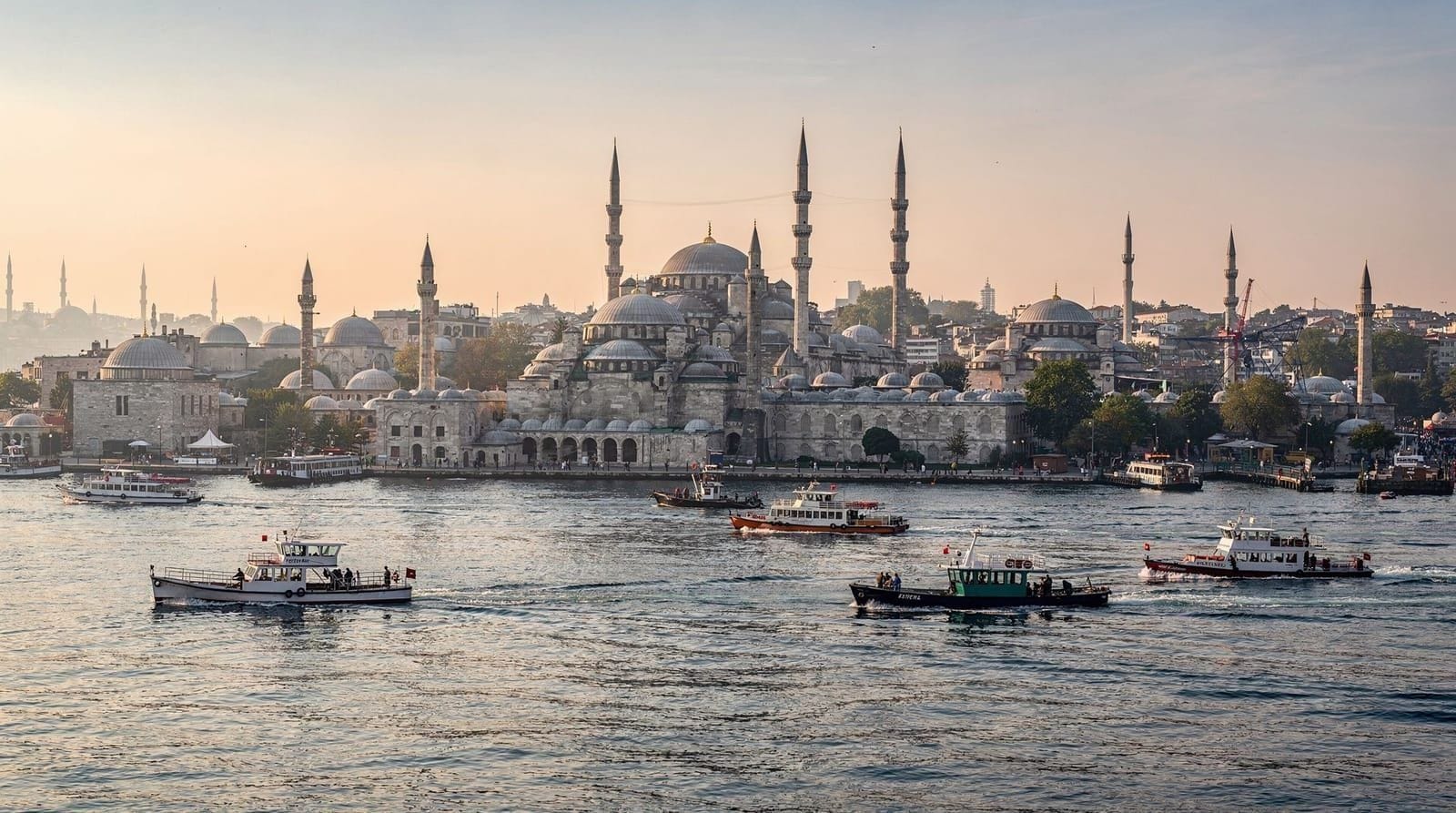
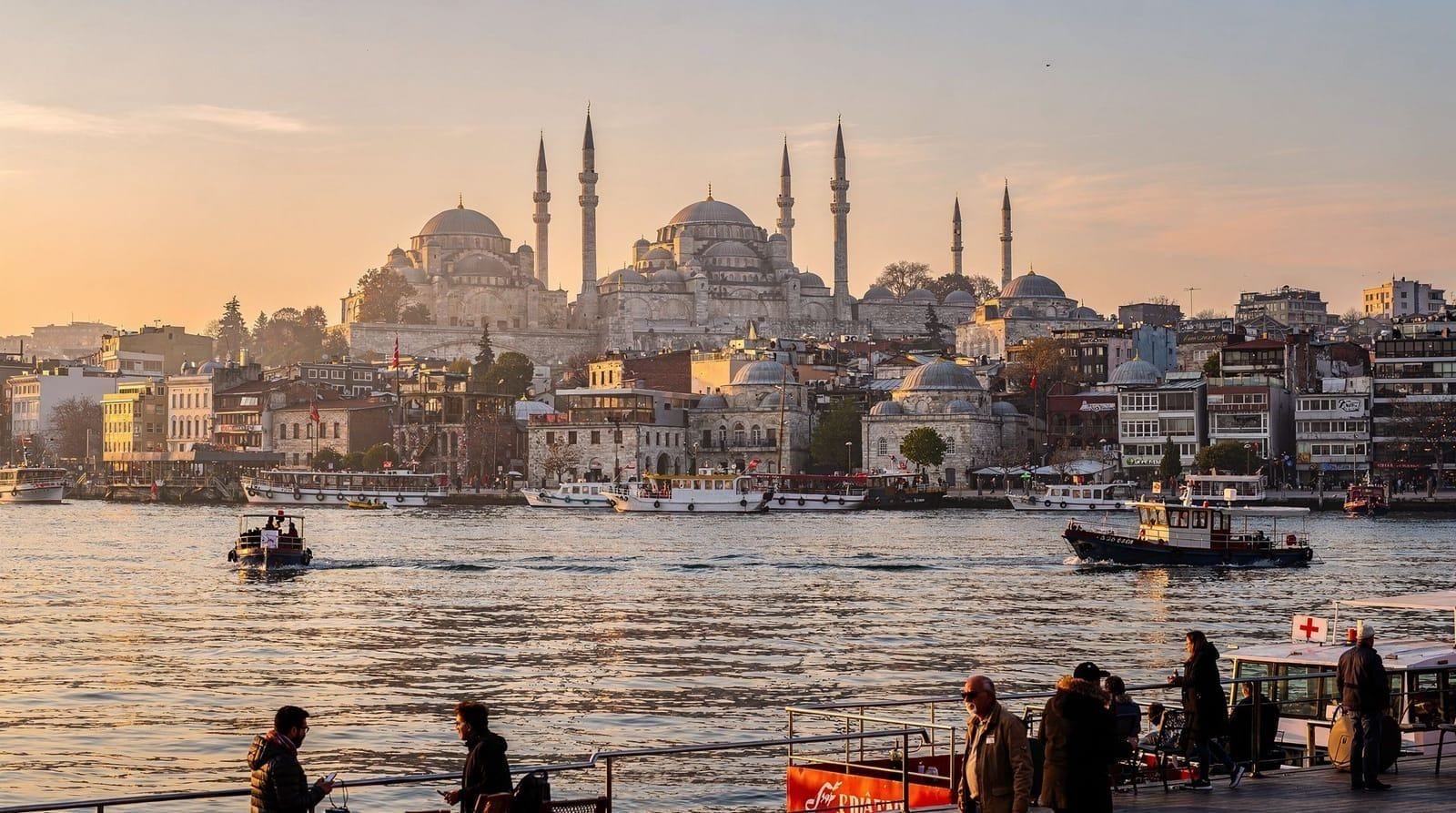
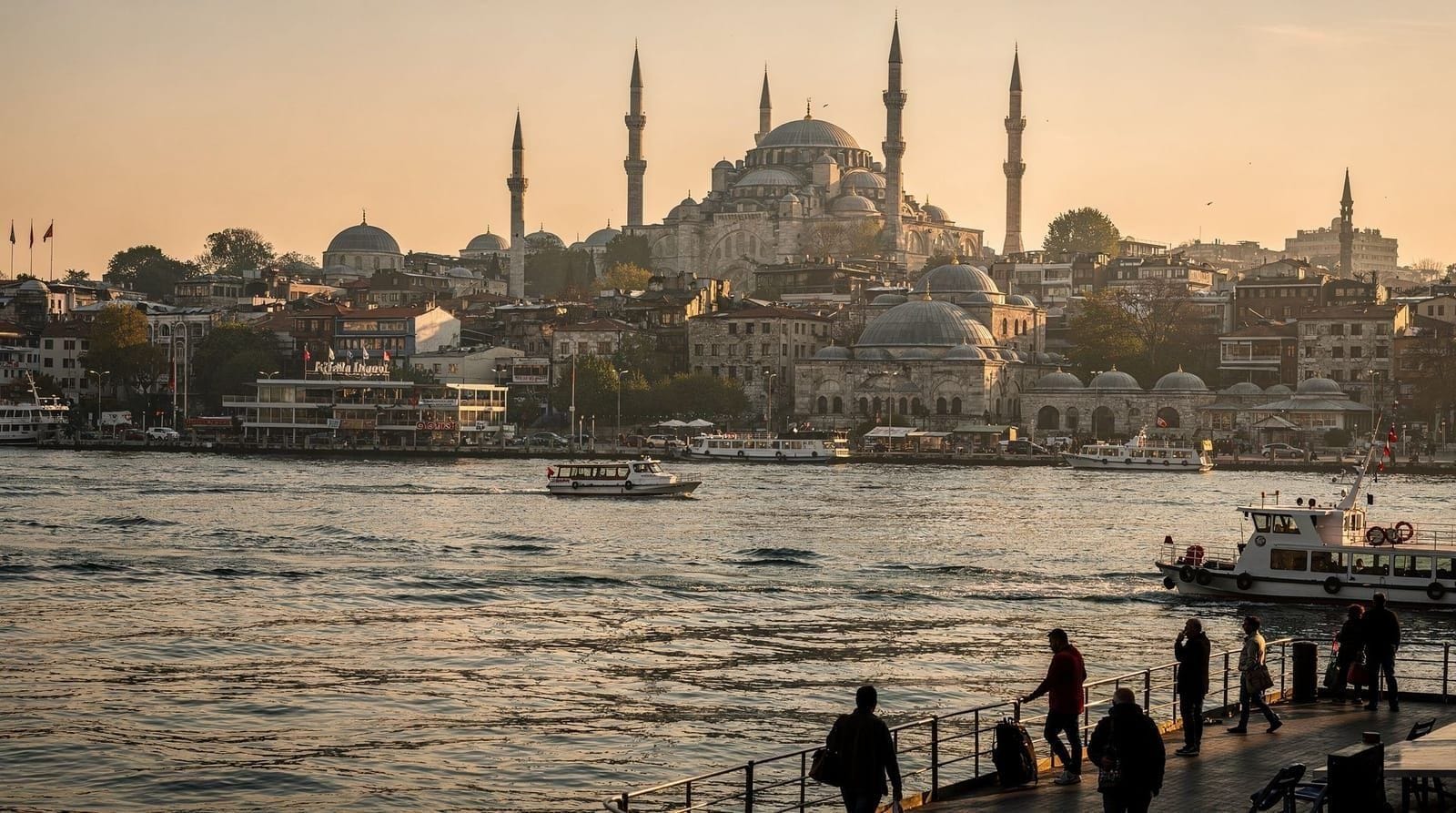
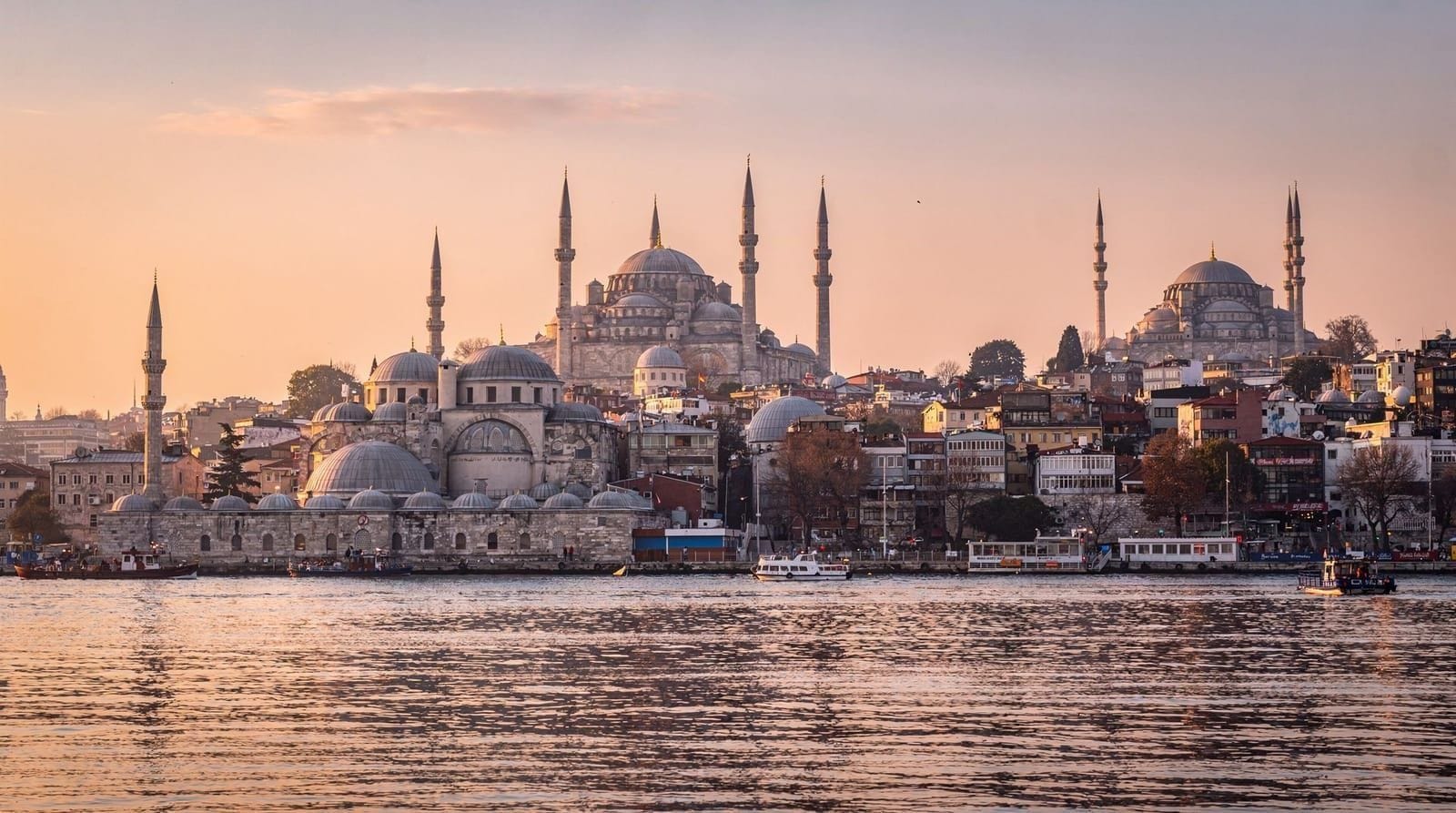
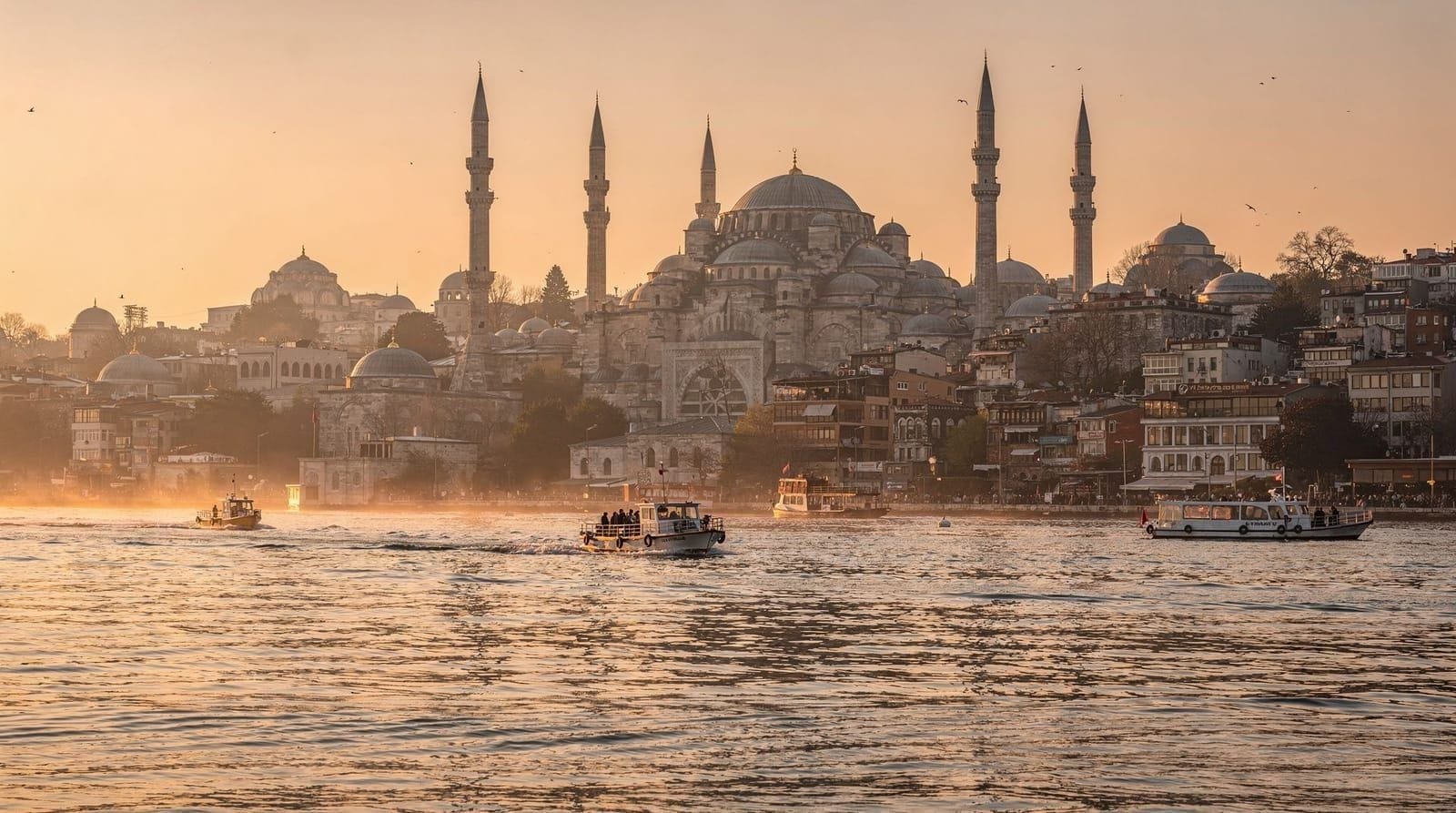
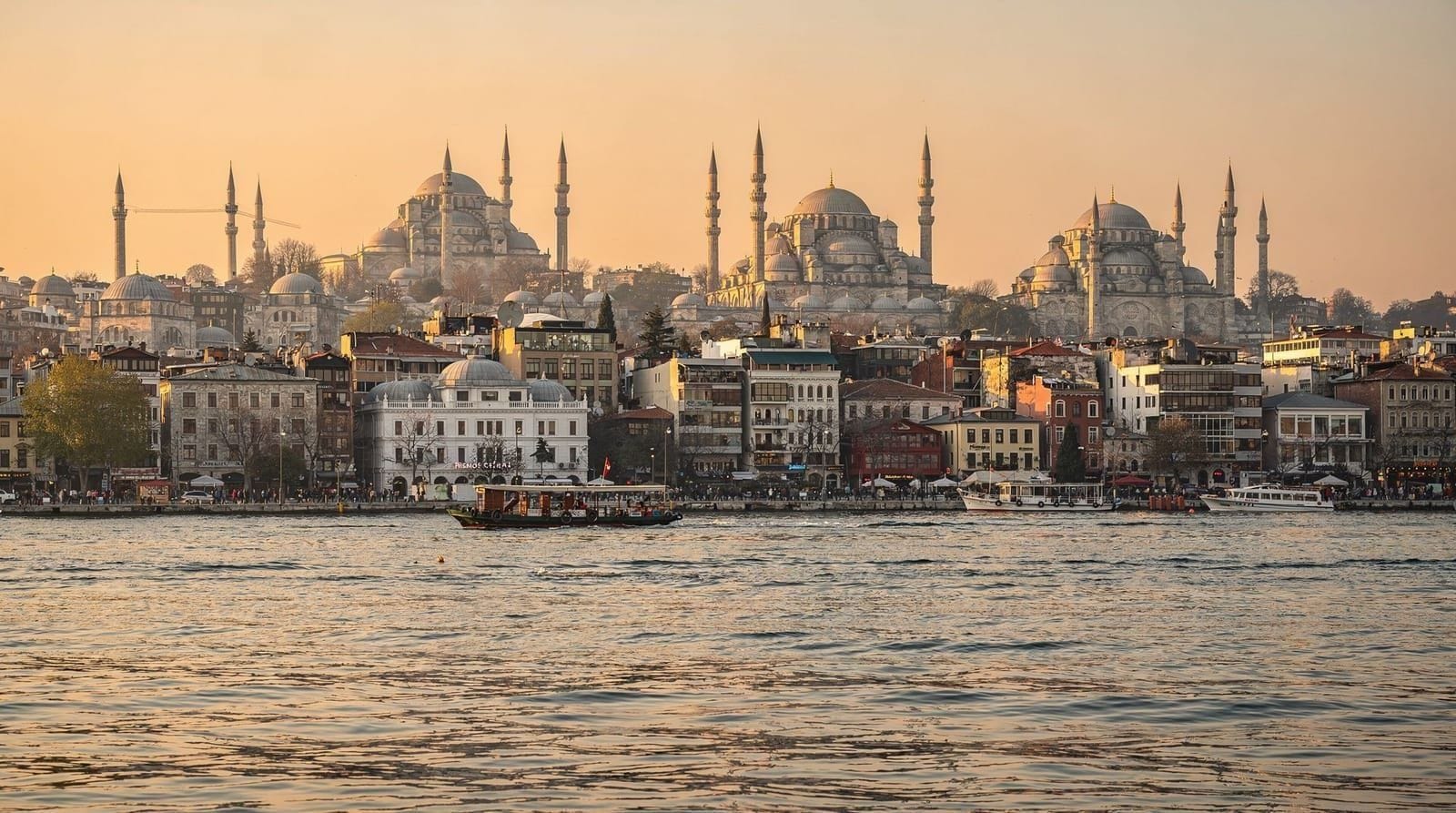
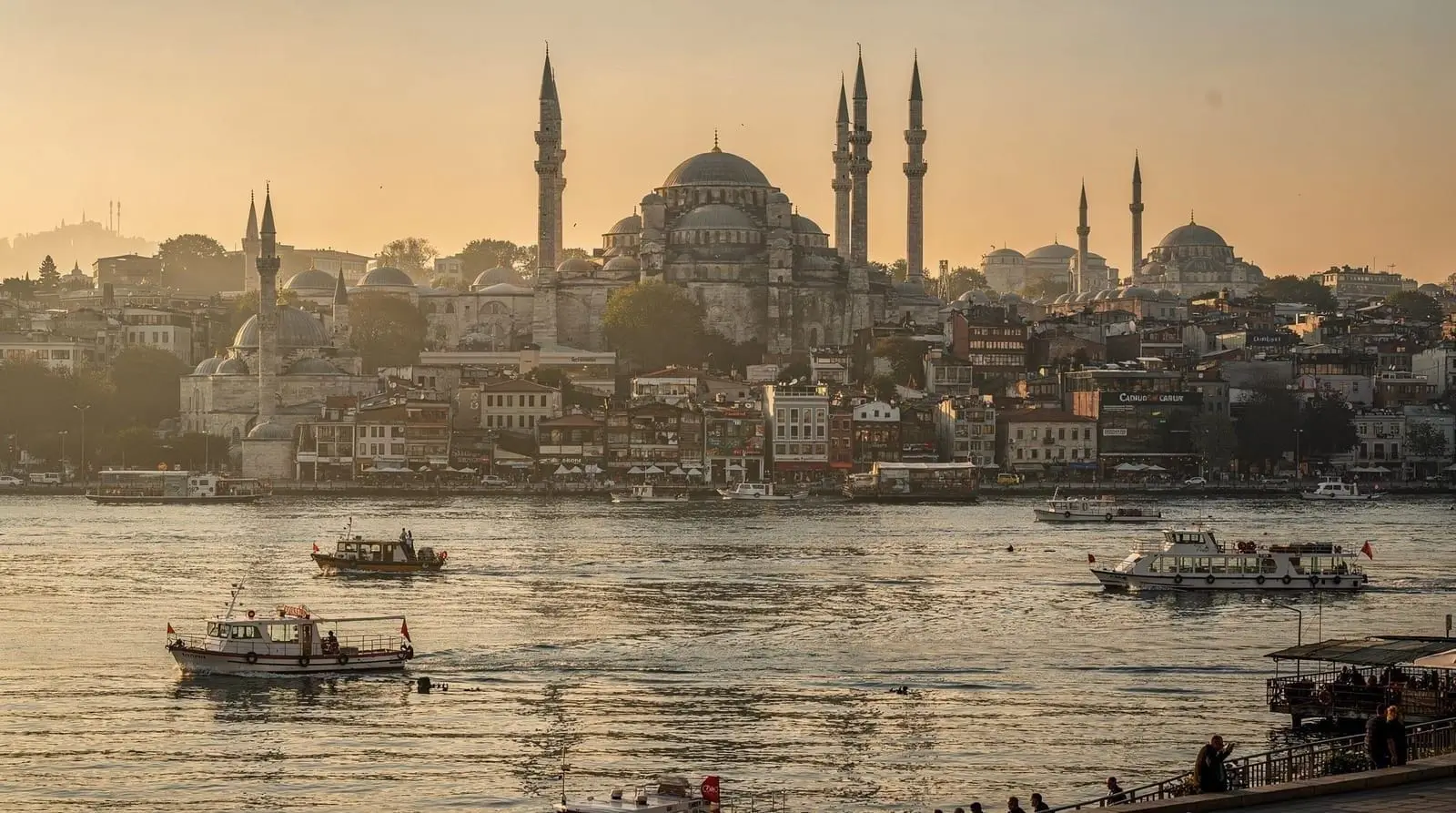
The Asian side is not a poor cousin. It’s a different Istanbul — less touristy, more local, with some of the city’s best food and a traditional urban character that the monument-dense Sultanahmet zone doesn’t replicate. The crossing itself is part of the experience: 30 minutes on a ferry between continents, with the Hagia Sofia dome receding in one direction and the Asian skyline emerging in the other.
This guide covers the key Asian-side districts: Kadıköy and Üsküdar, plus the smaller neighbourhoods worth knowing about.
Crossing the Bosphorus — your options
Ferry (recommended)
The Şehir Hatları ferries from Eminönü, Karaköy, and Kabataş on the European side to Kadıköy and Üsküdar on the Asian side run frequently throughout the day and into the evening. Cost on İstanbulkart: 35–50 TRY per trip (approximately 1–1.50 USD, mid-2025). Return trip is the same fare.
- Eminönü → Kadıköy: 30 minutes
- Eminönü → Üsküdar: 25 minutes
- Kabataş → Kadıköy: 25 minutes
- Kabataş → Üsküdar: 15–20 minutes
The ferries have open upper decks and covered lower sections. The open upper deck is the best position for the crossing view — Sultanahmet skyline in the background, the Bosphorus strait, the Asian shore approaching. This is not supplemental to a Bosphorus cruise; it’s a different perspective at a fraction of the cost.
Last ferries: Check current Şehir Hatları schedules, but ferries typically run until midnight or later. Don’t worry about getting stranded — the service is regular.
Marmaray train
The underground rail tunnel under the Bosphorus, opened 2013. From Sirkeci (European side, near Eminönü) to Üsküdar (Asian side): 4 minutes. Connect to the Marmaray at Sirkeci station, use İstanbulkart.
When to use it: If you’re specifically going to Üsküdar and want to save time. Not scenic — it’s underground. The ferry is better for the experience; the Marmaray is better for pure efficiency.
Road bridges
Both suspension bridges are highway-only. No pedestrian or cycling access. Crossing by road requires a bus or taxi. Slow in traffic and not the recommended option.
Kadıköy in depth — the food neighbourhood
Kadıköy is Istanbul’s best food district. The covered market (Kadıköy Çarşısı), the fish market, and the delis on Güneşlibahçe Sokak make it the most rewarding food browsing in the city.
For a complete Kadıköy programme:
- Arrive by ferry from Eminönü (the approach to the Kadıköy ferry terminal gives views of Haydarpaşa station on the right)
- Walk straight into the market streets — turn right from the ferry terminal and into the covered arcade
- Wander Güneşlibahçe Sokak, buy cheese, taste olives, collect ingredients or eat as you go
- Lunch at Çiya Sofrası (queue before noon or arrive after 2 pm) — regional Anatolian cooking unlike anywhere else in Istanbul
- Walk south to Moda waterfront (20 minutes) — seafront park, café, views back to Europe
- Return to the ferry terminal by the Moda tram line or walking back
Full neighbourhood details: Kadıköy neighborhood guide.
Üsküdar in depth — the mosque neighbourhood
Üsküdar is traditionally Muslim in character — more headscarves, more çayhane (tea houses), fewer bars, older architecture. The ferry terminal area clusters three Mimar Sinan mosques within 10 minutes’ walk:
- Mihrimah Sultan Mosque (1548): Luminous, light-filled interior, single large dome, built for Süleyman’s daughter.
- Şemsi Ahmet Paşa Mosque (1580): Tiny and intimate, partially over the water.
- Yeni Valide Sultan Mosque (1710): The neighbourhood’s main congregational mosque.
Above the waterfront, the Maiden’s Tower is visible on its island 200 metres offshore. The tower is now a restaurant/café/museum with ferry transfers from the Üsküdar pier.
Çamlıca Hill, accessible by taxi (15 minutes), gives the best panoramic view in Istanbul — both continents visible simultaneously. The Büyük Çamlıca Mosque (2019), Turkey’s largest, dominates the hilltop. The surrounding park is free and less visited than any European-side viewpoint.
Full neighbourhood details: Üsküdar neighborhood guide.
Kuzguncuk — the village in between
Between Üsküdar and Kadıköy (closer to Üsküdar), Kuzguncuk is one of Istanbul’s most picturesque village neighbourhoods. A small bay, colourful wooden houses, and three functioning religious buildings within 100 metres of each other: a church, a synagogue, and a mosque — a visible symbol of the diverse community that once lived here.
The main street (İcadiye Caddesi) has good independent cafés and weekend artisan markets. Accessible by dolmuş or bus from Üsküdar. 30–45 minutes to walk around; best combined with Üsküdar.
Haydarpaşa station — the architectural footnote
The massive German-Neo-Gothic railway building visible from the ferry (arriving at Kadıköy, it’s on the right) is Haydarpaşa station, completed 1909. Built by German architects as the Istanbul terminus of the Berlin-Baghdad Railway — a geopolitical project as much as a transport project. The building’s silhouette is among Istanbul’s most distinctive.
The station is no longer in service as a railway terminus (Anatolian trains moved to a new station at Gebze). It’s been converted to a hotel (Haydarpasa Station Hotel) and cultural complex. The interior public areas can be visited; the building is its own reward.
A suggested full Asian-side day itinerary
9:30 am: Ferry from Eminönü to Üsküdar (25 minutes)
10:00 am: Visit the three mosques near the Üsküdar ferry terminal — start with Şemsi Ahmet Paşa Mosque (on the waterfront), walk to Mihrimah Sultan Mosque, continue to Yeni Valide.
11:30 am: Taxi to Çamlıca Hill (15 minutes, 150–200 TRY). View the panorama, walk the park, optionally enter Büyük Çamlıca Mosque (cover appropriately).
1:00 pm: Taxi back to Üsküdar ferry terminal or take a bus to Kadıköy (25–30 minutes).
1:30 pm: Arrive in Kadıköy. Walk the market streets. Lunch at Çiya Sofrası or from market stalls.
3:30 pm: Walk or dolmuş to Moda. Sit at a café, walk the waterfront.
5:00 pm: Ferry from Kadıköy back to Eminönü or Karaköy (30 minutes).
Cost comparison: Asian side vs Sultanahmet
The price gap between the Asian side and the tourist core is one of the best reasons to cross over, and it’s consistent enough to plan around:
| Kadıköy / Üsküdar | Sultanahmet / Beyoğlu | |
|---|---|---|
| Sit-down meal | ~200–350 TRY | ~400–700 TRY |
| Çay (tea) | ~15–25 TRY | ~40–70 TRY |
| Market produce/snacks | Local prices, no tourist markup | Often 30–50% higher near monuments |
| Crowd level | Local, occasionally busy on weekends | Consistently dense at major sights |
The gap holds across food categories because Kadıköy and Üsküdar restaurants serve a genuinely local clientele rather than pricing for one-time tourist visits. If your Istanbul budget is under pressure, shifting even one meal a day to the Asian side makes a measurable difference over a week-long trip — see the istanbul on a budget guide for the fuller picture.
Moda and the residential shoreline
Beyond the market streets, Moda is worth extra time on its own terms rather than as a quick add-on. It’s Kadıköy’s bohemian residential extension — a long waterfront park, a cluster of independent bookshops and vinyl stores along the back streets, and a slower pace than the market core. Sunset from the Moda pier, looking back at the Sultanahmet skyline across the water, is one of Istanbul’s better free views and rarely appears on typical single-day itineraries. If you have the extra hour, walk the full length of the Moda coastal path rather than doubling back the way you came — it loops naturally toward the tram line for an easy return.
Asian side highlights walking tour covers Kadıköy, Moda, and Üsküdar with a local guide if you’d rather not self-navigate the crossing and the neighbourhood layout on a first visit.
Fitting the Asian side into your wider trip
The Asian side works best as a change of pace rather than another box to tick. After a few days among the domes and queues of Sultanahmet, a day in Kadıköy feels like exhale. If you are still deciding how to split your days, the how many days in Istanbul guide helps you see where a half-day across the water fits, and the Istanbul neighborhoods overview puts Kadıköy and Üsküdar next to the European districts so you can compare their characters.
Visitors with a short stay often wonder which side to sleep on. The European vs Asian side comparison goes through that choice in detail; the short version is that the monuments pull most people to the European shore, and the Asian side is better treated as a day out or an evening out. If you want the city’s most-visited sights covered first, start with things to do in Istanbul and add the crossing once the essentials are done.
Making the crossing part of the day
The ferry is not just transport. Treat the crossing as a small outing in its own right: take the open upper deck, bring something to drink from a seller at the pier, and let the skyline do the work. Gulls follow the boats, and the rhythm of passengers commuting between two continents says a lot about how the city actually lives. For the full picture of how the boats work, lines and piers included, read the Istanbul ferries guide and, if you want a longer ride up the strait, Bosphorus by public ferry.
Paying is simple once you hold a card. The İstanbulkart guide explains how to get one and top it up, and the getting around Istanbul guide shows how the ferry, Marmaray, trams and buses link together so you are never stuck on the wrong shore.
Eating your way across Kadıköy and Üsküdar
Food is the strongest reason to cross. Kadıköy rewards slow grazing: a bite at one stall, a cheese tasted at another, a pause for a glass of çay when your feet ask for it. Nothing here is staged for visitors, which is exactly why it tastes the way it does. If you enjoy this kind of eating, the Istanbul street food guide and the Turkish food guide will help you recognise what you are looking at, and the where to eat in Istanbul guide sets the Asian side alongside the best of the European one.
Come hungry, but pace yourself. The market streets are dense with temptations, and the best approach is to share plates, walk between stops, and save the sit-down meal for a regional restaurant such as Çiya Sofrası. Leave room for something sweet afterwards; the baklava and Turkish desserts guide explains what to look for. A strong coffee at the end of a long lunch is a ritual in itself, and the Turkish coffee guide explains how it is traditionally served.
Etiquette and practical habits across the water
Üsküdar is more traditional in feel than much of the European side, so dress with a little more care, particularly when entering its mosques. Cover shoulders and knees, remove your shoes, and keep your voice low. The mosque etiquette guide covers what to expect at the door, and the Turkish customs and etiquette guide is useful for the everyday courtesies that make a neighbourhood visit smoother, from greetings to how you behave in a tea house.
Practical habits help too. Carry a little cash for small stalls and tea houses, keep your İstanbulkart topped up before the return crossing, and give yourself a buffer before the last boat you want to catch. The Asian side is relaxed and welcoming, and the usual common sense applies here as anywhere; the is Istanbul safe guide covers it if you want reassurance.
Pairing the Asian side with a Bosphorus view
If the ferry crossing leaves you wanting more of the strait, a proper cruise is the natural next step, and the best Bosphorus cruise guide compares the options. Both shores look different from the water, and seeing Haydarpaşa, the Maiden’s Tower and the Üsküdar waterfront from a boat completes the picture you started on foot. The Maiden’s Tower destination page and the Bosphorus page give more context on the landmarks you will spot along the way.
For a different slice of the evening, the sunset hours are the best time to be on the Asian shore, when the light falls on the European skyline opposite. Plan your return ferry around it and you will understand why so many residents choose to spend their evenings on this side.
Frequently asked questions about Asian side Istanbul guide — Kadıköy, Üsküdar, and what to expect across the Bosphorus
What is the Asian side of Istanbul called?
How much time should I spend on the Asian side?
Is there anything to see between Kadıköy and Üsküdar?
Is the Asian side cheaper than the European side?
Does the Asian side have accommodation?
What is Haydarpaşa station?
Top experiences
Bookable activities with verified prices and instant confirmation on GetYourGuide.