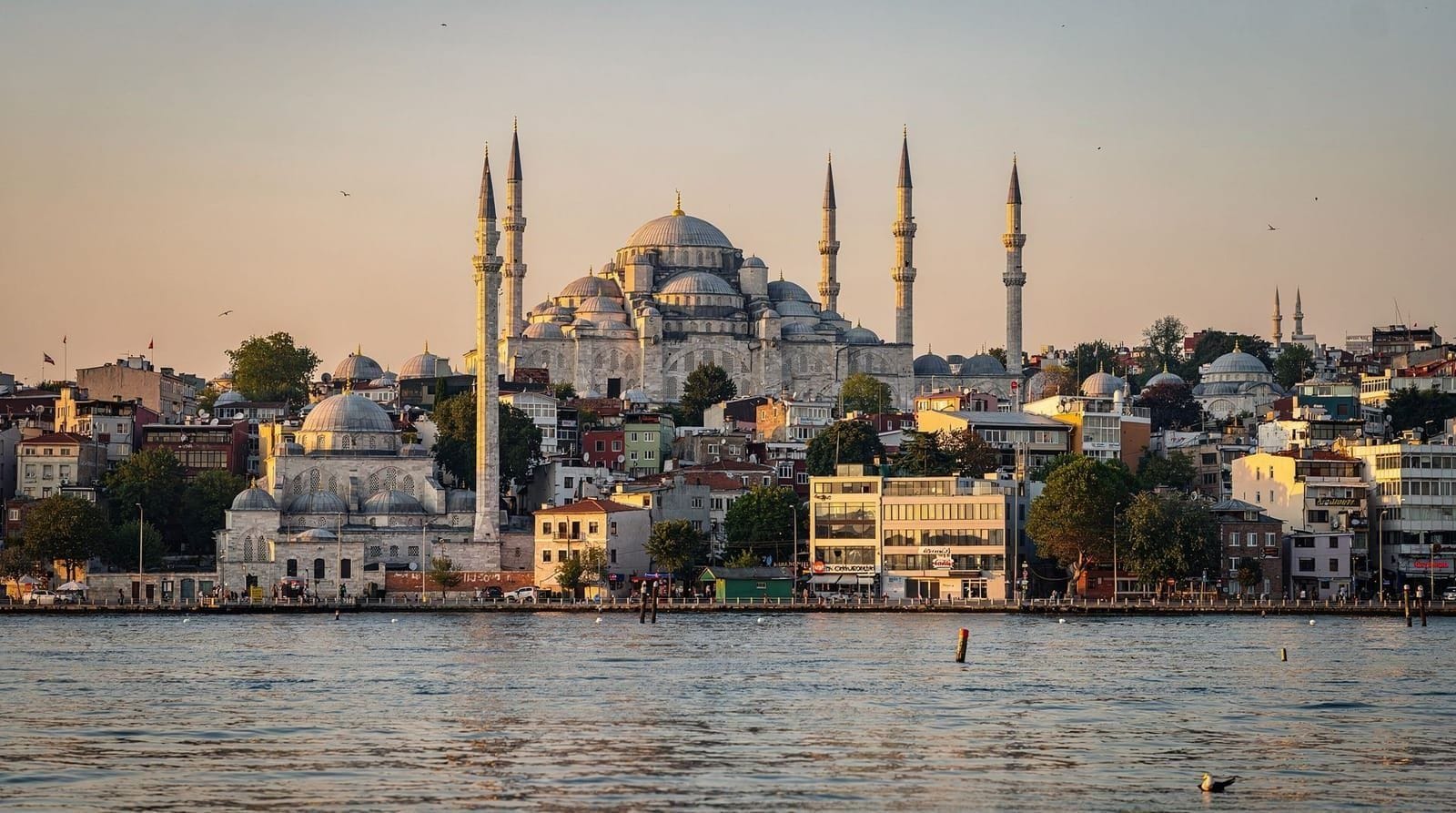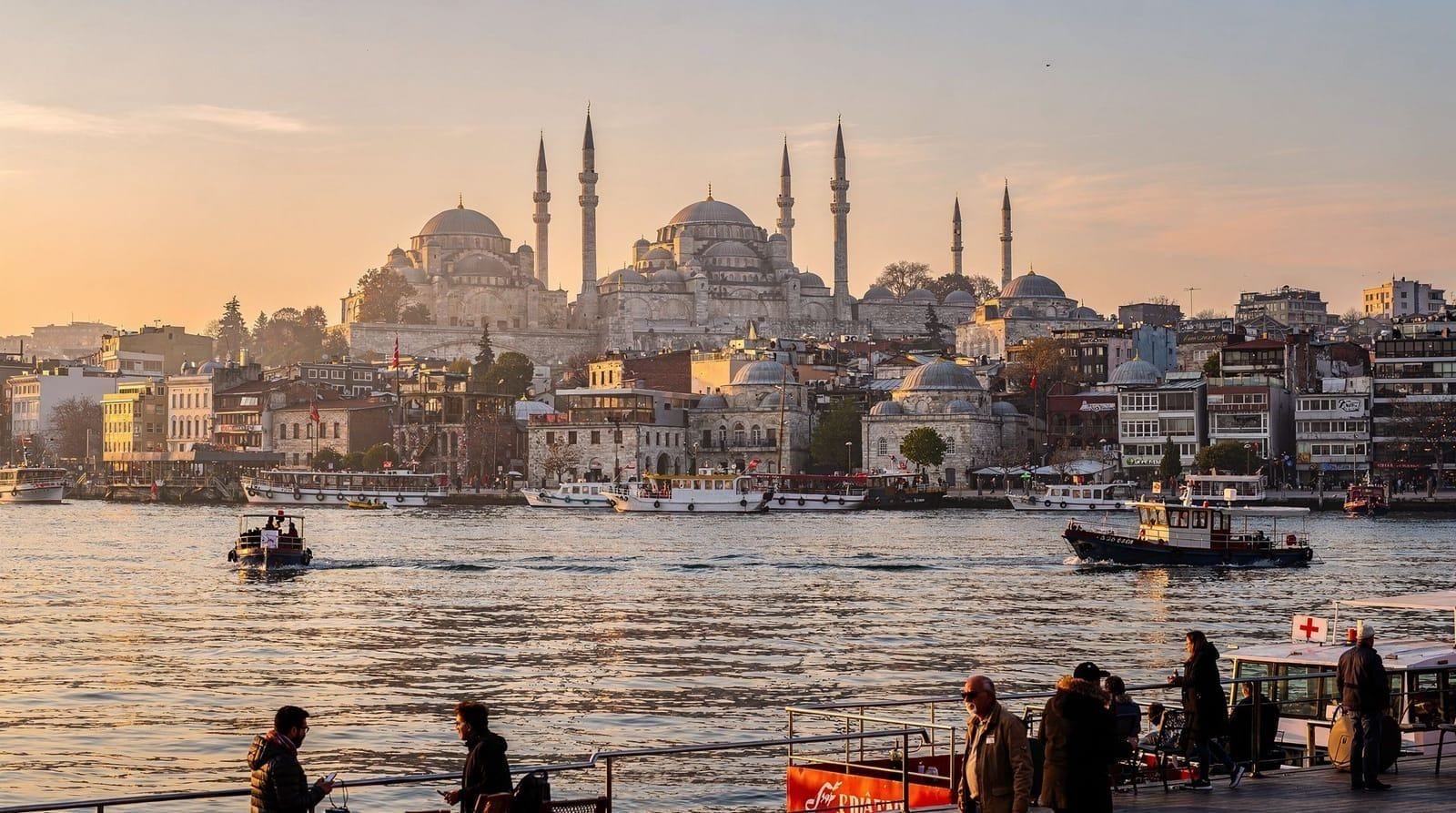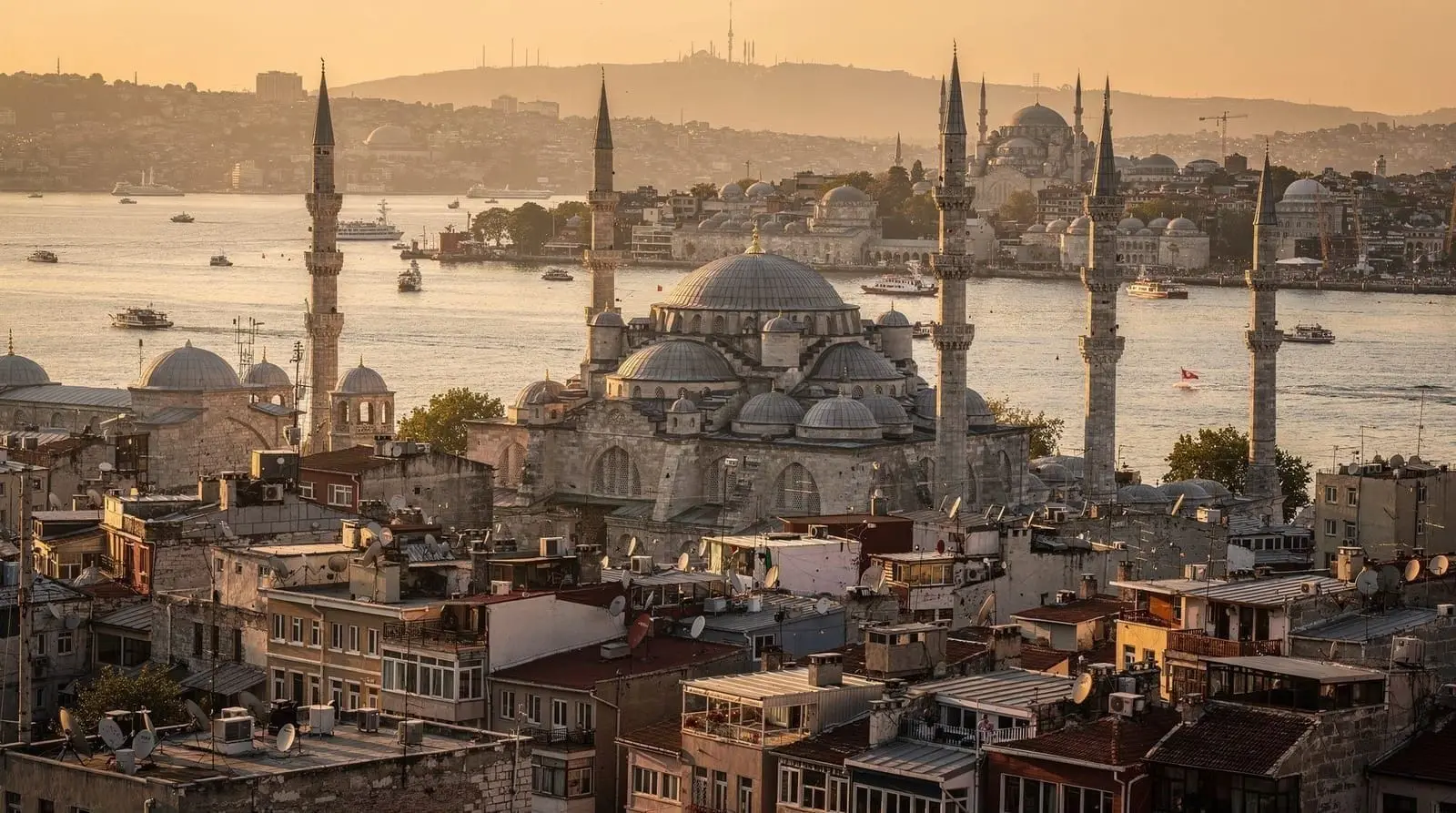
Beşiktaş neighborhood guide — Istanbul's Bosphorus waterfront and football district
Istanbul: Dolmabahce Palace and Harem Skip-the-Line Ticket
What is Beşiktaş like as a neighbourhood in Istanbul?
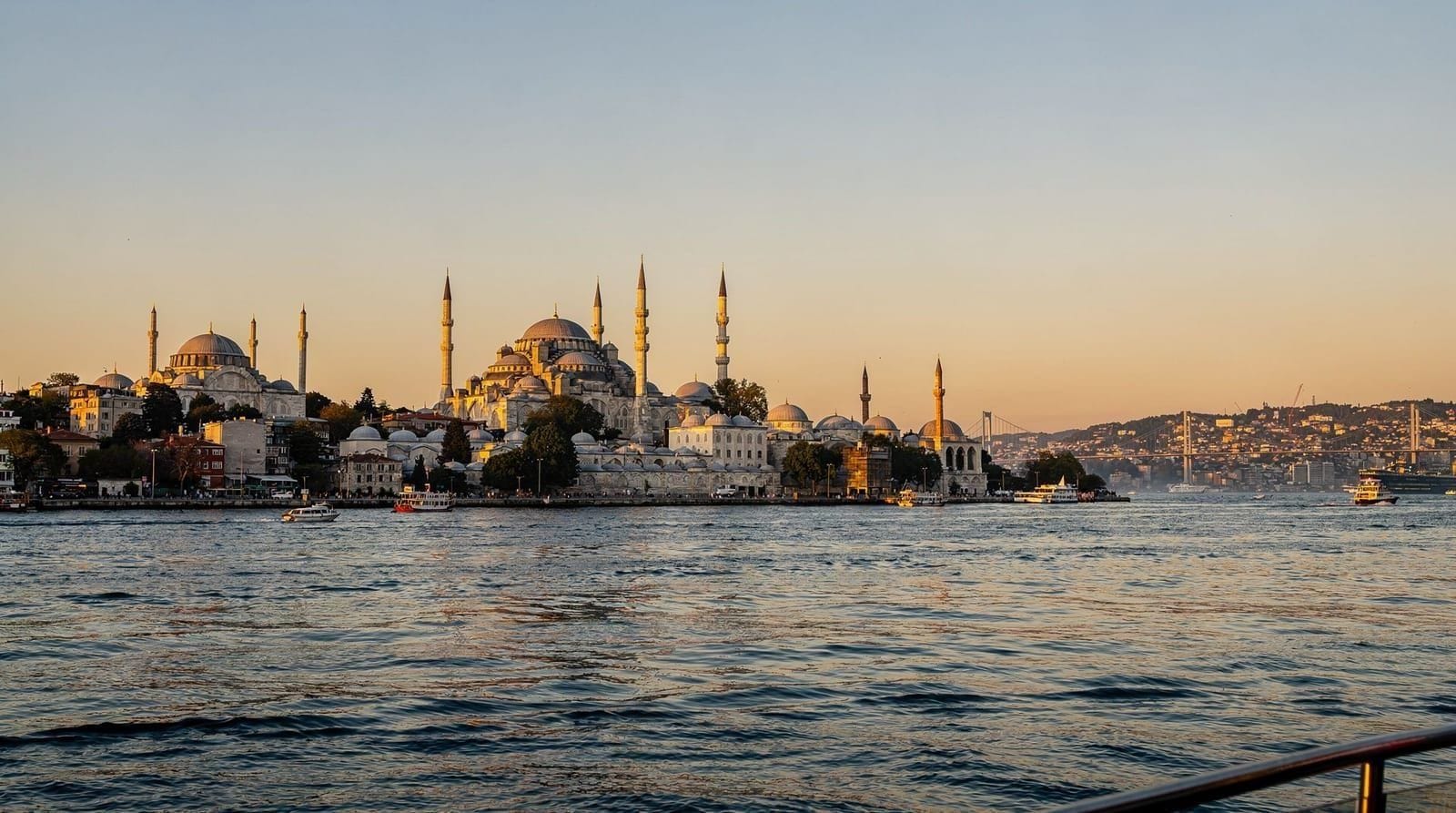
Beşiktaş is a mid-sized district on the European Bosphorus shore between Dolmabahçe Palace and Ortaköy. It has a strongly local character — the street market (Beşiktaş çarşısı) is a genuine neighbourhood market, the ferry terminal connects to Üsküdar and Kadıköy, and Beşiktaş Football Club's Vodafone Park stadium dominates the waterfront. Less touristy than Sultanahmet, more convenient for Bosphorus access than Beyoğlu.
Beşiktaş — authentic Istanbul on the Bosphorus shore
| Where | European Bosphorus shore, between Dolmabahçe and Ortaköy |
| Cost | Free to walk; Dolmabahçe Palace entry is the main paid stop |
| Time needed | Half a day, or a full day combined with the Ortaköy walk |
| Getting there | Tram T1 to Kabataş, then a 15-minute walk, or ferry |
| Best time | Weekday mornings for the palace; avoid match-day evenings |
Most visitors to Istanbul experience the Bosphorus from a cruise boat, from the Galata Tower, or in passing. Beşiktaş offers something different: a functional Istanbul neighbourhood at water’s edge, where the sightseeing (Dolmabahçe Palace) is integrated into a district where people actually live, work, and support a football club with near-religious devotion.
It’s a 15-minute distance from Sultanahmet but feels considerably further from the tourist circuit. The Beşiktaş fish restaurant near the ferry terminal serves uskumru to market vendors, not tour groups. The çay gardens have locals reading newspapers, not travellers with selfie sticks. The market squares have school uniforms alongside the produce.
Dolmabahçe Palace — the main attraction
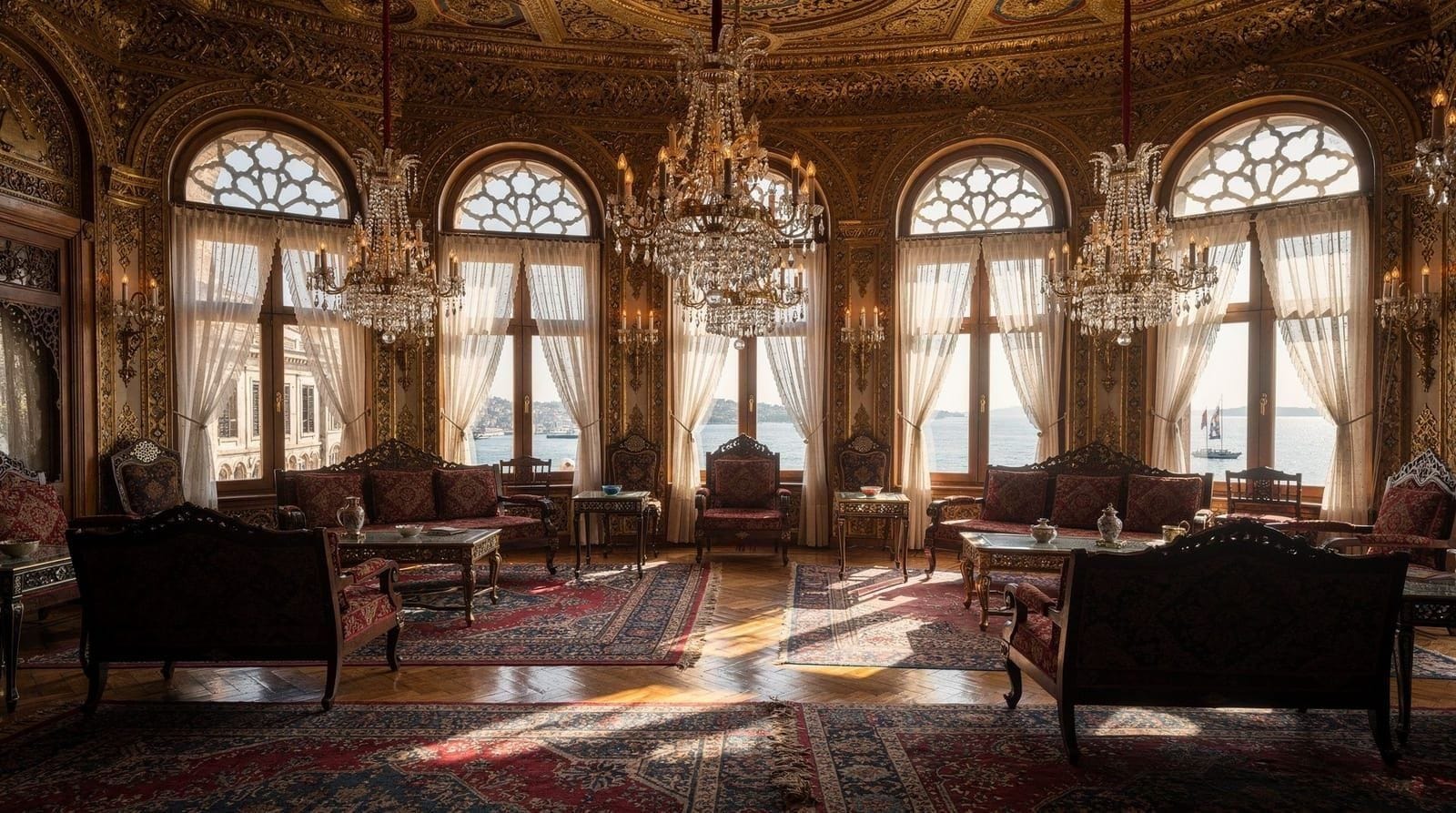
Dolmabahçe Palace is the single largest draw in the district. Built 1843–1856 by Sultan Abdülmecid I, the white marble palace stretches 600 metres along the Bosphorus waterfront, with an extraordinarily ornate interior funded by the declining empire’s last revenues.
What makes it worth visiting: The Imperial Ceremonial Hall, which houses the largest chandelier in the world (4.5 tonnes, 750 lights, a gift from Queen Victoria). The Harem section, a 400-room complex of Ottoman domestic and private life, open only on guided tours. The clock stopped at 9:05 am in every room — the moment Atatürk died here on 10 November 1938.
Practical details: Skip-the-line tickets are worth booking in advance, particularly in summer. The Ceremonial Hall and Harem are ticketed separately; visit both to see the palace properly. The clock tower at the sea gate marks the entrance from the waterfront road.
Walking from Beşiktaş to the palace: The coastal road south from Beşiktaş ferry terminal to the palace gate is 10–15 minutes’ walk. You pass the Naval Museum (Deniz Müzesi — interesting for Ottoman-era galleys and maritime history) on the way.
Dolmabahçe Palace and Harem skip-the-line tickets Combined Dolmabahçe and Yıldız Palace ticketsThe Bosphorus coast walk — Beşiktaş to Ortaköy
One of Istanbul’s most scenic and underused pedestrian routes: the 2-km Bosphorus coast road from Beşiktaş north to Ortaköy. The route runs beside the water, passing:
- The Vodafone Park stadium (visible from the sea on Bosphorus cruises)
- Several çay gardens and seafood restaurants with Bosphorus views
- The Çırağan Palace (Kempinski hotel, formerly the Ottoman palace burned in 1910)
- The approach to Ortaköy Mosque beneath the first suspension bridge
Time: 25–35 minutes at a leisurely pace, longer with stops. The çay gardens along the route are genuinely pleasant — particularly the section between Çırağan and Ortaköy.
Beşiktaş football culture
Beşiktaş J.K. is Turkey’s oldest football club (founded 1903) and has historically the smallest geography of Istanbul’s big three clubs — its stadium is literally in the city centre, surrounded by residential streets. On match days, the district fills with Black Eagles fans (Beşiktaş’s symbol), and the noise from the stadium is audible for blocks.
Attending a Beşiktaş match (October–May league season) is a genuine Istanbul experience. Tickets available through the club’s official site or at the stadium box office. The Kara Kartallar (Black Eagles) ultras section is the most atmospheric part of the ground.
Important: Check the fixture list if you’re in the area on a match day — the streets around the stadium fill with supporters, traffic becomes impossible, and the energy is high (celebratory on wins, gloomy on losses).
The market and eating in Beşiktaş
Beşiktaş Çarşısı: The market operates in the streets around the central square, particularly on Tuesday and Friday. Larger than Kadıköy’s daily market in overall footprint, but less specialist — this is a standard neighbourhood market serving local households. Fresh produce, cheaper prices than tourist zones.
Fish restaurant at the ferry terminal: The small fish restaurants immediately next to the Beşiktaş ferry terminal are an honest local lunch option. Grilled fish with bread and salad, 200–350 TRY (6–10 USD), eaten overlooking the Asian shore.
Arnavutköy: A 20-minute walk north along the Bosphorus from Beşiktaş, Arnavutköy is a small Bosphorus village with some of Istanbul’s finest yalılar (wooden Ottoman mansions). Several good fish restaurants on the waterfront. Worth the walk or dolmuş ride if you have time.
Getting to and from Beşiktaş
From Sultanahmet: Tram T1 to Kabataş, then 15-minute walk or dolmuş north. Or ferry from Eminönü to Beşiktaş (Kabataş pier, about 20 minutes), İstanbulkart.
From Taksim: Bus or dolmuş down Barbaros Bulvarı (15–20 minutes in off-peak traffic). Walking takes about 20–25 minutes.
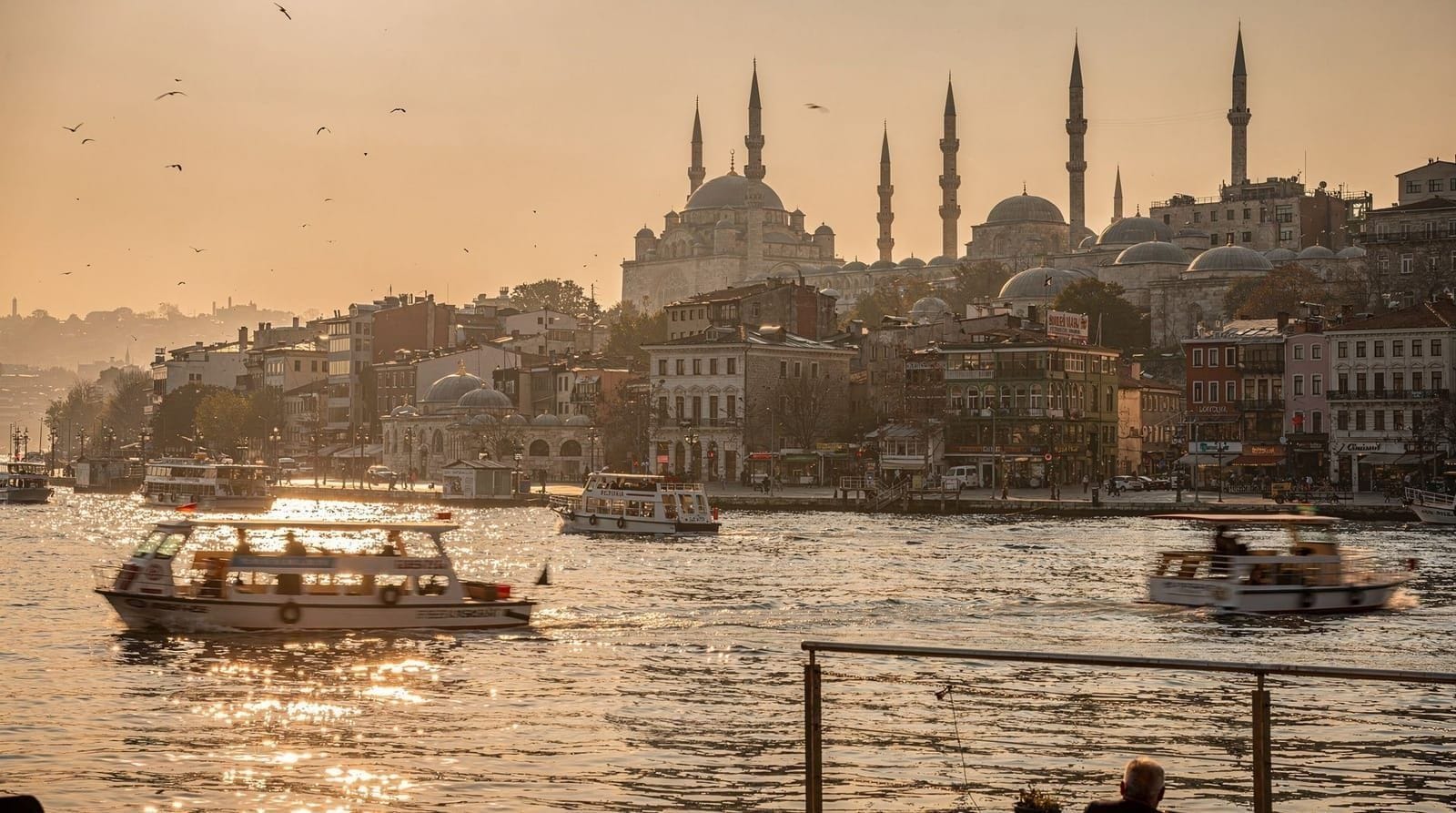
Ferry connections from Beşiktaş: Regular ferries to Üsküdar (15 minutes) and Kadıköy (25 minutes) on the Asian side. Kabataş pier, İstanbulkart fare. One of the most convenient Bosphorus crossing points on the European shore.
Beşiktaş in a broader Bosphorus day
The most natural way to include Beşiktaş in a day’s programme: combine it with Dolmabahçe Palace (morning), the Bosphorus walk to Ortaköy (midday), and Ortaköy for the waterfront square and mosque in the afternoon. Return from Ortaköy by taxi or dolmuş to the tram line.
Alternatively: morning Bosphorus cruise from Kabataş (the end of the tram T1), afternoon walking in Beşiktaş and Arnavutköy, evening Üsküdar ferry for dinner on the Asian side.
A practical half-day plan
If you’re short on time, the most efficient sequence is: arrive at Kabataş by tram, walk the coast road south to Dolmabahçe Palace for the Ceremonial Hall (book skip-the-line for summer visits), continue on foot to Beşiktaş centre for a fish lunch near the ferry terminal, then head north on the Bosphorus coast walk toward Ortaköy for the afternoon. This covers the palace, a genuine local meal, and one of Istanbul’s better waterfront walks without doubling back on yourself. For a Bosphorus-focused variant, start instead with a morning cruise from Kabataş before working through the same route in reverse.
Akaretler and the evening scene
The Akaretler row houses — a stretch of restored 19th-century Ottoman terraced housing about ten minutes inland from the waterfront — have quietly become one of Beşiktaş’s better evening destinations. Unlike the Beyoğlu bar strip, Akaretler is calmer and more design-led: converted ground floors house wine bars, small restaurants, and boutique shops rather than late-night clubs. It’s a good option if you want an evening that’s local rather than backpacker-oriented, and it sits close enough to walk back to a Bosphorus-front hotel afterward. See the Beyoğlu neighbourhood guide for how it compares to the more famous nightlife strip further along the shore.
How Beşiktaş fits with the rest of the Bosphorus shore
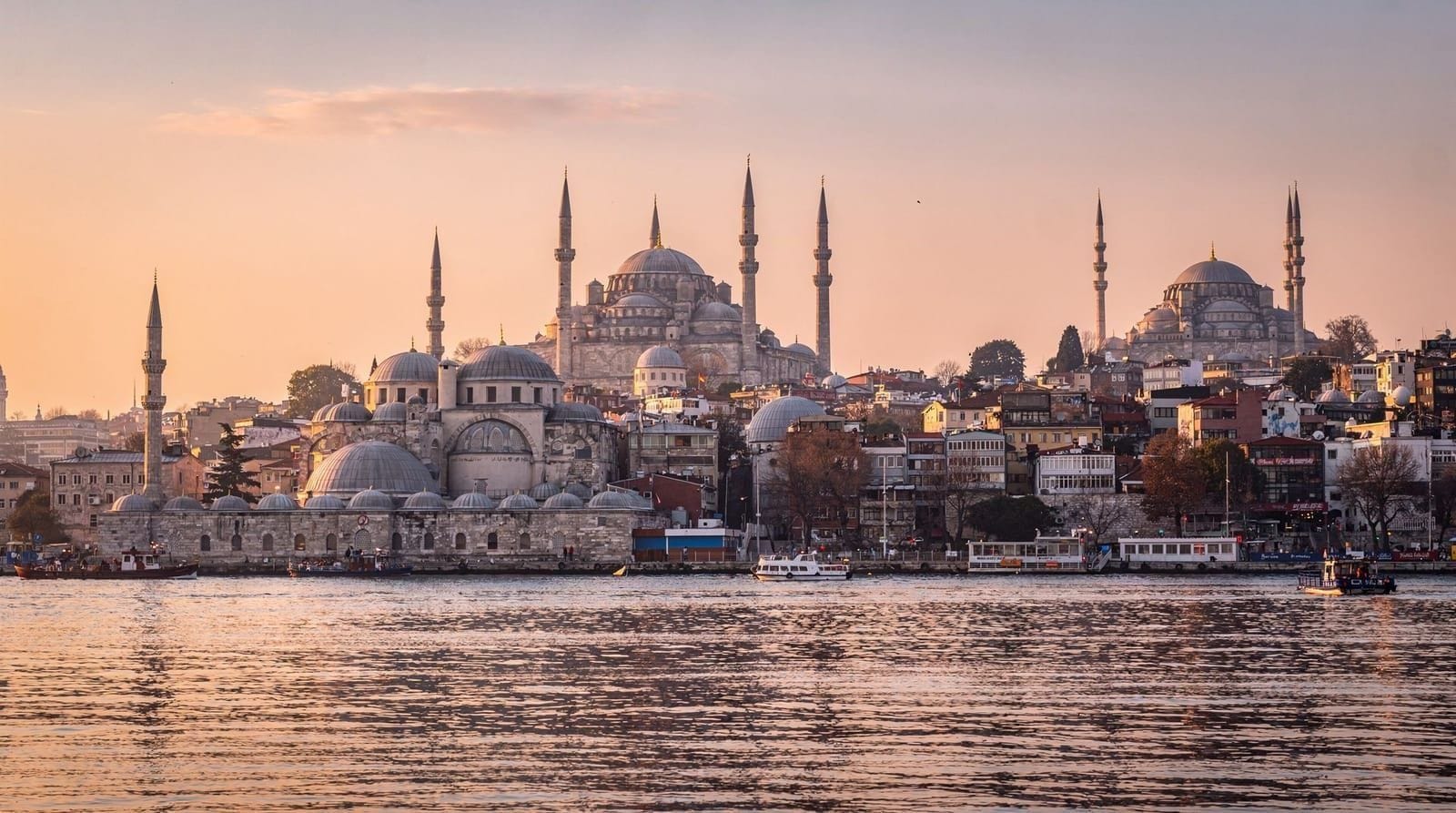
Beşiktaş sits in the middle of a chain of waterfront districts, and it helps to think of it as a hinge rather than an endpoint. To the south, Karaköy and the Galata side are more polished and café-driven. To the north, Ortaköy is smaller, prettier and considerably busier with visitors. Beşiktaş is the stretch in between where the everyday life of the city is easiest to see: commuters changing from ferry to bus, students crossing the square, shopkeepers hauling crates in the morning.
If you’re deciding where to base yourself, the where to stay in Istanbul guide compares the main areas. Beşiktaş works well for travellers who prefer a residential base with the water at the end of the street over a room in the old city. Our European vs Asian side comparison is also useful, because the ferry from Beşiktaş is one of the easiest ways to cross over for an afternoon.
Reading the neighbourhood on foot
The best way to understand Beşiktaş is to leave the palace road and wander the streets behind the ferry terminal. The district is compact, and the pleasures are small and repeated: a bakery with a queue at breakfast time, a tea house where the glasses keep arriving without anyone ordering, a fishmonger arranging the day’s catch on ice. None of it is staged for visitors, which is exactly why it feels different from the old city.
Start at the central square. This is the natural meeting point of the district. Buses, dolmuşes and ferry passengers all converge here, so it’s the place to watch how the neighbourhood moves. On market days the surrounding streets fill with stalls, and the square becomes a good orientation point if you lose your bearings.
Follow the side streets uphill. Away from the waterfront the streets climb towards Yıldız Park and the residential blocks above. You’ll find small grocers, tailors, barbers and simple lokantas serving the daily dishes that local workers eat at lunch. Pointing at what looks good is a perfectly respectable way to order, and it’s the easiest route to a cheap and satisfying meal. For more on what to look for, the where to eat in Istanbul and street food guide will help you recognise the classics.
Finish by the water. Whatever route you take, end it at the shore. Sitting with a tea as the ferries cross is the most Beşiktaş thing you can do, and it costs very little. Evening light on the Asian shore is the reward for a day of walking.
Tea gardens and the slow rhythm of the day
Çay is the social currency of the district. The tea gardens along the waterfront are where people read, talk politics, argue about football and simply watch the water. Ordering is easy: tea arrives in small tulip-shaped glasses, and refills are normal. Take your time, because nobody here expects you to eat and leave.
For visitors on a tight schedule, a tea stop is also a useful pacing tool. The palace and the coast walk both ask a lot of your feet, and a half-hour break beside the Bosphorus resets the day. If you want to understand what Turkish tea and coffee culture is about before you sit down, the Turkish coffee guide gives helpful background on the habits of the table.
Using the ferries well
Beşiktaş is one of the more rewarding places to use the public ferries, because the crossing itself is part of the sightseeing. The boats are used by commuters every day, which means they’re practical and cheap, and also that the best seats by the rail go early at rush hour. Pay with your İstanbulkart and treat the trip as a short cruise rather than a transfer.
The Bosphorus by public ferry guide explains how the lines work and which routes give the best views, while the Istanbul ferries guide covers the wider network. If you haven’t set up a card yet, the Istanbulkart guide walks through how it works. For a first crossing, the hop to Üsküdar is an easy introduction, and the Üsküdar neighbourhood guide suggests what to do once you arrive.
Who will enjoy Beşiktaş most
Beşiktaş rewards particular kinds of travellers more than others, and it’s worth being honest about which group you belong to.
- Second-time visitors and slow travellers. If you’ve already seen the big sights of the old city, the district is an easy way to see another side of Istanbul without a strict agenda.
- Football fans. Even without a ticket, the club’s presence is visible in scarves, flags and conversation. The district feels different on match days, and the atmosphere is part of the draw.
- Palace and history enthusiasts. The palace is the anchor, and the surrounding area adds context for how the late Ottoman court lived beside the water. The Ottoman Istanbul guide puts that era in a broader frame.
- Families on a gentle day. The waterfront, the tea gardens and the ferry ride give children plenty to watch without a fixed itinerary. The Istanbul with kids guide has more ideas.
First-time visitors with only a couple of days may find the old city and Beyoğlu a better use of limited time. If that’s you, the Istanbul in one day and two days plans show how to prioritise, and you can return to Beşiktaş for the palace on a later morning.
Tips for a smoother visit
- Go early for the palace. Mornings are generally calmer, and you can then spend the middle of the day on the coast walk and a long lunch.
- Wear comfortable shoes. The district is walkable, but the pavements along the coast road and the climb towards Yıldız Park are easier in sturdy footwear.
- Keep small change handy. Tea gardens, bakeries and market stalls are quicker with cash, and vendors appreciate not having to break large notes.
- Ask before you photograph people. Market traders and fishmongers are generally friendly, but a quick gesture and a smile are polite, and often lead to a conversation.
- Check the weather. The waterfront is wonderful in clear weather and less inviting in rain or strong wind. The best time to visit Istanbul guide explains how the seasons change the experience.
Combined with the palace, the coast walk and a slow meal, those habits turn Beşiktaş from a transit point into a satisfying part of an Istanbul trip. For the wider picture of how the districts compare, the Istanbul neighbourhoods overview and the Bosphorus destination page are good next steps.
Frequently asked questions about Beşiktaş neighborhood guide — Istanbul's Bosphorus waterfront and football district
Why is Beşiktaş significant in Istanbul?
What is the Beşiktaş market like?
What is there to see near Beşiktaş waterfront?
How do I get to Beşiktaş from Sultanahmet?
Is Beşiktaş worth adding to a short Istanbul trip?
Top experiences
Bookable activities with verified prices and instant confirmation on GetYourGuide.