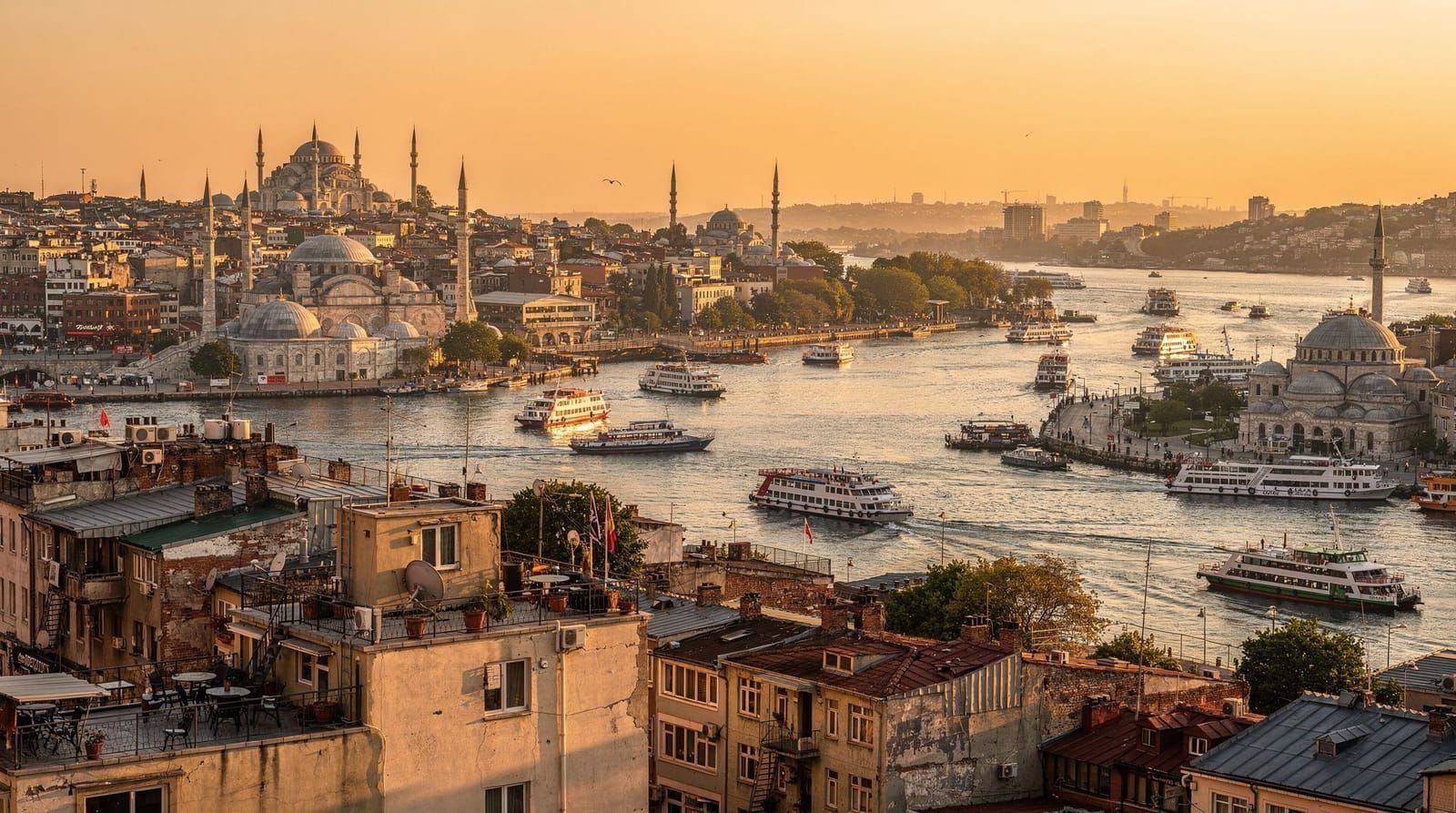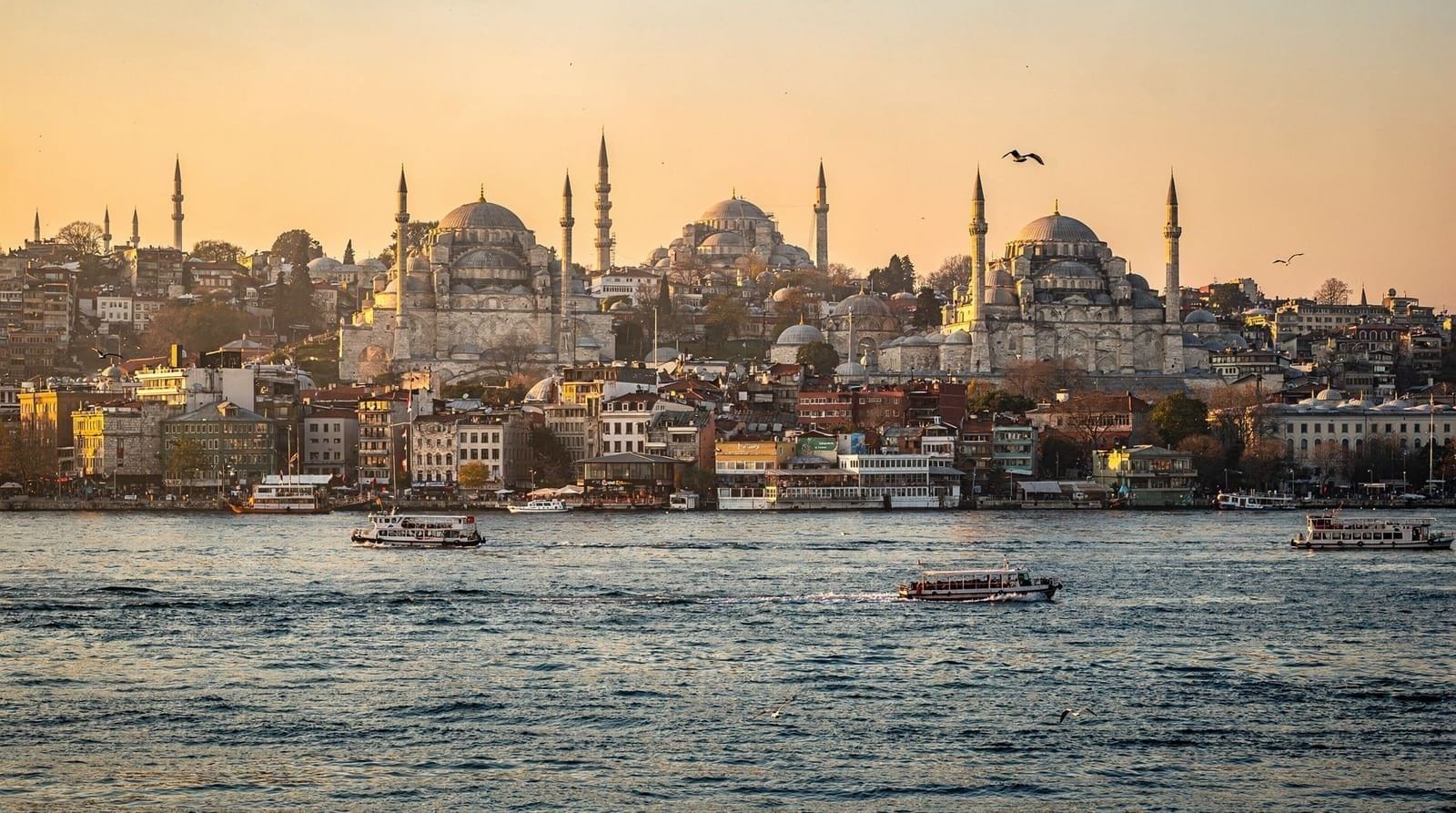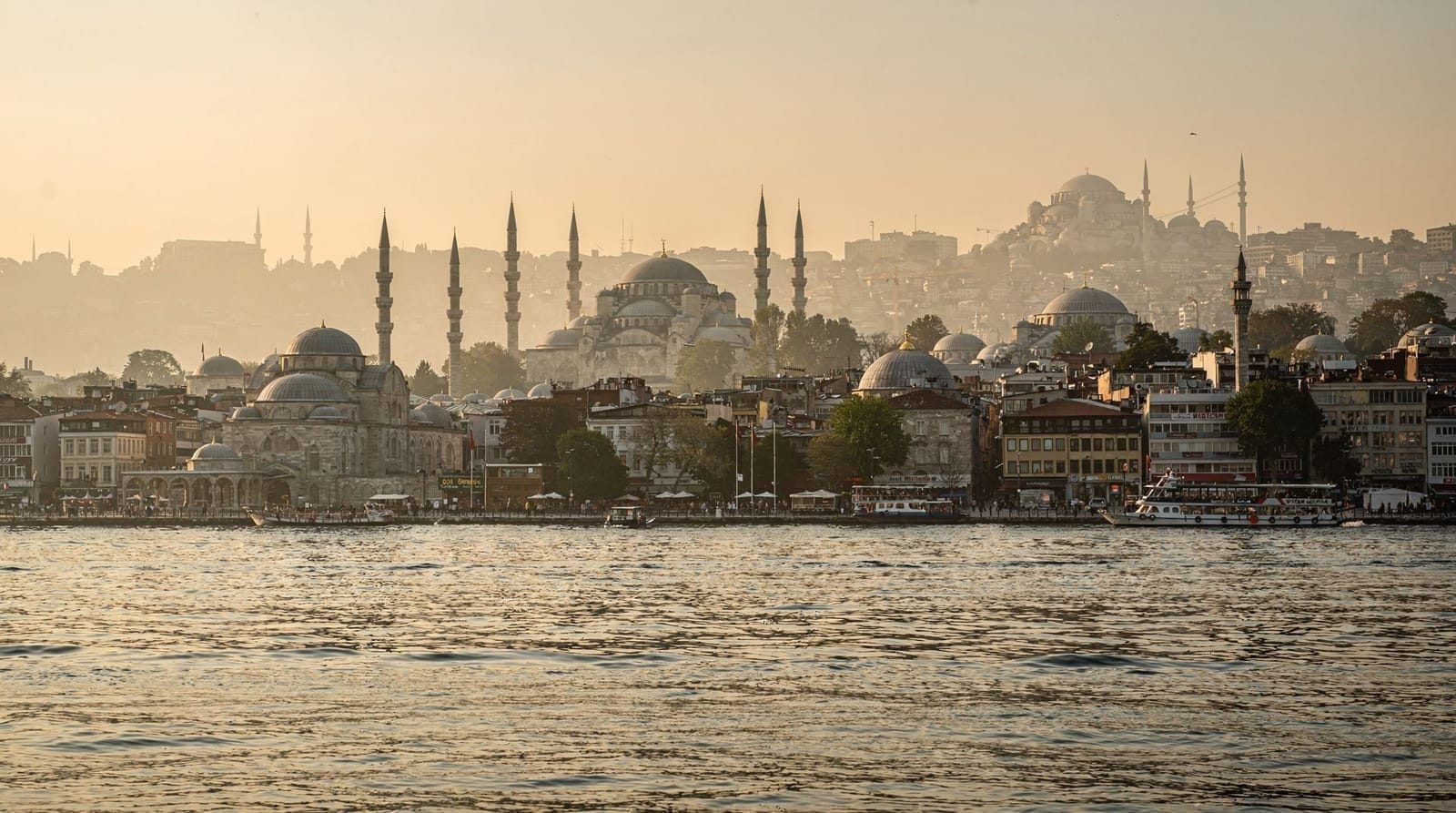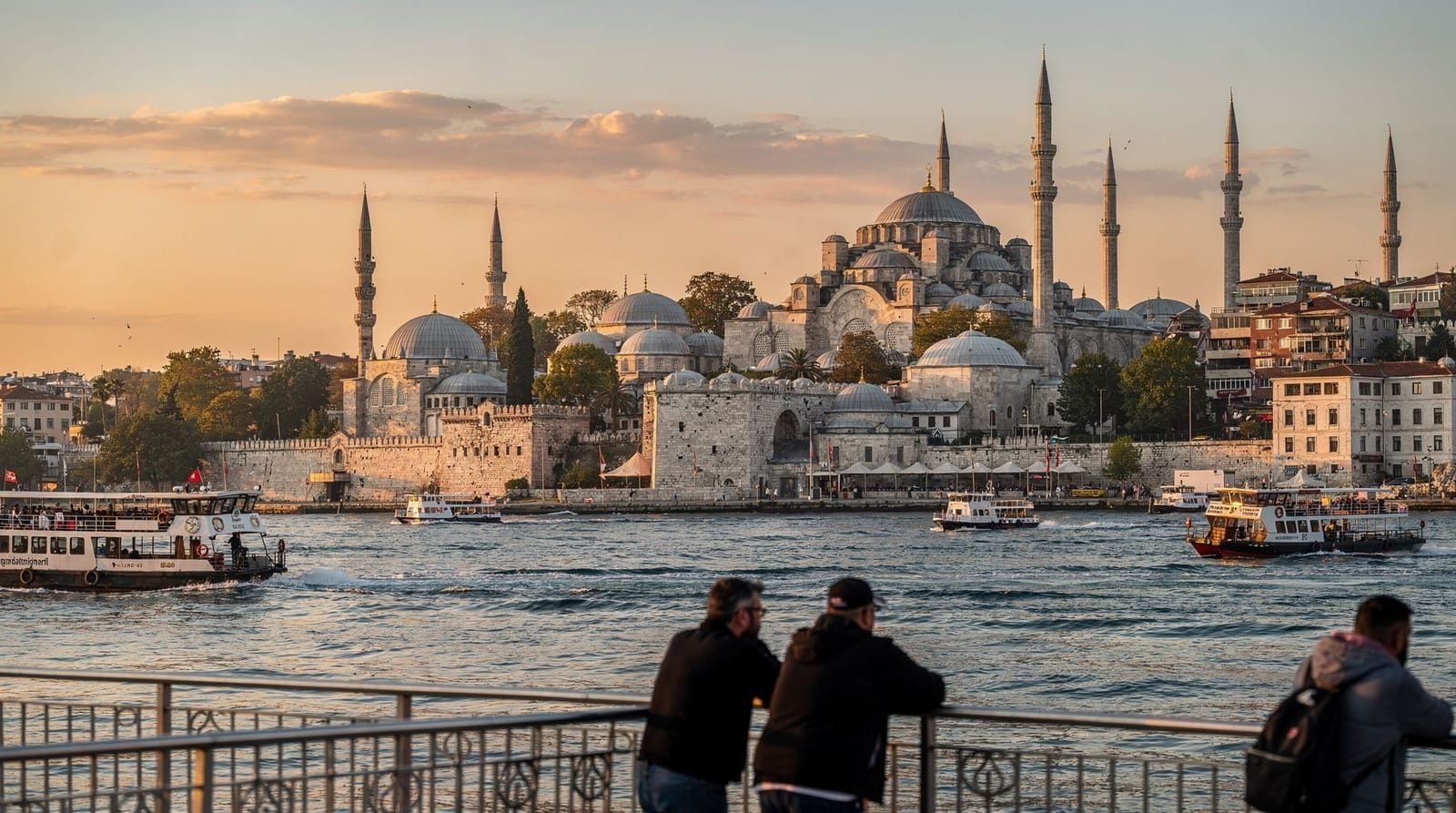
Istanbul trip planning guide — everything before you book
Istanbul E-pass: Top Attractions with Skip-the-Line Access
What do I need to plan before visiting Istanbul?
Check your visa requirements (e-Visa at evisa.gov.tr for most nationalities; US and UK citizens may be visa-free — verify your specific nationality). Best seasons are April-May and September-October. Book your main hotel and Topkapı Palace entry in advance in summer; most things can be arranged on arrival.
The complete Istanbul trip planning checklist
Istanbul rewards those who arrive knowing the basics. Not because the city is difficult — it is not, once you understand a few key logistics — but because understanding visa requirements, airport choices, and neighborhood tradeoffs before you book prevents the most common frustrations.
This guide covers everything in the order you actually need it: visa first, then dates, then flights, then accommodation, then what to book ahead versus what to handle on arrival.
| Visa | e-Visa at evisa.gov.tr for most nationalities; some (US/UK, as of mid-2026) visa-free — verify yours |
| Best time | April-May or September-October for mild weather and thinner crowds |
| Best airport | IST for the European side; SAW only if staying in Kadıköy/Asian side |
| Where to stay | Sultanahmet or Karaköy for first-timers |
| Book ahead in summer | Hotel, Topkapı + Harem tickets, Bosphorus dinner cruise |
| Handle on arrival | Hagia Sophia entry, most museum tickets, Istanbulkart, day-trip ferries |
Step 1: Visa and entry requirements
The single most important pre-travel task is checking your visa requirements for Turkey.
The easiest path for most nationalities is the e-Visa, applied for online at the official portal evisa.gov.tr. The e-Visa costs approximately $50 USD (fees vary by nationality — some nationalities pay more or less). Processing is usually instant to a few hours. Print or save the e-Visa to your phone. The e-Visa is typically valid for 90 days within a 180-day period (multiple-entry for most nationalities).
US and UK citizens: As of mid-2026, both may enter Turkey visa-free for up to 90 days. However, visa policy can change — verify your specific passport on the Turkish Ministry of Foreign Affairs website or evisa.gov.tr before travel.
Other nationalities: The e-Visa system covers citizens of about 100 countries. Some nationalities (including some EU countries that were previously visa-free) now require the e-Visa. Some nationalities must apply for a sticker visa at a Turkish embassy. Always verify your specific citizenship.
Passport validity: Turkey requires your passport to be valid for at least 6 months beyond your entry date. Some airlines enforce this at check-in.
For a full breakdown by nationality and current rules, see our Turkey e-Visa guide.
Step 2: Choosing the best time to visit
April-May: The best overall. Tulip festival in April (Istanbul’s tulip parks are excellent). Mild temperatures (15-25°C). Crowds are present but manageable. Outdoor cafe season begins. Spring in Istanbul guide.
June-August: Peak summer. Hot (30-35°C, high humidity). Very crowded at all major sites. Highest prices for accommodation. Some advantages: long days, outdoor events, the Bosphorus is at its most active. But generally not the most comfortable time.
September-October: Similar to April-May. Often slightly better than spring — the summer heat has broken but daylight hours are still reasonable (October is the last month before winter-mode). Excellent for the Bosphorus.
November-March: Cheapest. Fewer tourists. Short winter days (6-8 hours of light in December-January). Istanbul in snow (occasional) on the domes and minarets is visually memorable. Ramadan falls in late winter in 2026 (approximately 19 February-19 March) and changes the city’s evening atmosphere. Istanbul in winter guide.
See the full best time to visit Istanbul guide.
Step 3: Getting to Istanbul
Flights: Istanbul Airport (IST) is served by Turkish Airlines (the flag carrier), British Airways, Lufthansa, Air France, and most major carriers. Turkish Airlines has an excellent network from smaller European cities. Sabiha Gökçen (SAW) is served by Pegasus and Wizz Air from some European cities.
Which airport: IST is much more convenient if you are staying on the European side (Sultanahmet, Beyoğlu, Karaköy, Beşiktaş). The metro M11 from IST to the city center (transfer at Gayrettepe for the T1 tram) takes approximately 40-50 minutes and costs a standard metro fare with an Istanbulkart (see metro.istanbul for the current price). SAW is better positioned if you are staying on the Asian side (Kadıköy), but the journey to European Istanbul takes 70-90 minutes even in good traffic.
Arriving at IST: Clear customs, pick up an Istanbulkart from the machines in the arrivals hall, and take the M11 metro. Alternatively, a private transfer or metered taxi is available — confirm the taxi meter is running before moving.
See our IST airport to city center guide and SAW airport to city center guide.
Step 4: Accommodation
Choose your neighborhood before you book a hotel, because location in Istanbul affects your experience more than in most cities.
For first-time visitors prioritizing historic sights: Sultanahmet or Karaköy. For food and neighborhood atmosphere: Karaköy or Beyoğlu. For the full local experience: Kadıköy (Asian side). For Bosphorus views at the luxury level: Beşiktaş.
Full neighborhood analysis in our where to stay in Istanbul guide and Sultanahmet vs Beyoğlu comparison.
When to book: In July-August, book good properties 4-6 weeks ahead. In April-May and September-October, 2-3 weeks is usually sufficient. Winter has ample availability.
Step 5: What to book in advance
Essential advance bookings:
- Hotel (especially in peak season)
- e-Visa (if required — do before you book flights ideally)
Worth booking in advance for peak season (June-August):
- Topkapı Palace tickets (including separate Harem ticket) — queues can be 1+ hour in summer
- Bosphorus dinner cruise — popular boats fill up
- Turkish cooking class — small groups, limited capacity
Can be sorted on arrival or same-day:
- Hagia Sophia entry (free, no ticket needed)
- Most other museum entries (queues manageable outside peak season)
- Day trips to Princes’ Islands, Bursa (buy ferry tickets at the terminal)
- Istanbul Museum Pass (sold at major sites)
The Istanbul E-pass bundles skip-the-line access for multiple attractions and can save meaningful time at Topkapı, the Basilica Cistern, and the Galata Tower.
Step 6: Understanding the city’s layout
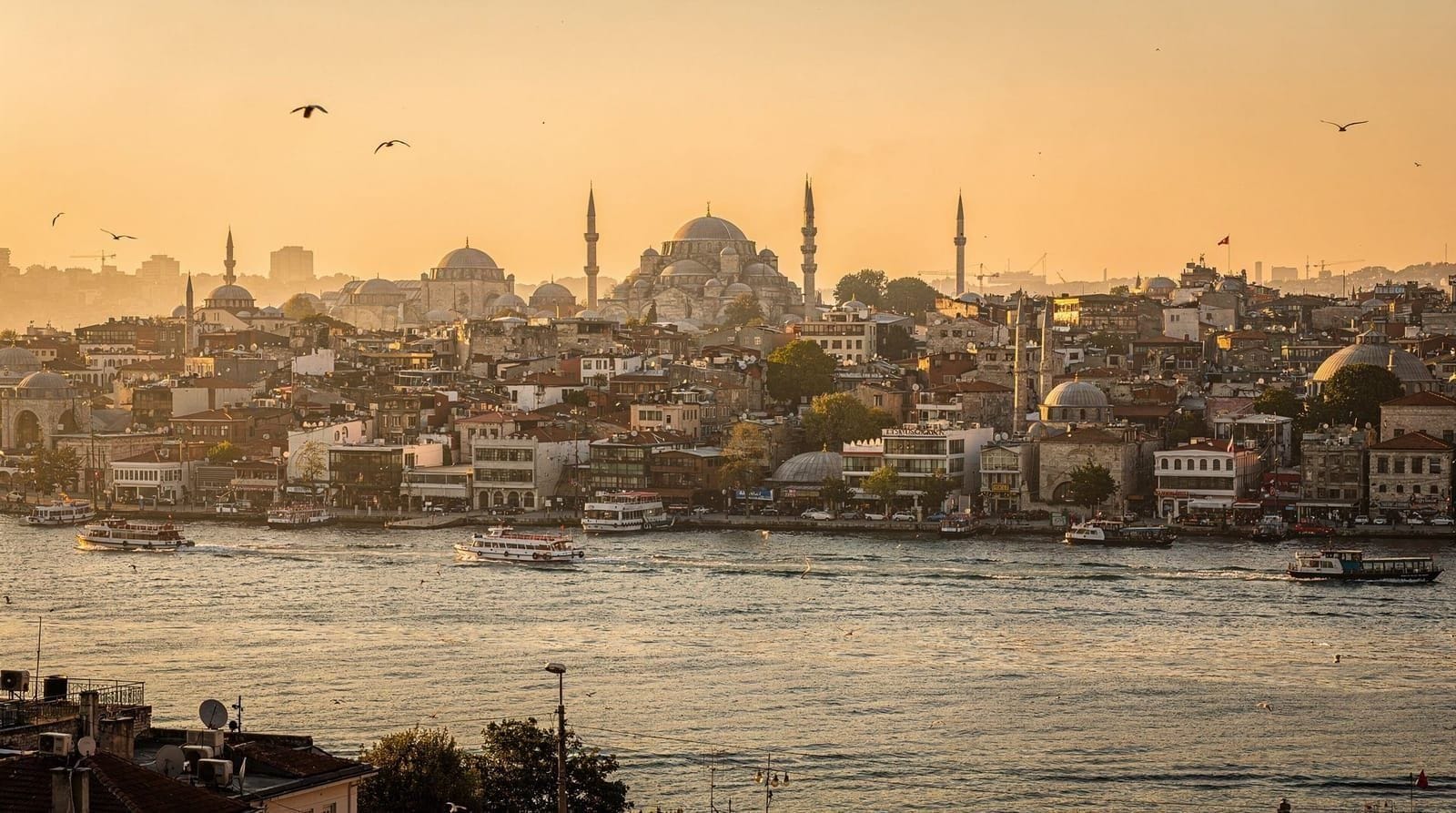
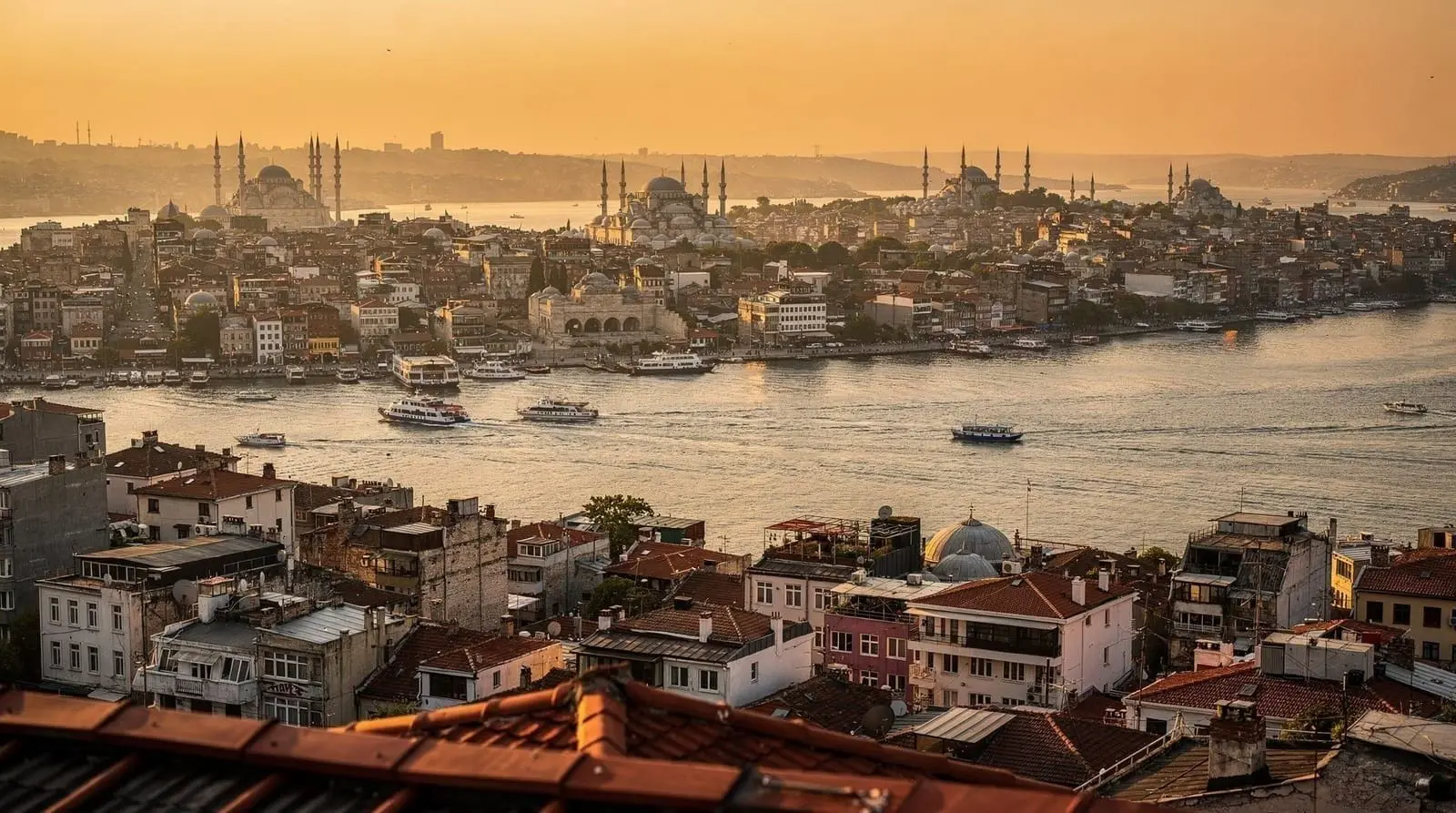
Istanbul spans two continents. The main tourist sites are on the European side:
- Sultanahmet / Old City: Hagia Sophia, Blue Mosque, Topkapı, Basilica Cistern, Grand Bazaar, Spice Bazaar
- Eminönü: Gateway to the Bosphorus ferries, Galata Bridge, Spice Bazaar
- Karaköy / Galata: Galata Tower, design district, excellent restaurants
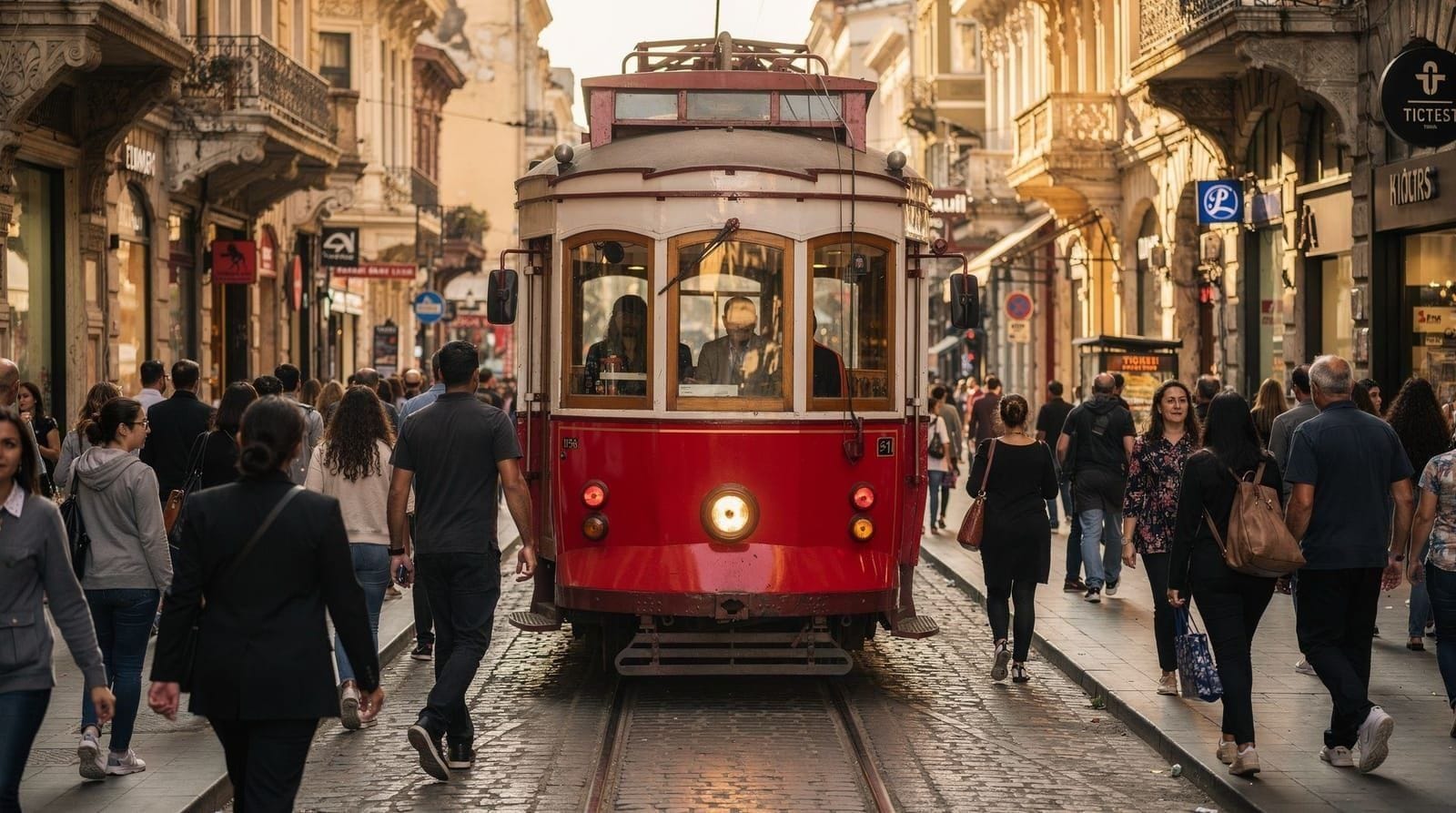
- Beyoğlu: İstiklal Avenue, meyhanes, nightlife, Pera Palace Hotel
- Beşiktaş: Dolmabahçe Palace, local neighborhood, Çırağan Palace
- Bosphorus: Ferry runs the full length of the European and Asian shores
The Asian side:
- Kadıköy: Best food neighborhood, local atmosphere
- Üsküdar: More traditional, Maiden’s Tower views
Getting between these areas is easy via the T1 tram (Sultanahmet-Kabataş) and ferry (Eminönü/Karaköy to the Asian side). See our getting around Istanbul guide.
Step 7: Budget planning
Quick benchmarks for mid-range travel in June 2026:
- 3-star hotel in Karaköy: approximately $60-100 USD per night
- Dinner at a good restaurant in Karaköy: approximately $30-50 USD per person
- Full-day sightseeing (Topkapı + Harem + Basilica Cistern): approximately $45-55 USD in entry fees
- Public transport (Istanbulkart, a day’s usage): approximately $4-6 USD
Full budget breakdown in our Istanbul travel budget guide.
Step 8: Health and safety basics
- Travel insurance covering medical is essential (Turkey is not covered by EU EHIC)
- Tap water in Istanbul is treated and technically safe; many visitors prefer bottled water
- The main scams to be aware of: carpet sellers who walk you to a shop, “friendly” bar invitations, taxi meter tricks, fake entry fees for free mosques
- Standard urban pickpocket awareness in very crowded areas (Grand Bazaar, Istiklal Avenue, the main tourist sites)
- Pharmacies (eczane) are widespread and knowledgeable; many medications available over the counter
- Emergency number in Turkey: 112 (medical), 155 (police), 110 (fire)
See our is Istanbul safe guide and Istanbul scams to avoid guide.
Step 9: Understanding the honest logistics of “day trips” to Cappadocia and Ephesus
The most consistent planning misconception we see is travelers assuming they can visit Cappadocia or Ephesus as day trips from Istanbul. This requires honest clarification.
Cappadocia: Approximately 1h15 by domestic flight from Istanbul. The signature experience — the hot air balloon at dawn over the fairy chimneys of Göreme — requires being in Cappadocia the evening before the balloon flight (flights launch before sunrise). A genuine “day trip by plane” exists: you fly to Nevşehir or Kayseri in the morning, take a tour of the rock-cut valleys and churches, and fly back in the evening. But you miss the balloon entirely, you are exhausted, and you spend 4-5 hours in transit for 4 hours at the destination. We do not recommend it.
The right approach: Add 2 nights minimum in Cappadocia to your Turkey trip. A typical 7-night Turkey trip: 4 nights Istanbul, fly to Cappadocia (2 nights in Göreme — balloon morning, Red Tour/Green Tour), fly back to Istanbul. Or continue to Izmir for Ephesus.
Ephesus: Via Izmir Airport (1 hour flight). The archaeological site is genuinely extraordinary — the Library of Celsus, the theatre, the marble streets — and deserves 3-4 hours minimum. Pamukkale, the terraced calcium pools 3 hours from Izmir, is another full day. A combined Ephesus-Pamukkale extension from Istanbul works well as 3 nights (1 in Selçuk near Ephesus, 1-2 in Pamukkale), then fly home from Izmir or return to Istanbul.
We cover this in full detail in our Cappadocia from Istanbul guide, Ephesus from Istanbul guide, and the day trip reality check.
Step 10: Building a realistic itinerary
Once you know how many days you have, use these resources to build a day-by-day plan:
- 1 day: Istanbul in one day
- 2 days: Istanbul 2 days
- 3 days: Istanbul 3-day first-timer plan
- 5 days: Istanbul 5 days
- 7 days with Cappadocia: Istanbul and Cappadocia 5 days or the 7-day Turkey highlights
For families: Istanbul with families itinerary. For food-focused travel: Istanbul foodie 2 days.
A first-timer’s planning timeline
If you’d rather follow a sequence than jump between steps, here’s a reasonable order for a summer trip booked a few months out: confirm your visa situation first (it affects nothing else but needs the longest lead time for some nationalities), then pick your dates around the seasonal notes above, then book flights and your hotel together since availability and price move in tandem, then lock in Topkapı and any peak-season tours 4-6 weeks out, and leave everything else — museum entries, day-trip ferries, restaurant bookings — for the week before or on arrival. For a trip booked in spring or autumn, you can compress this considerably; 3-4 weeks of total lead time is usually enough even for a first-timer who wants everything sorted before departure.
Pre-booked private airport transfer — one less logistics decision to make after a long flightCommon planning errors to avoid
Booking non-refundable accommodation too far in advance: Istanbul hotel prices are very volatile. A non-refundable rate booked three months ahead can easily be matched or beaten by a flexible rate closer to the date, particularly outside peak summer. For spring and autumn travel, booking 2-3 weeks ahead with a flexible cancellation policy is usually the smartest approach.
Not checking mosque prayer times: Every year, thousands of visitors arrive at the Blue Mosque at exactly the wrong moment — midday Friday, or during one of the five daily prayer closures. A 5-minute check of the day’s prayer schedule before leaving your hotel prevents standing in a queue for 45 minutes.
Planning too many sites in one day: Istanbul is a slow city to see properly. The major sites — Hagia Sophia, Topkapı Palace, the Basilica Cistern — each warrant serious time. A plan that has six major sites in one day will result in a rushed surface experience of all of them. Three substantial sites per day is more realistic and rewarding.
Assuming all Turkish food is the same: Turkish food is enormously regional. What is served in a Sultanahmet tourist restaurant (generic kebab, generic salad, generic baklava) is not representative of Anatolian cooking. Making time for Çiya Sofrası in Kadıköy, or any esnaf lokantası serving regional stews and dishes, transforms the food experience.
Overlooking the Asian side entirely: A significant number of visitors to Istanbul never cross to the Asian side. This is a missed opportunity — the ferry crossing itself is memorable, Kadıköy is one of the city’s best neighborhoods for food and atmosphere, and seeing the European skyline from the water gives you the perspective you need to understand the city’s geography.
Frequently asked questions about Istanbul trip planning guide — everything before you book
Do I need a visa to visit Turkey from the US or UK?
What is the best time of year to visit Istanbul?
Which airport should I fly into?
Should I get travel insurance for Istanbul?
How far in advance should I book major attractions?
What vaccinations or health precautions do I need?
Is Istanbul safe to visit?
Top experiences
Bookable activities with verified prices and instant confirmation on GetYourGuide.