Istanbul neighborhoods overview — which area to stay in and explore
Full-Day Walking Tour of Istanbul's Old City
Duration: 5 hours
What are Istanbul's main neighbourhoods and which should I stay in?
The two main choices for visitors are Sultanahmet (old city — close to Hagia Sophia, Topkapı, Grand Bazaar) and Beyoğlu/Karaköy (modern city — close to Galata Tower, restaurants, nightlife). Both are good. Sultanahmet suits history-first trips; Beyoğlu suits longer stays and food-focused travel. Kadıköy and Üsküdar on the Asian side are worth a half-day each but not ideal bases for first-timers.
Istanbul’s geography — why neighbourhood matters
Istanbul is not a compact city. The historic peninsula of Sultanahmet is 6 km from Beyoğlu/İstiklal, which is 5 km from the Bosphorus suspension bridges, which are 2 km from the first Asian ferry terminal. Add in traffic, and the choice of where you’re based significantly affects what you can do each day without spending hours in transit.
Understanding Istanbul’s neighbourhood geography also clarifies what kind of city you’re visiting. Sultanahmet is a museum district — magnificent, but quiet after the day-trippers leave. Beyoğlu is commercial and nocturnal. Karaköy is industrial-creative. Beşiktaş is residential and sporty. Kadıköy is the food city. Üsküdar is the traditional Asia. Each has a different character; most are worth at least a half-day.
| Best base for first-timers | Sultanahmet or Beyoğlu |
| Best base for 5+ days | Karaköy or Kadıköy |
| Getting between sides | ferry (20 min) or Marmaray (4 min) |
| Most tourist-priced food | Sultanahmet, especially Hippodrome-facing |
| Most local food | Kadıköy market and Balat backstreets |
Sultanahmet — the historic peninsula
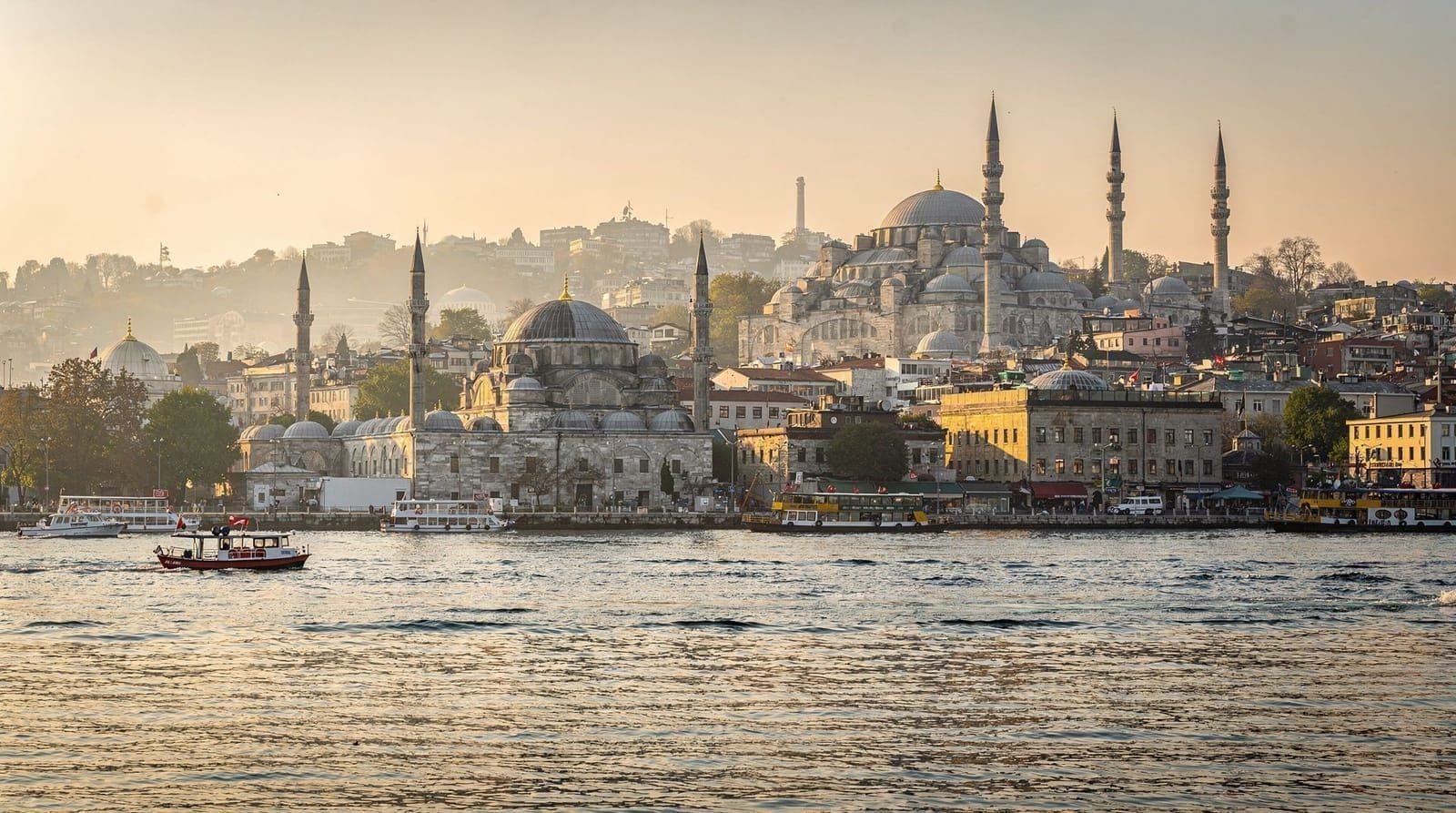
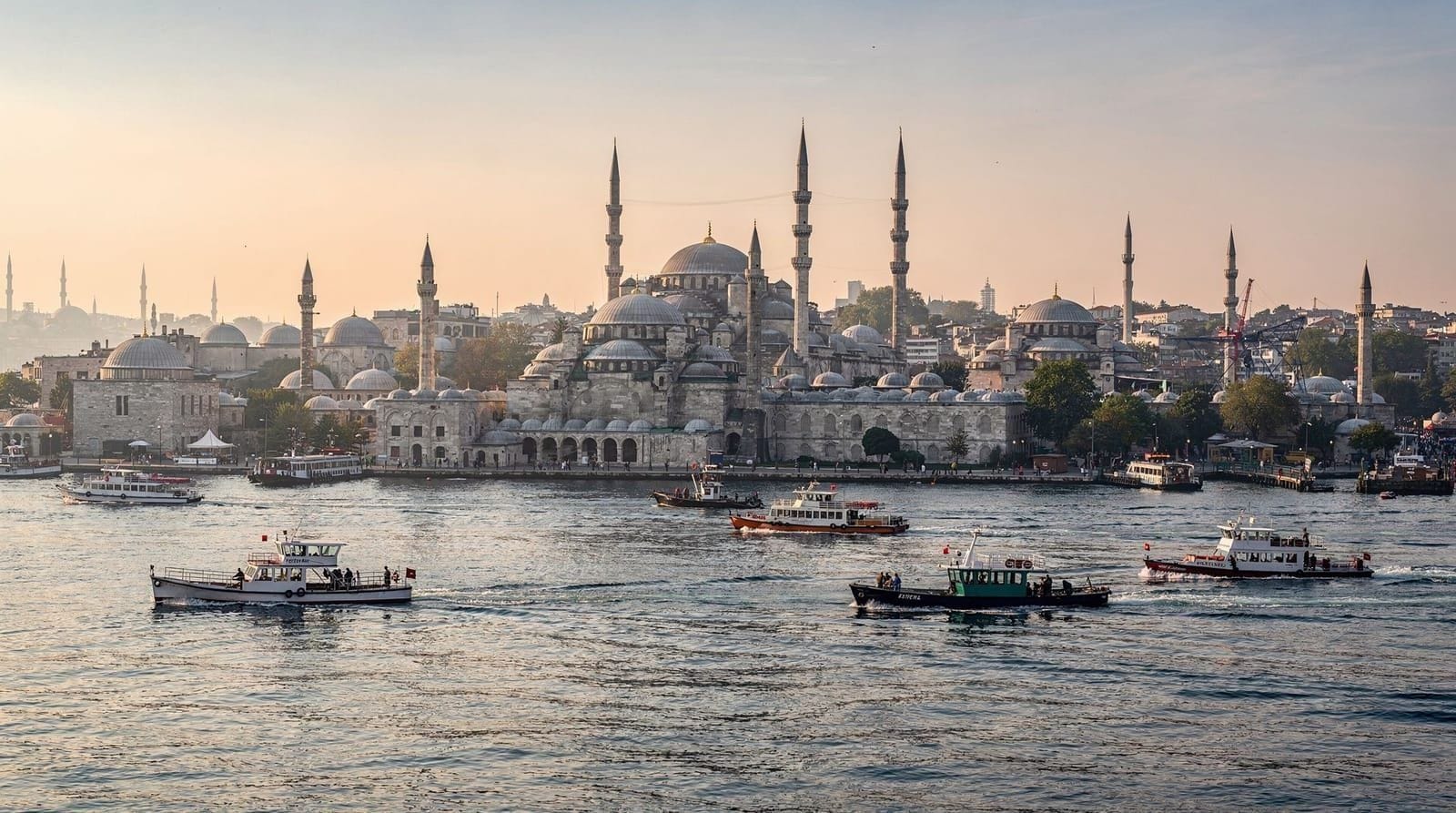
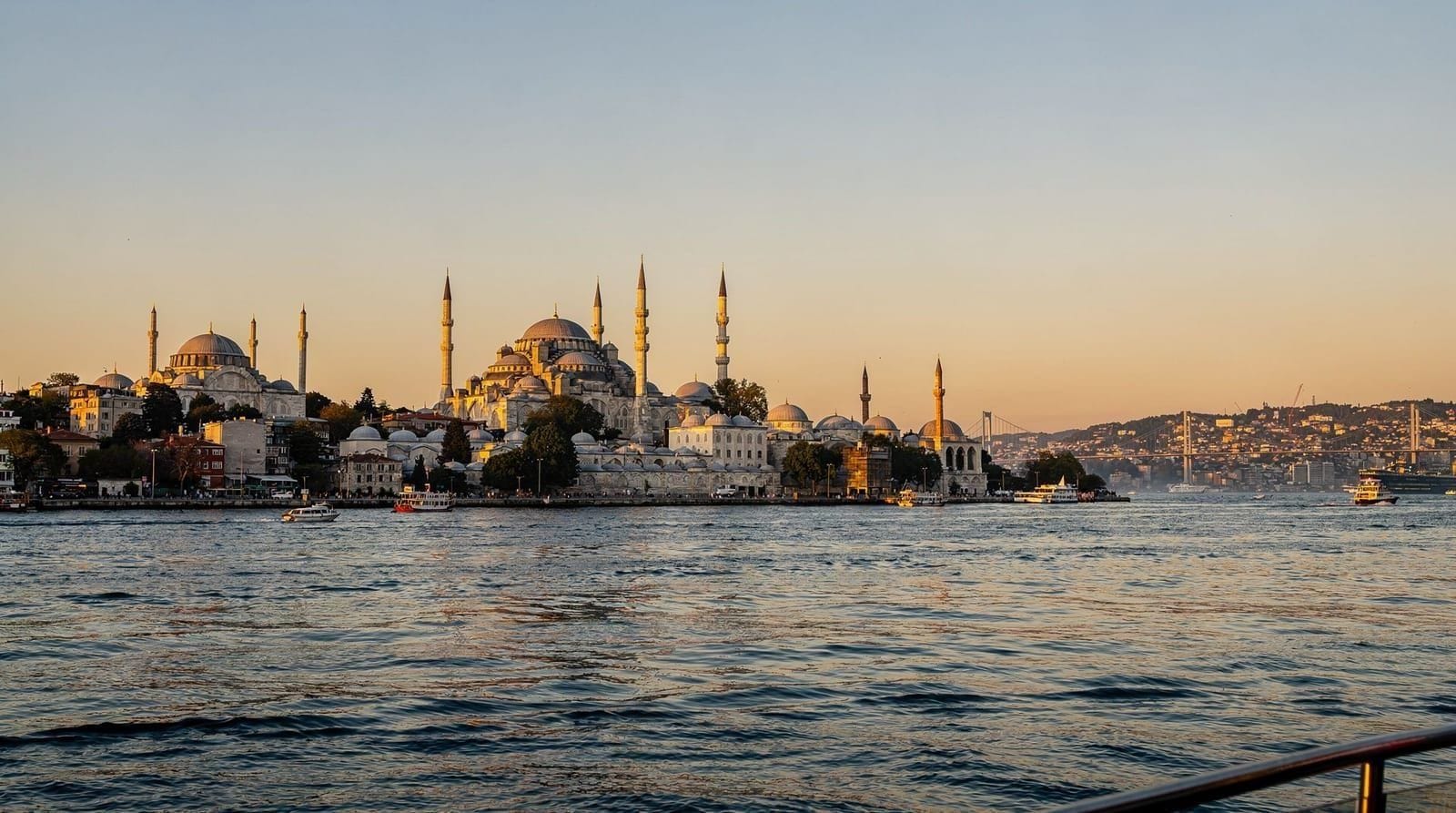
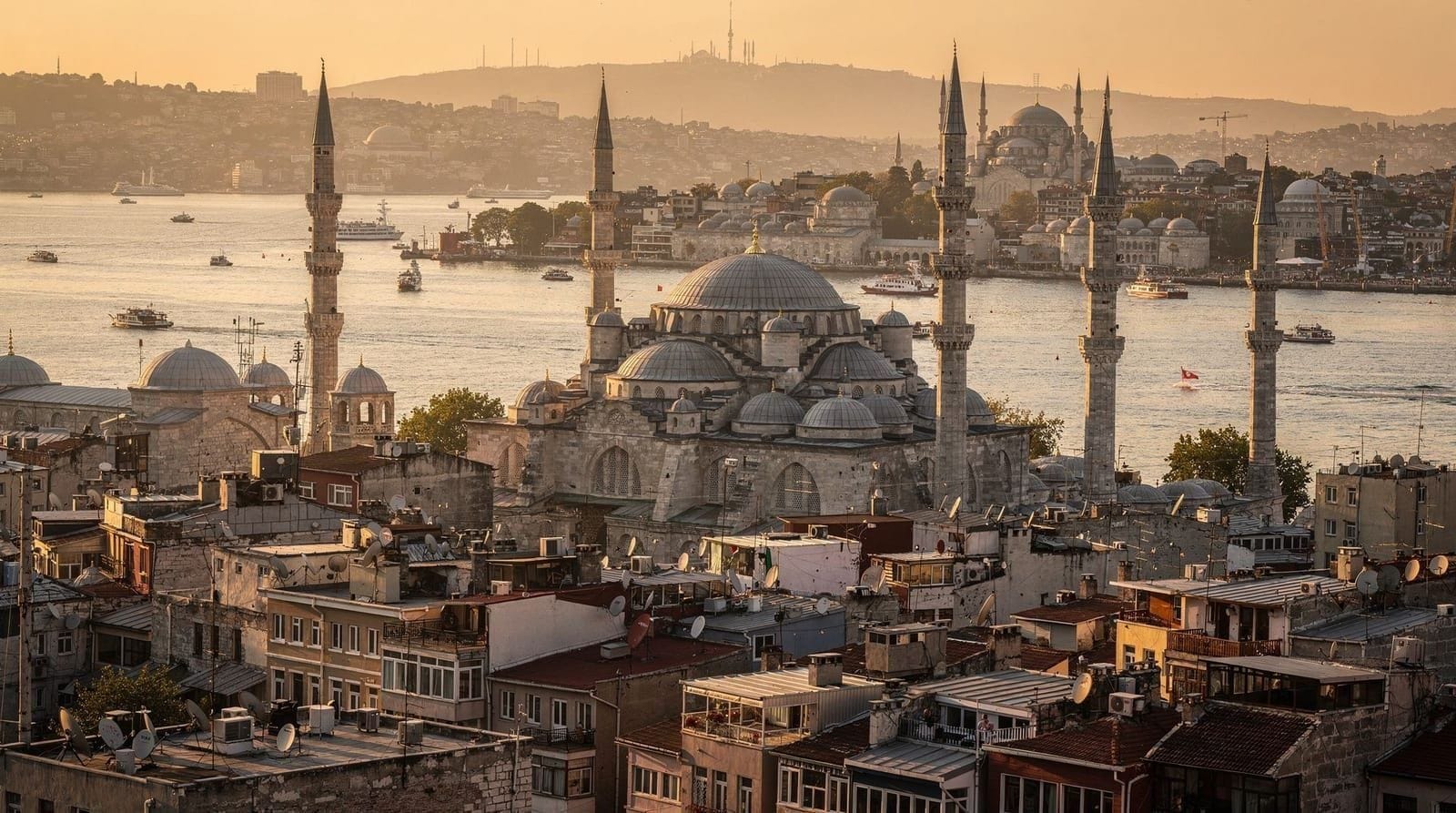
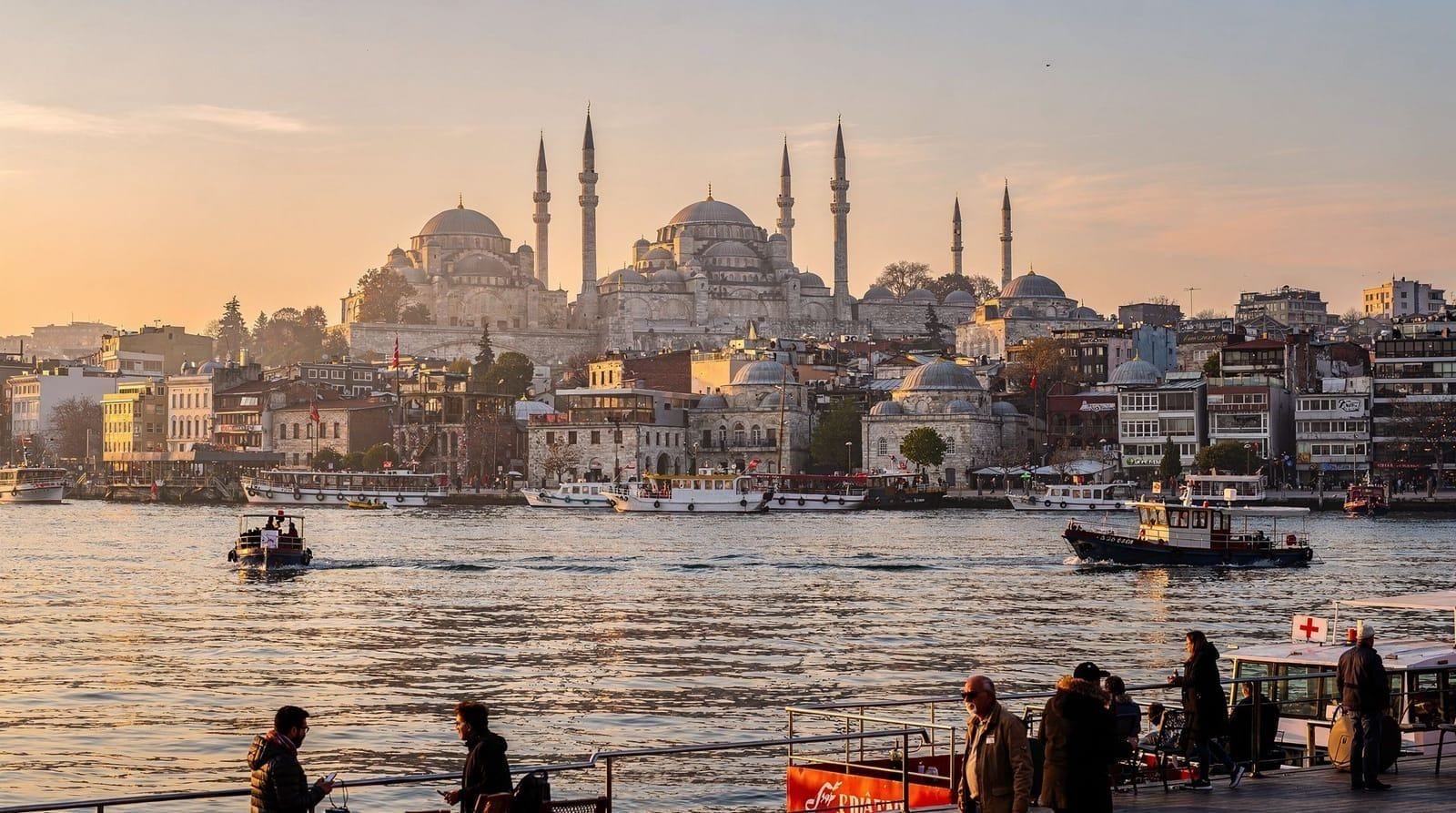
What it is: The old city, built on the first hill of Constantinople. Hagia Sophia, the Blue Mosque, Topkapı Palace, Basilica Cistern, Grand Bazaar, Spice Bazaar — all within 30 minutes’ walk of each other. The concentration of major sights here is unmatched.
Who it’s for: First-time visitors, shorter trips (2–3 days), people who prioritise sightseeing over nightlife.
Honest assessment: Hotels in Sultanahmet are significantly more expensive than elsewhere in Istanbul for equivalent quality. Restaurant prices include a tourist premium. The neighbourhood is quiet (borderline dead) after 10 pm. But for your first two days, the proximity to the main sights is genuinely useful.
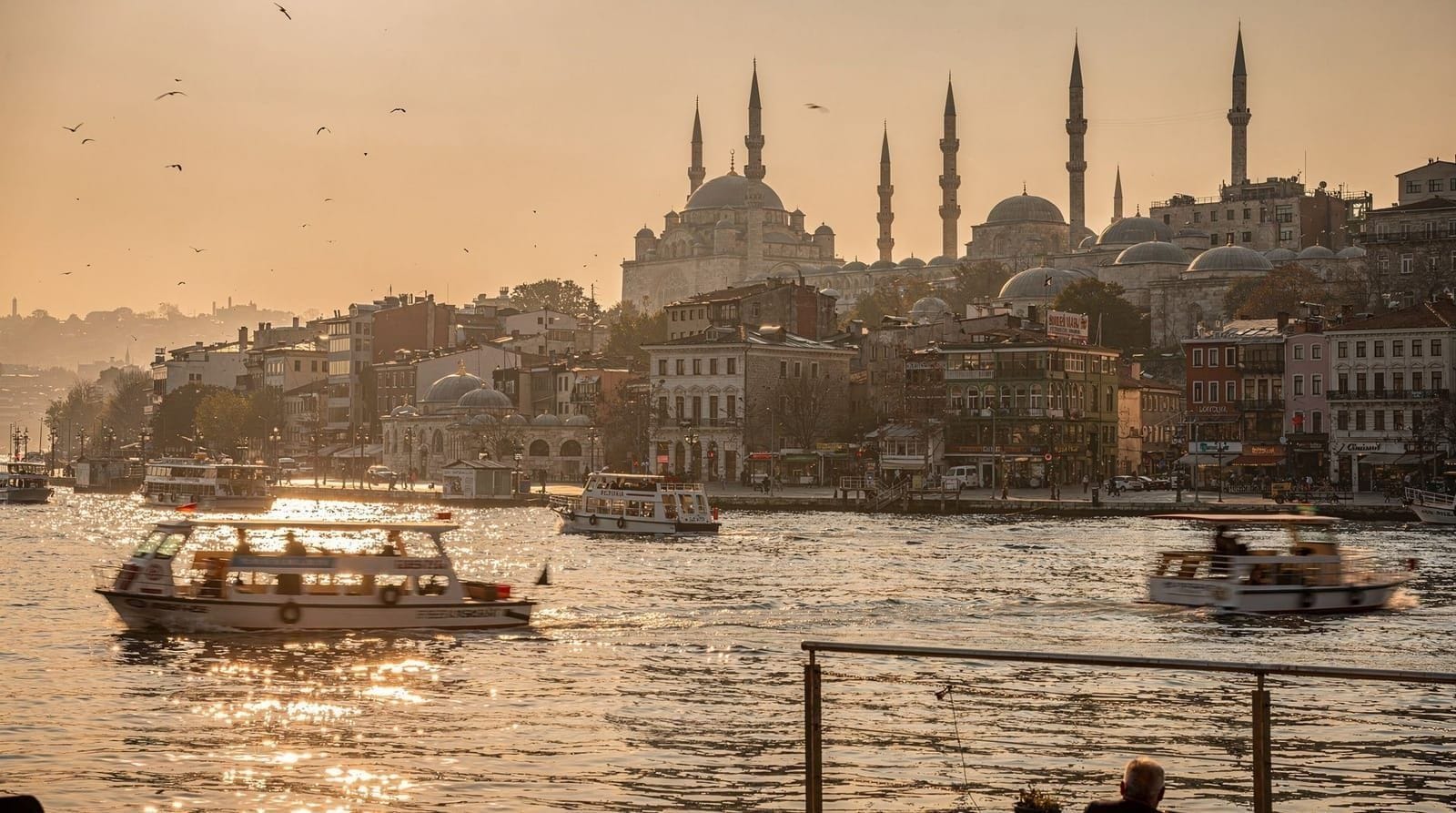
Neighbouring areas: Eminönü (the ferry terminals, Spice Bazaar, Galata Bridge) flows naturally from Sultanahmet. The tram T1 line connects Sultanahmet to Kabataş in one direction and to the Grand Bazaar/Beyazıt area in the other.
Beyoğlu — the modern city
What it is: The district north of the Golden Horn, centred on İstiklal Caddesi. The European New City of the 19th-century Ottoman Empire, with grand apartment buildings, historic arcades, consulates, and a street life that runs until 3 am.
Who it’s for: People staying 4+ days who want nightlife, restaurant variety, and a base that feels like a living city rather than a museum.
Character: Cosmopolitan, commercial, occasionally overwhelming (İstiklal gets 2–3 million pedestrians on a busy weekend). The side streets — Asmalımescit, Çukurcuma, Sofyalı Sokak — are where Beyoğlu becomes genuinely interesting.
Warning: Bar scam culture is concentrated around İstiklal. See the Istanbul scams to avoid guide.
Getting to Sultanahmet: Tram T1 from Kabataş (bottom of the hill), 15 minutes to Sultanahmet. Or walk across Galata Bridge (20 minutes from the Tünel end of İstiklal).
Detailed coverage: Beyoğlu neighborhood guide.
Karaköy — the creative waterfront
What it is: The base of the Galata hill, where old customs warehouses and banking palaces have converted to cafés, galleries, and restaurants. Istanbul’s most thoughtfully designed new neighbourhood.
Who it’s for: Food and design-oriented travellers, people staying longer than 3 days, anyone wanting a base with easier ferry access to the Asian side.
Character: Energetic without being overwhelming. The best brunch options in Istanbul. The Galata Tower 5 minutes uphill.
Detailed coverage: Karaköy neighborhood guide.
Balat and Fener — the painted houses
What it is: The historic Jewish and Greek Orthodox neighbourhood on the Golden Horn, with Ottoman wooden houses painted in Mediterranean blues and terracottas. The Fener Greek Orthodox Patriarchate.
Who it’s for: Visitors interested in historical communities, Byzantine history, street photography.
Honest caveat: More authentically residential than Sultanahmet or Karaköy, but becoming more visited. Best on weekday mornings. Primarily worth a half-day rather than a base.
Detailed coverage: Balat and Fener walking guide.
Beşiktaş — Bosphorus life and football
What it is: A mid-sized neighbourhood on the European Bosphorus shore, home to Beşiktaş Football Club, Dolmabahçe Palace, and the Çırağan Kempinski hotel. More local than tourist.
Who it’s for: Visitors combining Dolmabahçe with a Bosphorus waterfront walk, football fans, longer-stay visitors wanting a more residential base.
Detailed coverage: Beşiktaş neighborhood guide.
Kadıköy — the food city on the Asian side
What it is: The food market district on the Asian shore — the covered Kadıköy Çarşısı, Çiya Sofrası restaurant, the fish market, and a bohemian, secular residential neighbourhood.
Who it’s for: Food-focused travellers, independent visitors comfortable with ferry navigation, longer-stay visitors wanting to see a non-tourist version of Istanbul.
Detailed coverage: Kadıköy neighborhood guide.
Üsküdar — traditional Asia
What it is: The most historically significant Asian-side neighbourhood, with a cluster of Mimar Sinan mosques near the ferry terminal, the Maiden’s Tower offshore, and Çamlıca Hill with panoramic views.
Who it’s for: Visitors interested in traditional Turkish Muslim culture and architecture, mosque architecture, and city views.
Detailed coverage: Üsküdar neighborhood guide.
The northern Bosphorus villages
Arnavutköy, Bebek, Emirgân, Sarıyer on the European shore; Kanlıca, Beykoz on the Asian shore — traditional Bosphorus villages with wooden yalı mansions, seafood restaurants, and the most scenic stretch of the strait. Best reached by the long Şehir Hatları Bosphorus ferry or by car. Rewarding if you have 5+ days in Istanbul or are specifically interested in Ottoman residential architecture.
Neighbourhood comparison at a glance
| Neighbourhood | Best for | Access to Sultanahmet | Character |
|---|---|---|---|
| Sultanahmet | Sightseeing convenience | 0 min (on foot) | Tourist, historic, quiet at night |
| Beyoğlu | Nightlife, restaurants, longer stays | 20–25 min (tram T1) | Cosmopolitan, commercial, lively |
| Karaköy | Coffee, design, Asian side ferry | 20 min (tram T1 + walk) | Creative, food-forward |
| Balat/Fener | History, photography | 25 min (taxi) | Residential, traditional |
| Beşiktaş | Bosphorus, Dolmabahçe | 30 min (tram + walk) | Local, sporty, waterfront |
| Kadıköy (Asia) | Food, market, bohemian | 45 min (ferry) | Lively, secular, food-focused |
| Üsküdar (Asia) | Mosques, traditional culture | 35 min (ferry) | Quiet, conservative, historic |
How to allocate time across neighbourhoods
2 days: Sultanahmet only — Hagia Sophia, Topkapı/Blue Mosque/Grand Bazaar, Bosphorus cruise, Beyoğlu evening. See the Istanbul 2-day itinerary.
3 days: Add half a day for Karaköy and Galata Tower, half a day for Kadıköy or Balat. See the Istanbul 3-day itinerary.
5+ days: Add Üsküdar, Beşiktaş/Ortaköy, the Bosphorus ferry to Anadolu Kavağı, and the northern yalı villages. See the Istanbul 5-day itinerary.
Taksim Square and the wider Beyoğlu district
Taksim Square, at the top of İstiklal Caddesi, is Beyoğlu’s transport and civic hub rather than a sightseeing destination in itself — most visitors pass through it on the way to the pedestrian street or the funicular down to Kabataş. It’s a useful orientation point and metro interchange, but the interesting Beyoğlu experience is a 10–15 minute walk downhill toward Galata, not the square itself. Anyone weighing Sultanahmet against Beyoğlu as a base should read the dedicated staying in Sultanahmet vs Beyoğlu guide for the fuller trade-offs beyond this overview.
Finding the less obvious corners
Beyond the neighbourhoods covered above, Istanbul rewards deliberately seeking out streets that don’t appear on the standard circuit. The hidden gems in Istanbul guide and the most Instagrammable spots guide both point to specific corners within these neighbourhoods — a courtyard in Balat, a staircase in Cihangir — that reward the extra 15 minutes off the main route.
Choosing a base by travel style
The right neighbourhood depends less on the map than on how you like to spend an evening. If you plan to be out the door at opening time every morning and back in bed early, Sultanahmet’s walkability is a real advantage, and the Sultanahmet destination page shows how much sits within a short stroll. If you would rather linger over dinner, wander after dark and sleep somewhere that feels lived in, Beyoğlu or Karaköy will suit you better, and the trade-off is a daily tram ride toward the monuments.
Couples tend to enjoy the atmosphere of Karaköy and Cihangir, families often prefer the calmer streets and easy transport of the old city, and solo travellers who like meeting people usually gravitate to Beyoğlu. None of this is a rule, only a pattern worth weighing. For a fuller breakdown of hotel areas, the where to stay in Istanbul guide goes deeper, and the blog post on the best neighbourhoods to stay in gives a more personal take.
Moving between neighbourhoods
Istanbul’s districts are separated by hills, water and traffic, so how you travel matters as much as where you sleep. The tram, the funicular, the metro, Marmaray and the ferries all overlap, and learning which one suits which hop saves a lot of time. The getting around Istanbul guide explains the options, and the Istanbulkart guide covers the single card that works on nearly all of them.
The ferries deserve special mention. Crossing between the European and Asian shores by boat is not just transport but one of the pleasures of the city, and the Istanbul ferries guide shows which routes link the neighbourhoods described above. For a longer scenic trip up the strait, the Bosphorus by public ferry guide is the budget-friendly way to see the villages from the water.
What each area feels like after dark
Daytime impressions of Istanbul’s neighbourhoods can be misleading, because several change character completely at night. Sultanahmet empties out once the museums close, and its floodlit mosques are lovely to look at but the streets around them are subdued. Beyoğlu does the opposite: the side streets fill with people, music spills out of doorways and the meyhane tables stay occupied late. Karaköy sits between the two, with cocktail bars and cafés that stay lively without the crowds of İstiklal.
On the Asian side, Kadıköy has its own evening rhythm built around the market streets and the bars that locals favour rather than visitors. If nightlife is a priority, read the Istanbul nightlife guide before booking, and if you simply want a good view with a drink, the rooftop bars guide lists the places worth the climb.
Eating your way through the districts
Food is one of the clearest ways to feel the difference between neighbourhoods. Sultanahmet offers convenience, Karaköy specialises in coffee and brunch, Beyoğlu in meze and rakı evenings, and Kadıköy in everyday Turkish cooking at its most varied. The where to eat in Istanbul guide maps the best options across the city, while the meze and rakı guide explains how a proper meyhane evening works.
For a lighter approach, the street food guide is useful in every district, since a simit or a quick snack is rarely far away. If you want a guided introduction, the Istanbul food tours guide compares what is on offer, and many of those routes cross several of the neighbourhoods above in a single afternoon. If you would rather have someone else handle the route, a private guided food tour with several tastings is a straightforward way to sample these districts.
Combining neighbourhoods with major sights
Many visitors plan around monuments and then discover that their hotel sits in the wrong place. A few pairings make life easier. Dolmabahçe Palace pairs naturally with Beşiktaş and the waterfront, and the Dolmabahçe Palace visiting guide explains how to fit it into a day. Galata Tower belongs with Karaköy and the lower end of Beyoğlu, and the Galata Tower visiting guide helps you time the climb. Üsküdar pairs with the Maiden’s Tower, covered in the Maiden’s Tower visiting guide.
Thinking in clusters like these keeps your days compact. Rather than crossing the city twice, group sights that share a shoreline or a tram stop, and save the long hops for a day when you have nothing else planned.
Planning around the seasons
The best neighbourhood can also depend on when you travel. In the warmer months, waterfront districts such as Beşiktaş, Ortaköy and Kadıköy are pleasant for long, slow evenings outdoors, while in colder or wetter weather the covered markets and indoor sights of the old city are easier to enjoy. The best time to visit Istanbul guide helps you match the season to the area, and the Istanbul weather by month guide is handy once your dates are fixed.
Whatever the season, wear comfortable shoes. Almost every neighbourhood here involves hills, cobbles or stairs, and the walk between two good streets is often the best part of the day. Leave a little slack in your schedule so that a café stop or an unplanned detour does not push the rest of your plans out of shape.
A note on first impressions
First-time visitors often expect one coherent city and are surprised to find several overlapping ones: imperial, Ottoman, cosmopolitan, working and residential. That variety is the real appeal. If you are still deciding how much to take on, the Istanbul for first-timers guide and the how many days in Istanbul guide will help you scale the plan to your time, and the European vs Asian side guide is worth reading before you decide whether to cross the water at all.
Frequently asked questions about Istanbul neighborhoods overview — which area to stay in and explore
Is it better to stay in Sultanahmet or Beyoğlu?
Which Istanbul neighbourhood has the best nightlife?
Which neighbourhood is best for food?
What is the difference between Sultanahmet and the rest of Istanbul?
How many neighbourhoods can I reasonably cover in 3 days?
Is the Asian side of Istanbul worth visiting?
Top experiences
Bookable activities with verified prices and instant confirmation on GetYourGuide.