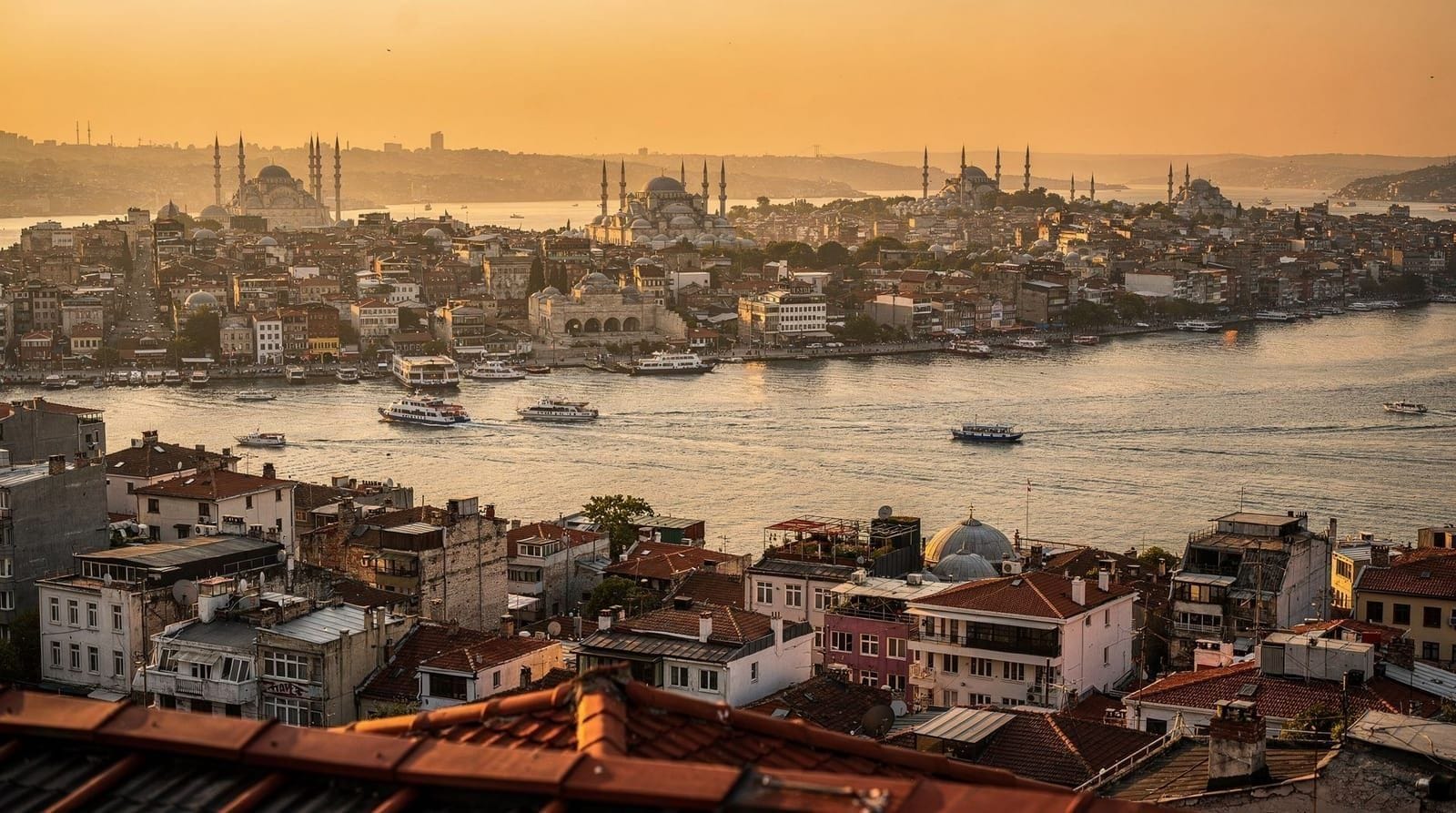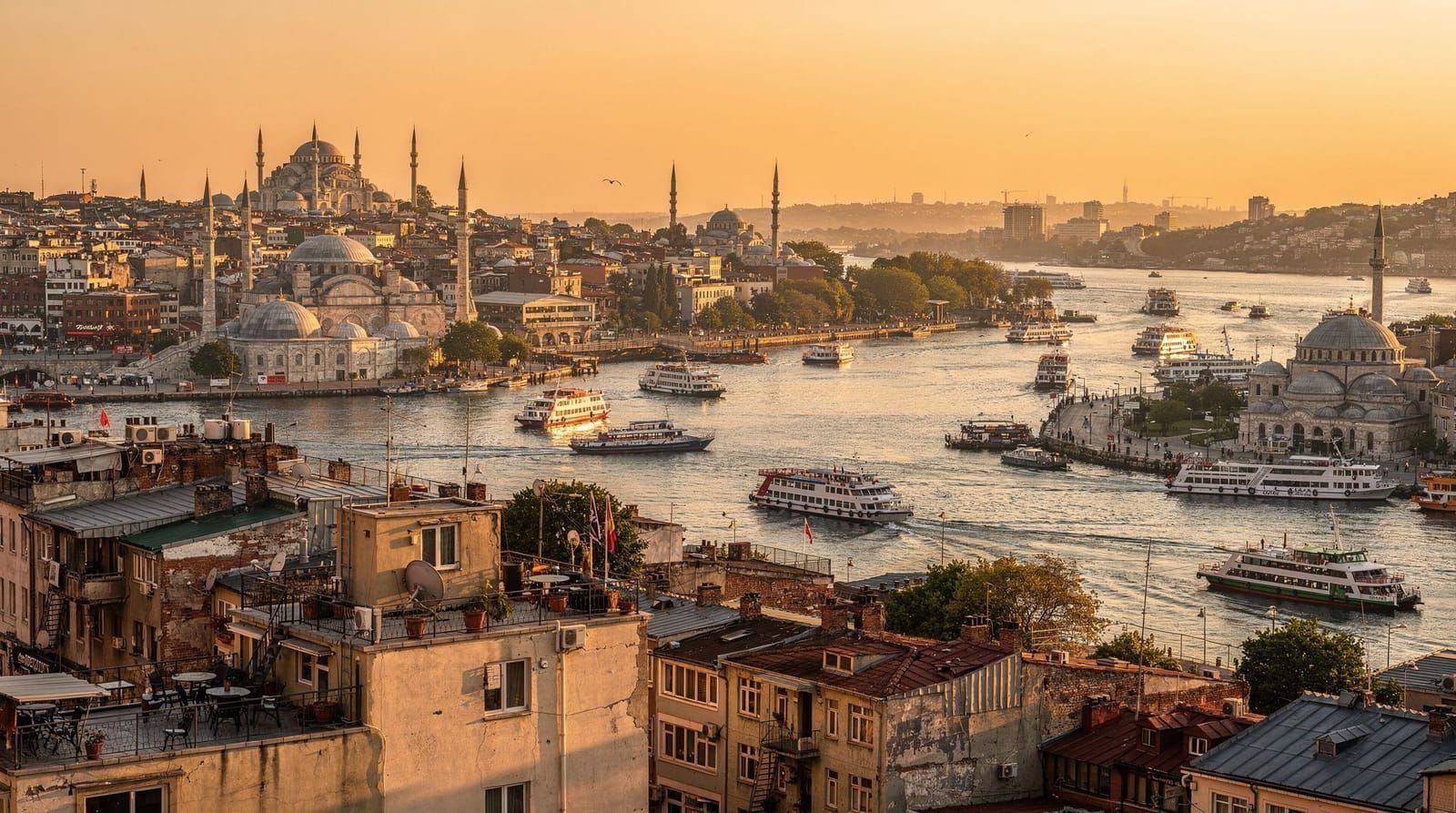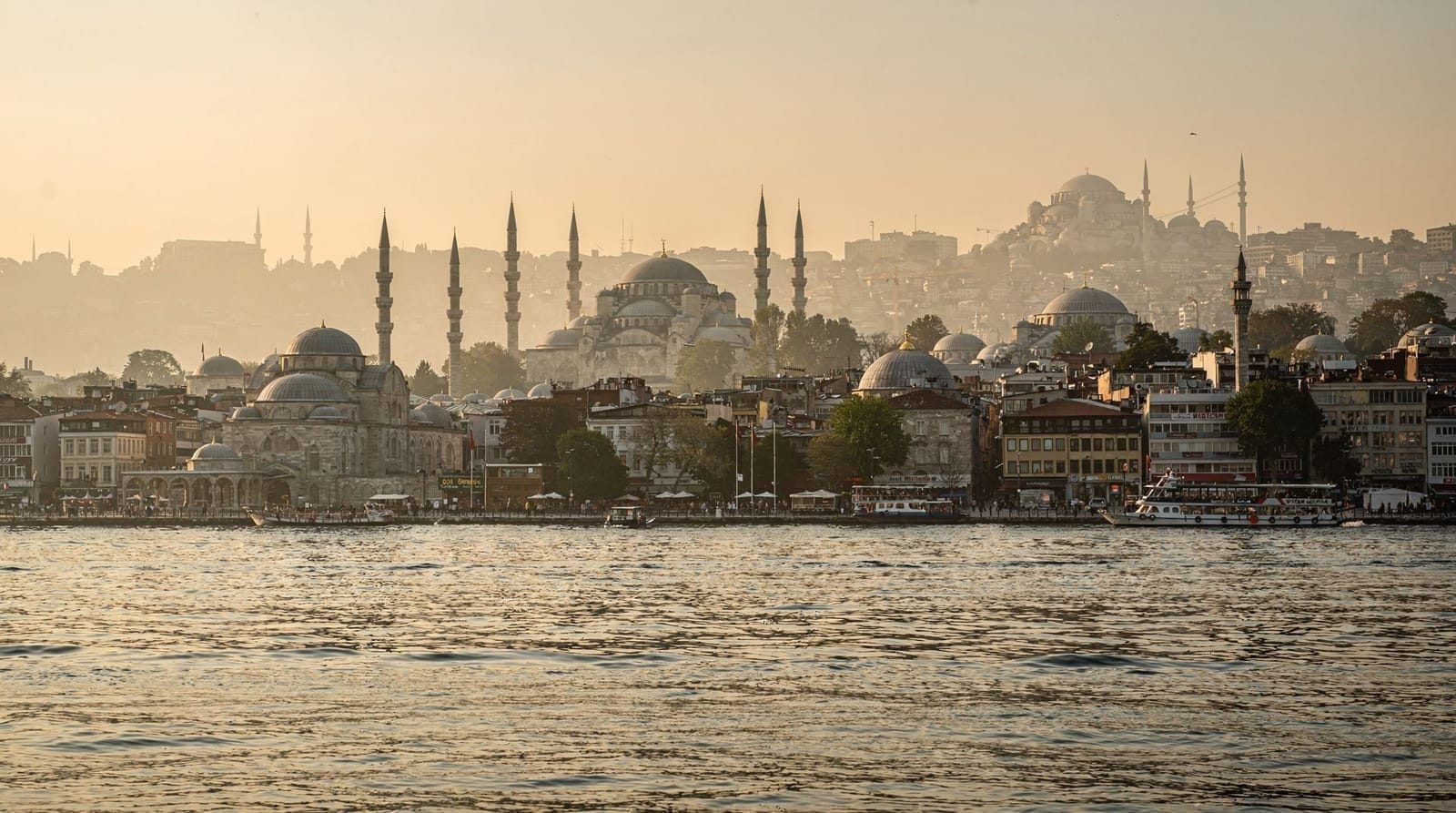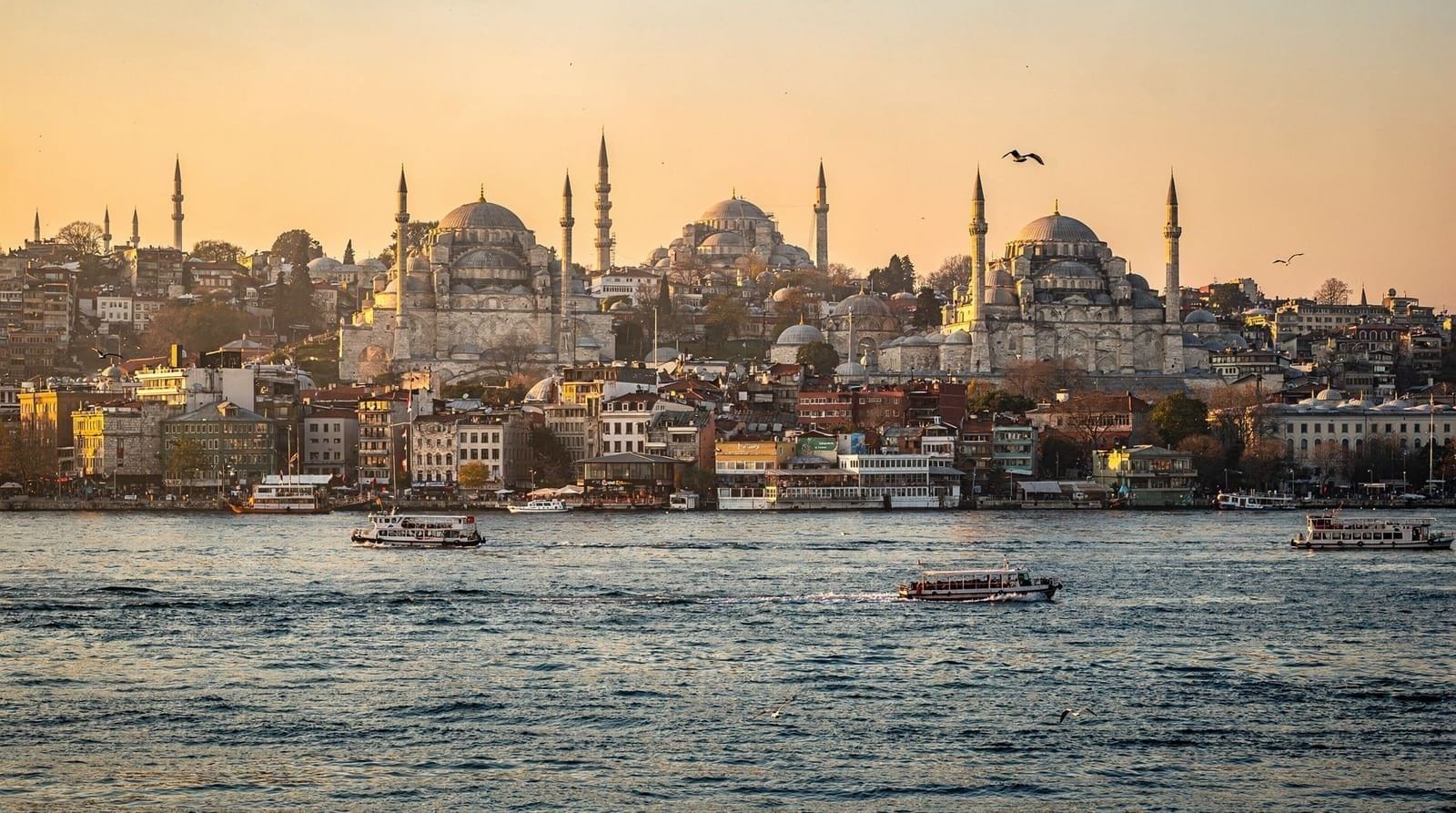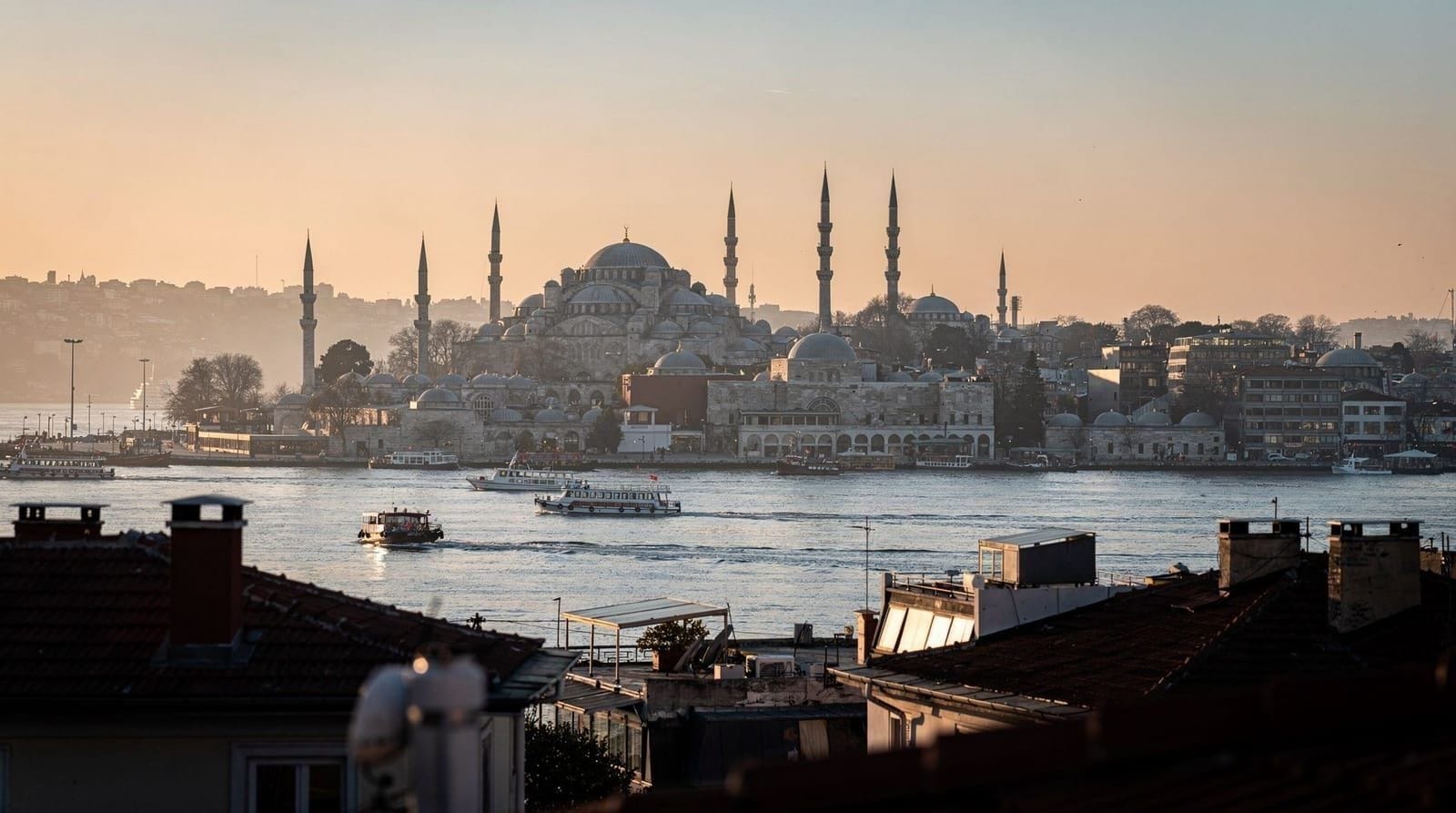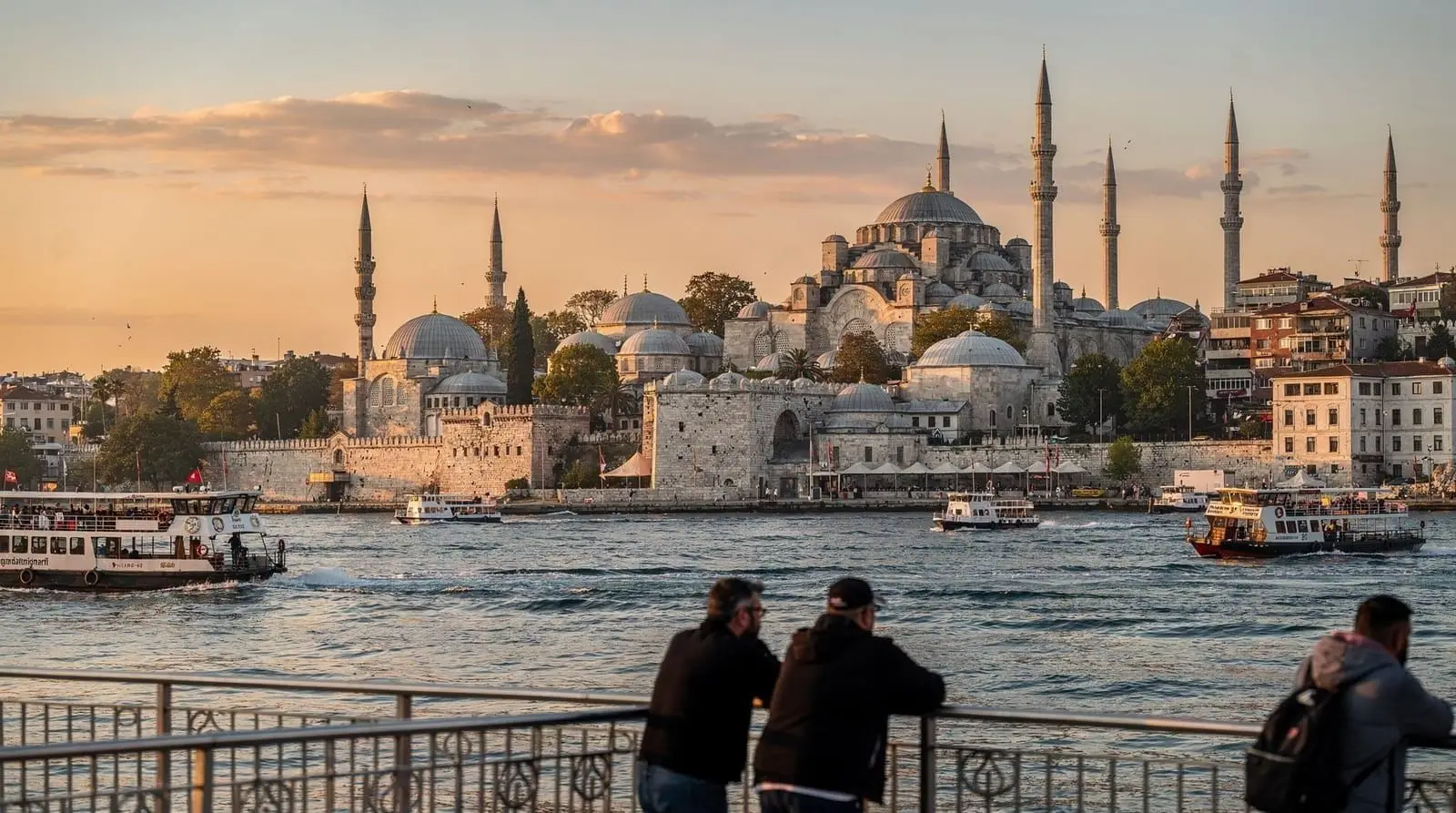
Istanbul first-time tips — what to know before your first visit
Full-Day Walking Tour of Istanbul's Old City
Duration: 5 hours
What do first-time visitors most often wish they had known before visiting Istanbul?
Four things come up repeatedly — arrive at Hagia Sophia at opening to avoid the worst queues, always check prayer times before visiting a mosque, use the Istanbulkart transit card for everything, and eat dinner in Karaköy or Beyoğlu rather than in the tourist restaurants of Sultanahmet.
What first-time visitors most often get wrong
Istanbul is an overwhelming city in the best sense. There is too much to see, the history spans 2,700 years, the food is excellent, the bazaars are labyrinthine, and the transport system, once understood, is quite good. But first-time visitors consistently run into the same set of surprises, most of which are avoidable with a few minutes of preparation.
| Buy first | An Istanbulkart at the first metro or ferry stop you see |
| Time it right | Hagia Sophia and Topkapı at opening, not mid-morning |
| Eat where | Karaköy, Beyoğlu, or Kadıköy — not directly around Sultanahmet’s monuments |
| Free sites | Hagia Sophia, Blue Mosque, all mosques, the Hippodrome |
| Watch for | Taxi meter scams, fake mosque “entry fees,” bar invitation scams |
This guide is built on the specifics — not generic travel advice, but Istanbul-specific knowledge that changes how you experience the city. For the fuller safety picture beyond scams, see the is Istanbul safe guide, and for whether the trip is worth the hype in the first place, is Istanbul worth visiting.
Tip 1: Hagia Sophia timing is everything
The single most impactful piece of practical advice for first-time Istanbul visitors: arrive at Hagia Sophia within the first 30 minutes of opening (8:30 AM as of 2026 — verify current hours on arrival). The experience of the nave before tour groups arrive is genuinely different — quieter, better light, less jostling for space. The line at 9:30 AM in summer can be 30-45 minutes. At 8:30 AM, it is usually 5-10 minutes.
Hagia Sophia is also a functioning mosque; it closes during the five daily prayer times. The Dhuhr (midday) and Asr (afternoon) prayers are the main intrusions on peak visiting hours. Check the prayer times posted at the entrance — they change daily.
For a more leisurely guided experience of Hagia Sophia alongside the Blue Mosque and the historic district, a guided walking tour of the old city is worth doing at least once.
A full-day guided tour of Istanbul’s old city — covering Hagia Sophia, the Blue Mosque, the Hippodrome, the Basilica Cistern, and the Grand Bazaar — provides the historical context that makes everything else make sense.
Tip 2: Learn the prayer time system
Every mosque in Istanbul closes for approximately 15-30 minutes during each of the five daily prayers. The Blue Mosque, Hagia Sophia, and Süleymaniye all follow this pattern. The Friday midday prayer (Cuma namazı) involves longer closures and bigger crowds.
You do not need to memorize the prayer times — just check them at the mosque entrance on the day (posted on a board), and if the door is temporarily closed, wait 20 minutes. The prayer is short.
What you want to avoid: arriving at the Blue Mosque entrance and finding a 45-minute closure with a tour group and nowhere to sit. Strategy: approach mosques in the 60-90 minutes after a prayer time rather than right before one.
See our mosque etiquette guide for the full picture on visiting Istanbul’s religious sites.
Tip 3: The Istanbulkart is your best purchase
Buy an Istanbulkart at the first metro station or ferry terminal you see after arriving. The card costs 100 TRY (non-refundable). Load it with 200-300 TRY for a day or two of use. It works on everything: metro, tram, bus, ferry, Marmaray (Bosphorus rail tunnel), funicular, and cable cars.
Without an Istanbulkart, you pay more per trip and spend time buying individual tokens. With it, you tap and go on every mode of transport.
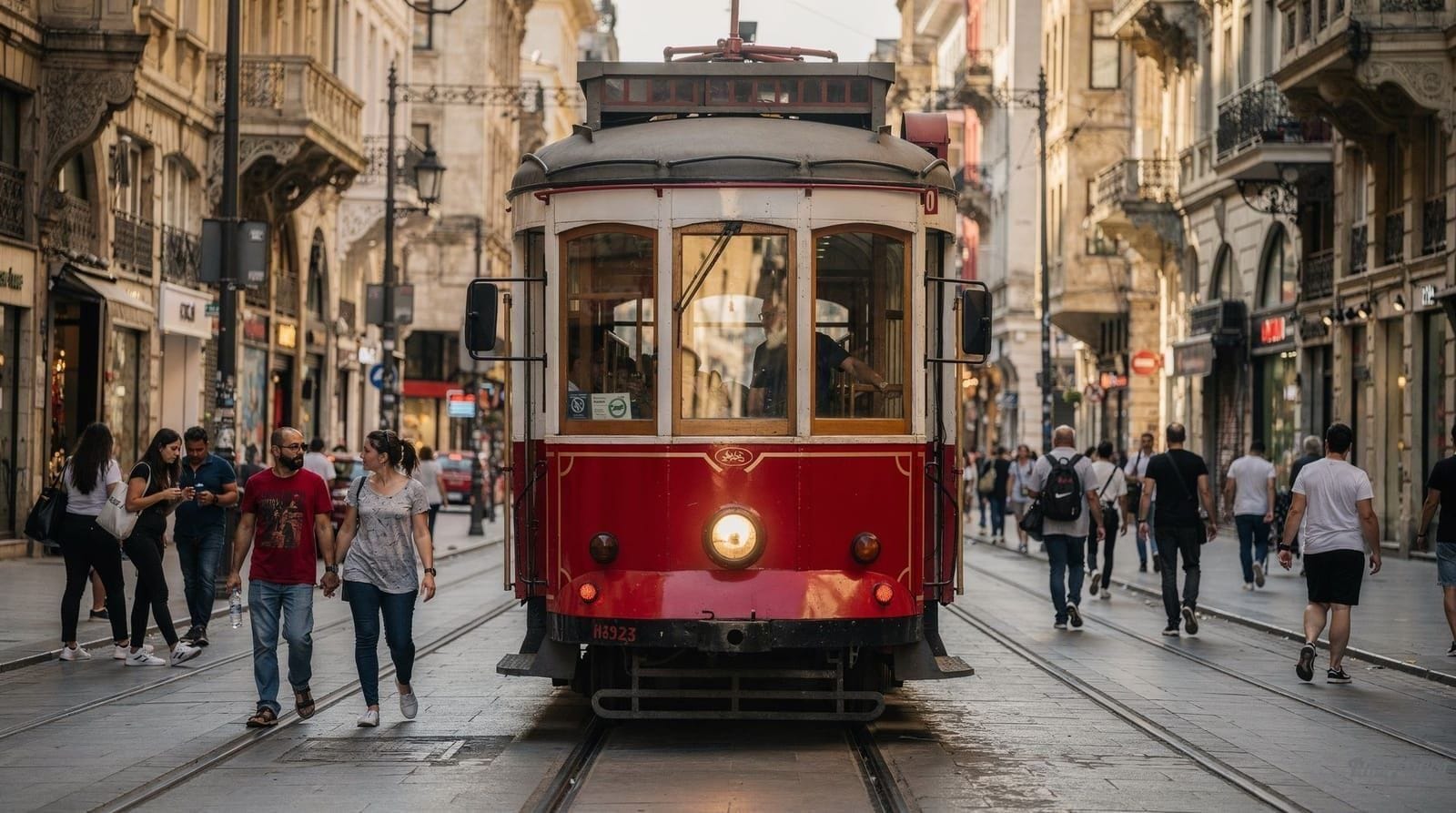
The T1 tram runs from Sultanahmet (stops: Sultanahmet, Gülhane, Sirkeci, Eminönü, Karaköy, then west along the Bosphorus shore to Kabataş). This single line covers most of what first-time visitors do in the European city. See our full Istanbulkart guide.
Tip 4: Eat dinner in Karaköy or Beyoğlu, not Sultanahmet
The restaurants immediately around Hagia Sophia, the Blue Mosque, and the Grand Bazaar are, as a rule, mediocre and overpriced. They serve tourists who have run out of energy for the day, not locals with options. Turkish food is genuinely excellent — but you will not experience it well in a tourist restaurant on the Sultanahmet strip.
Karaköy (15-20 minutes on foot from Sultanahmet across the Galata Bridge, or one tram stop) has a genuinely good restaurant scene. Karaköy Lokantası is a classic — straightforward Turkish cooking done well, reasonable prices, good service. There are also numerous small meyhanes in the streets around the Galata Bridge.
Beyoğlu, a 25-30 minute walk from Sultanahmet (or a few tram stops), has the widest range: meyhanes, wine bars, rooftop restaurants, fish spots, modern Turkish cooking. The side streets off İstiklal Avenue — particularly Asmalımescit — are dense with good options.
For the best neighborhood lunch: the Asian side. Take the ferry from Eminönü to Kadıköy (25 minutes) and eat at Çiya Sofrası — one of Turkey’s most respected regional-cuisine restaurants. See our where to eat in Istanbul guide.
Tip 5: Topkapı Palace is a half-day, not an hour
First-timers frequently underestimate Topkapı Palace. It is not a single building you walk through — it is a campus of courtyards, pavilions, kitchens, the Harem, the Treasury, and the Imperial Council Chamber, spread across a large hilltop promontory. Doing it well takes 3-4 hours minimum. The Harem is a separate ticket (buy it inside the Second Courtyard at the Carriage Gate, or online — sell out in peak season).
The views from the Fourth Courtyard terrace over the Bosphorus junction are extraordinary and should not be missed. The Treasury is dense and requires patience to see properly. The Harem tells a complex story about Ottoman court life.
Strategy: go to Topkapı first on a day when you have no other major timed commitments. Arrive at opening (usually 9 AM). Do the main courtyards and Treasury first, then the Harem. Leave by 12:30-1 PM and have lunch in the Eminönü area. If you would rather have the palace explained as you go, a guided Topkapı Palace tour with skip-the-line entry is a practical way to cover it.
See our Topkapı Palace visiting guide.
Tip 6: Understand the geography before you walk
First-time visitors often waste significant time walking in the wrong direction or failing to understand that their hotel, the mosque they want to visit, and the bus stop they need are in a triangle that requires backtracking. A few minutes with Google Maps before each day’s outing saves a lot of frustration.
Key spatial facts:
- Sultanahmet is on the southern tip of the European peninsula, on a hill above the Marmara coast.
- Eminönü is at the waterfront below Sultanahmet, where the Galata Bridge meets the Golden Horn.
- Karaköy is across the Galata Bridge, on the north shore of the Golden Horn.
- The Galata Tower is up the hill from Karaköy (a 10-minute steep walk).
- Beyoğlu is above Galata, centered on İstiklal Avenue.
- Taksim Square is at the top of İstiklal Avenue — the northern end.
- The Bosphorus is the waterway east of the European city; ferries cross it to the Asian side.
The T1 tram runs east-west along the historic peninsula and connects Sultanahmet, Eminönü, Karaköy, and Kabataş. For north-south movement in the Beyoğlu area, the historic tunnel (Tünel) funicular and the M2 metro are useful.
Tip 7: The Basilica Cistern is better than you expect
Many first-time visitors treat the Basilica Cistern as a secondary sight — “I have an hour to kill so maybe I’ll see it.” It is better than that. The underground Byzantine cistern, dating to the 6th century, is one of the most atmospherically powerful spaces in Istanbul. The 336 columns, the shallow reflective water, the dim lighting, and the two Medusa heads are genuinely impressive. It rewards slow exploration.
Allow 45-60 minutes minimum. Buy a skip-the-line ticket if queues are long in summer. See our Basilica Cistern visiting guide.
Tip 8: Use official taxis or taxi apps
Istanbul has a reputation for taxi scams — drivers who “forget” to turn on the meter, who take very long routes, or who swap banknotes and claim you gave them a smaller denomination. The safest options:
- Use BiTaksi (local app, shows fare estimate, driver location, trip data) — essentially Turkey’s Uber. Widely available.
- Use Uber — available and common in Istanbul.
- If taking a street taxi, insist the meter is on (taksi metre) before moving. If the driver refuses, get out and find another taxi.
Official airport taxis from the designated pick-up zones are more reliable than random street taxis. See our Istanbul scams to avoid guide.
Tip 9: The Asian side is worth a half-day
Kadıköy on the Asian side is a 25-minute ferry from Eminönü. First-time visitors frequently skip it as “too far,” which is a mistake. The neighborhood has an excellent produce market, the best street food scene on either side of the Bosphorus, and an energy that is distinct from the tourist-oriented European center.
The ferry ride is part of the experience — inexpensive, scenic, and used by thousands of commuters daily. Going in the morning, spending 2-3 hours exploring Kadıköy, and returning by ferry in the afternoon is one of the best half-days you can spend in Istanbul.
See our Kadıköy neighborhood guide.
Tip 10: Three things in Sultanahmet are free
Many first-time visitors assume they need to pay for everything in the tourist district. Three of the most important sites in Sultanahmet are free:
- Hagia Sophia (free since it was re-designated as a mosque in 2020)
- Blue Mosque (Sultan Ahmed Mosque — always free)
- The Hippodrome monuments (Sultanahmet Square — open space, no charge)
Free mosques: virtually all mosques in Istanbul are free to enter — the Blue Mosque, Süleymaniye, Rüstem Paşa Mosque, the New Mosque at Eminönü, and dozens of others. If someone at a mosque entrance asks for an “entry fee,” they are running a scam. There is no entry fee for any mosque in Istanbul.
The main paid sites in Sultanahmet: Topkapı Palace (+ Harem separately), the Basilica Cistern, the Archaeological Museums.
Tip 11: The Grand Bazaar is better at the edges
Most visitors enter the Grand Bazaar through one of the main tourist gates (Beyazıt or Nuruosmaniye) and encounter immediately the most tourist-oriented section — persistent jewelry and leather stalls, aggressive offer of tea and salesmanship, carpet shops. This creates a negative first impression.
The Grand Bazaar is actually an extraordinary place when you explore the less-central sections. Walk toward the Bedesten (the inner locked market originally built for the most valuable goods), explore the coppersmiths’ and leatherworkers’ streets, find the han entrances (covered courtyards off the main streets), and look up — the vaulted ceilings and dome structures are architecturally interesting if you pause to notice them.
The best time to visit is a weekday morning when the tour groups have not yet arrived. See our Grand Bazaar shopping guide.
Tip 12: Book dinner ahead at popular restaurants
Istanbul’s best restaurants — Karaköy Lokantası, Mikla (rooftop modern Turkish), Çiya Sofrası (Kadıköy), Sur Balık (fish in Beşiktaş), Lüküs Hayat (meyhane in Beyoğlu) — fill up, particularly on weekends and during the summer peak. Booking 1-2 days ahead (or more for the most popular) is the difference between getting a table and being turned away.
For a spontaneous meal with good quality, the meyhanes in the Asmalımescit neighborhood of Beyoğlu are numerous enough that you can usually find a table by walking the street and checking. They serve the same format (meze, fish, raki, music) with variations in quality and atmosphere.
Tip 13: Understand the currency before spending
Turkey’s Lira has experienced significant inflation; prices in TRY increase regularly and a price you researched six months ago may have increased 20-30%. The practical implication:
- Check current TRY prices on menus before ordering, rather than assuming you know what things cost
- The USD/EUR equivalent is more stable — approximately 1 USD = 34 TRY and 1 EUR = 37 TRY as of June 2026
- Always ask for a menu with prices before sitting down at a restaurant in a tourist area
- ATMs give you TRY at a good rate; use them rather than airport exchange counters
See our Istanbul travel budget guide for current cost benchmarks. Cards are widely accepted for restaurants, hotels and most shops, so you don’t need to carry large amounts of cash — a modest daily cash reserve for tram top-ups, small vendors and tips covers most situations without over-exchanging at the start of the trip.
Tip 14: Pack for a city of hills and cobblestones
Sultanahmet, Balat, and much of Beyoğlu are built on genuinely steep terrain with uneven cobblestone streets — trainers or comfortable walking shoes matter more here than in flatter European cities. First-timers who pack primarily for restaurants and evenings often underestimate how much walking a full sightseeing day involves; 15,000-20,000 steps is normal for a day covering Sultanahmet’s main sites plus a neighbourhood walk. A day pack with a water bottle, given how far apart water fountains are compared to more temperate cities, is worth the minor inconvenience of carrying it.
Tip 15: Decide your SIM/data plan before you land
Arriving without working data makes everything else on this list harder — ride-hailing apps, offline maps, and translation tools all need a connection to be useful. Buy a tourist SIM at the airport kiosk (bring your passport, registration is required by law) or activate an eSIM before departure if your phone supports it. Airport SIMs cost slightly more than the same package bought in the city, but the convenience of having data from the moment you clear customs is worth it for a first visit, particularly if you’re navigating an unfamiliar airport transfer. See the IST airport to city center guide for where the SIM kiosks sit relative to the metro and taxi options.
The 5 most-repeated first-timer mistakes, ranked
| Mistake | Why it happens | Fix |
|---|---|---|
| Arriving at Hagia Sophia mid-morning | Not realising how fast queues build | Arrive within 30 min of opening |
| Eating dinner right around the Blue Mosque | Convenience after a long sightseeing day | Walk 15–20 min to Karaköy or Beyoğlu |
| Rushing Topkapı Palace in under 2 hours | Underestimating the site’s scale | Block out a genuine half-day |
| Paying a mosque “entry fee” | Being told this by an unofficial tout | All mosques are free — walk away |
| Skipping the Asian side | Assuming it’s “too far” | It’s a 25-minute ferry, not a separate trip |
Frequently asked questions about Istanbul first-time tips — what to know before your first visit
What is the biggest mistake first-time Istanbul visitors make?
Can I drink the tap water in Istanbul?
Is English widely spoken in Istanbul?
How do I avoid getting ripped off in Istanbul?
What is the best way to get around Istanbul?
How early should I arrive for the main sites in summer?
Is it worth getting a guided tour on the first day?
Top experiences
Bookable activities with verified prices and instant confirmation on GetYourGuide.