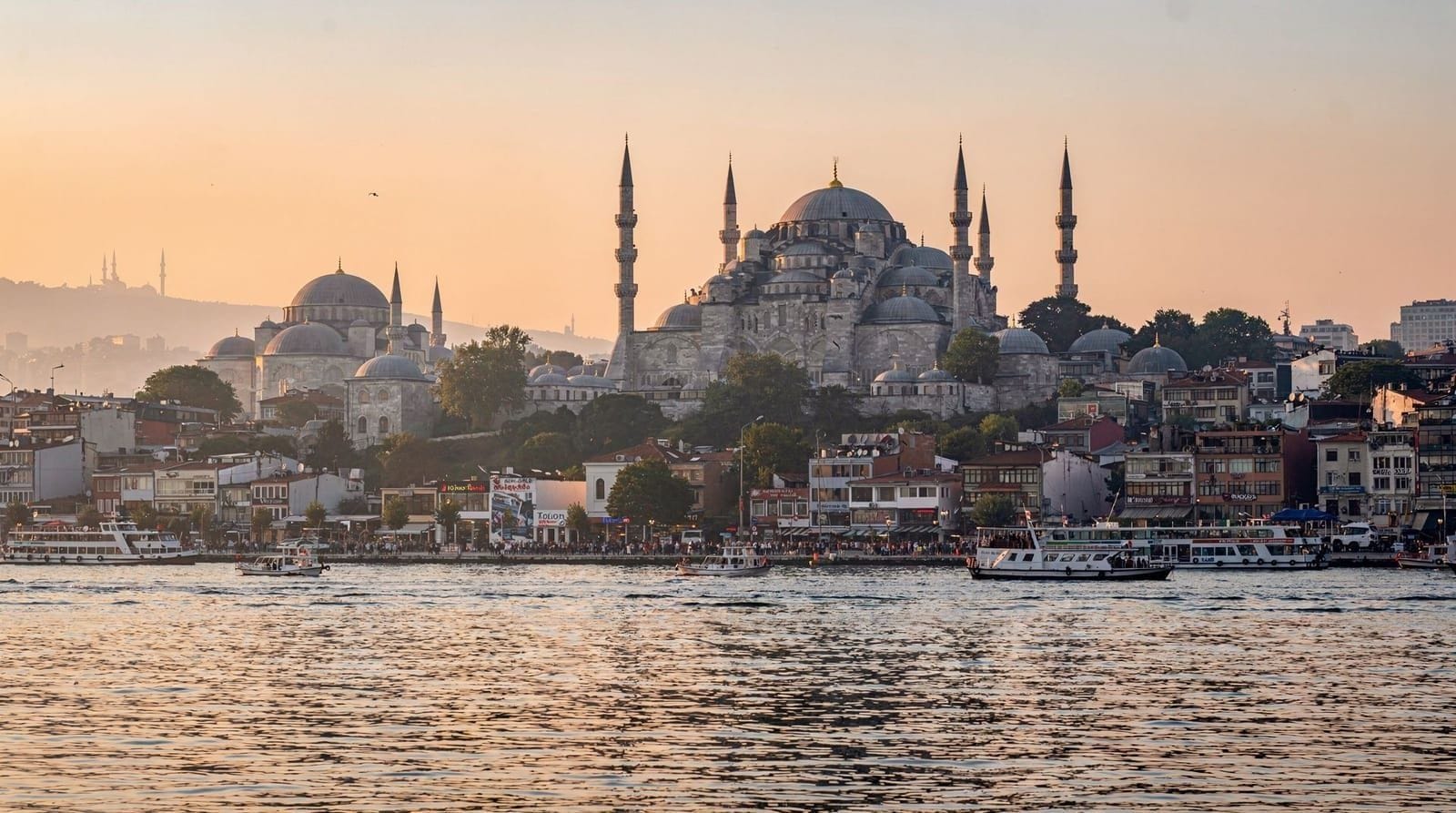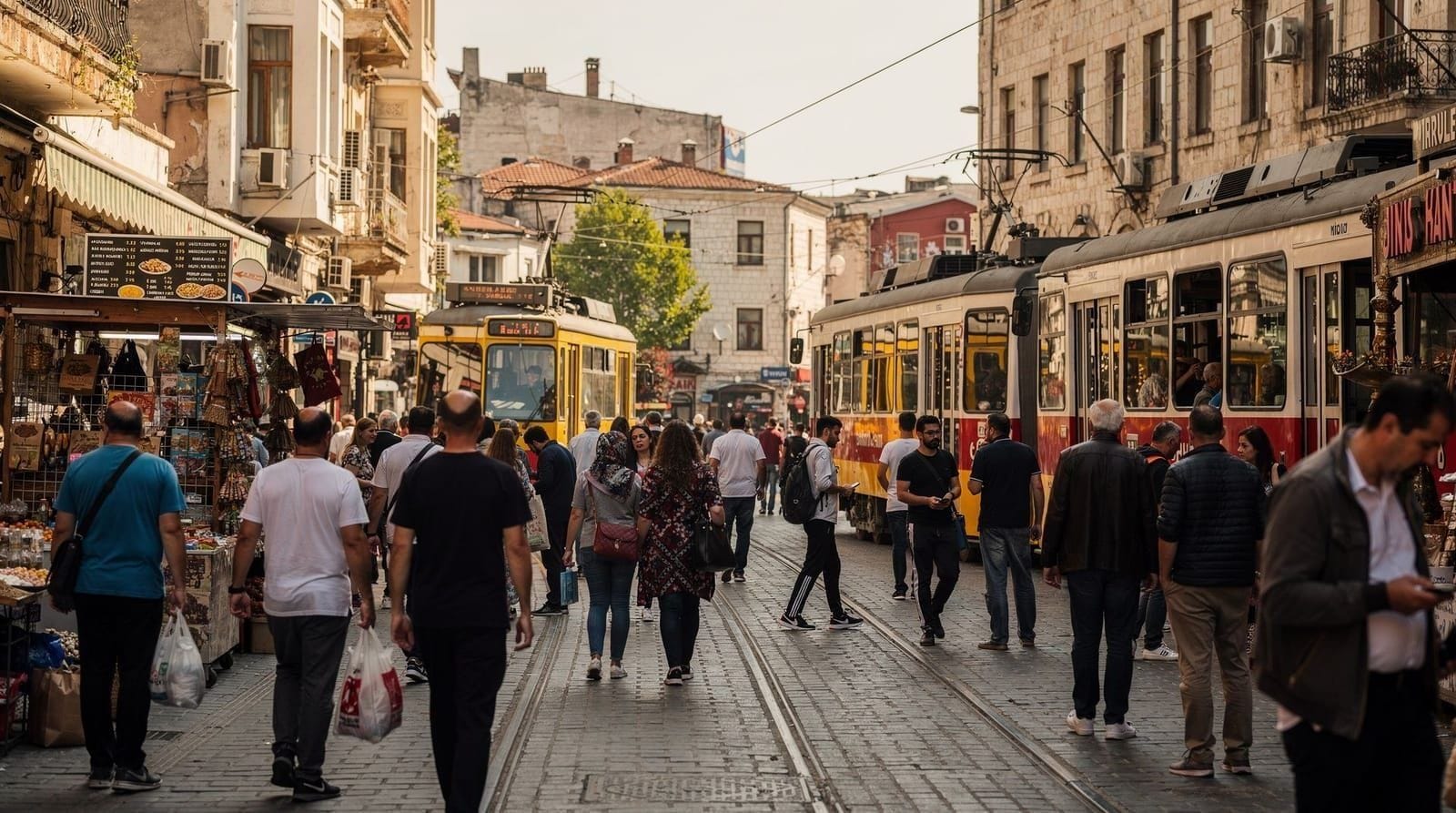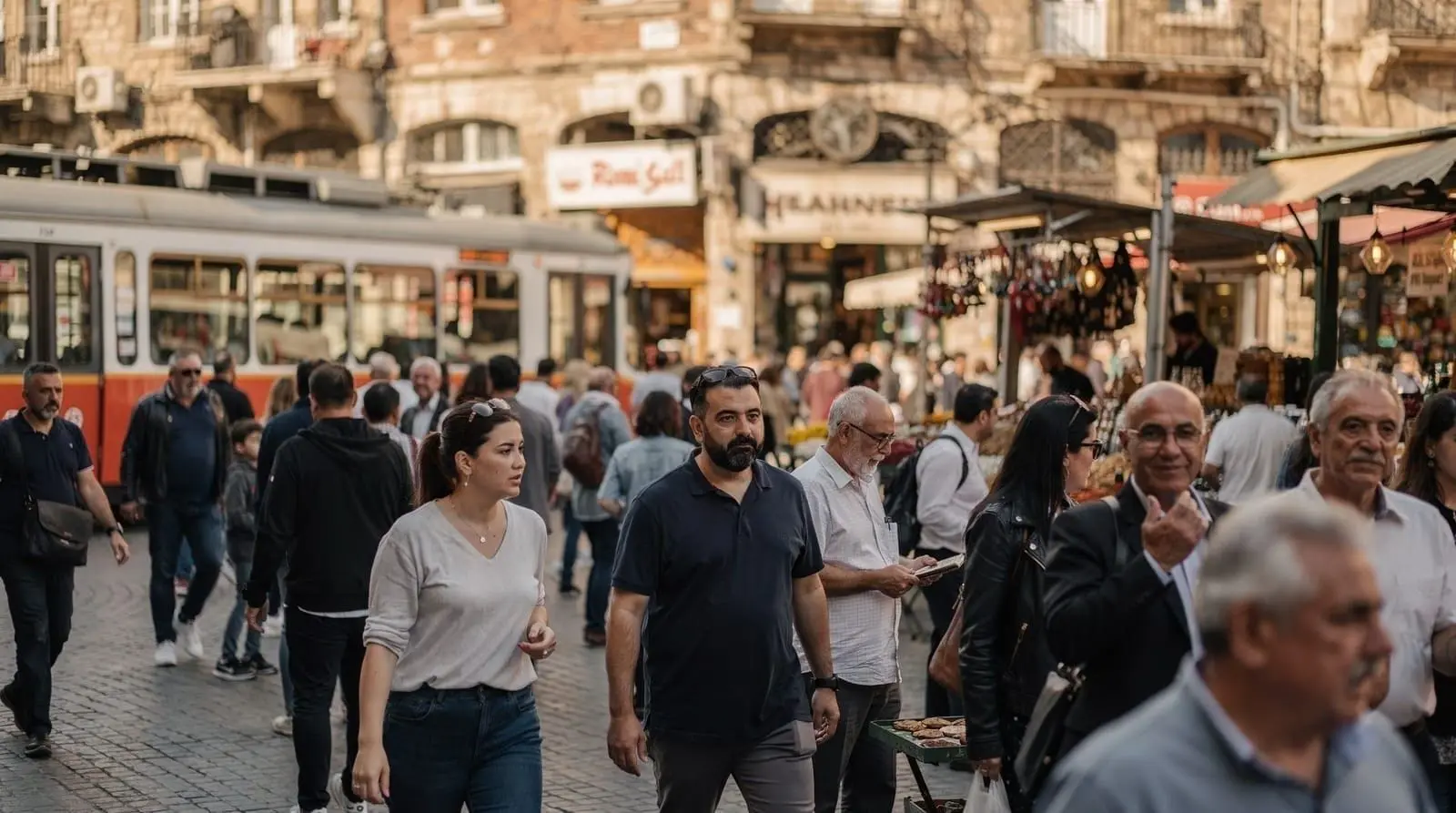
Is Istanbul safe for tourists?
Istanbul: Private Airport Transfer
Is Istanbul safe for tourists?
Yes — Istanbul is broadly safe for tourists, comparable to other large Southern European cities. Violent crime against tourists is rare. The main practical risks are petty theft in crowded areas, specific tourist-targeting scams, and occasional taxi fraud. Political and security context should be monitored via your government's travel advisory before departure.
The honest safety picture
Travel advisories and online forums can give Istanbul an undeserved reputation for danger. The reality, based on the experience of the millions of tourists who visit each year: Istanbul is a large, complex, occasionally chaotic city in which violent crime against tourists is uncommon, property crime requires alertness, and specific scam patterns are worth knowing.
| Overall risk level | Low-to-moderate — comparable to Lisbon, Barcelona or Athens |
| Main real risk | Petty theft and taxi/bar scams, not violent crime |
| Emergency numbers | Police 155 · Ambulance 112 · Fire 110 |
| Health precaution | Bottled water; standard vaccinations up to date |
| Before you go | Check your government’s current travel advisory |
The city is broadly comparable in safety terms to Lisbon, Barcelona, or Athens — all of which have their own pickpocket and tourist-trap patterns while being fundamentally safe destinations.
This guide covers the actual safety landscape without minimising or sensationalising it. For the practical mechanics of the specific scams mentioned throughout, see the dedicated Istanbul scams and how to avoid them guide, and pair this with the first-time tips guide before you land.
Petty theft and pickpocketing
The main practical crime risk for tourists in Istanbul is opportunistic theft in crowded areas. Specific risk points:
Grand Bazaar: The dense crowds in the covered bazaar are a pickpocket environment. Keep phone and wallet in a secure inner pocket, not a back pocket or open bag. This applies particularly to the main arteries (Kalpakçılar Caddesi) during peak hours.
Eminönü ferry pier: Crowded boarding at the Eminönü pier, particularly during rush hour, is another concentration point. Keep bags zipped and in front of you while boarding.
Istiklal Caddesi on weekend nights: The main pedestrian boulevard gets extremely crowded; shoulder-bag snatching is known to occur.
Taksim Square area: Tourist concentration + crowd distraction = pickpocket opportunity. Standard European city behaviour applies.
Mitigation: Money belt or secure inner-pocket wallet for cash; phone in a pocket that requires two hands to access; don’t flash expensive items in the bazaar.
Most of these risks shrink once you know the layout of the city. If you are still choosing a base, the where to stay in Istanbul guide and the comparison of Sultanahmet versus Beyoğlu explain how each area feels at night. The Grand Bazaar shopping guide and the bargaining guide also help you stay relaxed in the busiest covered market.
Transport safety
Taxis are the highest-frequency safety issue for Istanbul tourists — not violent crime, but systematic fraud (meter manipulation, route inflation, note-swapping). See the Istanbul scams to avoid guide for the full mechanics and how to handle them. If you’d rather remove the risk entirely on arrival, a pre-booked private transfer with a fixed price sidesteps the meter games altogether.
Private airport transfer with meet-and-greetThe metro, tram, and ferries are safe and widely used by local residents at all hours. The tram T1 through Sultanahmet, the Marmaray tunnel, and the Istanbulkart ferry network are reliable and not associated with particular safety concerns. See the getting around Istanbul guide for the full transport picture.
Walking between tourist areas after dark is generally fine in Sultanahmet, Karaköy, Beyoğlu, and Kadıköy. Avoid poorly-lit backstreets in the old city after midnight.
Arriving is the moment when most visitors are tired, carrying luggage and unsure of the layout, so it pays to decide your route in advance. The IST airport to city centre guide and the SAW airport to city centre guide lay out the options for each airport, and the Istanbul airports guide helps you tell the two apart. For the ferries, the Istanbul ferries guide and the public transport guide show how locals move around, which is the best sign of what feels safe.
Earthquake and natural disaster risk
Istanbul sits close to the North Anatolian Fault, and seismic risk is a real (if low-probability on any given trip) consideration rather than tabloid scaremongering. Seismologists have long flagged the wider Marmara region as due a significant earthquake at some point in the coming decades — this is a multi-decade risk window, not a specific forecast for your travel dates. For a short tourist stay, the practical odds of experiencing a major quake are low, but a few sensible habits cost nothing:
- Note your hotel’s fire exits and stairwells on arrival (lifts should never be used in a quake).
- If a tremor happens, the standard “drop, cover, hold on” guidance applies — get under sturdy furniture away from windows and glass facades.
- Modern hotels and the main museum buildings (Hagia Sophia, Topkapı, Dolmabahçe) have been reinforced and inspected; older residential backstreets in Fatih and Balat are more variable in construction quality.
- Minor tremors are fairly common in the region and rarely felt by visitors; they are not, on their own, a reason for alarm.
This is background awareness, not a reason to avoid the city — millions of tourists visit every year without incident.
A little preparation makes the whole topic feel manageable. Keep your hotel’s address and your embassy’s contact details saved offline on your phone, and agree on a simple meeting point if you travel as a group. The Istanbul packing list is a handy place to remember a few safety items such as a small first-aid kit, a portable charger and a secure bag.
Money, cards and ATM safety
Card cloning (“skimming”) at standalone street ATMs is an occasional issue in tourist-heavy areas. Practical mitigations: use ATMs attached to bank branches rather than freestanding kiosks, cover the keypad when entering your PIN, and check your statements within a few days of any withdrawal. Contactless card payment is widely accepted in restaurants and shops, which reduces the need to carry large amounts of cash. Currency exchange offices (döviz) in Sultanahmet and Grand Bazaar-adjacent streets generally post honest rates, but always confirm the amount before handing over cash, and count what you receive before walking away. For a broader view of typical daily spend, the Istanbul budget guide and honest guide to Istanbul on a budget cover realistic costs.
Health considerations
Vaccinations: No specific vaccinations are officially required for Istanbul. Standard recommended vaccinations (hepatitis A, hepatitis B, tetanus) are advisable — check with your GP or travel clinic.
Food and water: See above. Street food is generally safe with standard alertness; tap water is drinkable for brushing teeth but not recommended for drinking.
Heat illness: In July–August, temperatures reach 30–33°C with humidity. Heat exhaustion risk is real for visitors walking full days in the sun without adequate hydration. Drink water consistently; carry a small bottle; rest in shade during 1–4pm.
Air quality: Istanbul’s air quality has improved but remains moderate. People with respiratory conditions may wish to check air quality indices (AQI) during their visit.
Pharmacies (eczane): Extremely common throughout the city; most pharmacists speak some English. Over-the-counter medication access is good. For prescription medications, bring sufficient supply and the generic name (not just the brand name).
Travel insurance: Strongly recommended. Medical care at private hospitals in Istanbul is good; emergency treatment for tourists typically requires upfront payment before insurance reimbursement. American Hospital Istanbul and Acibadem are the most frequently used by international tourists.
Political and security context
Turkey’s political situation changes; any specific assessment here may be outdated by the time you read it. The essential guidance:
- Check your government’s travel advisory before departure: FCDO (UK), State Department (US), DFAT (Australia), and equivalents. These provide current threat assessments.
- Avoid demonstrations. Protests in Turkey can escalate quickly; bystander involvement in tear gas incidents has been documented. Give demonstrations a wide berth.
- Security presence is visible. Istanbul has significant police and private security presence in tourist areas — this is reassuring and also sometimes intrusive (bag checks at some metro stations and tourist sites).
- Terrorism risk: Istanbul has experienced attacks in the past (2015–2016). Western governments assess the risk as moderate, similar to other major European capitals. The tourist areas of Sultanahmet and Beyoğlu have heightened security since 2016.
Solo female travel
Istanbul receives large numbers of solo female travellers and the experience is frequently positive. Specific practical guidance:
- Dress pragmatically, not restrictively. Istanbul is a secular city and dress standards are not enforced outside mosques. In tourist areas, normal European dress is unremarkable. In more conservative neighbourhoods (Fatih, Eyüpsultan), slightly more conservative dress (shoulders and knees covered) is respectful.
- Ignoring approach is the most effective response. Street harassment follows the pattern of persisting if acknowledged and dropping if ignored. A direct “no” once followed by continued walking works better than extended interaction.
- Taxis at night: Use BiTaksi or Uber (which provides driver identification and trip tracking) rather than flagging street taxis after midnight.
- Hostel safety: Istanbul has good-quality hostels in Sultanahmet and Beyoğlu with international reputation — useful for the social component of solo travel.
LGBTQ+ travel
Istanbul has a gay neighbourhood (Beyoğlu, particularly around Balo Sokak) and an active LGBTQ+ social community. However, the political context has tightened significantly since 2015:
- Istanbul Pride has been banned and dispersed by police since 2015.
- Public displays of same-sex affection can attract negative attention in some contexts, particularly outside cosmopolitan Beyoğlu.
- Same-sex relationships are not criminalised but have no legal recognition.
For current practical guidance, consult ILGA-Europe (ilga-europe.org) or Stonewall’s travel resources, which provide regularly updated country assessments. Istanbul remains a destination many LGBTQ+ travellers visit successfully with appropriate situational awareness. The Beyoğlu neighbourhood guide and the Istanbul nightlife guide describe the areas where the social scene is concentrated, and the Turkish customs and etiquette guide gives useful context on social norms.
Travelling with family and in groups
Families generally find Istanbul welcoming, and children are often fussed over by shopkeepers and waiters. The main practical points are crowd management and the pavements, which can be uneven and steep in older districts. Keep young children close in the bazaars and at ferry piers, and choose a pace that leaves room for rests. The Istanbul with kids guide, the family things to do guide and the family itinerary are good companions, as is the 4-day family itinerary.
Couples and small groups can follow the same habits as anywhere in a big city: stay together in crowds, share your plans with someone at home, and keep a charged phone. If you want a gentle first itinerary, the 3-day couples itinerary keeps to well-travelled areas.
Neighbourhood-by-neighbourhood safety context
Istanbul’s safety landscape varies meaningfully by neighbourhood. Understanding which areas require more alertness helps calibrate behaviour without unnecessary anxiety.
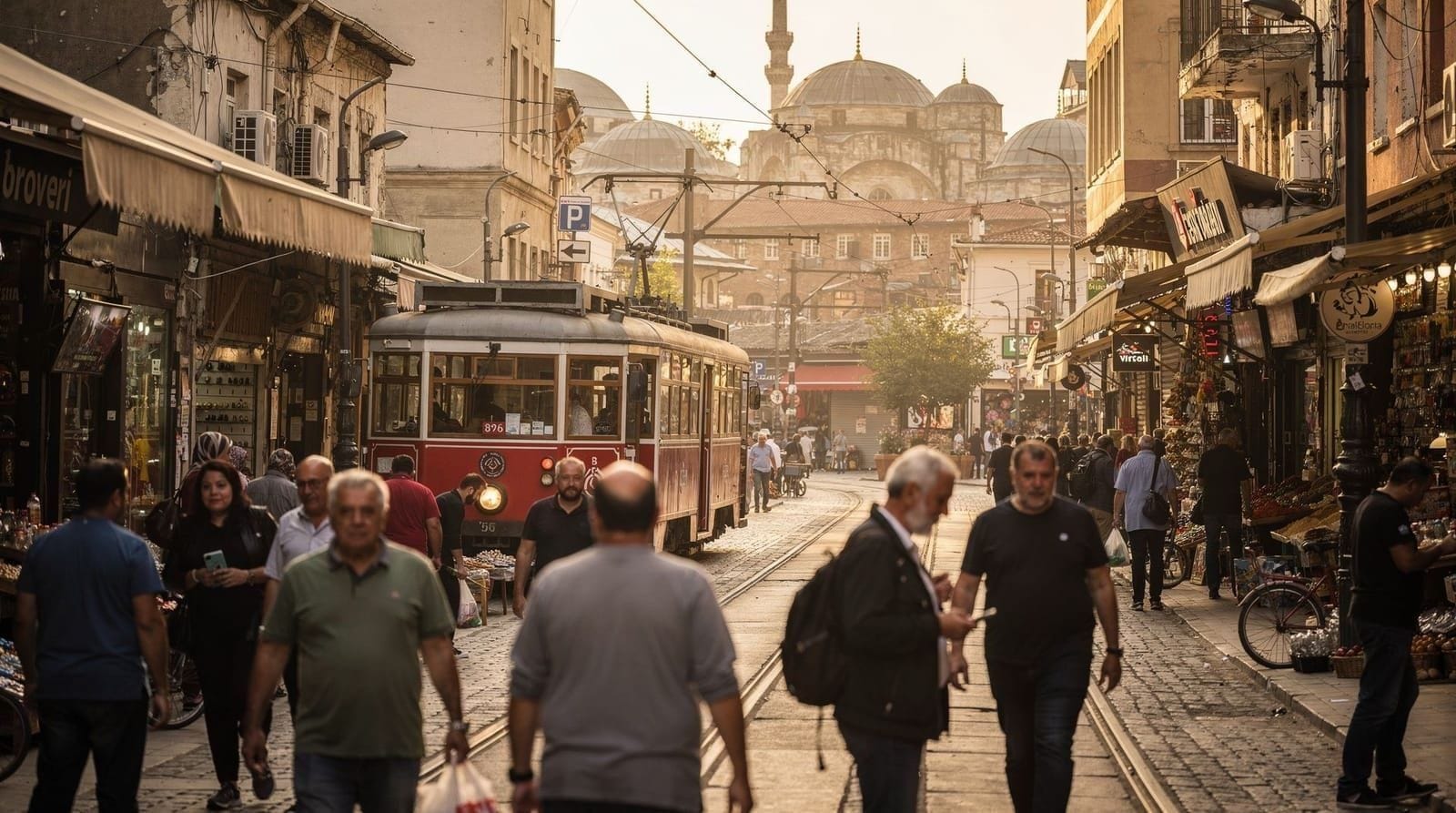
Sultanahmet (old city): High tourist density; high police presence; generally safe. The main safety concerns are scams (carpet shops, fake guides, fake mosque fees) rather than crime. Bag snatching is low-risk here compared to more crowded transit points. Streets quiet after 10pm but not deserted. See the Sultanahmet destination page and the Hagia Sophia visiting guide for how the area works around the main sights. If you would rather explore the old city with a licensed guide who knows the usual pitfalls, a guided old city morning walking tour is a low-stress way to do it.
Beyoğlu and İstiklal Caddesi: The most active nightlife area; alcohol-serving venues. The bar scam risk is concentrated here — only in Beyoğlu is the “new friend bar invitation” pattern a significant risk. The İstiklal Caddesi pedestrian street itself is heavily policed. The surrounding streets (Asmalı Mescit, Nevizade) are genuine neighbourhood streets that are safe but active. Pickpocket risk: moderate on İstiklal Caddesi on weekend nights due to crowds.
Karaköy: Generally safe; becoming gentrified with a younger, mixed local-tourist demographic. The waterfront area is well-lit and active. No specific safety concerns beyond standard city awareness.
Kadıköy (Asian side): One of Istanbul’s safest districts for tourists — residential character, lower tourist-scam density. The market area is crowded (standard pickpocket alertness applies) but not aggressively tourist-facing. The Kadıköy neighbourhood guide and the Asian side guide cover it in more depth.
Balat and Fener: Increasingly popular as a tourist neighbourhood but retains a local character. Safe to walk during daylight and early evening. Less lit and less busy after 9pm; standard awareness applies at night. The Balat and Fener walking guide suggests a daytime route.
Eminönü, Fatih, Kumkapı: The Eminönü pier area (ferry boarding) is crowded and a standard pickpocket environment during rush hours. The Fatih district is more conservative and less tourist-facing; safe but a different cultural environment than Beyoğlu.
Medical facilities in Istanbul
Istanbul has an excellent private hospital sector. For tourists, private hospitals are the practical option — English-speaking staff, faster service, and quality of care comparable to Western European standards.
Key private hospitals:
- American Hospital Istanbul (Amerikan Hastanesi): Nişantaşı, European side. Tel: +90 212 444 37 77. Most frequently recommended by embassies for international patients.
- Acibadem Maslak Hospital: Northern European side. High-spec tertiary care.
- Medicana International: Multiple branches; English-speaking international patient units.
For minor issues, any eczane (pharmacy — green neon cross sign) can advise. Pharmacists in Istanbul are trained to triage minor conditions and can recommend medication without a prescription in many cases.
Travel insurance: Essential. A serious medical episode at a private hospital in Istanbul will require payment upfront, then insurance reimbursement. Without insurance, a single hospitalisation can cost several thousand USD.
Staying safe in everyday situations
Much of staying safe is simply behaving like a well-prepared visitor. Eat where locals eat, which the where to eat in Istanbul guide and the street food guide help you do with confidence. In mosques, dress and behave respectfully, as described in the mosque etiquette guide, and remember that the free mosques guide explains why a request for an entrance fee deserves suspicion. Timing also matters: the best time to visit guide and the packing list help you plan around heat and crowds. If you prefer a read-through of the tourist-facing pitfalls, the tourist traps guide and the blog post on safety for tourists cover the same ground from a different angle.
What to do if something goes wrong
For scams, the primary recourse is reporting:
- Taxi fraud: Lodge a complaint with İstanbul Büyükşehir Belediyesi (Istanbul Metropolitan Municipality) — taxi number is on the vehicle’s door. The White Table (Beyaz Masa) service at +90 444 00 44 handles citizen complaints.
- Bar scam: Contact the tourist police (Turizm Polisi) at Sultanahmet or Taksim. The US/UK/EU embassies also have advice lines.
- Credit card fraud: Cancel the card immediately via your bank’s emergency line. Report to your home country’s fraud department.
- Lost passport: Contact your embassy or consulate immediately. The American Consulate General is in Levent (European side); the British Consulate General is in Tepebaşı.
Frequently asked questions about Is Istanbul safe for tourists?
Is Istanbul safe for solo female travellers?
Is Istanbul safe for LGBTQ+ travellers?
Are there any political stability concerns in Istanbul?
What should I do in a medical emergency in Istanbul?
Is tap water safe to drink in Istanbul?
Is street food in Istanbul safe to eat?
Top experiences
Bookable activities with verified prices and instant confirmation on GetYourGuide.