Is Istanbul worth visiting?
Istanbul: Private Guided Food Tour with 10 Tastings
Is Istanbul worth visiting?
Yes — Istanbul is one of the world's genuinely exceptional cities. The combination of Byzantine and Ottoman monumental architecture, a dramatic Bosphorus waterway, outstanding food culture, and the visceral energy of a 15-million-person metropolis spanning two continents is unmatched anywhere in Europe or the Middle East. The caveat: summer crowds and tourist-trap density in Sultanahmet require managed expectations.
The straightforward answer
Istanbul is worth visiting. The question deserves a more useful answer than that, so this guide addresses the specific concerns that make people ask the question in the first place: is it overcrowded? Is it safe? Does it live up to the hype? Is there more substance than the postcard Hagia Sophia photo suggests?
The answers are yes, broadly yes, yes, and emphatically yes.
| Best for | History, food, architecture, independent city travellers |
| Minimum stay | 3 days; 4–5 recommended for a first visit |
| Typical cost | Around 4,000–6,000 TRY/person for admissions & transport on a full day |
| Main caveat | Sultanahmet tourist-trap pricing and summer crowds at headline sites |
| Not ideal for | Beach-first trips, very short 1–2 day stopovers |
What Istanbul does that no other city does
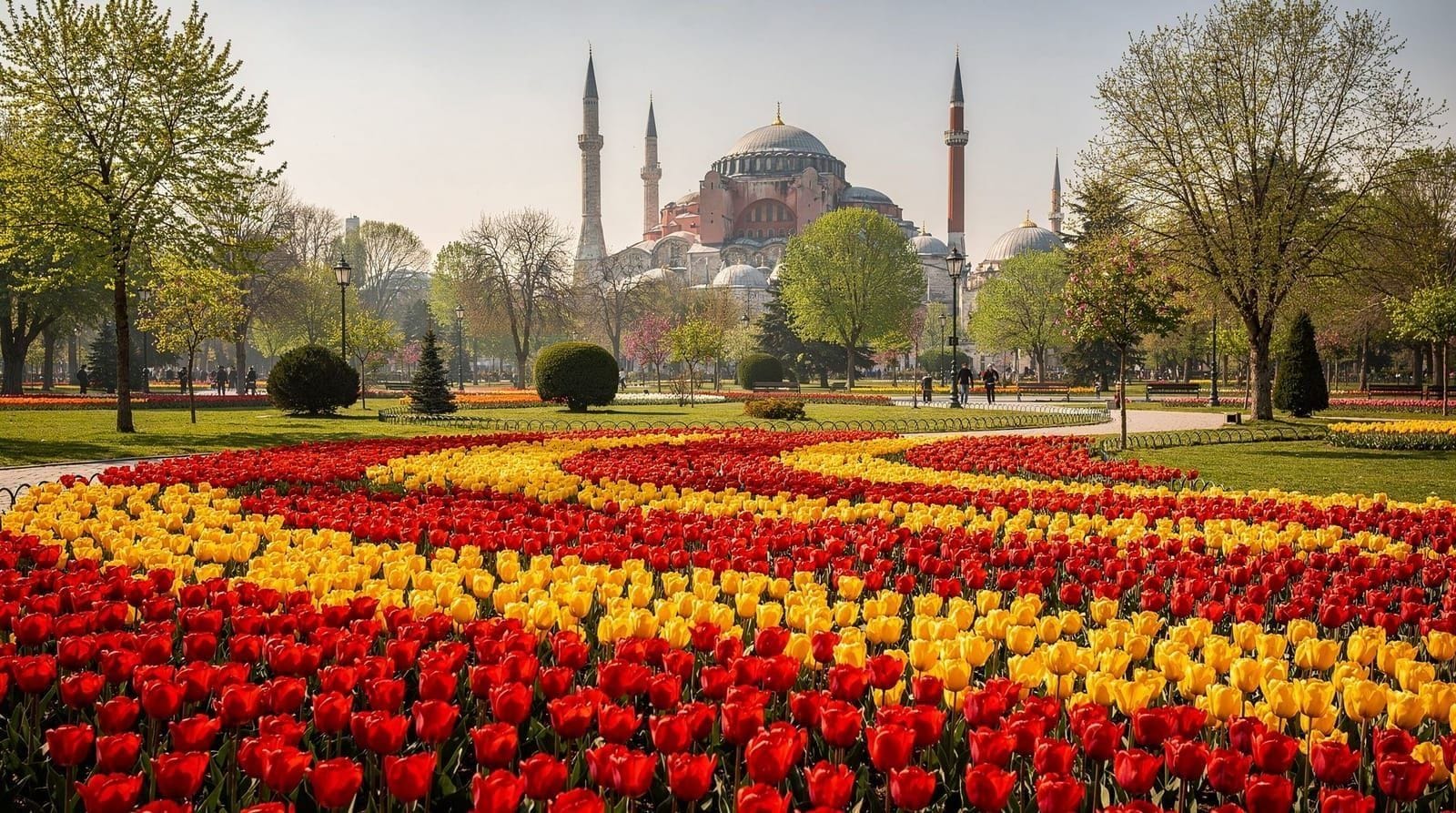
The Hagia Sophia in person
Every major world monument has the risk of feeling smaller in person than in the imagination built up by photographs. Hagia Sophia is one of the rare exceptions that exceeds the photographs.
Standing in the central nave and looking up at the 55-metre central dome — completed in 537 AD, the largest enclosed space in the world for nearly a thousand years — is a physical experience that photographs cannot communicate. The scale is affecting. The layers of history visible simultaneously (Byzantine mosaic, Ottoman calligraphy roundel, 15th-century conquest inscription) are intellectually extraordinary.
This is not the only major site in Istanbul. But it is the one that most consistently produces “this is genuinely one of the great things I have seen” responses from visitors who were not expecting it.
The Bosphorus as urban infrastructure
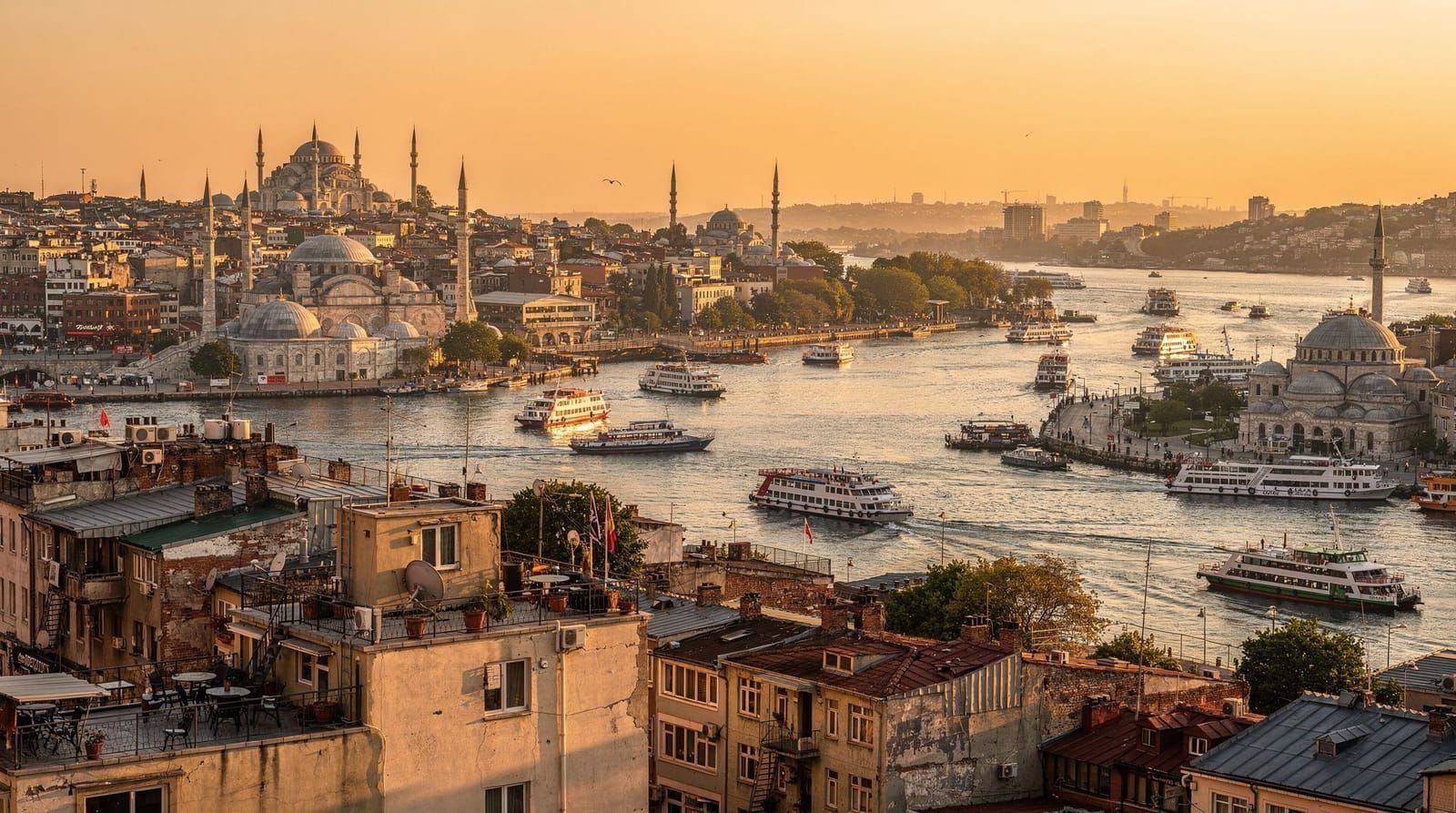
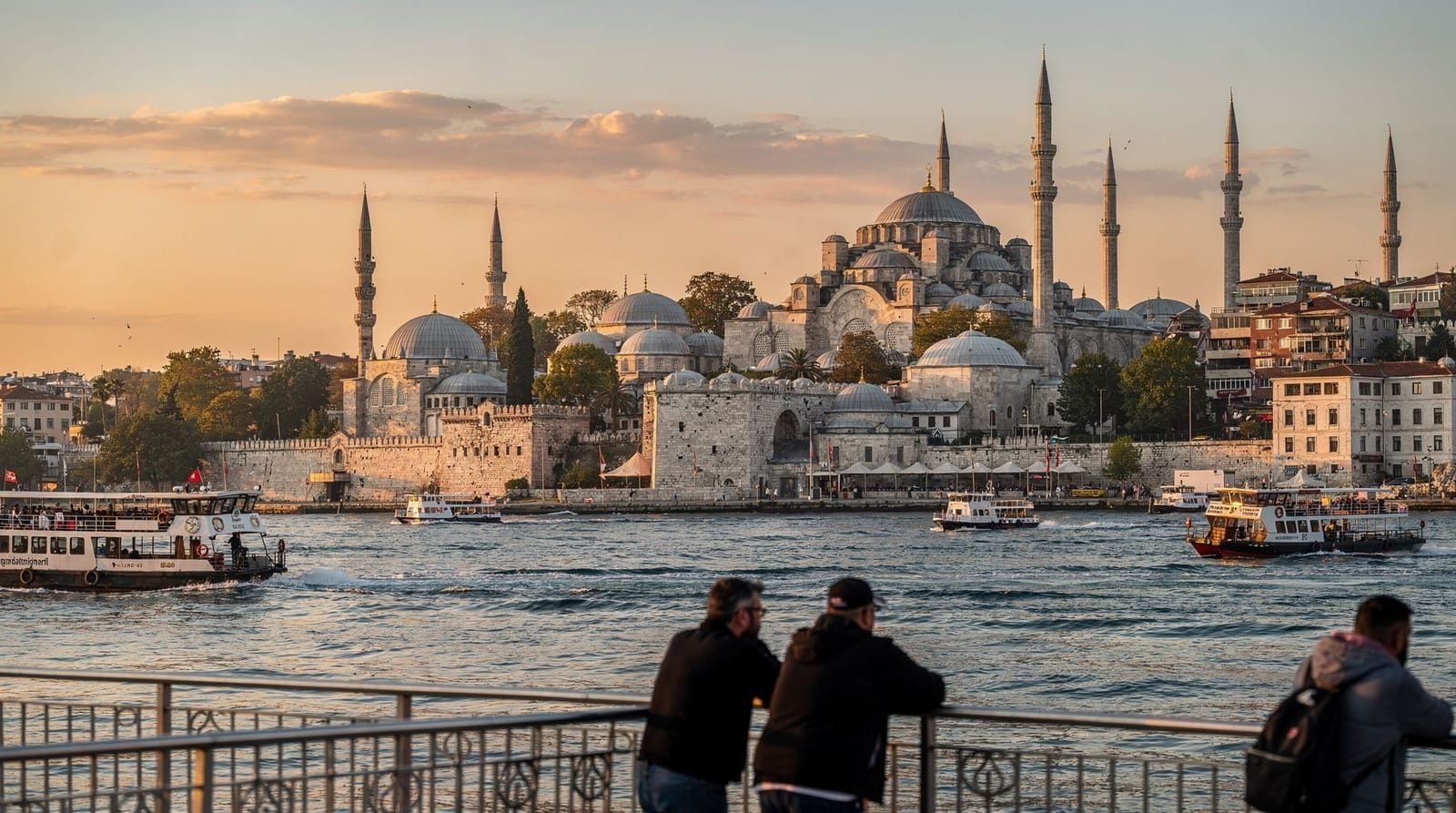
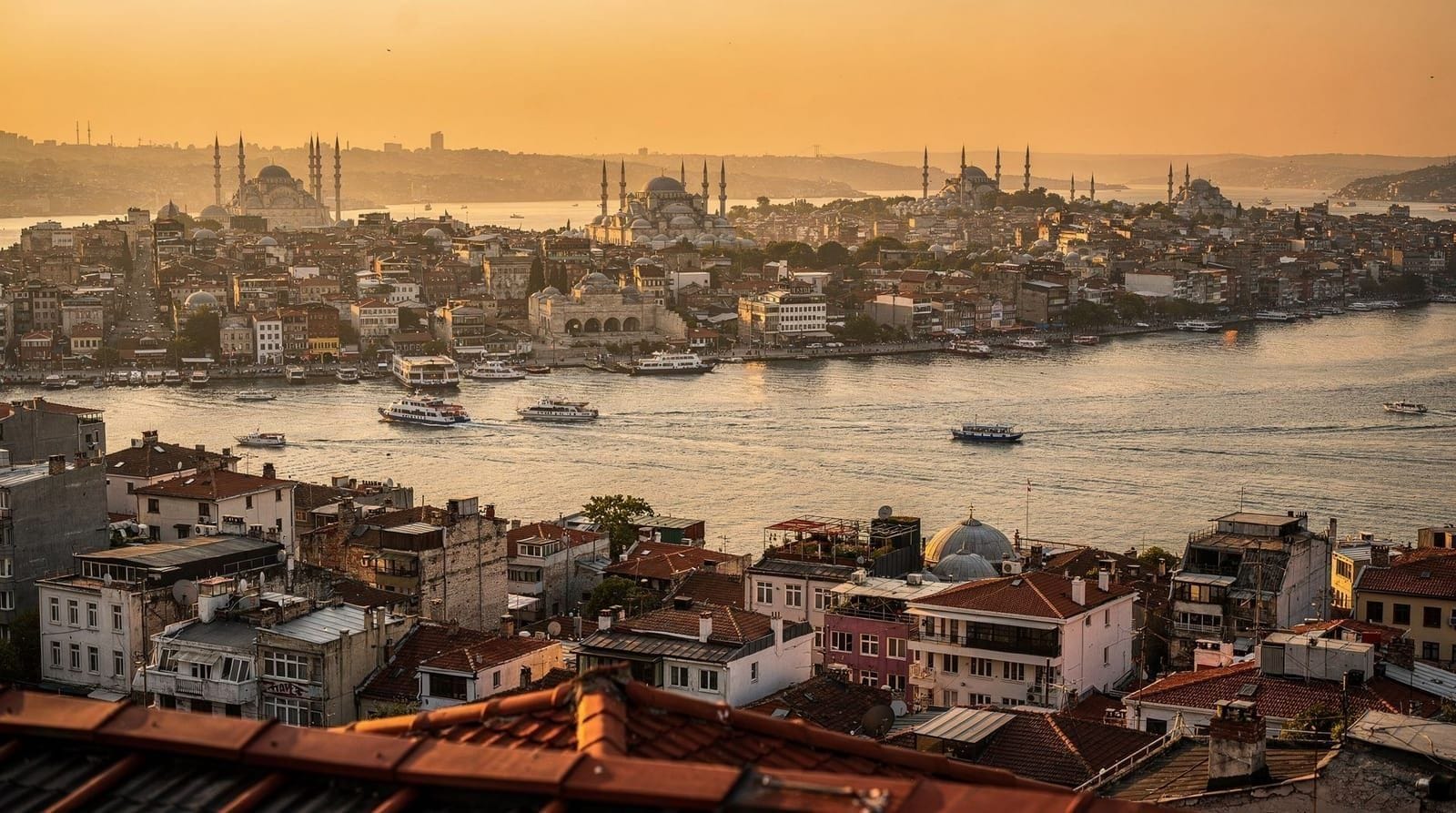
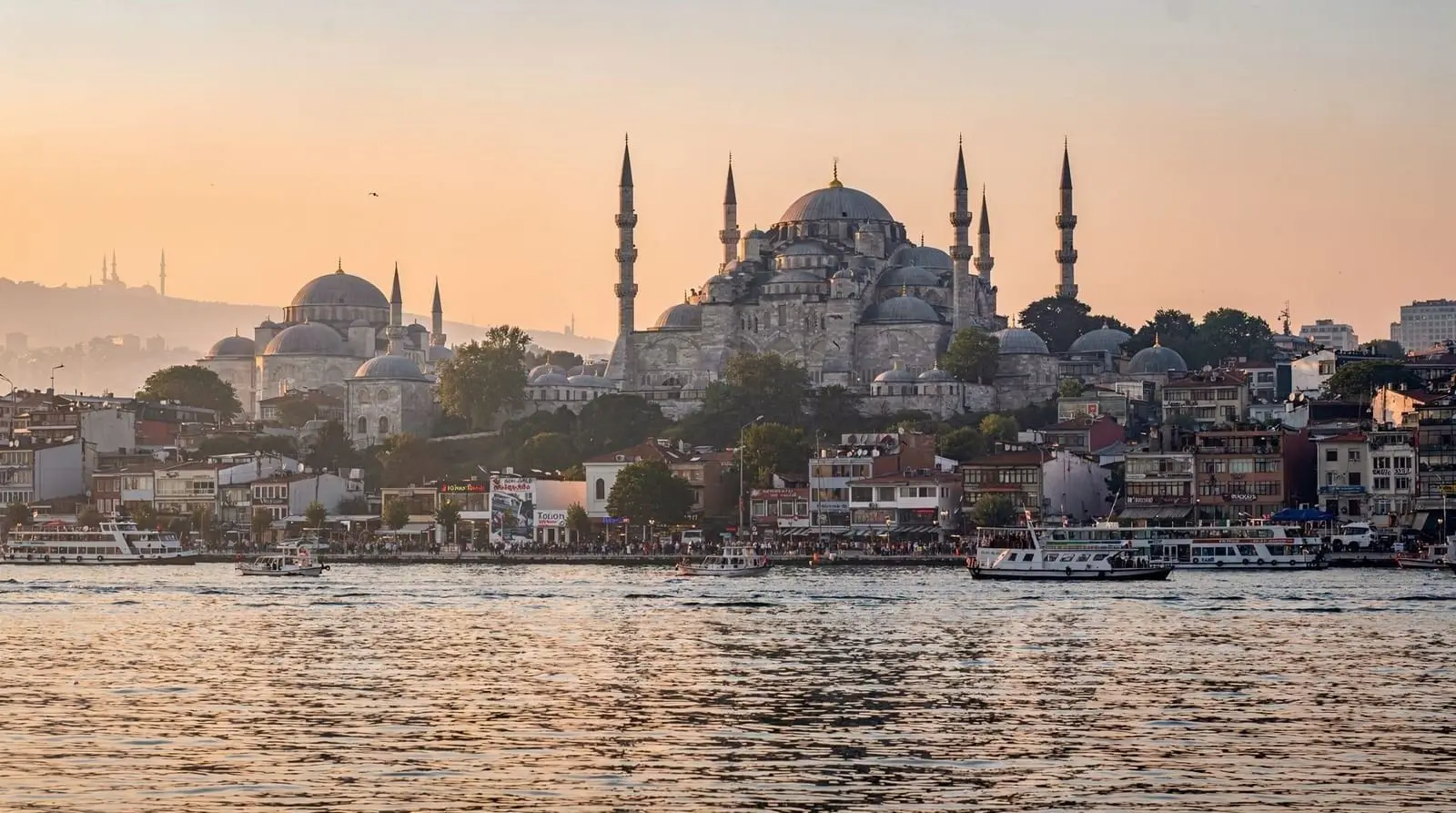
In most cities, the waterway is a boundary. In Istanbul, the Bosphorus is the city’s central axis. Looking from the Galata Bridge or from a ferry deck: on the left, the dome-and-minaret skyline of the European old city; on the right, the Asian shore; ahead, the strait that connects the Black Sea to the Sea of Marmara.
The ferry from Eminönü to Kadıköy takes 20 minutes and crosses a continental boundary. This fact — that you can commute to a different continent on a public ferry for the cost of a transit card swipe — is remarkable, and it doesn’t become less remarkable by being routine to Istanbul’s residents.
A food culture that operates at the level of its history
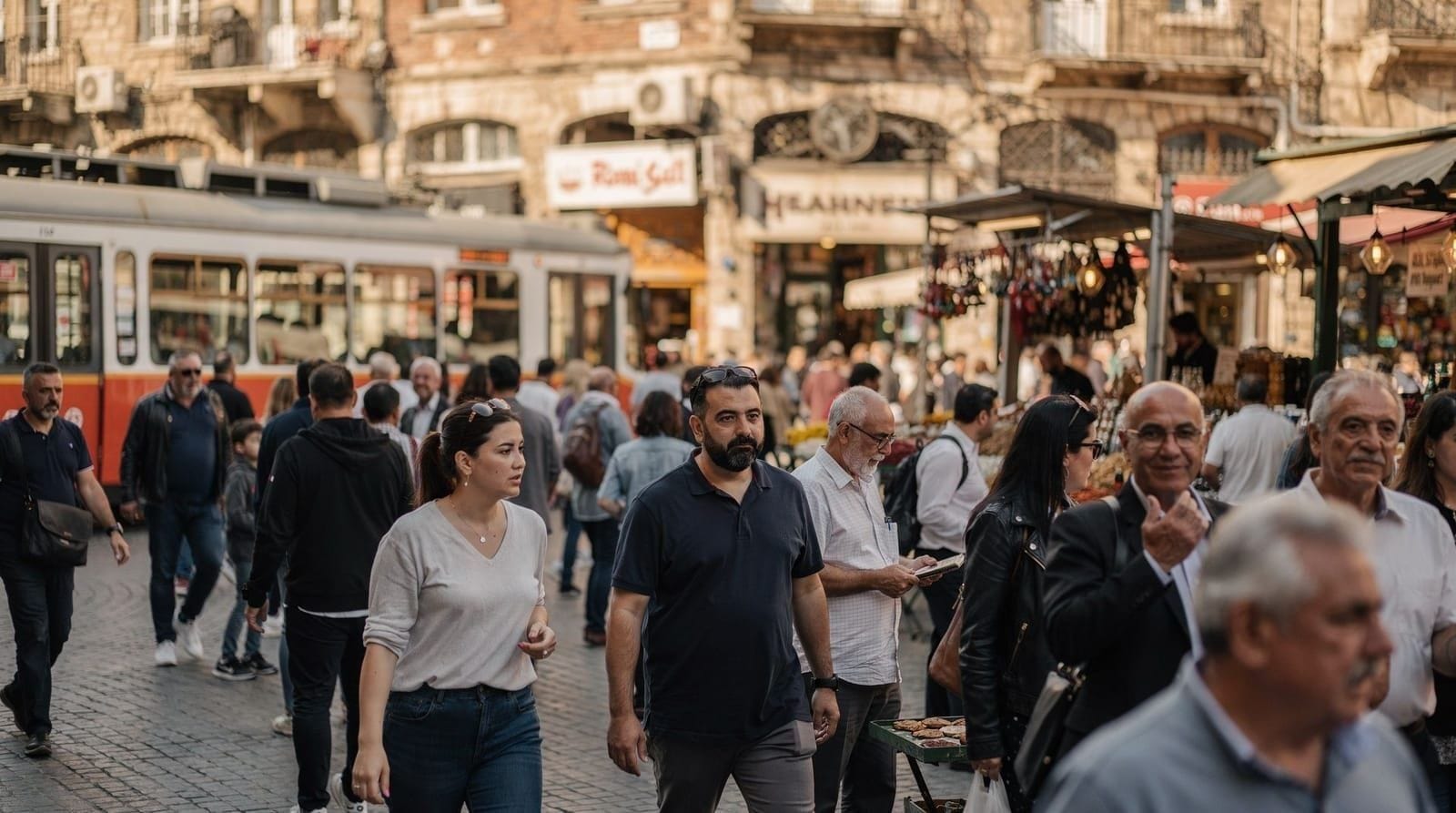
The Istanbul food world is not just good Turkish food. It is a specific urban food culture: the morning simit vendors who’ve operated the same corner for 30 years; Çiya Sofrası’s obsessive documentation of disappearing regional Anatolian recipes; Karaköy Güllüoğlu’s baklava eaten standing at a counter with a glass of tea; the balık ekmek (fish sandwich boats) at the Eminönü pier; the Friday lunch meyhane in Kumkapı.
This food culture is embedded in the city’s physical geography — the bazaars, the waterfront, the neighbourhood lokanta — in a way that rewards engagement beyond restaurant tourism. If you would rather have a local guide steer you through it, a private guided food tour with tastings is an easy way to sample the range in one outing.
Neighbourhoods that reward wandering
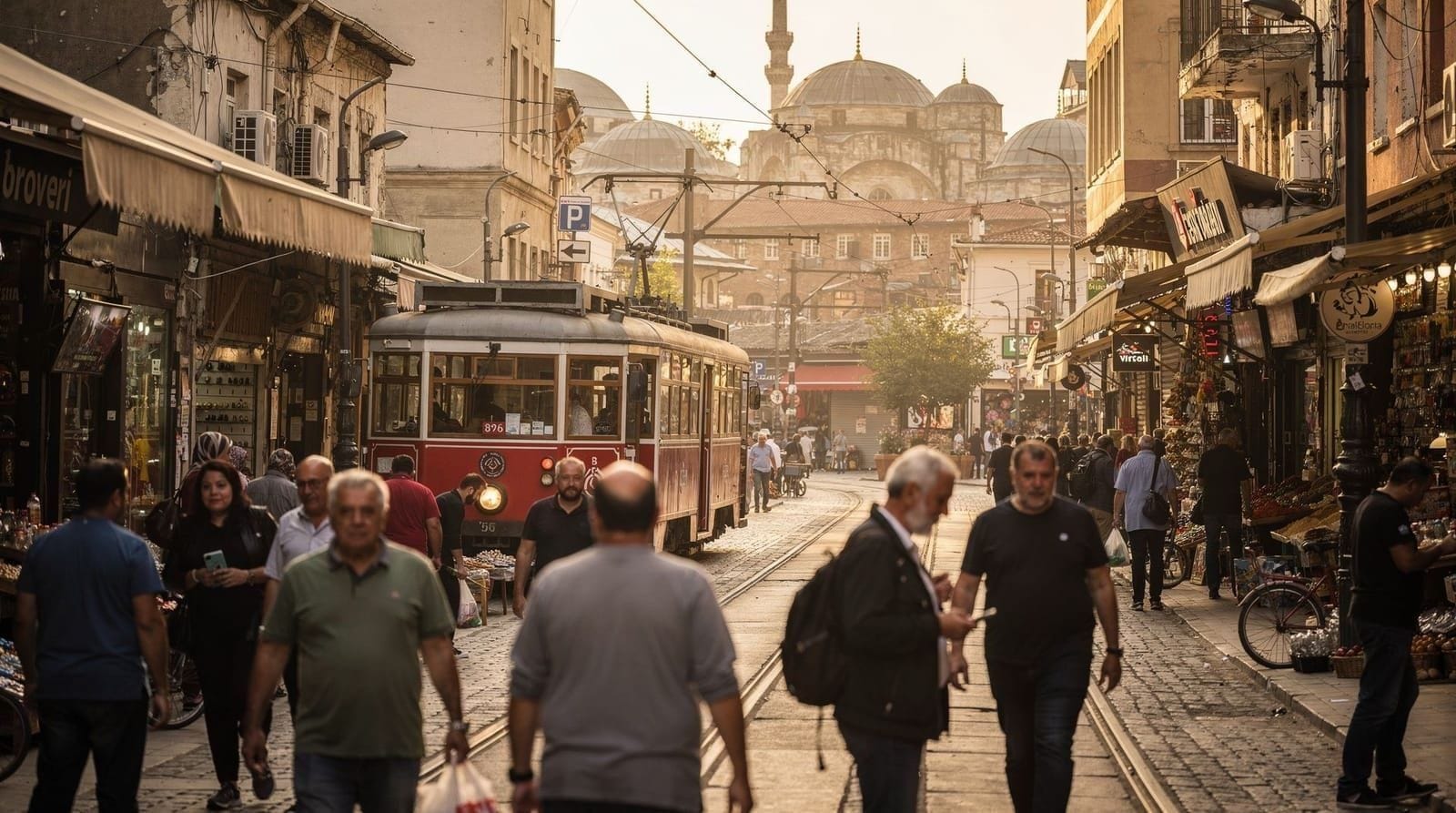
Beyond the monuments, much of Istanbul’s appeal sits in its districts, each with a distinct mood. Balat and Fener offer steep, colourful streets and a quieter, more residential feel; the Balat and Fener walking guide shows how to link them on foot. Karaköy mixes old waterfront trades with cafés and galleries, while Beyoğlu brings the late-evening energy of İstiklal and its side streets. Across the water, Kadıköy feels like a different city altogether, with markets, bars and everyday local life.
If you can’t decide where to base yourself, the Sultanahmet versus Beyoğlu comparison and the where to stay guide help match a neighbourhood to your travel style. Many visitors find that the choice of base shapes how they feel about the whole city.
Mosques, palaces and museums beyond the famous two
Istanbul’s value does not depend on a single building. The best mosques in Istanbul go well beyond the Blue Mosque, and the Süleymaniye Mosque is often named by repeat visitors as the one that moved them most. Several of the city’s great mosques are open to visitors without a ticket, as the free mosques guide explains. For palaces, Topkapı and Dolmabahçe show two very different eras of imperial taste, and the best museums in Istanbul help you choose where to spend limited time.
Evenings, sunsets and the shape of a day
A good Istanbul day has a rhythm: a slow breakfast, a morning at a monument before the crowds build, a long lunch, an afternoon on the water or in a neighbourhood, and a late dinner. The best views in Istanbul are worth saving for the end of the day, and a Bosphorus cruise at dusk is one of the simplest ways to feel the scale of the city. Visitors who leave space in the schedule, rather than ticking off a long list, usually describe the trip as worth it.
The honest caveats
Sultanahmet tourist-trap density
The area immediately around Hagia Sophia, the Blue Mosque, and the Grand Bazaar has the highest concentration of tourist-facing inflation in the city. Restaurants charge double what they’d charge one street away. Touts attempt to direct you into carpet shops. Unlicensed “guides” approach near the monument entrances.
None of this undermines the monuments. But visitors who expect to wander freely without any commercial pressure will be surprised by the intensity of the Sultanahmet tourist machine. The solution is awareness, not avoidance.
Practical response: Move. Walk 10 minutes off Divan Yolu Caddesi; take the ferry to Kadıköy; spend time in Balat or Karaköy. Istanbul’s tourist trap is geographically specific — walk out of it and the city changes.
Summer crowding at major sites
Hagia Sophia in July handles approximately 25,000 visitors per day. The queues are real, the interior is crowded, and the experience is less contemplative than in October. This is not a reason to avoid Istanbul in summer — but it is a reason to book tickets in advance and arrive early.
The “day trip” marketing dishonesty
Covered at length in the day trip reality check: Cappadocia, Ephesus, and Pamukkale are sold as “day trips from Istanbul.” They are not. They require overnight stays to experience properly. First-time visitors who schedule one of these on a day-trip basis often come away underwhelmed and exhausted. Spending 2 nights in Cappadocia instead of a same-day flight produces a dramatically different experience — the full comparison is in the Cappadocia from Istanbul guide.
Getting around is part of the experience
Many first-timers worry that a city this large will be exhausting to navigate. In practice the tram, metro and ferries cover most of what a visitor needs, and the getting around Istanbul guide and the Istanbulkart guide explain how the system fits together. Arriving is straightforward too: the airport to city centre guide covers the main airport, and the IST versus SAW comparison helps if you have a choice of flights. Friction exists, but it is manageable with a little preparation, and the first-time tips cover the basics.
Timing and the weather question
Part of whether Istanbul feels worth it comes down to when you go. Spring and autumn are generally kinder to walkers than midsummer, and the best time to visit Istanbul guide lays out the trade-offs. Winter has its own appeal if you accept shorter days, as the Istanbul in winter guide describes. If you are weighing seasons, the weather by month page is a useful companion.
How Istanbul compares by trip length
The value of a visit changes considerably depending on how many days you give it — a rushed first day is the single most common source of disappointment.
| Days | What’s realistic | Verdict |
|---|---|---|
| 1–2 | Sultanahmet monuments only, rushed | Feels incomplete; better as a 1-day itinerary stopover than a full trip |
| 3 | Sultanahmet + one Bosphorus crossing + one neighbourhood | Workable minimum for a coherent first impression |
| 4–5 | Above + Asian side day + a meyhane dinner + paid-site depth | The recommended sweet spot for a first visit |
| 7+ | Above + Princes’ Islands or a Cappadocia extension | Rewards genuine engagement beyond the highlights |
For how the days actually fill up, see how many days you need in Istanbul and the trip planning guide.
What surprises first-time visitors, in both directions
Positively: the scale and confidence of the Bosphorus ferries as ordinary public transport, the quality and price of street food compared to sit-down restaurants, and how walkable Sultanahmet is once you’re inside it. Negatively: how commercial the immediate approach to Hagia Sophia and the Blue Mosque can feel, and how quickly a “quick coffee near the bazaar” turns into a carpet-shop conversation if you linger near a tout. Neither cancels the other out — see the istanbul tourist traps guide and istanbul scams to avoid for the specifics, so you’re not caught off guard by either.
Who should visit Istanbul
History enthusiasts: Istanbul has one of the densest concentrations of world-historical significance on the planet. The transition from Byzantine to Ottoman in a single building (Hagia Sophia), the Topkapı Imperial Harem as the command centre of a centuries-long empire, the layered archaeology visible in the Istanbul Archaeological Museums — for anyone who finds this period interesting, Istanbul is a tier-one destination.
Food travellers: Istanbul’s food scene is not an adjunct to the cultural tourism — it is, for many visitors, the main event. Kadıköy market, Beyoğlu meyhane, the all-day breakfast culture, and the diversity of regional Turkish cuisines available in a single city make it one of the better food-travel destinations in the world.
Architecture and design: Ottoman mosque architecture, Byzantine mosaics, Art Nouveau buildings in Beyoğlu, the wooden yalı mansions on the Bosphorus, the tiled interior of the Blue Mosque — Istanbul spans 1,500 years of significant architectural production.
Independent city travellers: Istanbul rewards engagement with its complexity rather than smooth tourist management. The metro, tram, and ferry are genuinely easy to use. Neighbourhoods beyond the tourist circuit (Balat, Kadıköy, Ortaköy) are navigable independently. The city is large enough that two visitors can have completely different experiences of it.
Who might have a harder time
Travellers who want a relaxed, well-managed experience: Istanbul is large, sometimes chaotic, and has tourist-trap pressure in its main zones. If you prefer the smooth tourism infrastructure of, say, Dubrovnik or Vienna, Istanbul will feel noisier and more demanding.
Travellers coming primarily for beaches: Istanbul is not a beach city. Combine it with the Aegean coast or Antalya if sea swimming is a priority.
Very short visits (1–2 days): Istanbul is not a city that reveals itself in a quick look. Two days covers the headline sites but leaves significant substance unexperienced. A minimum of 3 days, and ideally 4–5, is recommended.
Making the decision
If you are still undecided, ask what you want from a trip. If the answer is layered history, serious eating and a city that never feels staged, Istanbul fits. If it is calm, polish and predictability, you may prefer somewhere else, and that is a reasonable conclusion rather than a failure of the city. For a ready-made shape for the trip, the 3-day itinerary and 5-day itinerary show how the highlights can be paced, and the top things to do in Istanbul is a good place to build your own shortlist. Budget-minded readers should also see the travel budget guide.
Practical recommendation
For a first visit: plan for 4 days. Use an E-Pass or pre-book tickets for the paid sites (Hagia Sophia history experience, Topkapı, Basilica Cistern, Galata Tower). Do at least one full day on the Asian side (Kadıköy). Take one Bosphorus ferry crossing independently and one structured cruise. Visit Balat and Fener on a morning walk. Eat at one meyhane in Karaköy or Beyoğlu.
That itinerary — free mosques, ferry, paid monuments, neighbourhood exploration, food focus — costs approximately 4,000–6,000 TRY per person in admissions and transport (200–300 USD at mid-2026 rates), and delivers Istanbul at its most representative.
Frequently asked questions about Is Istanbul worth visiting?
What makes Istanbul genuinely special?
What are the most common disappointments for Istanbul visitors?
Is Istanbul better for history or for food?
Is Istanbul suitable for a short city break?
How does Istanbul compare to other major European cities?
What type of traveller does Istanbul suit best?
Top experiences
Bookable activities with verified prices and instant confirmation on GetYourGuide.