Spice Bazaar guide — Istanbul's Egyptian market for food and spices
Istanbul: Morning Bosphorus Cruise and Spice Bazaar Tour
What is the Spice Bazaar and is it worth visiting in Istanbul?
The Spice Bazaar (Mısır Çarşısı — Egyptian Market) is a 17th-century covered market in Eminönü with 88 shops specialising in spices, teas, lokum, nuts, cheeses, honey, dried fruit, and herbal remedies. It's smaller and more manageable than the Grand Bazaar, genuinely food-focused, and worth 45–90 minutes for food lovers. Entry is free.
The Spice Bazaar — a shorter, more focused visit
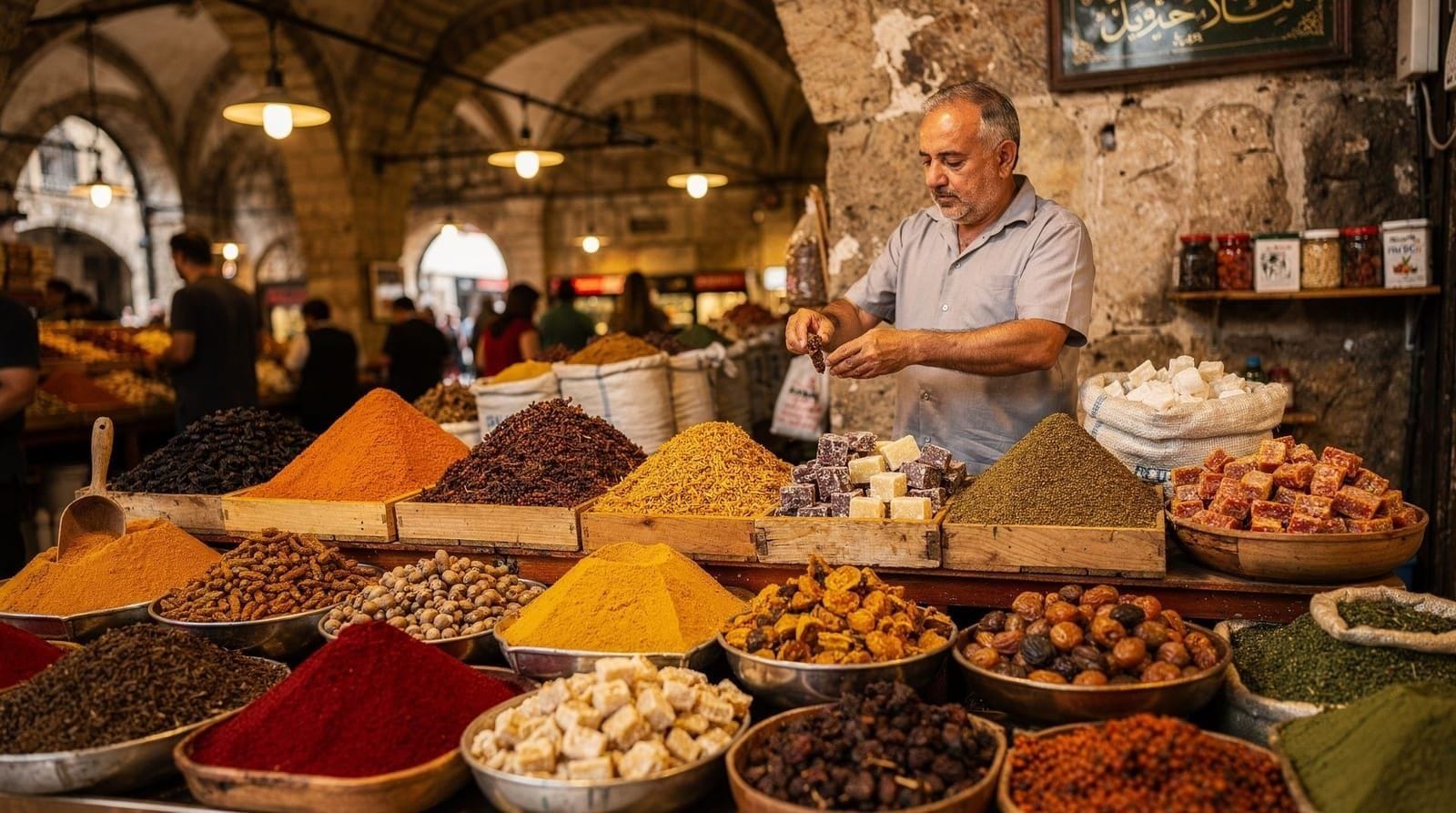
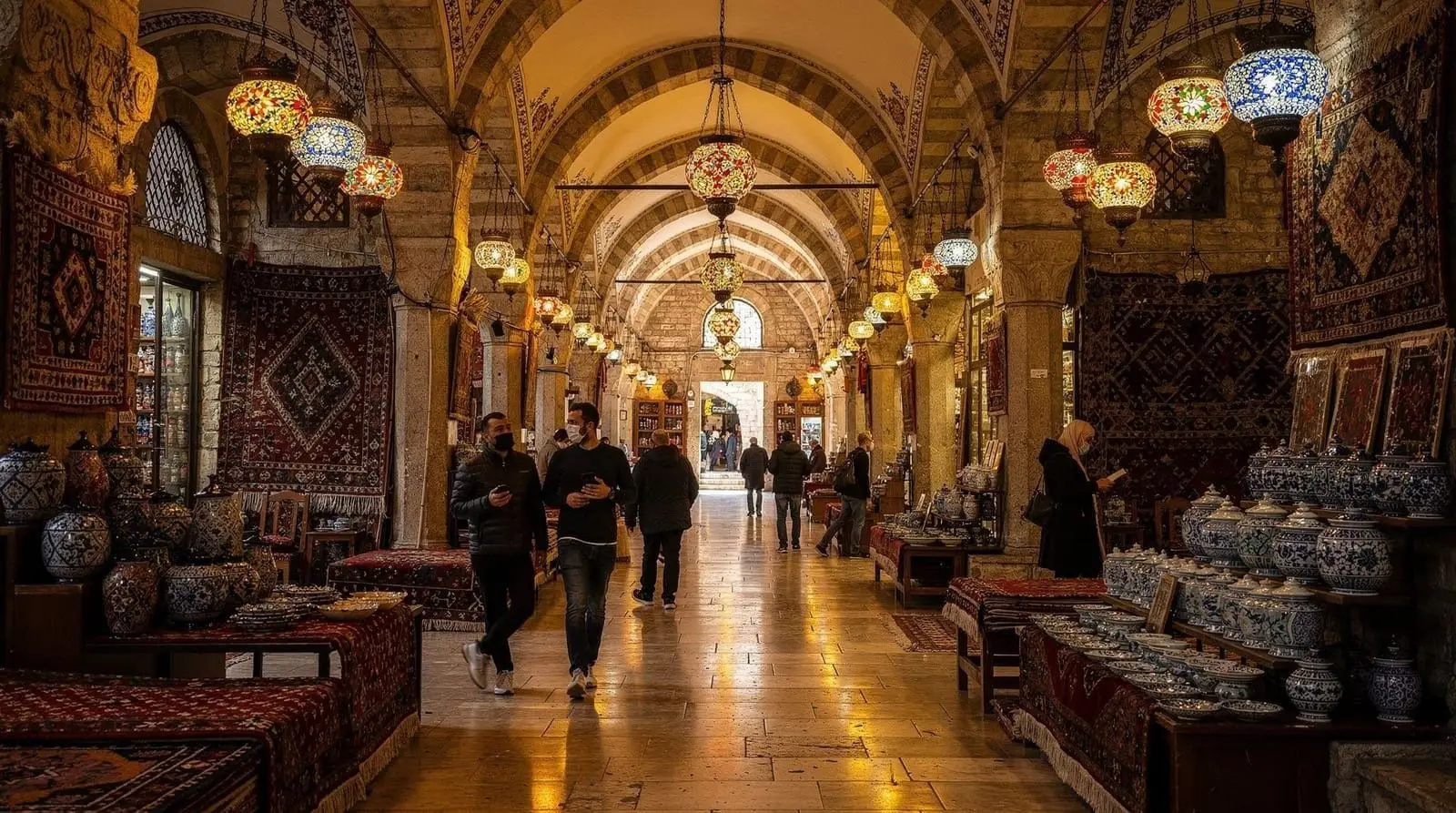
The Spice Bazaar (Mısır Çarşısı) is everything the Grand Bazaar is, compressed into a more manageable 88-shop L-shaped building at the edge of Eminönü. Where the Grand Bazaar is overwhelming, the Spice Bazaar is navigable. Where the Grand Bazaar sells everything, the Spice Bazaar stays focused: spices, herbs, lokum, nuts, cheeses, honey, and herbal remedies.
| Where | Eminönü, 2-min walk from T1 tram stop |
| Cost | Free entry; budget 500-2,000 TRY for purchases |
| Time needed | 45-90 min inside; 2-3 hrs with the surrounding area |
| Hours | Mon-Sat ~8am-7:30pm, some shops open Sunday |
| Best time | Before 10am or after 4pm to avoid the midday crowd |
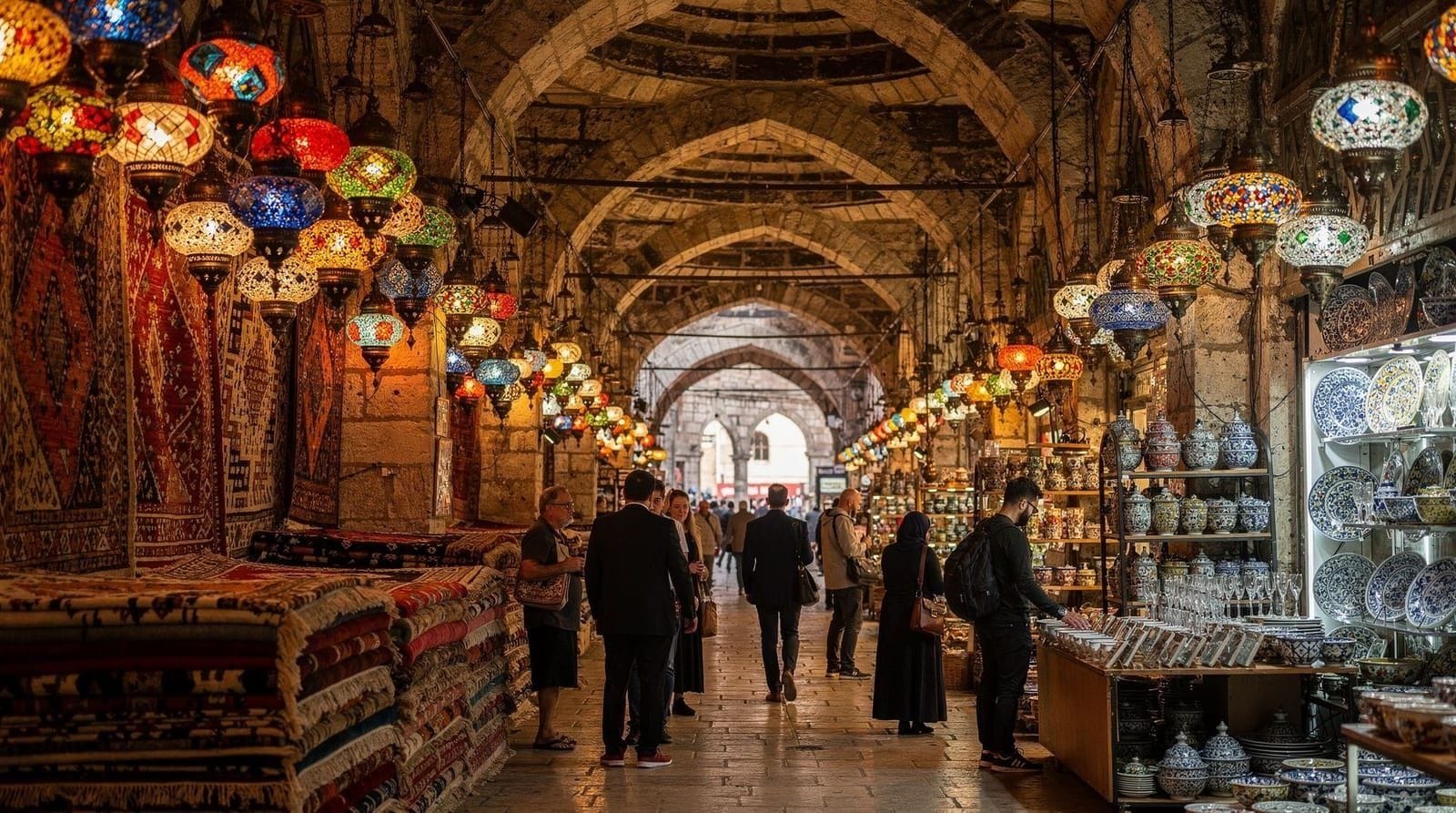
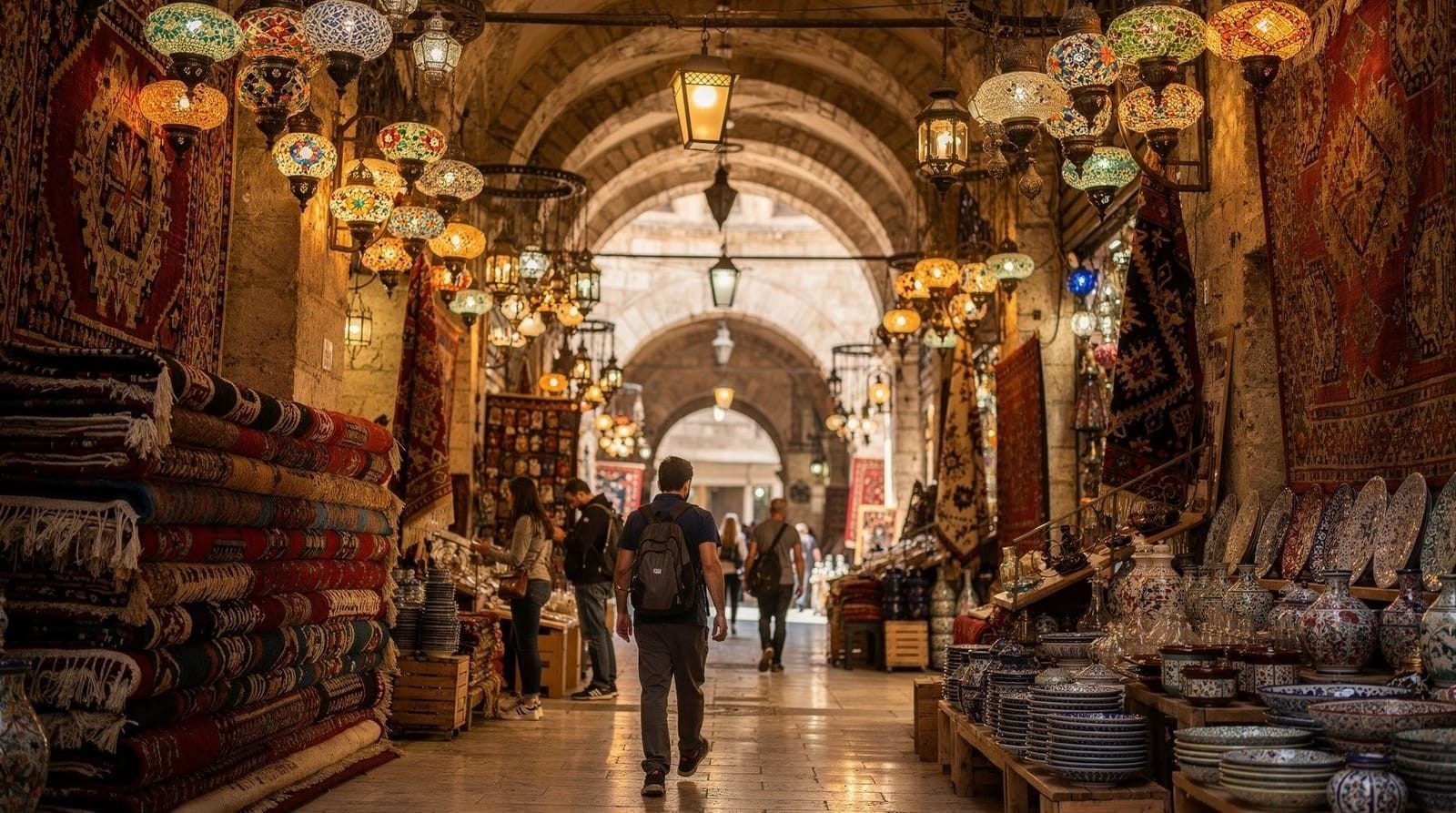
The building itself is beautiful — a 17th-century Ottoman market hall with vaulted ceilings, built in 1664 during the reign of Sultan Mehmed IV. Constructed with customs revenues from Egypt, it was originally called the Mısır Çarşısı (Egyptian Bazaar) — the tourist rename to “Spice Bazaar” came later.
The Spice Bazaar is not the only option in the Eminönü area. The streets surrounding it — Hasırcılar Caddesi to the east, the outdoor continuation of the market on the south side — extend the experience significantly and are often more authentic than the interior shops.
How to walk the market without getting overwhelmed
The layout helps you. Because the building is a single L-shaped hall, you can walk the whole thing in one slow loop, then double back to the stalls that caught your eye. Resist the urge to buy on the first pass. Use the first lap to look, smell and compare, and note which shops display their goods openly, label what they sell and answer questions without pushing. Those are the ones worth returning to.
Tasting is part of the culture. Shopkeepers will often offer a sample of lokum, a nut or a pinch of a spice blend. Accepting a taste is not a commitment to buy, but it is polite to buy something small from a stall that has been generous with samples. If a seller becomes pushy, a friendly “thank you, just looking” and a step onwards is all you need. For the wider habits of buying and haggling across the city, the Istanbul shopping guide gives the broader picture, and the guide to scams and tourist traps explains the pressure tactics worth recognising.
What to buy — category by category
Saffron
Saffron is the most frequently adulterated spice sold to tourists in Istanbul. Real saffron (safran) consists of the dried stigmas of the Crocus sativus flower — three threads per crocus, harvested by hand. It’s expensive by nature: 400–700 TRY per gram for quality saffron (mid-2025). Fake saffron is made from turmeric-dyed corn silks or marigold petals.
How to identify real saffron: The threads should be deep red-orange to dark red, not uniformly yellow or orange. When soaked in warm water, genuine saffron releases colour slowly (not immediately) and the threads remain visible after soaking. Ask to smell it — real saffron has a distinctive floral-honey-metallic aroma.
The shops with clear glass containers showing long, well-formed threads and transparent pricing are more reliable than stalls with unlabelled bags.
Sumac
Sumac (sumak) is a tart, lemony spice ground from sumac berries — essential in Turkish cooking as a finisher over lahmacun, köfte, and salads. Good sumac is a deep burgundy-purple with a slightly sticky texture. The packaged variety is convenient for travel. Price: 100–200 TRY for 100g (mid-2025).
Turkish spice blends
The baharat (spice mix) section offers both standard mixes (kırmızı biber — red pepper flake; karabiber — black pepper) and regional specialties:
Pul biber / Isot pepper (Urfa biber): The iconic dark reddish-brown flake from Urfa in southeastern Turkey. Oilier and deeper in flavour than standard red pepper flake — a staple of southeastern Turkish cooking. Unmistakable once you’ve tried it. Bring a bag home.
Köfte baharatı: The specific blend for meatballs. Varies by region and shop but typically includes cumin, coriander, allspice, paprika, and dried mint.
Lokum (Turkish delight)
The Spice Bazaar shops make a reasonable argument for their lokum, but for the highest quality in this area, the Ali Muhiddin Hacı Bekir shop near the Grand Bazaar (Nuruosmaniye Caddesi 83) remains the benchmark — the company invented modern lokum in 1777 and still makes it properly.
Within the Spice Bazaar, look for stalls that cut fresh from large slabs rather than selling pre-packaged tourist boxes. For a hands-on angle rather than just buying, a Turkish delight workshop covering the history, tasting, and the making process lets you try producing it yourself rather than only sampling the finished stalls. A chocolate making workshop just steps from the Spice Bazaar is a nearby alternative for a similar hands-on session built around chocolate instead of lokum.
Nuts
The nut sections (fındık — hazelnut, fıstık — pistachio, ceviz — walnut, badem — almond) in the Spice Bazaar and on the surrounding streets have genuinely good quality. Turkish hazelnuts from the Black Sea coast and pistachios from Gaziantep are among the world’s best. Buy from stalls where you can see the fresh stock and taste before buying. Price: 300–600 TRY per kg for quality pistachios (9–18 USD, mid-2025).
Herbal teas and dried herbs
Turkish herbal tea culture (bitki çayı) is deep: linden flower (ıhlamur), dried rosehip (kuşburnu), chamomile (papatya), hibiscus (karkadé), sage (adaçayı). Bulk dried herbs sell for 100–300 TRY per 100g. Packaged gift sets for 400–1,000 TRY.
Turkish honey
The Spice Bazaar shops sell artisan honeys: chestnut honey (kestane balı) from the Black Sea forests, pine honey (çam balı) from the Aegean, thyme honey (kekik balı) from the Central Anatolian plateau. Quality honeys are thick, deeply flavoured, and expensive — 500–1,500 TRY per jar (15–45 USD). Worth buying from specialists who can tell you the source region.
Buying with the kitchen in mind
The best purchases are the ones you will actually cook with. Think about what you already make at home and choose spices that change it: sumac on grilled meat and salads, Urfa pepper on eggs and roasted vegetables, a herbal tea for the evening. Small packs are easier to carry and keep fresher than one large bag, and you can always return to the stalls on a later day if you want more. If you enjoy Turkish coffee after meals, the Turkish coffee guide explains how it is prepared, and a Turkish breakfast table, described in the best Turkish breakfast guide, is the perfect place to put honey and cheeses to use.
Packing and carrying your purchases
Ask the seller to vacuum-pack or tightly seal anything with a strong aroma, so your suitcase does not smell of spice for the rest of the trip. Keep honey and other jars well wrapped in clothing, and keep the market for the end of your stay if you are travelling onwards for several days. Check the rules of your home country and your airline on carrying food and liquids before you buy, since these vary and are your responsibility to confirm.
The area around the Spice Bazaar
The outer stalls and Hasırcılar Caddesi
The streets on the east side of the Spice Bazaar (Hasırcılar Caddesi) extend the market outdoors with stalls selling the same goods at somewhat lower prices and with slightly less tourist orientation. Good for comparing prices between the interior shops and the outdoor stalls.
Rüstem Paşa Mosque
The most underrated architectural site in the entire Eminönü area. Rüstem Paşa Mosque (1563, by Mimar Sinan) is hidden above the market shops on Hasırcılar Caddesi — you reach it by climbing a flight of stairs that most visitors walk past. Inside, the mosque is covered in Iznik tiles — the finest collection in Istanbul — floor to ceiling, in patterns of deep blues, greens, and tomato-reds. Completely free, rarely crowded. Allow 20–30 minutes.
This mosque is the single most under-visited major site in Istanbul. The Sultanahmet area guide notes it, but the tourist flow consistently overlooks it.
The New Mosque beside the market
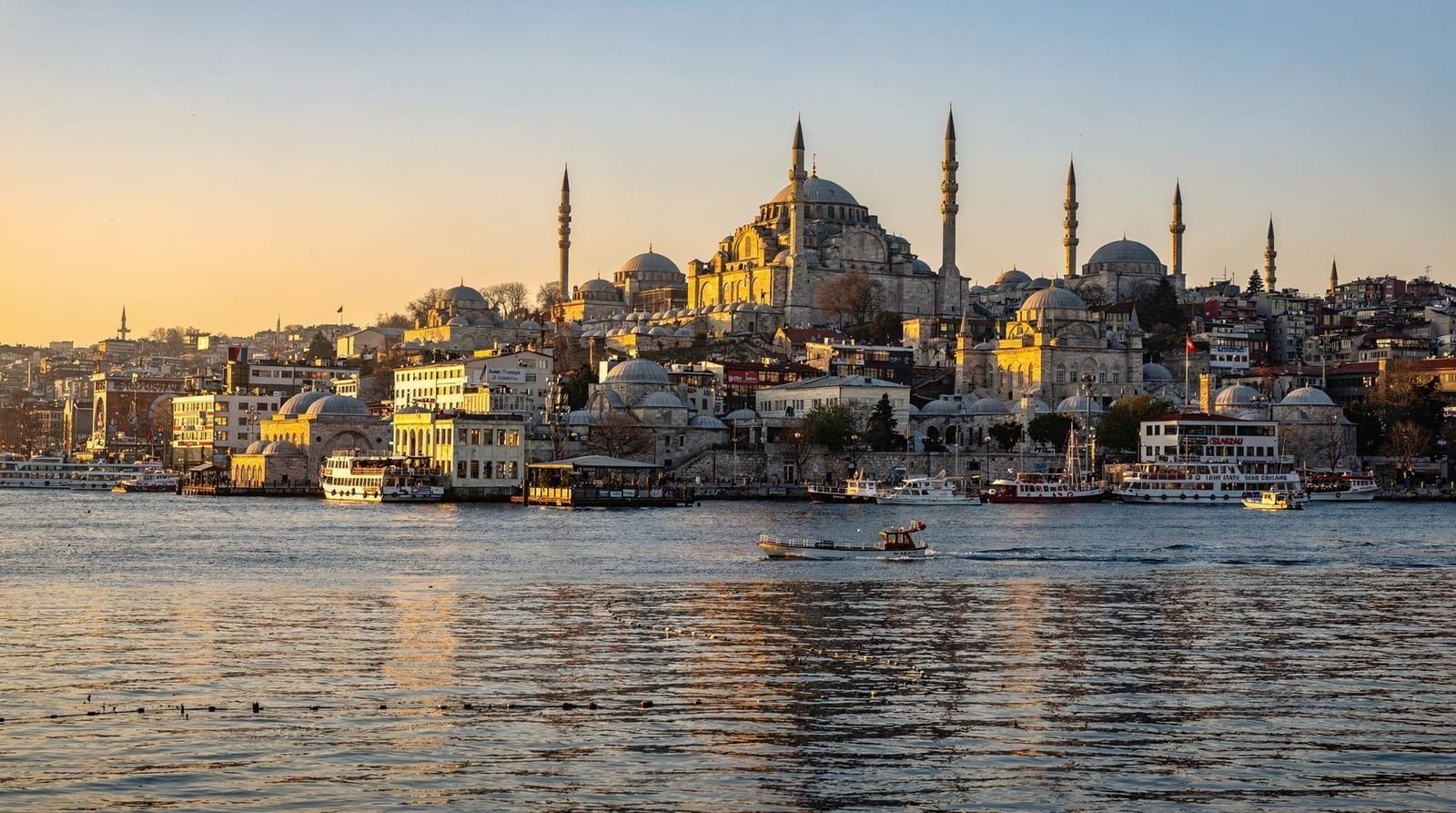
Right next to the bazaar, facing the water, stands the large mosque that dominates the Eminönü skyline. It is easy to include in the same visit, and the New Mosque guide explains its history and how to visit respectfully. Remember the usual rules of dress and behaviour covered in the mosque etiquette guide.
Balık ekmek (fish sandwich) boats
At the Eminönü quay (Galata Bridge side, not the Spice Bazaar side), small boats docked at the water serve grilled fish sandwiches. Mackerel (uskumru) fillet on bread with onion and lemon, eaten standing at the quay. 100–150 TRY (mid-2025). An Istanbul institution.
Galata Bridge and the lower deck
The lower level of Galata Bridge (accessible from the Eminönü side) has a line of restaurants serving fish, meze, and tea at tables hanging over the Golden Horn. Moderate prices, strong atmosphere. Good for lunch after the Spice Bazaar.
Combining the Spice Bazaar with the Bosphorus
Morning programmes that combine the Spice Bazaar area with a Bosphorus cruise are popular and logical — the main cruise departure pier at Eminönü is 200 metres from the Spice Bazaar entrance. The sequence: spice market visit (1 hour), lunch at Galata Bridge lower level, afternoon cruise. If you’d rather flip that order, an afternoon Bosphorus cruise and Spice Bazaar tour pairs the same two elements with the cruise later in the day.
For a tour that combines the Spice Bazaar with other Sultanahmet sights:
Fitting the market into a longer day
The Spice Bazaar works well as a morning or late-afternoon stop between bigger sights. Because it sits at the water’s edge, it connects naturally with the ferry piers and the Golden Horn. If you want to see the water after shopping, the Golden Horn cruise guide and the Istanbul ferries guide show how to continue by boat. If you are short on time, the one-day itinerary shows how the old city and the waterfront can be linked, and the Eminönü and old city neighbourhood page covers what lies uphill.
Getting to the Spice Bazaar
By tram: T1 line to Eminönü (stop: Eminönü). The Spice Bazaar’s main entrance is a 2-minute walk from the tram stop.
On foot from Sultanahmet: 15–20 minutes walking downhill through the old city streets.
From Beyoğlu: Walk across Galata Bridge (10–15 minutes), turn right at Eminönü.
By ferry: The Eminönü ferry terminal is adjacent — arriving by ferry from the Asian side delivers you directly to the neighbourhood.
For fares, cards and how the different lines connect, see the Istanbulkart guide and the getting around Istanbul guide. Arriving by public transport saves you the trouble of finding a taxi in the crowded streets around the market.
Spice Bazaar versus Grand Bazaar: which to prioritise
Visitors with limited time often ask whether to do both or pick one. Here’s the honest comparison:
| Spice Bazaar | Grand Bazaar | |
|---|---|---|
| Focus | Food: spices, nuts, lokum, honey | Everything: carpets, jewellery, ceramics, textiles |
| Size | 88 shops, one building, easy to navigate | 4,000+ shops, genuinely easy to get lost |
| Bargaining | Mostly fixed prices | Expected and part of the experience — see the bargaining guide |
| Time needed | 45-90 minutes | 2+ hours minimum |
| Best for | Food lovers, gift shopping, shorter visits | Serious shoppers, carpets, souvenirs beyond food |
If you only have time for one, choose based on what you’re buying — food and gifts favour the Spice Bazaar, larger souvenirs and the full “grand bazaar experience” favour the Grand Bazaar. Both together, done in sequence with lunch at Galata Bridge in between, make a satisfying half-day.
Beyond the Spice Bazaar: where else to find Turkish food to bring home
The Spice Bazaar is not the only — or always the best — place for specific items. For a broader view of what’s worth buying across the city, including where quality sometimes beats convenience, see what to buy in Istanbul. For baklava specifically, dedicated bakeries like Karaköy Güllüoğlu outperform the bazaar’s general confectionery stalls — the baklava and Turkish desserts guide covers where to find the best. And if the Spice Bazaar has whetted your appetite rather than your shopping list, the Turkish food guide and Istanbul street food guide pick up where the market leaves off — turning the ingredients you just bought into a fuller picture of what to eat during the rest of your stay.
Frequently asked questions about Spice Bazaar guide — Istanbul's Egyptian market for food and spices
Why is it called the Egyptian Bazaar?
What are the best things to buy at the Spice Bazaar?
What should I avoid buying at the Spice Bazaar?
Is bargaining expected at the Spice Bazaar?
Is the Spice Bazaar combined with Eminönü worth doing?
When is the Spice Bazaar open?
Top experiences
Bookable activities with verified prices and instant confirmation on GetYourGuide.