Istanbul packing list — what to bring for any season
Istanbul: Traditional Turkish Bath
What should I pack for Istanbul?
Comfortable walking shoes are the single most important item — the old city is paved with cobblestones and hills. Bring a lightweight scarf for women (mosque visits), layers for spring and autumn, and cash in Turkish Lira. A universal adapter (Turkey uses EU Type F plugs) is needed for North American and UK travelers.
The core Istanbul packing list
Istanbul is a city that rewards good footwear and punishes bad footwear. That is the single most important packing consideration. The old city is beautiful and approximately 2,500 years old; it is also paved with polished stone, cobblestones, and uneven surfaces that will destroy your ankles if you are wearing the wrong shoes for a full day of walking.
Everything else on this list is secondary to that.
| Non-negotiable | broken-in walking shoes |
| Mosque essential | lightweight scarf (women), knees/shoulders covered |
| Plug type | EU Type F, 220V |
| Cash to carry | around 500–1,000 TRY for day one |
| Buy locally | SIM/eSIM, sunscreen top-ups, phrase basics |
Packing priorities by season
| Season | Key addition | Skip |
|---|---|---|
| Spring (Apr–May) | Light rain jacket, layers | Heavy coat |
| Summer (Jun–Aug) | Breathable fabrics, sandals + walking shoes | Dark heavy layers |
| Autumn (Sep–Oct) | Light layers, similar to spring | Full winter gear |
| Winter (Nov–Mar) | Waterproof boots, warm mid-layer, gloves | Sandals, thin cotton only |
Shoes and clothing
Walking shoes (the most important): Wear shoes you have actually broken in. Flat, cushioned soles — a good pair of walking trainers or travel-specific walking shoes. The Sultanahmet area, Balat, Beyoğlu’s side streets, and virtually every historic area involves hours on uneven stone. New shoes that look good but have not been tested will give you blisters by day two.
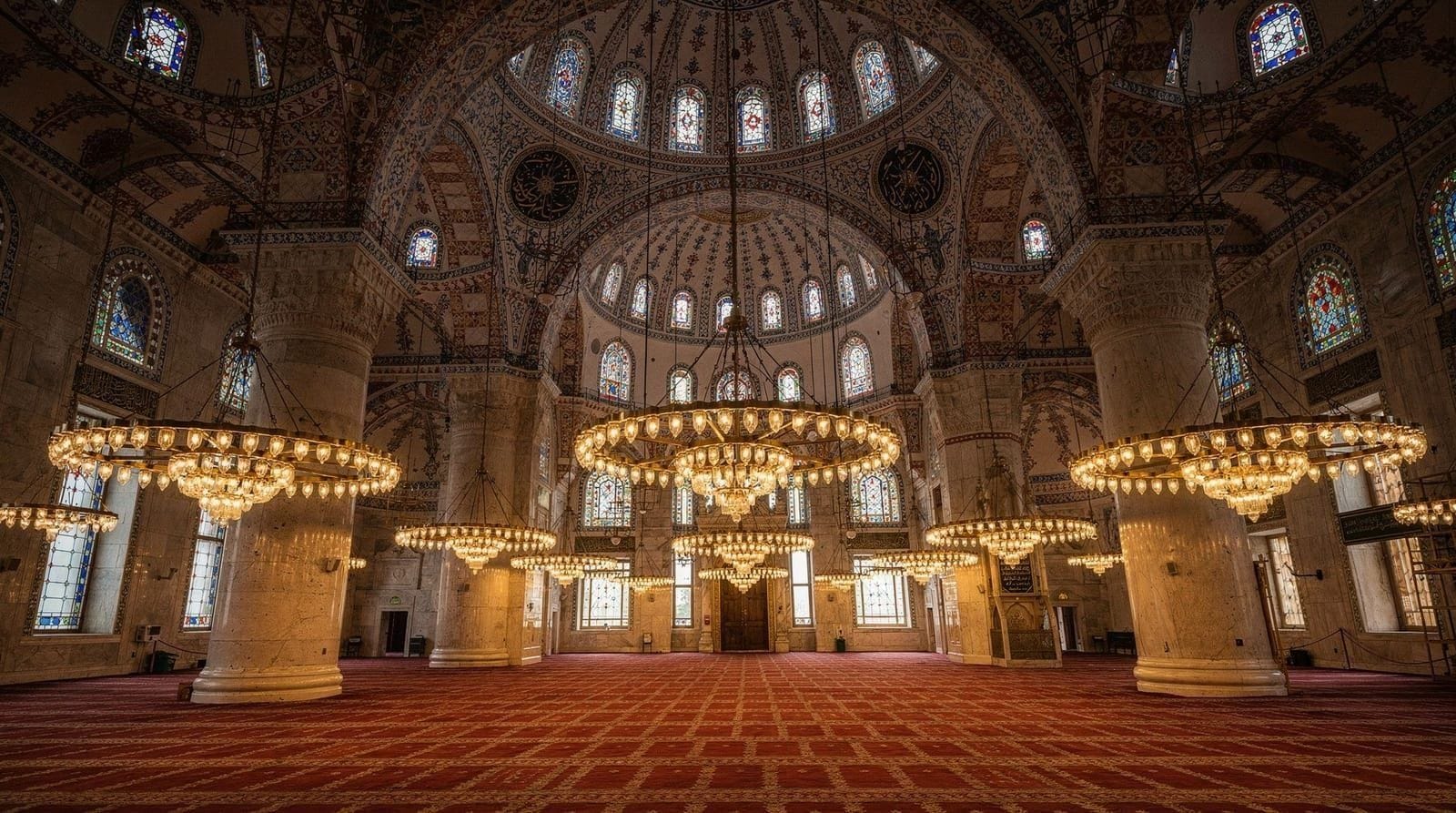
Shoes that slip off easily: For mosque visits (which happen several times a day if you are doing the main sites), you remove shoes at the entrance. Knee-high lace-up boots are a nuisance. Slip-on shoes, trainers with a loose lace, or sandals make mosque visits easy.
A lightweight scarf (women): Used for mosque visits, required at Hagia Sophia, the Blue Mosque, Süleymaniye, and all other mosques. A 60x60 cm or larger lightweight cotton or linen square works. Doubles as a beach cover-up, shade for outdoor meals, or extra warmth on a cool evening.
Clothing layers for spring and autumn (April-May, September-October): Daytime temperatures can reach 20-25°C but mornings and evenings drop to 10-15°C. A light jacket and a couple of layers work better than one heavy coat.
Summer clothing (June-August): Light, breathable fabrics. Temperatures are regularly 30-35°C with humidity. Modesty considerations for mosques can be managed with a scarf/sarong in your bag rather than by avoiding tank tops — wear what is comfortable and cover up when entering religious sites.
Winter clothing (November-March): Istanbul winters are damp and grey. A waterproof outer layer, warm mid-layer, and comfortable boots for wet cobblestones. Gloves and a hat for January-February. Temperatures rarely go below freezing but can feel colder due to humidity and wind off the Bosphorus.
Documents and money
Passport: Valid for at least 6 months beyond your entry date. Bring a photocopy stored separately, and save a digital scan.
e-Visa: If your nationality requires one (see our Turkey e-Visa guide), you must obtain it before you arrive — at evisa.gov.tr, the official portal. Print it or save it clearly visible on your phone. The official evisa.gov.tr portal is the only legitimate source — third-party services charge fees for something you can do yourself for the official fee only.
Credit/debit card: Visa and Mastercard are widely accepted. Inform your bank before traveling to avoid fraud holds. A card with no foreign transaction fees (such as Revolut, Charles Schwab, or similar) saves meaningful money over a week.
Turkish Lira cash: Withdraw from ATMs in Istanbul (better rate than airport exchange). Bring approximately 500-1,000 TRY ($15-30 USD) in smaller denominations for the first day before you reach an ATM. ATMs at Garanti, İş Bankası, Yapı Kredi, and Akbank branches offer fair rates; standalone ATMs in tourist areas sometimes charge high fees.
Backup card/cash: Keep a second card in a separate location from your main wallet. A small amount of emergency cash separate from your main money.
Electronics
Universal adapter (EU Type F): Essential for North American, UK, Australian, and other non-EU travelers. Turkey uses the European two-round-pin plug at 220V. Most smartphones, laptops, and camera chargers are dual-voltage (100-240V) and only need the plug adapter, not a voltage converter. Check your device charger’s label.
Portable battery/power bank: Useful for long days of navigation and photography. Istanbul’s museums have limited charging outlets.
Camera or phone: Istanbul is extremely photogenic. The main practical consideration is storage space if you use a camera.
Offline maps: Download Google Maps offline data for Istanbul before you arrive. Works in airplane mode. Useful when you do not want to use mobile data for navigation.
SIM card: You can buy a Turkish SIM at the airport (Turkcell, Vodafone Turkey, Türk Telekom). Tourist SIM packages with data are available. Alternatively, international roaming from your home provider (EU roaming is easy; non-EU travelers should check rates). A Turkish SIM gives you a local number for booking taxis and restaurants.
Health and personal care
Prescription medications: Bring a full supply plus extras. Carry in original packaging with the prescription label. Some medications common elsewhere require documentation in Turkey.
Sunscreen: Apply especially in summer. Turkish sunscreen is available but more expensive than at home. Bring a good supply.
Antidiarrheal (e.g., Imodium): A different diet, new water, street food — adjustment is common even without any food safety issue. Turkish pharmacies have equivalents but having some from home is useful for the first days.
Hand sanitizer: Useful before eating street food or after using public transport. Small bottle.
Blister plasters: Given the walking, these are essentially required.
Rehydration sachets: For summer visits especially — heat, walking, and perhaps some alcohol can leave you dehydrated. Turkish pharmacies have electrolyte sachets; bringing a few from home is a useful backup.
Travel insurance documentation: Carry the insurance company’s emergency number and your policy number. Turkey has good private hospitals (Medical Park, American Hospital Istanbul) but they expect payment without insurance.
Security items
A neck wallet or money belt: Not required but useful in very crowded areas — the Grand Bazaar, İstiklal Avenue on weekends, and the main Hagia Sophia queue. Pickpocketing exists in Istanbul’s tourist areas.
Door security wedge: Some travelers in budget hotels like these for peace of mind. Optional.
Cable lock: For hostel stays, for securing your bag to a locker or fixed point.
Istanbul-specific items worth noting
Sarong or lightweight overskirt: A piece of lightweight fabric that can be tied as a skirt is useful for days when you are wearing shorts but want to enter a mosque without a full clothing change.
Reusable water bottle: Turkey has a good bottled water culture but it generates a lot of plastic. Tap water in Istanbul is treated — locals often drink it, though many prefer filtered. A reusable bottle filled from a supermarket water cooler is both cheaper and more sustainable.
Small notebook: Useful in the bazaar for writing down prices after bargaining, and for taking notes at the many fascinating historic sites.
Phrase list: A handful of Turkish words (merhaba, teşekkür ederim, ne kadar, çok güzel) are appreciated and useful. See our Turkish customs guide.
What NOT to pack
Heeled shoes for full days: You will regret them. Save them for one dinner out and wear comfortable shoes for all sightseeing.
A guidebook thicker than 200 pages: Istanbul is well-documented online. A lighter reference (or a downloaded PDF) is less heavy.
Drone (without permits): Turkish drone regulations require advance permits. Flying casually is illegal. Significant fines and confiscation are possible.
Excessive cash: Istanbul is card-friendly in central areas. You do not need to carry large amounts.
Seasonal packing adjustments
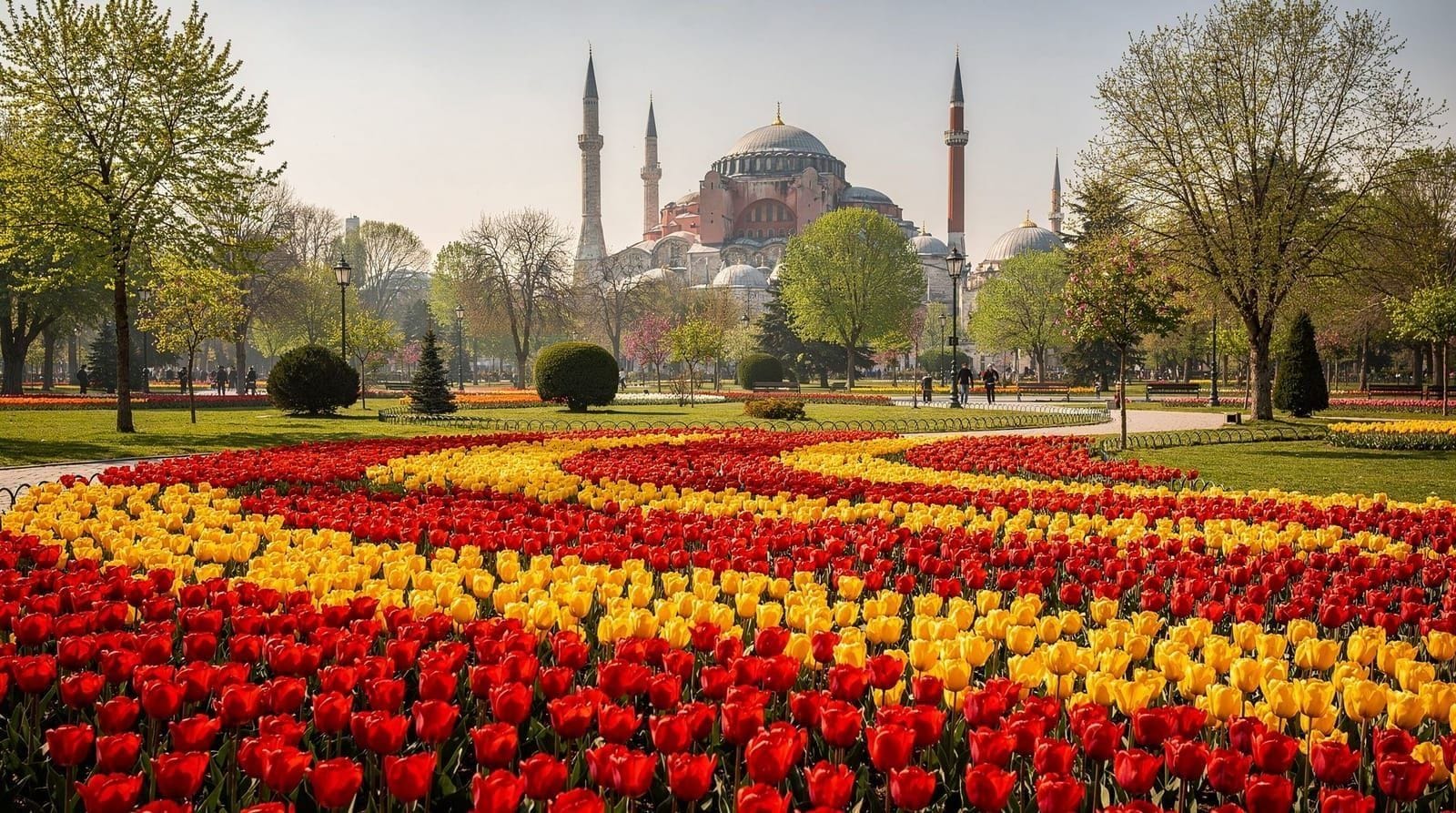
April-May (spring): Add a light rain jacket, bring layers, and pack for variable weather. April tulip season in the parks of Emirgan is excellent.
June-August (summer): Prioritize breathable clothing and sunscreen. Carry water constantly. Comfortable sandals alongside good walking shoes.
September-October (autumn): Similar to spring but drier generally. Excellent walking weather; layers for evenings.
November-March (winter): Warm, waterproof layers. Good waterproof boots. Hot çay drunk everywhere is one of winter Istanbul’s pleasures. See our Istanbul in winter guide.
Packing for specific activities in Istanbul
Hammam visit: If you have booked a Turkish bath (hammam), you will be provided with a peştemal (the thin cotton wrap used in the bath). Swimwear is not required; you wear the peştemal provided. Bring sandals or flip-flops that you can wear in the hot/wet areas. Leave valuables and jewelry at your hotel — you will be putting them in a locker at the hammam but the lockers are sometimes basic. See our hammam guide for preparation details. If you would rather not sort out the logistics yourself, a traditional Turkish bath session can be booked in advance so you know what to bring before you go.
Bosphorus cruise: A light windbreaker or jacket is useful even in summer on an open-deck Bosphorus cruise — the water creates a breeze. Sunscreen is essential for daytime cruises. Camera/phone for the skyline shots.
Grand Bazaar shopping: Bring a compact backpack or tote bag for purchases. The Grand Bazaar itself has bag and luggage storage points at the entrances; rolling luggage inside is cumbersome and marks you as someone who just arrived at or is about to depart for the airport. Leave large bags at the hotel for bazaar visits.
Day trip to the Princes’ Islands: The 1.5-2 hour ferry ride benefits from warm layers (even in summer, the sea breeze can be fresh), sunscreen, and snacks. On Büyükada, bicycle rental is the main transport; bring a day bag for the bike basket. See our Princes’ Islands day trip guide.
Walking tours: A hat or sun protection for long summer walking tours. Comfortable socks that dry quickly — if you sweat significantly, a mid-day sock change is a real quality-of-life upgrade on a 6-hour walking day.
Technology for Istanbul
Offline maps (essential): Download Google Maps offline data for Istanbul before you lose connectivity. The map covers the metro, tram, ferry, and bus routes with real-time search. Works in airplane mode for navigation.
Translation app: Google Translate with Turkish downloaded offline handles menus, signs, and conversations. The camera function (point at text for instant translation) is particularly useful for Turkish menus in non-tourist restaurants.
Turkish Airlines app: If flying Turkish Airlines, the app handles boarding passes and is useful for real-time flight status updates.
Currency conversion: A simple calculator or currency app with offline function. As of June 2026, 1 USD ≈ 34 TRY — easy to estimate but check the live rate on arrival.
Prayer time app: Namaz Vakti or similar gives accurate Istanbul prayer times for the day. Useful for planning mosque visits around closures.
What experienced Istanbul travelers pack vs. first-timers
First-timers often over-pack: Three guidebooks, formal dinnerware clothing, heavy shoes, multiple backup items. Istanbul is a major cosmopolitan city — almost everything you might forget is available in pharmacies, supermarkets, or shops.
Experienced Istanbul travelers typically pack: One versatile pair of walking shoes thoroughly broken in, a lightweight scarf, a compact day bag, a card with no foreign transaction fees, the Istanbulkart from a previous visit (already loaded and ready to top up), and a list of restaurants they want to try.
The most common “I wish I had brought this” regret from Istanbul visitors is invariably a more comfortable pair of shoes.
Packing for longer stays and laundry
If your trip runs beyond 5–6 days, plan for laundry rather than packing enough clothing for the whole visit — most mid-range and budget hotels in Sultanahmet and Beyoğlu offer a laundry service (usually next-day, charged per item or per kilo), and self-service launderettes exist in Kadıköy and Beşiktaş for longer independent stays. This is a straightforward way to cut your suitcase weight roughly in half on a 7+ day itinerary that also includes a Cappadocia or Ephesus extension, where you’ll want a lighter bag for flights and transfers anyway.
What’s better bought after you land
Not everything needs to travel in your suitcase. A Turkish SIM or tourist eSIM, extra sunscreen, a phrase card, and even a lightweight scarf are all cheaply and easily bought in Istanbul itself — packing light on these items and buying locally on day one is often more practical than carrying them from home. The what to buy in Istanbul guide covers souvenirs and shopping more broadly, but the same logic applies to everyday travel items: Istanbul is a major cosmopolitan city, not a remote destination where you’ll be caught short.
Packing differently for a guided arrival
If your itinerary starts with an airport transfer or a guided city tour on day one, you can pack slightly lighter on navigation aids (offline maps, phrase apps) since a driver or guide handles the immediate logistics. Private airport transfer with meet and greet removes the need to navigate the metro with luggage on your first, most jet-lagged day — worth factoring into how much you pack for immediate post-arrival mobility versus later independent days.
Matching your bag to your itinerary
What you pack depends as much on where you will spend your days as on the season. If most of your time goes to the old city, the mosque etiquette guide explains what to wear and how the shoe routine works, and it is worth reading before you finalise your clothes. If you plan to cross to the Asian side or spend evenings out in Beyoğlu, the Istanbul first-time tips cover the practical habits that make a lighter bag possible.
Your length of stay changes the answer too. A short city break calls for one carry-on and a small day bag, while a longer trip benefits from a plan, which the Istanbul trip planning guide helps you build. If you are still deciding how long to stay, see how many days in Istanbul before committing to a bag size.
Money habits are part of packing as well. The Istanbul travel budget guide helps you judge how much cash and which cards to carry, and the Istanbulkart guide is useful before you land, since a transport card is one less thing to sort out on arrival. For the season you travel in, the best time to visit Istanbul is a good companion to the seasonal tables above.