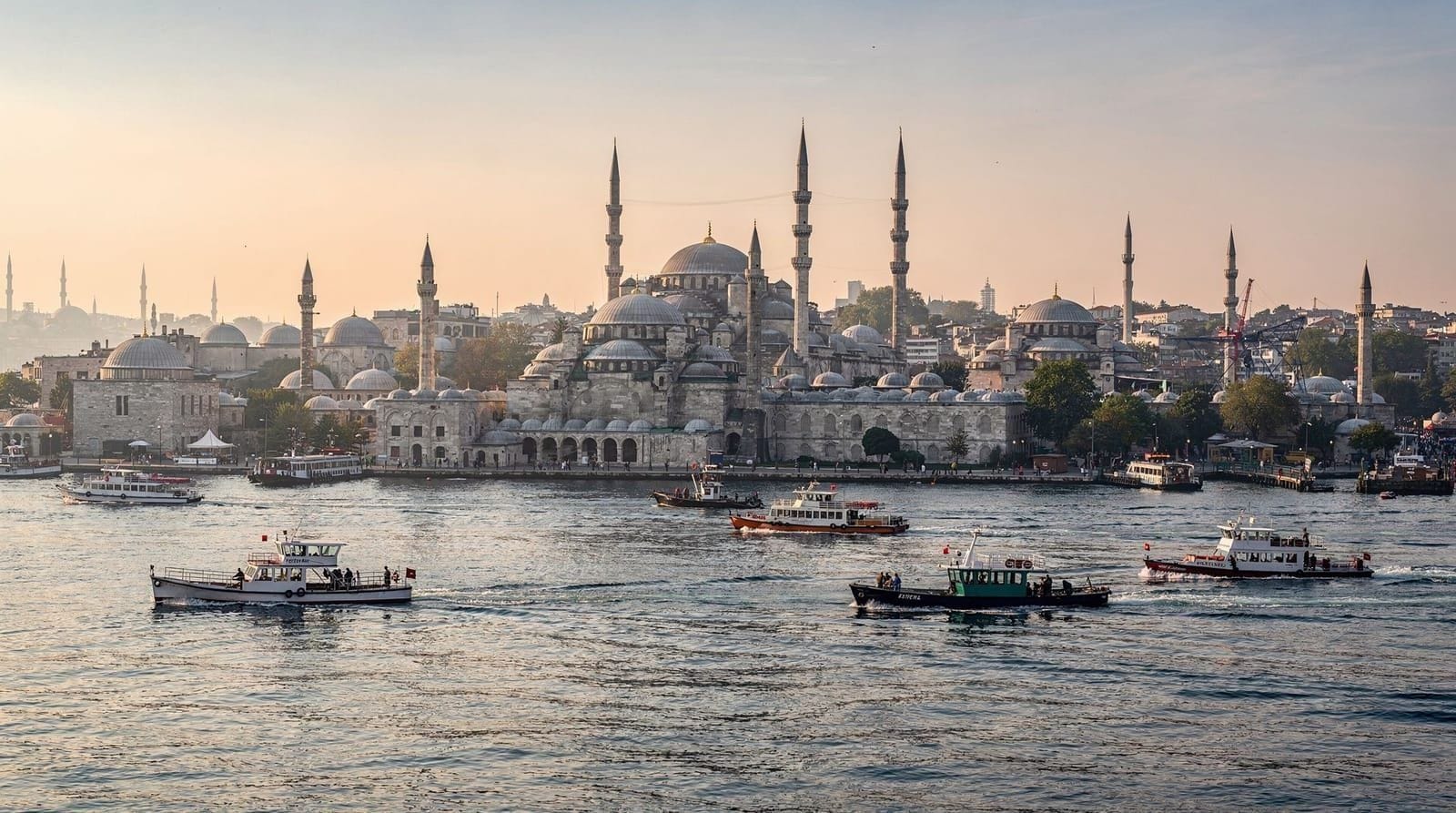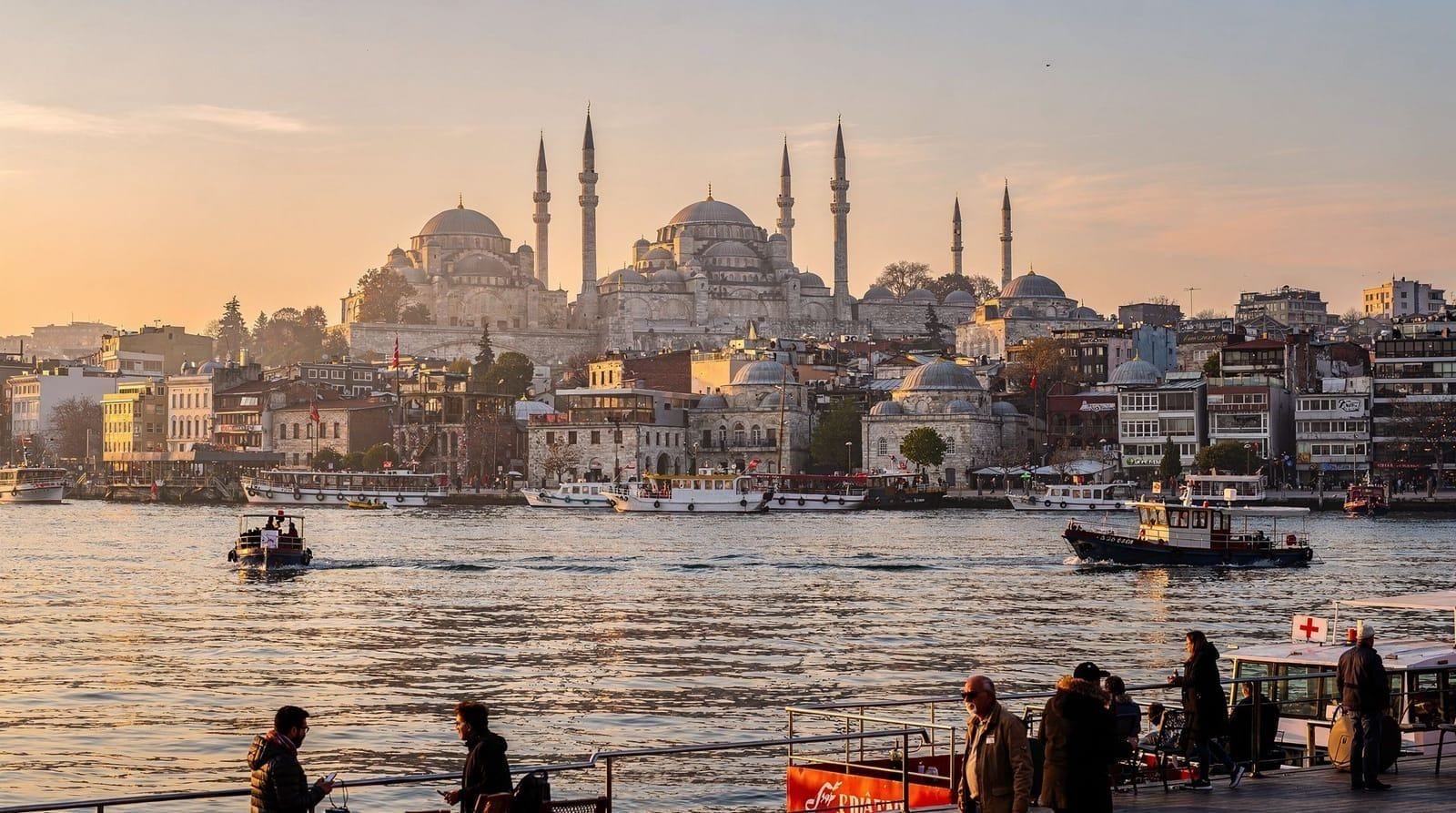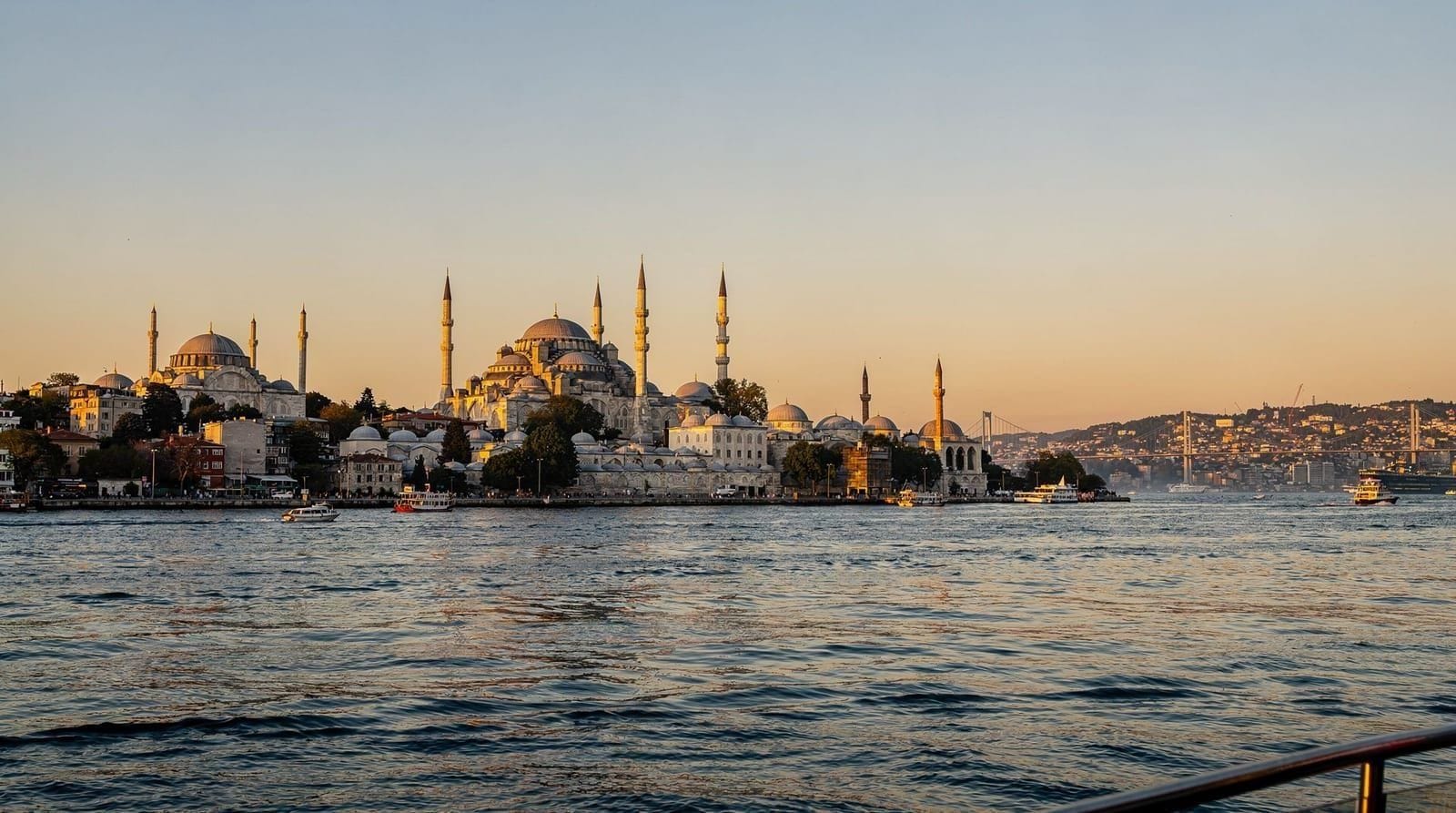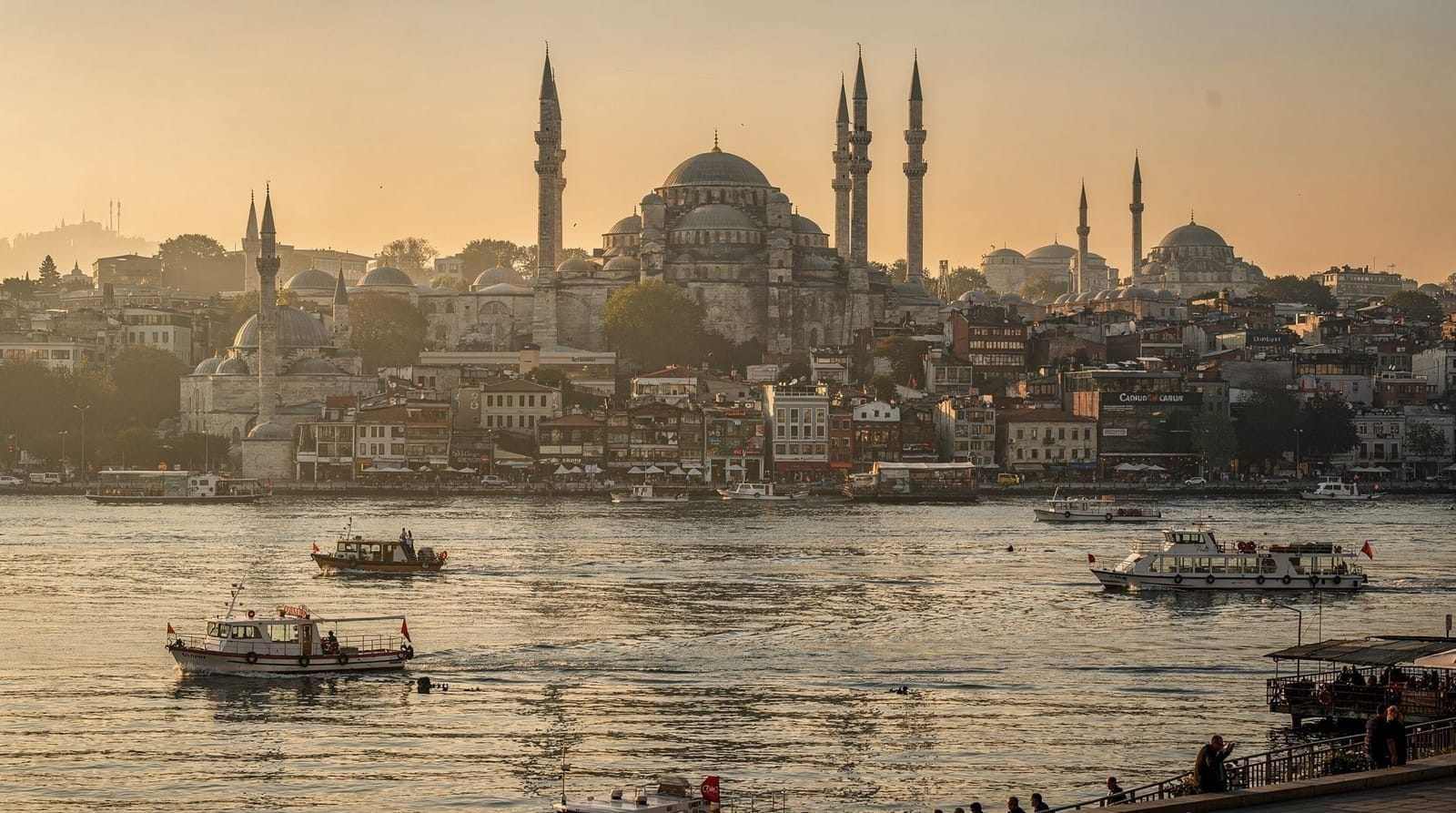
European vs Asian side of Istanbul
Istanbul: Asian Side Uskudar & Kadikoy Tour with Lunch
What is the difference between the European and Asian sides of Istanbul?
The European side holds almost all major historical sites (Hagia Sophia, Topkapı, Grand Bazaar). The Asian side (Kadıköy, Üsküdar) is quieter, more residential, and known for excellent food. Most tourists stay European; those seeking a local neighbourhood experience increasingly choose the Asian side. Both are connected by 20-minute ferries.
One city, two continents — genuinely different
Istanbul is the only major city in the world that spans two continents. This is not merely geographical trivia: the European and Asian sides of Istanbul have meaningfully different characters, atmospheres, and visitor profiles.
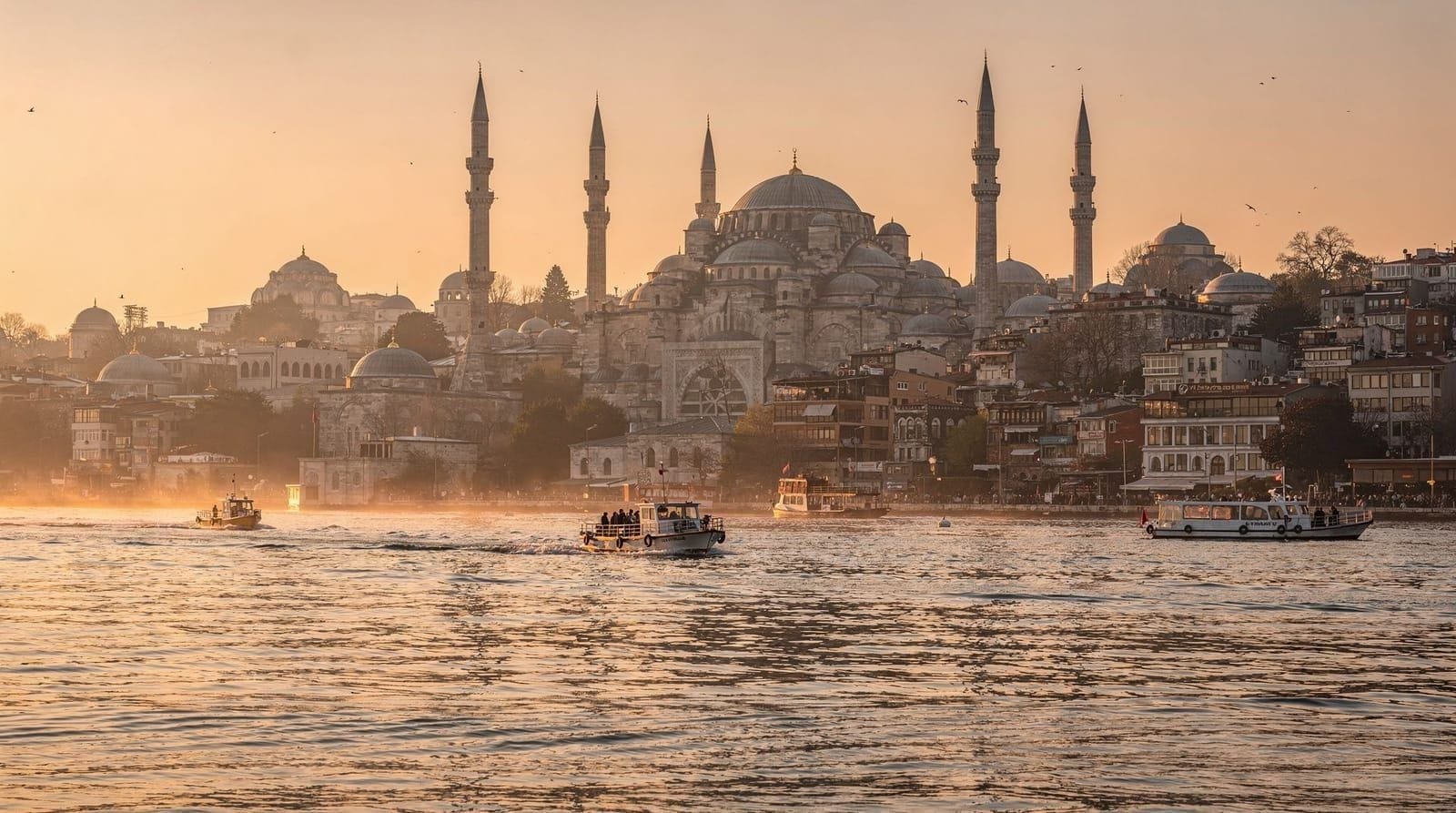
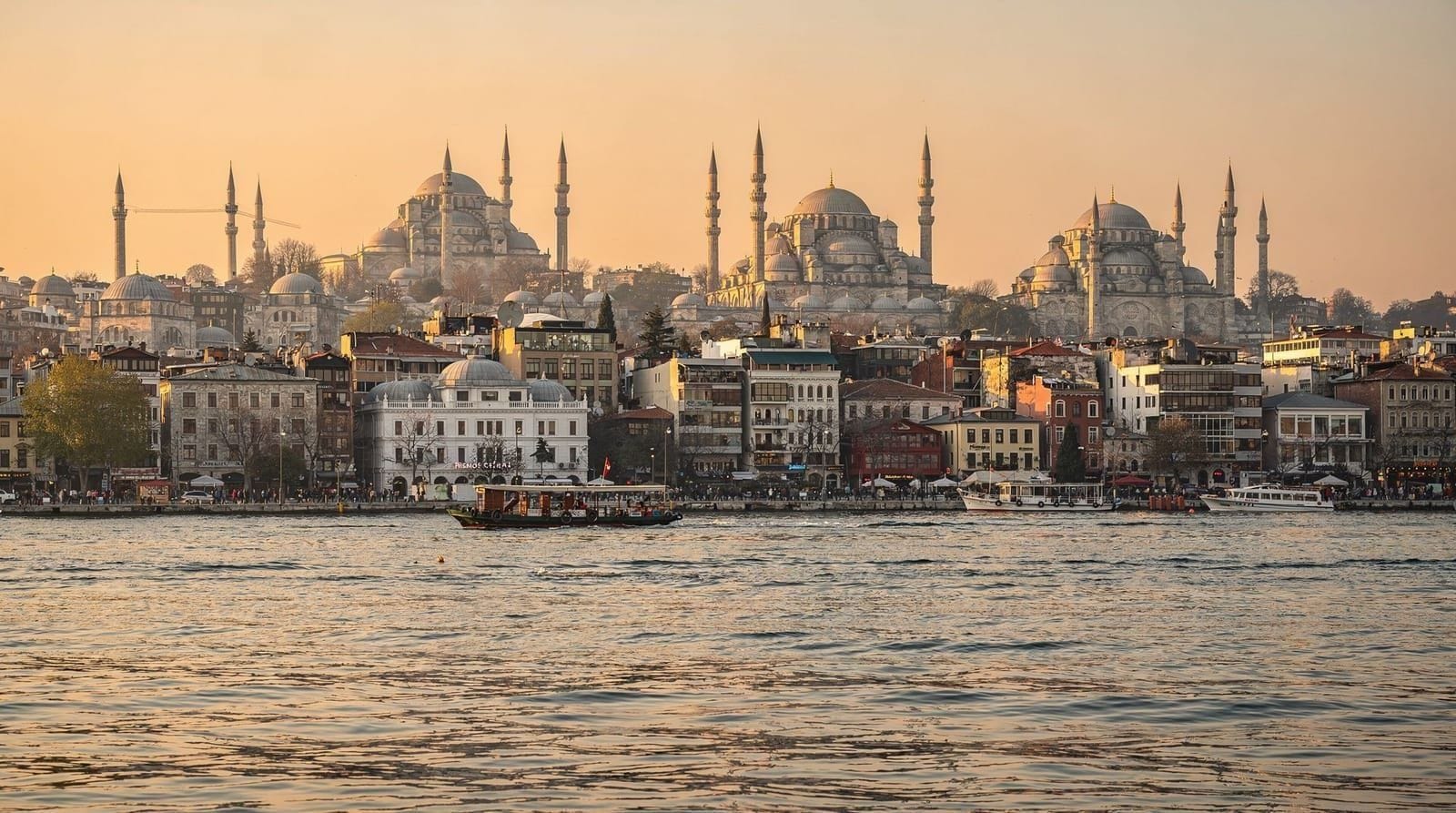
The European side — Sultanahmet, Beyoğlu, Galata, Karaköy, Balat — holds virtually all of Istanbul’s famous historical monuments and attracts the vast majority of tourists. The Asian side — Kadıköy, Üsküdar, Bostancı, Moda — is primarily residential, with a reputation for Istanbul’s best food culture and a pace of life noticeably slower and more local.
The two sides are connected by 20-minute public ferries — frequent, cheap, scenic. Getting between them is easy. The question is how to allocate your time.
| Where | European (Sultanahmet/Beyoğlu) vs Asian (Kadıköy/Üsküdar), Istanbul |
| Getting across | Public ferry, ~20 min, Istanbulkart |
| Time needed | Half a day minimum for the Asian side |
| Cost | Ferry fare only (Istanbulkart tariff) |
| Best for | European: monuments; Asian: food and local feel |
European side: the grand tour
Sultanahmet (Old City)
The historic peninsula that was Constantinople, then Byzantium. Within a 1km radius: Hagia Sophia, the Blue Mosque, Topkapı Palace, the Basilica Cistern, the Grand Bazaar, the Spice Bazaar, the Hippodrome. This is the densest concentration of top-tier historical monuments in Istanbul.
The character of Sultanahmet today is heavily tourist-oriented. Hotels range from budget guesthouses to the Four Seasons Sultanahmet (converted from a 19th-century prison). Restaurants near the main sites are often overpriced relative to quality. Touts near the Grand Bazaar and the mosque entrances are persistent. This doesn’t undermine the monuments themselves — they are extraordinary — but the surrounding tourist infrastructure should be approached with expectations calibrated accordingly.
For first-time visitors, staying in Sultanahmet is practical: you wake up within walking distance of everything and can use early mornings (before 9am) effectively.
Beyoğlu, Galata, Karaköy, Balat
The modern European quarter north of the Golden Horn. Beyoğlu’s İstiklal Caddesi is a 1.5km pedestrian boulevard with shops, music venues, and cafes. Galata Tower anchors the lower end. Karaköy, at the waterfront, has become Istanbul’s most curated neighbourhood — specialty coffee shops, fish restaurants, and a relaxed waterside atmosphere.
Balat and Fener, further up the Golden Horn, are the historically Jewish and Greek Orthodox neighbourhoods — colourful painted wooden houses, quiet streets, and some of Istanbul’s best brunch spots (Kiva Han, Forno Balat). These areas feel more lived-in than Sultanahmet and less tourist-saturated.
Practical European side note
The tram T1 runs from Kabataş through Beyoğlu, Karaköy, Eminönü, to Sultanahmet — the most tourist-relevant route. The Marmaray connects from Sirkeci (near Sultanahmet) under the Bosphorus to the Asian side.
Asian side: a different Istanbul
Kadıköy
The most visited Asian-side neighbourhood for tourists. Kadıköy’s covered market (Kadıköy Pazarı) is one of Istanbul’s great food experiences — stalls of aged Turkish cheeses, diverse olives, fresh fish, pastırma, pickles, and seasonal produce. The market is liveliest on weekend mornings.
Çiya Sofrası (Güneslibahçe Sk.) is the neighbourhood’s most celebrated restaurant. Chef Musa Dağdeviren has spent decades documenting and recreating disappearing regional Anatolian recipes — from Antakya-style stews to Kurdish dishes rarely seen elsewhere. Prices are modest; queues are common at lunch.
The Moda sub-neighbourhood of Kadıköy has a dense café culture, bookshops, and a weekend flea market. Its residents are typically young, educated Istanbullus — the atmosphere is closer to Berlin’s Prenzlauer Berg than the tourist-managed zones of Sultanahmet. See the Kadıköy neighbourhood guide for a fuller street-by-street breakdown, and the Asian side Istanbul guide for how to link it with Üsküdar in one trip.
For comparison, Beyoğlu on the European side has the closest equivalent café-and-nightlife energy to Moda, but with a far higher density of tourists and a more international restaurant scene rather than Kadıköy’s Anatolian regional focus.
Üsküdar
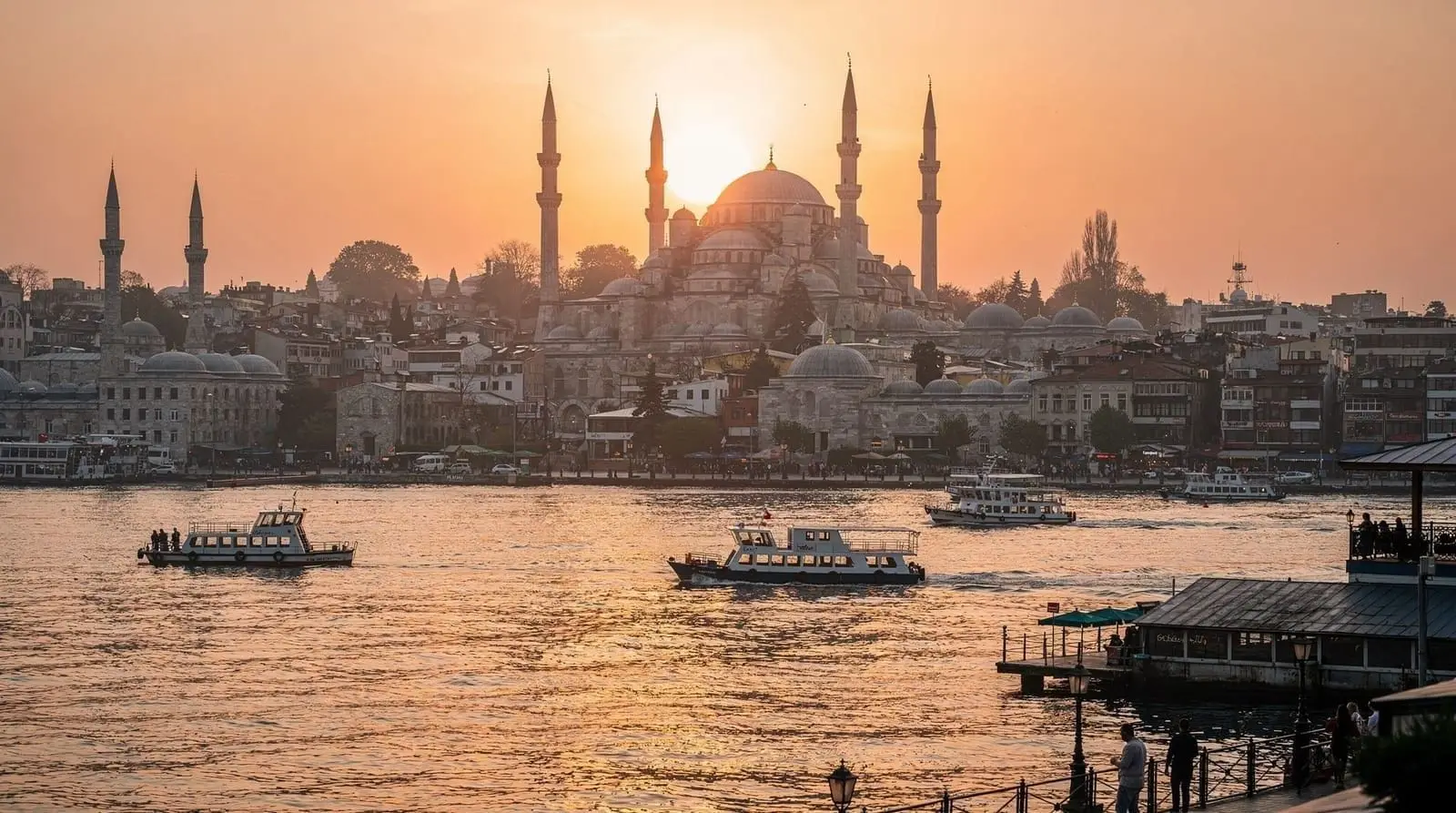
The more conservative, quieter of the two main Asian-side districts. Üsküdar faces Eminönü across the water and has a strong Ottoman religious character — several fine mosques line its waterfront, including the Mihrimah Sultan Mosque and the Yeni Valide Mosque.
The Maiden’s Tower (Kız Kulesi) stands in the water just offshore from Üsküdar — a small tower with a history ranging from Byzantine customs house to Ottoman lighthouse to current restaurant. The ferry-taxi to the tower is a short ride and costs separately. Full visiting details, including the boat schedule and what’s inside, are in the Maiden’s Tower visiting guide. For Üsküdar itself, see the Üsküdar neighbourhood guide.
Çamlıca Hill above Üsküdar has the city’s highest vantage point (with the new mega-mosque, completed 2019) and a clear-day panorama of the entire Bosphorus and Princes’ Islands.
Bağcılar, Bostancı, and further Asian suburbs
Beyond Kadıköy and Üsküdar, the Asian side stretches into extensive residential suburbs. For tourists, the interesting zone is within 20 minutes’ walk of Kadıköy ferry pier or the Üsküdar ferry pier.
Where to stay: European vs Asian
| Criterion | European (Sultanahmet/Beyoğlu) | Asian (Kadıköy/Üsküdar) |
|---|---|---|
| Access to major sites | Walking distance | 20-min ferry + walk |
| Hotel price (mid-range) | Higher | Lower |
| Neighbourhood atmosphere | Tourist-heavy (old city) / hip (Beyoğlu) | Genuinely local |
| Food scene | Strong (Beyoğlu/Karaköy) | Exceptional (Kadıköy) |
| Nightlife | Better (Beyoğlu) | Good (Kadıköy) |
| Quiet/relaxed feel | Less (old city); more (Balat) | More |
| Best for | First-timers; monument-focus trips | Returning visitors; food focus; local experience |
Recommendation: First visit to Istanbul — stay European, ideally in Sultanahmet or Karaköy for easy monument access. Second visit or extended stay — consider Kadıköy for a fundamentally different experience of the city.
The ferry as an experience in itself
The public ferry between Karaköy and Kadıköy (or Eminönü and Üsküdar) is not just transport — it’s a 20-minute Bosphorus crossing that most Istanbul residents do daily. On the ferry: çay sellers walking the aisles, seagulls hovering at the upper deck, the skyline shifting from European minarets to Asian shore.
This short crossing is the simplest answer to “should I see the Asian side?” — the ferry itself is the experience, and stepping off at Kadıköy for a 3-hour food exploration makes a day on the Asian side easily worthwhile even from a Sultanahmet base.
See Istanbul ferries guide for routes and Istanbulkart pricing.
Also worth considering: the Bosphorus sightseeing cruise covers both shores in a single 2-hour arc — a good orientation that contextualises the two sides.
Getting between the two sides: detailed options
The logistics of crossing the Bosphorus matter for a trip that includes both sides. Here are all the options in practical detail.
Public ferry (best for most purposes)
The public ferry network (operated by IDO and Şehir Hatları) has multiple routes between the European and Asian sides:
Eminönü → Kadıköy: 20 minutes. Departures roughly every 20–30 minutes during the day. Covered by Istanbulkart. This is the standard tourist crossing — convenient from central Sultanahmet (10-minute tram ride to Eminönü).
Karaköy → Kadıköy: Similar route, departing from Karaköy pier rather than Eminönü. Slightly shorter walk from Galata area.
Eminönü → Üsküdar: 15–20 minutes. Departures very frequent (every 10–15 minutes peak hours). Covered by Istanbulkart.
Kabataş → Kadıköy: A slightly longer route along the Bosphorus; more scenic than the direct crossing.
Marmaray (fastest, less scenic)
The Marmaray rail tunnel under the Bosphorus connects Sirkeci station (near Sultanahmet) to Ayrılık Çeşmesi on the Asian side in approximately 10 minutes. From Ayrılık Çeşmesi, connect to metro M4 for Kadıköy. Total time European central → Kadıköy: approximately 25–30 minutes. Covered by Istanbulkart. The tunnel section is efficient but lacks the scenic experience of the ferry.
Taxi or private transfer
Taxis cross the Bosphorus via the Bosphorus Bridge (Boğaz Köprüsü / Fatih Sultan Mehmet Bridge). Journey time depends heavily on traffic: 20–40 minutes in off-peak, 60–90 minutes in rush hour. The bridge toll (approximately 10–20 TRY) is added to the meter fare.
For predictable timing (e.g., airport connection, early morning), private transfer is more reliable than taxi in traffic.
If you’re flying into Sabiha Gökçen (SAW), you’re effectively already on the Asian side on arrival — a useful fact for trip planning. Some visitors base their first night near SAW and start their Istanbul trip with Kadıköy or Üsküdar before crossing to Sultanahmet, rather than the more common reverse order. Either direction works; what matters is building at least one deliberate crossing into your itinerary rather than treating the Bosphorus as a barrier to route around.
Bridge crossing on foot or bike
There is no pedestrian crossing of the Bosphorus Bridge. Cycling between the two sides requires the Marmaray rail connection (bikes allowed in off-peak hours) or the bridge — also no cycling on the bridges. The ferry is the only practical non-motorised Bosphorus crossing.
Day programmes for each side
European side day programme (monument focus)
Morning: Hagia Sophia (arrive 9am) → Basilica Cistern (late morning) → lunch in the Sultanahmet backstreets
Afternoon: Grand Bazaar (enter from the Beyazıt side; 30–45 minutes) → walk to Süleymaniye Mosque (15 minutes uphill; free) → Golden Horn view from Süleymaniye terrace
Evening: Ferry from Eminönü pier with the sunset crowd → dinner in Karaköy
Asian side day programme (food and neighbourhood focus)
Morning: Ferry from Eminönü to Kadıköy (8:30am; before peak) → Kadıköy Pazarı covered market (9–11am; best energy) → breakfast at neighbourhood lokanta
Midday: Çiya Sofrası for lunch (arrive by 12pm to avoid the queue)
Afternoon: Walk from Kadıköy to Moda neighbourhood (20 minutes along the coast; café strip, bookshops) → or taxi to Üsküdar for the Mihrimah Sultan Mosque and waterfront
Late afternoon: Kız Kulesi (Maiden’s Tower) ferry-taxi from Üsküdar (separate ticket; small boat) → 30–45 minutes at the tower → return ferry to Karaköy
What you’ll actually notice within an hour of crossing
The change in atmosphere is immediate and physical, not just a matter of statistics. Stepping off the ferry at Kadıköy, the first thing most visitors notice is the absence of the persistent touts and carpet-shop invitations common around Sultanahmet — nobody on the Asian side is trying to sell you anything as you walk past. Menus in Kadıköy restaurants are frequently untranslated or only partially translated, a small but telling sign that the neighbourhood isn’t built primarily around visitors.
Prices at the Kadıköy market and neighbourhood lokantas run noticeably lower than equivalent food in Sultanahmet or Beyoğlu, partly because there’s less tourist-driven inflation and partly because it’s simply a residential shopping district rather than a destination. None of this makes the Asian side “better” — it makes it different, and that difference is the entire reason to cross the water at all.
Combining both sides in one trip
Most itineraries work best when the two sides are treated as complementary rather than competing. Give the monuments their own days first: the Hagia Sophia visiting guide and the Topkapı Palace visiting guide are good places to start, and the Istanbul in one day plan shows how much of the old city fits into a single outing. Once those are done, a slower day across the water feels like a reward rather than a detour.
If you are still deciding where to sleep, the where to stay in Istanbul guide and the Sultanahmet vs Beyoğlu comparison go deeper on the European options, while the Istanbul neighbourhoods overview puts every district on one map. For the wider picture of how long to spend, see how many days in Istanbul.
For ready-made routes that already weave a crossing into the schedule, the three-day Istanbul itinerary and the Istanbul for couples itinerary are useful starting points. Foodies will want the Istanbul foodie itinerary, which fits naturally with a Kadıköy morning. Details on Kadıköy and Üsküdar as destinations are also available if you want a quick overview before you cross.
Frequently asked questions about European vs Asian side of Istanbul
Should I stay on the European or Asian side of Istanbul?
How do I get between the two sides?
Is the Asian side worth visiting as a day trip?
Are there historical sites on the Asian side?
Which side has better food?
Is the Asian side less touristy?
Top experiences
Bookable activities with verified prices and instant confirmation on GetYourGuide.