Belly dance show Istanbul — where to see quality performances in 2026
Istanbul: Belly Dancing, Show & Dinner at Sultana's
Where can I see belly dance in Istanbul?
Sultana's in Sultanahmet is the most cited dedicated belly dance dinner venue (€70–90). The larger Turkish night shows (1001 Turkish Night) include belly dance as part of a variety programme. For genuine çiftetelli (Turkish folk belly dance tradition), a live music meyhane that books a performer occasionally is harder to find but more authentic than the dinner show circuit.
Quick answer: Sultana’s in Sultanahmet is the most consistent dedicated belly dance dinner venue at €70–90. For a comprehensive evening (belly dance + Sema + folk), the 1001 Turkish Night at €85–100 is the most efficient package. Advance booking of 2–3 days prevents disappointment.
| Where | Sultanahmet (Sultana’s) or Beyoğlu-area variety venues |
| Cost | Around €40–55 show-only, €70–100 with dinner |
| Time needed | 90 minutes (show-only) to 2–3 hours (dinner show) |
| Booking | 2–4 days ahead on weekends and in peak season |
| Dress code | Smart casual — treat it like a nice dinner out |
Turkish belly dance: context before show
Belly dance in Istanbul is simultaneously a genuine folk tradition, an Ottoman court entertainment form, and a tourist-facing theatrical production. These three things coexist without contradiction, but they are different experiences.
The tourist version — the dinner shows, the staged performances — is a professional theatrical elaboration rather than a spontaneous or ceremonial expression. This doesn’t make it bad entertainment. But understanding what you’re watching helps calibrate what you’ll get.
The traditional çiftetelli has roots in the Eastern Mediterranean Romani (Gypsy) culture that has shaped Turkish folk music and dance for centuries. The music underneath the dance (davul-zurna, a drum and double-reed instrument combination, in village contexts; or oud, kanun, and percussion in meyhane contexts) is genuine Turkish folk music.
What happens in an Istanbul dinner show is: trained professional performers, elaborate costumes, theatrical staging, and audience interaction — a polished presentation of a performance tradition.
Where to see belly dance in Istanbul
Sultana’s
A dedicated dinner-and-show venue in Sultanahmet with a longer-running reputation than most competitors. The format: dinner of meze, main course, and dessert; a variety show that places the belly dance performance at the centre rather than as one of many entertainment acts.
Sultana’s has historically been cited as better quality for the belly dance component specifically because it is not buried within a larger variety show. The performer receives longer stage time and the context is focused.
Price (2026): €70–90 per person including dinner.
The Hodjapasha “Rhythm of the Dance” show
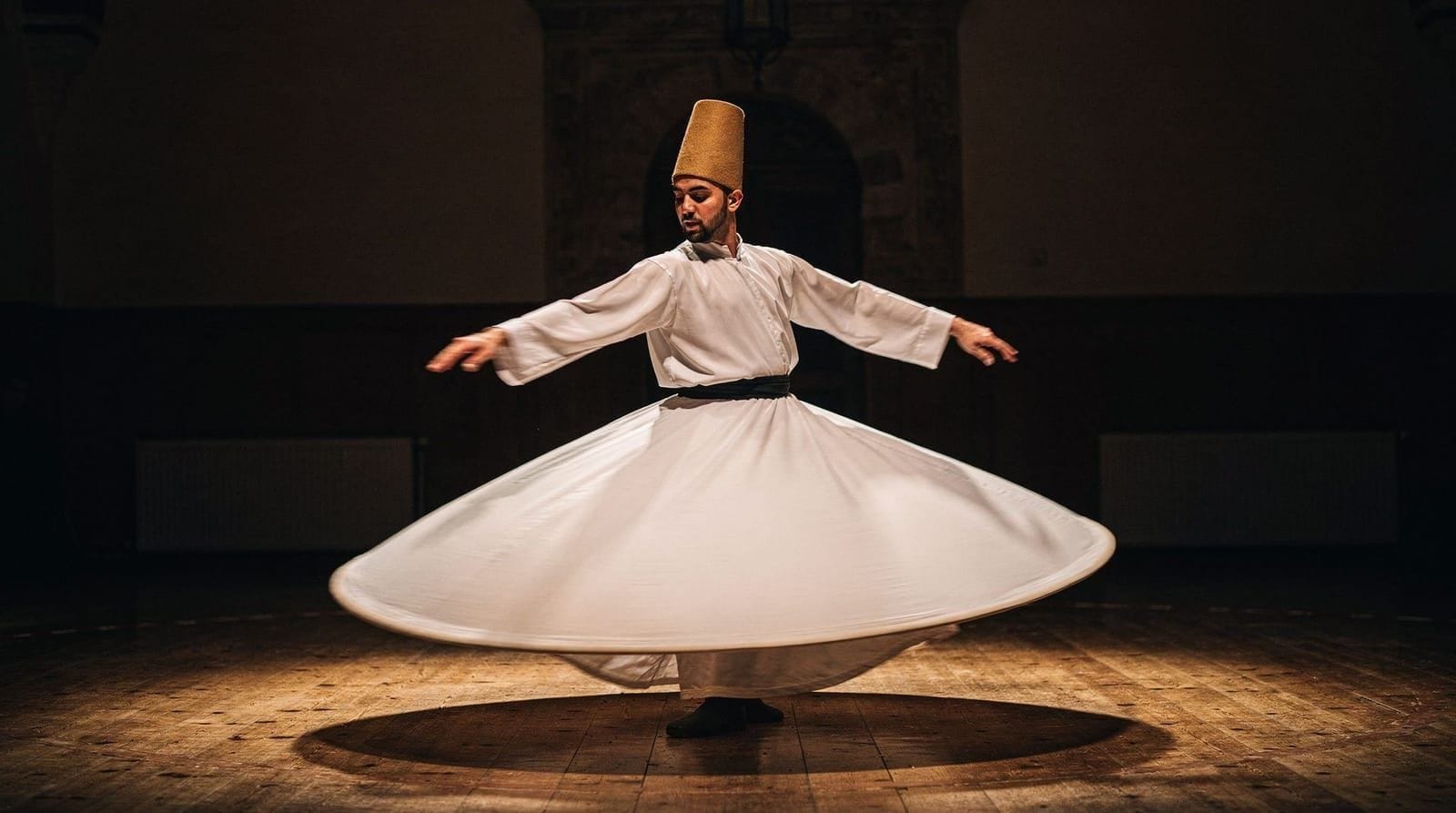
Hodjapasha, primarily known for its whirling dervish Sema performances, also runs a broader variety show (Rhythm of the Dance) that includes multiple performance elements — Sema, folk dance, and belly dance in a single programme. Different from the dedicated Sema ceremony and different from the dinner shows.
This format allows you to see multiple performance traditions without the dinner cost. More culturally varied than Sultana’s, less focused on belly dance specifically.
Price (2026): €40–55 show-only.
Turkish night shows
The large-format Turkish night shows (1001 Turkish Night, Sultana’s larger-format evening, and similar) include belly dance as part of a variety programme. The belly dance component is typically 20–30 minutes of a 2+ hour programme.
For visitors who want a complete evening with multiple entertainment elements and a full dinner, this is the most efficient format. For visitors who specifically want to focus on belly dance as a performance art, Sultana’s dedicated format is better.
See the Turkish night show guide for the full variety show comparison.
What a quality belly dance performance looks like
For visitors who have limited familiarity with the form, understanding what to look for in a skilled performance:
Isolation control: The most fundamental technical skill is the ability to move specific body parts independently — hips independently of shoulders, ribcage independently of hips. A skilled dancer appears boneless in specific areas while other parts stay controlled.
Floor work: The traditional Turkish belly dance vocabulary includes floor-level movements (the dancer descends to floor level and rises back) that require considerable core strength and body control.
Musical interpretation: The best performers visibly respond to specific musical phrases — the drum patterns, the kanun ornaments, the vocal inflections. The dance should feel like it is listening to the music rather than following a fixed choreography.
Audience interaction: Turkish belly dance has always been partly interactive — the dancer moves through the audience, selects volunteers, creates individual moments. This is traditional rather than a tourist add-on.
Veil work: The entrance with a long silk veil is a theatrical element largely borrowed from Egyptian stage conventions, not traditional çiftetelli — but it is visually striking and now standard in shows.
The authentic vs. theatrical debate
Critics of tourist belly dance shows in Istanbul point out that the theatrical version performed in dinner shows has diverged significantly from the folk tradition. This is accurate. The Turkish çiftetelli as performed at a village wedding or a Romani celebration is improvised, embedded in community, and lacks the theatrical distance of a staged show.
The counter-argument: theatrical belly dance has its own artistic integrity. The best performers at Istanbul shows are trained professionals executing a specific performance art — just not the same art as the folk original.
For visitors specifically interested in the authentic folk tradition: it is accessible in specific meyhanes that occasionally book Romani performers, in certain festivals, and in specific neighbourhood contexts. This is not easy to access as a tourist and requires Turkish-language navigation.
For a quality evening entertainment experience: the dedicated show venues deliver what they promise.
Combining the belly dance show with your Istanbul evening
Option 1 — Show-focused evening: A 6:30pm Sema ceremony at Hodjapasha (1 hour, €35) followed by dinner at a Beyoğlu meyhane (2 hours, 600 TRY), finishing at Sultana’s or a rooftop bar.
Option 2 — Single evening package: Directly to Sultana’s at 8pm for dinner and the show (€75). Efficient, complete, 3-hour evening.
Option 3 — Show + nightlife: Turkish night show from 8–11pm, then bars in Beyoğlu or Karaköy until the early hours.
For the 1-day Istanbul itinerary, an evening show is the most efficient way to include cultural entertainment within tight timing constraints.
Practical booking information
Advance booking: Sultana’s books 2–4 days ahead on weekends and in peak season. Weekday evenings are usually available same-day or next-day.
What to bring: Cash for tips if you participate in the audience interaction element. Card payment is accepted at all formal dinner-show venues.
Dress code: Smart casual. The atmosphere is an evening entertainment venue, not a restaurant or nightclub.
Duration: Dedicated shows at Sultana’s run approximately 2 hours including dinner. The Hodjapasha variety show runs approximately 90 minutes show-only.
Dietary restrictions: Inform the venue when booking — most dinner shows accommodate vegetarian needs with advance notice.
Seating: Dedicated venues like Sultana’s typically seat guests at shared long tables rather than private tables, which suits the interactive nature of the show but is worth knowing if you were expecting a private booth. If a private table matters to you, ask specifically when booking — some venues offer it for a premium.
Photography and video: Most venues allow photography without flash; video recording policies vary by venue and sometimes by performer, so ask before filming a full routine rather than assuming it’s fine.
The çiftetelli tradition: deeper context
For visitors who want to understand what they’re watching beyond the entertainment surface, the çiftetelli has a specific character worth knowing.
The word çiftetelli refers to both a rhythmic structure (a 2+2+3+3 meter pattern in Turkish music, also called çifteli) and the associated improvisational dance tradition. The dance is built around rhythmic improvisation rather than fixed choreography — the dancer responds to live music phrase by phrase, which is why live music produces significantly better performances than recorded tracks.
The Romani influence: The Ottoman empire’s Romani population (concentrated in certain Istanbul neighbourhoods, historically in Sulukule near the old city walls) was the primary carrier of this dance tradition. Romani performers played at weddings, celebrations, and meyhanes. The theatrical performance version seen in shows is a derived, stageable adaptation of an improvised social tradition.
The gender complexity: In the Ottoman meyhane tradition, çiftetelli was performed by male Romani performers (köçek) as well as by women. The köçek tradition — young men dancing for male audiences in feminised costumes — was simultaneously important and controversial in Ottoman cultural life, eventually banned in 1857 before being revived informally. The all-female belly dance performance in modern shows is a later theatrical convention.
Contemporary developments: Istanbul has several choreographers and performance artists working with the çiftetelli tradition in contemporary frameworks — using the movement vocabulary while questioning its presentation conventions. This work is found in arts venues in Beyoğlu and Kadıköy, not in tourist dinner shows. It is harder to access but represents a genuinely contemporary engagement with the tradition.
How belly dance fits into an Istanbul shows itinerary
The whirling dervishes guide covers the Sema ceremony — a spiritually distinct tradition often presented alongside belly dance in variety shows. The Turkish night show guide covers the full variety show context.
For a comprehensive evening of Istanbul’s performance traditions:
- Afternoon: Sema ceremony at Hodjapasha (1 hour, €35) — the most spiritually serious
- Evening: Dinner at a Beyoğlu meyhane with live fasıl music (2 hours, 600 TRY)
- Night: Optional belly dance show at Sultana’s (€75 show-only if available, or €90 with dinner)
This sequence covers the breadth of Istanbul’s performance traditions in a single day without any one element crowding out the others. The Sema, the meyhane fasıl, and the belly dance performance represent three distinct strands of Istanbul’s entertainment heritage — each worth experiencing on its own terms.
For visitors with limited time, the Turkish night show format (Sema + folk dance + belly dance in one 2-hour package) is the most time-efficient introduction, even if less individually focused. See the istanbul-1-day itinerary for how to structure this within a single-day visit.
Honest assessment: tourist show or genuine culture?
The question visitors sometimes ask is whether attending a belly dance dinner show is engaging with real Turkish culture or just consuming a tourist product. The honest answer is: both, at the same time.
The performers are trained professionals who have invested years in their craft. The music (when live) draws on genuine Ottoman classical and Romani folk traditions. The costumes, while elaborate, draw on specific regional aesthetics. The movement vocabulary, filtered through theatrical conventions, is a real art form.
At the same time: the dinner show context packages this for tourist consumption in ways that prioritise spectacle over cultural depth. The historical and Romani roots of the tradition are not typically explained. The audience interaction elements are designed for amusement rather than for understanding the improvisational tradition.
The most useful framing: a Turkish belly dance dinner show is to the çiftetelli tradition what a gondola ride is to Venetian maritime history — it provides a genuine, enjoyable taste of something real, in a format that has been adapted for visitor experience. Perfectly worth doing. Not a substitute for deeper engagement with the tradition if that matters to you.
For most visitors, a 2-hour dinner show with a skilled performer, live music, and a good meyhane setting provides a memorable evening and a first introduction to a performance tradition they didn’t know. That’s a reasonable result for an evening’s investment.
Pairing the show with the rest of your evening
A belly dance show works best as the anchor of an evening rather than a standalone errand. Base yourself in Sultanahmet if you’re going to Sultana’s, or cross to Beyoğlu for the variety-show venues and pair the evening with a meze-and-raki dinner beforehand — see the meze and rakı guide for how a proper Turkish table works if you want the full evening rather than just the show. If you’re staying out afterward, the rooftop bars guide and the broader Istanbul nightlife guide cover where to continue the night once the show wraps up.
1001 Turkish Night dinner show is the most efficient single booking if you want belly dance, Sema, and folk dance covered in one evening without assembling the pieces yourself.
Frequently asked questions about Belly dance show Istanbul — where to see quality performances in 2026
What is Turkish belly dance called?
Are Istanbul belly dance shows worth it?
How much does a belly dance show cost in Istanbul?
What is the best time to see a belly dance show in Istanbul?
Is belly dance a traditional Turkish art form?
Can men attend belly dance shows in Istanbul?
What should I wear to a belly dance show?
Top experiences
Bookable activities with verified prices and instant confirmation on GetYourGuide.