Ortaköy Mosque guide — visiting tips and what makes it special
Istanbul: Bosphorus Sightseeing Cruise with Sunset Option
What is the Ortaköy Mosque and is it worth visiting?
The Ortaköy Mosque (Büyük Mecidiye Camii, 1856) is a baroque Ottoman mosque sitting directly on the Bosphorus waterfront with the first Bosphorus Bridge framing it overhead. The interior is smaller than the exterior suggests. The main draw is the exterior composition and the neighbourhood. Free to enter; the Ortaköy square has excellent street food.
Ortaköy: the postcard mosque
The image of the Büyük Mecidiye Mosque in Ortaköy — white baroque towers and dome, with the first Bosphorus Bridge arching overhead in the background — is one of the most reproduced photographs of Istanbul. It appears on covers of travel guides, airline magazines, and Instagram feeds by the thousand. The composition works perfectly: the 19th-century mosque and the 1973 bridge, water and stone, two different centuries of Istanbul’s relationship with the strait.
Visiting the mosque in person confirms the photograph and adds what the photograph cannot show: the neighbourhood around it.
| Where | Ortaköy, European Bosphorus shore |
| Cost | Free entry; kumpir ~150–250 TRY |
| Time needed | 1–2 hours including the square |
| Getting there | Bus from Beşiktaş or Taksim (~15–20 min) |
| Best time | Early morning for photos, evening for food |
A short Ortaköy route
For visitors combining the mosque with the neighbourhood rather than a quick photo-and-leave, a workable order: arrive early (before 9 am) for the classic mosque-and-bridge photograph with an empty square, then have breakfast or coffee at one of the waterfront cafés while the square is still calm. By late morning the vendors set up, so return around lunchtime for kumpir and midye dolma, browsing the antiques stalls if it’s a Sunday. If time allows, continue the Bosphorus waterfront walk north toward Bebek — about 45 minutes past yalı mansions and smaller cafés, a quieter contrast to Ortaköy’s crowds.
Why Ortaköy suits a slow half-day
Many Bosphorus stops ask you to queue, buy a ticket and follow a set route. Ortaköy asks for none of that. You walk up, look, eat something, and leave when you feel like it. That makes it a useful pressure valve in a busy itinerary: after a morning in the big ticketed monuments of the old city, such as the Hagia Sophia or the Blue Mosque, an afternoon by the water with nothing booked feels like a different city. If you are still deciding how to shape your days, the one-day plan and the three-day plan both leave room for a waterfront stop like this one. If you would rather have the old-city mosques explained properly before you relax by the water, a guided Blue Mosque visit is an easy morning to pair with an unhurried Ortaköy afternoon.
It also pairs well with a slower rhythm. Travellers who like to wander, sit with a coffee and watch ferries pass will get more from Ortaköy than those who treat it as a checklist item. The mosque takes a few minutes to appreciate properly; the rest of the visit is atmosphere.
The mosque
The Büyük Mecidiye Mosque was built between 1854 and 1856 for Sultan Abdülmecid I — the same sultan who built Dolmabahçe Palace. The architect was Nikoğos Balyan, working with his father Garabet. Like Dolmabahçe, the mosque reflects the 19th-century Ottoman interest in European decorative languages: the two minarets have Corinthian-influenced capitals, the facade has European-style arched windows, and the overall composition mixes Ottoman mosque structure with baroque ornament.
The mosque sits directly on the Bosphorus waterfront. At high water, the base of the mosque terrace is at water level. The minaret reflections in the strait on calm mornings are frequently photographed.
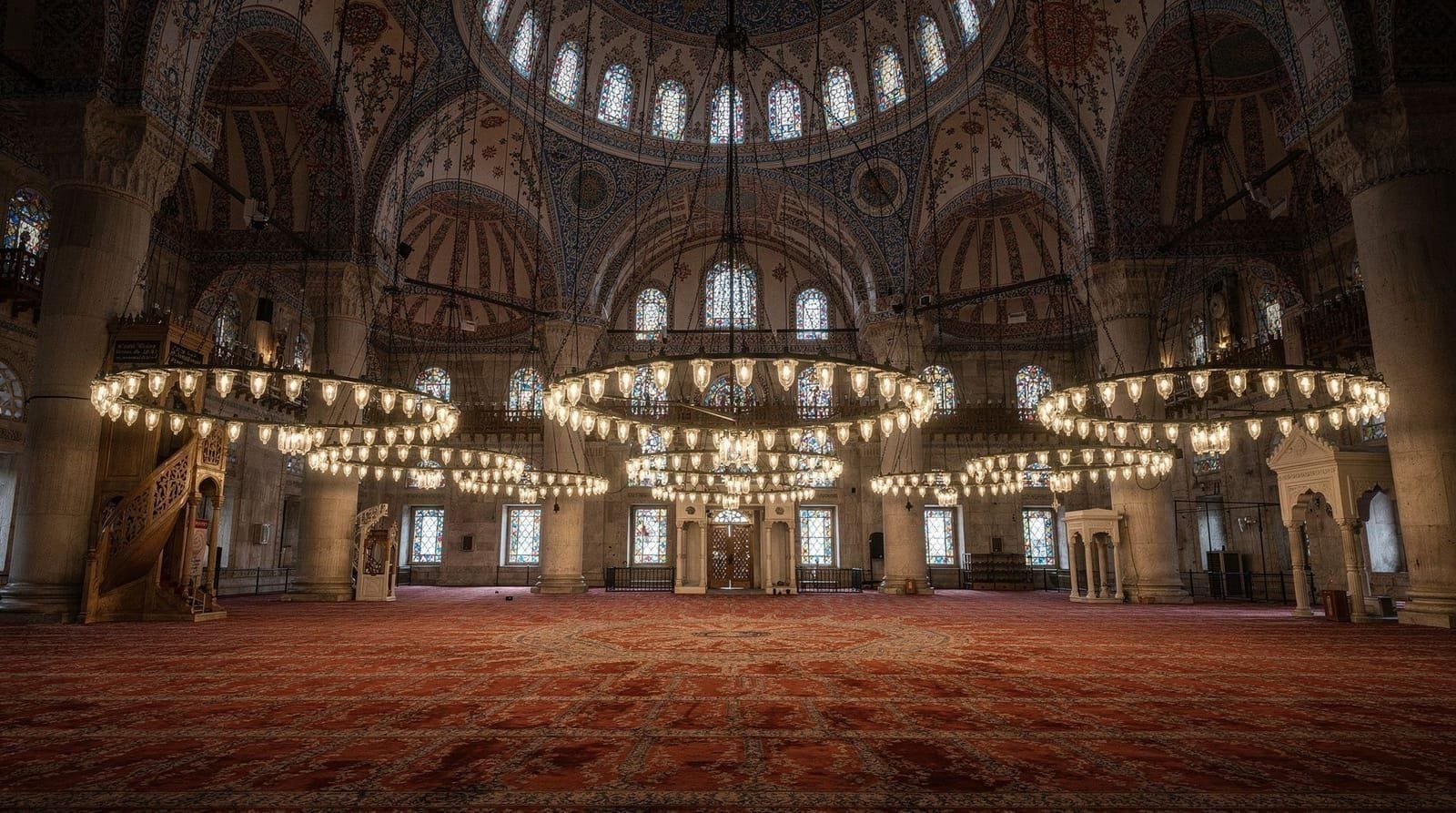
Interior: the main prayer hall is smaller than the exterior suggests. The ceiling decoration is elaborate; the galleries have standard 19th-century ornamental work. Not exceptional compared to the classical mosques but pleasant. Free to enter. Dress code applies. See Palaces & mosques.
The best photograph of the mosque
The classic composition — mosque in the foreground, bridge in the background — is taken from the small square in front of the mosque (facing northeast, toward the European Bosphorus shore). The best time is early morning (before 9 am) when the light is on the mosque from the east and the square is empty of vendors and tourists. By 10 am on weekends the square fills.
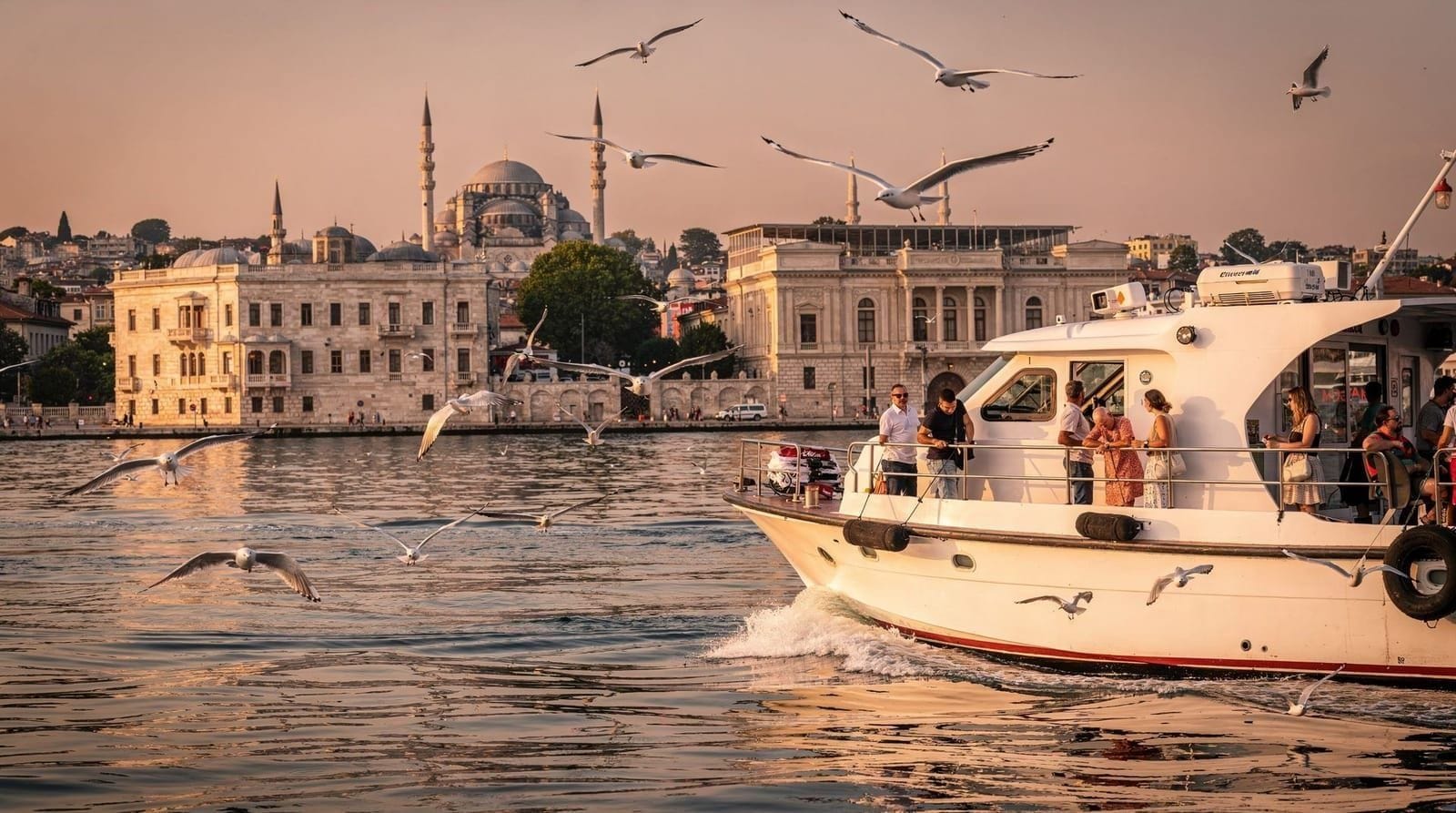
For the Bosphorus view with the mosque from the water, see a Bosphorus sightseeing cruise — the cruise passes directly in front of the mosque and gives the water-level perspective.
Etiquette inside the mosque
Büyük Mecidiye is a working mosque, so the usual rules apply even though it is small and often busy with photographers outside. Cover shoulders and knees, and women should carry a scarf for the hair. Shoes come off at the entrance and are carried or left on the racks provided. Keep your voice low, do not photograph worshippers, and step back if prayer is under way. If the mosque is closed to visitors at prayer time, the exterior and the square are still there to enjoy, and you can simply return later. For a fuller briefing that applies to every mosque in the city, read the mosque etiquette guide or the shorter mosque etiquette tips for visitors. Visitors who want to compare the options for a free visit can also browse free mosques in Istanbul and the wider best mosques in Istanbul list.
What to look for in the architecture
Look at the mosque from the water side first. The balance of the two slender minarets against the broad dome, the large arched windows that let light flood the prayer hall, and the carved stonework all show how comfortably Ottoman builders absorbed European ideas in the nineteenth century. Compare it with the Dolmabahçe complex just along the shore and you start to read a single architectural moment in two different buildings: one a palace, one a place of prayer. The Dolmabahçe Palace guide and the broader Istanbul architecture guide help put the mosque in context.
Inside, give your eyes a minute to adjust and then look up. The decoration is lighter and more airy than in the classical imperial mosques. If you have already seen the grand sixteenth-century works, such as the Süleymaniye Mosque, the contrast in mood is the interesting part: this is a gentler, more decorative building, designed to be admired from the strait as much as entered.
The Ortaköy neighbourhood
Ortaköy is a waterfront village that became a fashionable weekend destination in the 1980s and has remained one. The main square around the mosque has vendors selling kumpir and midye dolma, an antiques market on Sunday mornings (Ortaköy Flea Market), jewellery shops, and café s with Bosphorus views.
Kumpir: the baked stuffed potato native to Ortaköy is widely available across Istanbul but the Ortaköy versions are generally the most generous and best-topped. Vendors operate from the small square and the streets behind it. Price approximately 150–250 TRY (~5–8 USD) depending on toppings. Eat standing outside.
Midye dolma: stuffed mussels, served one at a time with a squeeze of lemon, are sold from carts throughout the square. ~10–15 TRY per mussel. Among the best street food snacks in Istanbul.
Antiques market (Sundays): Ortaköy’s Sunday antiques market in the streets around the mosque has a mix of genuine vintage items and tourist craft goods. Better for browsing than buying at first glance.
Cafés: the waterfront cafés and the streets behind the mosque square have good coffee options. Weekday mornings are the best time for a quiet café experience.
See Ortaköy for a full neighbourhood guide.
Getting there and combining with other sites
Ortaköy sits on the European Bosphorus shore between Beşiktaş and the first bridge. By bus from Beşiktaş (15–20 minutes) or Taksim (15 minutes). The waterfront walk from Beşiktaş along Muallim Naci Caddesi takes about 30 minutes and passes the Çırağan Palace on the way — a pleasant route in good weather.
Natural combinations:
- Dolmabahçe Palace (10 minutes east by bus or taxi): the 19th-century palace and the Ortaköy mosque are from the same period and reflect similar architectural sensibilities. See Palaces & mosques.
- Beşiktaş market: Ortaköy’s tourist atmosphere contrasts sharply with the local market around Beşiktaş ferry terminal, 15 minutes away. Worth the contrast.
- Bosphorus waterfront walk: north from Ortaköy toward Bebek and Arnavutköy, past yalı mansions and waterfront restaurants.
Seeing Ortaköy from the water
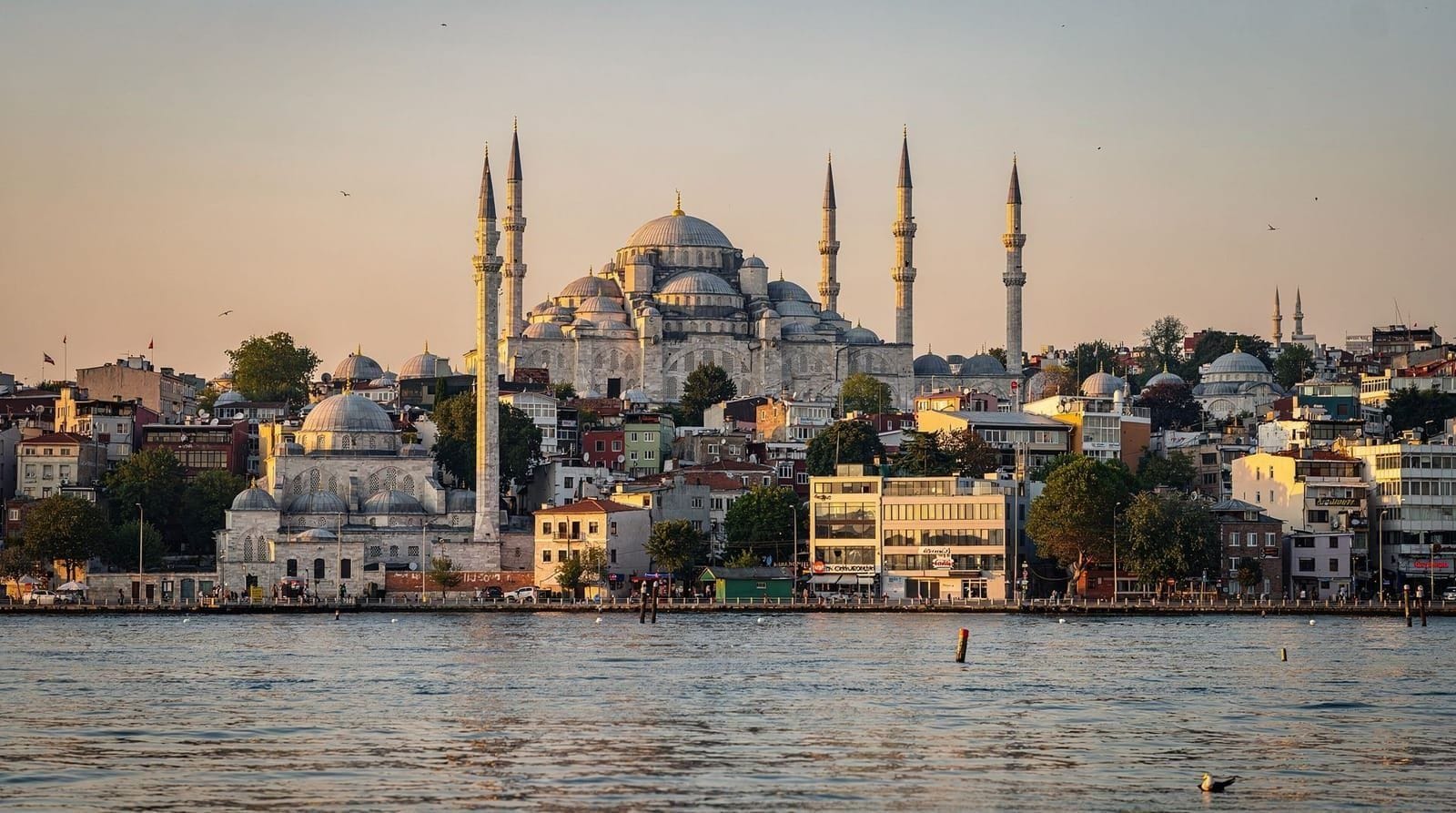
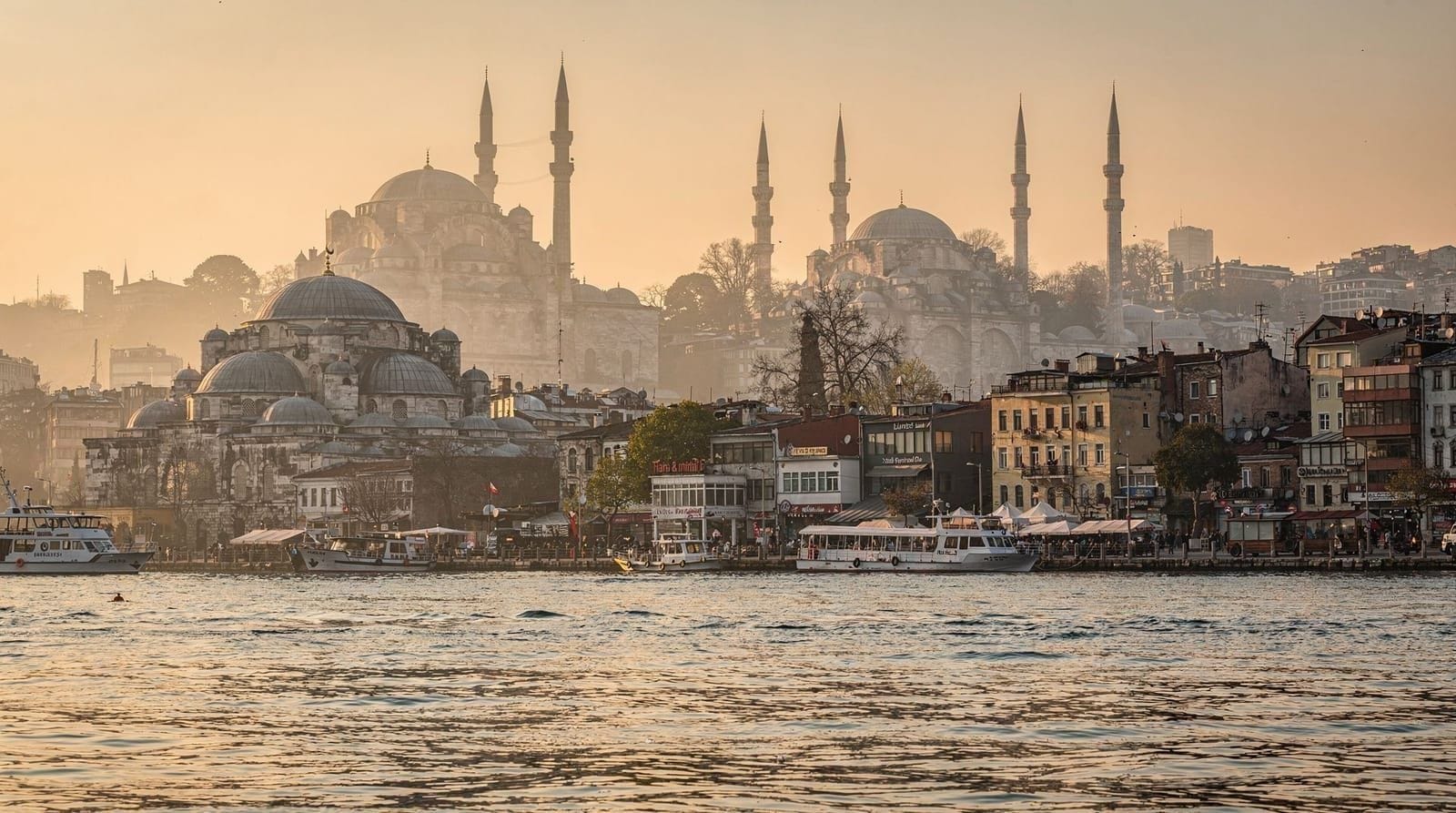
The mosque looks different from the strait, and many visitors say the view from a boat is the one that makes the postcard make sense. Comparing your options is worthwhile: the best Bosphorus cruise guide explains the main formats, and Bosphorus by public ferry covers the cheaper, more local way to see the shoreline. If you prefer to arrive at dusk, the Bosphorus sunset cruise guide shows how the light changes on the façade. For a general tour of what lines the shores, see the Bosphorus landmarks guide.
Where to go next
From Ortaköy the natural next steps follow the shore. Heading back toward the centre, Beşiktaş offers a real local market and ferry terminal, and the Beşiktaş neighbourhood guide suggests what to do there. Heading inland, Beyoğlu and İstiklal is an easy evening continuation. For other places with a strong view, the best views in Istanbul guide gathers more vantage points, and what to skip in Istanbul is a useful honest check if you are trimming a packed schedule. Getting around is covered in the Istanbul public transport guide.
On the Bosphorus bridge (Büyük Mecidiye Köprüsü)
The first Bosphorus Bridge — now officially named the 15 Temmuz Şehitler Köprüsü (15 July Martyrs’ Bridge) — spans the strait directly above the mosque. Both bridges are closed to pedestrians, so the famous view from the bridge itself is not accessible to visitors. The view of the bridge from the Ortaköy waterfront or from the water on a cruise is the available option.
For Bosphorus bridge context and the crossing of continents, see Bosphorus strait.
Practical tips for a smooth Ortaköy visit
A few small decisions make the difference between a rushed photo stop and a pleasant outing. First, check the weather and the light before you commit to the morning start. On clear days the east-facing façade catches the sun early, while overcast mornings flatten the stone and make the water look grey. If the forecast is poor, shift the visit to another day rather than forcing it, because the place is mostly about the setting.
Second, travel light. The square is compact and the streets behind it are narrow, so a large backpack becomes a nuisance among crowds of people queuing for kumpir. A small bag, a scarf for the mosque and comfortable shoes are enough. Shoes matter more than you might expect: the paving around the waterfront is uneven in places, and you will probably walk more than planned if you extend the visit along the shore.
Third, think about how you will leave. Buses back toward Beşiktaş and Taksim fill quickly on weekend evenings, and traffic along the shore road can slow everything down. If you are not in a hurry, walking back toward Beşiktaş along the water is often faster than waiting in a jam, and it gives you another look at the palace buildings along the way. A taxi is possible, but insist on the meter and expect a slow ride when the road is busy.
Fourth, plan your meal rather than grabbing the first thing you see. Kumpir is filling, so one portion shared between two people is plenty if you also want to try mussels or a pastry. Carry small notes in lira, because street vendors prefer cash and may not have change for large bills. If you want to sit down, the cafés along the waterfront are the calmer option, though a table with a Bosphorus view usually costs more than the same drink a street back.
Finally, keep expectations realistic. Ortaköy is a small place, and its charm lies in the view, the food and the pace rather than in a long list of sights. Visitors who arrive wanting a full museum-style experience often leave underwhelmed, while those who treat it as a relaxed pause between larger plans tend to enjoy it most. Pair it with one other nearby stop, give it an hour or two, and let the rest of the day stay flexible.
Ortaköy by time of day
| Time | Crowd level | What it’s good for |
|---|---|---|
| Before 9 am | Empty | The classic mosque-and-bridge photo |
| 9–11 am | Light | Café time, calm browsing |
| Midday–afternoon | Moderate to heavy | Street food, antiques market (Sundays) |
| Evening/weekend | Very heavy | Atmosphere, but crowded photos |
Frequently asked questions about Ortaköy Mosque guide — visiting tips and what makes it special
What style is the Ortaköy Mosque?
Is the Ortaköy Mosque interior worth seeing?
What is kumpir?
When is Ortaköy most and least crowded?
How do I get to Ortaköy?
Top experiences
Bookable activities with verified prices and instant confirmation on GetYourGuide.