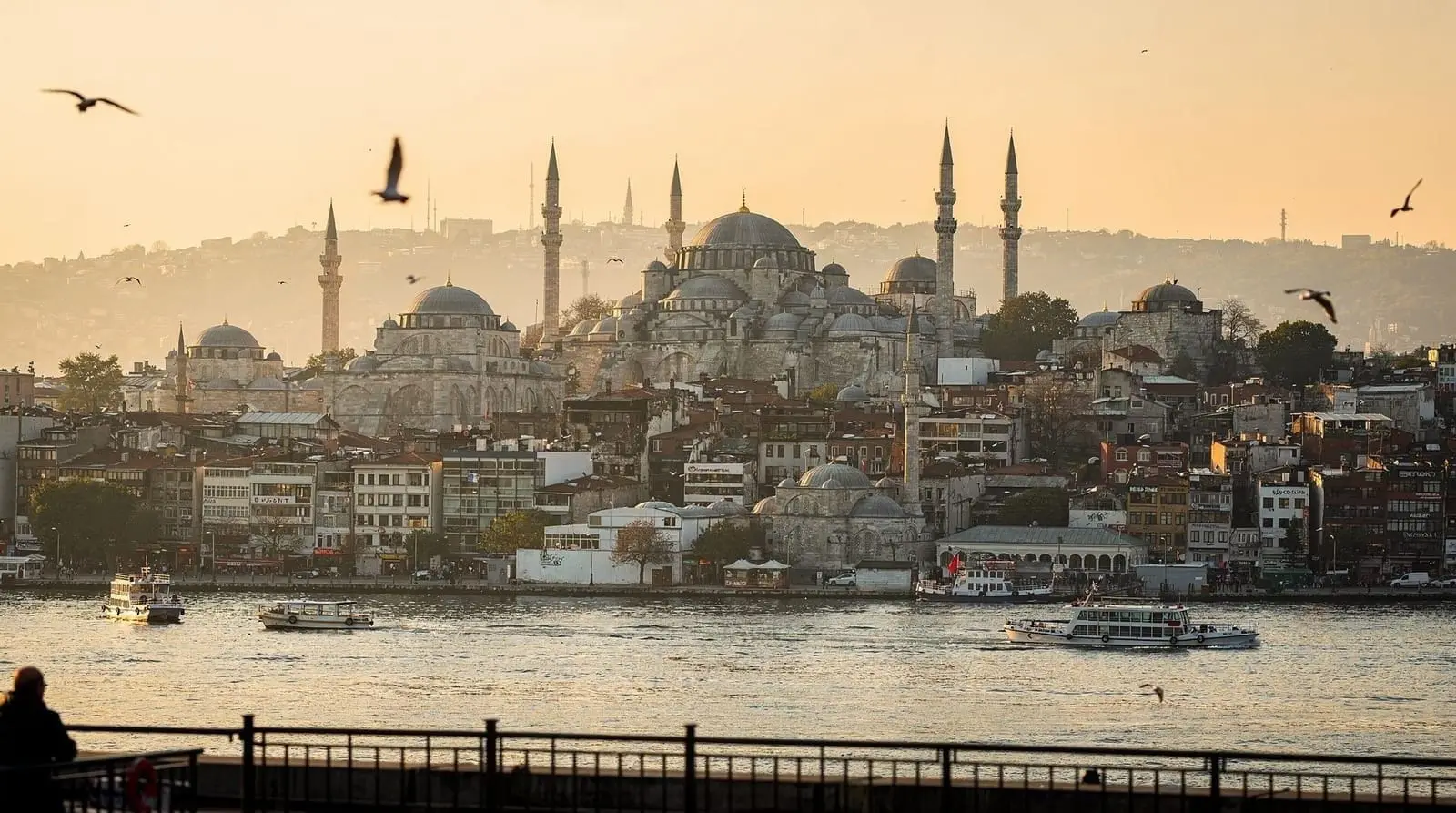
Ramadan in Istanbul: what to expect as a tourist
Ramadan in Istanbul in 2026 falls approximately from 19 February to 19 March — verify the exact dates via the Presidency of Religious Affairs (Diyanet) nearer to your travel dates, as lunar calendar dates shift. Visiting Istanbul during Ramadan is a legitimate and often rewarding experience. The city does not shut down. Tourist sites remain accessible. Alcohol service continues in secular restaurants and bars. What changes is the atmosphere and rhythm of the city, particularly after sunset. I happened into a communal iftar table near the Hippodrome without quite realising what I was walking into, and a stranger waved me into a spare seat before I could even ask — it remains one of the warmest unplanned moments of any trip I’ve had here.
| 2026 dates | Approx. 19 February – 19 March (verify nearer travel) |
| Sites | Open on normal schedules |
| Alcohol | Legal and served throughout, secular venues unaffected |
| Best experience | Iftar (sunset meal) in Sultanahmet or Süleymaniye area |
| Book ahead | Popular iftar restaurants fill fast |
What actually changes during Ramadan
Iftar: The meal that breaks the fast at sunset is the defining event of the Ramadan day in Istanbul. Restaurants near mosques fill with families and groups. Communal iftar tables appear in public squares, particularly in Sultanahmet and Eminönü. The cannon (or siren, depending on the area) fires at the moment of sunset, and the city pauses.
As a tourist, you are not expected to fast — but eating, drinking, or smoking in obviously public, devout areas during daylight hours is considered discourteous. In practice, most tourist areas have restaurants open throughout the day. The consideration is cultural rather than legal.
Mosque visits: Mosques are more active during Ramadan — extra prayers (teravih) take place after the isha prayer, late at night. Morning prayer before dawn (sahur) also draws crowds. If you are planning mosque visits, avoid the 30 minutes either side of prayer times — not because you will be turned away, but because the experience is disrupted for worshippers.
The Blue Mosque, Süleymaniye, and the other major mosques are all still accessible to tourists during Ramadan. Follow the standard etiquette: cover shoulders and knees, remove shoes, be quiet. Women should bring a head covering or use the scarves available at the entrance. Our full mosque etiquette guide and the mosque etiquette overview cover the rules in more depth if this is your first mosque visit. If you would like context on what you are seeing without joining a crowd, a Hagia Sophia ticket with a Blue Mosque audio guide lets you move at your own pace and plan around prayer times.
Restaurant and café hours: Many traditional lokantas and tea houses operated by observant owners adjust their hours — some close during the day, many open early evening and stay open later than usual. Tourist-facing restaurants in Sultanahmet, Beyoğlu, and Karaköy largely maintain normal daytime hours.
Street atmosphere: Ramadan evenings in Istanbul are festive and social in a way that has no equivalent at other times of year. Food stalls with gözleme, simit, and sweets line the streets around Sultanahmet. Families are out late. The pre-dawn meal (sahur) means certain areas remain active well past midnight.
Experiencing iftar as a tourist
You do not need to fast to participate in iftar. Many restaurants in Sultanahmet offer set iftar menus — look for menus posted with “iftar sofrası” (iftar table). These often include soup, a selection of mezze, a main dish, and dessert, at a fixed price. Prices for such menus vary significantly: expect to pay 300–600 TRY per person (approximately 8–16 USD at mid-2025 rates — verify current exchange) at mid-range establishments near the main mosques.
For a genuine iftar atmosphere, the gardens near the Süleymaniye Mosque and the area around Sultanahmet are excellent. Communal iftars in the Hippodrome area are popular with locals and accessible to respectful visitors. If you’d rather have a guided introduction to the food side of the season without navigating it solo, a street food tour booked for late afternoon puts you in the right neighbourhoods just as the evening atmosphere builds.
Traditional Istanbul street food tourIf you would rather plan your own evenings, our Istanbul street food guide and Turkish food guide explain what the stalls sell and how to order. The Sultanahmet district page and the Süleymaniye Mosque page help you pick a base for the sunset hour, and the Spice Bazaar area near Eminönü is a natural stop for sweets before the evening meal.
Ramadan visit vs a regular-season visit
| During Ramadan | Regular season | |
|---|---|---|
| Daytime restaurant crowds | Lighter in devout areas | Normal |
| Evening streets | Very festive, later hours | Normal evening activity |
| Mosque atmosphere | More devout, extra prayers | Standard |
| Alcohol availability | Same in secular venues | Same |
| Booking iftar/dinner | Advisable, fills fast | Less pressure |
The alcohol question
Turkey is a secular state with a Muslim majority. Alcohol is legal and widely available in licensed establishments. During Ramadan, restaurants with alcohol licences continue to serve — typically from afternoon or evening. Some bars and meyhanes reduce hours or close for Ramadan out of respect; call ahead if you have a specific venue in mind. The nightlife in Beyoğlu (İstiklal, Asmalımescit) continues throughout Ramadan.
There is no legal restriction on tourists purchasing or consuming alcohol during Ramadan. For ideas on where to spend a later evening, see the Istanbul nightlife guide and the Beyoğlu and İstiklal page.
Transport and logistics
Public transport runs normally throughout Ramadan. Major sites — Hagia Sophia, Topkapı, Basilica Cistern — are open on standard schedules, though the mosques within the Hagia Sophia complex have additional religious significance during this period and may have slightly adjusted tourist-access windows.
Istanbul’s Istanbulkart works the same as any other time. See Istanbulkart: how it works for the transport logistics.
What is different about visiting during Ramadan vs other times
The honest answer: Ramadan Istanbul is not harder for tourists, but it requires slightly more cultural awareness. The evening energy is different — and, for many visitors, more interesting — than the standard tourist-season crowds. The mosque experience has greater depth. The food atmosphere around iftar is specific to this season.
If the Ramadan window aligns with your travel dates, do not change your plans. If you are specifically seeking the full Ramadan iftar atmosphere, the last ten days of Ramadan (Laylat al-Qadr period) are particularly atmospheric.
For broader seasonal context: best time to visit Istanbul in 2026 covers the full year, and since 2026’s Ramadan falls in late winter/early spring, our Istanbul in spring guide is useful if your trip straddles the end of the fasting month. If budget planning matters alongside the cultural adjustments, the honest Istanbul on a budget guide has the numbers.
For a fuller picture of the fasting month itself, the Ramadan in Istanbul guide goes deeper, and the Turkish customs and etiquette guide covers everyday manners that matter more during this period. If you are weighing how long to stay, how many days you need in Istanbul is a good companion read.
Practical tips specific to Ramadan
- Eat and drink discreetly in overtly devout areas — near mosques, in conservative neighbourhoods like Fatih — during daylight hours.
- Arrive at mosques earlier or later than prayer times to avoid disrupting worshippers.
- Book iftar restaurants in advance — the best neighbourhood spots fill up quickly in Ramadan evenings.
- Carry cash for street food stalls — the Ramadan street food scene is predominantly cash-only.
- Check specific site hours for attractions that may have adjusted Ramadan schedules.
Frequently asked questions about Ramadan in Istanbul
Will Istanbul restaurants be closed during the day in Ramadan?
Tourist-facing restaurants in the main areas largely stay open. Traditional lokantas and tea houses operated by observant owners may close or have reduced hours. In the Grand Bazaar area and Eminönü, many traders are observant; expect some variation in opening hours around prayer times.
Can I eat in public during Ramadan in Istanbul?
Yes — Turkey has no legal prohibition on non-Muslims eating in public during Ramadan. Cultural courtesy suggests discretion in visibly devout areas and near active prayer times. In tourist zones and secular neighbourhoods, eating in cafés and restaurants is entirely normal throughout the day.
Is Ramadan a good time to visit Istanbul?
For travellers interested in cultural depth, Ramadan offers experiences that are genuinely unique to this period — communal iftars, the atmospheric post-sunset streets, the intensity of mosque activity. It is a good time to visit if you approach it with openness. It is a harder time if you prefer to eat and drink freely at all hours without any adjustment.
When does Ramadan end in Istanbul in 2026?
Ramadan 2026 ends approximately 19 March, followed by Eid al-Fitr (Şeker Bayramı — Sugar Festival), a 3-day public holiday. Istanbul is busy and prices spike during Bayram; some businesses close. If your dates overlap with Eid, expect holiday-mode logistics.
Do hotel and restaurant prices change during Ramadan?
Not systematically for accommodation — Ramadan isn’t a peak-pricing season the way summer is. Restaurants offering set iftar menus are priced specifically for that meal, generally reasonable value for a multi-course spread, but book ahead as popular venues near major mosques fill quickly at sunset.
Should I avoid eating street food during the day out of respect?
You don’t need to avoid it entirely, but choosing a quieter spot rather than eating conspicuously in front of a crowded mosque courtyard during the fast is the kind of small discretion that’s appreciated. Away from devout neighbourhoods, tourist areas function normally throughout the day.