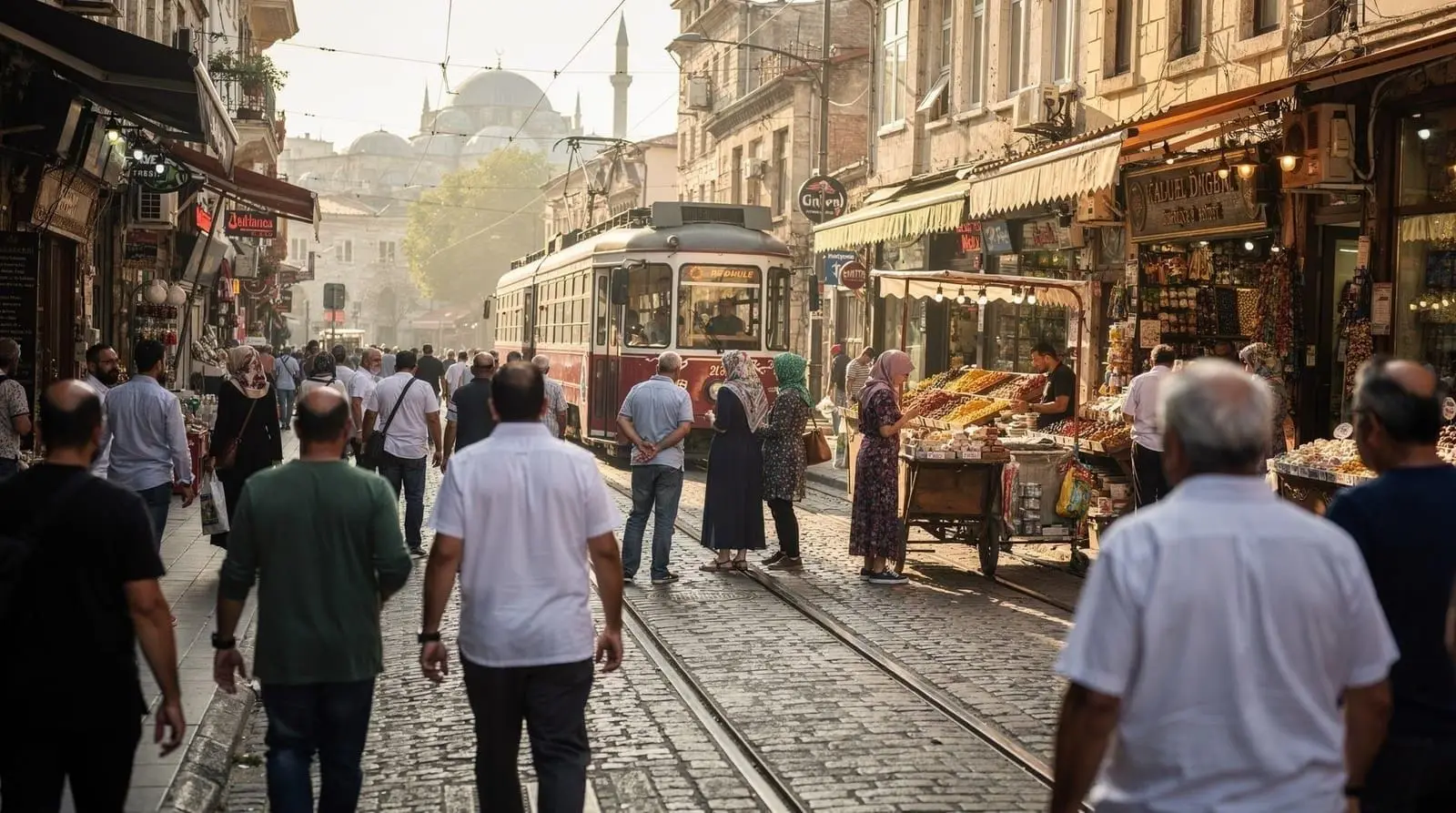
Is Istanbul safe for tourists?
Istanbul is a safe city for tourists by most international comparisons. Violent crime against visitors is rare. The scams that do occur are well-documented, predictable, and avoidable once you know what to look for. The bigger risks are the ordinary urban ones: pickpocketing in crowded areas, aggressive touts, and overcharging by taxis. I’ve walked Sultanahmet at 1am, taken the wrong taxi more than once, and still come away thinking the city’s reputation problem is more about unfamiliarity than actual danger.
| Overall risk level | Low-to-moderate — mostly petty crime and scams, not violence |
| Biggest real risk | Taxi overcharging and tout-driven scams, not crime |
| Emergency number | 112 (ambulance, fire, police) |
| Riskiest spots | Crowded tourist sites (pickpocketing), transport hubs |
| Safest for solo travellers | Kadıköy, Karaköy, Balat and Fener |
What the data actually says
Istanbul’s violent crime rate is lower than many Western European capitals. The city receives over 15 million international visitors annually; serious incidents involving tourists make up a very small fraction of arrivals. The 2016 terrorist incidents that affected the city’s tourism substantially are now a decade old; Istanbul’s security apparatus has been significantly reinforced since then.
That said, Istanbul is a city of 16 million people. Petty crime, scams, and occasional confrontational touts exist. The honest framing is not “safe or dangerous” but “what risks exist and how do you manage them.”
The scams you will actually encounter
These are documented, recurring, and preventable.
The shoe-shine drop: A shoe-shiner walks past and “accidentally” drops his brush. He picks it up and begins shining your shoes before you’ve agreed to anything. At the end, he demands a disproportionate fee. The fix: simply keep walking. If he touches your shoes without your agreement, firmly decline and move on.
The friendly invitation: A well-dressed local (often male, often near Taksim or Sultanahmet) strikes up a conversation and suggests joining him at a nearby bar or club. The bar is in on it. When the bill arrives, it is astronomical — sometimes hundreds of dollars. The fix: do not follow strangers to venues you didn’t choose.
The fake mosque entrance fee: Most major mosques — including the Blue Mosque (Sultan Ahmed Mosque) and Süleymaniye — are free to enter. Anyone at the entrance asking for a ticket fee before you go in is likely a tout, not an official. Verify entry requirements in our mosque etiquette guide before visiting.
Taxi fraud: Istanbul taxis have a genuine reputation for meter manipulation, inflated route-taking, and, classically, switching your large-denomination banknote for a smaller one and claiming you gave them less. The fix: use the BiTaksi app or Uber (which dispatches official licensed taxis), insist the meter is running, and hand over cash while clearly stating the amount.
Carpet and antiques pressure sales: Shops near the Grand Bazaar and Sultanahmet sometimes engage guides or doormen to bring tourists in. The sales are not illegal, but prices are inflated and pressure tactics can be intense. The fix: never enter a shop following a stranger’s recommendation. Browse the Grand Bazaar at your own pace — our Grand Bazaar shopping tips explain how.
For a comprehensive rundown, see our dedicated Istanbul scams guide.
If you want the longer version of the list above, the Istanbul tourist traps guide covers what is not worth your money, and what to skip in Istanbul helps you spend your time where it counts.
Neighbourhood safety breakdown
Here’s how the areas you’ll actually spend time in stack up against each other, side by side:
| Neighbourhood | Scam/tout risk | Pickpocket risk | Good for solo travellers? |
|---|---|---|---|
| Sultanahmet (Old City) | High | Moderate-high in crowds | Yes, with normal awareness |
| Beyoğlu / Taksim | Moderate (bar scams at night) | Moderate on weekends | Yes by day, be selective at night |
| Karaköy / Galata | Low | Low | Yes |
| Kadıköy (Asian side) | Low | Low | Yes, often recommended |
| Balat and Fener | Very low | Very low | Yes |
| Transport hubs | Low | High | Stay alert with bags |
Sultanahmet (Old City): High tourist concentration. Touts and scammers are most active here. Pickpocketing risk in crowded sites like the Basilica Cistern and Grand Bazaar. Not dangerous; requires normal urban awareness. If you would rather not navigate the touts alone on your first morning, a guided Old City morning walking tour keeps you with a licensed guide.
Beyoğlu / İstiklal Avenue / Taksim: Lively, cosmopolitan, generally safe for daytime sightseeing. The bar-scam problem is concentrated here at night. Stick to venues you have researched. Pickpocketing risk on İstiklal on weekends.
Karaköy and Galata: Gentrified neighbourhood, lower tout pressure. Generally comfortable for independent exploration.
Kadıköy (Asian side): Feels more local, less tourist-oriented. Lower scam risk. Good for evening dining and exploring without pressure. See the Kadıköy neighbourhood guide.
Balat and Fener: Quieter, historic, off the main tourist trail. Very low scam risk. Recommended for photography and wandering.
Transport hubs (airports, ferry terminals, main tram stops): Pickpocketing risk is highest here. Secure bags, be aware of your surroundings.
Choosing where to sleep also shapes how safe a trip feels. Our where to stay in Istanbul guide and the comparison of Sultanahmet versus Beyoğlu explain how each base feels after dark, and the Sultanahmet and Beyoğlu and İstiklal destination pages give a sense of the streets themselves.
Women travelling solo
Istanbul has a large solo-female-traveller community and most women report comfortable visits. Harassment exists — primarily unsolicited conversation and occasional following in tourist-heavy areas — but physical assault is uncommon. Standard urban precautions apply: avoid poorly lit areas alone at night, use apps rather than hailing street taxis, and be firm in declining unwanted attention. The city’s restaurant and café culture means you are almost never stuck without a safe, well-lit space to wait.
Dress code is relevant at religious sites. Shoulders and knees should be covered; head coverings are required in mosques and usually available at the entrance. See the mosque etiquette guide for detail.
Health and practical safety
Tap water in Istanbul is technically treated but many locals and visitors prefer bottled or filtered water. Street food from busy, high-turnover stalls is generally safe. The İstanbul Kart (Istanbulkart) makes public transport safe and straightforward — buses, trams, metro, and ferries all work off the same card. Details in Istanbulkart: how it works.
Emergency number in Turkey: 112 (ambulance, fire, police). Tourist Police in Istanbul: available in Sultanahmet.
Getting around is where most visitors meet the city’s everyday risks, so it helps to learn the system early. The getting around Istanbul guide walks through the options, and the Istanbul ferries guide covers the crossing many travellers find the calmest way to move between continents. If you are still planning, Istanbul first-time tips and the Istanbul trip planning guide put the practical steps in order. For a more detailed take on the question itself, see the guide on whether Istanbul is safe.
What I’d actually tell a nervous first-timer
If a friend messaged me the night before their flight worried about Istanbul, here’s what I’d say: the danger you’re picturing isn’t the danger that’s actually there. Nobody I know has been mugged or assaulted here. The near-misses I’ve heard about — and had myself — are almost always a taxi “forgetting” the meter or a stranger being a little too friendly near Taksim. The single best thing you can do to remove risk in the first hour of your trip is to sort airport transport before you land, since haggling with touts straight off a long-haul flight is exactly when people make bad decisions.
Private airport transfer with meet & greetAfter that, the rest is just ordinary city sense: watch your bag on the tram, agree on prices before you get in a cab if you’re not using an app, and don’t let a friendly stranger pick where you eat or drink.
Entry and visa
An e-Visa from the official portal (evisa.gov.tr) is required for many nationalities. US and UK citizens recently gained visa-free access for up to 90 days, but this status can change — verify your specific nationality before travel. Full breakdown in Turkey e-Visa explained.
Frequently asked questions about safety in Istanbul
Is Istanbul safe at night?
Central areas like Sultanahmet, Beyoğlu, Karaköy, and the Asian side are active until late. Exercise the same judgment you would in any major city: avoid isolated alleys, stick to known transport options, and don’t follow strangers to unfamiliar bars.
Are there areas of Istanbul tourists should avoid?
There are peripheral areas with higher poverty and lower foot traffic — Gaziosmanpaşa, parts of the outskirts — but these are simply not tourist destinations. Standard tourist itineraries do not pass through genuinely risky areas.
Is it safe to use ATMs in Istanbul?
Yes. Use ATMs attached to banks rather than standalone machines on quiet streets. Check for skimming devices (loose card reader, unusual attachment).
Should I be worried about terrorism in Istanbul?
Turkey has experienced attacks in the past. The risk has decreased significantly since the period 2015–2017. The global terrorism risk ranking places Istanbul in a similar bracket to many European capitals. Check your government’s current travel advisory before booking.
Is Istanbul safe for LGBTQ+ travellers?
Turkey does not criminalise same-sex relationships, but social attitudes are conservative and public displays of affection are inadvisable in most contexts. Istanbul’s Beyoğlu area is more tolerant, with an established bar and social scene. Istanbul Pride has been restricted since 2015; the situation is politically sensitive. Exercise discretion, particularly outside tourist areas.
Is it safe to walk around Istanbul at night alone?
In the central, well-lit tourist areas — Sultanahmet, Beyoğlu, Karaköy, Kadıköy — yes, and it’s common to see people doing it. The same caution you’d use in any large city applies: stick to streets with foot traffic, use a ride-hailing app rather than flagging a car late at night, and avoid unlit backstreets you don’t recognise.
Do I need travel insurance for Istanbul?
It isn’t legally required, but it’s a sensible idea given that public healthcare for foreigners is paid, not free. Make sure any policy covers medical treatment, theft, and trip cancellation — the modest cost is nothing compared to an unplanned hospital visit or a stolen phone.