Things to do in Cappadocia
Cappadocia: Red Tour with Entry Fees and Lunch
What are the best things to do in Cappadocia?
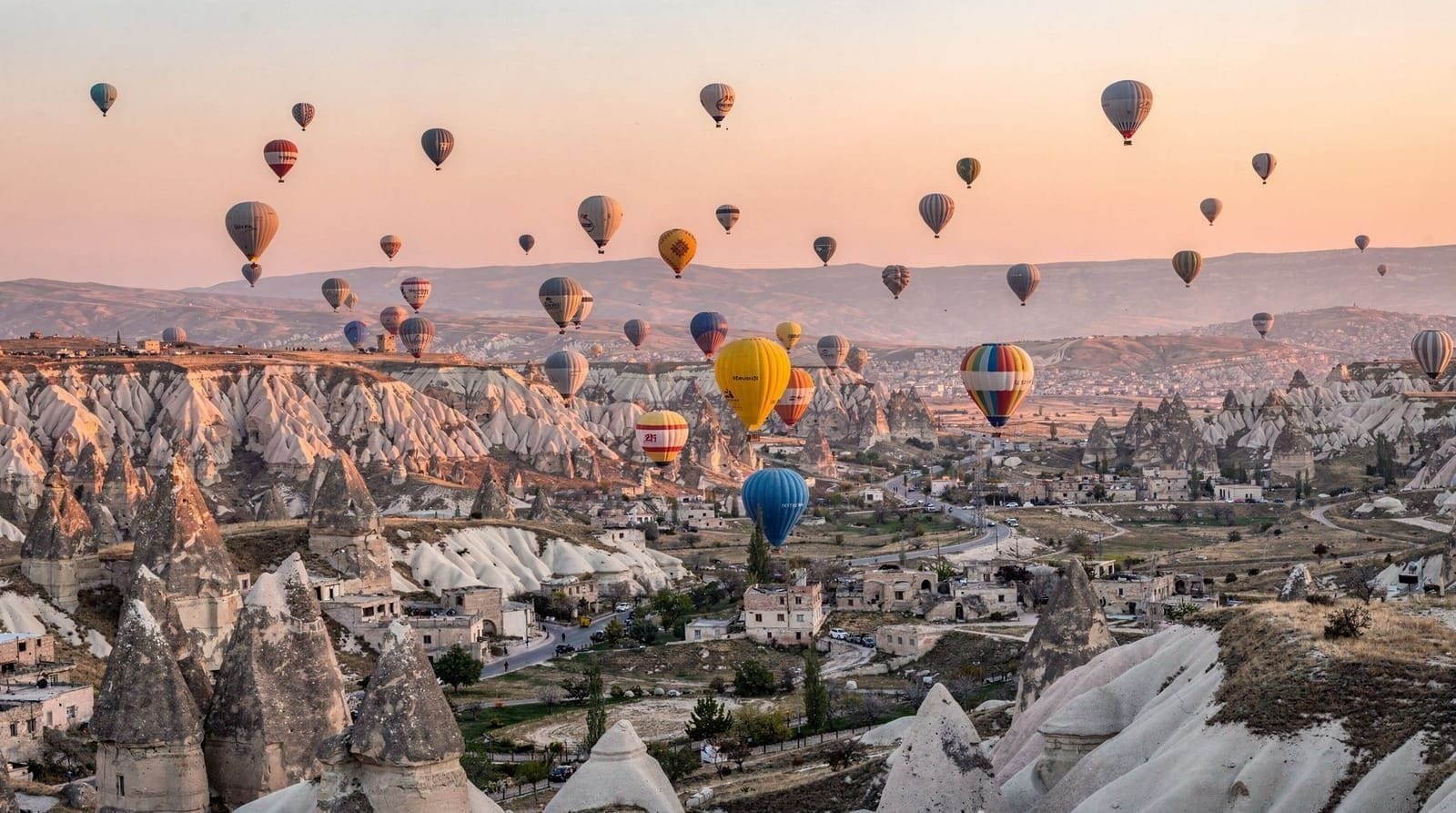
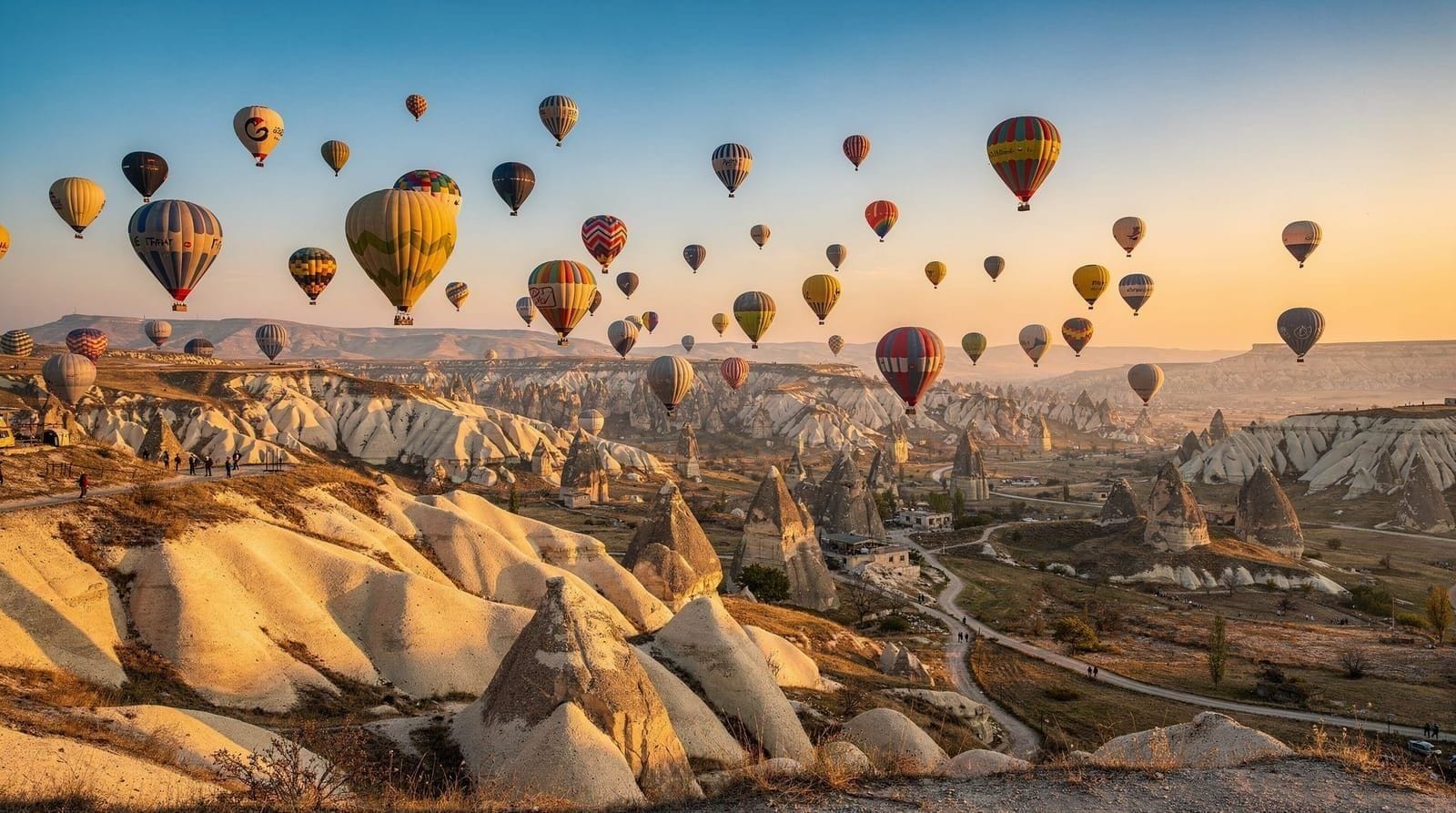
Hot air balloon at dawn, Göreme Open-Air Museum (cave churches with Byzantine frescoes), hiking in Rose or Love Valley, underground cities (Derinkuyu), and a sunset from Sunset Point. Most visitors stay 2-3 nights in Göreme to experience these without rushing.
Cappadocia’s depth of experience
Most visitors arrive in Cappadocia expecting the balloon and the fairy chimneys, and they get those. What many do not expect is how much else there is to do — valley hikes that take you past 1,000-year-old rock-cut churches, underground cities that go eight storeys deep, pottery towns, wine-producing villages, and sunsets that make photographers stop talking mid-sentence.
This guide covers the full range of activities in Cappadocia, organised by type, with realistic time estimates and honest commentary on what is worth doing versus what is tourist filler.
| Where | Central Anatolia, ~1hr flight from Istanbul |
| Time needed | 2-3 nights minimum for balloon + both tours |
| Cost | Balloon 150-250 USD; Red/Green Tour 40-70 USD each |
| Getting there | Fly to Kayseri (ASR) or Nevşehir (NAV) |
| Best time | April-May or September-October |
Experiences you should prioritise
Hot air balloon flight
The defining experience of Cappadocia. Launches at dawn; you must be in Göreme the night before. Worth booking before you arrive. Full details in Cappadocia balloon ride guide.
Göreme Open-Air Museum
A UNESCO World Heritage Site containing a concentration of Byzantine cave churches with frescoes in a compact hillside 1.5 km from Göreme village. The frescoes date from the 10th-13th centuries and include some of the best-preserved examples in the Byzantine world. The Karanlık Kilise (Dark Church) — with the most vivid colours, protected from UV damage by its very small window — is worth the additional entry fee.
Allow 2-3 hours. Entry approximately 300-400 TRY (8-11 USD). Included in most Red Tour packages. Details: Göreme Open-Air Museum guide.
Cappadocia Göreme Open-Air Museum guided tour provides an expert guide at the churches, which significantly improves the visit.
Valley hiking
Cappadocia’s valleys can be walked independently with good signage. The most rewarding routes:
Rose Valley (Güllüdere Vadisi): The pink and orange volcanic rock catches light spectacularly at sunrise and sunset. The main trail from Çavuşin to Göreme takes 2.5-3 hours and passes cave churches. One of Turkey’s most beautiful short hikes.
Love Valley: Tall, distinctive fairy chimney formations visible from the Sunset Point above Göreme. The valley floor is accessible and the scale of the formations is impressive. A short descent from the viewpoint takes you into the valley.
Pigeon Valley (Güvercinlik Vadisi): 2 km walk connecting Göreme to Uçhisar, named for the thousands of dovecot niches carved into the valley walls. Flat, easy, and with good rock formation views.
White Valley: Near Çavuşin, with pale chalk-white formations rather than the orange-pink of Rose Valley. Less visited and particularly good in morning light.
Start hikes from the Sunset Point area above Göreme — trails are marked and a basic map is available at the Göreme tourist information office. Download an offline map before starting.
Derinkuyu Underground City
The most impressive of Cappadocia’s underground cities, 29 km south of Göreme. Eight storeys of excavated tunnels, chambers, and passages built to shelter up to 10,000 people from attack. Features include stables, wine and oil presses, churches, and sophisticated air shafts. The millstone doors (enormous circular stones used to seal off passages) are extraordinary engineering.
Entry approximately 200-300 TRY (6-8 USD). Included in most Green Tour packages. The underground cities skip-the-line tour with lunch provides transport and a guide, which is worthwhile given the complexity of navigation underground.
Full guide: Cappadocia underground cities guide.
Day tours
Red Tour
Full-day tour covering Göreme Open-Air Museum, Paşabağı (Monks’ Valley), Çavuşin, Devrent Valley, and Avanos. Entry fees and lunch included. The most popular group tour format. See Cappadocia tours guide.
Cappadocia Red Tour with entry fees and lunch is the standard booking.
Green Tour
Full-day tour covering Ihlara Valley (gorge walk with cave churches), underground city, Selime Monastery, and Pigeon Valley. Less crowded than the Red Tour. Full comparison: Cappadocia tours guide.
Outdoor and adventure activities
ATV and quad biking
ATV tours through the valleys are popular and well-organised from Göreme. Typical tours cover the Love Valley and surrounding fairy chimney areas. A Cappadocia quad bike (ATV) tour, offered daily or at sunset, is the standard way to book one. Duration: 1-3 hours. Cost approximately 800-2,000 TRY (22-55 USD). You do not need a licence. The terrain is mostly flat dirt tracks between formations.
No specialised gear required beyond what the operator provides (helmet, goggles). Available year-round; sunset tours are particularly atmospheric.
Horse riding
Horse riding tours through the valleys have a long tradition in Cappadocia — the region’s name may derive from the Old Persian for “land of beautiful horses.” Sunset or daytime tours typically last 1-2 hours and follow valley trails. Cost approximately 1,000-2,500 TRY (28-70 USD) per person.
The terrain and views on horseback are similar to walking but with a different pace. Suitable for beginner riders on guided trail horses.
Cycling
Mountain bike hire is available in Göreme. The terrain is manageable on a decent bike — unpaved valley tracks with moderate gradients. Cycling the Pigeon Valley-Uçhisar route is a good half-day option.
Cultural and historical experiences
Pottery in Avanos
Avanos, on the Kızılırmak River, has been a pottery centre since the Hittite period. The red clay from the riverbed is distinctive. Most potters offer short hands-on workshops (30-60 minutes) where you can try working the wheel. Quality ranges from tourist demonstration level to serious craft. A good potter to seek out: Chez Galip, known for hair museum as much as for ceramics.
Wine tasting
Cappadocia’s wine production, once dormant, has been revived over the past 20 years. The volcanic soil and high altitude create interesting conditions for viticulture. Ürgüp and Mustafapaşa are the main wine villages. Local grapes include Öküzgözü, Boğazkere (red), and Emir (white). Tastings at producers like Turasan, Kocabağ, and Ürgüp Vineyards run approximately 200-400 TRY (6-11 USD).
A Cappadocia private day tour with wine tasting combines the main valley sites with a winery visit, which is a good option for wine-interested visitors.
Viewpoints and sunset
Sunset Point (Güvercinlik Vadisi Viewpoint)
The viewpoint on the hill above Göreme’s northern edge is the classic sunset spot. The valley below fills with golden light as the sun descends. Other visitors gather here — it can be crowded at peak sunset time in high season. Arrive 30-40 minutes before sunset.
Uçhisar Castle
Uçhisar, 5 km west of Göreme, is a natural volcanic rock formation that served as a fortress. You can climb to the top (approximately 100 TRY entry) for a panoramic view over Cappadocia that extends further than any Göreme viewpoint. The sunset from here is exceptional. There are several café-restaurants around the rock with terrace seating.
Çavuşin Old Village
The abandoned cliff-side houses of Çavuşin old village, above the new village, have a melancholy beauty — inhabited until erosion made them unsafe, now empty shells in the rock face. The large cave church visible from below (St. John the Baptist church) can be entered from above.
Practical information
Two-day suggested itinerary in Cappadocia
Day 1: Arrive afternoon. Check into cave hotel. Walk Göreme village in the evening. Sunset at Sunset Point. Arrange balloon ride for next morning.
Day 2: 4:30 am pick-up for balloon flight (done by 8:30 am). Breakfast at hotel. Morning: Göreme Open-Air Museum with guide. Afternoon: Red Tour (or join Red Tour from morning if balloon is early enough). Evening: dinner in Göreme.
Day 3: Morning: Pigeon Valley or Rose Valley hike at sunrise. Afternoon: Green Tour or independent underground city visit. Evening: Wine tasting in Ürgüp (optional).
What to know about Göreme
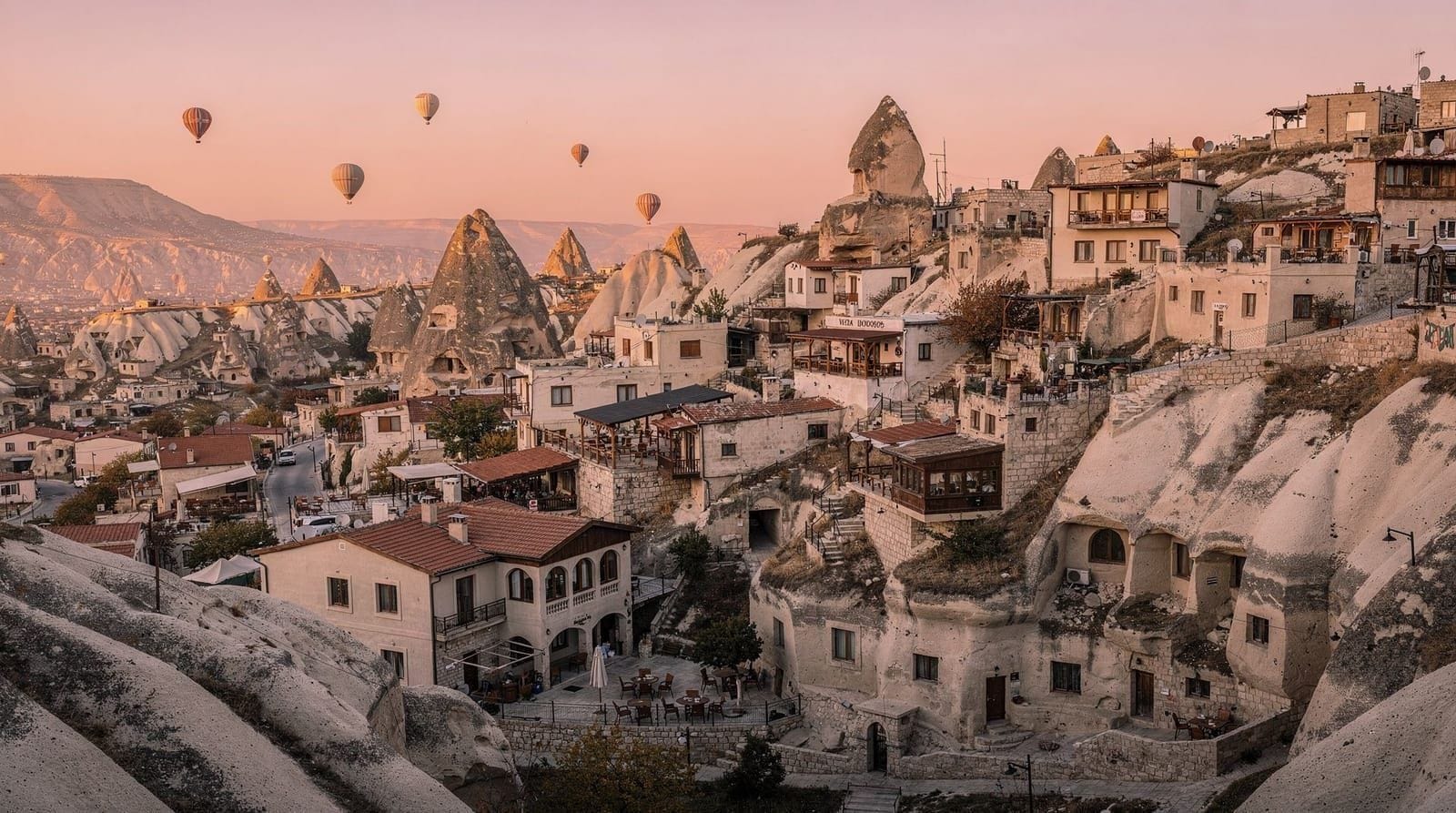
Göreme village is small and walkable. The main street has restaurants, souvenir shops, and ATMs. Most cave hotels are within a 15-minute walk of the centre. The Göreme Bus Station (otogar) is at the village centre — minibuses run to Nevşehir and Kayseri for onward connections.
Less-visited sites worth knowing
Çavuşin old village
Three kilometres north of Göreme, the old village of Çavuşin was inhabited until erosion made the cliff-side houses unsafe. The population relocated to a new village below. The old village is a ghost settlement — abandoned houses in the rock face, open to the sky, with a large cave church (St. John the Baptist in Çavuşin) visible high on the cliff. Not on most standard tours and therefore very quiet. A 30-minute walk or 10-minute taxi from Göreme.
Ortahisar Castle
A natural rock tower 5 km west of Ürgüp. The castle has been used as a refuge and storage facility throughout history, most recently for lemon storage (the cool interior kept citrus fresh). Climb to the top for a panoramic view that completes the Cappadocia perspective. Entry approximately 100 TRY (3 USD). The village below has several good guesthouses.
Çavuşin Rock Churches (outside the museum)
Beyond the Göreme Open-Air Museum, several rock-cut churches in the Çavuşin-Avanos area are accessible to independent visitors without admission charge. The churches vary in preservation — some have well-preserved frescoes, others are stripped. A local guide or detailed map is helpful for finding the less-accessible ones.
The culinary dimension of Cappadocia
Cappadocia is not primarily known as a food destination, but several local dishes and traditions are worth seeking:
Testi kebabı: The signature Cappadocia dish. Meat (usually lamb or chicken) with vegetables, herbs, and tomato is sealed in an earthenware clay pot (testi) and slow-cooked for several hours. At the table, the waiter breaks the pot with a knife to release the contents — a theatrical moment. The flavour is deeply rich. Available at most traditional restaurants in Göreme and Ürgüp. Cost approximately 350-600 TRY (10-17 USD) per person.
Mantı: Turkish dumplings, typically served with yogurt, butter, and dried mint. Cappadocia has its own regional variation — smaller dumplings than the standard Istanbul version.
Pekmez: Grape molasses made from the Cappadocia region’s vineyards. A key ingredient in many local dishes. Dark, sweet, and intense — drizzled on bread with local cheese, it is an excellent breakfast addition.
Regional wine: The Cappadocia wine region produces wines from Öküzgözü, Boğazkere (reds), and Emir (white) grapes. The volcanic tuff soil and altitude give the wines distinctive mineral character. Try Turasan, Kocabağ, or Ürgüp Vineyards. Wine tasting at the wineries runs approximately 200-400 TRY (6-11 USD).
Practical guide to solo and independent exploration
Cappadocia is very navigable as a solo independent traveller. Unlike, say, Gallipoli (where a guide is strongly recommended) or Ephesus (where a guide adds significant value), the main Cappadocia valleys and sites can be explored effectively with a good offline map and some preparation.
Maps: Download an offline map of the Göreme area before arriving. The OsmAnd app has detailed trail mapping for the valleys. The Göreme tourist office (in the village centre) provides a printed map of the valley trails.
Valley navigation: Rose Valley, Pigeon Valley, and Love Valley trails are well-trodden and hard to get seriously lost on. White Valley near Çavuşin has less-marked paths — worth downloading the specific route before starting.
Taxi transport: From Göreme, most sites (Çavuşin, Ürgüp, Uçhisar, Ortahisar) are 10-20 minutes by taxi at approximately 100-300 TRY (3-8 USD). Negotiate a round-trip waiting price for remote sites.
Language: English is very widely spoken in Göreme’s tourist-facing businesses. Basic Turkish helps at the underground cities, the smaller village sites, and local restaurants.
For specific site details: Göreme Open-Air Museum guide, Cappadocia underground cities guide, and Cappadocia tours guide.
Activities compared: what’s worth your time
| Activity | Time | Cost (approx.) | Worth it? |
|---|---|---|---|
| Hot air balloon | 1-1.5 hrs flight, 4:30am start | 150-250 USD | Yes — the defining Cappadocia experience |
| Göreme Open-Air Museum | 2-3 hrs | 300-400 TRY | Yes — best concentration of Byzantine frescoes |
| Valley hiking (self-guided) | 2-3 hrs per valley | Free | Yes — Rose Valley especially |
| Underground city | 1-1.5 hrs | 200-300 TRY | Yes, with a guide for context |
| ATV/quad tour | 1-3 hrs | 800-2,000 TRY | Optional — fun but not essential |
| Horse riding | 1-2 hrs | 1,000-2,500 TRY | Optional — nice pace change, not a must |
| Wine tasting | 1-2 hrs | 200-400 TRY | Worthwhile for wine-interested visitors |
| Pottery workshop in Avanos | 30-60 min | Varies | Optional — good rainy-day or low-energy activity |
Where to stay for which activities
Göreme is the default base and the right choice for most visitors — it sits at the centre of the valley network, has the most balloon operators, and puts the Open-Air Museum within walking distance. Cappadocia where to stay guide covers the alternatives in detail, but as a quick guide: Üçhisar suits visitors prioritising the panoramic sunset view and a quieter evening; Ürgüp offers a slightly larger town with more restaurant variety and easy access to the wine villages; Avanos suits pottery enthusiasts and a more local, less tourist-dense atmosphere. Whichever base you choose, cave hotel rooms fill quickly in peak balloon season (April-May, September-October) — book well ahead if a cave room specifically matters to your trip.
Combining Cappadocia with Istanbul and other stops
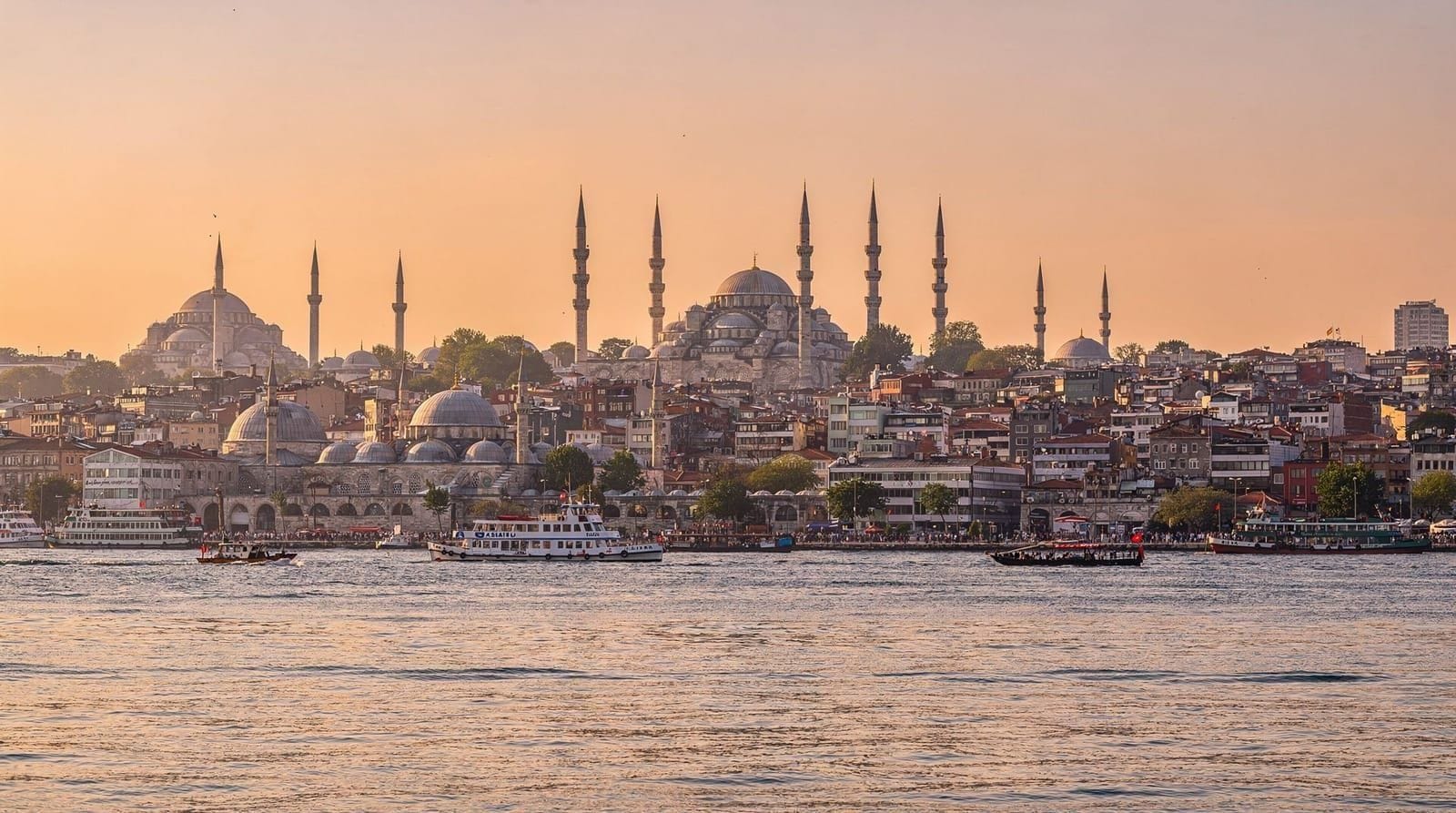
Most itineraries reach Cappadocia by domestic flight from Istanbul — see Cappadocia from Istanbul guide for flight logistics and timing. For travellers building a longer Turkey itinerary, Cappadocia often pairs with Ephesus and Pamukkale; the Istanbul, Cappadocia, Ephesus, Pamukkale 7-day itinerary sequences all four without excessive backtracking. For a shorter add-on to an Istanbul-focused trip, the Istanbul and Cappadocia 5-day itinerary is the more common choice, allocating 2-3 nights to Cappadocia after the Istanbul sightseeing.
Frequently asked questions about Things to do in Cappadocia
What is Cappadocia famous for?
How many days do you need in Cappadocia?
Is hiking in Cappadocia difficult?
What is the best hike in Cappadocia?
Is there wine tasting in Cappadocia?
What is the best sunset viewpoint in Cappadocia?
Top experiences
Bookable activities with verified prices and instant confirmation on GetYourGuide.