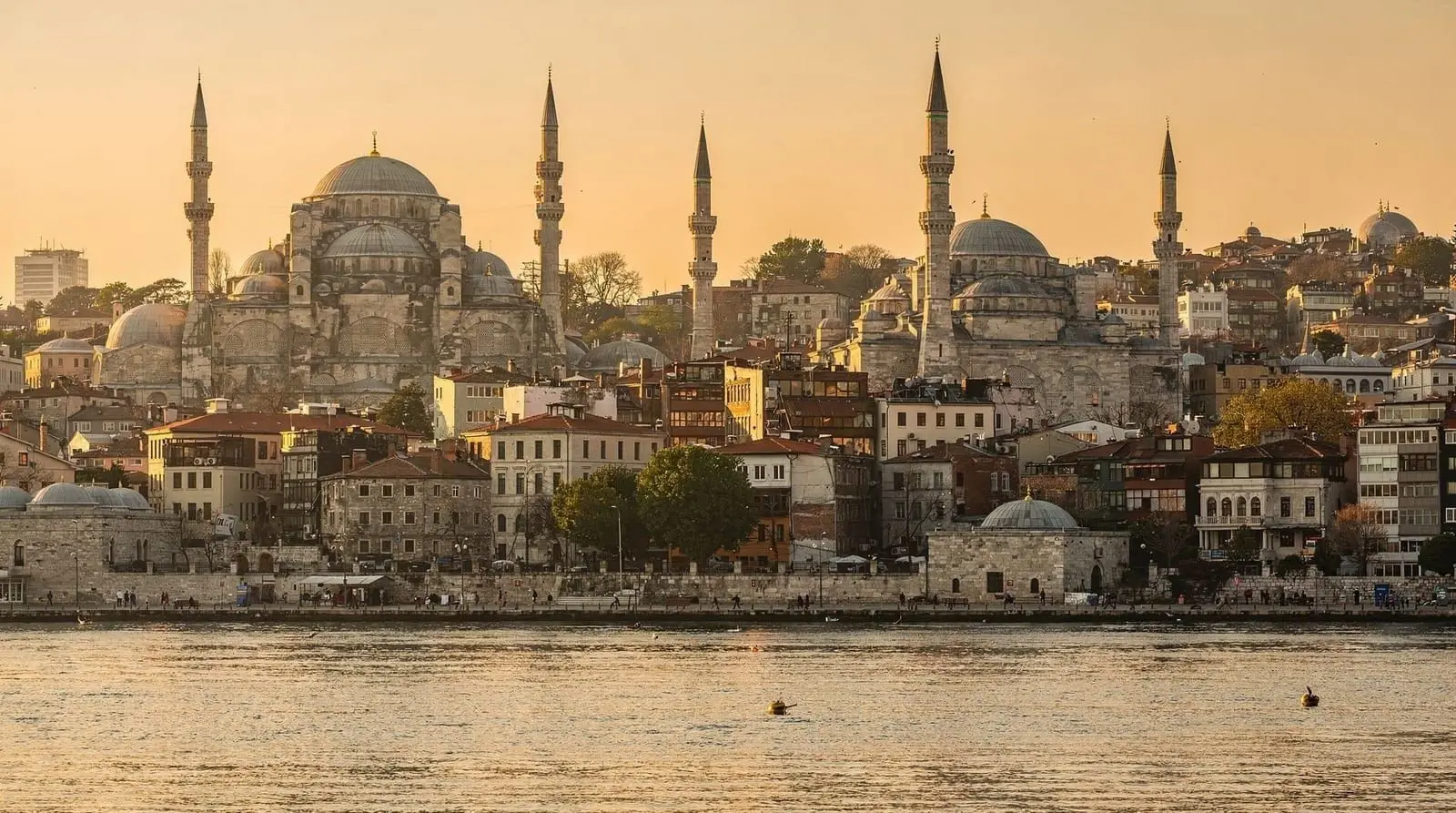
Istanbul on a budget: honest costs and where to save
Istanbul is one of the more affordable major city destinations in Europe or Western Asia for visitors paying in USD or EUR, thanks largely to the sustained weakness of the Turkish lira. That situation is real and meaningful — a budget traveller paying in euros can eat well, move around comfortably, and see the main sites for around 40–60 USD per day. A mid-range traveller can do it extremely well for 80–120 USD per day. What follows are honest estimates dated to mid-2025; given Turkey’s inflation history, verify current prices before travel. I tracked every lira I spent on my last trip out of curiosity more than necessity, and the number that actually surprised me wasn’t the food (cheaper than I expected) — it was how much a single skip-the-line ticket at Topkapı could quietly wreck an otherwise tight daily budget.
| Budget traveller | Around 40–60 USD/day excl. accommodation |
| Mid-range traveller | Around 80–120 USD/day excl. accommodation |
| Cheapest wins | Istanbulkart transport, lokanta meals, free mosques |
| Biggest expense risk | Paid site entry fees stacking up |
| Pay in cash for | Street food, small lokantas, market stalls |
The currency situation
Turkey has experienced substantial inflation and lira depreciation since 2021. Prices in TRY change frequently; the dollar and euro equivalent has remained more stable because of the exchange rate offset. The practical effect: Istanbul feels cheap to international visitors paying in hard currency. Budget-level accommodation and food that would be uncomfortable in Paris or London is perfectly adequate in Istanbul.
Always carry some cash in lira. Many street food stalls, market vendors, and smaller restaurants are cash-preferred or cash-only. Larger restaurants, hotels, and supermarkets accept cards widely. ATMs are common; use those attached to banks. See Istanbul travel budget guide for a full breakdown.
Accommodation costs (mid-2025 estimates)
| Type | Location | Cost/night |
|---|---|---|
| Hostel dorm | Sultanahmet or Beyoğlu | 15–25 USD |
| Budget guesthouse | Sultanahmet | 35–55 USD |
| Mid-range hotel | Sultanahmet/Karaköy | 70–120 USD |
| Design hotel | Beyoğlu/Karaköy | 100–180 USD |
| Luxury (Four Seasons Sultanahmet) | Sultanahmet | 400+ USD |
The Sultanahmet area is convenient for sightseeing but commands a location premium. Beyoğlu and Karaköy offer better neighbourhood experience at similar or slightly lower prices. For budget travellers, the Laleli and Aksaray neighbourhoods near Sultanahmet offer genuine guesthouses at low prices, though they lack the polish of the tourist-facing areas. Our best neighbourhoods to stay guide covers the tradeoffs.
Food costs
This is where Istanbul genuinely surprises budget travellers. A full meal at a working-class lokanta (cafeteria-style restaurant) — soup, main course, salad, bread, water — costs 80–150 TRY (approximately 2.50–4.50 USD at mid-2025 rates). A simit (sesame bread ring) from a street cart is 5–10 TRY. A midye dolma (stuffed mussel, usually sold by the piece) is 5–8 TRY each.
For context on what to eat and where: a first-timer’s guide to Turkish food and best Turkish breakfast spots give specific recommendations with honest price expectations.
Where costs inflate: waterfront restaurants, tourist-facing meyhanes near İstiklal, and places that prominently advertise in multiple languages. These exist to serve tourists and price accordingly. Moving one street back from the main tourist drag almost always halves the bill for comparable food. If you would rather skip the guesswork on your first day, a guided food tour with ten tastings can point you to the honest local spots.
Transport costs
The Istanbulkart (public transport card) makes getting around extremely affordable. A single metro or tram journey costs about 46 TRY (October 2026, according to the Metro Istanbul fare table). Ferry and bus fares are on the Şehir Hatları and public transport sites. The card itself has a small purchase price — verify the current price at the kiosk.
The card covers metro, tram (including the T1 tourist route through Sultanahmet), buses, Marmaray train, funiculars, and the public ferries (Şehir Hatları). More in Istanbulkart: how it works.
Avoid metered taxis for short tourist-area trips unless you use BiTaksi or Uber, which prevent fare manipulation. For airport transfers, the M11 metro from IST is the most economical option — see IST airport to city centre guide.
Entry fees for major sites (check before travel)
Prices in TRY change frequently, so this guide gives no figures: check the official site of each museum before you go.
The Museum Pass is worth calculating carefully. If you are visiting 4+ paid sites in 3–5 days, the pass saves money. If you are visiting 2–3 sites over a longer trip, individual tickets may be better. See are Istanbul passes worth it? for the current analysis.
Free attractions worth noting: Blue Mosque, Süleymaniye Mosque, most other mosques, Hippodrome/Sultanahmet Square, Spice Bazaar (free to enter, pay for what you buy), Grand Bazaar (free to enter), Bosphorus (via cheap public ferry), Balat streets, Kadıköy market.
Building a free day around the Old City
Because the main mosques cost nothing to enter, a whole day in the Old City can be planned around them. Our free mosques in Istanbul guide and the wider free things to do in Istanbul list help you string together a route without paying for a single ticket. Pair that with the Istanbul tourist traps guide so you know which “bargains” are really just markup, and read mosque etiquette for visitors before you go in, since the free sites are also working places of worship.
Cheap ways to enjoy the Bosphorus and the Asian side
The public ferry is one of the best-value experiences in the city: you get the water, the skyline and a taste of daily life for the price of an Istanbulkart tap. Our Bosphorus by public ferry guide and the blog post on ferry hopping on the Bosphorus explain how to do it without a paid cruise. Crossing to Kadıköy is a natural budget outing, with markets and local eateries that are far less tourist-priced than the Old City.
Planning the rest of your spending
If you are still deciding how long to stay, how many days do you need in Istanbul will help you size the budget to the trip. For cheap and filling meals beyond the lokanta, the Istanbul street food guide is a useful companion, and the honest Istanbul on a budget guide goes deeper on what is worth paying for and what is not.
Where not to cut corners
Accommodation in very cheap hostels near the airport or outer districts: The money saved rarely justifies the transport time added.
Mystery food at tourist-facing kebab places near Hagia Sophia: Overpriced and mediocre. Walk 2–3 streets toward Divanyolu Caddesi for better options.
Skip-the-line entry at Hagia Sophia: Hagia Sophia is currently a mosque with free entry — the “skip-the-line tours” being marketed involve the guided-tour aspect, not an entry ticket. Read carefully before paying.
Buying transport tickets individually: The Istanbulkart fare is lower than a single-use paper ticket. Get the card on arrival.
Budget day sample (rough estimate)
- Breakfast at a neighbourhood lokanta: 80–120 TRY (~2.50–3.50 USD)
- Simit from street vendor: 8 TRY (~0.25 USD)
- Istanbulkart transport (all day): about four metro or tram journeys at 46 TRY each
- Entry to one paid site: see the official site
- Lunch at a lokanta: 100–150 TRY (~3–4.50 USD)
- Afternoon çay at a tea garden: 30–40 TRY per glass (~1 USD)
- Dinner at a neighbourhood meyhane with a couple of beers: 400–600 TRY (~12–18 USD)
Total without accommodation: depends on the sites you choose; food and transport alone come to a modest daily figure.
Mid-range version (nicer restaurant, skip-the-line option, a cocktail): 80–100 USD per day without accommodation.
The one splurge worth budgeting for
If I had to protect one non-essential expense from the budget-cutting instinct, it would be a single guided walking tour early in the trip. It sounds counterintuitive on a budget-focused page, but a couple of hours with someone who actually knows the Old City’s history means every free mosque and public square you walk past afterwards means more — you stop seeing pretty buildings and start understanding what you’re looking at.
Short guided walking tour of the Old CitySample budget by traveller type
Putting the pieces together, here’s roughly what a full day looks like at each level, excluding accommodation and international flights:
| Traveller type | Daily total (excl. accommodation) | What that buys |
|---|---|---|
| Tight budget | ~38–54 USD | Lokanta meals, free sites, Istanbulkart transport |
| Comfortable budget | ~60–80 USD | Above, plus one paid site and a nicer dinner |
| Mid-range | ~80–120 USD | Better restaurants, one paid site, occasional taxi |
| Splurge day | ~150 USD+ | Fine dining, private transfer, premium tour |
Frequently asked questions about Istanbul costs
Is Istanbul cheap for tourists?
By Western European or North American standards, yes. The Turkish lira’s decline has made Istanbul significantly more affordable for visitors paying in dollars or euros. Istanbul is among the better-value major city destinations globally as of 2025–2026, though local inflation means TRY prices change frequently.
How much spending money do I need per day in Istanbul?
A genuine budget traveller can manage on 40–50 USD per day (excluding accommodation). A comfortable mid-range traveller should budget 80–100 USD per day. A higher-end traveller will find excellent restaurants and hotels at what feel like moderate prices by Western standards.
Should I exchange currency before arriving?
You can exchange at the airport in Istanbul (rates are competitive compared to some countries). Better rates are typically available at exchange offices in Kapalıçarşı (Grand Bazaar area) or near Taksim. Using a fee-free card at ATMs (like Wise or Revolut) is often the most cost-effective option.
What’s the single biggest way to blow a tight Istanbul budget?
Stacking multiple paid site entries without a plan. Topkapı, Dolmabahçe, the Basilica Cistern and the Museum Pass all add up fast if you buy every ticket individually. Decide upfront which 3–4 paid sites matter most, then check whether the Istanbul Museum Pass actually saves you money for that specific list.
Is it worth budgeting for any guided tours at all?
One, yes — a single well-reviewed walking tour early in the trip pays for itself in context for everything you see afterwards. Beyond that, self-guided exploration with a good map and our neighbourhood guides covers most of Istanbul perfectly well for free.